Trail Running Shoes
Salomon Peregrine 13 GTX Review: A Versatile Trail All-Rounder With Wet-Weather Insurance
A lightweight, grippy trail shoe that balances soft ground and hardpack, with a Gore-Tex liner that earns its keep in wet grass and morning dew.
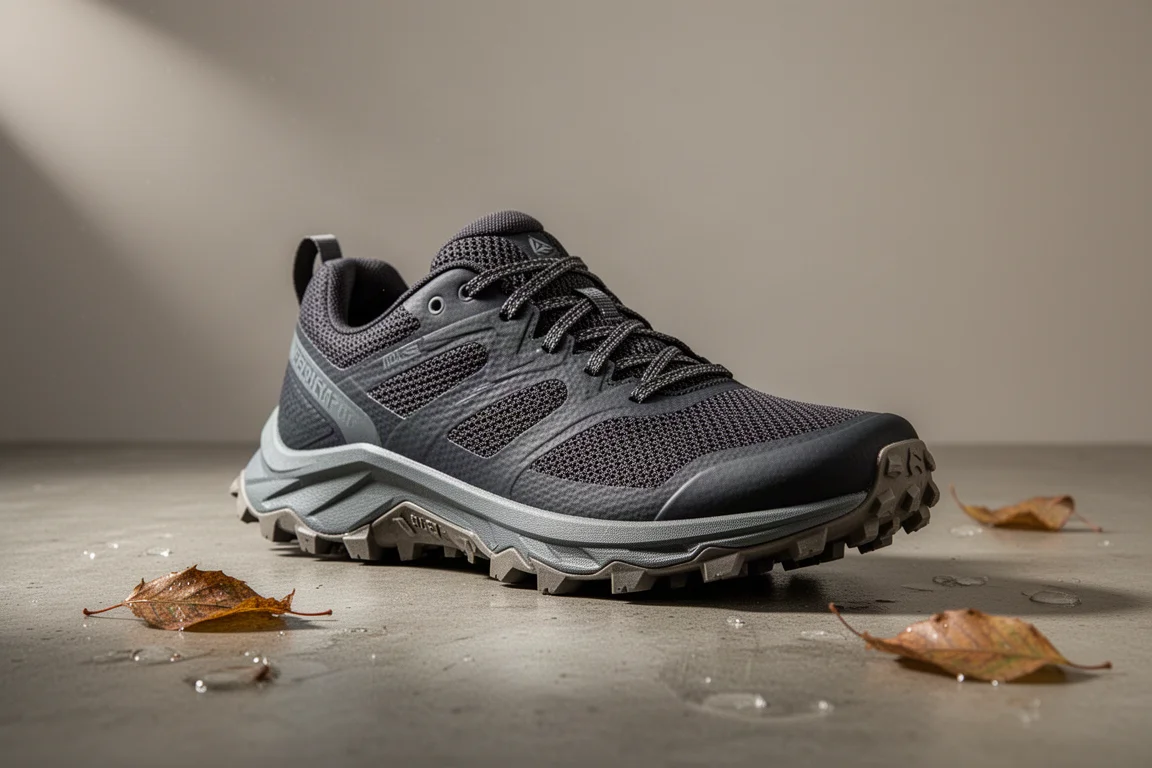
Introduction
The Peregrine line has been a fixture of Salomon’s trail range for years, built as a versatile all-rounder that handles a mix of terrain, distances, and paces. The Peregrine 13 GTX is the waterproof version of this year’s update, and it aims to be that rare trail shoe that grips well in mud while staying smooth and composed on harder surfaces.
Pricing and Weight
The Gore-Tex version carries a premium over the standard Peregrine 13, which sells for £130 or $140. It is also heavier: 308g (10.8oz) in UK size 9. That said, it remains a genuinely light shoe for something with a substantial outsole and a waterproof membrane. Stack height is unchanged at 28mm heel and 24mm forefoot for a 4mm drop, and this year’s update added a little more cushioning while making the shoe lighter overall.
Upper and Fit
The upper uses a mesh construction with a Gore-Tex membrane that never felt stiff or intrusive during testing. There is a toe bumper for abrasion protection, generous padding around the heel collar and tongue, and a firm heel counter that adds a lot of structure and support.
Sizing is true to size: a normal running shoe size fit with no issues, with sensible toe box room so downhill toe-bashing is not a concern. The main trade-off is breathability. In around 20°C heat the shoe ran slightly warmer than non-waterproof alternatives, though not enough to be a real problem.

Ride and Midsole
The midsole is Salomon’s Power Run foam with a Power Run Plus insole, giving a slightly softer feel underfoot. This version adds 1.5mm more cushioning than the Peregrine 12, plus foam sidewalls for a touch of stability and a rock plate for protection on rough trails.
The ride is balanced rather than thrilling. It is not the softest or liveliest foam available, but it feels light, gives a bit of energy back, and provides a stable platform for faster progression runs on undulating terrain while staying comfortable on long easy runs. The 4mm drop was slightly noticeable for a heel striker on runnable terrain, but largely disappeared on uneven ground.
Grip and Outsole
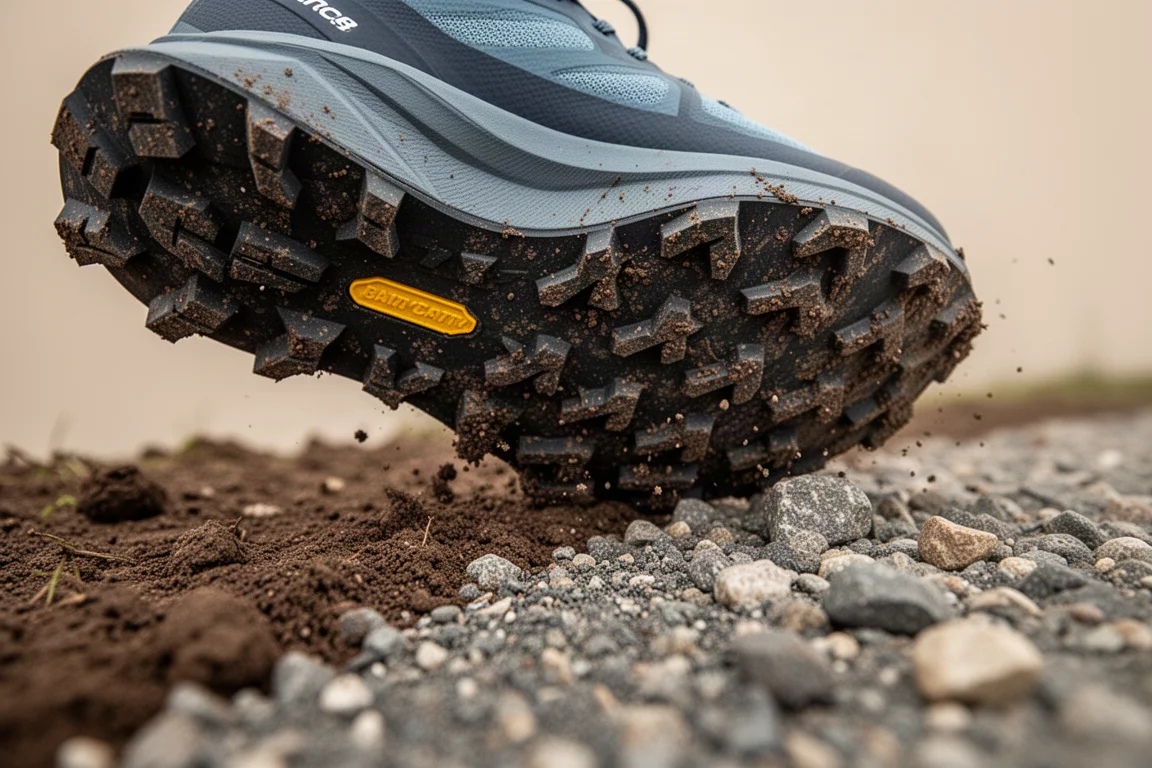
The Power Track outsole has been revised this year with slightly fewer, more widely spaced lugs of varying sizes, and the outer lugs are rounded a little. The result is a noticeably smoother ride on road and hardpack than the Peregrine 12, which could feel slappy on tarmac, without giving up meaningful grip on soft ground.
In mud, the shoe grips reliably, and the extra lug spacing helps it shed mud better than the previous version, which could clog. In prolonged deep mud it will eventually feel slippery and claggy, but for most mixed conditions it strikes an unusually good balance. The wide lug spacing also helps clear debris on muddy tracks.

Is the Gore-Tex Version Worth It?
That depends entirely on your use case. For dry forest trails, the standard version is lighter, cooler, and cheaper. Where the GTX liner shines is wet grass: dewy fields and damp ground that would normally soak through and leave feet cold and wet for the rest of the run stay at bay completely. If you regularly run through grassy fields, or run in constant rain, the GTX version makes real sense. Even then, be careful with puddles deep enough to spill over the shoe’s sides, as the membrane cannot help there.
If you mostly run on forest trails and would rather take your chances with puddles, the standard version is probably the better pick, and it is substantially lighter and cheaper.
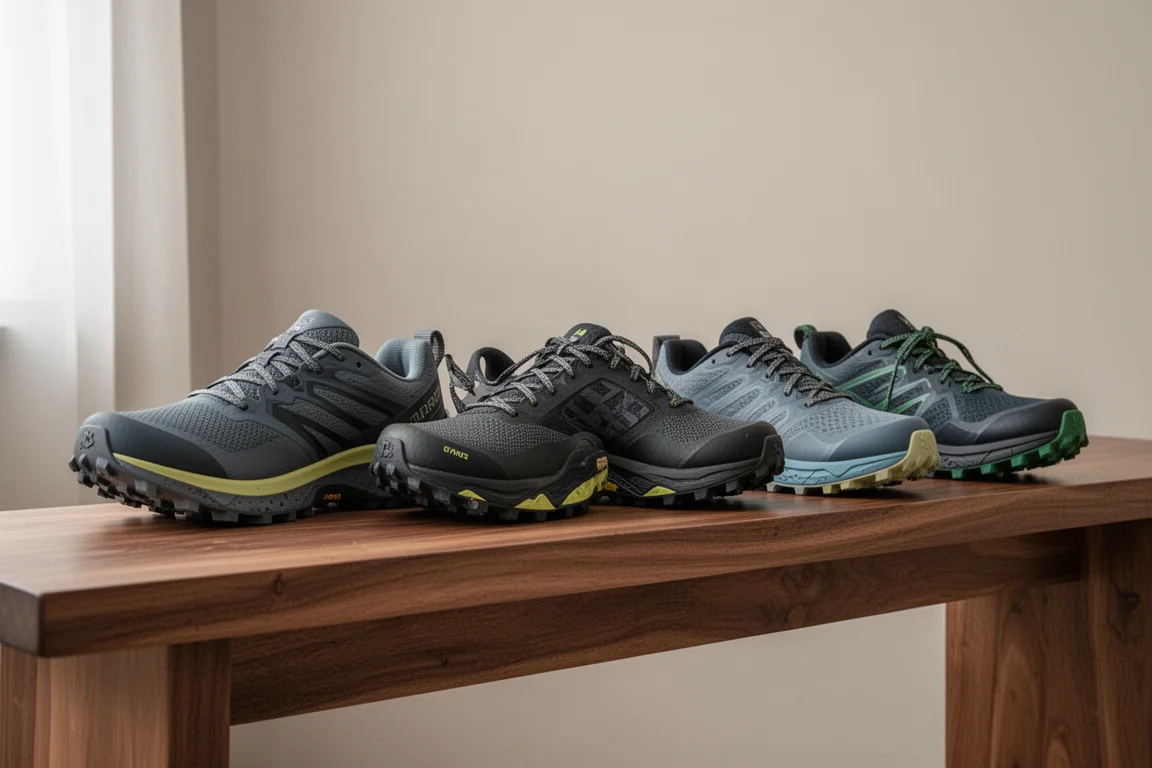
Alternatives Worth Considering
Salomon Exodus Ultra 2
Salomon’s own Exodus Ultra 2 blends Power Run PB foam with a Power Run frame for a bouncier, livelier midsole feel, with a slightly higher drop. It gripped well in similar conditions and is built more for the long haul, though the Peregrine is the lighter shoe with slightly more bite to its grip. The ride feel of the Exodus Ultra edges it for some, but both work well for short and long runs alike.
Hoka Speedgoat 5
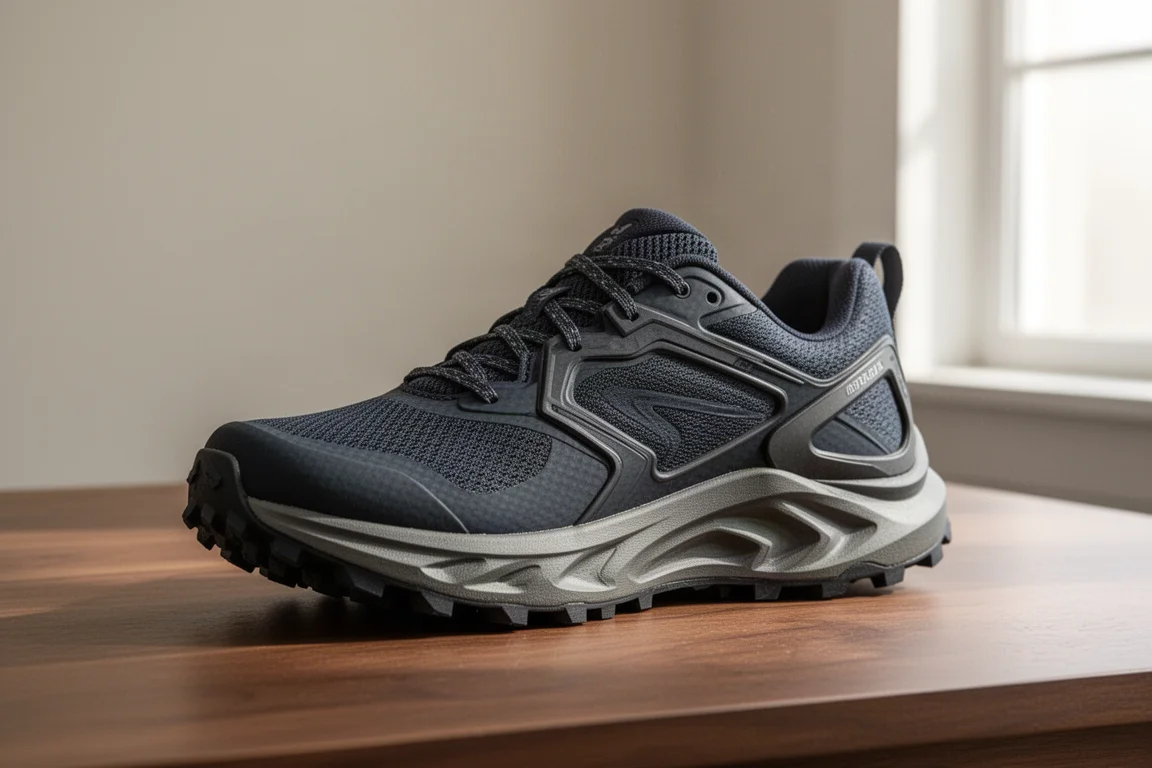
The Hoka Speedgoat 5 offers a smoother, more cushioned ride than the snappy Peregrine 13. It does not look built for soft conditions but grips well there anyway, though the Peregrine has the edge in mud. For long easy miles and ultra-distance ambitions, the Speedgoat is the more comfortable cruiser.
inov-8 Trailfly G 270
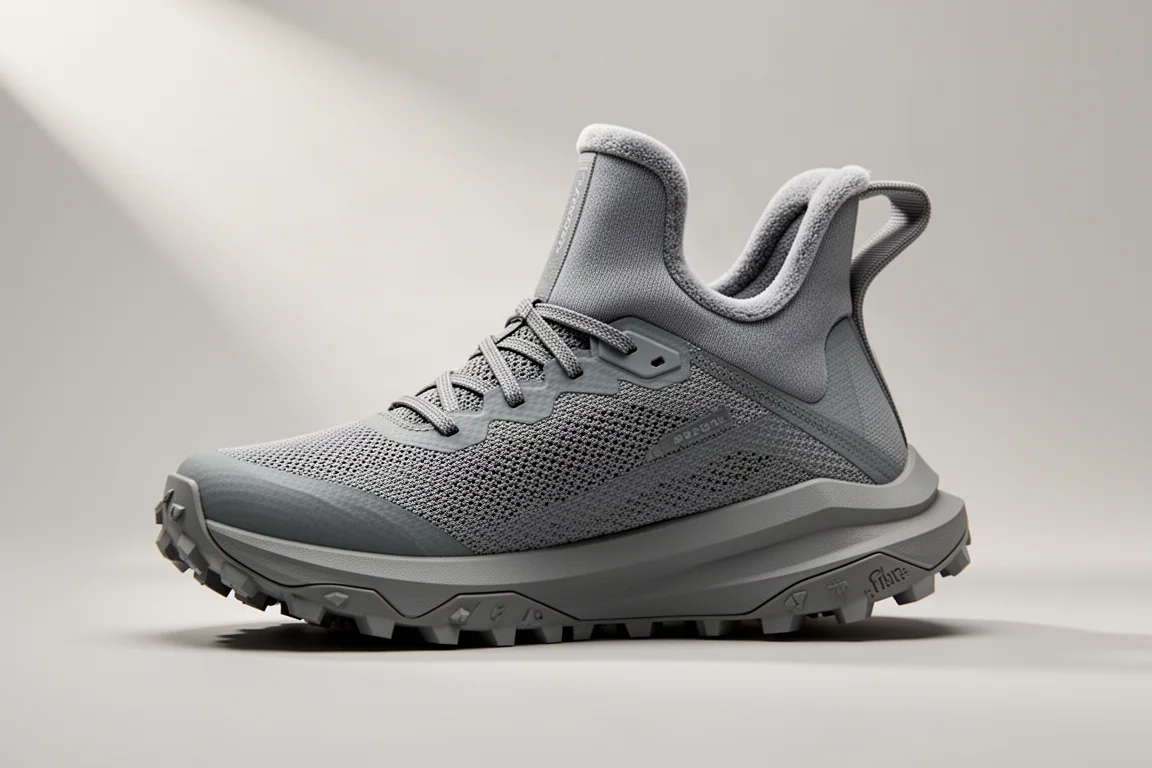
The inov-8 Trailfly G 270 is a zero-drop shoe with a ride that felt genuinely good, with geometry that makes the drop question matter less than the numbers suggest. Its grip is fantastically versatile across trail types, it feels nimble and streamlined on the foot, and it has a slight edge for fells and muddy running, though the Peregrine offers a more comfortable midsole.
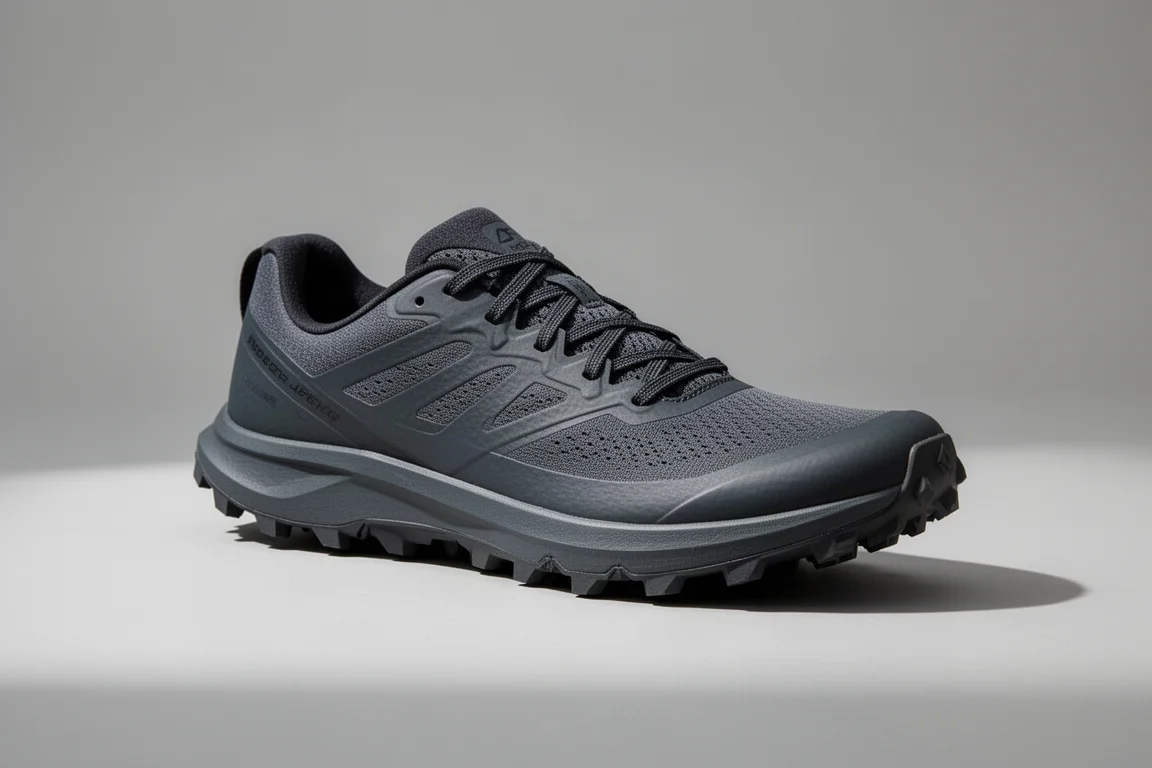
A Budget Alternative: Decathlon Evadict MT Cushion 2
The Decathlon Evadict MT Cushion 2 costs just under £100 and shares a similar overall setup with the Peregrine, with a smaller midsole and less long-distance comfort. Up to around 10 to 15 miles it is comfortable enough, and its grip is similarly versatile across a range of surfaces, only coming unstuck in prolonged deep mud. It is a smart pick for road runners who want an occasional trail shoe without spending big money.
Buying Advice
The Peregrine 13 GTX is a solid incremental update: a bit more cushioned, a bit lighter, and smoother on hard surfaces than before. If you find a strong deal on the Peregrine 12, that shoe remains excellent and you lose little by choosing it. Choose the GTX version only if wet grass, dew, or persistent rain is a regular part of your running; otherwise the standard version is the lighter, cooler, and cheaper option.
Conclusion
The Peregrine 13 GTX does the all-rounder job its heritage promises: light enough to feel nippy, cushioned enough for long runs, and grippy enough for soft ground while staying smooth on hardpack. The Gore-Tex liner is well designed and barely noticeable, adding wet-weather protection without wrecking the ride. For the right use case, it is an easy shoe to recommend.
Further reading
Related Reviews
Trail Running Shoes
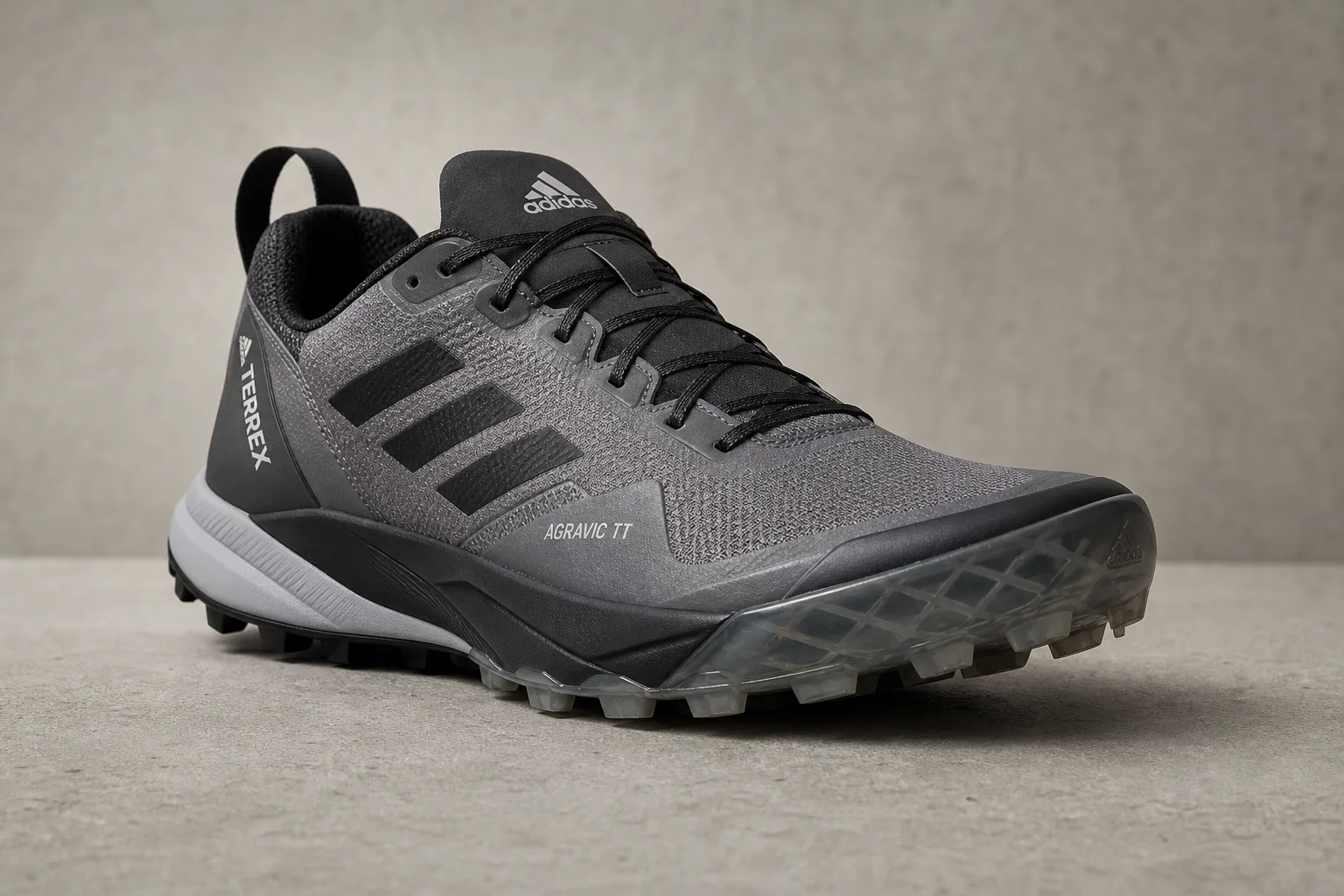
Adidas Terrex Agravic TT Review: A Technical Trail Shoe Built for Rocky Terrain
The Adidas Terrex Agravic TT combines a full-coverage rock plate with a firmer midsole to deliver protection and stability on technical, rocky trails. A capable choice for runners who prioritize underfoot defense over lightweight cushioning.
Trail Running Shoes
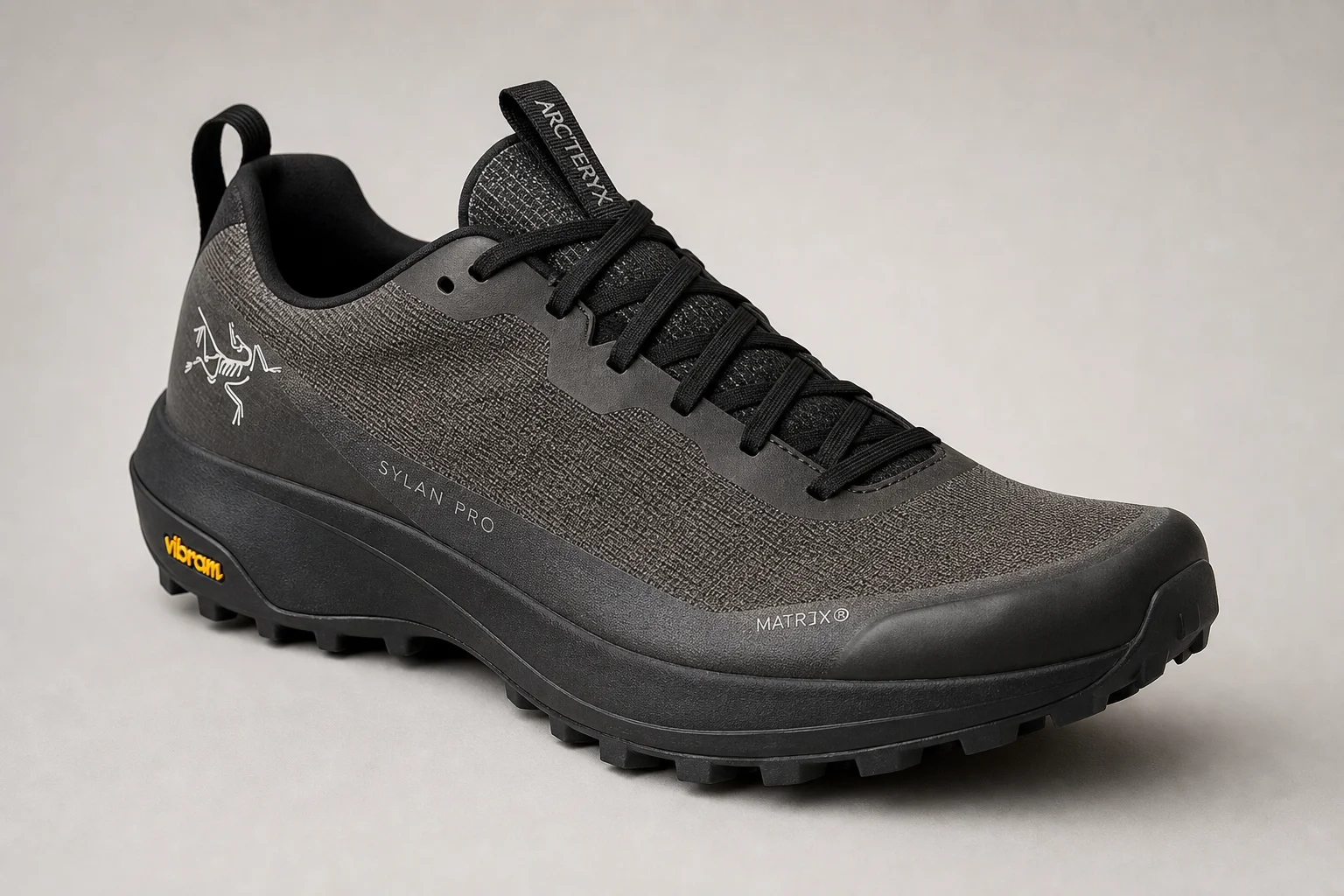
Arc'teryx Sylan Pro Review: A Rocker-Focused Mountain Running Shoe Tested on 20 Miles
The Arc'teryx Sylan Pro brings a pronounced rocker geometry and secure fit to mountain terrain. We tested it on a 20-mile Sawtooth loop to evaluate its climbing efficiency, protection, and handling of technical descents.
Trail Running Shoes
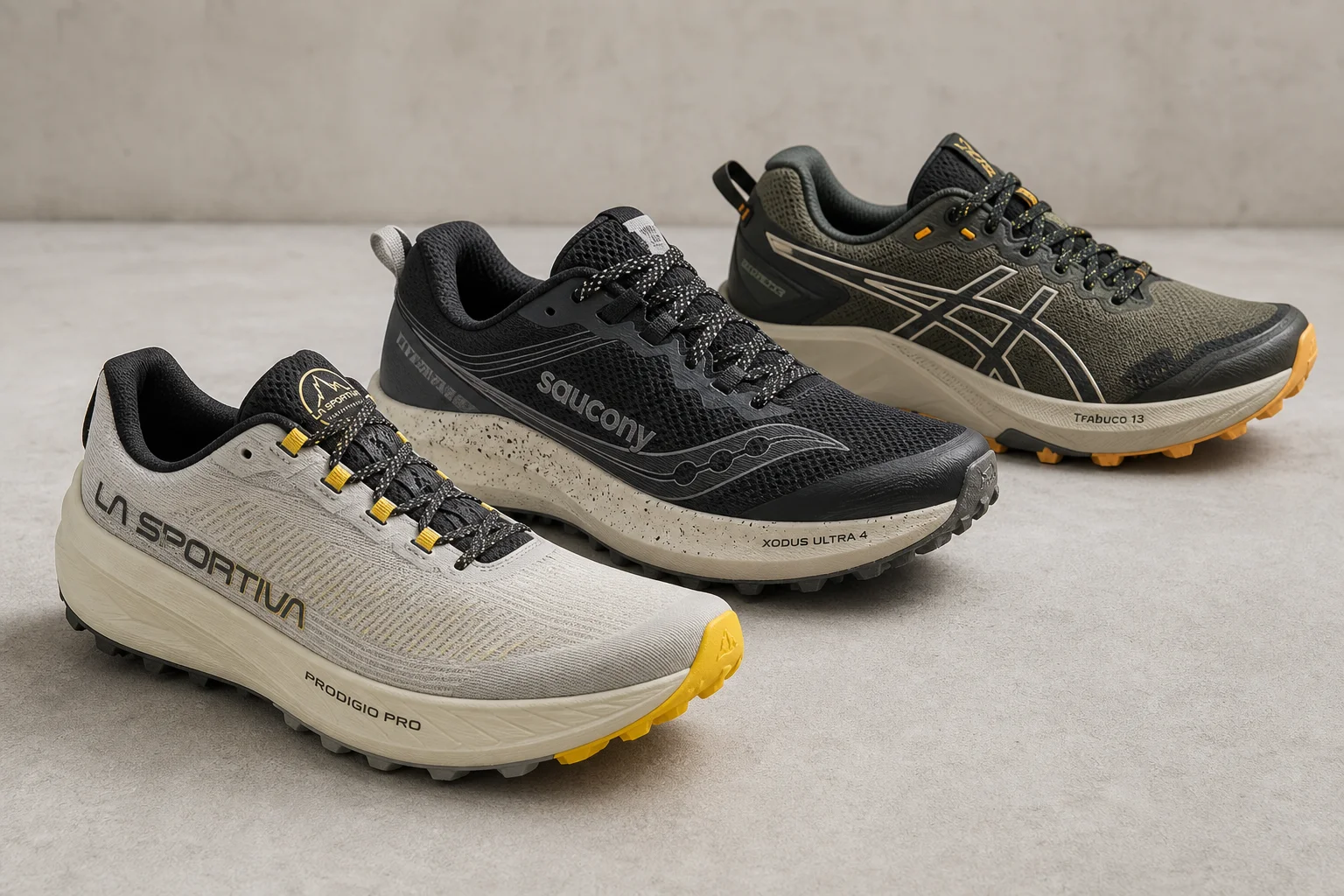
Best All-Mountain Trail Running Shoes: Three Versatile Options for Any Trail
A focused roundup of three all-mountain trail running shoes that handle technical terrain, long distances, and variable conditions with real strengths and practical trade-offs.