Snowboards
Salomon HPS Lou Review: A Freeride Board with a Freestyle Streak
The Salomon HPS Lou pairs a cam-rocker profile with a directional flex, delivering consistent pop and strong carving power, with a few trade-offs on firm snow.
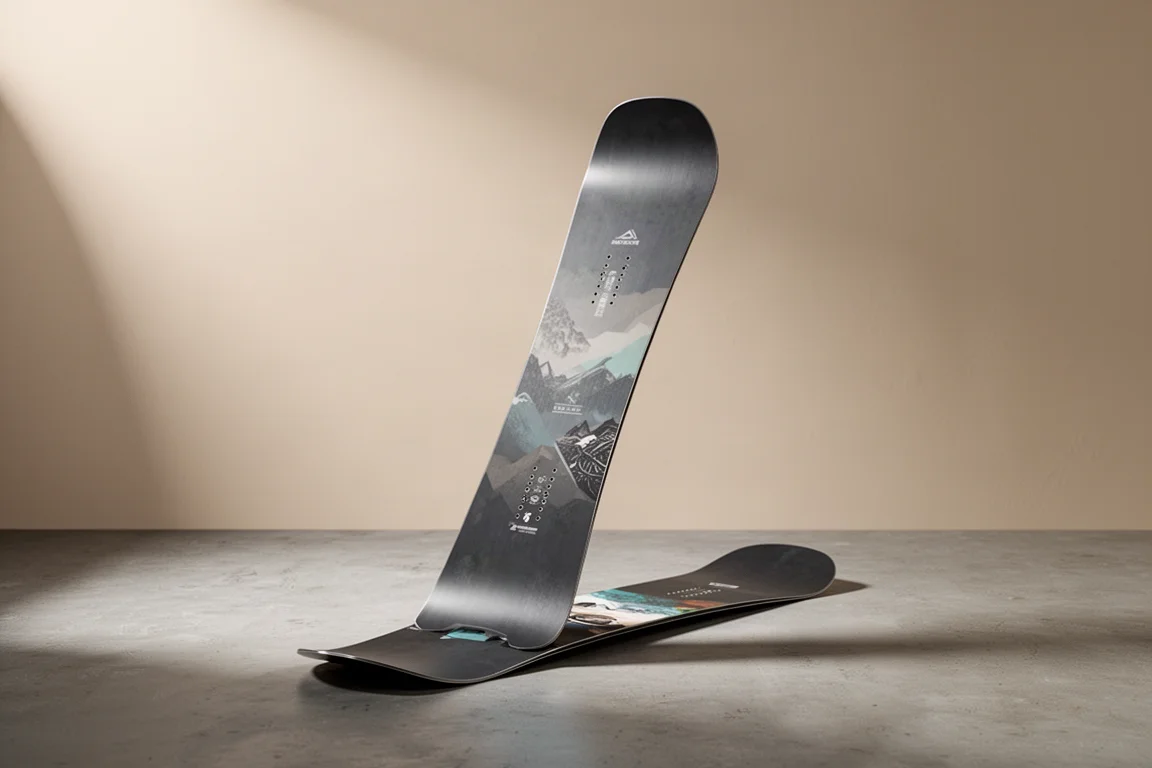
Introduction
The Salomon HPS Lou is Louif Paradis’s pro model, and it has received an overhaul since earlier versions. It is built around Salomon’s Rockout Camber, a flattened camber section that transitions into rocker in the tip and tail. That profile gives it the loaded pop and drive of a cambered board while the rocker zones add easier turn entry, better powder float, and a forgiving spot for presses and butters. It is available in 156, 160, and 164.
Who This Board Is For
This board targets the all-mountain freeride rider who is chasing powder but still carries a freestyle streak. The directional shape is designed for everything, and it rewards riders who split their time between untouched snow and the occasional park lap.
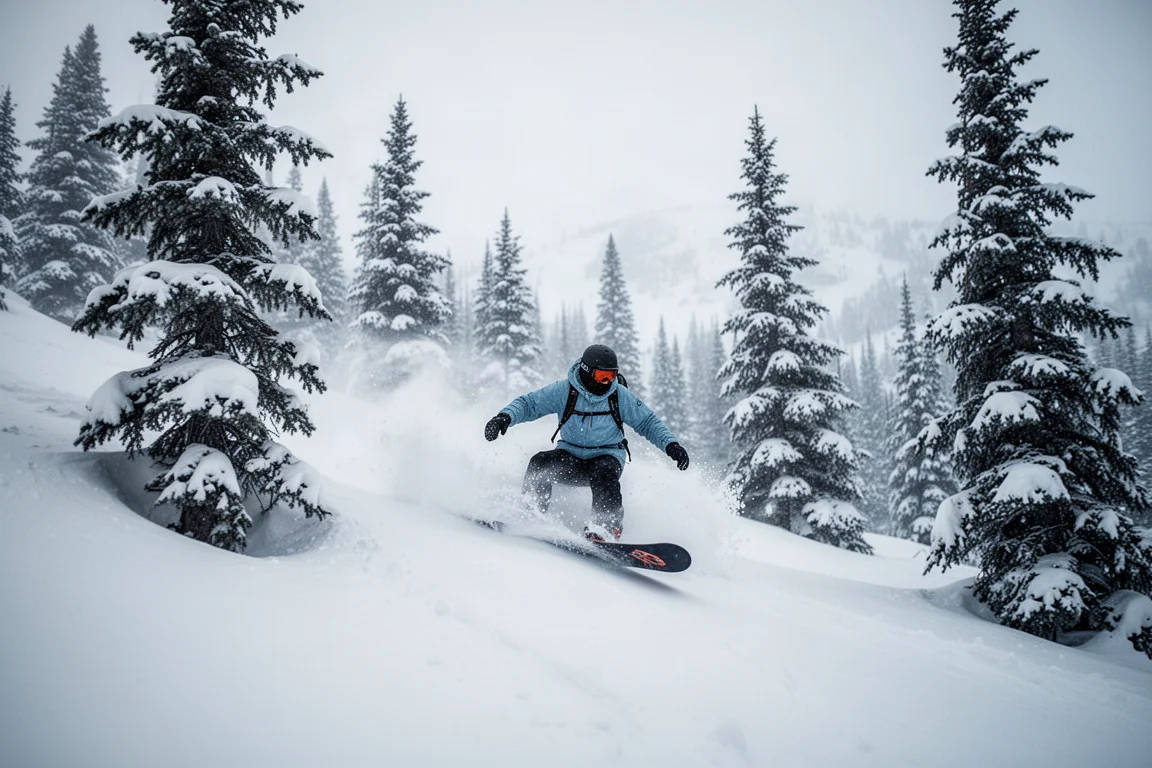
Ridden at Copper Mountain in mixed conditions, from firm and crusty groomers to sugary snow in the trees and heavier powder, it held its character across the range. Testers paired it with Rome Black Label bindings and K2 Thraxis boots.
Flex and Stability
The flex sits slightly above the middle of the road. Salomon markets it as stiffer, and it has in fact gotten stiffer than earlier versions, which brings more power out of turns and snaps. The key strength is in the defined flex points: one where the rocker meets the camber in the nose, and another just in front of the rear foot. Because of the directional shape, the board progressively stiffens toward the tail.
Torsional flex is responsive and easy to engage, and it rebounds quickly. Stability is the trade-off: this board is lively. With the cam-rocker profile, you are essentially always loading the camber when flat-basing, so anything firm or crusty resonates back underfoot. Keep your knees bent and be prepared, because the board lets you feel everything.
Pop, Jumps, and Butters
Pop is consistent and easy to load. Roll back on the tail, load the camber section, and it springs predictably. It is especially good for popping in powder, off a roller or a small pow drop, but it stays equally consistent on groomer side-hits.
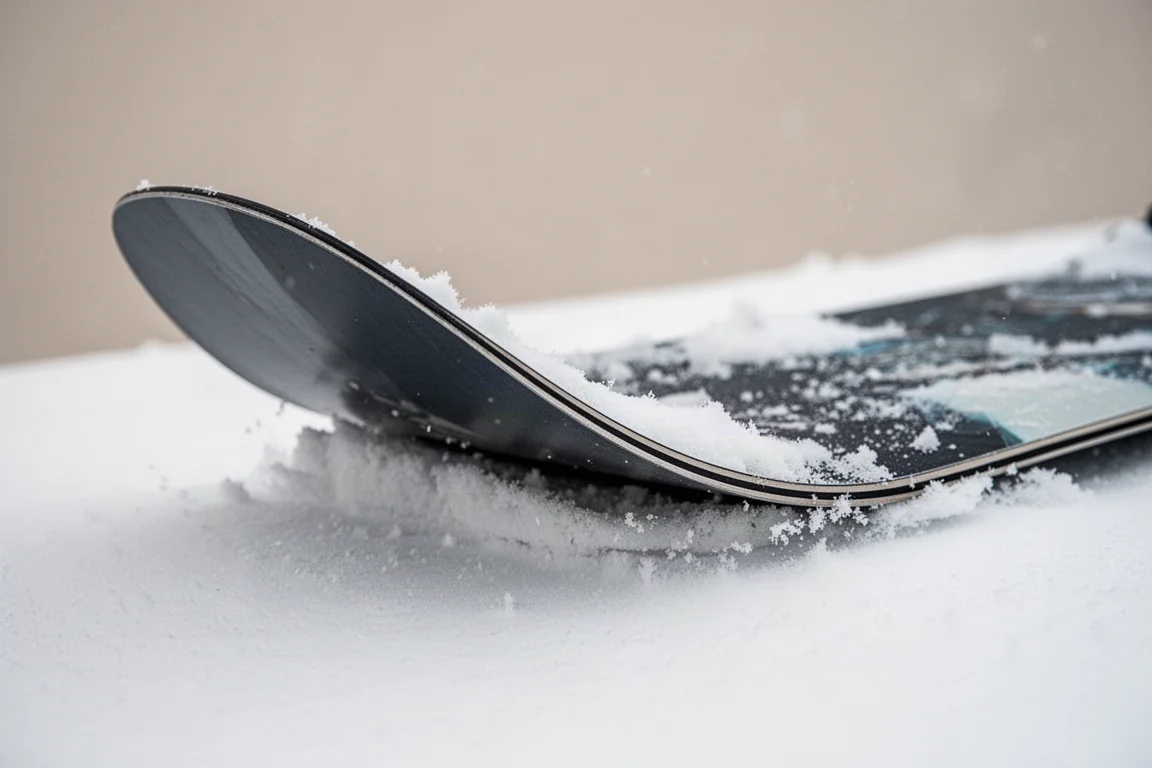
It is not a jump board first, but in a powder park or spring session it handles small, medium, and even large jumps well. It lands predictably and is easy to engage off the lip. For butters, the nose is the easier end: the flex point engages when you get up on it, locks in without fighting you, and springs back out. The tail takes more muscle, which is expected from a directional flex. Jibbing is workable for basic tricks, and it locks in nicely sideways on rails, but riders trying technical spins onto down rails should look elsewhere.
Carving Performance
This is where the board shines. There is a fluid and powerful edge-to-edge transition, and you can feel the power coming from inside the rear foot back through the tail. It slingshots out of short, tight, quick carves as well as medium mellow and deep, hard, aggressive carves. Push into that tail, and the spring out lets you dominate the back foot, roll it over on edge, and carve hard. Once on edge, it locks in and holds.
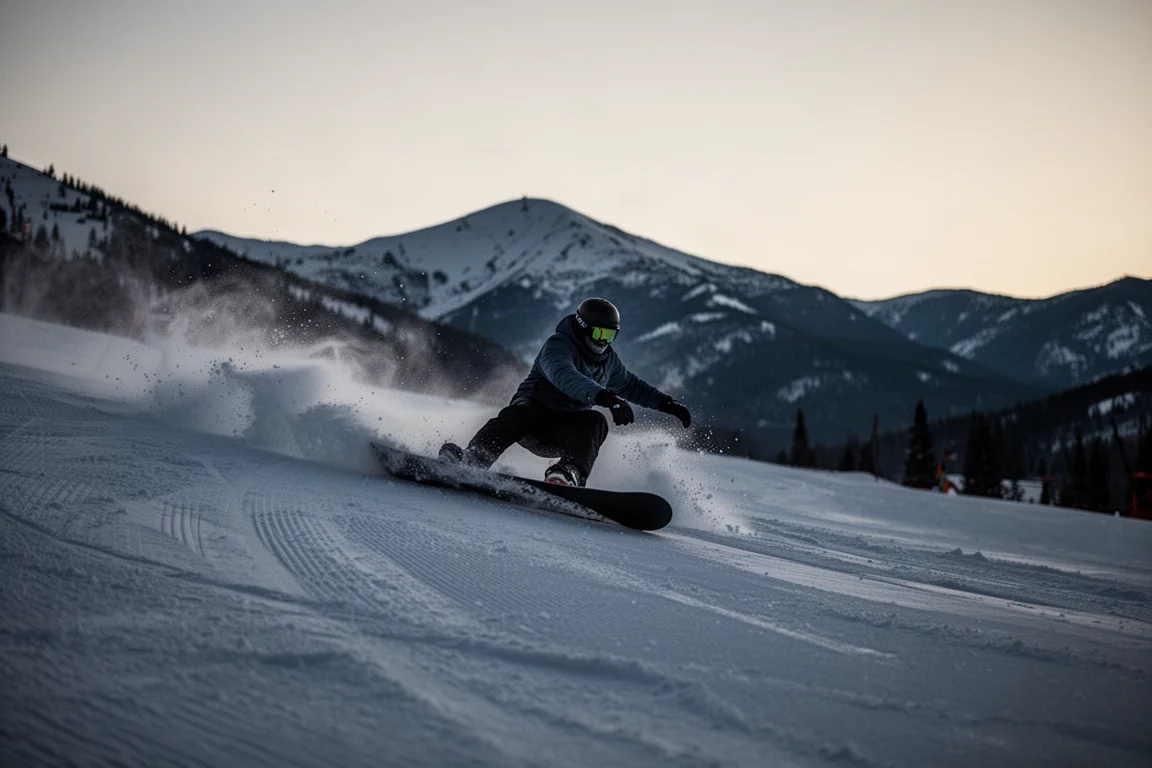
Compared to the previous version, the current board is noticeably more stable and less squirrely, with more power per turn.
Things to Consider Before Buying
The main drawback is where the rocker meets the camber. In powder, that elevated rocker is great, but on firmer snow any hit transmits a jarring chattering through the front foot. It is aggressive enough that you will notice it on every firm patch. The liveliness in general means this is not the pick for riders who want a damp, planted ride.
Comparable boards worth considering include the Ride Moderator, the Rome Ravine Pro, and the Strunda-style directional freerides. Binding pairings mentioned alongside it include the Salomon District Team Pro, the Bent Metal Blaster Asymwrap, and the Union Falcor.
Buying Advice
If you are an all-mountain freeride rider who spends most days hunting powder but still wants consistent pop and freestyle capability, this board fits that brief well. If you spend most of your time on firm groomers or you want a dedicated park board, the chatter on hard snow and the stiffer-than-advertised flex are reasons to look elsewhere.
Conclusion
The overhauled Salomon HPS Lou is a good board for what it is: a directional freeride deck with predictable pop, strong carving power, and enough freestyle ability to handle powder park laps. The chatter at the rocker-to-camber transition on firm snow is the one real complaint, but for the right rider, it is easy to recommend.
Product link
View more details for Salomon HPS Lou
This product is mentioned in the review. Check the specifications, options, and compatibility before buying.
View more details for Salomon HPS LouFurther reading
Related Reviews

Snowboards
32 Middle Earth Scott Stevens Pro Model Snowboard Review: A Park Board With a Reversed Flex
A medium traditional camber park board with carbon V reinforcement that is stiffer in the tips and more playful between the feet. Here is how it rides and who it suits.

Snowboards
32 Snafu Review: A Directional All-Mountain Freestyle Board with Serious Pop
The 32 Snafu pairs a directional camber-rocker profile with a stiffening tail for powerful carves, big ollies, and a surprisingly damp ride.

Snowboards
32 XXX Pat Fava Pro Snowboard Review: A Stiff Camber Beast for Hard-Charging Riders
A full-width traditional camber deck that rewards aggression with stability and edge power, but demands effort everywhere else.