Running Shoes
Salomon Gravel Concept Review: A Race Day Shoe for Road-to-Trail Days
Salomon treats the Gravel Concept like a concept car: a bold, fun, highly cushioned race day shoe built for pavement, gravel roads, and light trail.
Introduction
Salomon is pitching the Gravel Concept exactly as the name suggests: think of it as a concept car. It is a big idea in a category that is anything but settled, aimed at the growing road-to-trail space where runners bridge the pavement and the dirt. Borrowing best practices from the road racing side more than the trail side, Salomon has built a shoe that is clearly targeting race day, and it shows in nearly every design choice.
The result is a shoe that nails its stated mission: pavement, gravel paths, gravel roads, and light, non-technical trail. It is cushioned, energetic, efficient, and above all, genuinely fun to run in. It is not without trade-offs, which we cover below, but as a race day option for mixed terrain, it earns its place.
Who This Shoe Is For
This is a shoe for runners who live on the boundary: mixed-surface training days, long gravel-road adventures, and races that start on pavement before wandering onto smoother dirt. The inspiration is clear when you consider the target use case: a long, endurance-focused event like a Western States-style ultra, where efficiency and comfort win over aggressive snappiness.
If your runs stay firmly on smooth pavement or demand more technical mountain trail, look elsewhere. But if your regular route looks like pavement to crushed gravel to light, mildly undulating trail, this shoe was designed with you in mind.

Upper, Fit, and the Quicklace Neo System
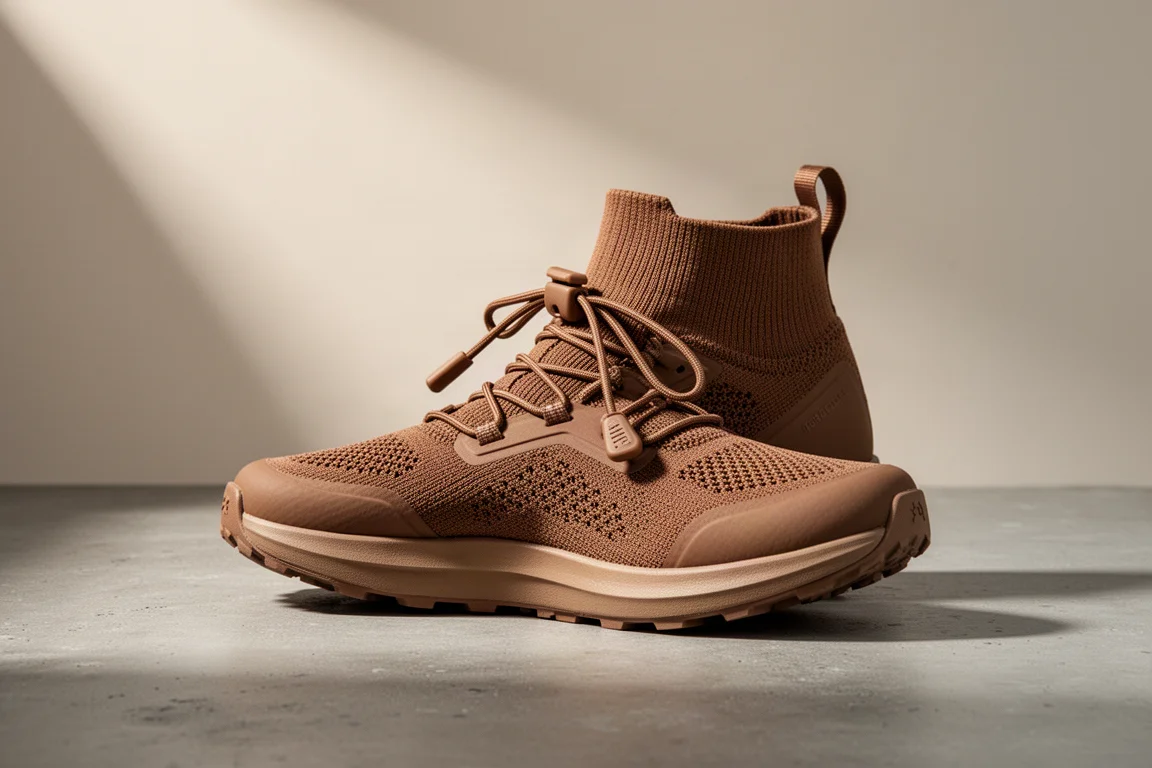
The upper is a semi-bootie construction, a sock-like design that stops just below the ankle bone rather than rising as high as a full bootie. It keeps out debris, adds a sense of security, and makes slipping the foot in completely uncomplicated. A two-flap entry system makes getting into the shoe easier than most full-bootie designs. This integrated approach borrows from Salomon’s trail tech, and the fit will feel familiar to anyone who has worn the Aero Glide Gravel series or the Blaze.
The lacing is the gravelification of Salomon’s quicklace system, called Quicklace Neo. Some runners will inevitably want traditional laces, but think of this as a triathlon lace for a race day shoe: once dialed in, it secures the foot quickly and effectively, and the excess lace simply tucks under a bungee rather than needing a pocket. There was some lace bite over the arch until the tension was adjusted, but after that, it was an easy, secure system. The materials are slightly softer than Salomon’s Kevlar-style trail lacing, which makes sense for terrain that does not require trail-level lockdown.
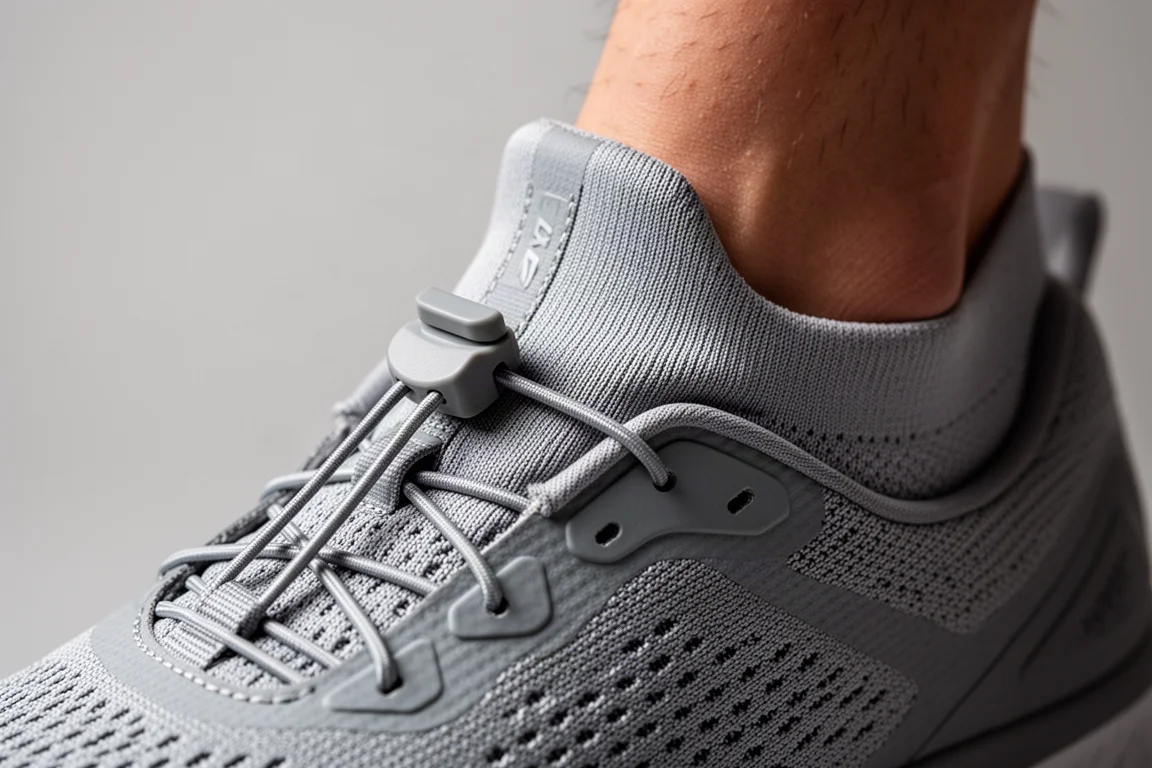
On sizing: the tester went a half size down from true to size, which produced a snug forefoot. Staying true to size may add a little length but sacrifice some width. The half-size-down worked well for racing, but for anything over four hours, or a double-digit-hour ultra, going up a half or even full size is worth considering so you never have to over-tighten the lacing.
Underfoot: Cushion, Plates, and Ride Feel
The magic is underfoot, even if the all-brown colorway hides it. The midsole uses two layers of Optivibe Plus, a PEBA-based foam previously reserved for Salomon’s S/Lab Ultra Glide trail shoes. The stack is a substantial 43 mm at the heel and 37 mm at the forefoot, more than Salomon’s own Phantasm road shoe. This foam is soft, bouncy, and purely fun.
Sandwiched between the foam layers is a dual energy blade system: two side-by-side carbon plates, conceptually similar to what Hoka does in the Tecton X series. The plates are not aggressive off the forefoot and the shoe is not as snappy as some road options, but they deliver dynamic support and structure, especially when terrain shifts underfoot. The ride is very, very smooth, and the efficiency-focused forefoot curvature feels closer to the Aero Glide Gravel 4 or the S/Lab Specter.
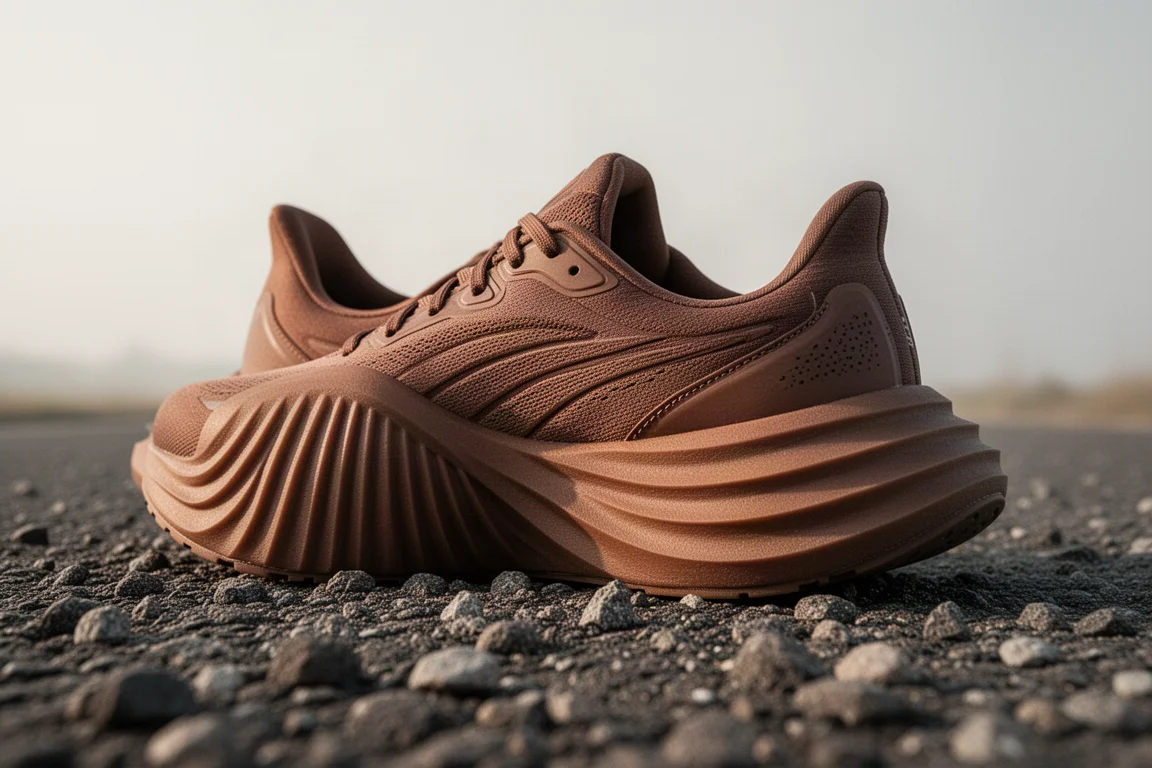
A broad footprint, the side-by-side blades, and a slightly split heel wedge that spreads under compression add real stability for such a soft, supple platform. The shoe only felt squirrely on steep downhills or when dodging rocks, and off-camber sidehills dented confidence. The forefoot, by contrast, stayed stable no matter what. Easy days felt as good as tempo days, and long runs proved this is a shoe that rewards a relaxed, efficient stride.
Grip and Durability: The ControGrip Outsole
The outsole will take some flak, and fair enough: with only 1.5 mm lugs, there are situations where a plain road shoe would get by. But the many small, subtle knobs of the ControGrip outsole genuinely added confidence as terrain changed. The design is similar in spirit to the Merrell ProForm with its Vibram outsole, though the edges here feel a bit sharper, delivering slightly more grip.
On dry gravel, the grip held impressively well up to roughly a 12 to 15 percent grade before slipping became noticeable. That was a genuinely pleasant surprise for a shoe with such shallow lugs. After 50 miles, the forward-most lugs show minor wear, but the shoe otherwise looks close to out-of-the-box. That durability suggests this package can go the distance, whether as a 100-mile race shoe or a long-lived mixed-terrain trainer, holding its character longer than many race day shoes.
Things to Consider Before Buying
The clearest limitation is trail readiness. On moderate, technical terrain where foot placement matters, on sidehills, or off-camber ground, the shoe gets funky and confidence drops. Compared to something like the Hoka Rocket X Trail, which crosses surfaces well and reaches further into the mountains, the Gravel Concept is less versatile but arguably has more fun factor.
Price is the other sticking point: at $250, it sits at the current running rate for race day options on both road and trail. It is hard to love that number, even though premium performance and materials are present. The upside is a unique design, a genuine fun factor, and durability that outlasts many race day peers.
Buying Advice
For a road race day shoe, a light-trail race day shoe, or an ultra-distance option on smooth terrain, the Gravel Concept is easy to recommend. Take sizing seriously: a half size down suits short and fast efforts, but size up for anything beyond four hours. If your routes regularly include anything more technical than mild, dance-free trail, temper expectations or consider a more trail-capable alternative.
Conclusion
Salomon set out to build a fun, efficient, comfortable race day shoe for the pavement-to-dirt boundary, and with the Gravel Concept, they nailed it. A few tweaks, mostly around trail readiness, would elevate it further, but as delivered, it is one of the most enjoyable shoes in this category. If the description matches your running, it is absolutely worth checking out.
Product link
View more details for Salomon Gravel Concept
This product is mentioned in the review. Check the specifications, options, and compatibility before buying.
View more details for Salomon Gravel ConceptFurther reading
Related Reviews

Running Shoes
Best Road-to-Trail Running Shoes: Three Versatile Options for Mixed Terrain
A practical guide to three road-to-trail running shoes that handle both pavement and mild trails, with clear strengths and trade-offs for different runner types.

Running Shoes
Best Running Shoes for Achilles Tendonitis: Three Options Explained
Three running shoes with different heel drops and support features designed to help reduce Achilles tendon pain during walking and running.

Running Shoes
Best Running Shoes for Women: Five Top Choices Ranked
A ranked guide to five women's running shoes, from versatile daily trainers to high-performance racing options, with real strengths and trade-offs for each.