Trail Running Shoes
Salomon Genesis vs S/LAB Genesis: Which Trail Shoe Makes More Sense?
A first-run comparison of Salomon's new Genesis trail shoe against the performance-driven S/LAB Genesis, covering grip, cushioning, fit and value.
Introduction
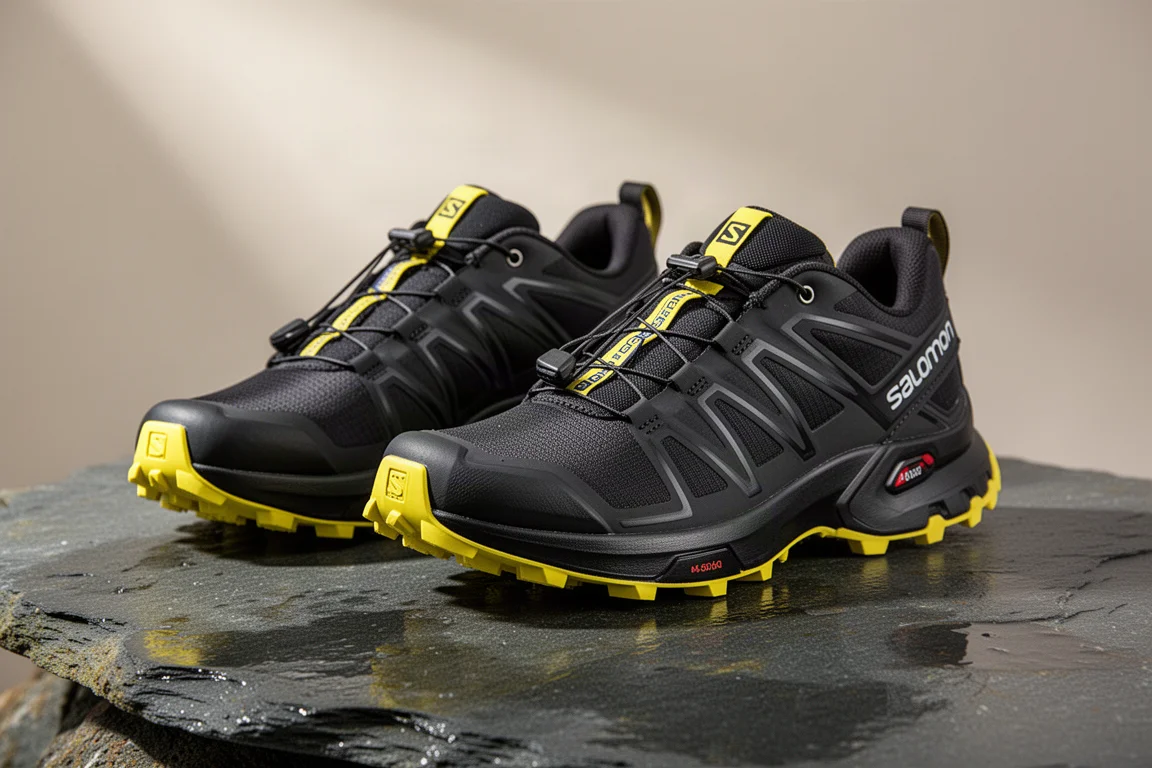
When the S/LAB Genesis landed at the end of 2022, it turned heads with its odd-looking, booty-style upper and quickly built a reputation for outperforming expectations on the trails of Cornwall. Now Salomon has released a non-S/LAB version simply called the Genesis, aimed at bringing much of that shoe’s character to a wider audience at a lower price.
After a first 13-mile test run along a coastal route, this comparison covers what carries over between the two models, where they differ, and which one makes more sense for different kinds of trail runners.
Design and Construction
Several elements carry over from the S/LAB version. Salomon still uses its durable Performance Fabric Matrix in the upper, wrapping around the midfoot and over the heel box. However, the standard Genesis moves to a more traditional upper design, dropping the elasticated ankle gator and sock-like booty construction of the S/LAB shoe.
The Active Chassis also crosses over. This built-in cradle at the rear of the shoe cups the heel and wraps around the foot on both sides, designed to add stability on rocky technical trails. The quicklace system is present too: pull the cord tight, slide the plastic lock down and stow the laces in the tongue pocket.
The new Genesis retails in the UK for £160, sits on an 8mm drop with 30mm of stack at the heel and 22mm under the forefoot, and weighs 284g in a UK 10. It launched on 1 January 2024.
Fit and Lockdown
The fit hugs the midfoot tightly with good cushioning in the gusseted tongue and solid heel lockdown. Sizing runs slightly short, as with many Salomon shoes, so stepping up one half or full size is worth considering.
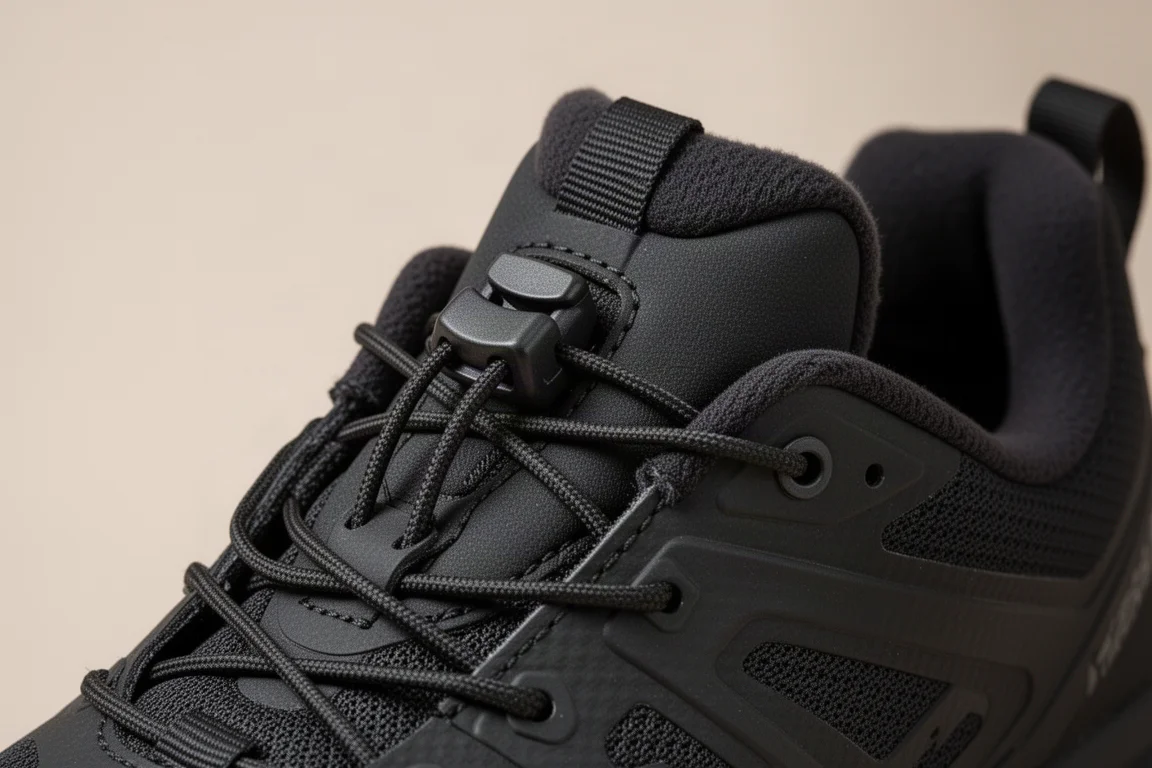
One early note: the toe box pinches in earlier than on the S/LAB Genesis, making it narrower towards the end of the toe. It did not cause blisters or hot spots on the first run, but mild irritation appeared on the outside edge of both little toes in the final mile, so wider-footed runners should try before buying.
Grip and Traction
The outsole is another strong carryover. The Genesis uses a chunky 4.5mm chevron lug pattern with a full covering of Salomon’s Contagrip all-terrain rubber, very similar to the S/LAB Genesis.
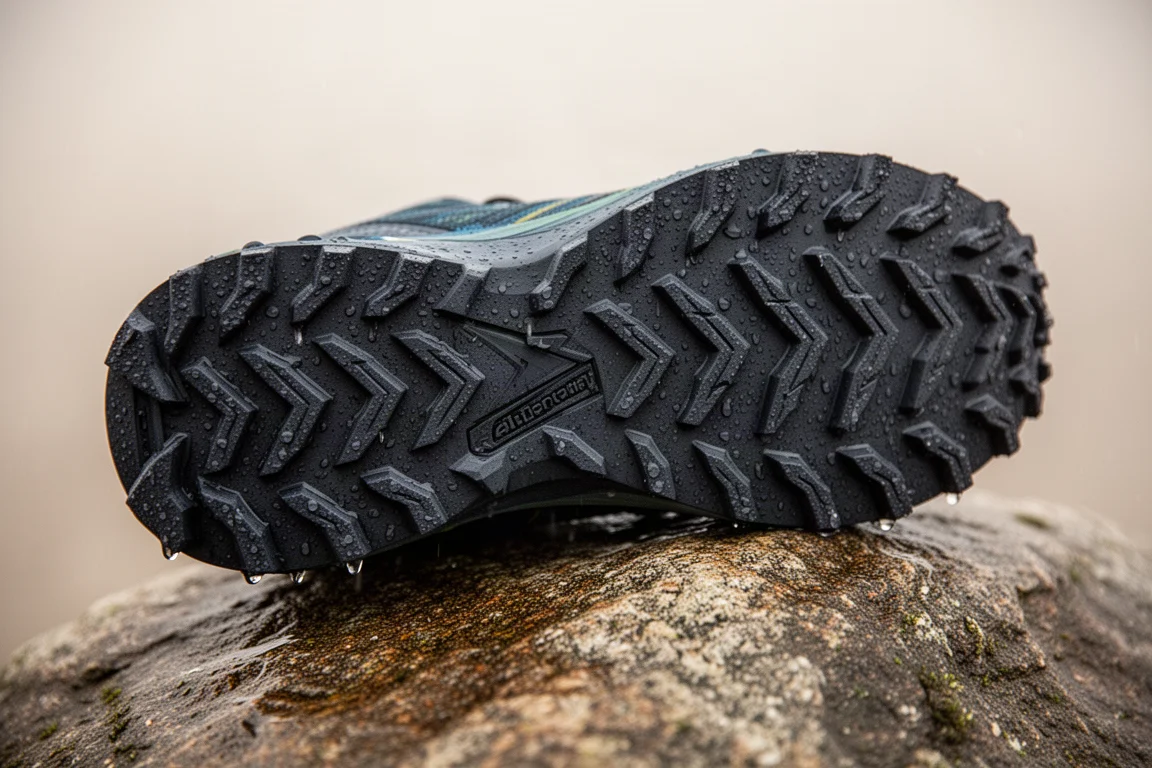
On the test run, the rubber felt sticky on tarmac and wet rock, while the lugs delivered good traction in soft sand and muddy sections. Both Genesis outsoles rank among the most consistent grip performers in Salomon’s trail lineup, struggling mainly in deep mud.
Cushioning and Ride
The midsole carries a generous helping of Salomon’s Energy Foam, which feels soft under thumb pressure and delivered a comfortable ride on both roads and trails during the first run. The midfoot of the midsole is slightly wider than on the performance-focused S/LAB version, so the standard Genesis should feel a touch more planted.
One caveat: it was unclear whether any rock plate is built into the midsole. The S/LAB Genesis includes Salomon’s ProFeel film, and a few sharp rocks were noticeable pushing through the standard Genesis midsole on rocky sections. It was never painful, but the stones made their presence known.
On the Trail: First Run Impressions
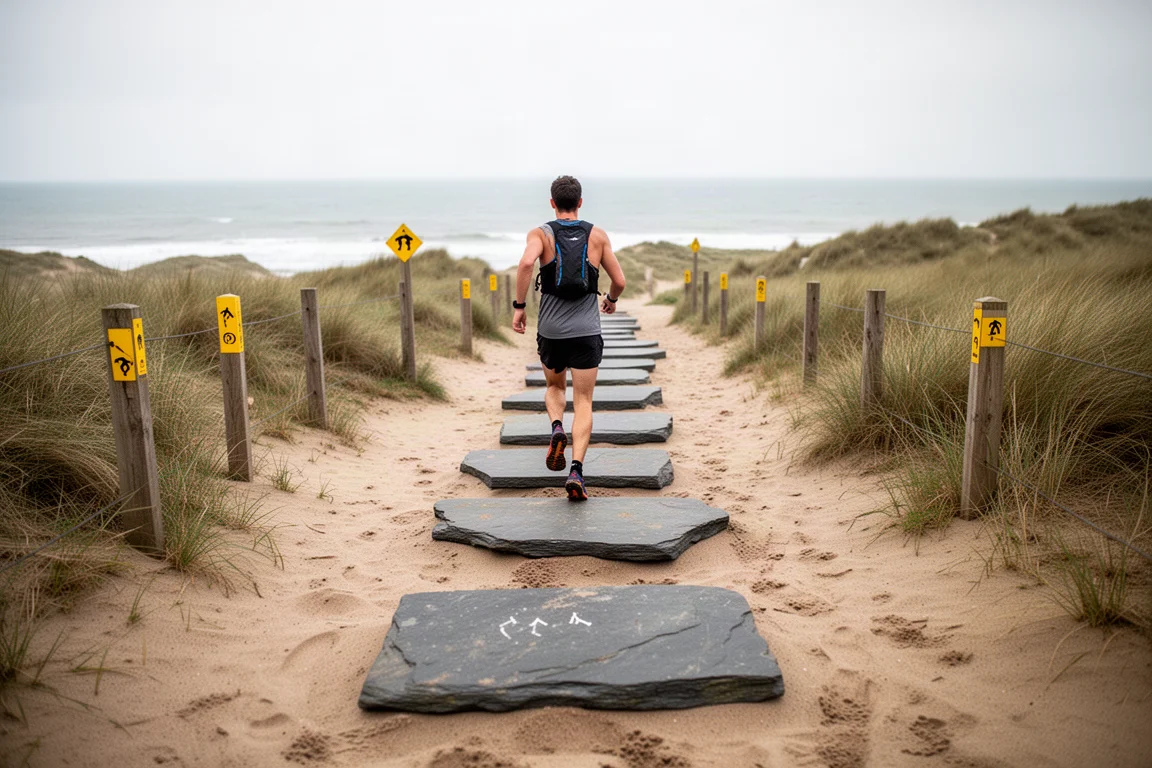
The test was a half-marathon-distance coastal run, the first day of a back-to-back weekend of training. Two miles of tarmac to the start were comfortably cushioned, and the shoes felt good straight out of the box with no break-in soreness, even over a 13-mile first outing.

The quicklace system held its lockdown throughout, staying secure over the plush tongue, and the midsole shape gave good support under the instep. Overall, first impressions were genuinely positive.
Which One Should You Buy?
For this tester, the S/LAB Genesis still edges ahead. It feels a little more nimble and responsive, is slightly lighter, offers more width in the toe box, and provides better underfoot protection on rocky trails thanks to its ProFeel film.
But the price changes the calculus. The S/LAB Genesis retails at £190, £30 more than the standard version. Because it is an older model, it can be found online for around £135, which is £25 cheaper than the new Genesis. At that discounted price, the S/LAB version looks like strong value if you want the more performance-driven option. The standard Genesis remains a sensible choice if you prefer the traditional upper, a roomier-feeling planted ride and the latest release at full price.
Conclusion
The Salomon Genesis successfully translates the S/LAB original into a more conventional trail shoe, keeping the excellent outsole, Active Chassis stability and Energy Foam cushioning while trimming the price. The S/LAB Genesis still wins on agility, toe-box width and underfoot protection, especially at its discounted street price. Runners with wider feet or rocky routes may prefer the S/LAB, while everyone else gets a very capable all-round trail shoe in the standard Genesis.
Product link
View more details for Salomon Genesis
This product is mentioned in the review. Check the specifications, options, and compatibility before buying.
View more details for Salomon GenesisFurther reading
Related Reviews
Trail Running Shoes
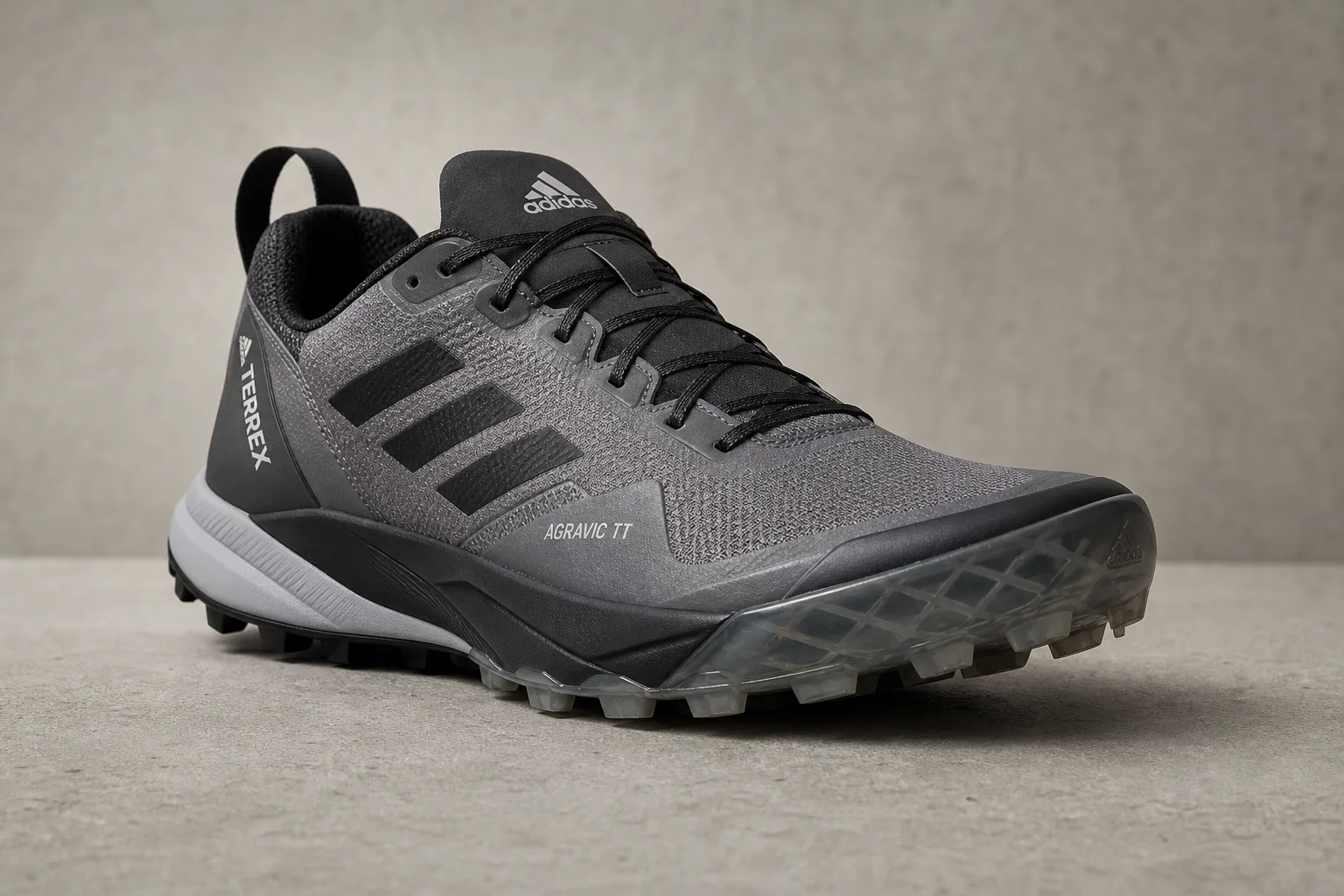
Adidas Terrex Agravic TT Review: A Technical Trail Shoe Built for Rocky Terrain
The Adidas Terrex Agravic TT combines a full-coverage rock plate with a firmer midsole to deliver protection and stability on technical, rocky trails. A capable choice for runners who prioritize underfoot defense over lightweight cushioning.
Trail Running Shoes
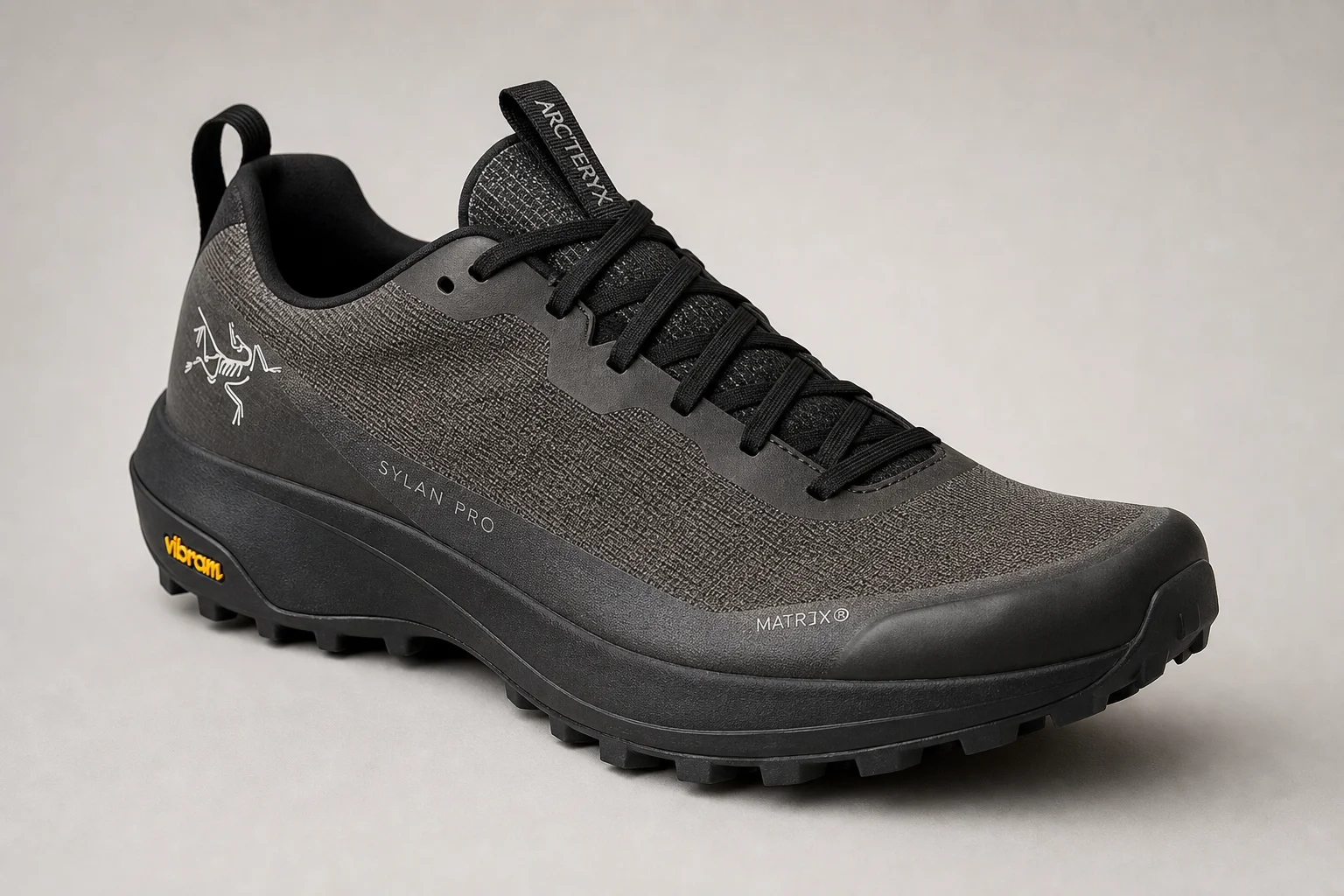
Arc'teryx Sylan Pro Review: A Rocker-Focused Mountain Running Shoe Tested on 20 Miles
The Arc'teryx Sylan Pro brings a pronounced rocker geometry and secure fit to mountain terrain. We tested it on a 20-mile Sawtooth loop to evaluate its climbing efficiency, protection, and handling of technical descents.
Trail Running Shoes
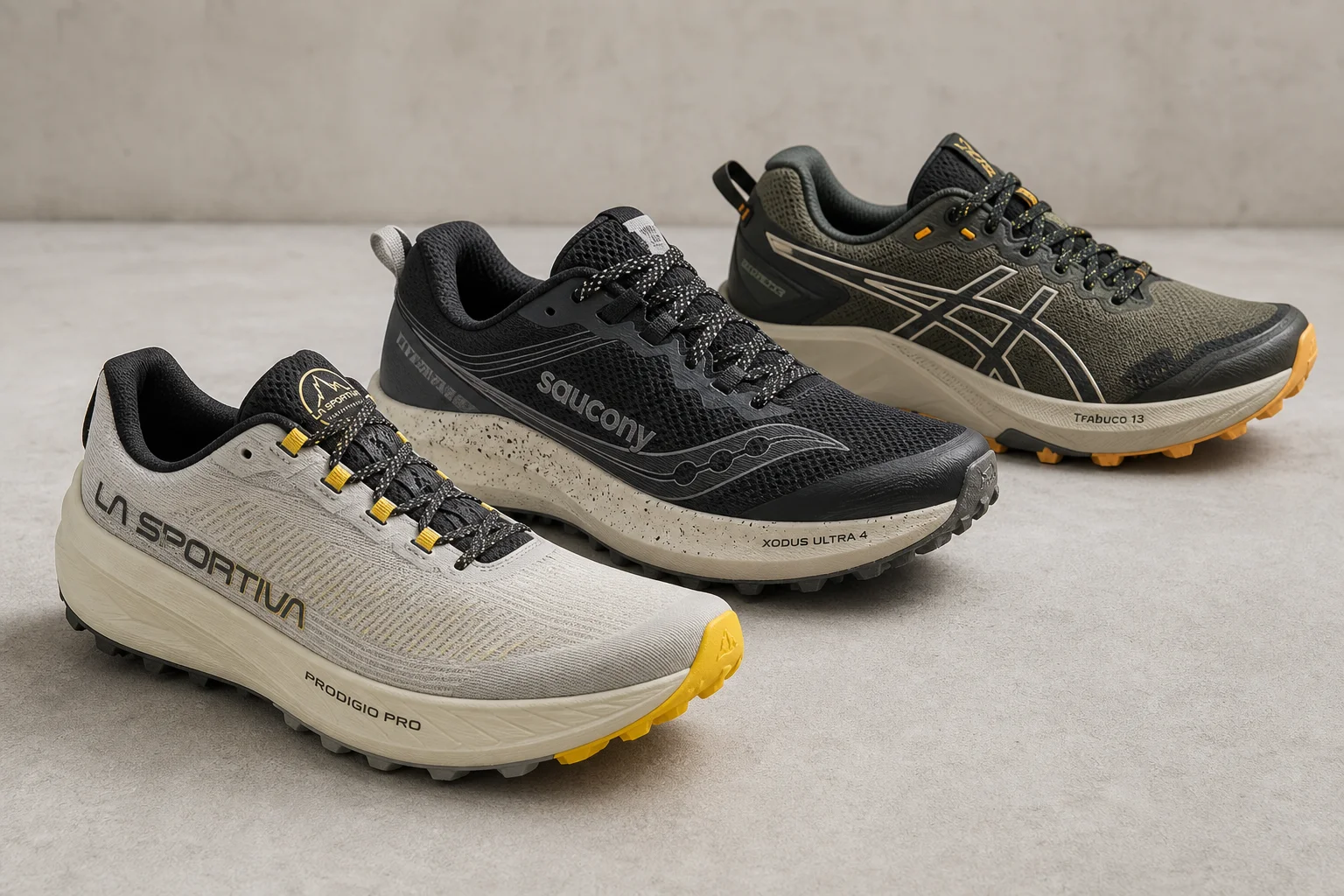
Best All-Mountain Trail Running Shoes: Three Versatile Options for Any Trail
A focused roundup of three all-mountain trail running shoes that handle technical terrain, long distances, and variable conditions with real strengths and practical trade-offs.