Cross-Country Skiing
Salomon Escape 60 Outpath Review: A Cross-Country Ski Built for Off-Trail Days
A practical look at the Salomon Escape 60 Outpath, a cross-country ski designed for ungroomed terrain, with a stable wood core, full-length steel edges, and a long fish scale grip zone.
Introduction
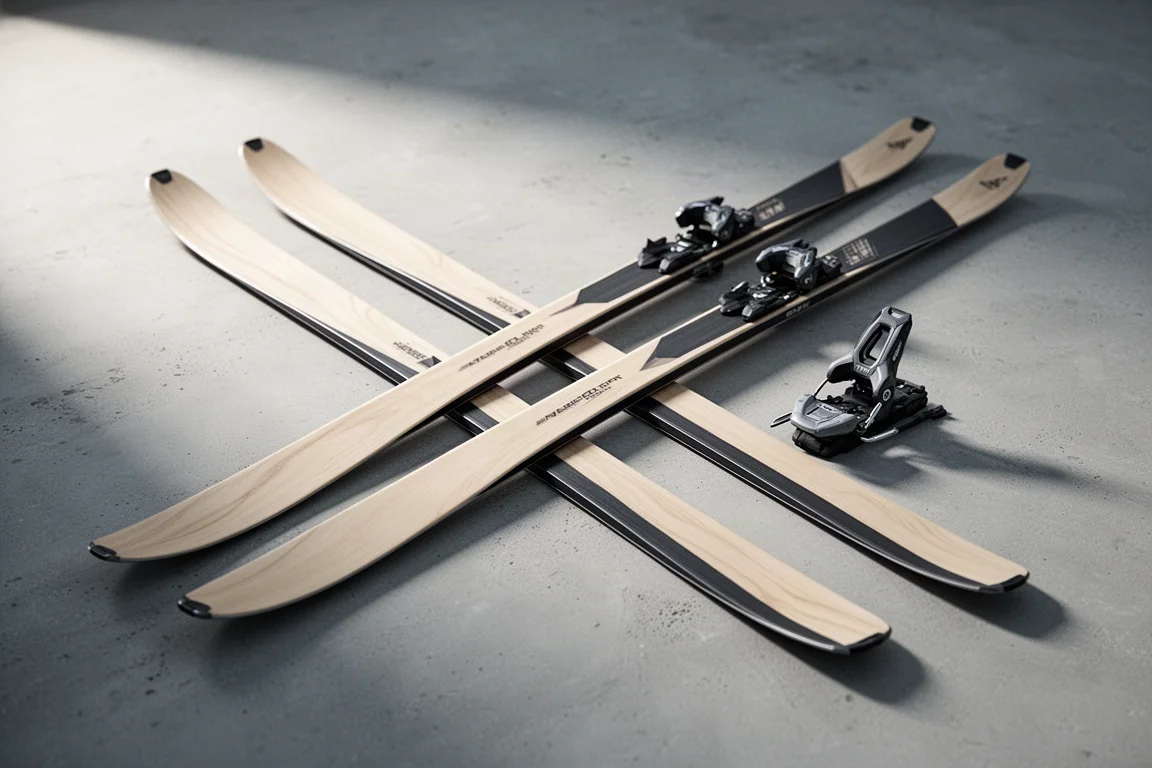
The Salomon Escape 60 Outpath is a cross-country ski for people who would rather leave the groomed loop behind. It keeps a relatively narrow profile, but it is tuned for ungroomed ground: a stable wood core, full-length steel edges, and a long fish scale grip zone. It ships with a simple Salomon step-in binding, and it can also be bought as a complete package with boots and poles. The result is a versatile ski that still fits into a cut classic track, even though that is not where it performs best.
Who This Product Is For
This ski is aimed at the skier who spends most of their time off trail. That means backcountry terrain, ungroomed fields, golf courses, power line corridors, or simply a backyard with enough snow to move through. The emphasis is on covering distance and exploring rather than finding a slope to make turns on the way home.
It is still narrow enough to sit inside a groomed classic track, so it can handle a touring centre visit. It is just not the ideal pick if that is where most of your skiing happens, because the extra grip and durability that make it good off trail also make it slower and less efficient in a set track.

If you are looking for a wider touring ski designed to climb and then descend with turns, this is a different category of gear. The Escape 60 Outpath is closer to a true cross-country ski built for steady forward travel on flat and rolling terrain.
Main Strengths
Stable Wood Core for Off-Trail Confidence
Salomon builds this ski around a wood core, which is what gives it stability and support once you leave prepared snow. The ski feels stronger underfoot than lighter, softer alternatives, and that translates into a more confidence-inspiring ride when the surface is uneven or unpredictable.
That sense of support matters most when conditions are inconsistent. Instead of reacting to every lump and drift, the ski keeps a calmer, more planted feel, which lets you settle into a rhythm and enjoy the terrain rather than fight it.
Full-Length Steel Edges for Firm Snow
Full-length steel edges run the entire length of the ski, much like a downhill ski. In backcountry conditions this is a meaningful advantage. Firm snow, icy patches, and sidehill traverses all become far more manageable because the edge can bite instead of sliding out.
The benefit is grip, comfort, and control in situations where a softer ski would leave you second-guessing your line. Being able to trust the edge makes the whole outing more enjoyable, and it lets the ski do more of the work for you on awkward terrain.
Long Fish Scale Grip Zone for Uphill Traction
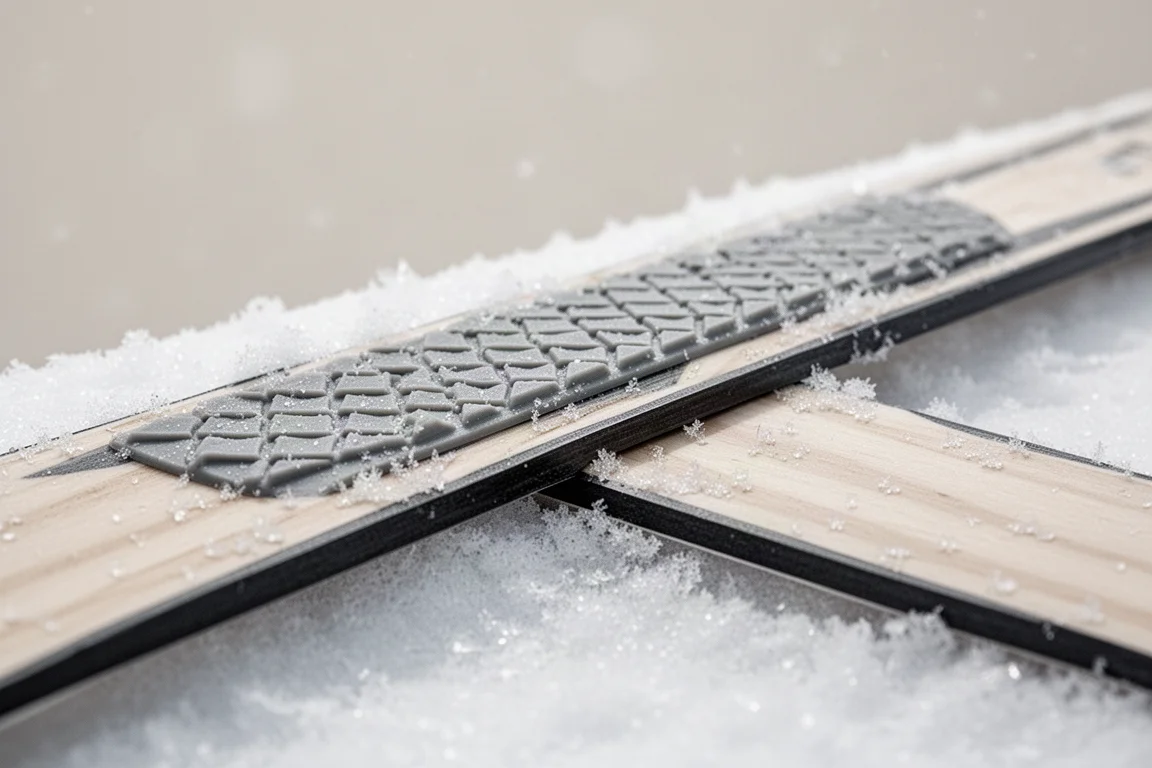
Grip comes from a classic fish scale pattern, and the kick zone is notably long, extending roughly a foot in front of the toe piece of the binding. That length and placement put a lot of grip directly underfoot.
The practical effect is easier climbing. Whether you are stepping forward through deep snow or using a kick and glide rhythm, the ski delivers forward thrust without waxing or extra hardware. The trade-off is that the same long grip zone costs some speed and efficiency when you are skiing in a groomed classic track.
Things to Consider Before Buying
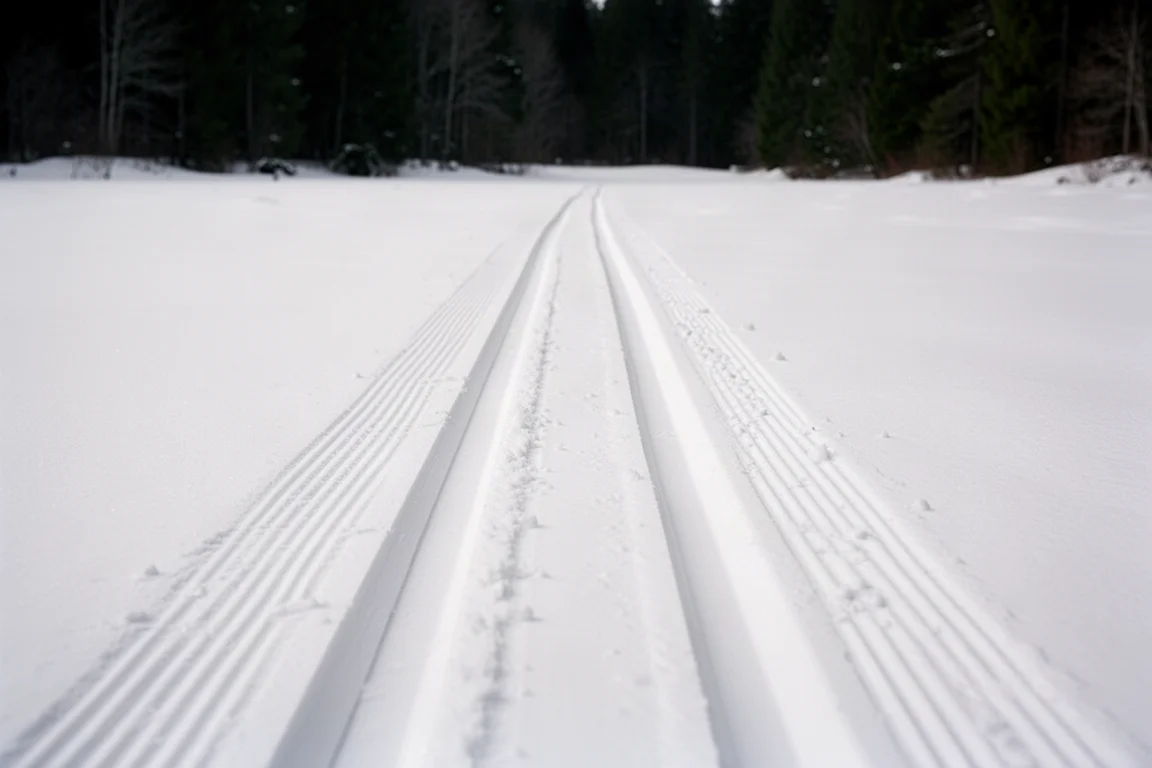
The wood core and full-length steel edges that make this ski stable and confident also add weight. That is the main reason it is not the best choice for a groomed touring centre or a cut classic track. It can handle those conditions, but it will feel slower and less efficient there than a lighter, track-focused ski.
The long fish scale grip zone reinforces that same trade-off. It gives you excellent traction underfoot, and it also reduces glide compared with a shorter or smoother base. If your typical outing is laps around a groomed loop, a different ski will likely feel quicker.
It is also worth being clear about what this ski is not. It is not designed around finding downhill zones and making turns on the return leg. It is a distance-oriented cross-country ski for flat and gently rolling terrain, and it is happiest when the goal is an adventure rather than a descent.
The included step-in binding is deliberately simple, and it works reliably without fuss. If you prefer a more feature-heavy binding, that is a personal preference rather than a shortcoming of the ski.
Buying Advice
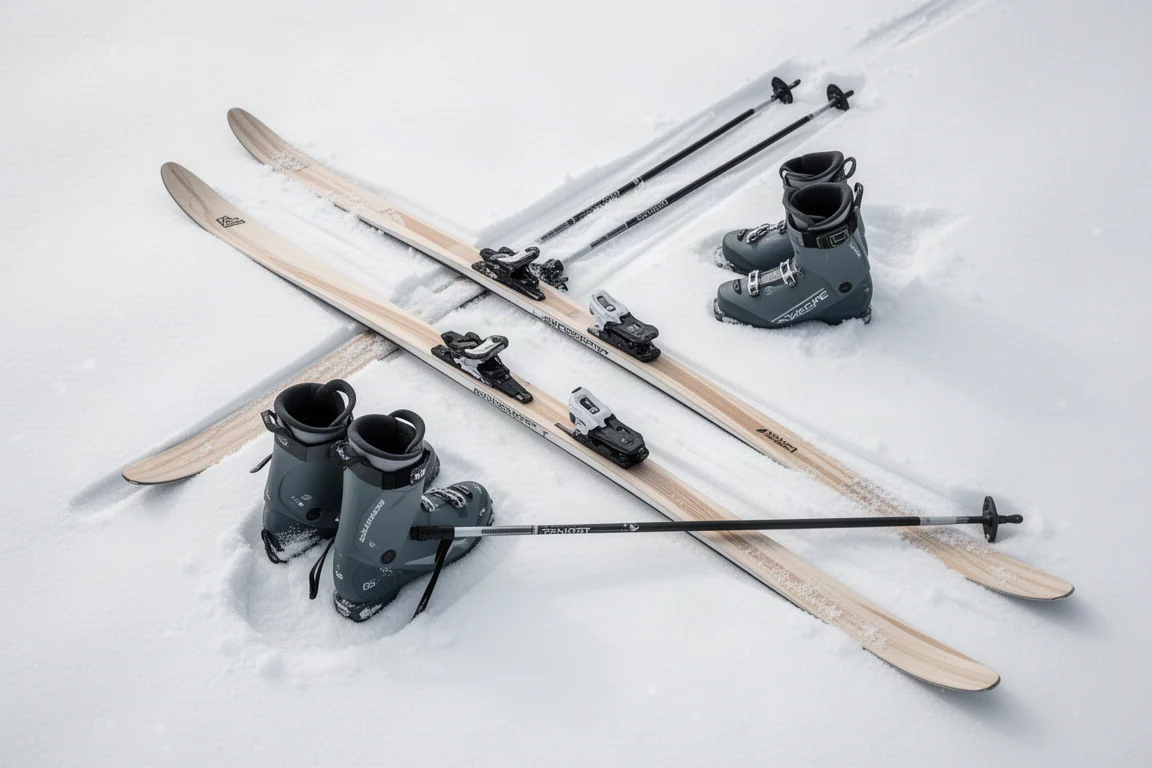
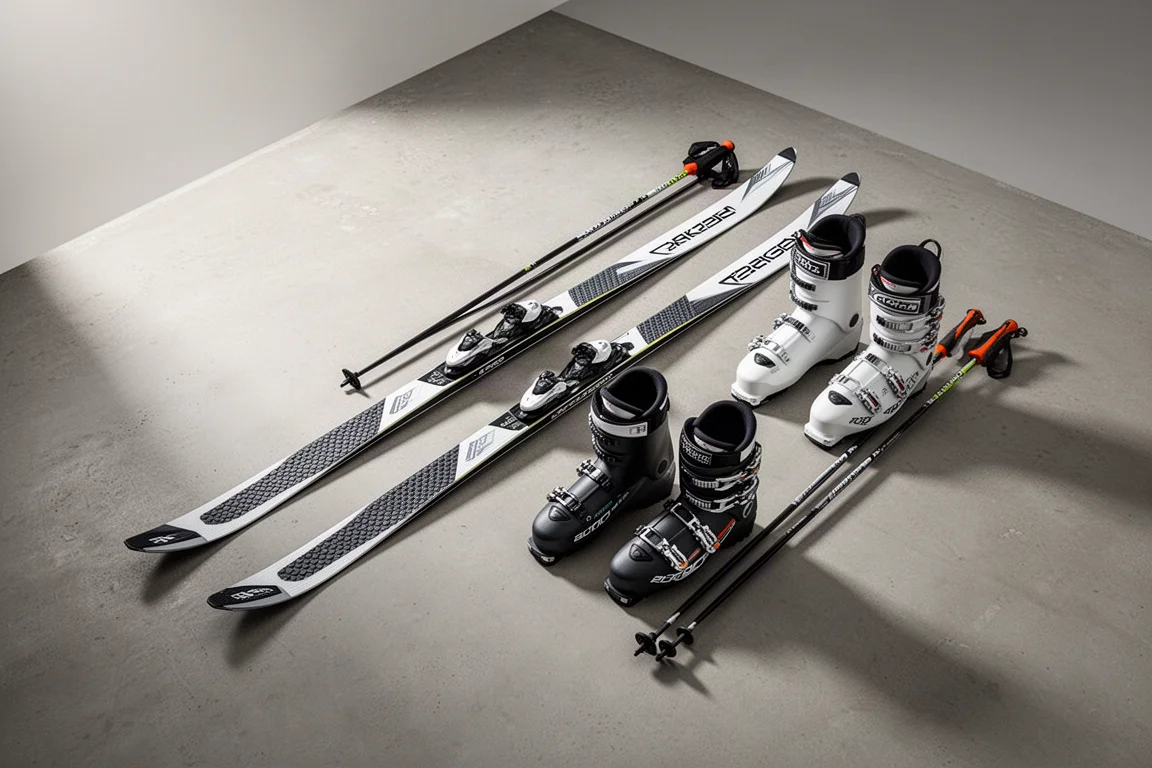
The Escape 60 Outpath can be bought as a ski and binding set, or as a complete package that adds an appropriate boot and a pair of poles. The package route makes sense if you are new to the sport and need everything at once, or if you are replacing a full set of old gear and would rather start fresh.
Buying the complete package can also save money compared with purchasing each item separately, which is worth factoring in before you decide. For a ski positioned as an affordable, high-value option, that combination is a sensible way to get moving without overspending.
Match the purchase to your terrain. If most of your skiing happens off trail, in ungroomed fields, or on long flat routes, this ski lines up well with that use. If you split your time evenly with groomed tracks, go in knowing you are accepting a little less speed in exchange for grip and stability elsewhere.
Conclusion
The Salomon Escape 60 Outpath earns its place as a versatile, affordable cross-country ski for people who want to explore rather than follow a set track. The wood core and full-length steel edges deliver stability and edge grip where it counts, and the long fish scale grip zone makes climbing straightforward. Accept the extra weight and the reduced glide in groomed tracks, and you get a dependable ski for long days of forward travel on ungroomed snow.
Product link
View more details for Salomon Escape 60 Outpath
This product is mentioned in the review. Check the specifications, options, and compatibility before buying.
View more details for Salomon Escape 60 OutpathFurther reading
Related Reviews
Cross-Country Skiing
How to Choose Cross-Country Skis: A Practical Buying Guide by Price Tier and Terrain
A clear breakdown of cross-country ski types, width, length, and four price tiers, with specific models for groomed tracks, off-trail touring, skate skiing, and backcountry.
Cross-Country Skiing
Fischer Aerolite 60 Classic Review: Race-Inspired Value for Groomed Tracks
A classic cross-country ski that borrows race-ski shape and a lightweight core at a fraction of race-ski cost, with one clear catch: you have to wax it.
Cross-Country Skiing
Fischer Spider 62 Crown Review: A Versatile Off-Track Cross-Country Ski
A lightweight, stable off-track ski with a full metal edge, plus the trade-offs worth weighing before you buy.