Cross-Country Skiing
How to Choose Cross-Country Skis: A Practical Buying Guide by Price Tier and Terrain
A clear breakdown of cross-country ski types, width, length, and four price tiers, with specific models for groomed tracks, off-trail touring, skate skiing, and backcountry.
Introduction
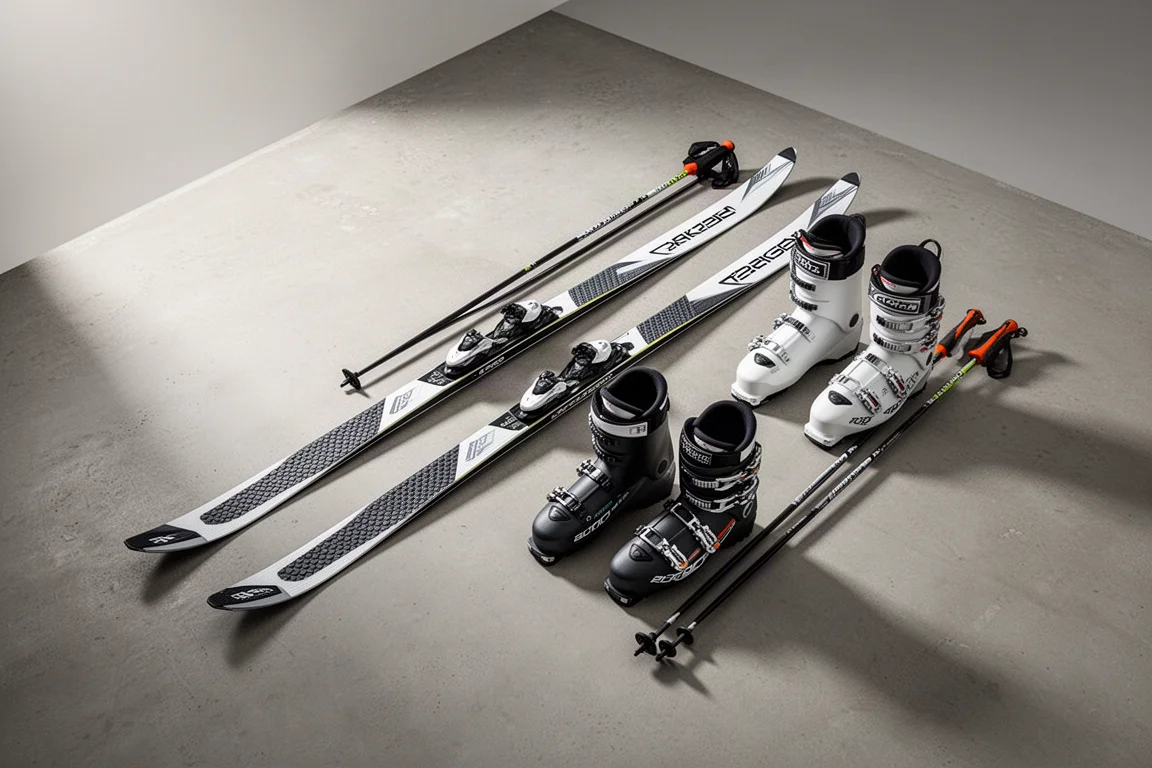
Cross-country skiing can feel overwhelming if you are new to the sport. The gear has changed a lot in recent decades, and the range of ski types, widths, and price points can make it hard to know where to start. This guide breaks down the key decisions you need to make before buying, then walks through specific models across four price tiers. Whether you plan to glide on groomed classic tracks, explore ungroomed trails, or try skate skiing, the right choice comes down to matching the ski to your terrain and your experience level.
Key Factors Before You Buy
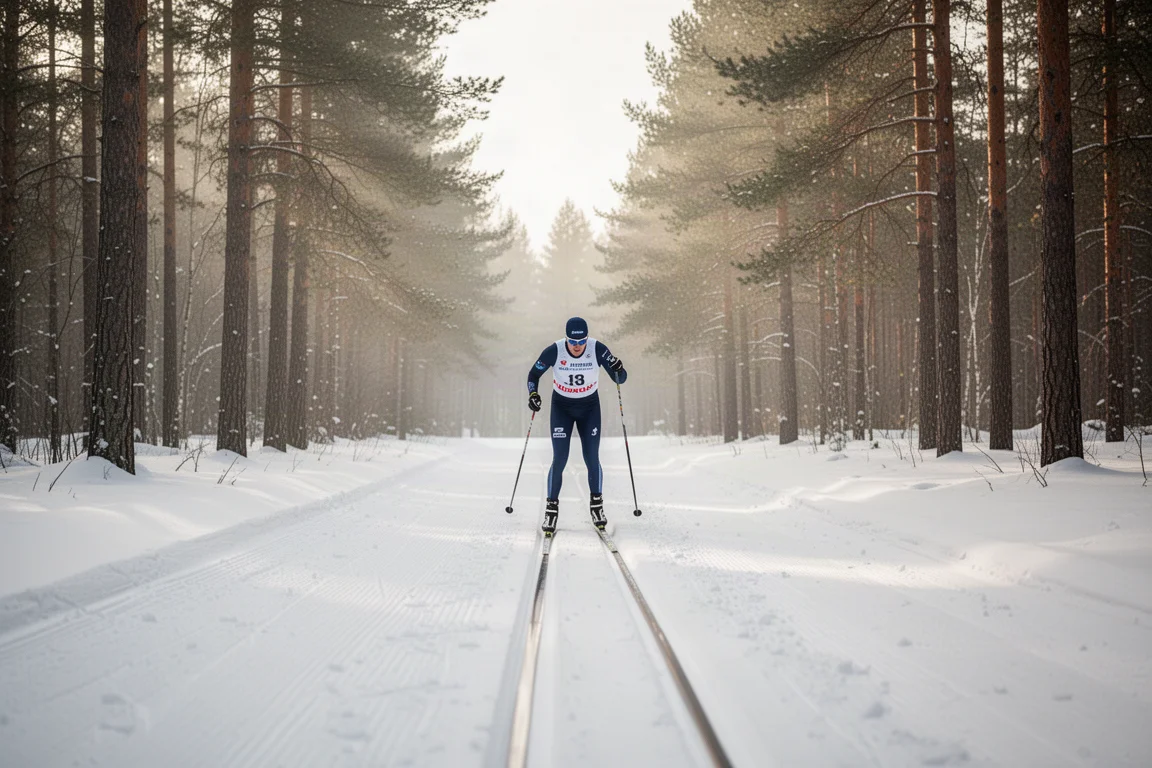
The first and most important step is to know what kind of skiing you want to do. Are you heading to a cross-country center with groomed trails and classic tracks? Or do you want to explore golf courses, backyards, and local trail networks that are not groomed? Maybe you are interested in skate skiing on a groomed skate lane, or you want to venture into the backcountry on ungroomed snow. These three broad categories, classic in-track, classic off-trail, and skate, point to very different skis.
Ski width is the next thing to understand. A groomed classic track is about 68 mm wide, so skis intended for in-track use should generally stay around 65 mm or narrower. A ski that is 68 mm wide can physically fit in a track, but it will rub against the sides and feel inefficient. If you plan to ski mostly off-trail, a wider ski provides more stability and float in soft snow.
Ski length for cross-country skis is based on your weight, not your height. The flex of the ski is critical: if you are too light for a given length, you will not be able to compress the grip zone into the snow, and you will lose traction. If you are too heavy, the grip zone will drag constantly and make the ski slow. Each manufacturer publishes a weight range for every length, so check that chart before choosing.
Pole length also depends on your style. Classic poles should reach roughly to your armpit. Skate poles are longer, typically starting at your chin and going as high as your eyes. Finally, boot and binding compatibility has become simpler. Most boots and bindings now use the NNN standard. Backcountry skis use NNN BC, which has a wider and thicker connecting bar. An NNN boot will not fit an NNN BC binding, and vice versa.
With those fundamentals in mind, you can start comparing specific models. The skis below are organized by price tier, with notes on who each one suits best.
Budget-Friendly Classic Skis: Rossignol XT 55
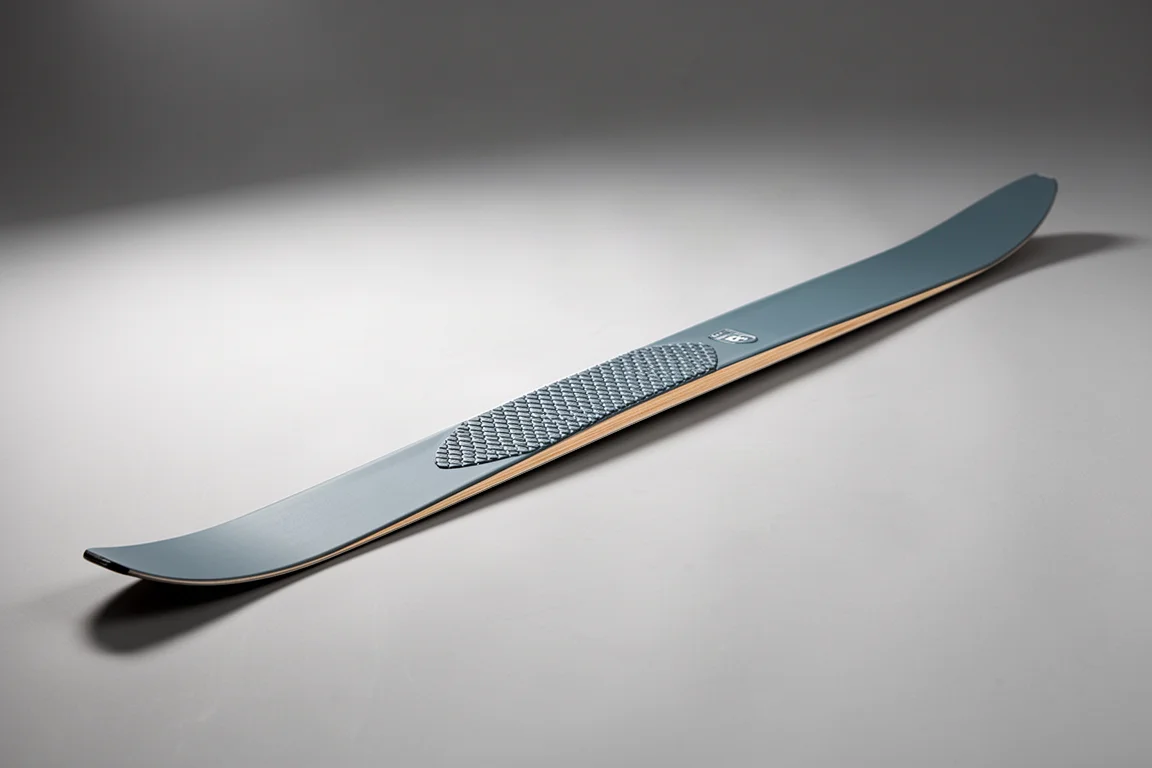
The Rossignol XT 55 is a strong starting point for true beginners. It sits in the first price tier, which generally runs from about $390 to $450 for a complete package including skis, boots, bindings, and poles. The flex pattern is forgiving, and the long fish scale grip zone provides plenty of traction for going uphill and generating forward momentum. Fish scale grip is not the fastest option, but it is the most forgiving and easiest to use.
At 55 mm wide, the XT 55 fits neatly into a groomed classic track and feels efficient there. It comes with a basic Rossignol XC1 Tour boot, which is about as simple as a cross-country boot gets. For a new skier who is still figuring out the sport, that is plenty. The XT 55 is a great choice if you want to learn on groomed tracks and keep your options open.
Mid-Range Classic with Skin Grip: Rossignol XC60 R-Skin
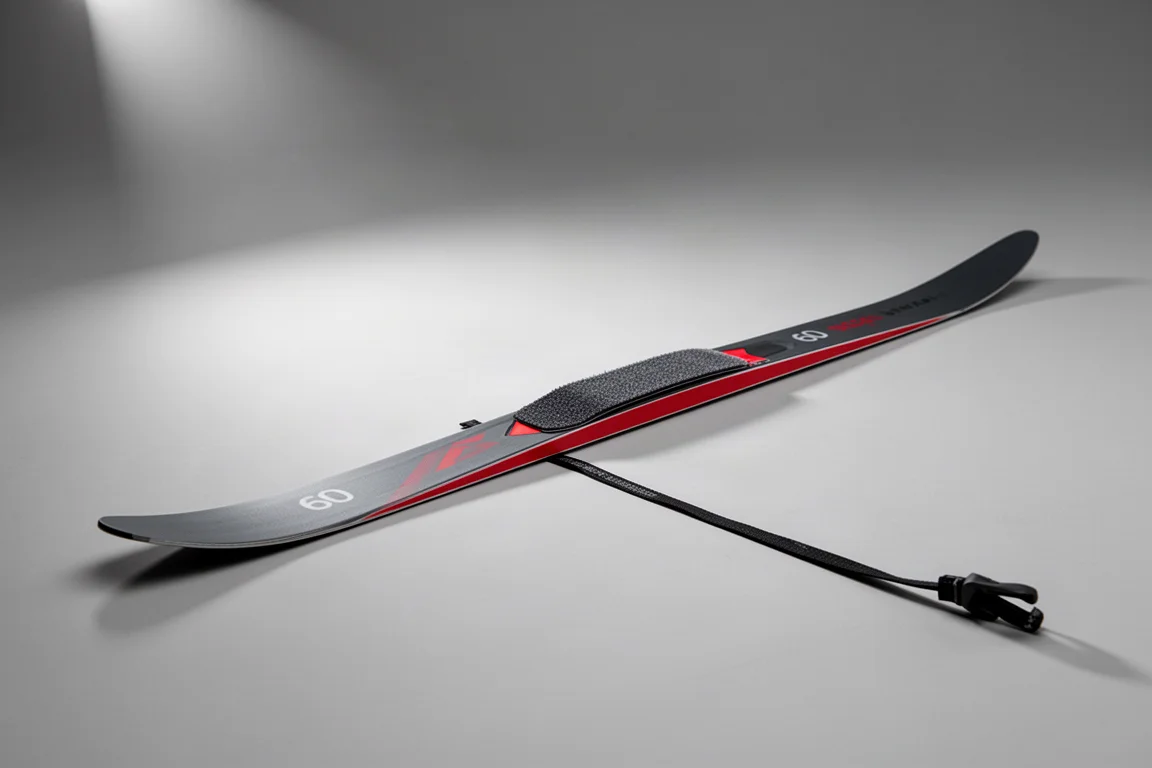
Moving up to the second price tier, which runs roughly $500 to $600 for a package, the Rossignol XC60 R-Skin shares the same shape as the XT 60 but uses a better construction. The result is a more efficient kick and glide, so you can go farther and faster on groomed tracks. Instead of a long fish scale zone, it uses a skin grip system, which is shorter and provides a different balance of grip and speed.
The XC60 R-Skin is 60 mm wide, so it still fits in a groomed classic track, though it is not the most efficient ski for that setting. It works best for someone who already has some classic technique and wants more efficiency than a beginner ski offers. If you take it off-trail, you lose some grip and stability compared to wider options. The package includes a Rossignol XC5 boot, which offers more support and a taller ankle gaiter to keep snow out.
Off-Trail Versatility: Fischer OTX 62
The Fischer OTX 62 is another second-tier option, but it leans more toward off-trail use. At 62 mm wide, it is wider than the XC60 R-Skin, which helps in softer snow and ungroomed terrain. It comes with an OTX boot that is designed for adventure and touring through the woods. The long fish scale kick zone provides a lot of grip and makes the ski very easy to use.
You can still fit the OTX 62 into a groomed classic track, but it starts to feel wide there, and you lose some efficiency. Think of it as a percentages game. If you spend about half your time in a groomed track and half off-trail, the XC60 R-Skin might be a better fit. If you spend 80 percent of your time off-trail and only 20 percent in a groomed track, the OTX 62 is a better choice.
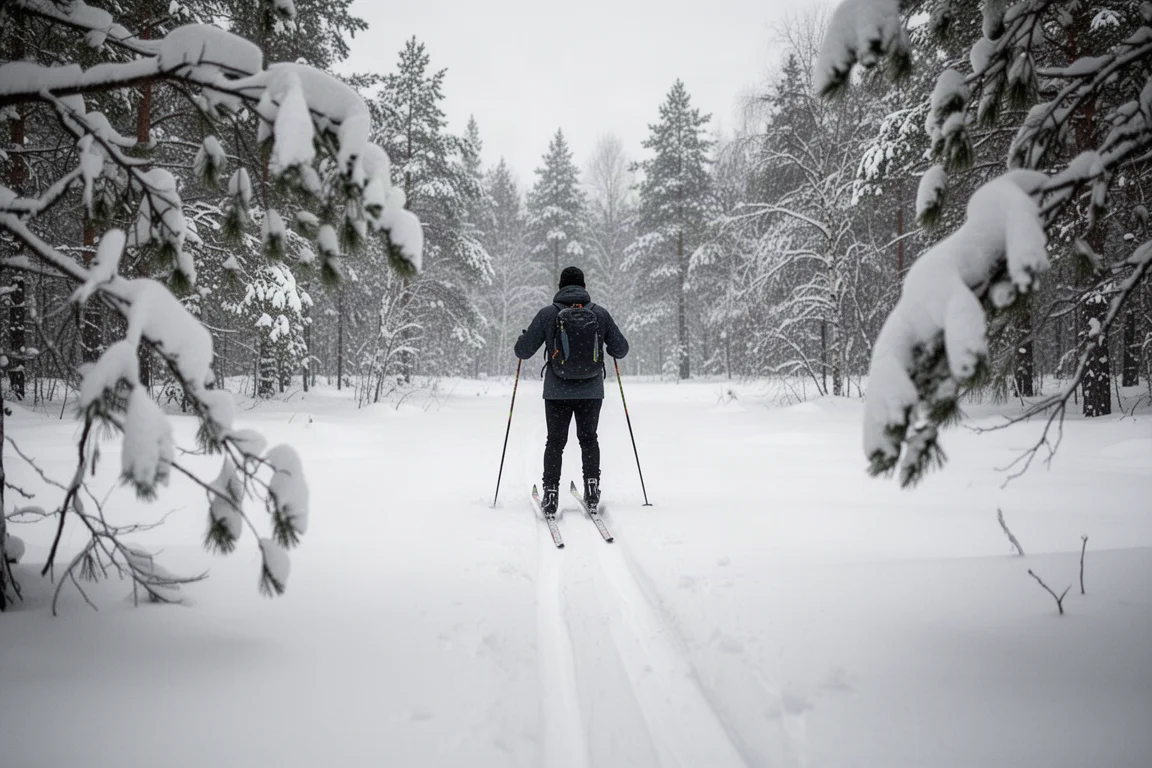
The OTX 62 is a good match for skiers who want to explore local trails, golf courses, and backyards without worrying about whether the snow is groomed. It is easy to handle and gives you confidence in variable conditions.
Skate Skiing Made Approachable: Fischer Aerolite Skate 60
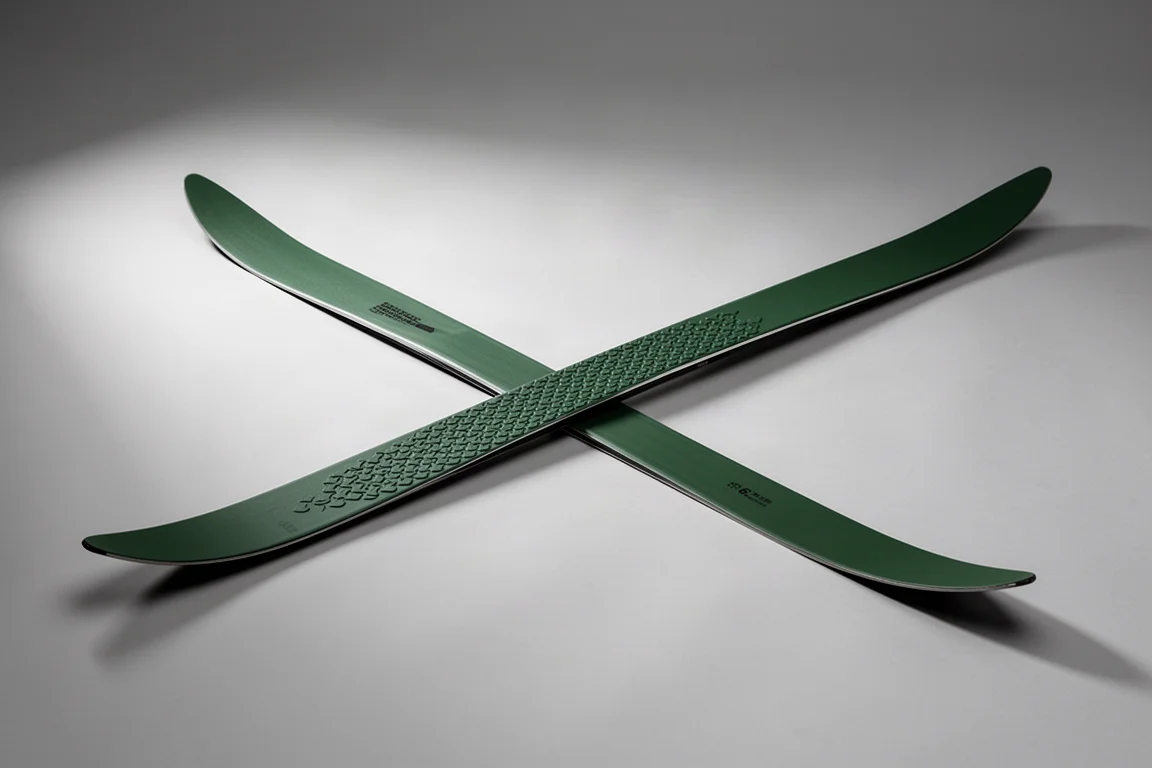
Skate skiing is not usually recommended for a true beginner, but once you have some experience, it can be a great way to enjoy groomed skate lanes. The Fischer Aerolite Skate 60 is an entry-level skate ski with a traditional javelin shape. It is not quite as forgiving as the Fischer Arrow Guide 75 Skate, but it is still manageable for a confident skater.
The Aerolite Skate 60 comes with an RC3 Combi boot, which provides more upper cuff support than a classic-specific boot but still allows enough flexion for classic skiing. This makes it a versatile choice if you want to save money by using one boot for both skate and classic setups. The ski is efficient and fun, especially for fit, athletic people who are getting into cross-country skiing for fitness.
Performance Classic: Fischer Twin Skin Pro
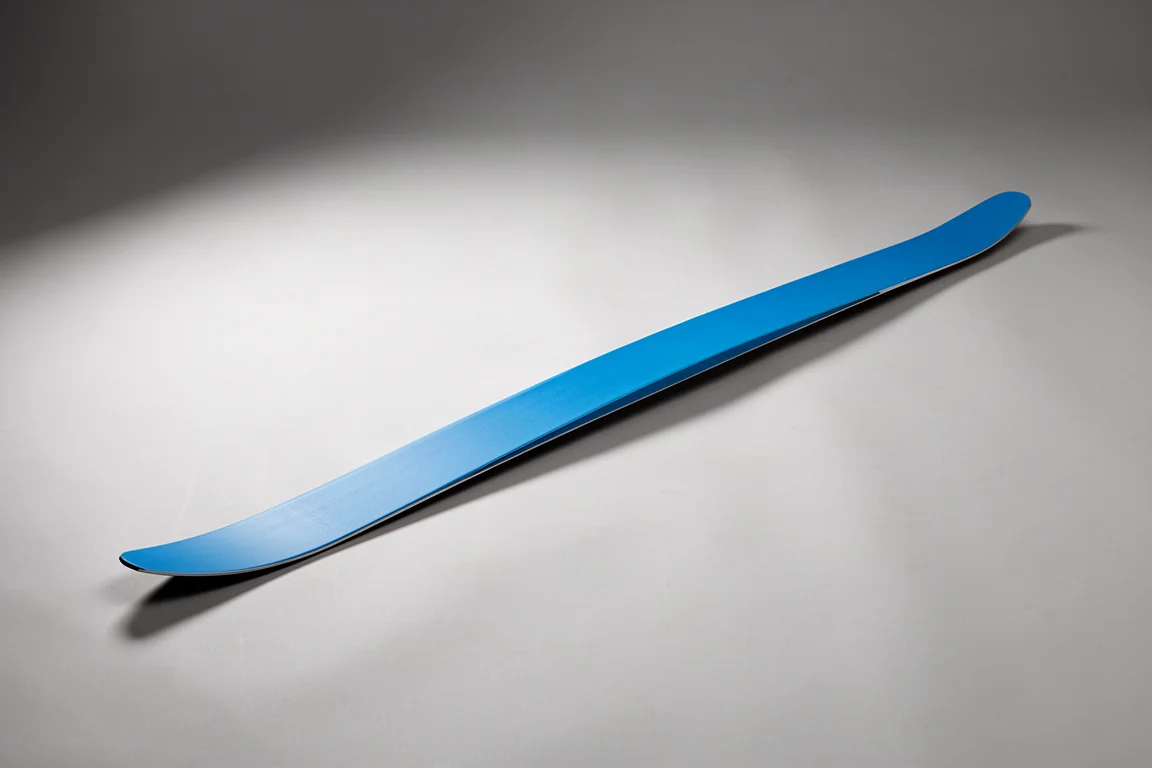
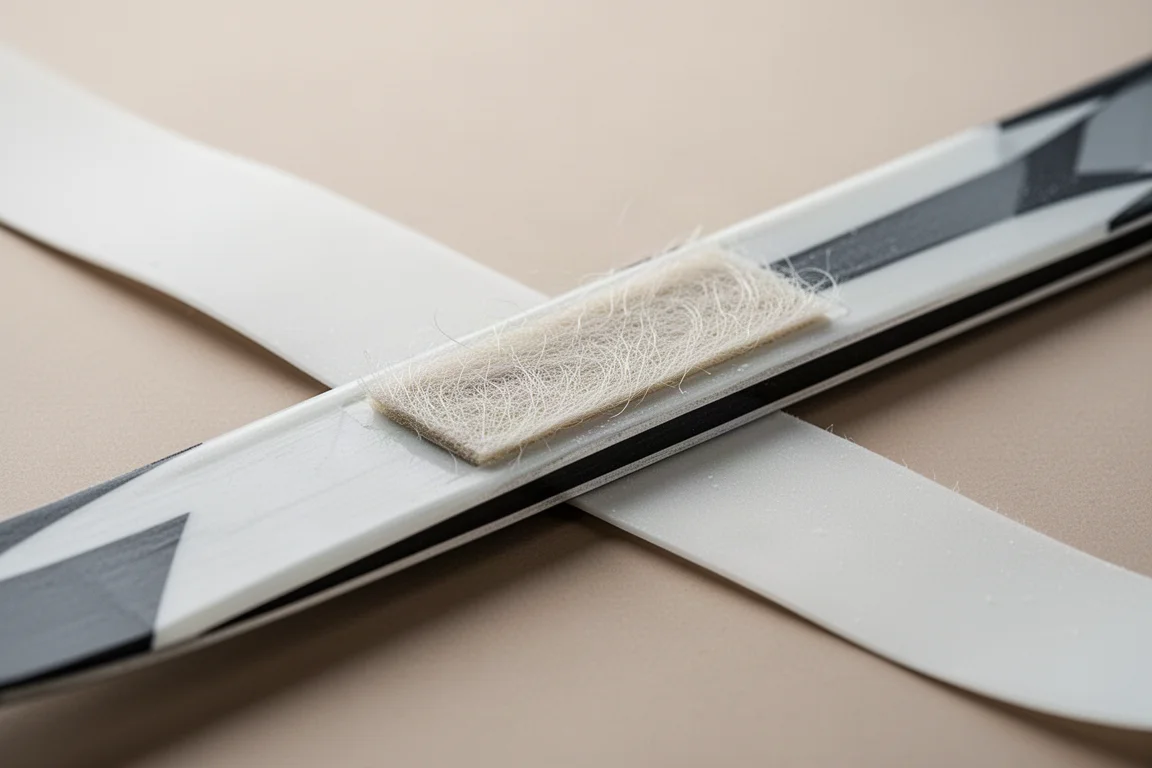
The third price tier, roughly $600 to $750, brings more specialization. The Fischer Twin Skin Pro is a classic ski with a narrower profile, 41-44-44 mm, making it the narrowest classic ski in this guide. It uses a twin skin system, which places more skin on the base than the R-Skin design. The goal is to maximize speed without completely sacrificing grip, but that means the ski requires more precise technique. You need to weight and unweight the ski correctly to get proper traction.
This is a ski for experienced classic skiers and high school racers. A brand new skier would likely struggle on it, while the same skier would have a great time on the XT 55. The package includes an RC5 Classic boot with a carbon fiber heel pocket. It is very light and efficient, with less upper cuff support than a touring boot, because at this level you should have good balance and benefit more from speed.
If you have a solid classic stride and you are looking for a ski that feels fast and precise, the Twin Skin Pro is a strong option. It is not the most forgiving ski, but it rewards good technique.
Backcountry Touring: Fischer Traverse 78 Crown Skin
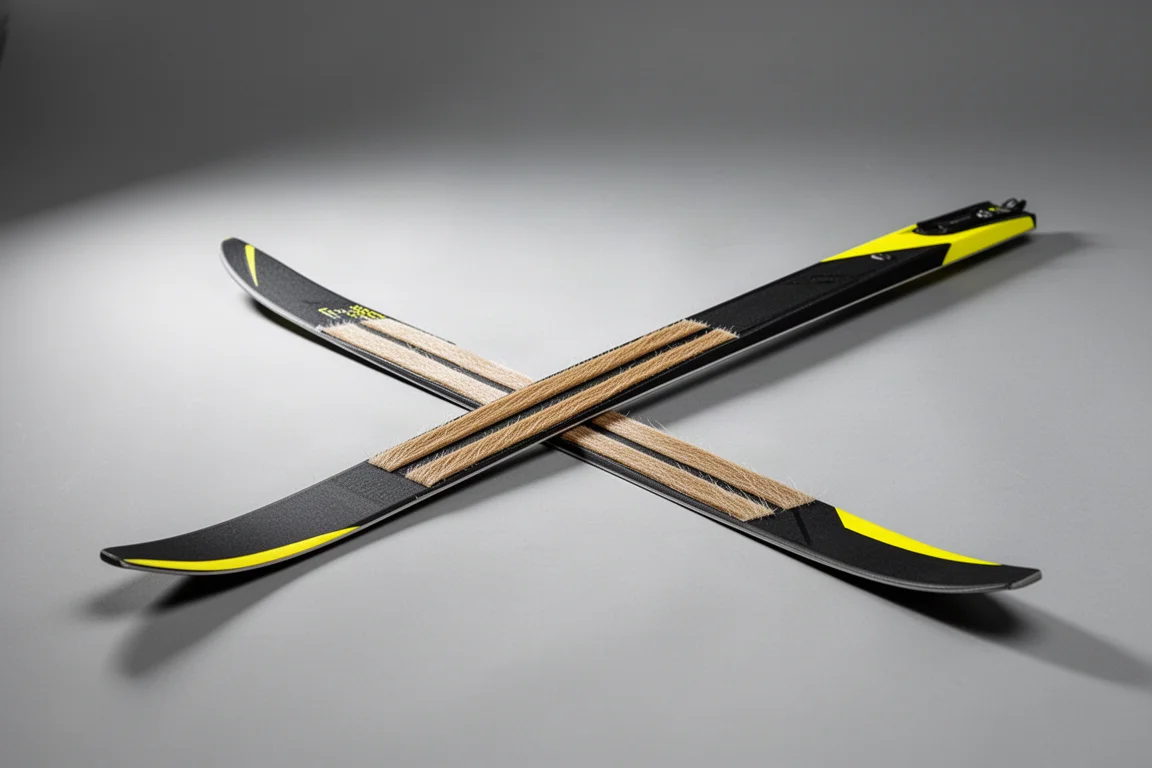
At the top of the third tier, the Fischer Traverse 78 Crown Skin is built for backcountry exploration. At 78 mm wide, it will not fit in a groomed classic track, and you would not want it to. It is heavier than narrower skis, and it has a full metal edge for edge grip on icy or wind-scoured snow. The long fish scale kick zone provides plenty of grip, and you can also integrate an actual skin through a hole in the ski for additional traction on steep ascents.
This ski uses the NNN BC binding system, which pairs with more robust, heavier boots that have higher ankles. It is designed for ungroomed snow and uneven terrain. If you are heading out your back door to tour through the woods, or you want to explore rolling backcountry terrain, the Traverse 78 Crown Skin is a capable and stable choice. The Rossignol BC 80 is a very similar option, with a long kick zone and a skin attachment point at the tip, but without the hole through the ski for a full skin.
Buying Advice: Matching Skis to Your Terrain
The most important takeaway is to match the ski to where you will actually ski. If you are new to the sport, a budget-friendly classic ski like the Rossignol XT 55 will help you learn on groomed tracks without fighting your gear. If you have some experience and want more efficiency, the Rossignol XC60 R-Skin or Fischer OTX 62 are good steps up, depending on whether you stay in tracks or head off-trail. For skate skiing, the Fischer Aerolite Skate 60 is an approachable entry point. Experienced classic skiers and racers can look at the Fischer Twin Skin Pro, while backcountry explorers should consider the Fischer Traverse 78 Crown Skin or the Rossignol BC 80.

You do not need to spend a fortune to get a ski that works well for your goals. The technology in entry-level and mid-range cross-country skis has improved dramatically, and many skiers will be perfectly happy with a ski from the first or second tier. As you gain experience and your technique improves, you can always move up to a more specialized ski.
Conclusion
Choosing cross-country skis comes down to knowing your terrain, your weight, and your skiing style. Start with the type of skiing you want to do, check the width and weight recommendations, and pick a price tier that matches your commitment. The models above cover a wide range of uses, from learning on groomed tracks to racing and backcountry touring. With the right ski, cross-country skiing is an accessible and rewarding way to enjoy winter.
Further reading
Related Reviews
Cross-Country Skiing
Fischer Aerolite 60 Classic Review: Race-Inspired Value for Groomed Tracks
A classic cross-country ski that borrows race-ski shape and a lightweight core at a fraction of race-ski cost, with one clear catch: you have to wax it.
Cross-Country Skiing
Fischer Spider 62 Crown Review: A Versatile Off-Track Cross-Country Ski
A lightweight, stable off-track ski with a full metal edge, plus the trade-offs worth weighing before you buy.
Cross-Country Skiing
Rossignol Evo OT 65 Review: A Versatile Cross-Country Ski for Mixed Terrain
A practical look at the Rossignol Evo OT 65, a wood-core cross-country ski with partial metal edges and a long grip zone built for variable snow.