Hiking Boots
Salomon Element Gore-Tex Hiking Boots Review: A Lighter Backpacking Boot That Keeps Its Support
A full-height Gore-Tex backpacking boot that trims around 100 grams from the Salomon Quest formula without losing grip, stability, or out-of-the-box comfort.
Introduction
The Salomon Element Gore-Tex is a full-height hiking boot built for backpacking, and it borrows heavily from the Salomon Quest line that has been a fixture on long-distance walks for years. The formula is familiar: a supportive high-cut boot with a Gore-Tex membrane, an aggressive outsole, and a cushioned footbed. What changes is the weight. The Element uses lighter upper fabrics and comes in roughly 100 grams lighter than the Quest, which matters when you are carrying a loaded pack over ten miles or more.
The Quest, now in its third iteration, has held up well over extended use, including plenty of scrambling, with grip and waterproofing still doing their job. The Element takes that same foundation and trims it down for walkers who want less fatigue at the end of a long day.
Who These Boots Are For
If you are a backpacker, wild camper, or hill walker who carries weight and wants a boot that feels stable underfoot across mixed terrain, the Element is aimed at you. It suits walkers with standard-shaped feet: the fit is neutral through the midfoot and the toe box is neutral as well, so there is no strong bias toward narrow or very wide feet. The full-height cut adds ankle coverage that low-cut shoes simply cannot offer, and that is a meaningful difference on rough ground with a pack on your back.

Comfort arrives immediately rather than after a breaking-in period. The OrthoLite footbed is a large part of that, and it is the main reason the boot feels good from the first wear. For backpackers who have grown used to stiff leather boots that need weeks of softening, this is a welcome change of character.
Main Strengths
Weight is the headline. At roughly 545 grams per boot, the Element is about 100 grams lighter than the equivalent Salomon Quest, and over a long day that difference shows up in how fresh your legs feel at the finish. The stack heights are 26.5 mm at the heel and 16.5 mm at the forefoot, giving a 10 mm drop that keeps the ride stable without feeling flat or disconnected from the ground.
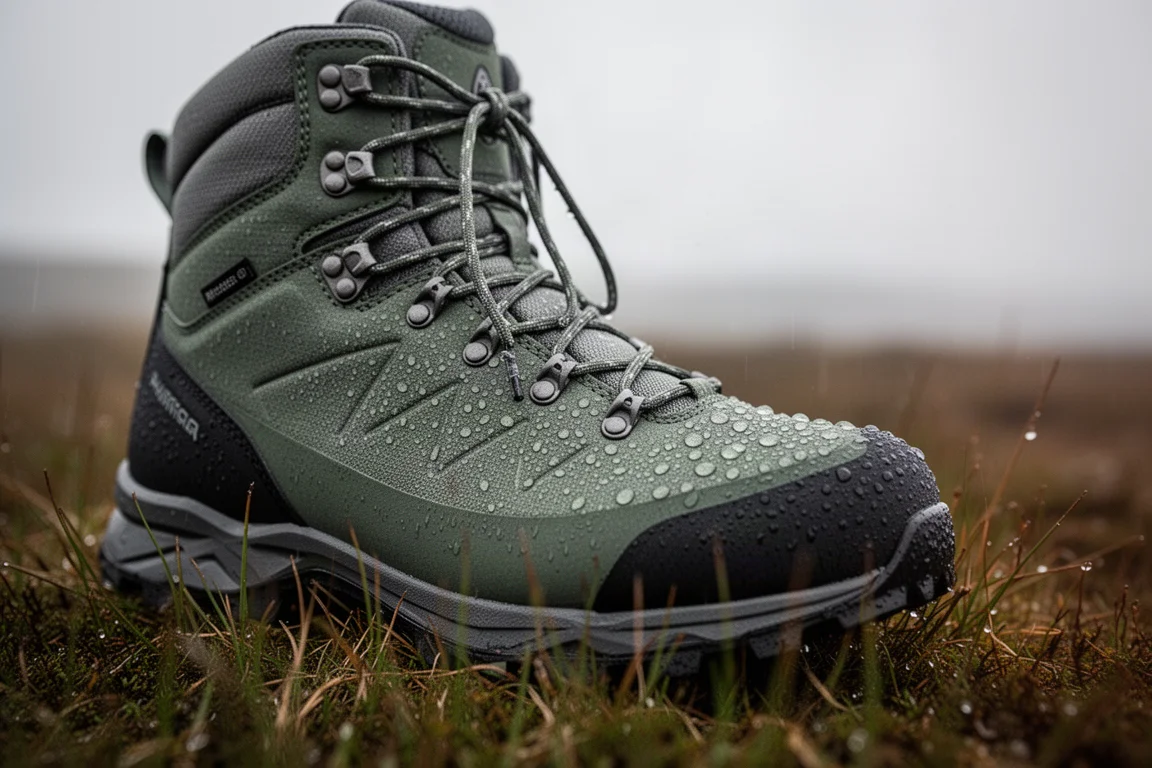
The Gore-Tex membrane handles waterproofing. Because the upper uses a lot of fabric, it will not match a full leather boot for outright water resistance, but it still provides a solid level of protection in wet grass, mud, and steady rain.
Grip is another clear strength. The outsole performs much like the Quest’s, holding confidently across sand, gravel, tarmac, mud, and rock, which is exactly the mix you meet on a typical mixed-terrain day out.
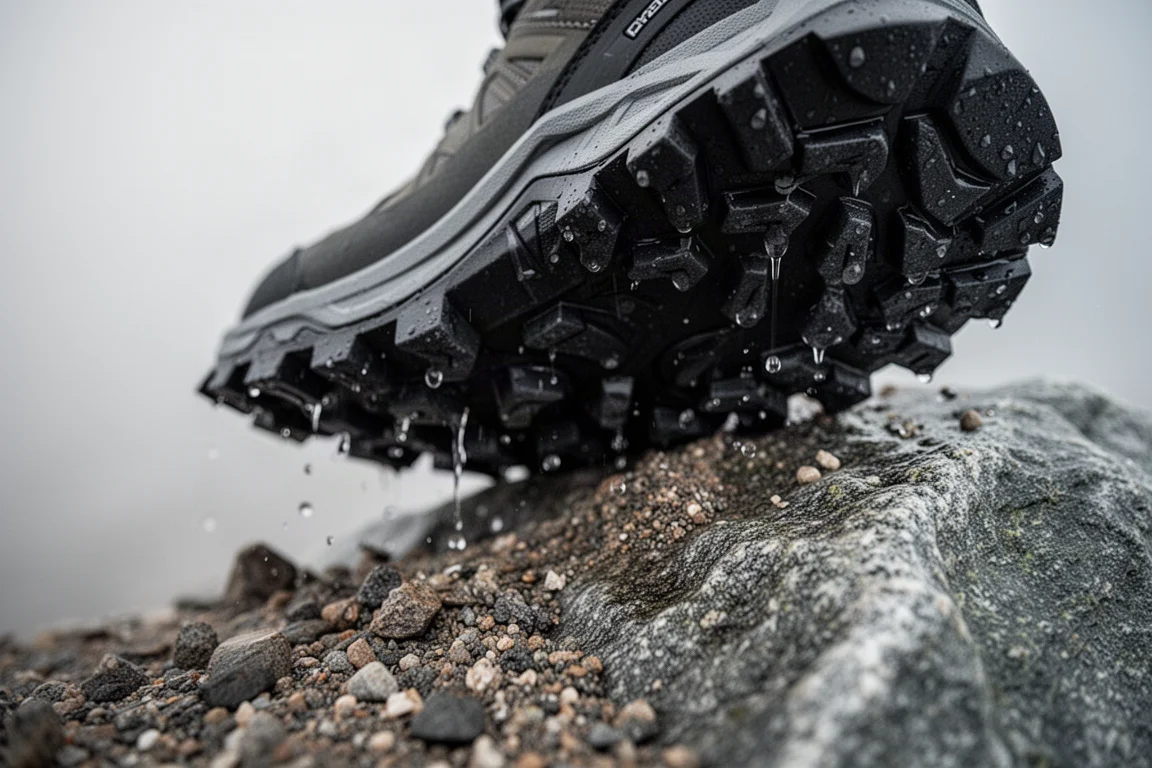
Support is better than the weight suggests. Despite the lighter build, the Element feels planted and stable underfoot. Over a 10 mile (15.62 km) mixed-terrain loop it produced no hot spots, blisters, or niggles, and the reduced fatigue was noticeable rather than imagined. That is the entire point of a lighter backpacking boot, and this one delivers it.
Things to Consider Before Buying
The fabric-heavy upper is the main trade-off. It keeps the weight down, but a full leather boot will generally offer more water resistance over prolonged wet conditions. If most of your walking happens in sustained heavy rain and boggy ground, that is worth weighing up before you buy.
Fit is the other consideration. The neutral shape suits standard feet well. Walkers with unusually wide or narrow feet, or anyone who needs a lot of volume adjustment, should try them on with the socks they actually hike in before committing.
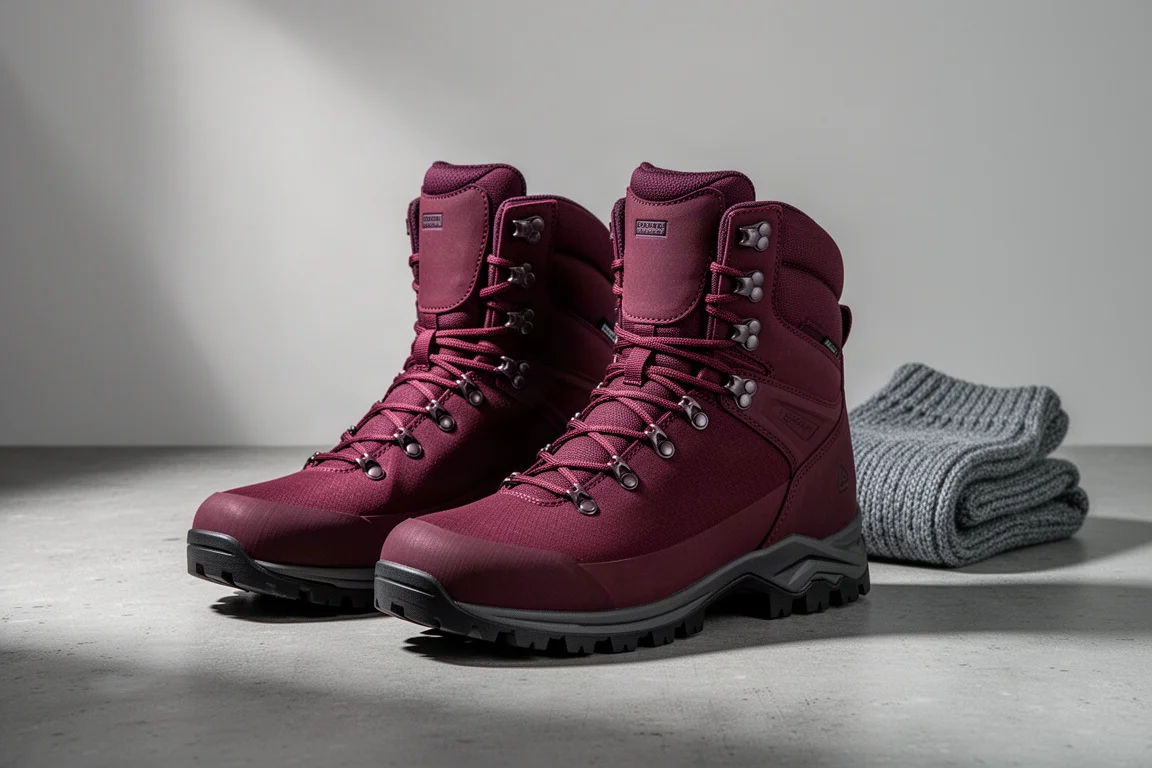
The Element comes in a red wine colourway as well as other options, so there is some choice if you care about how the boot looks on the hill. Colour is cosmetic, but a boot you enjoy wearing is a boot you reach for more often.
Finally, at around £165 these are not the cheapest boots on the shelf. The question is not whether they are cheap, but whether they are worth the miles you will put on them.
Buying Advice
At around £165, the Element Gore-Tex represents good value for a full-height backpacking boot with this level of comfort, grip, and support. Hiking boots are the one piece of kit where cutting corners tends to cost you later, so a mid-range price for a well-made boot is a sensible place to land.
Size with the socks you use on the hill. Walk around indoors for a while first, since the boot is comfortable straight out of the box, then get them onto mixed ground early. Sand, gravel, tarmac, mud, and rock are all well within their comfort zone, and the boot is stable enough to handle a loaded pack from the outset.
If you have been happy with the Salomon Quest, the Element is the natural lighter alternative for the same kind of walking. If you are new to the brand, the neutral fit makes it a good starting point for standard-shaped feet.
Conclusion
The Salomon Element Gore-Tex is a genuinely comfortable, stable, and lightweight full-height backpacking boot. It trims around 100 grams from the Quest formula without losing the support that matters under a loaded pack, and it does so at around £165. The trade-off is a fabric upper that will not be quite as waterproof as full leather. For backpackers who want less fatigue at the end of a long day, that is an easy compromise to accept.
Product link
View more details for Salomon Element Gore-Tex Hiking Boots
This product is mentioned in the review. Check the specifications, options, and compatibility before buying.
View more details for Salomon Element Gore-Tex Hiking BootsFurther reading
Related Reviews
Hiking Boots
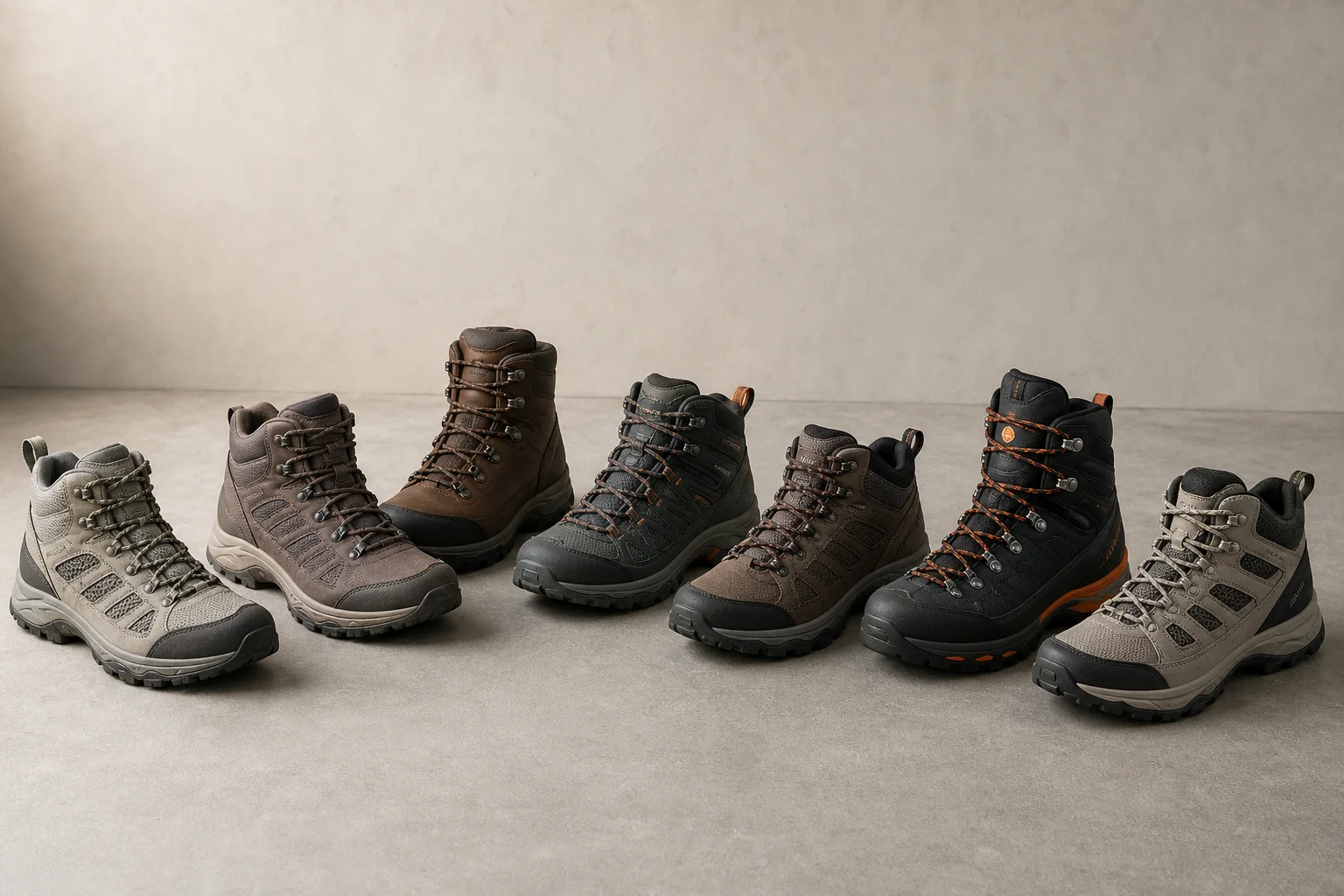
Best Hiking Boots 2025: Seven Options for Different Trail Needs
A practical guide to seven hiking boots spanning lightweight day hikes, comfort-focused designs, rugged terrain, budget options, and alpine performance.
Hiking Boots
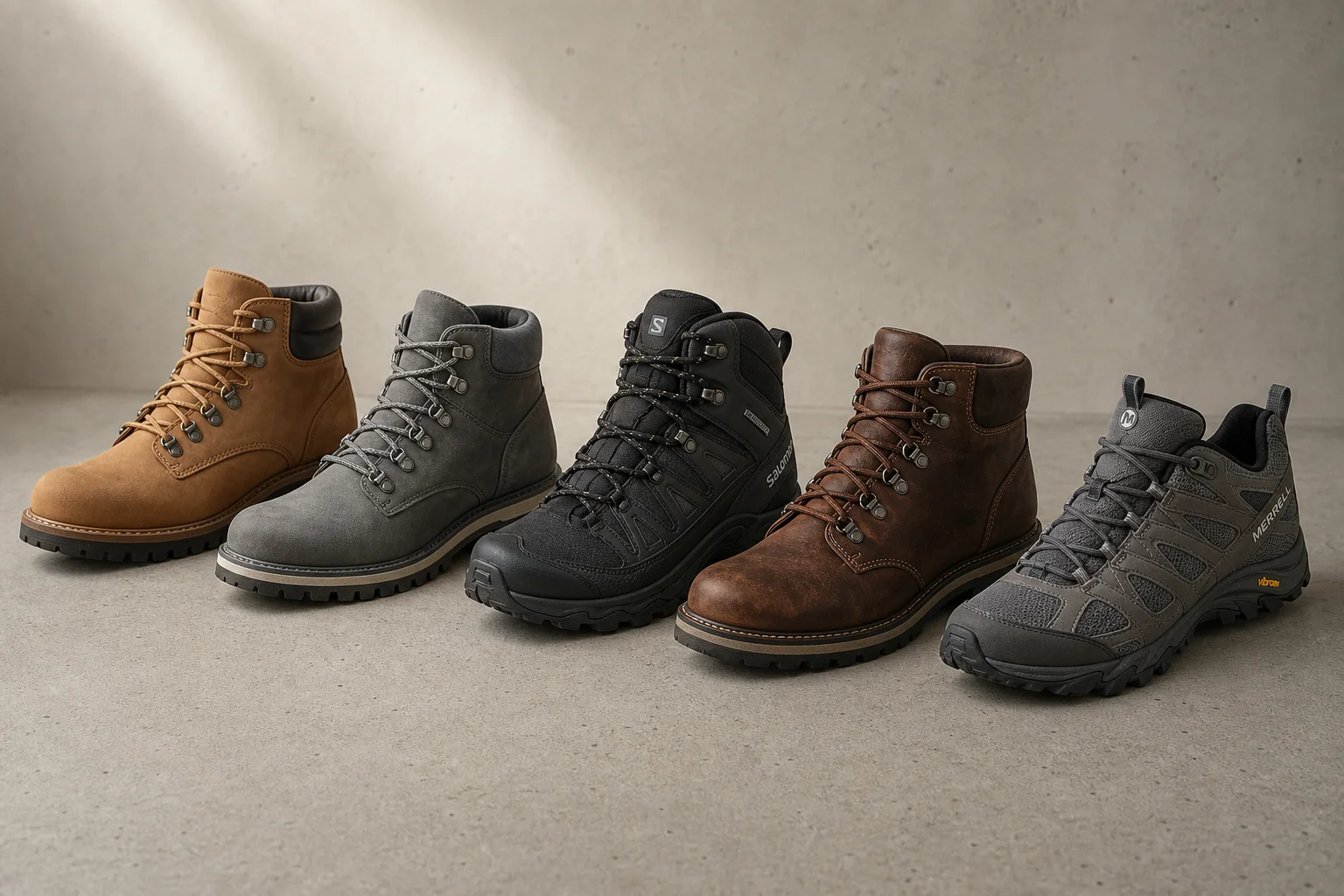
Best Hiking Boots 2026: Five Reliable Options for Different Trail Needs
Five hiking boots that balance waterproofing, comfort, and durability across casual day hikes and serious backpacking trips.
Hiking Boots
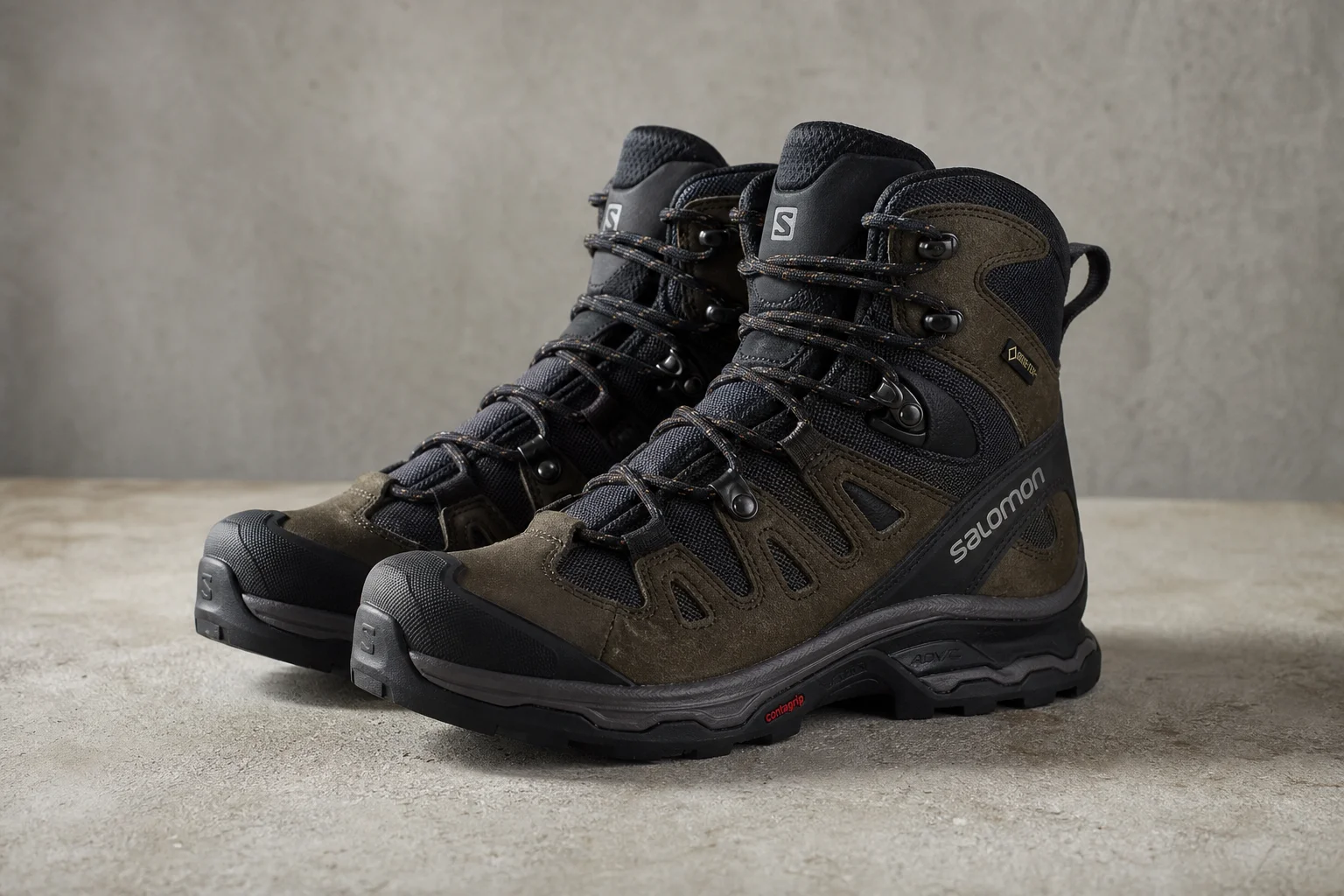
Salomon Quest Element GTX Review: A Reliable Hiking Boot for Serious Terrain
After 30+ kilometers of testing in varied conditions, the Salomon Quest Element GTX proves itself a capable, comfortable hiking boot with genuine waterproofing and solid long-term value.