Trail Running Shoes
Salomon DRX Defy GRVL Review: A Crossover Trail Shoe That Gets the Balance Right
A stability-friendly crossover running shoe with a Contagrip outsole, 8mm drop, and a price that makes it easy to recommend.
Introduction
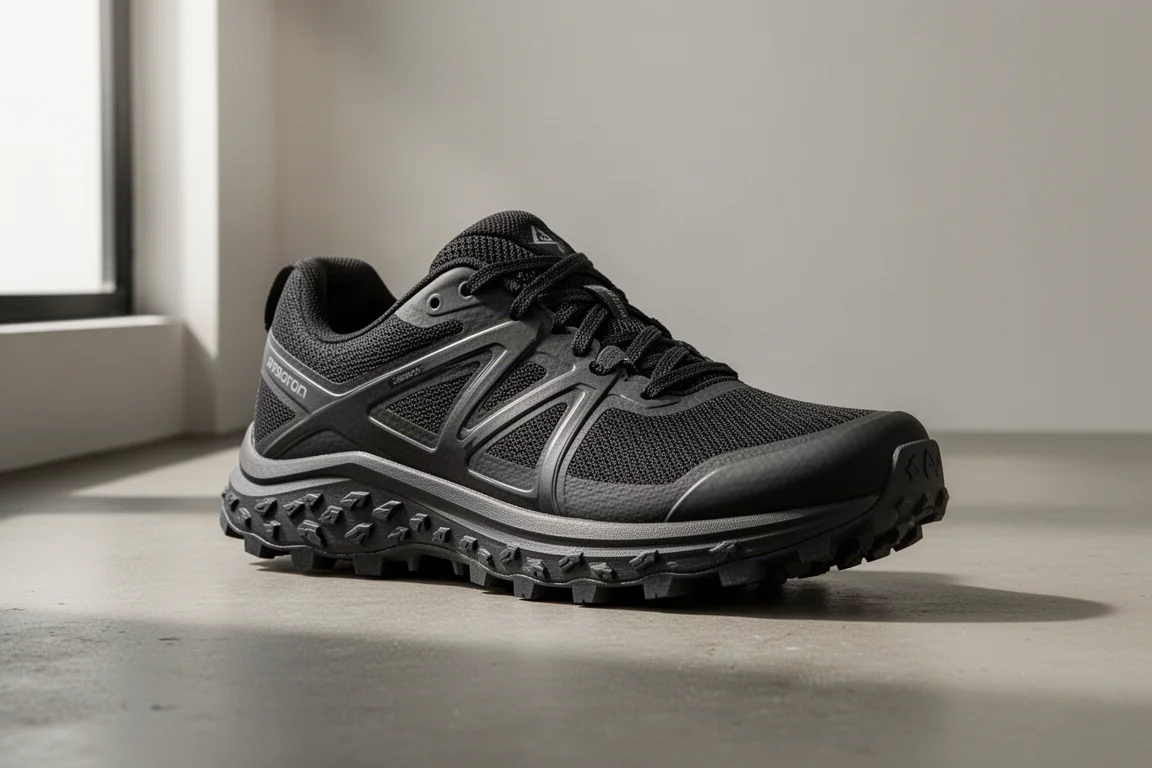
The Salomon DRX Defy GRVL, as in gravel, is a genuine crossover running shoe. It is built for runners whose miles split between pavement and dirt, which is exactly the situation that inspired this test: roughly 10% on pavement and 90% on dirt across an epic run at Mount Falcon.
What the DRX Defy GRVL Is Trying to Be
Crossover vehicles like the Honda CRV or Toyota RAV4 are everywhere in the car market, but true tweener running shoes are rare. This shoe occupies that space deliberately: made for a bit of both, without fully committing to either road or aggressive trail.
It also leans toward stability. An active chassis on the lateral side of the shoe helps keep the ankle moving forward rather than rolling outward on dirt and rocks. That support is noticeable out on the trail in a good way, yet it never feels like a big plastic plank on the medial side. Even if you are not a stability runner, it does not feel overly stabilized.

Out of the box there was some concern it might feel stiff, but 13 miles in, the ride has felt really nice. The midsole uses an 8mm drop, though the official stack height was not confirmed at the time of testing.
Outsole and Grip
The outsole is where the crossover happens, and it delivers. Lug depth appears to be around 2mm, maybe 3mm at most, but the pattern and direction of the lugs make the real difference. Grip felt solid on climbs, and the inner lugs under the forefoot helped with braking on steep downhills.
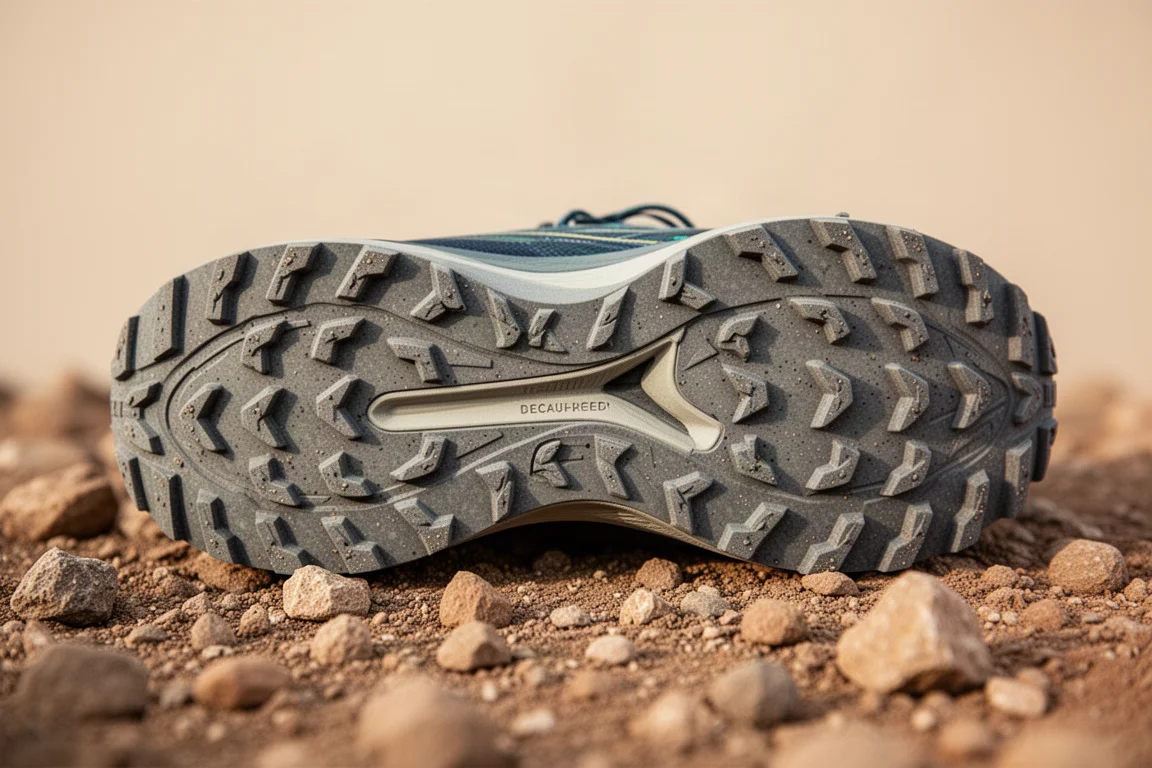
The Contagrip rubber simply performed well. There is also a slight decoupled groove through the outsole, nothing major. For terrain like the Colorado Front Range, where runners often cover two to four miles of pavement to reach trails and then loop back, this setup works. On very steep, aggressive mountain terrain like 14ers, you would likely want more grip.
Upper and Breathability
The upper is nothing to write home about. Breathability measured quite low on the scale, and with a black upper, running in 95°F-plus heat could get toasty. Expect it to be fine in milder conditions but a warm option in serious summer heat.
The toe cap is not the most stout either; kick a rock and you might feel it. The eyelet chain is simple, the laces hold well, and the tongue has no gusset, keeping the shoe streamlined. The heel counter is not overly built and lacks extra cushion, but no rubbing or heel issues were felt during testing.
Durability and Price
At around $130, the price is reasonable, especially considering many Salomon shoes easily reach above $160. The build quality through the midsole and outsole is solid, and based on years of testing Salomon running shoes, this one should hold up through a rotation and plausibly reach 500 to 600 miles.
Who Should Buy It
If you run trails that require digging in and biting the mountain, then need to traverse or commute back on a mile or two of pavement, this shoe solves that exact problem. Aggressive trail shoes with deep lugs make those road miles miserable at the end of a tired run; this is the opposite. It is not built for big, steep, aggressive mountain routes, but for front-range style running, dirt loops with pavement connections, it is a strong fit.

The weight is also respectable, good for a trail-capable shoe, which are usually heavier than road shoes.
Buying Advice
Is it a buy? Yes, at this price point. At $130 it is an easy recommendation; at $150 or $160 it would not be. If you want an affordable crossover that handles pavement-to-dirt transitions with light stability support, the DRX Defy GRVL fits the brief.
Conclusion
The Salomon DRX Defy GRVL proves the crossover shoe concept works. Light lugs that grip on climbs and descents, a lateral chassis that quietly supports the ankle, and a durable build at a fair price make it a practical pick for mixed-surface runners. It gives up some breathability and toe protection along the way, but for its intended use, it lands the balance well.
Product link
View more details for Salomon DRX Defy GRVL
This product is mentioned in the review. Check the specifications, options, and compatibility before buying.
View more details for Salomon DRX Defy GRVLFurther reading
Related Reviews
Trail Running Shoes
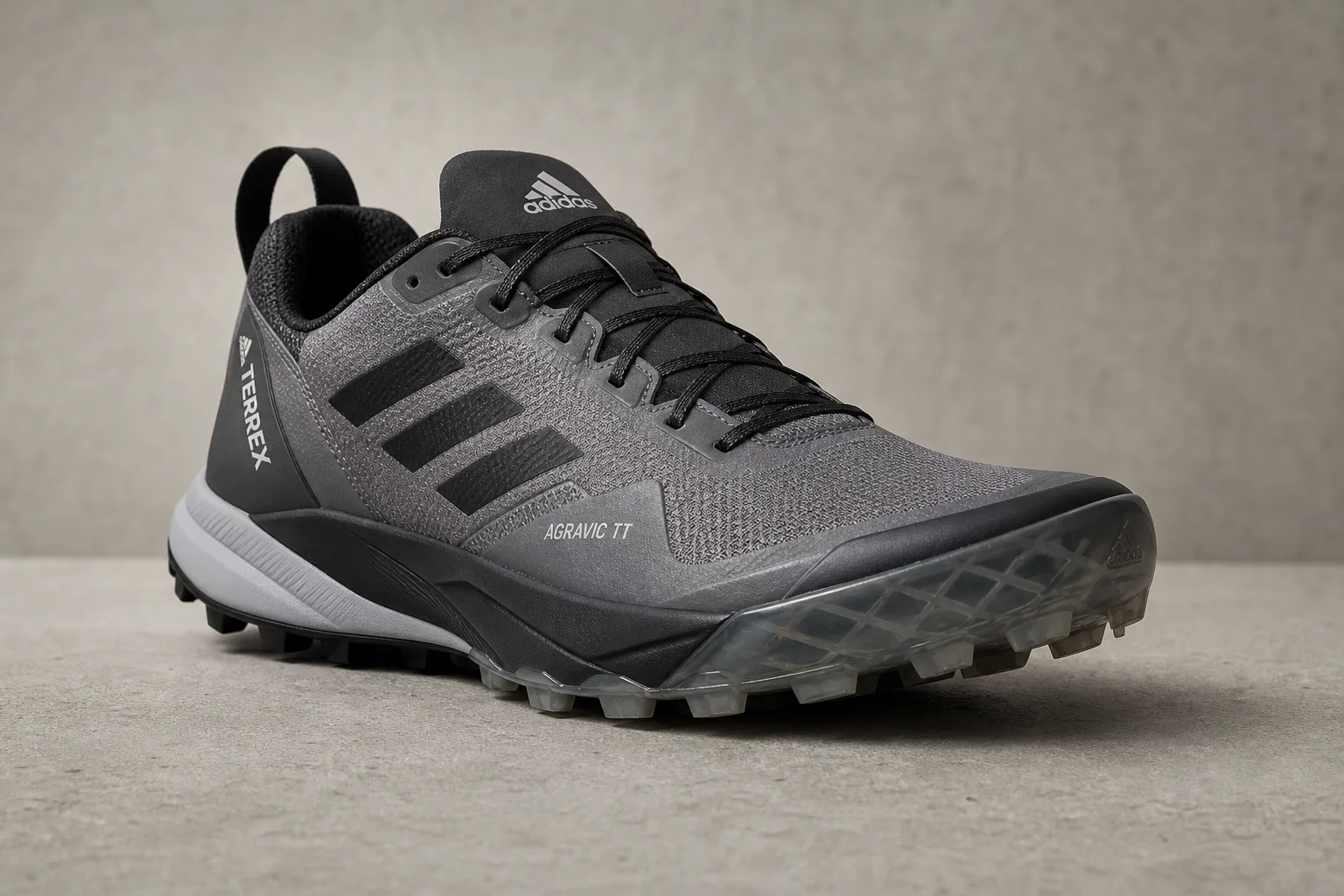
Adidas Terrex Agravic TT Review: A Technical Trail Shoe Built for Rocky Terrain
The Adidas Terrex Agravic TT combines a full-coverage rock plate with a firmer midsole to deliver protection and stability on technical, rocky trails. A capable choice for runners who prioritize underfoot defense over lightweight cushioning.
Trail Running Shoes
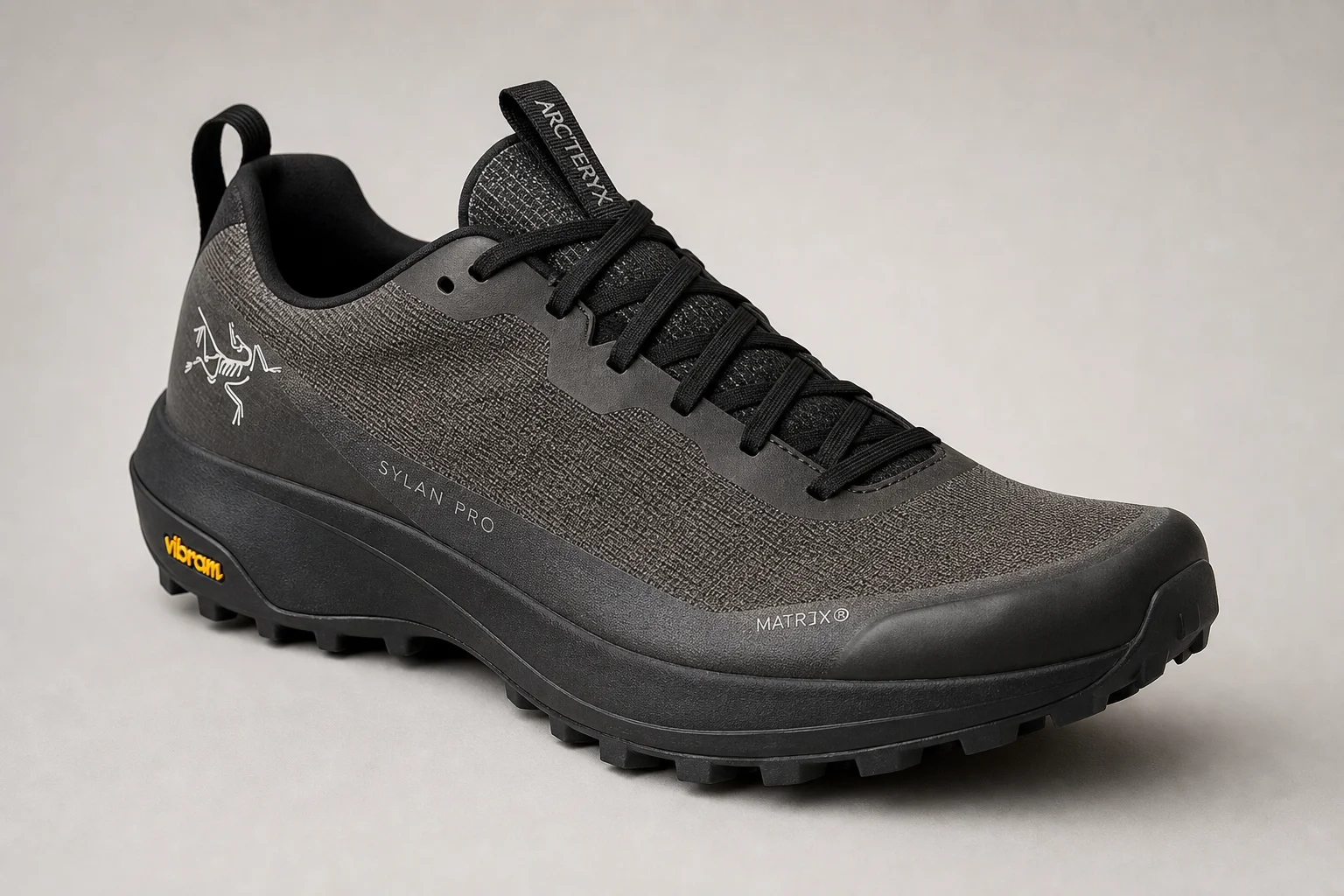
Arc'teryx Sylan Pro Review: A Rocker-Focused Mountain Running Shoe Tested on 20 Miles
The Arc'teryx Sylan Pro brings a pronounced rocker geometry and secure fit to mountain terrain. We tested it on a 20-mile Sawtooth loop to evaluate its climbing efficiency, protection, and handling of technical descents.
Trail Running Shoes
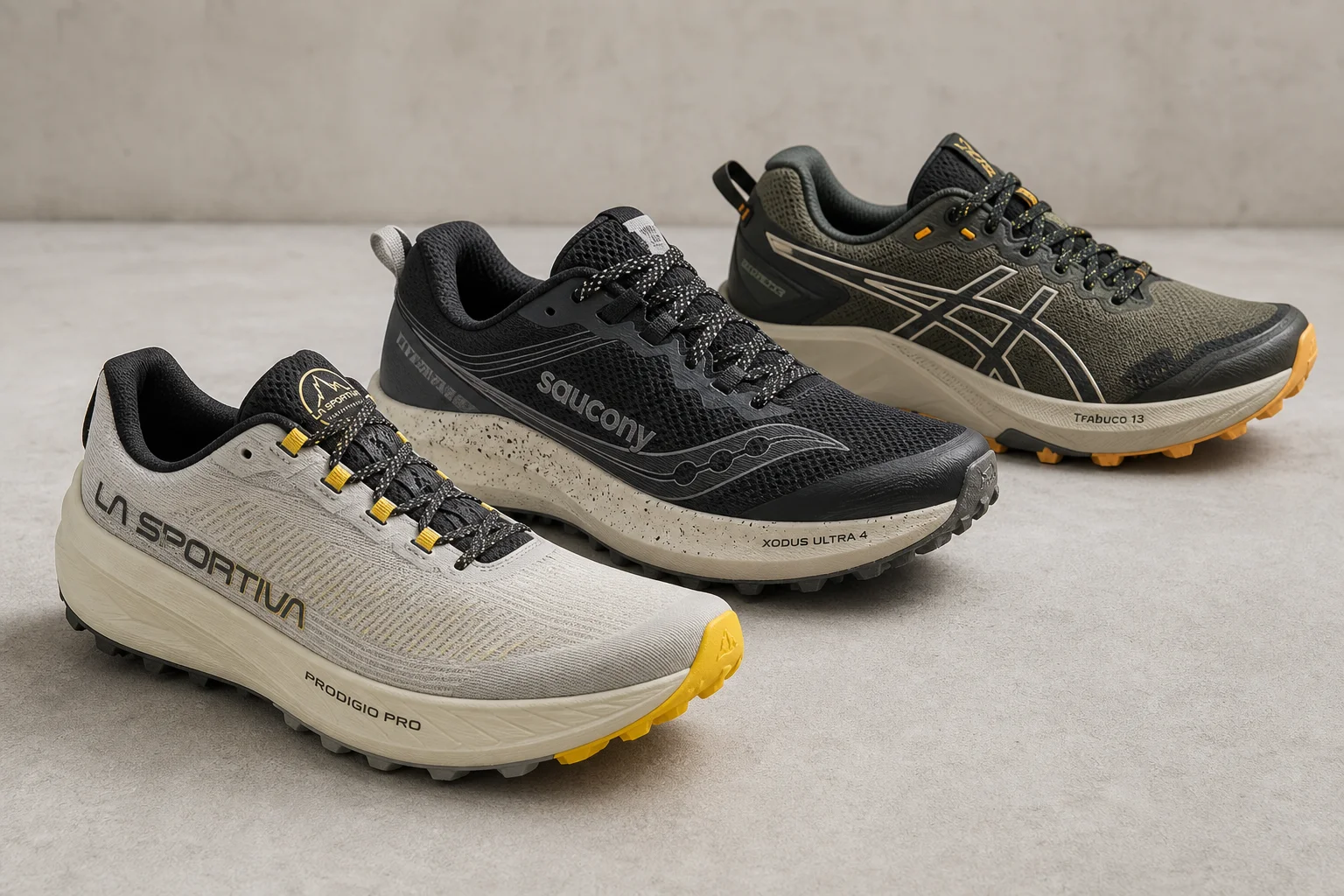
Best All-Mountain Trail Running Shoes: Three Versatile Options for Any Trail
A focused roundup of three all-mountain trail running shoes that handle technical terrain, long distances, and variable conditions with real strengths and practical trade-offs.