Running Shoes
Salomon DRX Defy Gravel Review: A Crossover Running Shoe That Handles Roads and Light Trails
A lightweight, reasonably priced crossover runner with responsive foam, an Active Chassis stabilising system, and a gravel-bike-inspired outsole.
Introduction
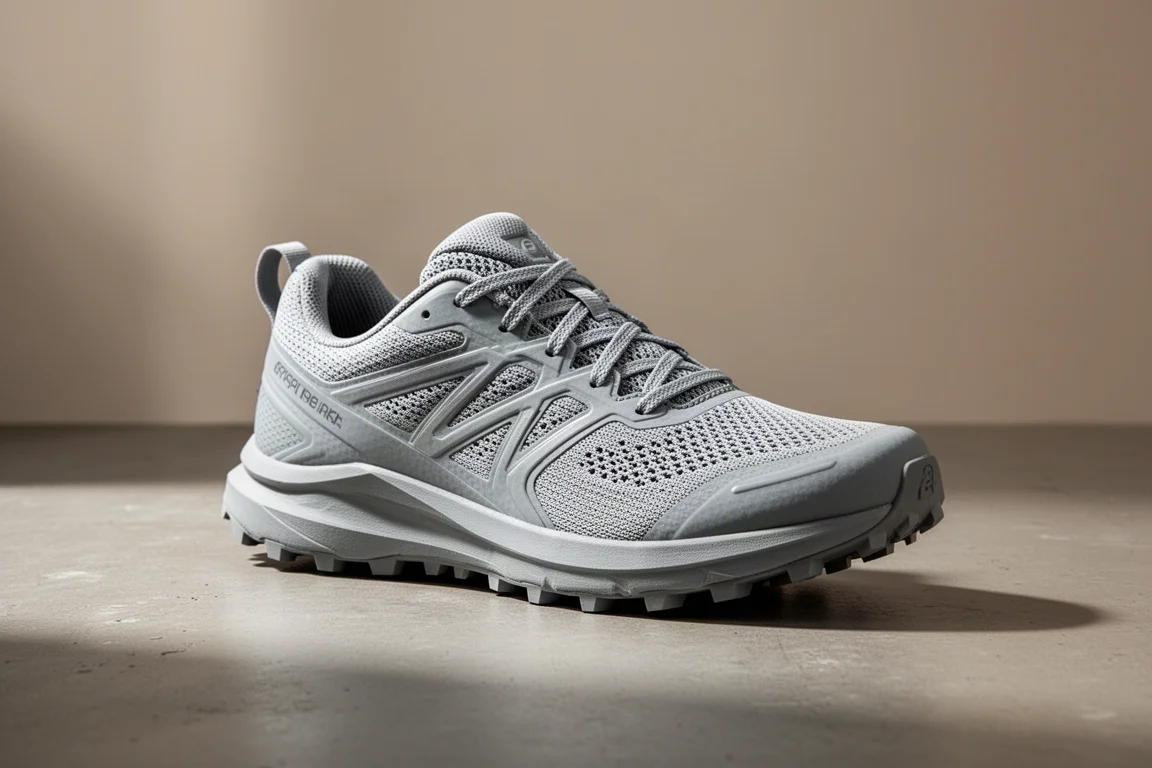
Salomon is pitching the DRX Defy Gravel as something of a Swiss army knife for runners: a crossover shoe designed to take you from city roads and pavements all the way onto fire roads, gravel paths, and light trail terrain. That is a broad brief, but after putting a few miles on the shoe, it holds up better than expected.
It retails in the UK for £125, which is refreshingly reasonable in a market where running shoe prices have climbed steadily. At 266g in a UK 10, it is also genuinely light for a shoe that promises this much versatility.
Who This Shoe Is For
This is a shoe for runners whose training naturally crosses between surfaces. If your regular routes mix road sections with gravel paths or fire roads, the DRX Defy Gravel aims to cover both without needing two pairs of shoes.

It is not built for wet, muddy UK winter trails, so trail-focused runners who regularly face deep mud should look elsewhere. But for light trail and mixed-surface training, it is a compelling one-stop option.
Main Strengths
The midsole is the heart of the shoe. Salomon uses its responsive, high energy-return Energy Foam, which soaked up tarmac comfortably during testing without feeling overly soft. It sits closer to firm-and-responsive than plush, and it feels quick on foot.
Integrated into the midsole is the Active Chassis system, familiar from Salomon’s Genesis trail shoe. Guide rails on the inside and outside of the shoe sink you slightly into a stable platform, and the effect is noticeable: the shoe feels planted and stable on both roads and trails, more so than other Salomon shoes with similar systems.
Outsole grip was a pleasant surprise. Salomon’s Contagrip rubber uses a shallow lug pattern inspired by gravel bike tyre tread, and it handled loose gravel, rocky sections, light mud, and even wet rocks across stream crossings without issue during testing.
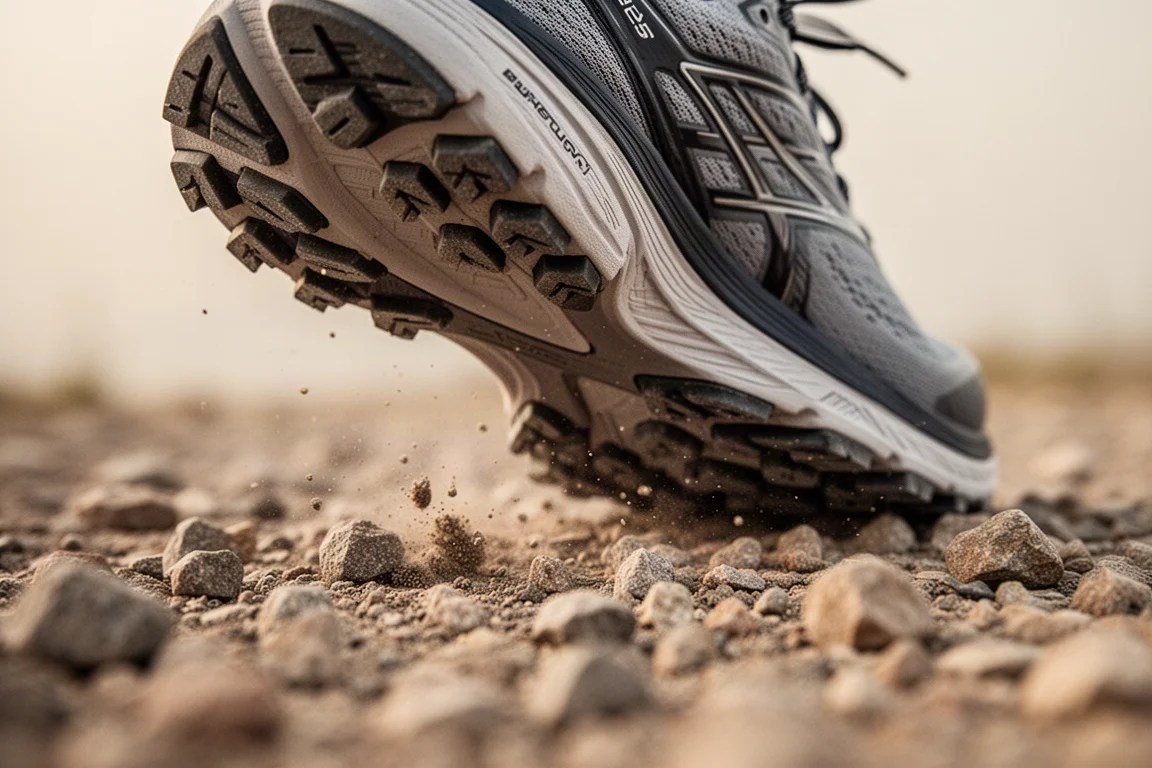
Underfoot protection on rocky trails was also solid, likely thanks to the depth of cushioning under the forefoot rather than a dedicated rock plate. The upper breathes well too, with lightweight engineered mesh, moderate padding around the ankle collar and heel, and a highly breathable, string-vest-like tongue fabric. Structured overlays along the sides and lace eyelets add noticeable stiffness and structure to the upper.
Things to Consider Before Buying
Fit runs a touch small in length, so consider going up half a size, as many runners do with Salomon shoes. Toe box width is average: not narrow like some Salomon models, but not wide either. Midfoot lockdown and heel hold are both good.
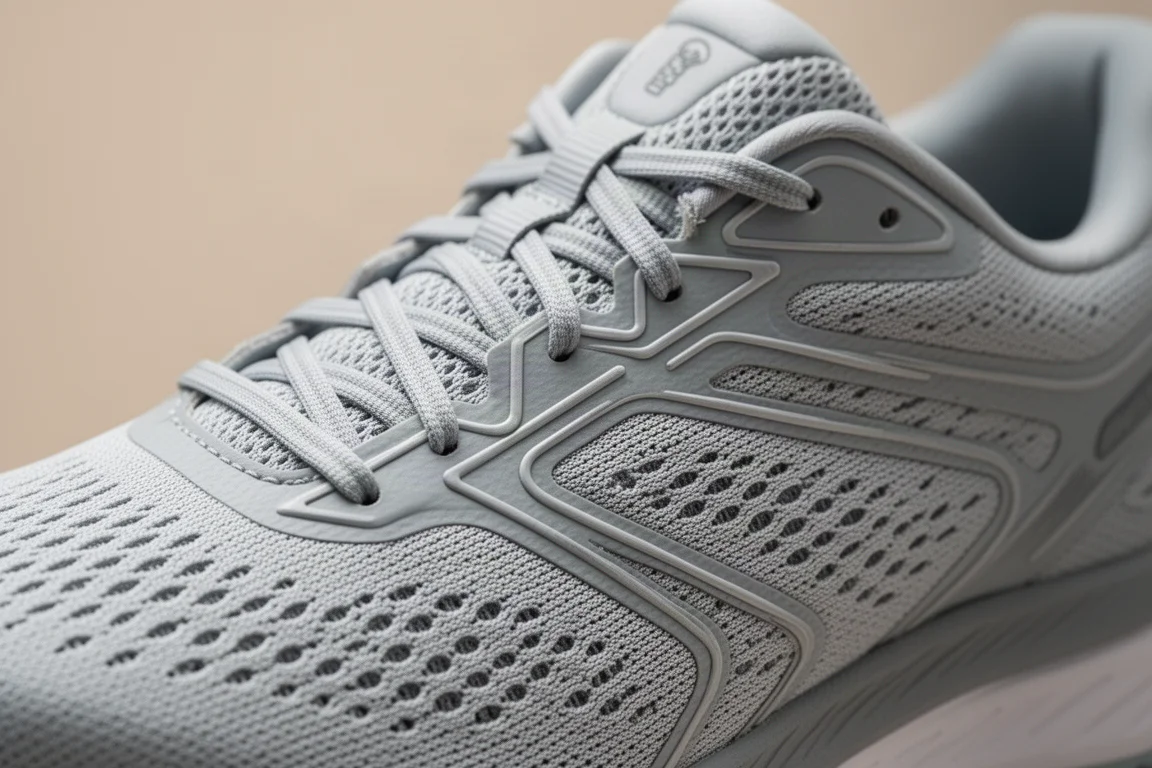
The main quibble is the ankle collar. It sits quite high because you sink down deeply into the heel, and on uneven or off-camber ground it can rub against the ankle bone. It is not serious, and the collar fabric is soft, so it may ease with break-in, but it was noticeable during the test run.
The shallow lugs, while versatile, do set a clear limit: this is not a shoe for wet, muddy conditions, where traction would suffer.
Buying Advice
If your training runs regularly mix road and light trail, the DRX Defy Gravel makes a strong case as a single-shoe solution. It is lightweight, responsive, stable underfoot, and priced sensibly at £125.

It performs best on hardpack, gravel, and fire roads, and it can absorb the odd short stretch of light mud or wet rock. Runners who want deep cushioning or serious wet-weather trail grip should look at more specialised options, but as a comfortable, do-most-things crossover shoe, it is worth a closer look.
Conclusion
Salomon has created a nicely balanced crossover shoe here: light at 266g, comfortable over long days on your feet, genuinely stable thanks to the Active Chassis, and surprisingly capable on light trails for a shallow-lugged outsole. The high ankle collar and sizing quibbles are minor against the overall package. For mixed-surface runners seeking one shoe that does most jobs well, the DRX Defy Gravel is an easy recommendation.
Product link
View more details for Salomon DRX Defy Gravel
This product is mentioned in the review. Check the specifications, options, and compatibility before buying.
View more details for Salomon DRX Defy GravelFurther reading
Related Reviews

Running Shoes
Best Road-to-Trail Running Shoes: Three Versatile Options for Mixed Terrain
A practical guide to three road-to-trail running shoes that handle both pavement and mild trails, with clear strengths and trade-offs for different runner types.

Running Shoes
Best Running Shoes for Achilles Tendonitis: Three Options Explained
Three running shoes with different heel drops and support features designed to help reduce Achilles tendon pain during walking and running.

Running Shoes
Best Running Shoes for Women: Five Top Choices Ranked
A ranked guide to five women's running shoes, from versatile daily trainers to high-performance racing options, with real strengths and trade-offs for each.