Snowboard Bindings
Salomon District Pro Binding Review: A Soft Heel Cup That Divides Opinion
A responsive heel-to-toe binding with an unusual soft heel cup and Shadow Fit chassis. Great for some riders, wrong for others.
Introduction
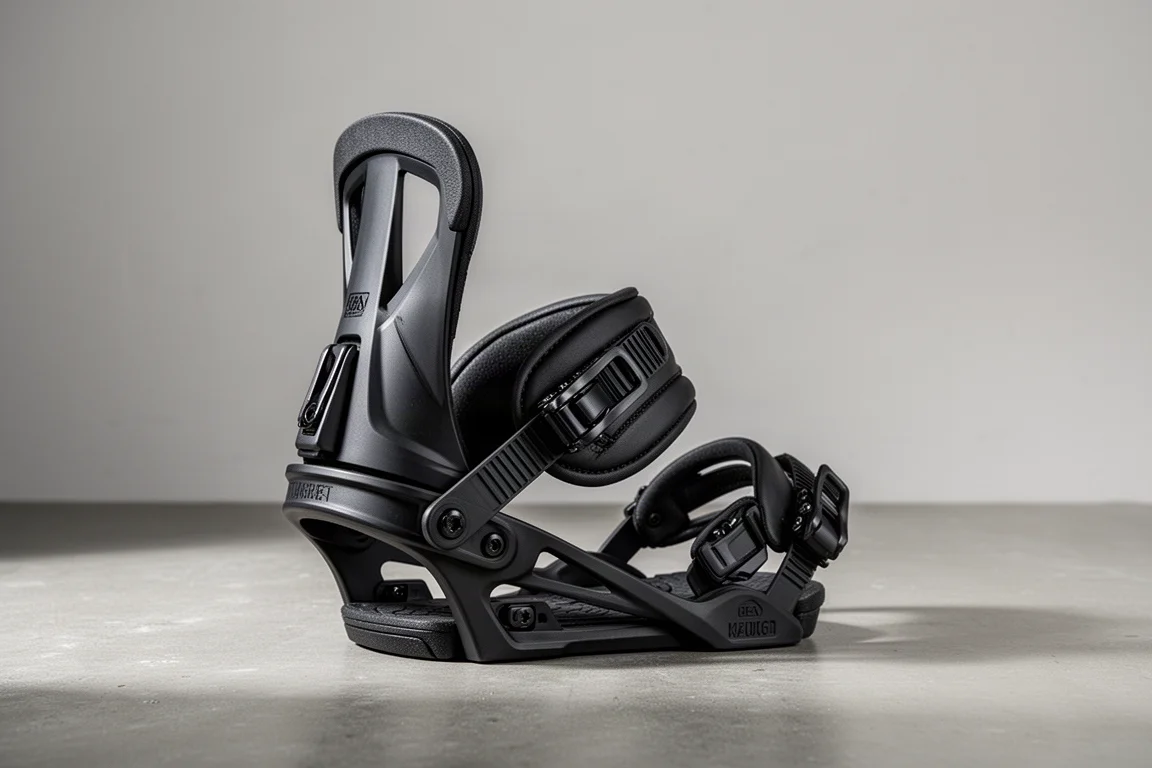
The Salomon District Pro is one of the more unusual bindings on the market right now. Its defining feature is a soft heel cup, a design choice that changes how the whole binding flexes and how power moves from your body to the board. Tested at Copper Mountain in mixed conditions, from firm corduroy up top to soft slush on the lower mountain, it handled everything thrown at it. But this is a love-it-or-hate-it binding, and knowing which camp you fall into matters before you buy.

Main Strengths
Heel-to-Toe Response
The District Pro’s standout quality is its heel-to-toe response. The straps are the same ones used on the Highlander, with a 3D spine on the outside for extra rigidity, and they help the board react immediately when you go heel to toe. There is essentially no lag: presses, butters, and jibs all stay playful, yet when you drive the board edge to edge, it stays right with you.
Damping
Underneath your foot, and under the whole binding, sits a generous layer of foam. The only truly rigid connection point is at the disc, which lets the board flex freely while the foam cuts down chatter. Riding over less-than-ideal snow, the board could be heard working over rough patches, but none of that vibration reached the feet. It is not the dampest binding available, but for a modern binding it is damp enough.
Strap Quality and Ratchets
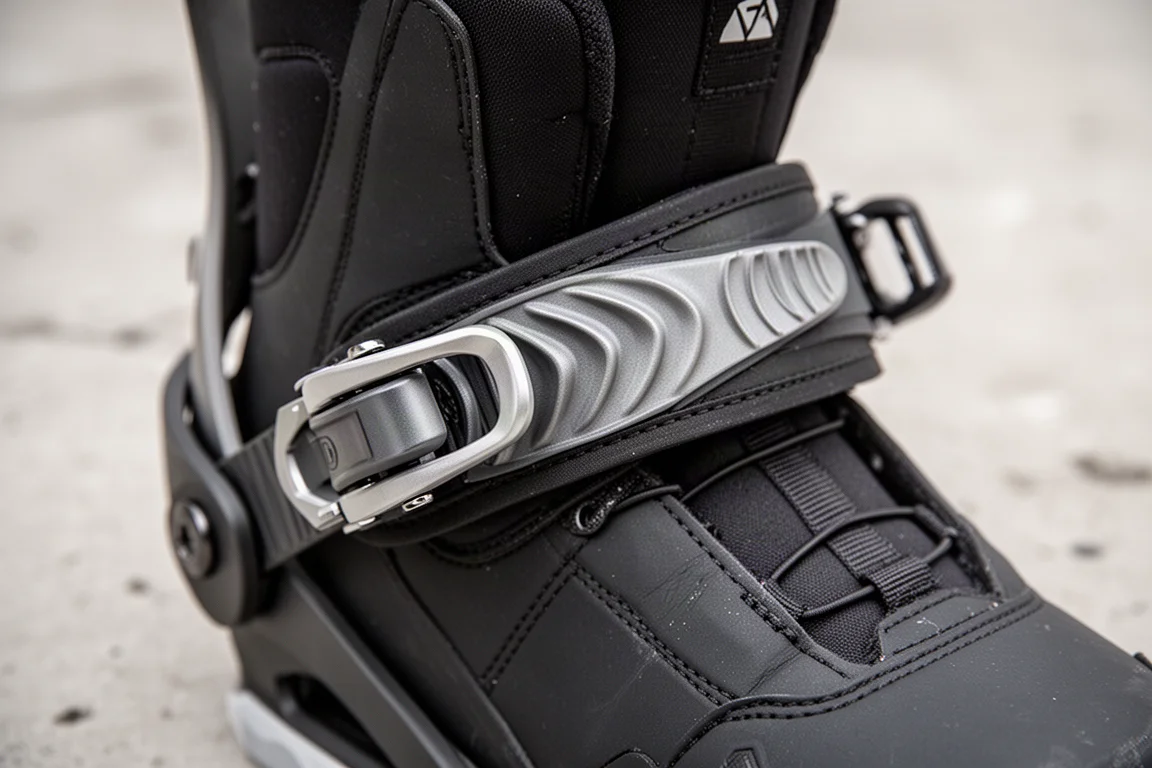
The straps are unpadded, so cushioning comes from the boot itself, and they sit on the more responsive side. They widen toward the buckle and inside edge, adding support without creating pressure points. The ratchets feature a large lever and claim the most clicks per pull in the industry, and after aggressive use they showed zero wear. Releasing the toe strap without a dedicated release lever was never an issue either.
Adjustability and Fit
Adjustability is straightforward rather than fancy. Straps use an easy twist system for centering and height, adjustable by hand or with a flathead screwdriver. Forward lean comes not from a highback adjuster but from two low-mounted screws on the chassis: loosen them, slide the highback back, and you gain lean. The same mechanism allows highback rotation, though adjusting one side only adds uneven lean, so it is best left alone.
Centering is handled at the disc, with micro-adjustments side to side and heel to toe so you can avoid riding heel-heavy or toe-heavy. A pull-out foot ramp adds extra length for those worried about toe drag. One fit caveat: the highback wraps closely around the boot, so narrower boots may find it a tight squeeze, while very bulky boots could max it out.
Highback and Responsiveness
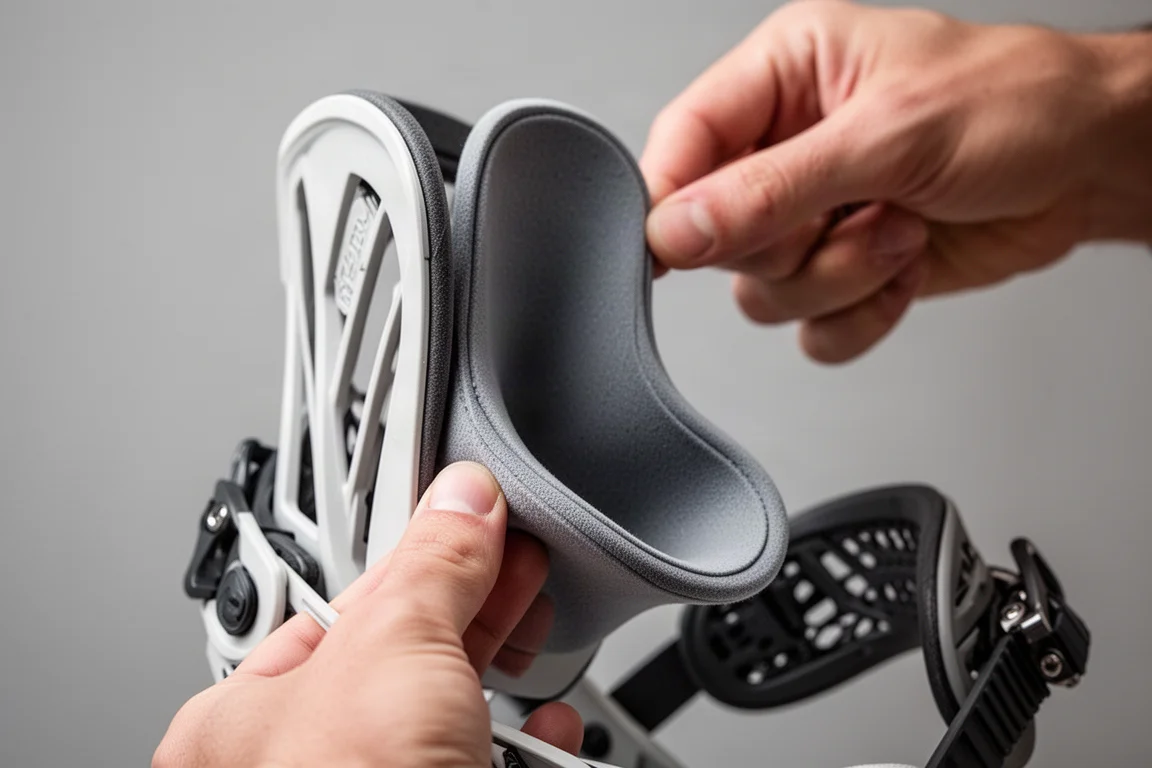
The highback is where Shadow Fit makes its presence felt. Down low, it wraps around the boot and delivers strong lateral response, so driving power into the board or ollieing still feels locked in. Higher up, it offers more flex, giving you play rather than a fully rigid feel. Compared to the regular District, which shares the same highback on a different chassis, this one feels far more supportive down low.
Things to Consider Before Buying
The soft heel cup is genuinely divisive. It lets you shift weight laterally far more than a conventional binding, which some riders find liberating and others find unsettling. First impressions can be mixed; it may take a couple of laps before it clicks. Larger or heavier riders, in particular, may not find the response they are looking for. The honest advice is to strap it onto your boot and flex it around before buying, and if it feels strange at first, give it a few more runs before writing it off.
Buying Advice
Comparable options if the Shadow Fit system does not convince you include the K2 Edition, the Union Force, and the 32 Team Phase binding. The District Pro suits riders who love shifting weight laterally for presses and jibs but refuse to give up instant heel-to-toe response. You do not need to be an advanced rider, but you do need to be open to a very different flex profile.

Conclusion
The Salomon District Pro is a comfortable, well-damped, highly responsive binding that handles an aggressive board without losing its playful lateral character. It is a high-end technical binding with a unique feel that will not suit everyone, but for the right rider it could easily become a daily driver.
Product link
View more details for Salomon District Pro Binding
This product is mentioned in the review. Check the specifications, options, and compatibility before buying.
View more details for Salomon District Pro BindingFurther reading
Related Reviews

Snowboard Bindings
2024 Union Ultra Snowboard Bindings Review: A Cushy, Freestyle-Focused Favorite
Two seasons on the 2024 Union Ultra: a lightweight, tweakable freestyle binding with standout comfort, a damp molecular bushing, and thoughtful hardware fixes.

Snowboard Bindings
32 Team Phase Binding Review: A Fast Entry Binding Built for Freestyle Laps
The first binding from 32 uses the Phase chassis for quick step-in entry with a softer, freestyle-leaning flex. Here's how it performed on the snow.

Snowboard Bindings
Arbor Cypress Snowboard Binding Review: A Laid-Back Cruiser That Can Charge
A closer look at the Arbor Cypress binding's adjustability, strap feel, and that oddly tall highback before you decide to buy.