Snowboards
Salomon Assassin vs Assassin Pro vs Huck Knife vs Huck Knife Pro: Which Snowboard Should You Buy?
Four popular Salomon snowboards compared: camber profiles, flex, materials, edge bevels, and which rider each board is really built for.
Introduction
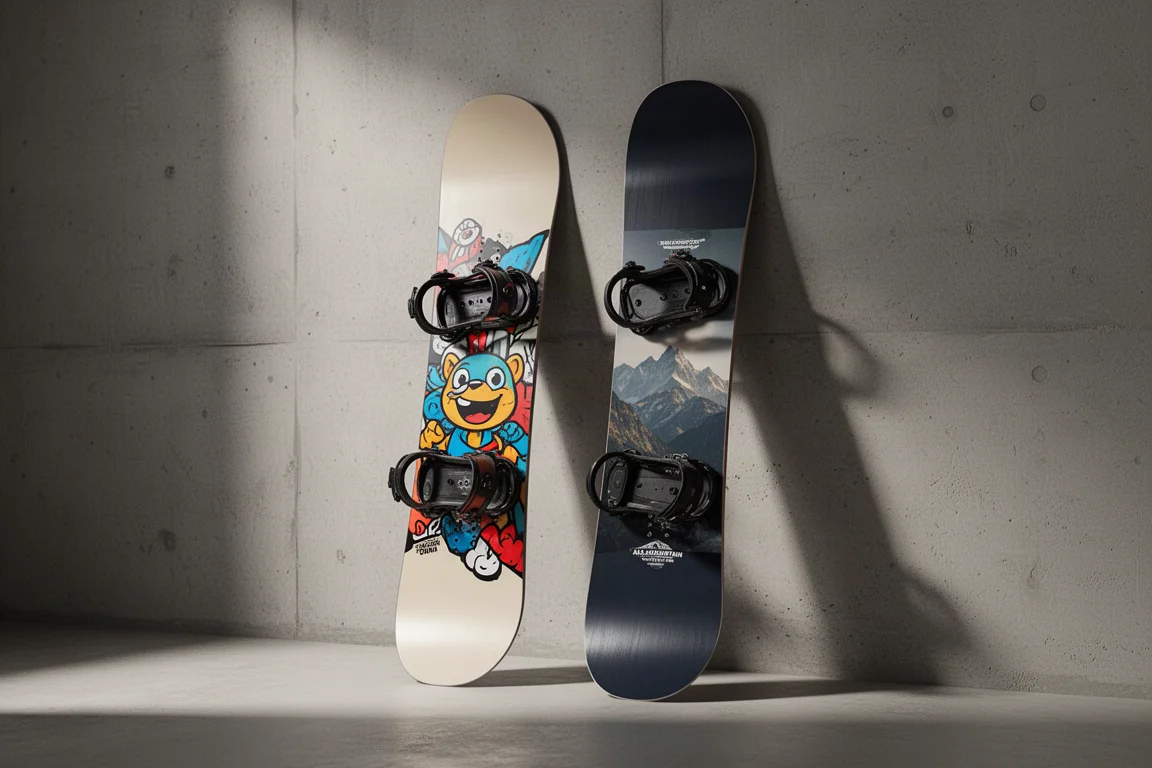
Salomon’s Assassin and Huck Knife are two of the brand’s most popular snowboards, and each one is offered in an upgraded Pro version. On paper they look similar, since the Pro models share the same specs and shapes as their standard counterparts. The difference is in the materials: Pro models are built with lighter, better components to create a poppier, snappier, and more aggressive ride.
Understanding which board fits you comes down to a few core differences: camber profile, shape, flex, and construction. Here is how all four compare.
Camber Profiles: RockOut vs Quad Camber
All four boards use traditional camber, but with two different Salomon variations. The Huck Knife uses Quad Camber, which has a slightly stronger degree of camber before meeting the rocker at the tips. That extra camber translates into better pop in the park. The Assassin uses RockOut Camber with a mellower camber and longer sections of rocker in the nose and tail, which helps the board float better in powder.

This profile difference is one of the clearest signals of each board’s intent: the Huck Knife leans park, the Assassin leans all-mountain freestyle.
Shape and Flex: True Twin vs Directional Twin
The Huck Knife features a true twin shape with a centered stance and twin flex. The Assassin uses a directional twin, meaning a twin shape with a slightly set-back stance and a directional flex.
On flex, the standard Assassin has a friendlier medium flex, making it a better choice for riders still developing their skills. The Assassin Pro moves to a medium-stiff flex suited to intermediate and advanced riders. The same relationship applies between the Huck Knife and Huck Knife Pro.
These shape and flex differences are what label the Assassins as all-mountain freestyle boards and the Huck Knives as straight park boards.
Construction: Cores, Carbon, and Rubber Sidewalls
The Assassin and Huck Knife share an Aspen core. Both Pro models upgrade to Salomon’s Ghost Green core, which is lighter and snappier, increasing pop and stability at speed. The Assassin Pro and Huck Knife Pro also add carbon beam inserts in the tips.

The Huck Knife strengthens its high-impact zones underfoot with rubber pads in the sidewall to reduce vibrations and help with bigger landings. That rubber sidewall runs the full length of the board in the Assassin and the Huck Knife Pro, increasing these benefits. The Assassin Pro takes it a step further, combining the full-length rubber sidewall with a carbon inlay for even better shock absorption.
Who the Huck Knife Is Built For
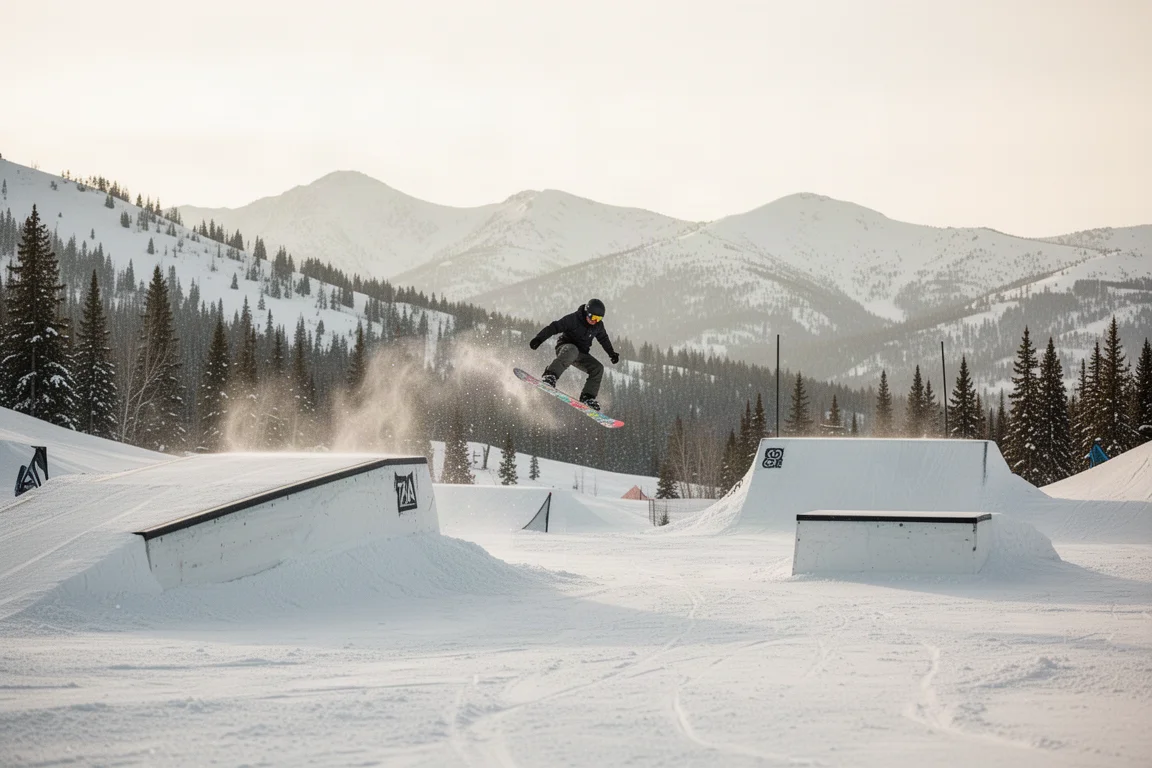
Because of their shape and profile, the Huck Knife and Huck Knife Pro are the better choice for riders who spend the majority of their time in the park. Both are made with Triax fiberglass for durability against the abuse of hitting rails, and it shows: the Huck Knife has been a top choice for pro slopestyle and halfpipe riders like Lucas Foster, Dusty Hendrickson, and Judd Henkes.
Even though they are freestyle-specific boards, the Huck Knives will still be fine outside the park. They simply will not outperform the Assassins there.
Edge Bevels and Rails: Why the Huck Knives Are Harder to Catch
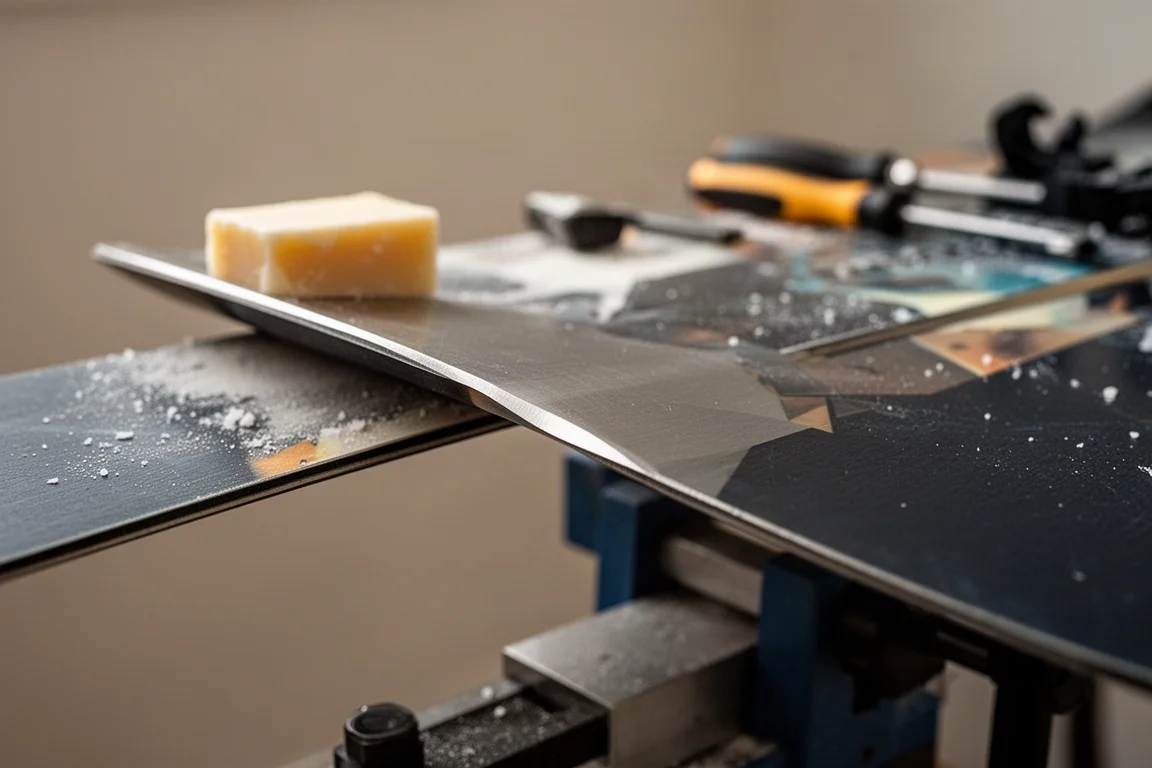
The Huck Knives are finished with a 3-degree edge bevel between the feet and a 2-degree bevel outside the feet, making them less prone to catching on rails. The Assassins use a shallower 2-degree bevel between the feet and 1 degree outside the feet.
For riders who spend long days on rails and boxes, this tuning difference is a meaningful durability and forgiveness advantage for the Huck Knife family.
Which Board Is Most Versatile
With their directional twin shape and extended rocker tips, the Assassins are much more fun outside the park compared to the Huck Knives, and they still ride very well in the park. That makes the Assassin the more versatile board for someone riding everywhere, including the park.
Pricing and Final Recommendations
Going from a standard board to its Pro model will get you a poppier and lighter ride. The Huck Knife retails for $529.99, the Huck Knife Pro for $629.99, the Assassin for $599.95, and the Assassin Pro for $629.99.
The Huck Knife is the better pick for park rats who do not mind riding the same board outside the park. The Assassin is the better choice for someone who wants one board that rides great everywhere: the perfect rider splits time evenly between the park and the rest of the mountain, and still wants a board that floats fine in powder.
Conclusion
The clean way to decide: if the park is your home terrain, go Huck Knife, and step up to the Huck Knife Pro if you want more pop and a lighter build. If you want a single board for the whole mountain, the Assassin is the safer all-around choice, with the Assassin Pro as the premium option for stronger riders who want more pop, stability, and shock absorption.
Further reading
Related Reviews

Snowboards
32 Middle Earth Scott Stevens Pro Model Snowboard Review: A Park Board With a Reversed Flex
A medium traditional camber park board with carbon V reinforcement that is stiffer in the tips and more playful between the feet. Here is how it rides and who it suits.

Snowboards
32 Snafu Review: A Directional All-Mountain Freestyle Board with Serious Pop
The 32 Snafu pairs a directional camber-rocker profile with a stiffening tail for powerful carves, big ollies, and a surprisingly damp ride.

Snowboards
32 XXX Pat Fava Pro Snowboard Review: A Stiff Camber Beast for Hard-Charging Riders
A full-width traditional camber deck that rewards aggression with stability and edge power, but demands effort everywhere else.