Running Shoes
Salomon Aeroglide 4 Gravel Review: A Door-to-Trail Shoe That Finally Feels Secure
An updated upper, a quick lace system, and a proven high-stack TPU midsole make the Aeroglide 4 Gravel an easy pick for mixed-surface running.
Introduction
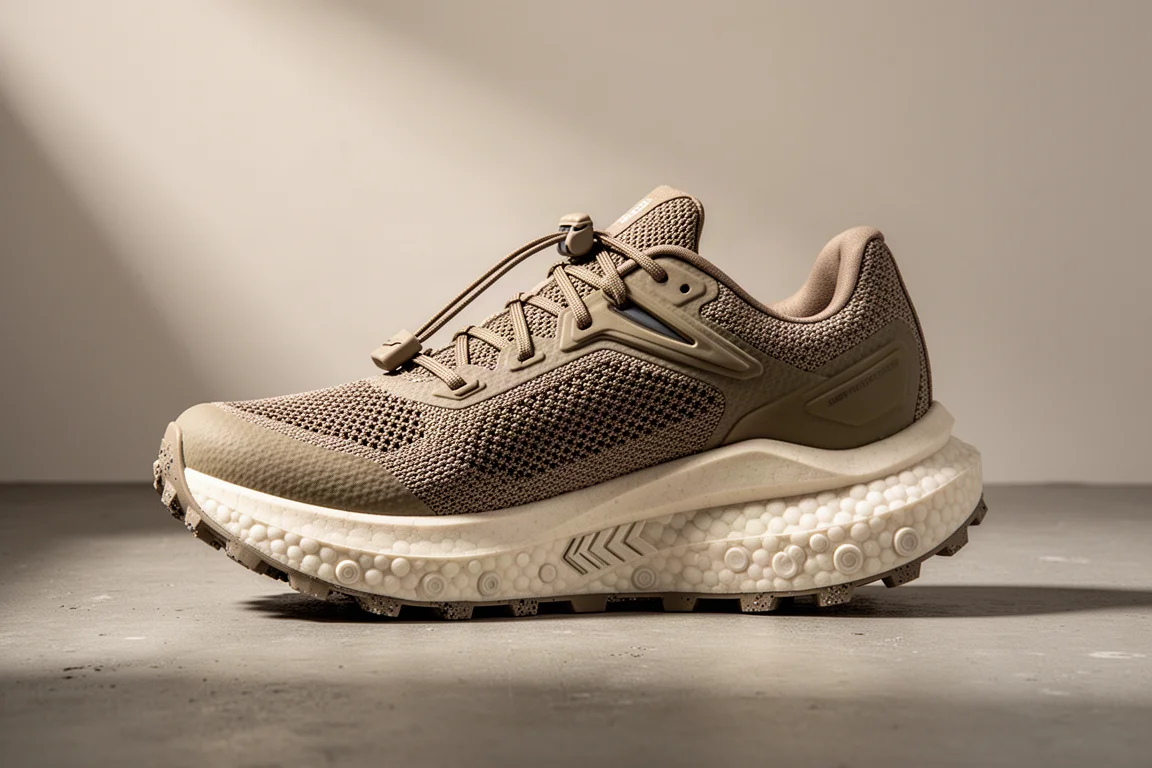
Salomon has leaned hard into the gravel running category, and the Aeroglide 4 Gravel is the brand’s second take on this door-to-trail concept. Gravel here is not just gravel roads and paths; it is the idea of crossing several surfaces from road to trail while keeping the shoe on the lighter side.
This iteration is a focused update. Rather than rebuilding the shoe, Salomon listened to feedback and changed the upper, which was the piece that needed work. The result is a shoe that holds its high-stack midsole ride while finally feeling secure enough to take onto light trails. After a long stretch of testing miles, it earned an A across design, performance, and value.
Upper and Quick Lace System
The new upper is an engineered mesh that feels more like a jacquard weave: softer and a little thicker than the typical mesh on running shoes. That extra thickness is a deliberate trade. It is less breathable, but it keeps your foot centered and secure over a big stack of TPU beaded supercritical foam, and unlike the previous version, it does not stretch out over time.
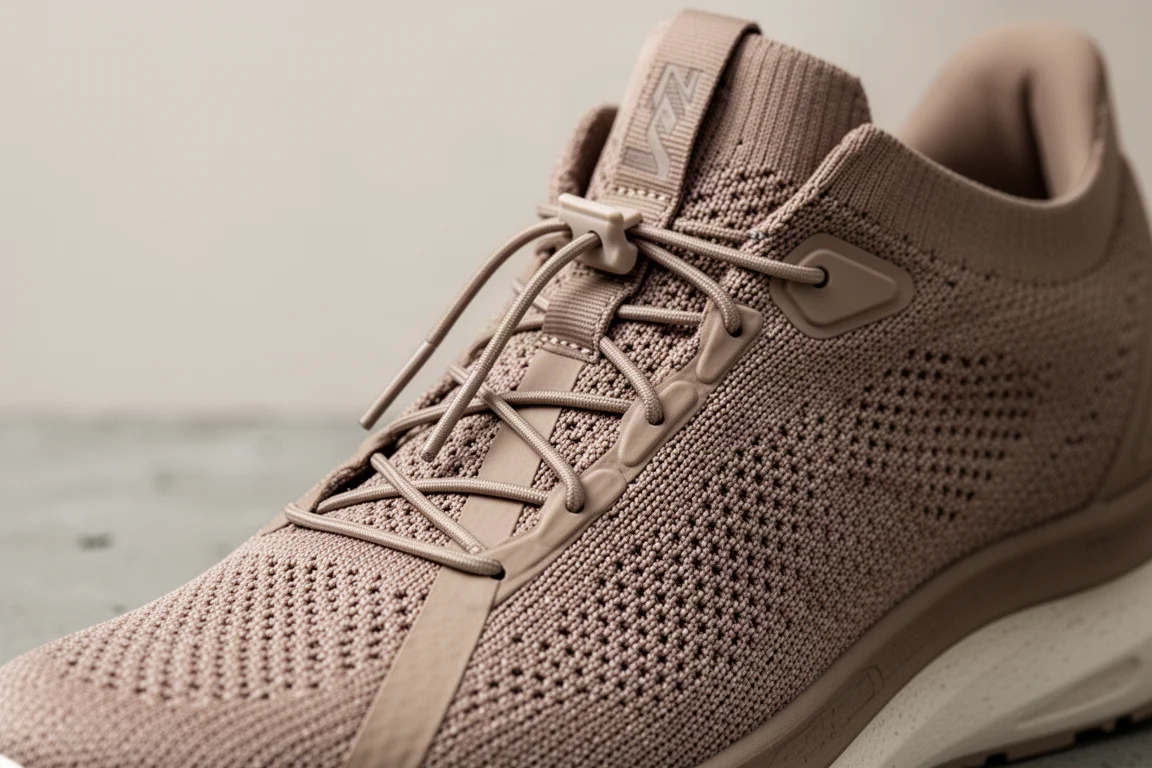
The headline change is the new quick lace gravel system. It is not the traditional quick lace found on many Salomon trail shoes, but a gravel-specific take on it. Pull the lace toward you to cinch up, pull again toward the toe box for more tension, then tuck it into the lace garage. Once dialed in, it never loosened during testing, which has not always been true of Salomon quick lace systems.
The fully gusseted tongue wraps the foot for a sock-like feel, with a checkerboard of airy mesh through the middle that breathes surprisingly well. The heel counter is moderately structured rather than aggressively so, and the curved upper edge is soft enough that no Achilles irritation appeared during testing.
Fit and Sizing
Fit is fairly accommodating for a Salomon shoe. The forefoot feels average, the midfoot cinches down nicely, and the heel feels snug without being tight anywhere. The reviewer, who has a slightly wider forefoot and typically wears a US men’s 10.5, found the shoe runs a little big and went down to a US men’s 10 for road and easy miles.
On trail, though, that extra room matters less than toe bumper clearance. Hitting trails more often meant feeling the toe bumper, so going up to your normal size, around a US men’s 10.5 or EU 44.5 in this case, is the safer call if you plan to take the shoe off-road regularly.
Midsole and Ride Feel
This is where the shoe shines. The midsole uses Energy Evo foam, the same OptiFoam as the previous version and the road version: 100% supercritically processed TPU that is bouncy, energetic, and genuinely luxurious underfoot.
The stack is 41 mm at the heel and 33 mm at the forefoot, an 8 mm drop. That is fairly standard for a road shoe and slightly aggressive by trail shoe standards. The ride has a subtle roll and works at both easy long-run paces and quicker efforts, which makes it a credible one-shoe quiver candidate.

Durability is the real surprise. Super critical foams often lose their character quickly, but the same foam in the road version still felt virtually unchanged after 150-plus miles. The gravel version shares that trait, and the extra rubber underfoot adds a bit of structure and stability compared to the road version.
If high stacks make you nervous, this may feel a little hairy, though it remained stable even on light to moderate trails. Riders who prefer a lower stack can look to the Aero Blaze and Aero Blaze Gravel, which use the same foam in a lower package.
Outsole and Traction
The gravel contred outsole keeps subtle, real lugs. Through the midfoot they are more circular, which helps on pavement and hard-packed surfaces, while multidirectional chevron lugs at the ends help when things get dirty, messy, uphill, or downhill.
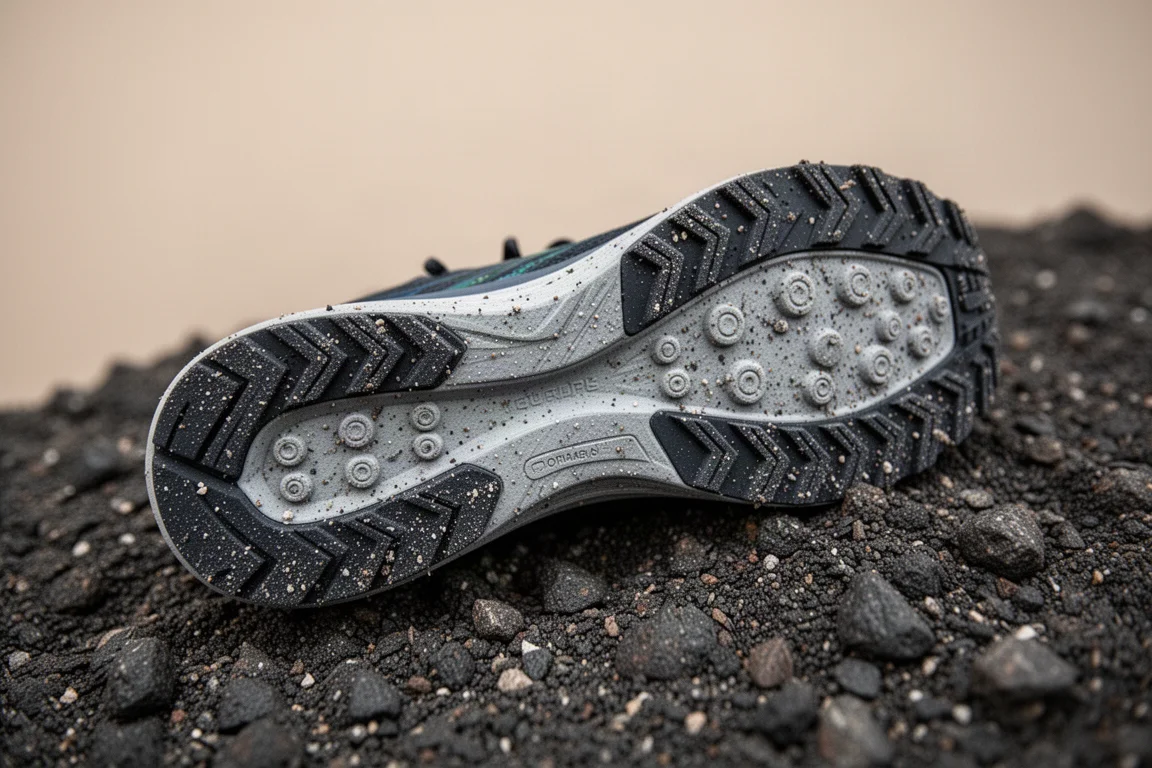
Traction was adequate on all the light trail tested. Expect limits on deeper, sandy, or softer terrain, which is a fair ceiling for a shoe built around mixed-surface versatility rather than technical grip.
Performance and Best Use Cases
The shoe runs well on the road, on true gravel paths and gravel roads, and, this time, on light trail. The previous version’s looser upper meant you had to be brave to take it off-road; the improved security makes light singletrack feel comfortable and controlled.
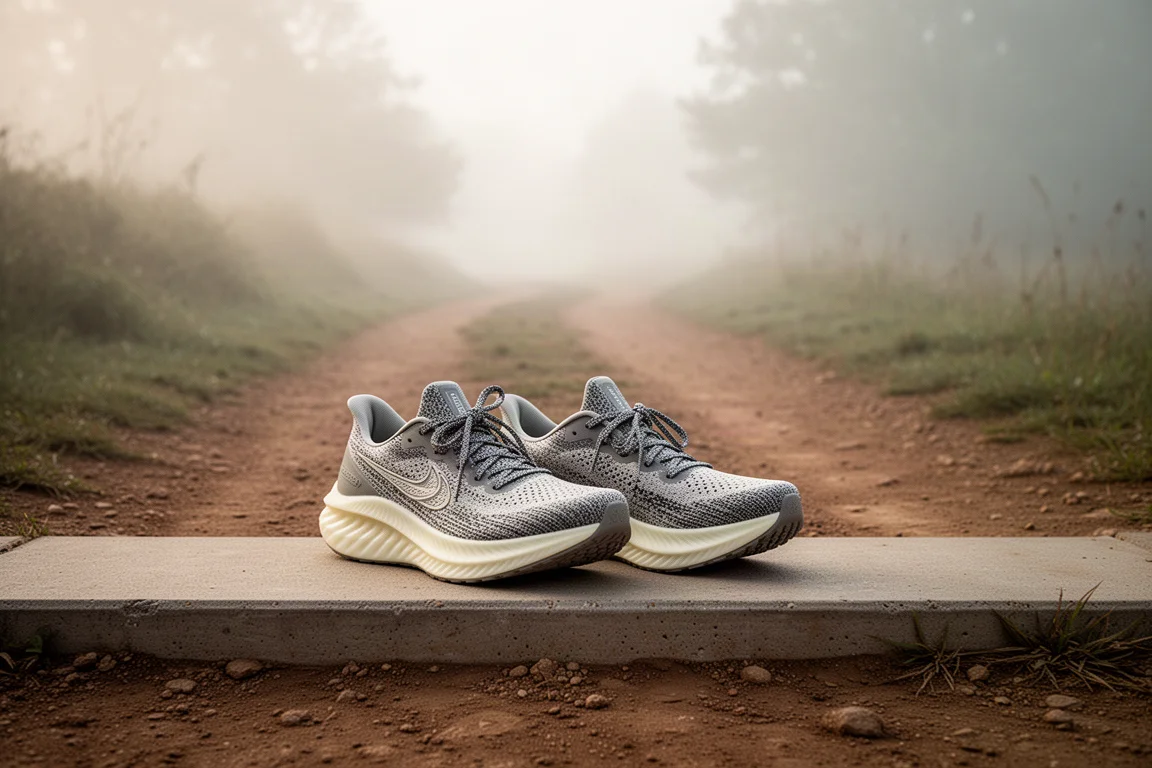
The ceiling sits at moderately technical terrain, so this is not a replacement for a dedicated trail shoe. But for low-technicality long ultras, long run days, or simply living somewhere with a mix of surfaces, it covers an unusually wide range from a single pair.
Value and Verdict
At $160, it sits at the lower end of a market where $160 to $180 has become fairly average, and the modern value sweet spot is generally considered to be under $150. Given the durability of the foam and outsole package, the price is easy to justify.
Scores from testing: Design A, Performance A, Value A, Overall A.
The quick lace system takes a little experimentation to find the right cinch, and some will simply prefer traditional laces. But the gravel-specific identity Salomon is building here feels earned, and the shoe itself is a truly trusty companion across a lot of different terrain.
Conclusion
The Salomon Aeroglide 4 Gravel is a smart, targeted update: a more secure and durable upper wrapped around a proven, bouncy, high-stack TPU midsole. If your runs span pavement, gravel, and light trail, this is one of the most well-rounded options available and an easy recommendation.
Product link
View more details for Salomon Aeroglide 4 Gravel
This product is mentioned in the review. Check the specifications, options, and compatibility before buying.
View more details for Salomon Aeroglide 4 GravelFurther reading
Related Reviews

Running Shoes
Best Road-to-Trail Running Shoes: Three Versatile Options for Mixed Terrain
A practical guide to three road-to-trail running shoes that handle both pavement and mild trails, with clear strengths and trade-offs for different runner types.

Running Shoes
Best Running Shoes for Achilles Tendonitis: Three Options Explained
Three running shoes with different heel drops and support features designed to help reduce Achilles tendon pain during walking and running.

Running Shoes
Best Running Shoes for Women: Five Top Choices Ranked
A ranked guide to five women's running shoes, from versatile daily trainers to high-performance racing options, with real strengths and trade-offs for each.