Running Shoes
Salomon Aeroglide 3 Review: A Lightweight Max-Cushion Trainer That Does Almost Everything
After 100 miles, the Salomon Aeroglide 3 stands out as a surprisingly light, bouncy daily trainer with a foam that holds up and a fit that rewards patience.
Introduction
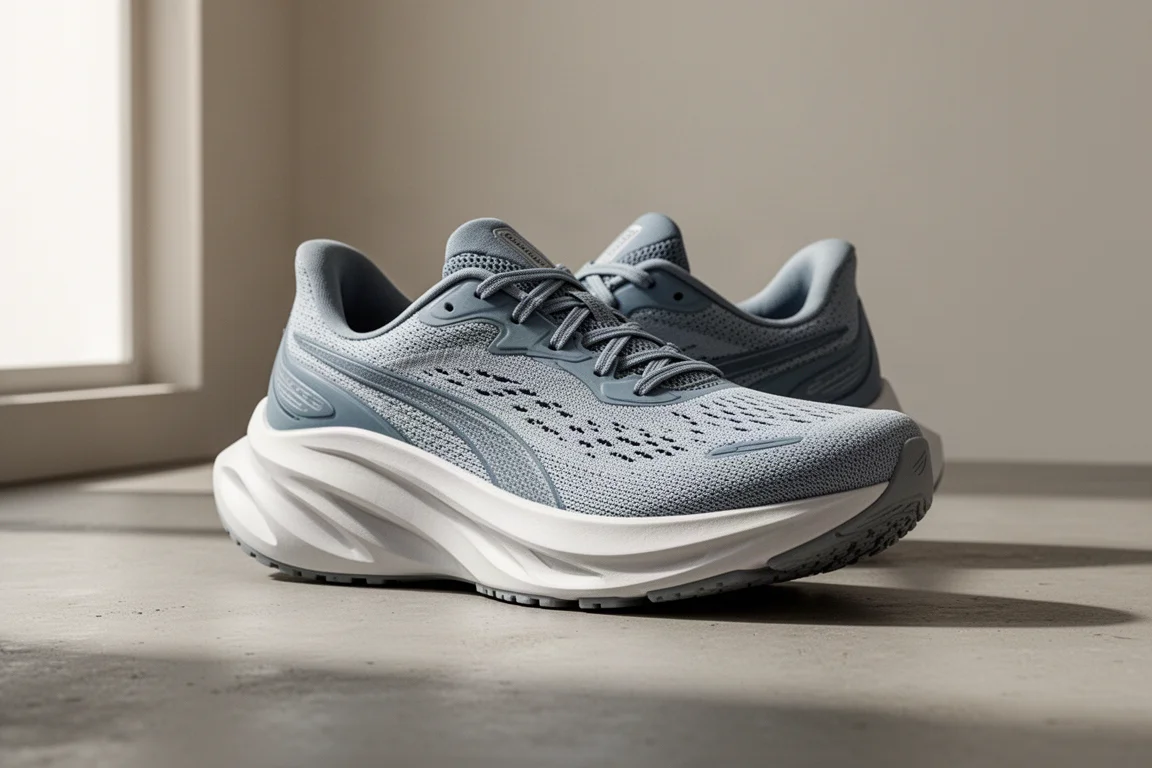
The Salomon Aeroglide 3 is the newest update to Salomon’s maximally cushioned daily road training shoe, and after 100 miles it has earned genuine praise. While it is certainly maximally cushioned, it rides more like a lightweight trainer. A brand new foam feels excellent underfoot, delivering a light, snappy ride that places it in the same conversation as shoes like the Super Blast 2. Salomon appears to be really figuring out their midsole foams, which makes this an exciting shoe from a brand not traditionally known for road trainers.
Who This Product Is For
This is a shoe for runners who want one pair to do nearly everything. It has handled easy miles, long runs, fartleks, tempo runs, an uphill tempo, and track intervals. It is not the fastest shoe on the market, but as a do-it-all lightweight trainer it works very well. It is also a compelling longer-distance racing option for runners who find super shoes and super stiff midsoles too aggressive. Despite the tall stack, there is some forefoot flexibility, and the ride feels more balanced and natural than most maximally cushioned shoes. Runners with narrow feet should be cautious, since the upper opens up considerably as it breaks in.
Specs and Ride Feel
In men’s size 10, the shoe weighs 9.1 ounces (256 grams), which is very light for a 42 mm heel stack and 34 mm forefoot stack, an 8 mm drop that feels slightly lower in practice. The midsole uses a new energy foam that delivers a snappy, bouncy, slightly soft feeling underfoot, and the weight makes it feel even lighter on the run. In men’s size 9 it comes in around 8.8 ounces.
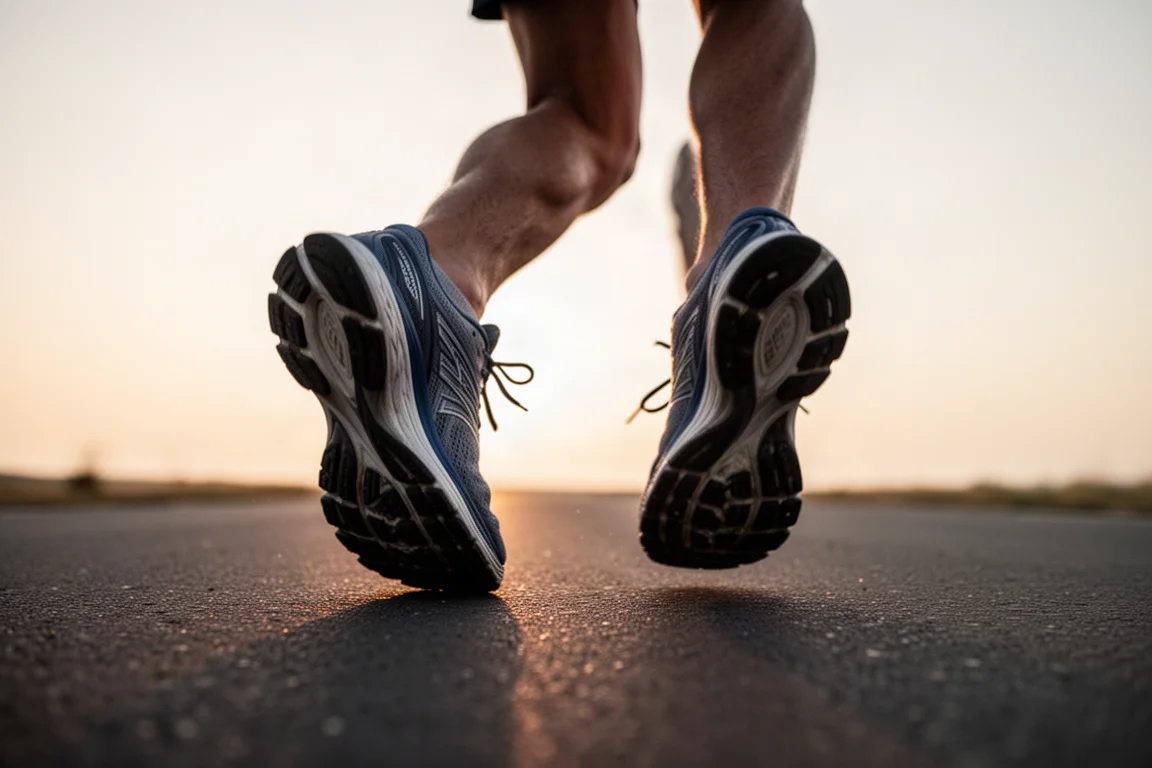
The forefoot transition is the highlight: a really nice rocker, not too aggressive toe spring, and a mild amount of flexibility that carries you through smoothly. That is rare in shoes with this much midsole. The foam compresses quite a bit underfoot but bounces back, so the stack never feels as tall as the numbers suggest. The heel transition is the weaker point. The rearfoot bevel is not the best, and the shoe feels slightly clunky at first. The outsole cut creates a crash pad that breaks in over roughly 20 to 30 miles, producing a smoother posterolateral collapse of the midsole and a much cleaner heel-to-toe roll.
Midsole Resiliency and Durability
The midsole has not changed over 100 miles. A lot of midsoles, especially certain performance foams, start to peter out around 80 to 100 miles. This one retains its shape and bounce, which is exactly what you want from a daily trainer.
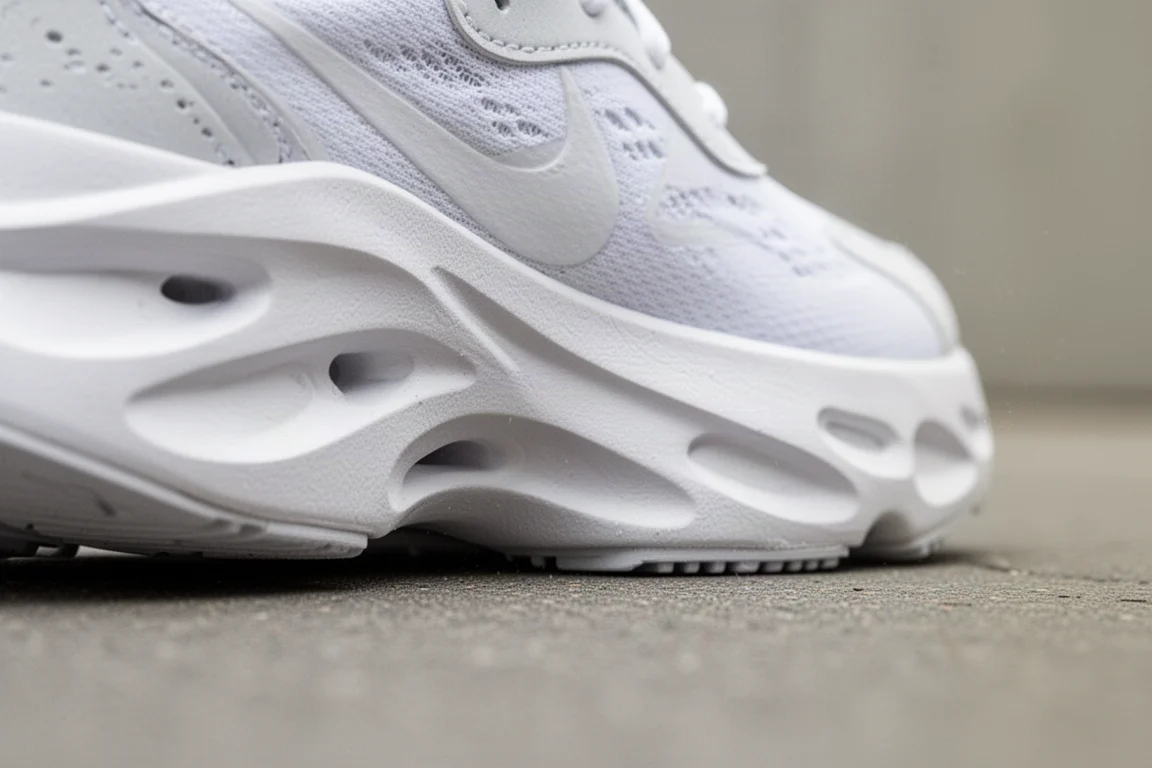
The outsole is full length, so not much gets picked off, and it grips pavement and track surfaces very well, including in wet conditions. The reviewer’s wear pattern is unusually aggressive, landing hard on the left side, so 100 miles on this shoe is roughly the equivalent of 300 to 400 miles for many runners, and it held up. There is a minor scuff in the outsole after hard use, and the gravel version reportedly has somewhat better outsole durability, but this remains a solid, very durable shoe. It is not the choice for the most aggressive trails; that is where the gravel version comes in.
Fit and Upper
The upper feels odd at first, almost a half size short because of its low initial volume. As it breaks in, it opens up into a high-volume, wider fit, to the point where a lace lock was needed to stop some heel slippage. If you want a bit more room and forefoot volume, be patient: the upper will give you quite a bit of space, but you may need to lock down the laces.
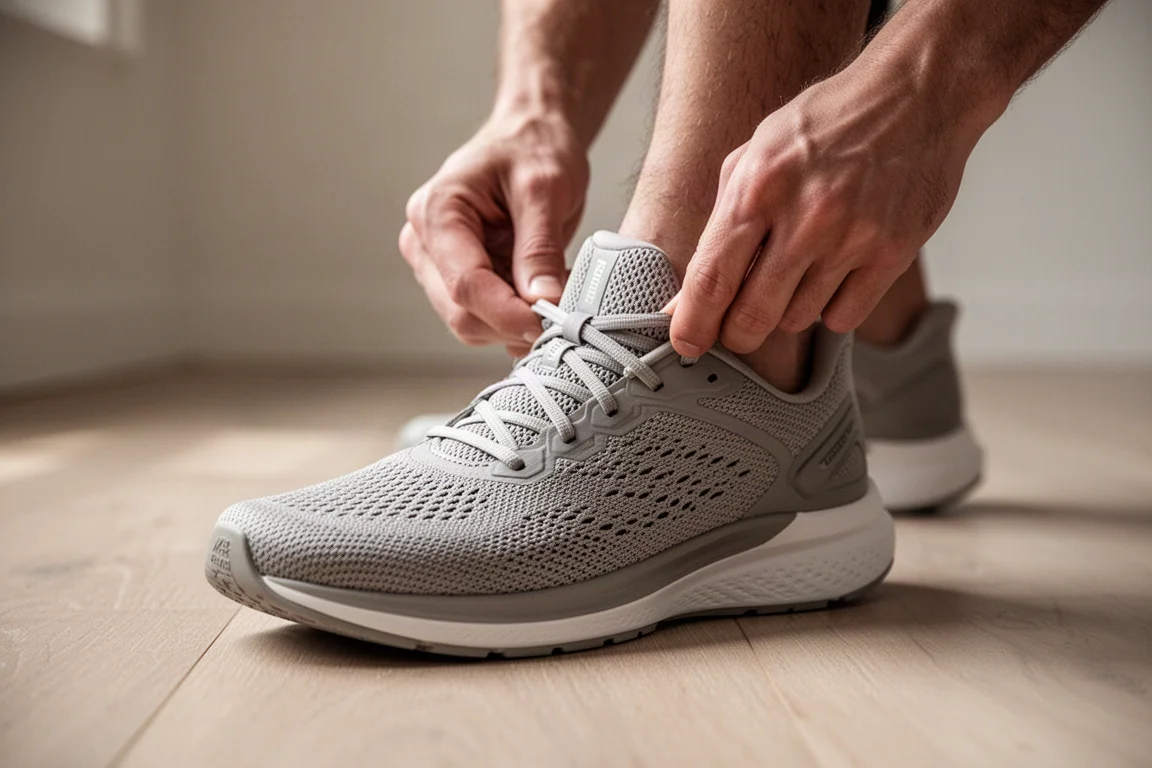
For runners sensitive to stiff heel counters, the external structure is good and balanced by real flexibility. A runner with a Haglund deformity, a bump at the heel from managing mild Achilles tendinopathy, reported no irritation at all, which is a meaningful point for anyone managing similar issues. Once laced down, the external layers hold the foot well. The trade-off is clear: it will not suit narrow feet, but runners who want more volume will likely like it a lot after break-in.
Stability and Who It Fits
This is not the most stable shoe, but it is borderline stable-neutral thanks to the sidewalls. A sidewall continues into the medial forefoot, which helps runners with forefoot stability issues. It is almost stable-neutral, just not quite there. Runners needing significant stability should look elsewhere, but for those who need only a touch of help, it does a good job.

Buying Advice
At $160, this is a great value. Several competing lightweight trainers cost more, and this one holds its own against them. If you want a cushioned shoe that can handle easy runs, workouts, and even longer races without a plate, this is an easy recommendation, as long as the wider, higher-volume fit after break-in works for your foot shape.
Conclusion
After 100 miles, the Aeroglide 3 remains as impressive as day one. The foam keeps its bounce, the outsole is durable, the ride is smooth once broken in, and the value is strong. The main caveats are the initially clunky heel transition, the upper needing a lace lock and break-in time, and limited appeal for narrow feet or runners needing real stability. For everyone else, this is one of the better lightweight max-cushion trainers available, and a sign that Salomon is getting serious about road running.
Product link
View more details for Salomon Aeroglide 3
This product is mentioned in the review. Check the specifications, options, and compatibility before buying.
View more details for Salomon Aeroglide 3Further reading
Related Reviews

Running Shoes
Best Road-to-Trail Running Shoes: Three Versatile Options for Mixed Terrain
A practical guide to three road-to-trail running shoes that handle both pavement and mild trails, with clear strengths and trade-offs for different runner types.

Running Shoes
Best Running Shoes for Achilles Tendonitis: Three Options Explained
Three running shoes with different heel drops and support features designed to help reduce Achilles tendon pain during walking and running.

Running Shoes
Best Running Shoes for Women: Five Top Choices Ranked
A ranked guide to five women's running shoes, from versatile daily trainers to high-performance racing options, with real strengths and trade-offs for each.