Running Shoes
Salomon AeroGlide 3 Gravel vs the Rivals: Which All-Weather Trainer Makes Sense?
A rainy-day look at the Salomon AeroGlide 3 Gravel, plus how the Asics Novablast 5 TR and Puma MagMax compare for road-to-trail miles.
Introduction
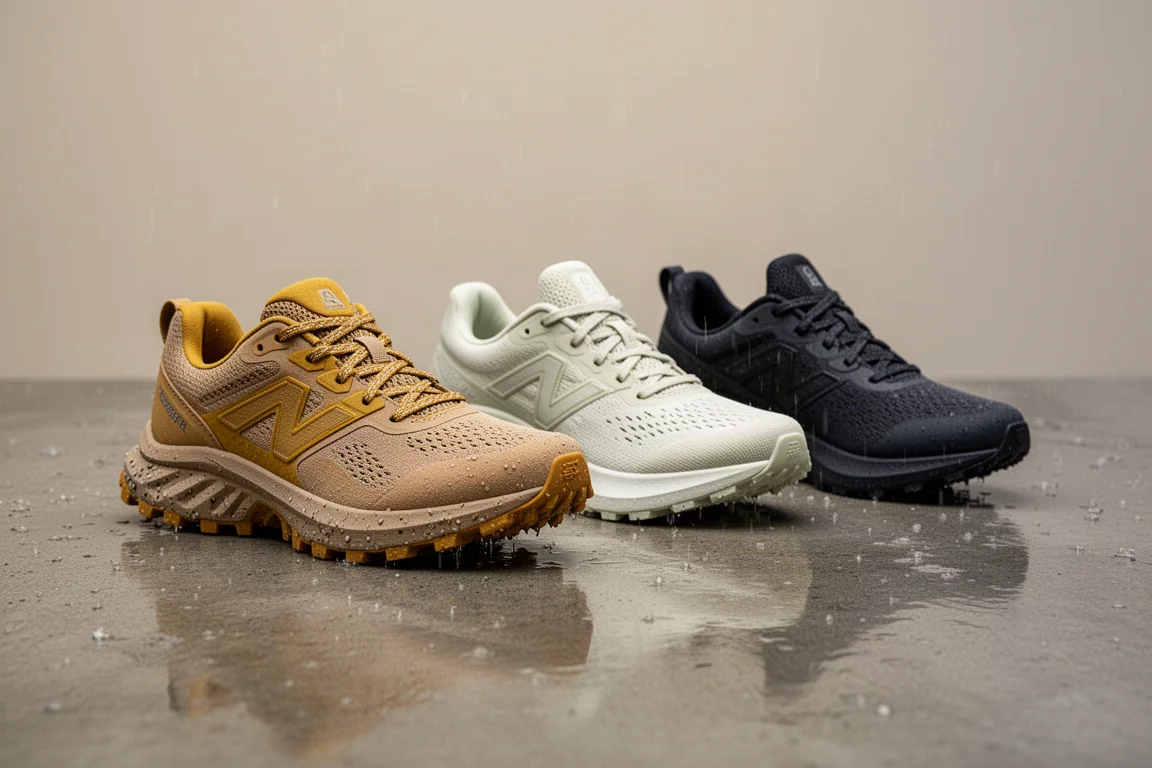
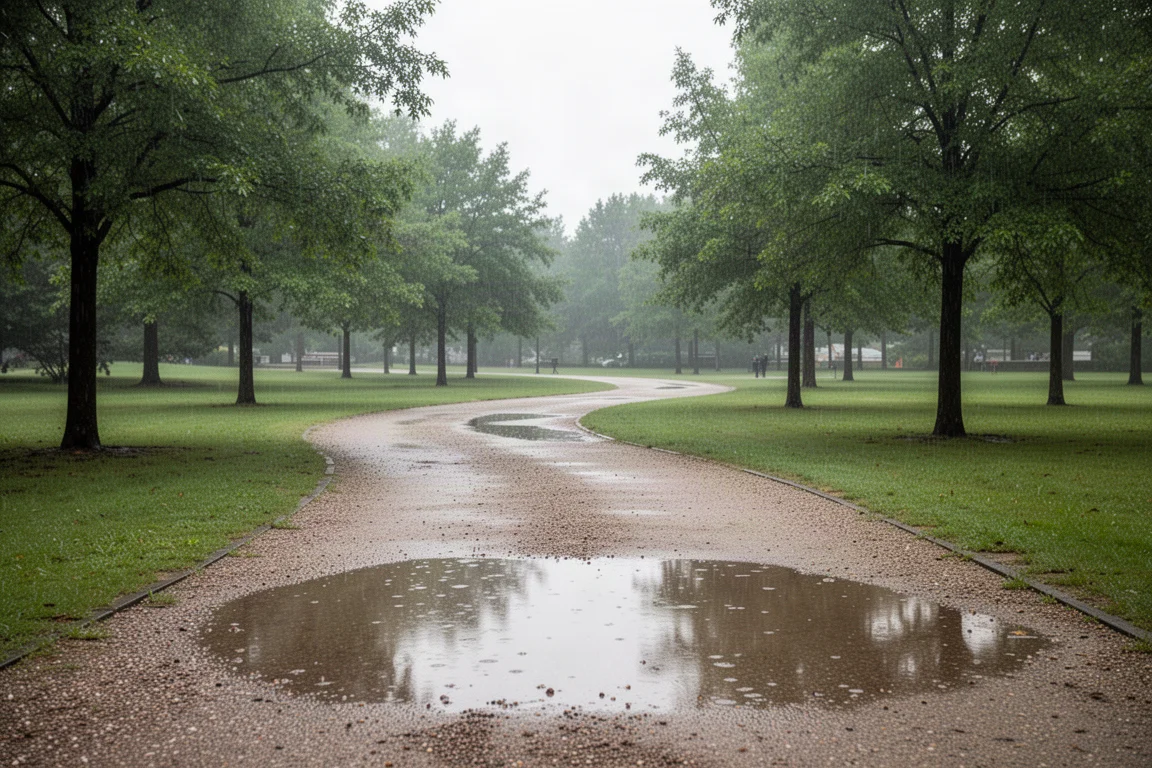
Some shoes earn their keep on dry, sunny days. Others earn it when the sky opens up. After running the Salomon AeroGlide 3 Gravel through a genuinely miserable downpour, it is clear this is one of the few trainers built to make bad-weather miles feel less bad. It takes the best daily trainer formula around and adds a thicker, grippier outsole for gravel, dirt, and wet pavement.
This guide breaks down what the AeroGlide 3 Gravel does well, where it falls short, and whether the Asics Novablast 5 TR or the Puma MagMax might fit you better instead.
Salomon AeroGlide 3 Gravel: The Wet-Weather Banger
The AeroGlide 3 Gravel is a beefier version of the standard AeroGlide 3, built around the same outstanding beaded TPU midsole. The foam combines strong impact absorption with impressive energy return, so landings feel comfortable yet the shoe still pops. It works for relaxed recovery miles and can still pick up the pace when asked.
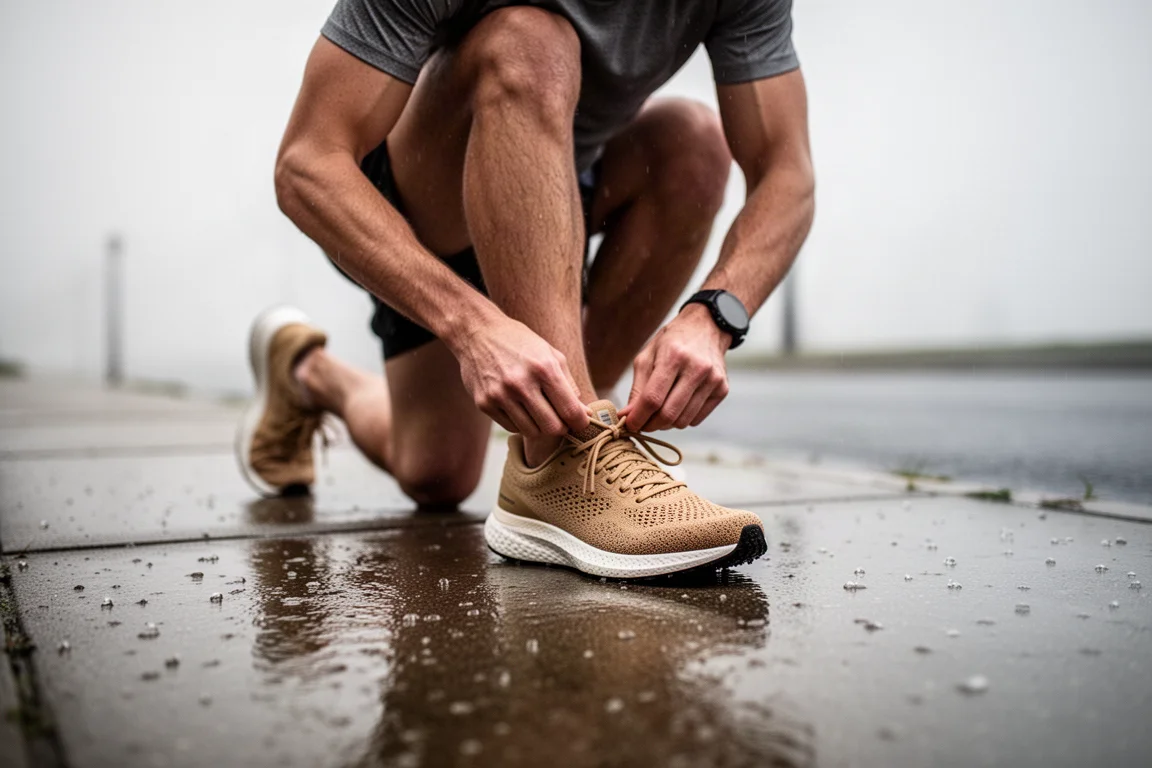
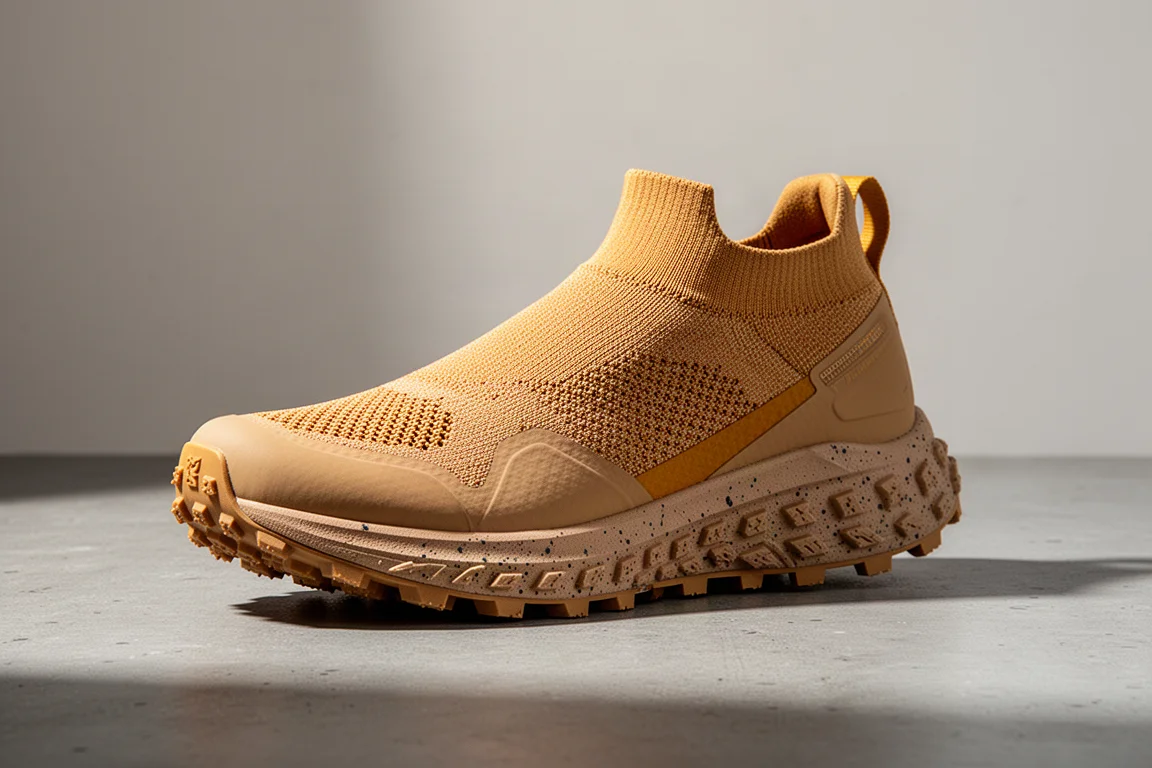
The gravel edition changes two things that held back the standard version. First, the outsole rubber is thicker, laid out like a gravel bike tire, so it wears far better and bites the ground aggressively. Second, the upper now uses a sock-style one-piece tongue with protective overlays at the front, which makes the fit noticeably more secure and dialed than the standard shoe.
There are trade-offs. On a scale, the gravel version comes in around 290 to 292 g, roughly 20 g heavier than the standard 272 g, though that is still light for a shoe with this much cushion. The fit runs lower in volume at the front than the roomy standard version, the colorway is an acquired taste, and the big flaw discovered in wet testing is water uptake: the shoe gained roughly 70 g of water over a single soaked run, which matters for long efforts in heavy rain.
Grip and Outsole: The Main Reason to Buy
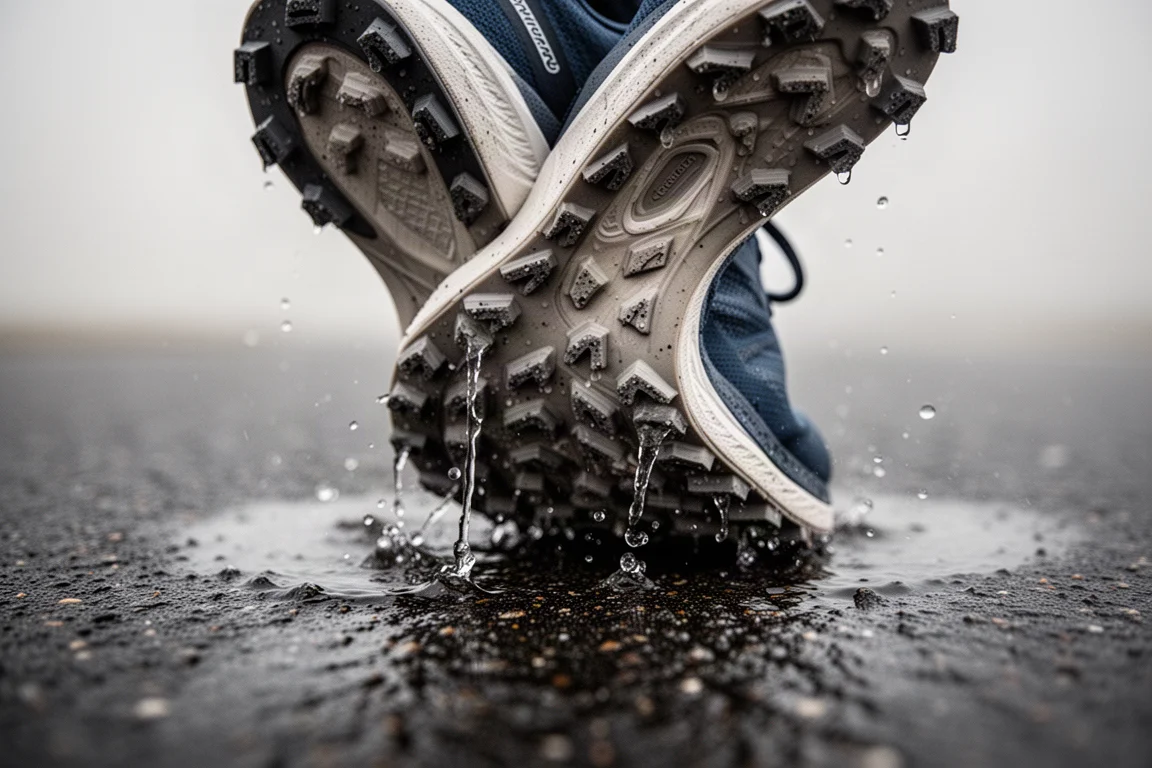
The outsole is why this shoe exists. The thicker rubber compound, measured at about 4 mm, delivered exceptional traction on wet pavement. There was no slipping at all, and the grip held up better than any road trainer tested so far. Crucially, the extra rubber does not dampen the ride. Without running the standard version first, the outsole difference is barely noticeable; the shoe never feels heavy or bulky the way some road-to-trail builds do.
The stack measures around 42.9 mm including the rubber, which puts the foam roughly 38 to 39 mm off the ground. Stability is fine rather than excellent, so serious technical trail running is not the target here. This is a shoe for gravel roads, dirt paths, light mud, and rainy pavement, not rocky descents.
Asics Novablast 5 TR: The Closest Competitor
The Novablast 5 TR is the closest rival on the market. Its weight is nearly identical, coming in around 291 g, and it shares the same road-to-trail brief with a beefier outsole over a bouncy daily trainer.
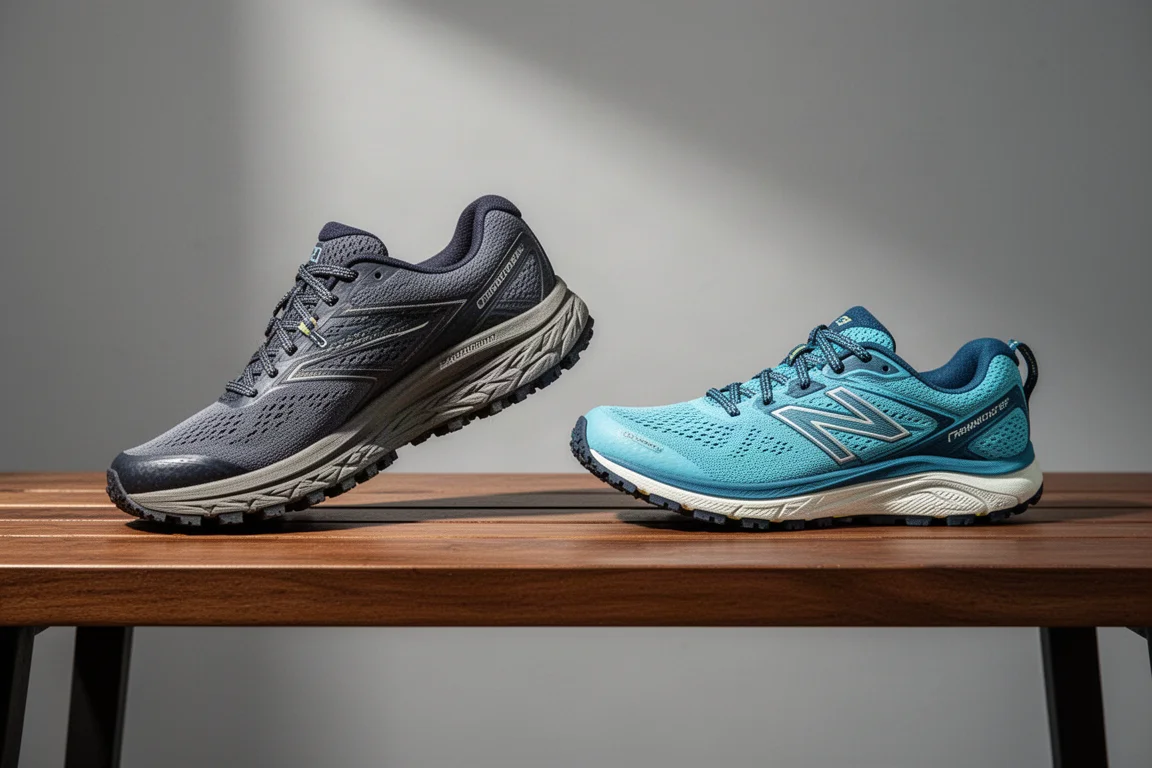
Where they differ is the foam. The Novablast loses its pop as it accumulates miles, with many owners reporting a flatter ride somewhere between 150 and 200 miles. The AeroGlide’s TPU midsole keeps its bounce far longer, and the ride feels smoother and more connected, suiting heel and midfoot strikers better than the front-loading Novablast. The TR’s stack also measures lower at around 37.6 mm, reflecting more foam compression.
Puma MagMax: The Stable Alternative
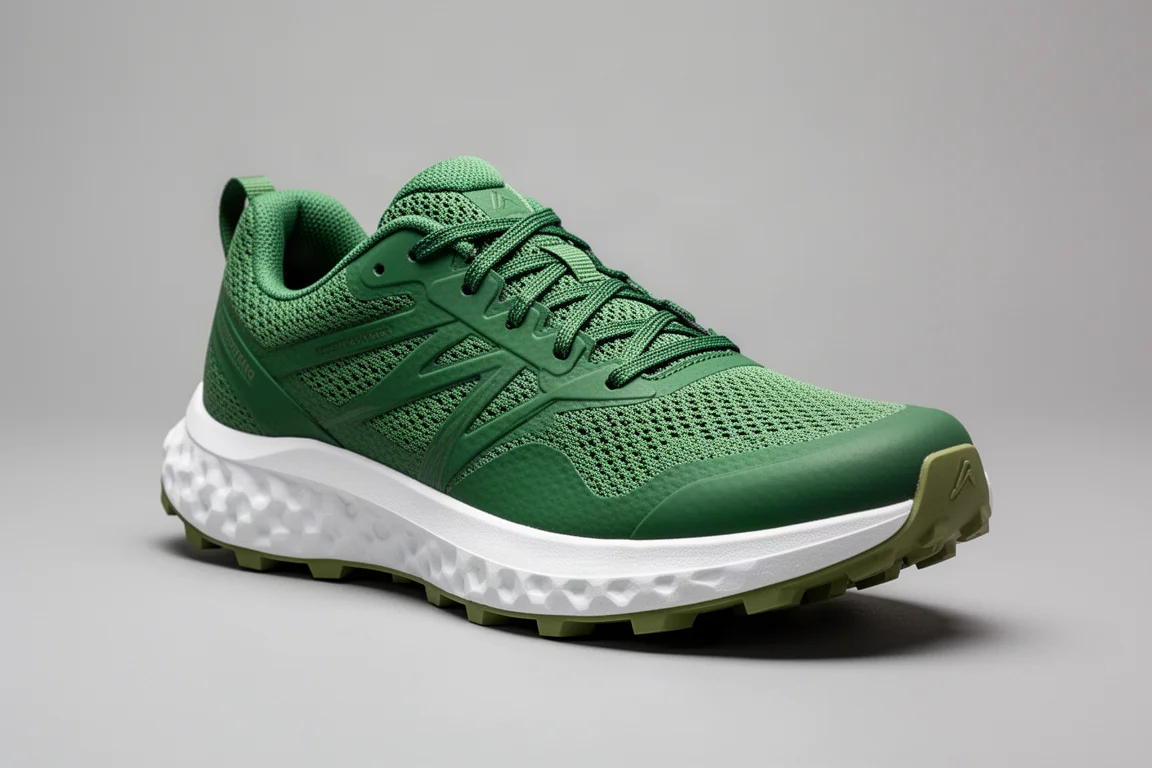
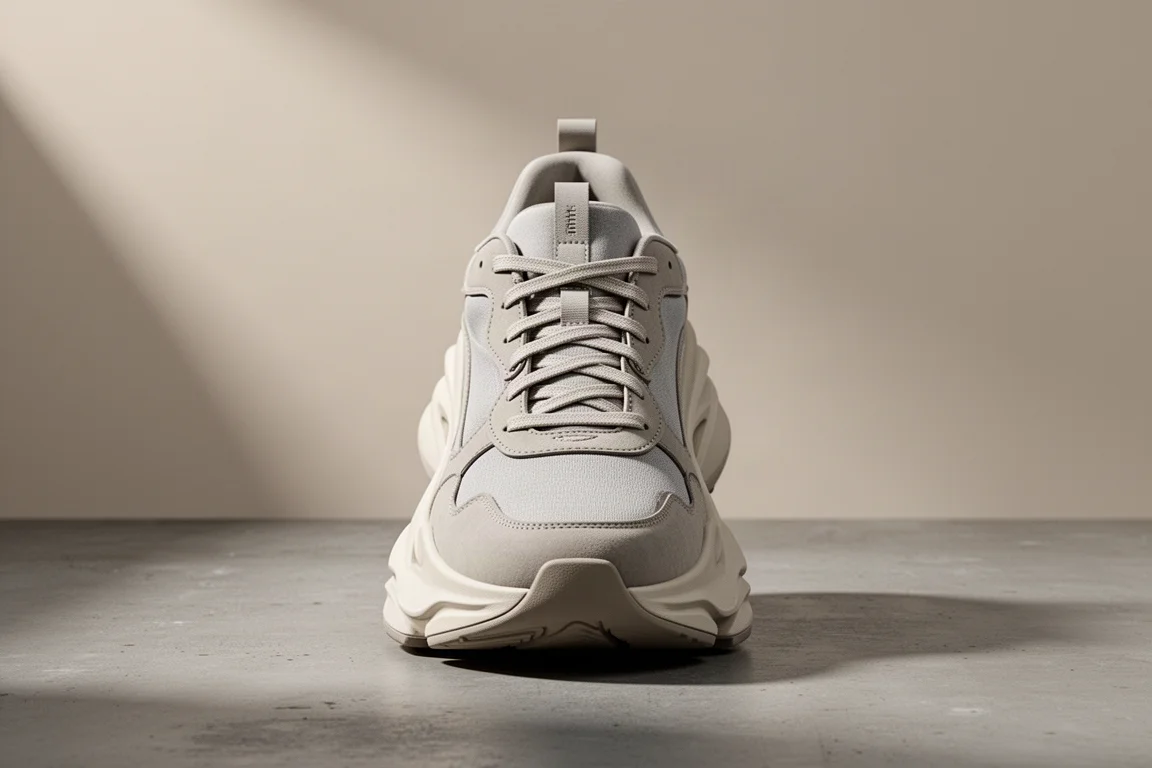
The MagMax is a different take on the same problem. It is heavier at around 315 g, but it brings excellent stability and dependable Puma wet-weather performance. For runners sticking to rail trails and gravel paths in local parks, without deep or technical terrain, a stable daily trainer like this can get the job done without stepping up to a dedicated gravel shoe.
Choosing the MagMax makes sense if stability and confidence in the rain top your list. Choosing the AeroGlide 3 Gravel makes sense if you want the best grip available and the best cushioning-to-weight ratio.
Buying Advice
Pick the Salomon AeroGlide 3 Gravel if wet-weather grip and a lively, durable midsole are your priorities, and if your rainy runs stay under about 90 minutes so the water uptake matters less. Pick the Asics Novablast 5 TR if you like a bouncier, front-striking ride and do not mind the foam settling over time. Pick the Puma MagMax if stability and a heavier, more planted feel appeal to you.
Conclusion
The AeroGlide 3 Gravel fixes the two real complaints about the standard AeroGlide 3, namely outsole durability and an uneven upper fit, while keeping the best training midsole of the year. It is an easy recommendation for gravel roads, park paths, and rainy-day miles, as long as you accept that, like most cushioned daily trainers, it soaks up more water than you would like on very long wet runs.
Further reading
Related Reviews

Running Shoes
Best Road-to-Trail Running Shoes: Three Versatile Options for Mixed Terrain
A practical guide to three road-to-trail running shoes that handle both pavement and mild trails, with clear strengths and trade-offs for different runner types.

Running Shoes
Best Running Shoes for Achilles Tendonitis: Three Options Explained
Three running shoes with different heel drops and support features designed to help reduce Achilles tendon pain during walking and running.

Running Shoes
Best Running Shoes for Women: Five Top Choices Ranked
A ranked guide to five women's running shoes, from versatile daily trainers to high-performance racing options, with real strengths and trade-offs for each.