Running Shoes
Salomon Aero Glide Review: A Serious Step Into Maximalist Road Running
Salomon's Aero Glide brings a soft, forgiving 37mm heel stack to the road, with a breathable upper and a few trade-offs worth knowing before you buy.
Introduction
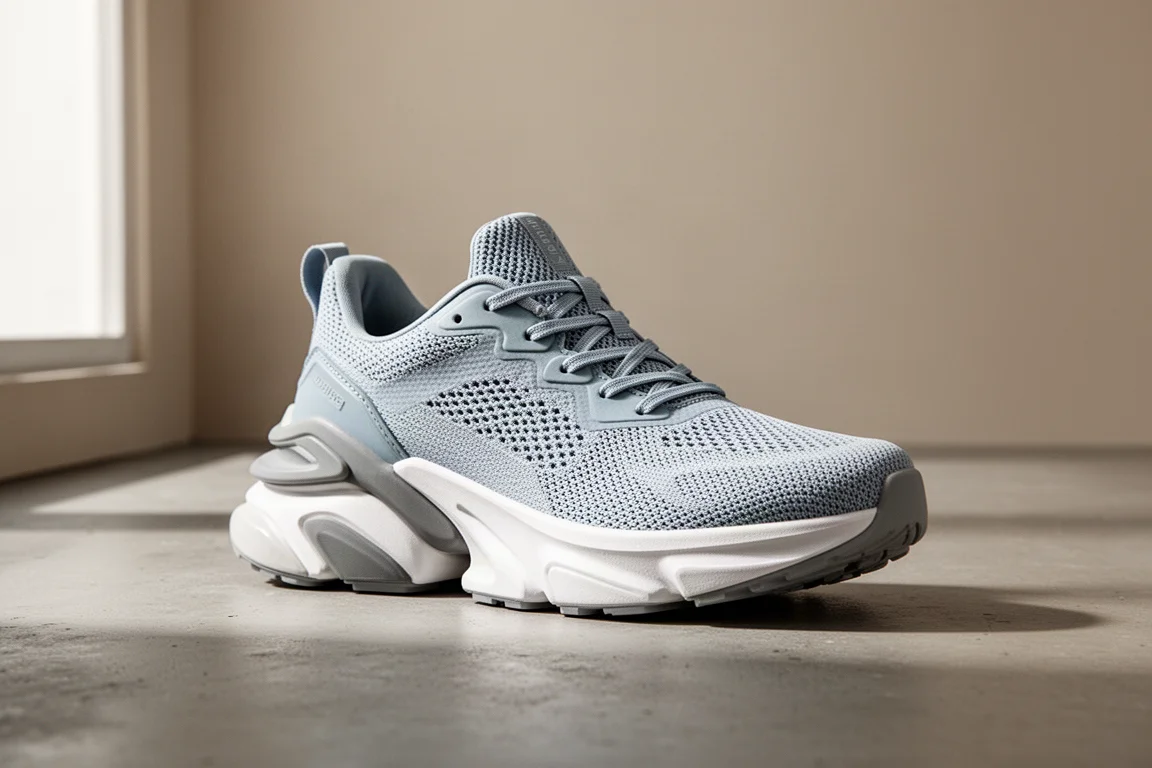
Salomon is a name most runners associate with trail shoes, but the Aero Glide signals a clear push into the road running market. This is a maximalist trainer built around a tall stack of soft foam, and the overall impression is encouraging: it scores a 6.3 out of 10, which is not a standout result, yet it represents a genuine progression from what Salomon has offered on the road before. If you want forgiveness underfoot for everyday training, this shoe deserves a closer look.
Who This Product Is For
The Aero Glide suits runners who want a soft, forgiving ride for easy training days rather than a sharp race-day weapon. With just over 37 millimeters of foam at the heel, it competes in the maximalist category against brands that have dominated it for years. It is also worth noting the 10-millimeter heel-to-toe drop, which is a fairly aggressive offset. Runners who prefer low-drop options in the 4-millimeter or zero-drop range may not love the geometry, while those who naturally run up on their toes may actually appreciate the slope. If you are new to the term, the drop is simply how much higher the heel sits than the toe box, always measured in millimeters.
Upper and Fit
The upper is very breathable, especially along the sidewalls, though breathability drops off somewhat in the toe box. The tongue is not gusseted, and that was noticeable during lacing and testing. Lockdown lands at around 6 out of 10: functional rather than exciting.
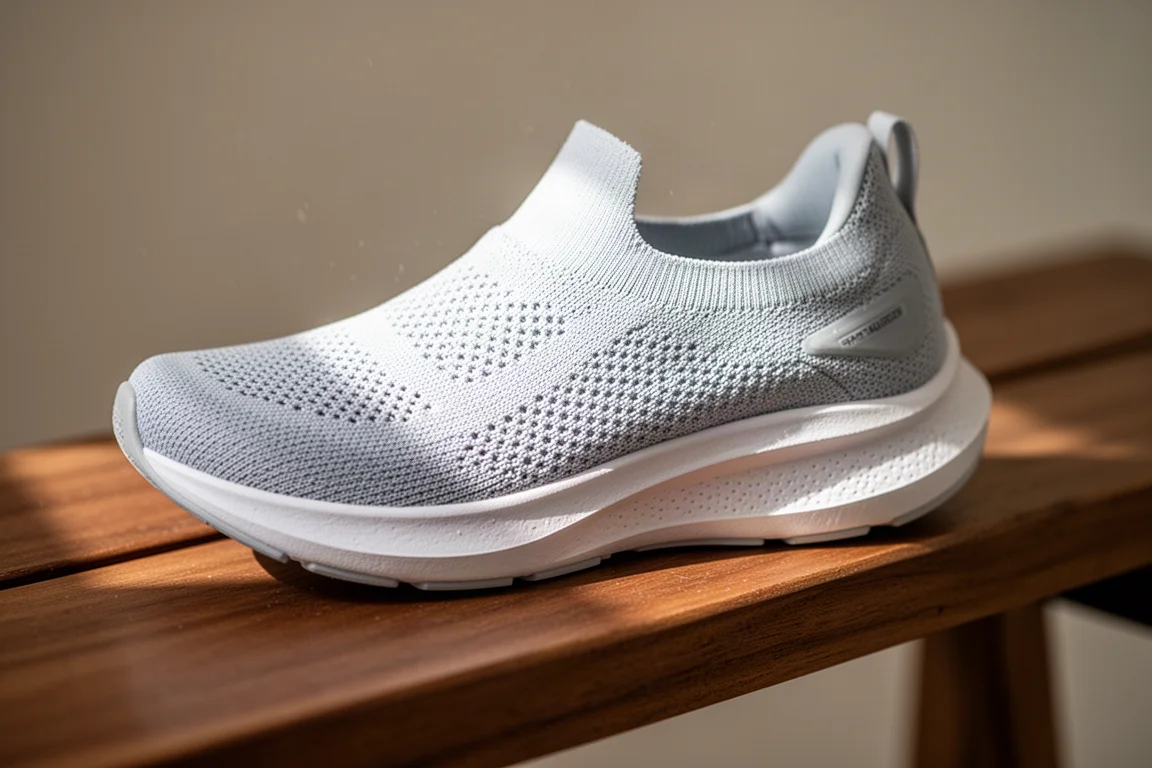
The heel counter is a mixed bag. It holds up well under pressure without feeling rock hard, but a little more padding would be welcome. On the plus side, the interior material has good friction against socks, which helps reduce heel slipping, an area where some competitors have used inner linings that are too slick. On fit, the shoe runs true to size but feels a touch long, possibly a quirk of European sizing, though the toe box width is comfortable and not cramped.
Midsole
This is where the shoe earns its keep. The thumb test confirms a nicely soft, deep foam platform, and durometer readings came in around 38 on the medial side. It is not the absolute best energy return in the maximalist category right now, but the ride is likable and forgiving.
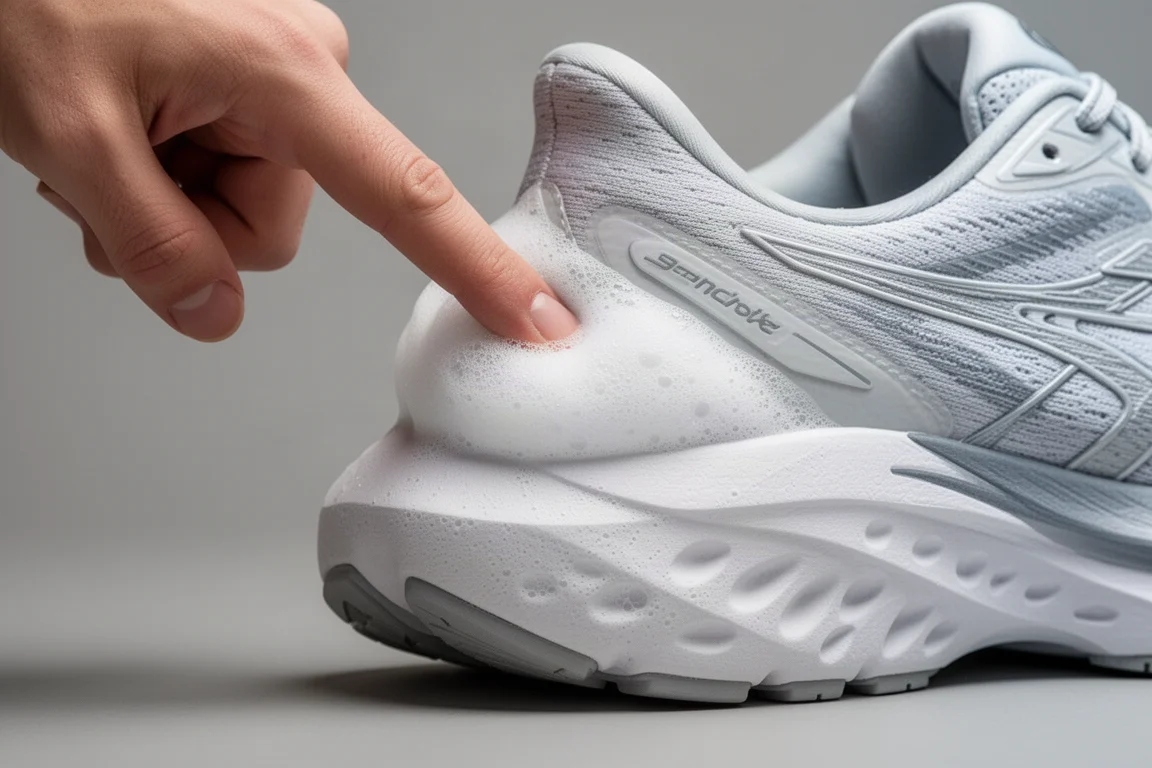
The real story is the direction of travel. Salomon has historically sat near the top of the trail scene while barely registering in road running discussions, and this foam setup is a huge step forward. For runners who want a little forgiveness underfoot as they stack up training miles, it delivers.
Outsole
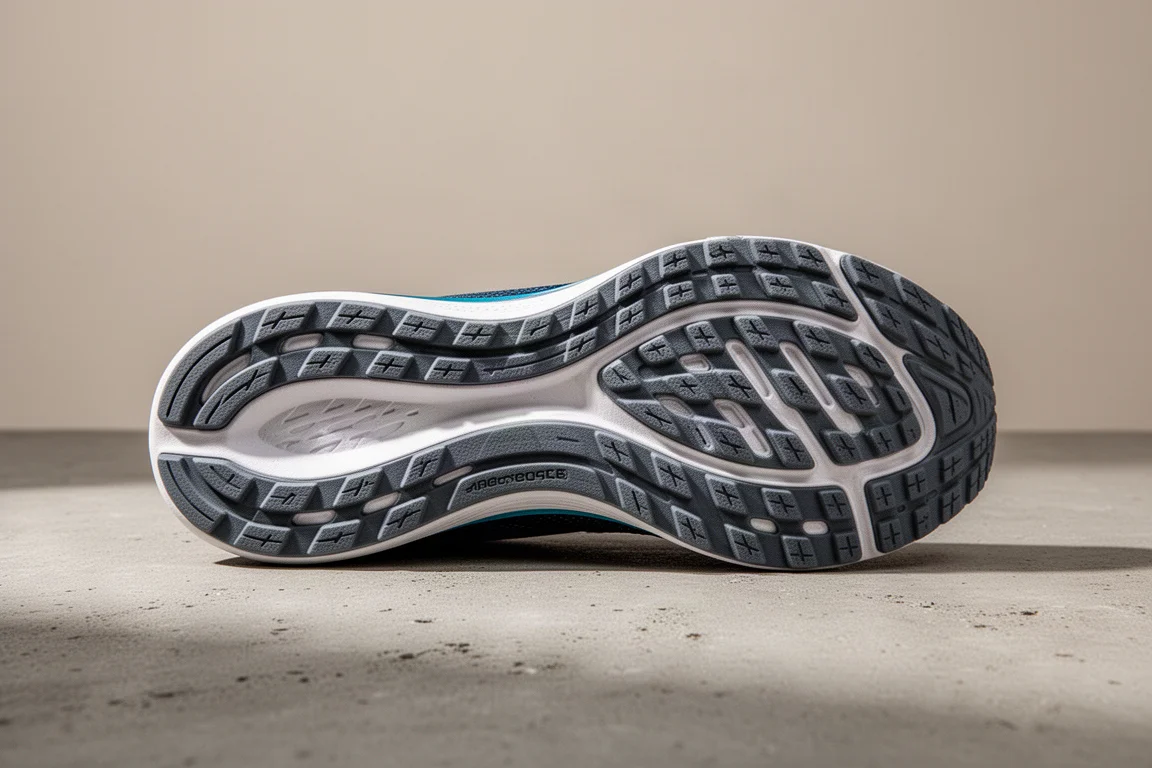
The outsole is the least exciting part of the shoe. Durability looks decent, but the rubber may run a little slick when turning sharply on smooth stones, the kind found in old European town squares where wet stone can get slippery underfoot. There is also an obvious opportunity for a decoupled groove through the outsole that is not present here. Neither issue is a dealbreaker for easy-paced road training, but cornering hard at speed on wet stone deserves caution.
Things to Consider Before Buying
The Aero Glide is priced at $160, which is fairly competitive against other maximalist shoes. Weight is respectable given the 37-millimeter heel stack, and the 10-millimeter drop is the other spec to weigh carefully. High drop works well for some running styles, but if you strongly prefer a lower offset, look elsewhere or test the geometry first. Lockdown, at 6 out of 10, is also fine rather than fantastic, largely due to the non-gusseted tongue.
Buying Advice
Testing covered around 50 miles, built up over a couple of months starting two to three weeks before a 50k, so the durability observations come from real training use. The heel counter showed no significant breakdown over that period. At $160, the shoe makes sense for easy-day training, but runners seeking maximum energy return or racing performance may want to compare against established maximalist options first.

Conclusion
The Salomon Aero Glide is not a flawless maximalist shoe, but it is a promising first proper step for a brand learning the road category. Soft foam, a breathable upper, and a competitive price offset by average lockdown, an unremarkable outsole, and an aggressive 10-millimeter drop. If forgiveness underfoot matters more than excitement, it is a solid pick for everyday training.
Product link
View more details for Salomon Aero Glide
This product is mentioned in the review. Check the specifications, options, and compatibility before buying.
View more details for Salomon Aero GlideFurther reading
Related Reviews

Running Shoes
Best Road-to-Trail Running Shoes: Three Versatile Options for Mixed Terrain
A practical guide to three road-to-trail running shoes that handle both pavement and mild trails, with clear strengths and trade-offs for different runner types.

Running Shoes
Best Running Shoes for Achilles Tendonitis: Three Options Explained
Three running shoes with different heel drops and support features designed to help reduce Achilles tendon pain during walking and running.

Running Shoes
Best Running Shoes for Women: Five Top Choices Ranked
A ranked guide to five women's running shoes, from versatile daily trainers to high-performance racing options, with real strengths and trade-offs for each.