Running Shoes
Salomon Aero Glide 4 vs Aero Glide 4 Gravel: Two Max-Cushion Options Compared
Two versions of Salomon's popular cushioned trainer share the same midsole recipe but deliver noticeably different rides. Here is how they compare on fit, feel, and who each one suits.
Introduction
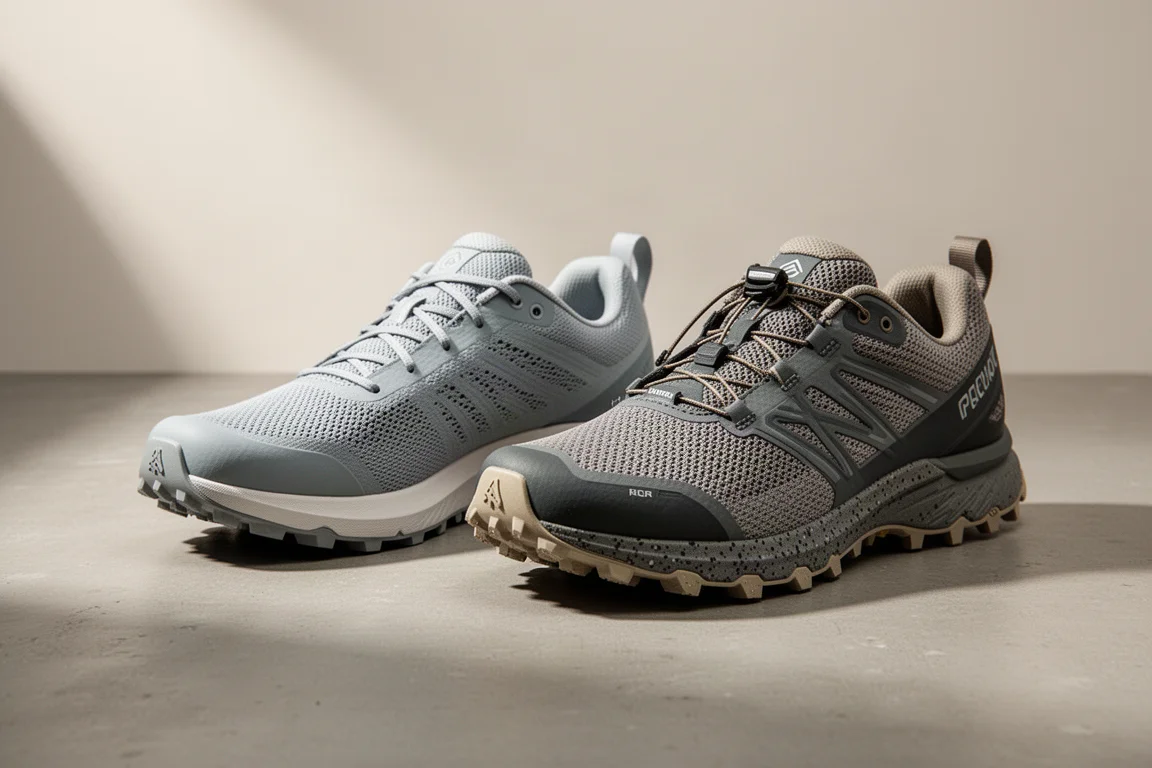
The Aero Glide 4 family is Salomon’s answer to the modern max-cushion daily trainer, and the latest generation arrives in two flavors: the road-focused Aero Glide 4 and the mixed-terrain Aero Glide 4 Gravel. The road version is the successor to the Aero Glide 3, a shoe that drew plenty of praise elsewhere even before we had the chance to test it ourselves, so expectations were high going into these first runs.
After putting early miles into both versions, including easy-paced, steady, and progression runs, the picture is clear: this midsole platform works very well, but the two shoes land in noticeably different places on softness and snap. If you are deciding between them, the difference in outsole stiffness is the thing that shapes the whole ride.
What They Share: Midsole, Rocker, and Outsole
Both shoes are built around Salomon’s Optifoam squared material, a supercritical TPU foam, in a large wedge. The platform uses Salomon’s reverse camber rocker, an approach the brand says draws inspiration from snow sports. On foot it reads as a mild, subtle rocker that helps roll you through foot strike without feeling aggressively thrusting or forward-rolling like some of Salomon’s other shoes.

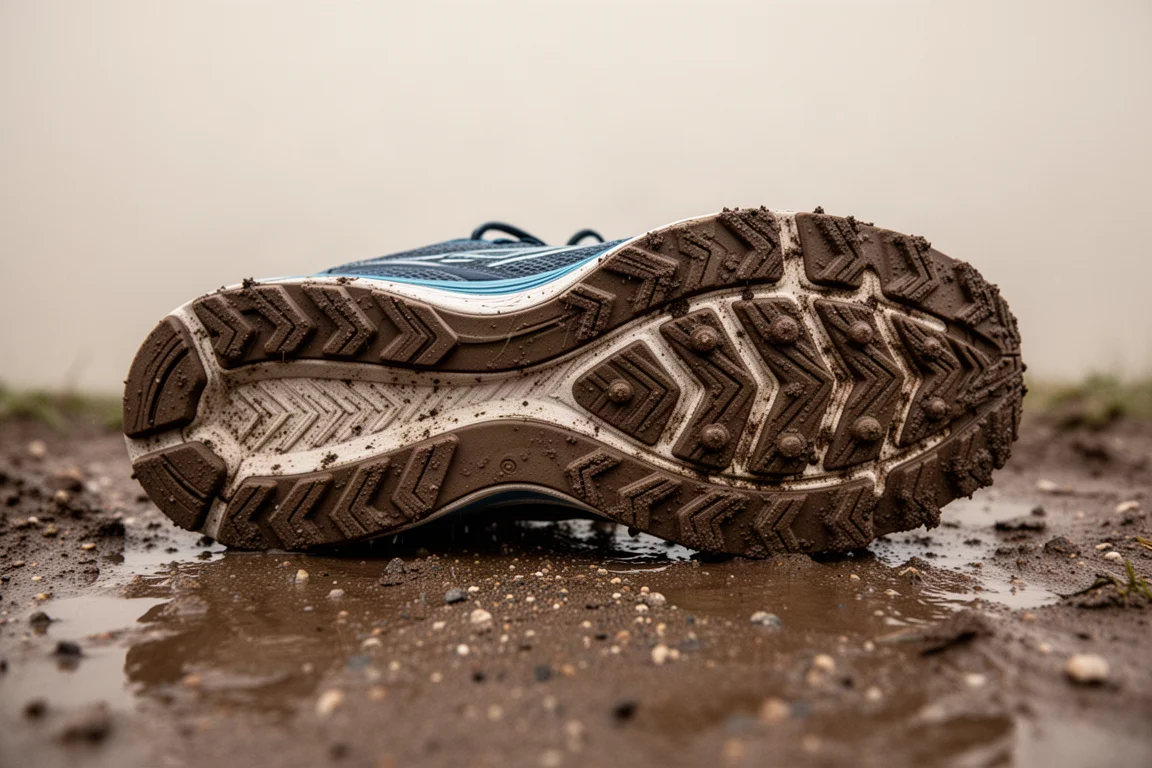
The road version runs 41 mm at the heel and 33 mm at the forefoot, an 8 mm drop, and weighs just 256 g (9 oz) in a UK 9 (US 9.5). That is remarkably light for a shoe this cushioned, with numbers you would usually associate with performance trainers rather than a standard cushioned daily. The outsole on the road version is Contrip rubber with good coverage running the length of the shoe and across the forefoot. It is thinner and less lugged than the gravel version’s, but still substantial given how light the shoe is.
Salomon Aero Glide 4: First Impressions
The road version’s new upper is designed to fit closely, described as an inside-out construction that creates almost a second-skin feel. It swaps the quick laces of the gravel version for standard laces, and there is slightly more cushioning around the heel area plus a firmer internal heel counter than its gravel sibling. The tongue and collar are well padded without being as aggressively plump as some max-cushion rivals.
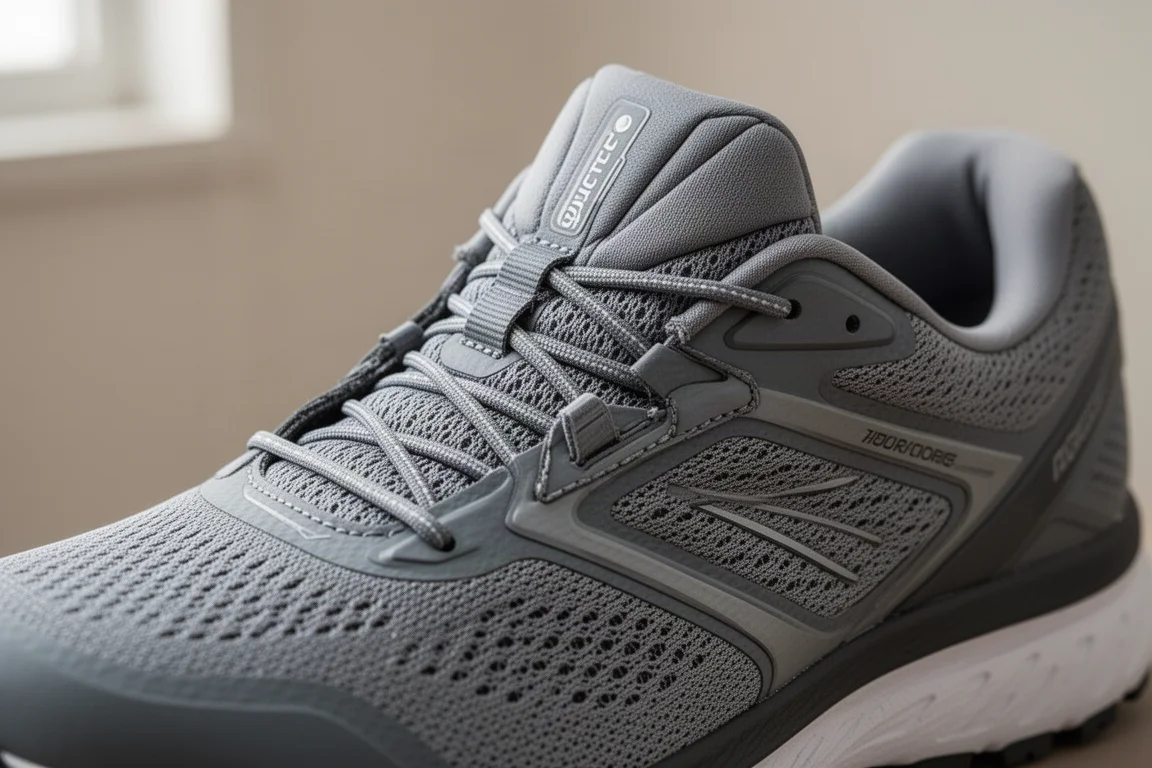
On the run, the difference from the gravel version shows up immediately. Without the stiffer outsole, the ride feels much softer and more protective, cocooning the foot so you can barely feel impact through the platform. There is energy in the midsole and a bit of spring coming back in the forefoot, but the first runs left a sense that it is a touch too soft at slower paces, with a little wobble and movement of the foot inside the midsole. At easy and steady efforts it is cradling and comfortable; whether it offers more snap when the pace rises is something worth checking over more miles.
Salomon Aero Glide 4 Gravel: The Stiffer, Roomier Sibling
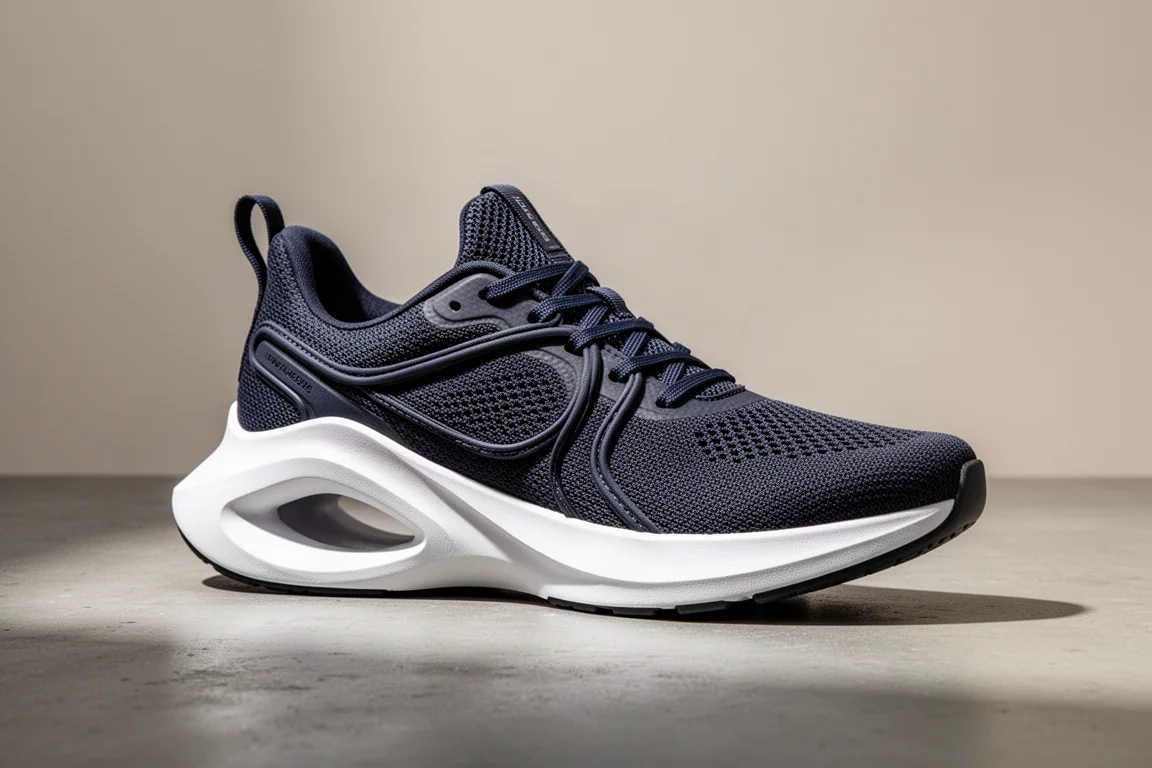
The gravel version has been a favorite as a daily training shoe and a mixed-terrain option that handles a bit of everything. Its thicker, more lugged outsole adds stiffness and firmness to the platform, which changes the ride character considerably: it comes back quicker and feels snappier than the road version, and the roomier feel of the upper has broad appeal.
A half-size-down tester found the gravel version slightly short in length, so sizing attention matters here. If you liked the idea of a cushioned shoe that can go from road to light trail, the gravel version’s combination of cushioning, snap, and grip makes a strong case, and the tester enjoyed it even for straight road runs.
Fit and Sizing Notes
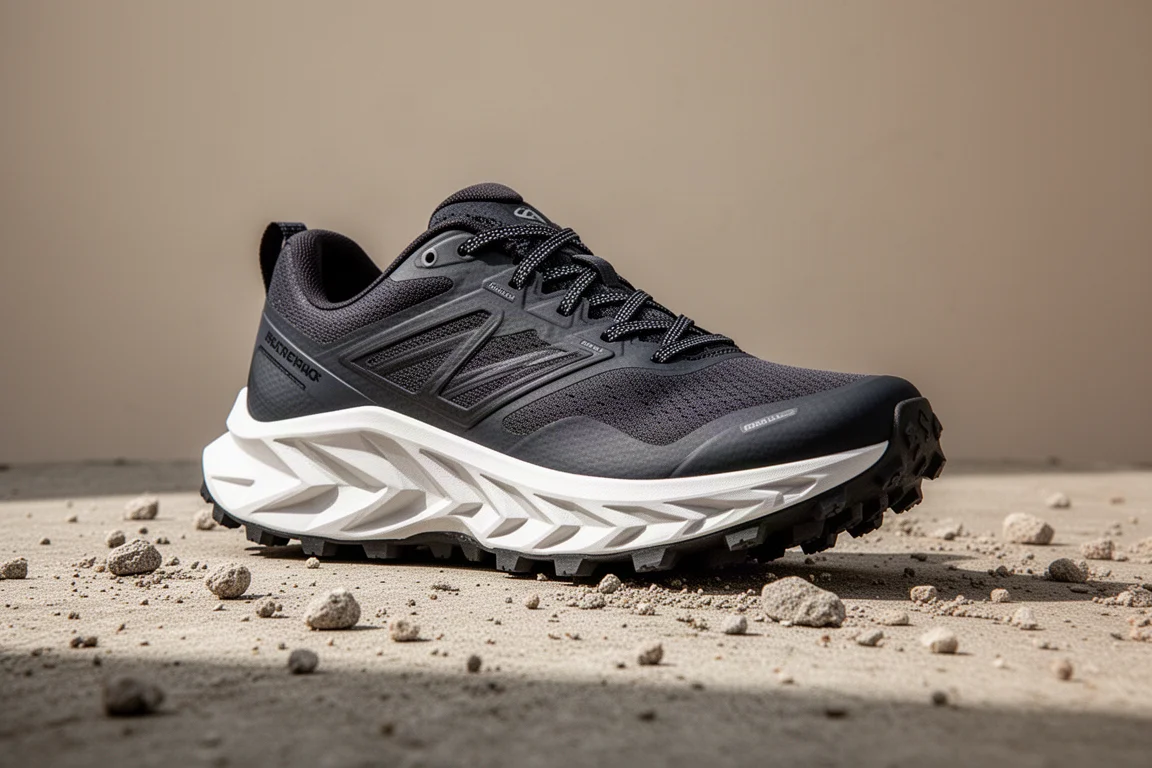
Fit is where the two shoes diverge in practical terms. In the road version, one tester’s usual Salomon size (UK 8.5 / US 9) offered healthy thumb-width length and excellent lockdown through the midfoot, with well-padded heel collars that held nicely. The main caveat is a fairly narrow, sharply tapered forefoot: the little toe felt squashed, and there was some rubbing on the outside of the little toe even in the correct length. That taper is worth taking seriously if you have wider feet or are considering longer efforts such as a marathon. Going half a size up risks a disconnected feel in the forefoot rather than solving the width issue.
The gravel version fits a little longer, and a tester in their normal UK 9 found the length spot on. Both versions share the sharply tapered toe box, though, so the same forefoot caveat applies. Overall, expect a snug, close-fitting upper across the family, particularly around the toes.
Overall Buying Advice
If you want maximum softness and road protection in an unusually light package, the Aero Glide 4 delivers a cradling, cushioned ride that many runners will love, and it stands out as one of the most comfortable-feeling Salomon shoes from a softness perspective. If you prefer a bit more firmness, snap, and immediate return underfoot, the gravel version’s stiffer outsole makes it the livelier choice, and it handles light trail along the way.

Priced at £145 or $160, the road version sits in the mid-range for a max-cushion trainer, and the lightweight, cushioned combination makes it a compelling daily option. If in doubt between the two, choose the road version for pure road running and softness, and the gravel version if you value snap, grip, and occasional off-road versatility.
Conclusion
Both Aero Glide 4 variants confirm that Salomon’s Optifoam squared midsole and reverse camber rocker combination is genuinely effective. The road version wins on weight and plush protection; the gravel version wins on snap and versatility. Match your choice to your terrain and your taste for softness versus firmness, and either should make a strong daily trainer.
Further reading
Related Reviews

Running Shoes
Best Road-to-Trail Running Shoes: Three Versatile Options for Mixed Terrain
A practical guide to three road-to-trail running shoes that handle both pavement and mild trails, with clear strengths and trade-offs for different runner types.

Running Shoes
Best Running Shoes for Achilles Tendonitis: Three Options Explained
Three running shoes with different heel drops and support features designed to help reduce Achilles tendon pain during walking and running.

Running Shoes
Best Running Shoes for Women: Five Top Choices Ranked
A ranked guide to five women's running shoes, from versatile daily trainers to high-performance racing options, with real strengths and trade-offs for each.