Running Shoes
Salomon Aero Glide 4 Review: Six Daily Trainer Options Compared
A closer look at the Salomon Aero Glide 4 and five alternatives worth cross-shopping, including the Aero Glide 3, Aero Blaze 3, Aero Glide 4 Gravel, Saucony Ride 19 and Endorphin Azura.
Introduction
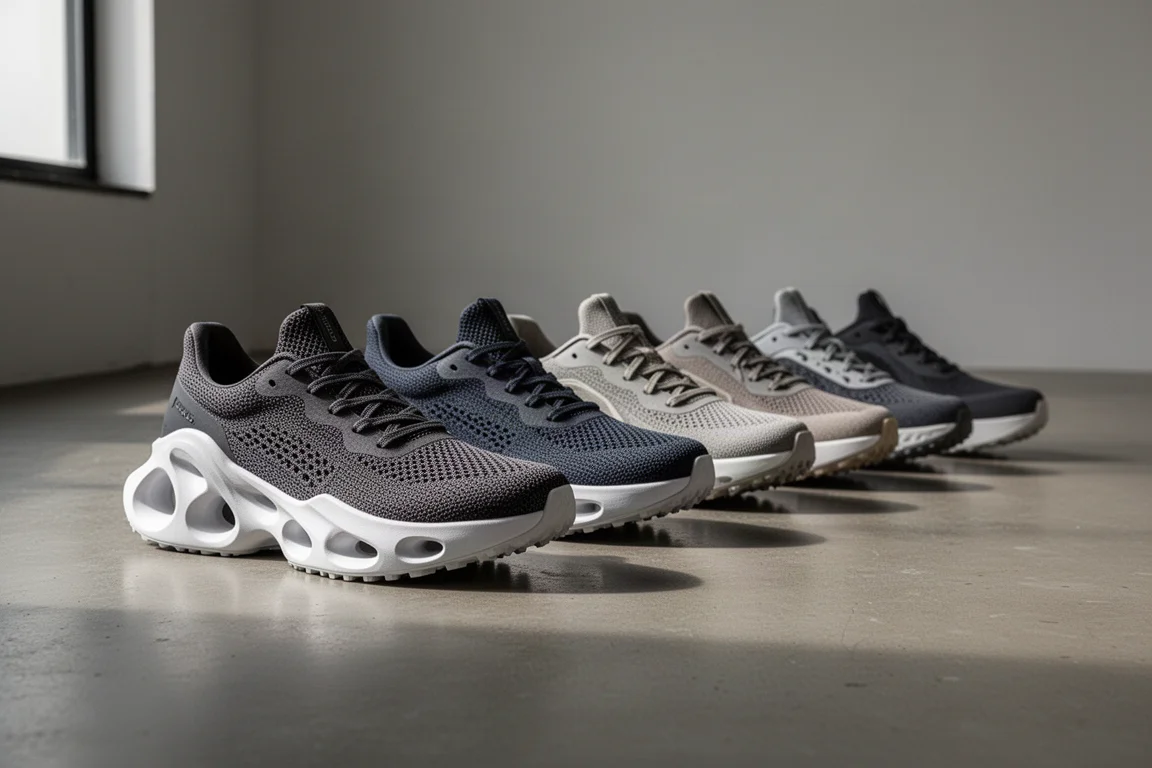
Every so often a shoe update looks identical to the version before it, yet runs completely differently. The Salomon Aero Glide 4 is exactly that case: same silhouette as the Aero Glide 3, same sculpted midsole, same inside-out upper philosophy, but a noticeably softer and more pleasant ride underfoot.
Because the Aero Glide 4 sits in a crowded segment of tall-stack daily trainers, it makes sense to look at it alongside the shoes most shoppers will cross-shop: two older Salomon road options, the gravel variant, and two beaded-foam Saucony alternatives. Here is how they stack up.
How We Evaluated These Shoes
The comparison below focuses on four practical criteria: ride character (firmness, bounce, cushioning), fit and comfort, versatility across paces, and value at current pricing. Stack height, drop, foam platform and outsole construction were all considered, but the emphasis is on how each shoe actually feels over everyday miles rather than on spec sheets alone.
Salomon Aero Glide 4: The Main Event
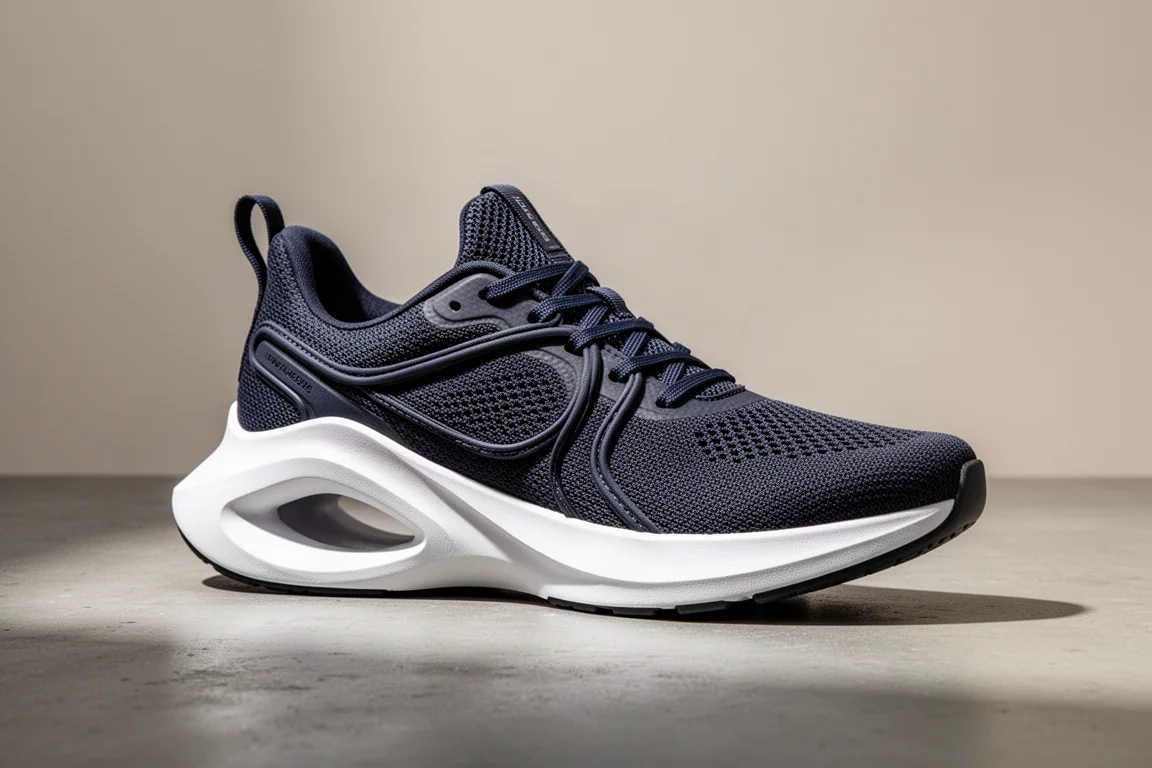
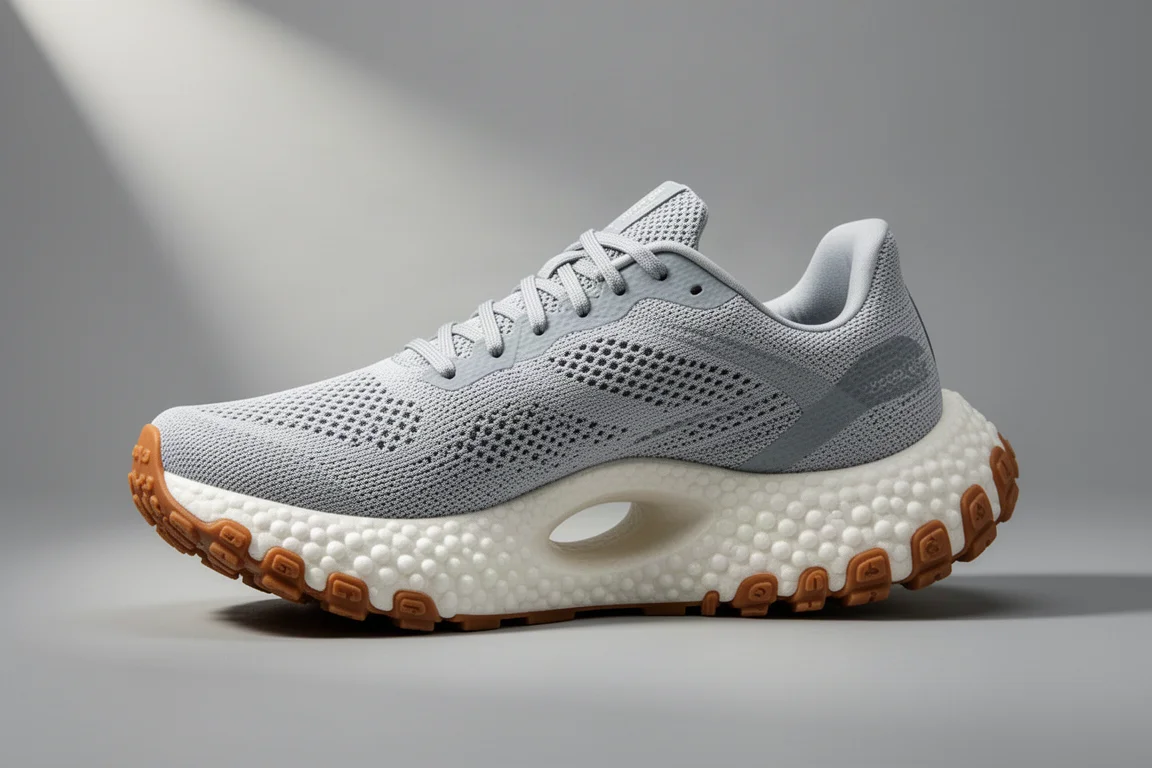
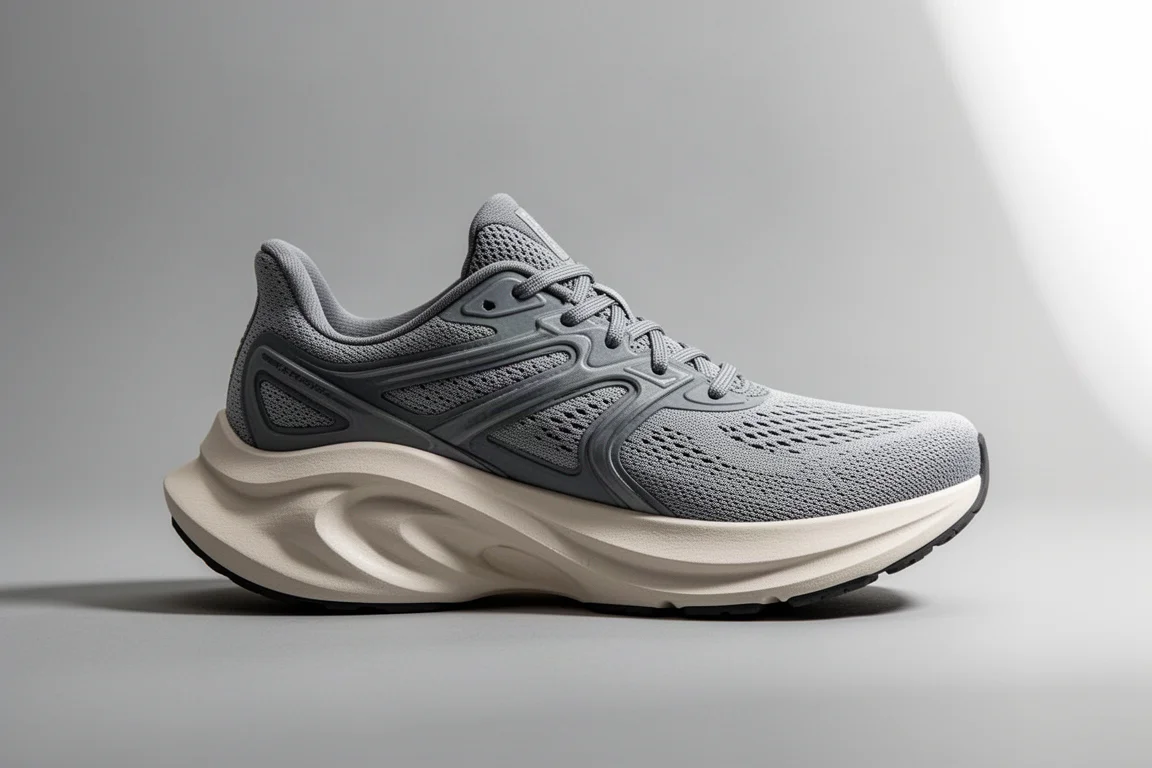
On paper, the Aero Glide 4 is a 41 mm heel stack shoe with an 8 mm drop, giving 33 mm in the forefoot. The foam is called Optivibe Squared this year, and while it looks and almost certainly performs like the previous year’s Energy Evo foam, the naming has shifted more than once, so treat the two as very likely the same compound.
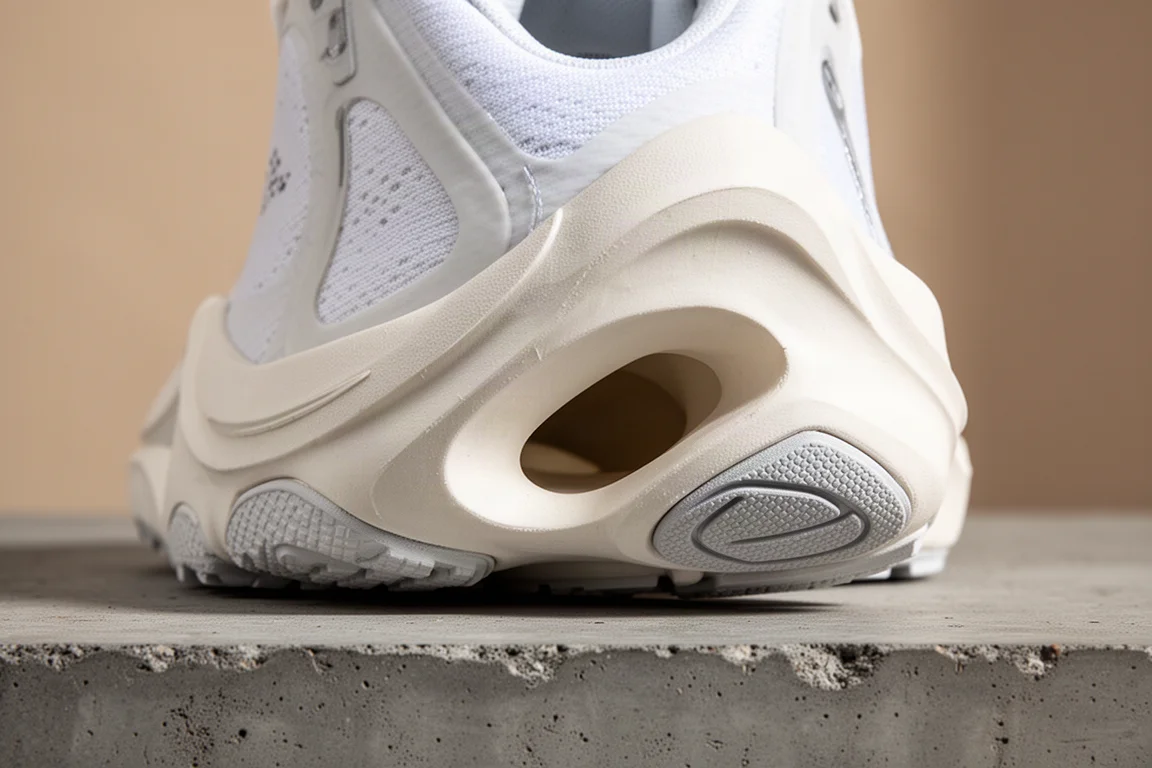
The midsole is where things get interesting. The back of the shoe is hollowed out into a large cavity, giving the foam room to compress and then rebound as weight rolls through. In the forefoot, a pod of Contagrip rubber creates an island within that cavity, capped with rubber. The outsole pattern is essentially unchanged from last year, with the forefoot pad appearing slightly smaller.

The upper keeps the signature inside-out design: seams are pushed to the outside of the shoe and covered with material, so nothing rubs against the foot and the interior feels more accommodating. The thin, unstructured, non-gusseted tongue remains a bit floppy and can wander out of place, though there is slightly more padding at the heel collar and Achilles area this year. Sizing runs true: a regular running shoe size worked well, which is not always a given with Salomon. For a US men’s size 9, the shoe measured 8.9 oz (254 g), and it feels lighter on the foot than that number suggests.
On the road, the Aero Glide 4 looks like a max-cushion shoe but runs like a daily trainer. The added softness this year is the headline change: the foam now compresses and bounces back, the shoe genuinely feels like an 8 mm drop, and the whole experience makes far more sense than the firmer Aero Glide 3. The forefoot is still on the dense side, partly due to that large rubber pad, which mutes some of the potential bounce for forefoot strikers. Combined with essentially no forefoot rocker, that makes the shoe best suited to midfoot and heel strikers who roll through from the back.
It shines at easy everyday paces, offers enough pop for light fartlek and early-season tempo work, and should hold up well as a long-run partner. At very easy recovery paces, forefoot strikers may want something plusher. At a $160 retail price, it is a good shoe, though that price feels a touch high for what you get.
Salomon Aero Glide 3: The Firmer Predecessor
The Aero Glide 3 looks almost identical, with what appears to be the exact same midsole from year to year, but the experience is much denser. Last year’s shoe resisted compression, so the ride felt glancing rather than cushioned, and the effective drop felt far less than 8 mm.
That firmness is not a flaw for everyone. Bigger, taller runners or anyone who simply prefers a more resistant, stable platform may genuinely prefer the Aero Glide 3 over the softer new version. It also retailed at $160, but it has been on the market a long time, so inventory is scarce; buy from a trusted retailer if you track a pair down.
Salomon Aero Blaze 3: The Peppy Lower-Stack Option
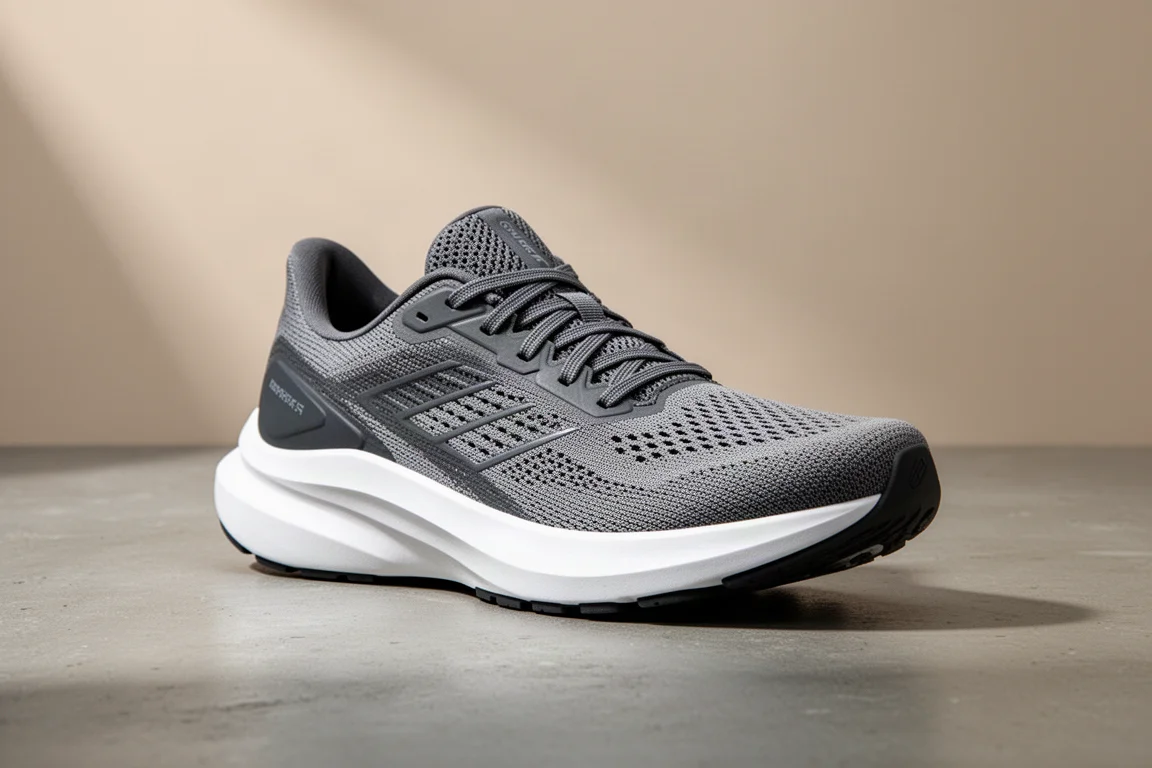
The Aero Blaze 3 uses a similar beaded foam and shares some visual DNA with the Aero Glide line, but skips the inside-out upper in favour of a conventional, still-comfortable Salomon road upper. It runs true to size.
Where the Aero Glide 4 blurs the line between max cushion and daily trainer, the Blaze 3 notches down a category and behaves like a tempo shoe. It feels relatively low to the ground, has no plate or shank, and its beaded foam delivers a firm, neutral, peppy ride reminiscent of older Adidas Boston-style trainers. If the 41 mm stack of the Aero Glide 4 feels like too much shoe, and you want something snappier for quicker sessions, the Blaze 3 is the more natural fit.
Salomon Aero Glide 4 Gravel: The Do-Most-Things Sibling
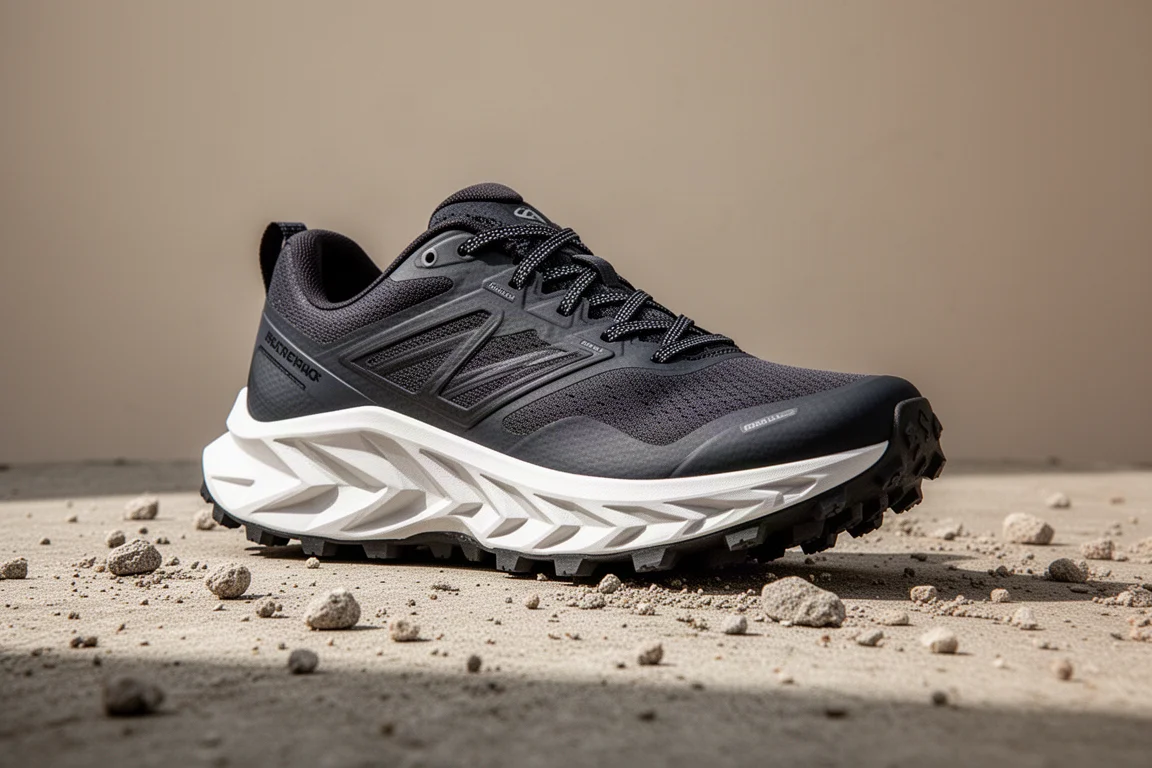
Salomon has been releasing gravel versions of its road shoes, positioned between pure road and their trail heritage, and the Aero Glide 4 Gravel is the most interesting of the group. The midsole compound and shape appear identical to the road version, but the upper drops the inside-out construction, uses a modified speed-lacing system and different materials, and the outsole gains a much beefier set of lugs with more teeth in that forefoot rubber island.
Fit is the catch: expect to size up by half a size, or more if you like extra room in trail shoes. Interestingly, the gravel version felt more enjoyable on trails than the road version did on roads, even with the same foam underneath. Worth noting on badging: the Gravel actually launched first in Salomon’s chronology, which explains why it carries the Energy Evo badge while the road Aero Glide 4 carries the Optivibe Squared name.
At $160, it reads as a strong deal for a shoe that handles trails and still does roads, arguably better value than the road-only version at the same price.
Saucony Ride 19: The Softer Counterpoint
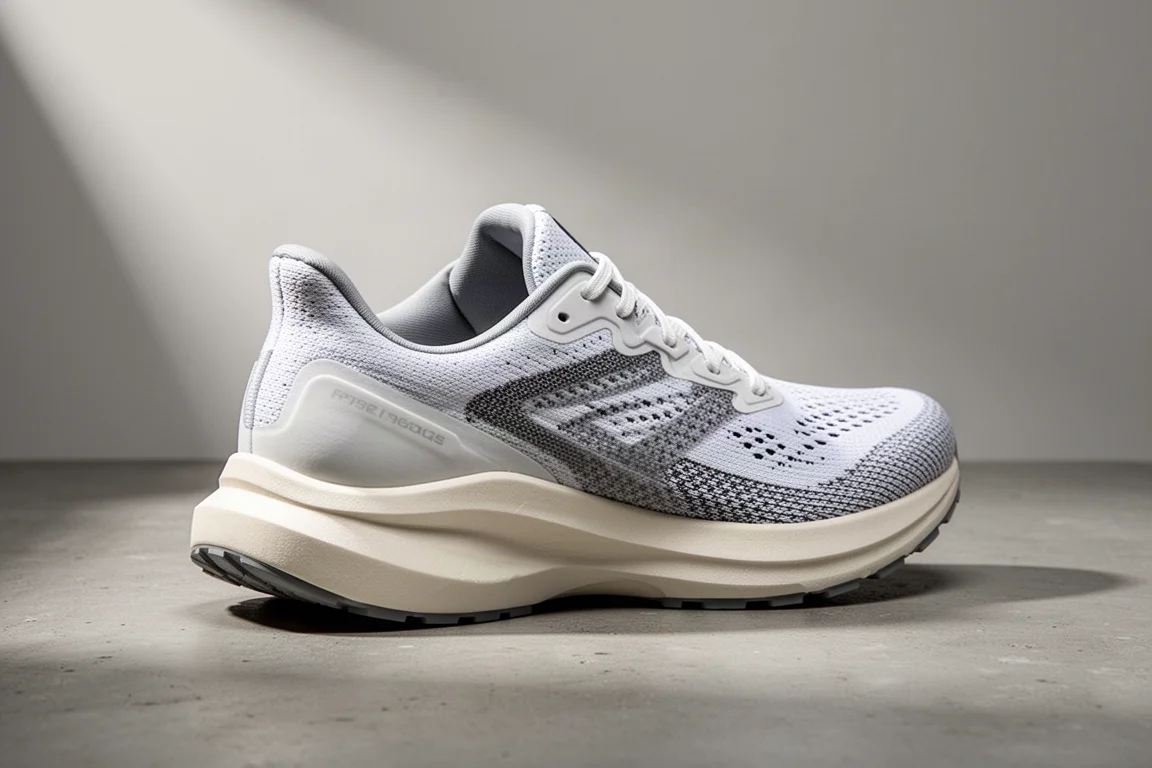
The Ride 19 is the mirror image of the Aero Glide 4: a daily training shoe that runs more like a max-cushion shoe. It uses a beaded foam, delivers noticeably more softness, and offers a slightly muddled, less bouncy ride than the Salomon.
If plushness at everyday paces is your priority and you do not need a lively feel, the Ride 19 makes a compelling case. At $145, it is also priced well for what it delivers.
Saucony Endorphin Azura: The Value Pick
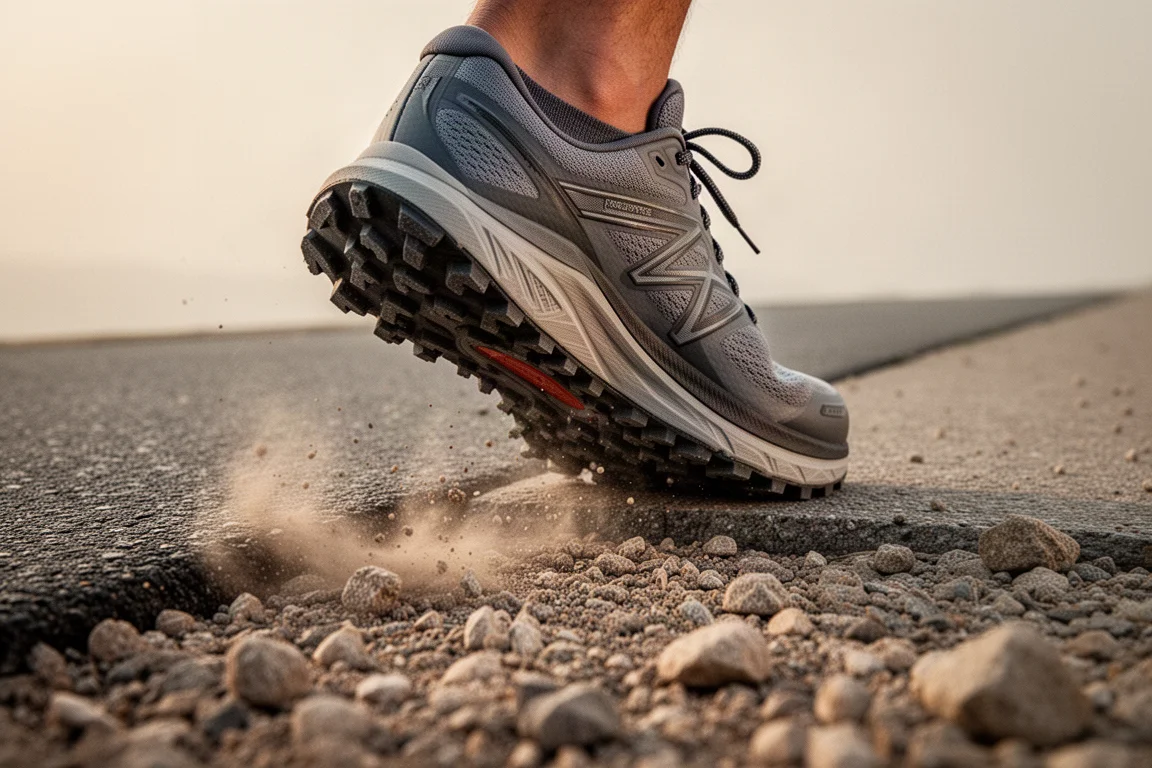
The Endorphin Azura also uses beaded foam, but it is beaded PEBA, an upgrade over the beaded ETPU-style foam in the Aero Glide 4. It shares the same 8 mm drop and is technically a millimetre shorter in stack, yet somehow feels taller. The ride is bouncier and denser in a good way: stable, not overly compressive, and free of the harsh firmness that hurt last year’s Aero Glide.
The clearest structural difference is geometry. The Azura uses a noticeable forefoot rocker to manage its foam, while the Aero Glide 4 relies on heel drop and has almost no rocker up front. Preference here will decide a lot. The Azura works as a daily trainer and, thanks to that PEBA foam, picks up the pace impressively on long runs with spicy miles, where it is the stronger pick of the two.
At $150, it undercuts the Aero Glide 4 by $10 and is a tough value to beat. For most situations where the Aero Glide 4 would be the choice, this one edges it out, though individual preferences around rocker geometry and firmness still matter.
Buying Advice: How to Choose
If you want one tall-stack daily trainer that handles easy runs, long efforts and some pace variability, the Aero Glide 4 is a solid, newly softened option, just know the $160 price feels slightly high. Prefer firmness and resistance? The Aero Glide 3, if you can still find it, is the firmer pick for bigger or heavier runners. Want lower stack and a peppy tempo feel? The Aero Blaze 3 at its discounted $105 price is a niche but rewarding choice.
Split use between road and light trail? The Aero Glide 4 Gravel at $160 is arguably the best deal in the Salomon range. On the Saucony side, choose the Ride 19 for maximum softness at a friendly $145, or the Endorphin Azura at $150 if you want bounce, a forefoot rocker and long-run versatility.
Conclusion
The Salomon Aero Glide 4 is a meaningful improvement over its predecessor: the same striking look with a softer, more sensible ride that finally matches its max-cushion appearance. It is best for midfoot and heel strikers at everyday and long-run paces, and the Gravel variant may even be the smarter buy at the same price. For shoppers open to other brands, the Saucony Ride 19 and Endorphin Azura both undercut it on price while offering distinct ride characters. Match the shoe to your strike pattern, preferred stack height and budget, and any of these six can serve you well.
Further reading
Related Reviews

Running Shoes
Best Road-to-Trail Running Shoes: Three Versatile Options for Mixed Terrain
A practical guide to three road-to-trail running shoes that handle both pavement and mild trails, with clear strengths and trade-offs for different runner types.

Running Shoes
Best Running Shoes for Achilles Tendonitis: Three Options Explained
Three running shoes with different heel drops and support features designed to help reduce Achilles tendon pain during walking and running.

Running Shoes
Best Running Shoes for Women: Five Top Choices Ranked
A ranked guide to five women's running shoes, from versatile daily trainers to high-performance racing options, with real strengths and trade-offs for each.