Running Shoes
Salomon Aero Glide 4 Review: Still the Standard Daily Trainer to Beat
The Aero Glide 4 keeps the midsole that made the series special and dials in the upper. Here is how it compares with the Aero Glide 3 and the Aero Glide Gravel.
Introduction
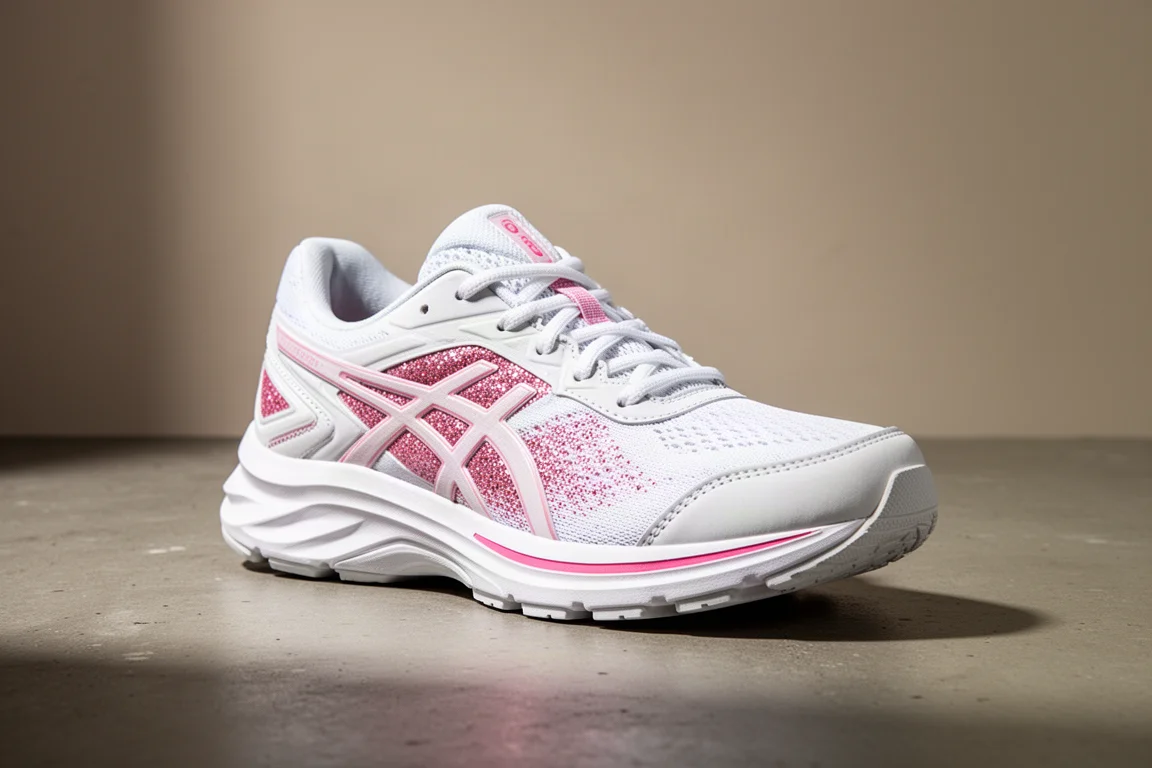
The Salomon Aero Glide 4 is the revision to one of the most liked standard daily trainers of the last couple of years. It arrives at a moment when the traditional $160 to $170 daily trainer category has been squeezed hard by a wave of energetic “super trainers” that offer more pop for a bit more money. The Aero Glide series earned its reputation by blending the comfort of shoes like the Nimbus or the New Balance 1080 with a genuinely bouncy, fun ride, all in a normal-feeling geometry. The fourth generation keeps the midsole that made the shoe special and focuses its changes on the upper and fit.
The Standard Daily Trainer Category Needs Love
It is easy to forget about regular daily trainers when super trainers dominate the conversation. Shoes like the Asics Nimbus 28, New Balance 1080 V15 and New Balance 1080 line have traditionally delivered maximum comfort for easy miles, walking and the occasional pickup in pace, without exotic foams. But they historically lacked the bounce and fun factor, which is why many high-mileage runners gravitate toward pricier options that cost $10 to $30 more.
The original Aero Glide stood out precisely because it refused that trade-off. Its energetic foam gave it bounce and energy return on par with super trainers, in a package with a more normal, connected feel. That balance is what the Aero Glide 4 is trying to preserve.
What Changed in the Aero Glide 4
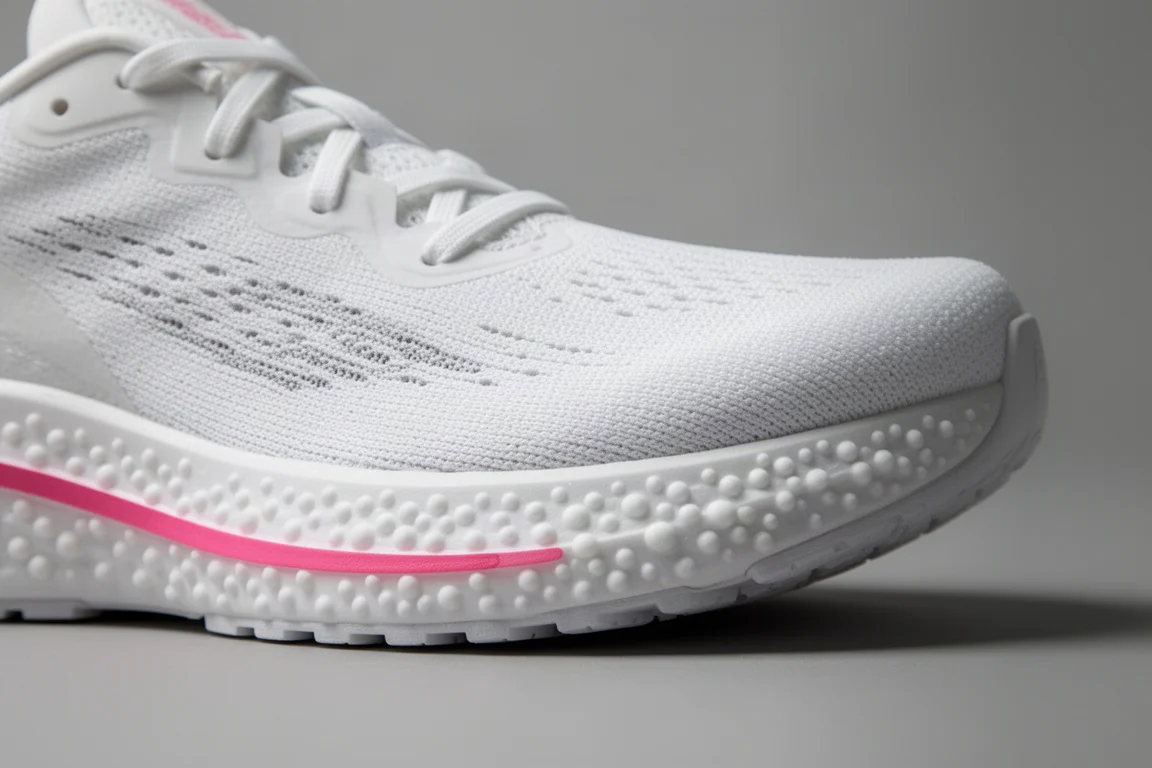
The midsole is the magic here, and Salomon kept it intact. The beaded TPU foam, previously known as Energy Foam Evo, has been rebranded as OptiVibe squared. It measured around 42 mm in the heel, matching the previous generation, and held that height impressively even after 100-plus miles in the older shoe. The foam is firm out of the box and needs some break-in miles to soften and come alive.
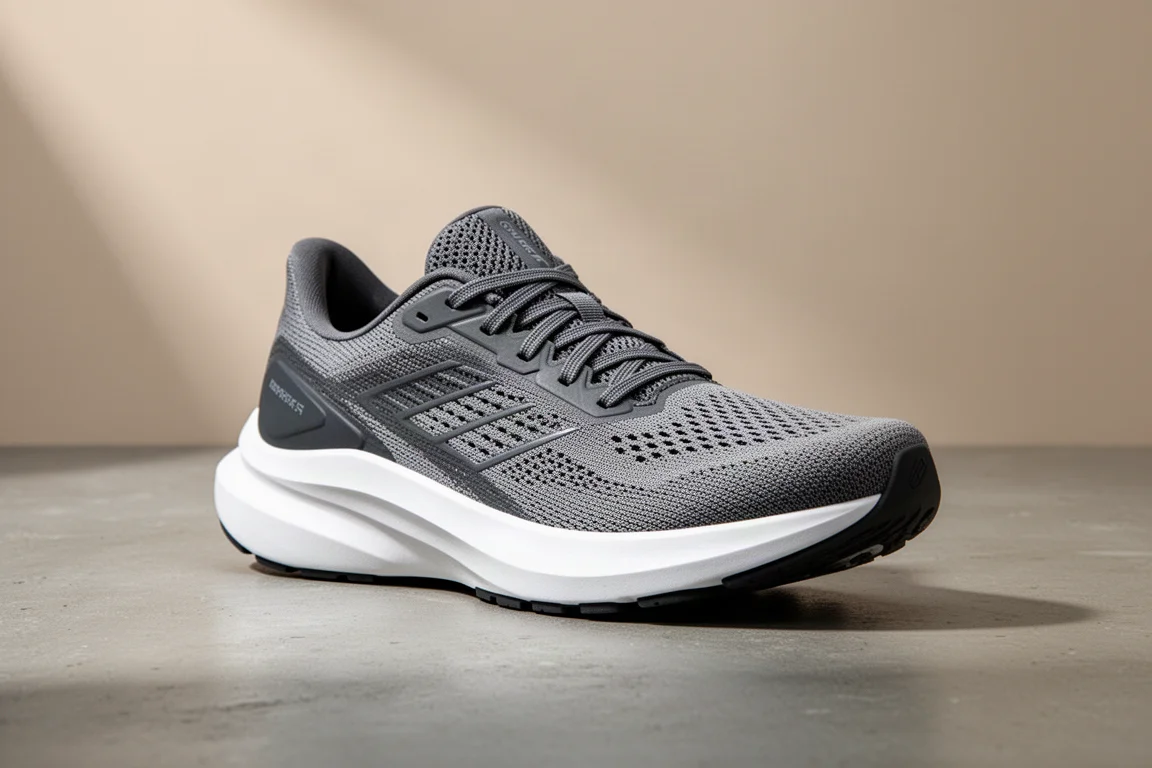
The changes are mostly cosmetic and fit-related. The upper now leans fully into Salomon’s signature crisscross lacing aesthetic, which looks cleaner and bolder than before. The TPU overlay at the front gets fuller coverage around the toe cap, the reflective detail shifts from a circle to two triangles, and there appears to be slightly more padding around the heel, which may explain the marginal weight increase of a few grams. The fit is still slightly long, so most runners should stay true to size rather than sizing down.
How It Compares with the Aero Glide 3
The Aero Glide 3 remains a strong option if you can find it in your size, often for around $100 to $120. Its main weakness was durability: at roughly 110 miles, the heel rubber showed meaningful wear for heel strikers. The Aero Glide 4 is essentially the same shoe with a refreshed, better-looking upper and a slightly dialed-in fit, so if the 3 fits well and is available cheap, it is still a smart buy.
Ride and Run Impressions
On the run, the Aero Glide 4 is everything a standard daily trainer should be: cushioned, easy to run in, and energetic without feeling unstable. The 42 mm heel with an 8 mm drop brings heel strikers forward cleanly at easy and moderate paces, without the sensation of fighting through soft foam that some lower-drop or softer-heeled shoes produce. The thick, one-piece rubber outsole and sidewall foam wrap add surprising stability to the ride.
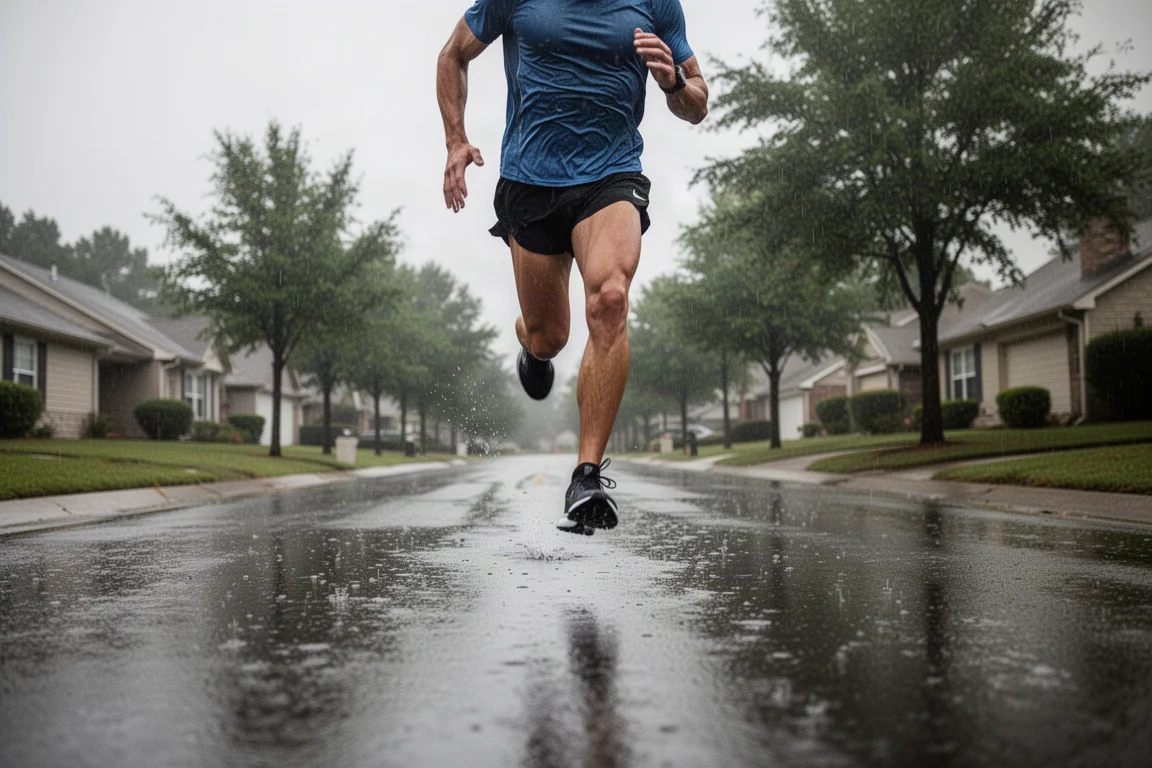
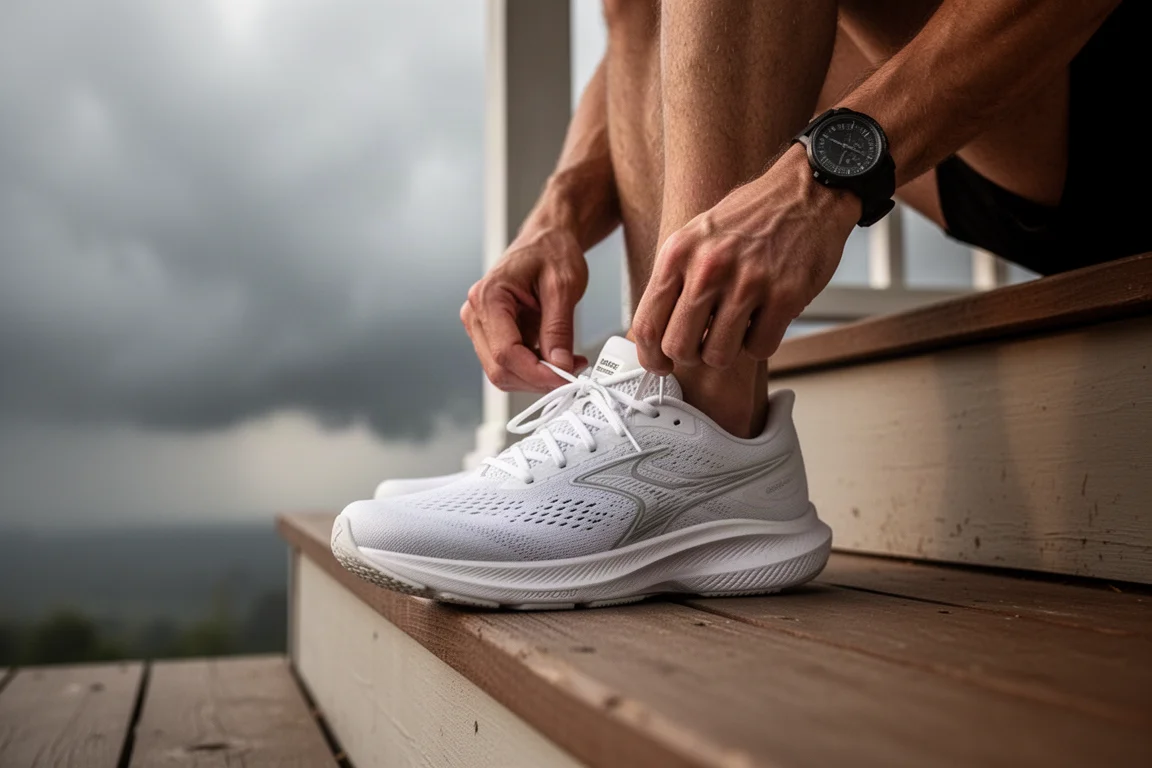
It handled a stormy 12-mile run with hill sprints comfortably, and even pushed down toward faster paces when needed. That said, this is not a workout shoe. It will do tempo-adjacent running down to moderate efforts, but it is built for mileage, not 400-meter repeats. Forefoot strikers may find the front rubber pad firmer for longer, though several reports suggest it breaks in with use.
Who Should Buy It
This is a crowd-pleaser. It suits runners who want one more normal, stable daily trainer in their rotation: a lower-to-the-ground-feeling, connected ride with genuine bounce, unlike shoes with aggressive rocker geometry or enormous 50 mm stacks. Compared with more traditional max cushion shoes, it is also notably lighter, around 270 to 275 g versus the 300 to 330 g range of typical competitors in that space.
Salomon has not yet released a $200 super trainer above this shoe, so the Aero Glide 4 carries all of the brand’s best foam tech, bordering on that category without the price. If you want that same foam feel in something faster, the Aero Blaze is the faster option in the lineup.
The Aero Glide Gravel: The Casual Favorite
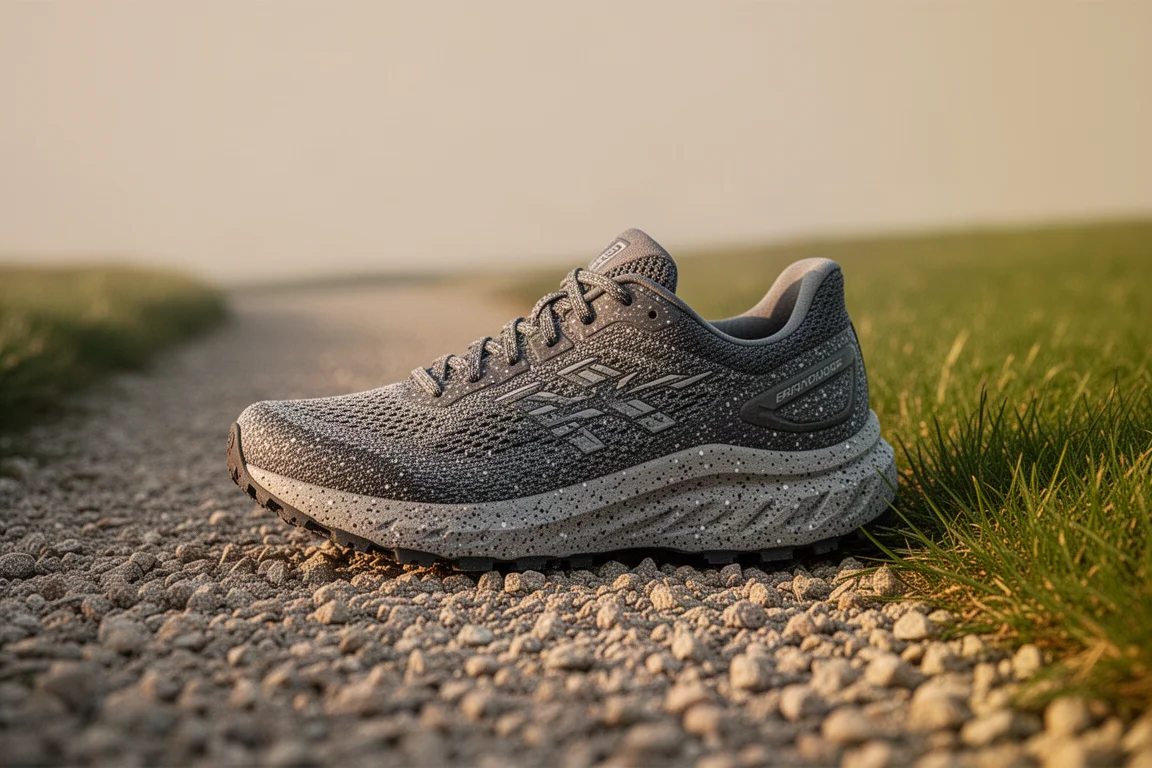
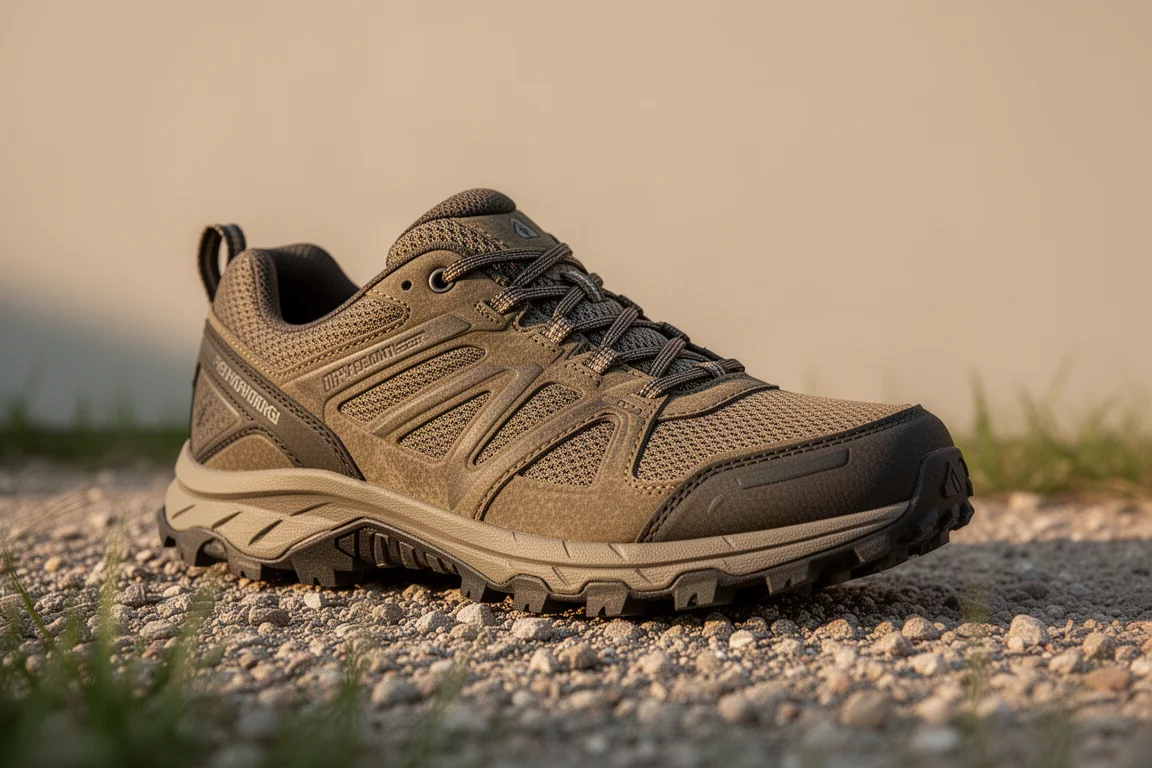
The Aero Glide Gravel is the other variant in the family, and its design is a standout. Measuring about 42.5 mm in the heel, it keeps the same energetic midsole but wraps it in a rugged, handsome upper. It works beautifully as a casual shoe: backyard soccer, light hikes with kids, everyday dad-drip duty. If your priorities lean lifestyle-first with real running capability on mixed surfaces, the Gravel is a great pick.
Buying Advice
If you already own and love the Aero Glide 3, there is no urgent reason to upgrade beyond the refreshed looks and slightly revised fit. If you are shopping for a standard daily trainer and want the most energetic, fun version of that category, the Aero Glide 4 is arguably the best of the bunch. Runners who prioritize maximum softness over bounce may still prefer the Nimbus or 1080, but for a right-down-the-middle daily trainer with personality, this is an easy recommendation.
Conclusion
The Salomon Aero Glide 4 proves that sometimes the right move is changing very little. The bouncy, protective OptiVibe squared midsole returns unchanged, the upper looks better than ever, and the ride remains controlled, comfortable and fun. For standard daily trainer duties, it still holds its crown.
Further reading
Related Reviews

Running Shoes
Best Road-to-Trail Running Shoes: Three Versatile Options for Mixed Terrain
A practical guide to three road-to-trail running shoes that handle both pavement and mild trails, with clear strengths and trade-offs for different runner types.

Running Shoes
Best Running Shoes for Achilles Tendonitis: Three Options Explained
Three running shoes with different heel drops and support features designed to help reduce Achilles tendon pain during walking and running.

Running Shoes
Best Running Shoes for Women: Five Top Choices Ranked
A ranked guide to five women's running shoes, from versatile daily trainers to high-performance racing options, with real strengths and trade-offs for each.