Running Shoes
Salomon Aero Glide 3 Review: A Bouncy Max-Cushion Daily Trainer Worth the Hype
Salomon's Aero Glide 3 pairs lively beaded TPU foam with everyday comfort, landing as one of the most fun daily trainers we have tested recently.
Introduction
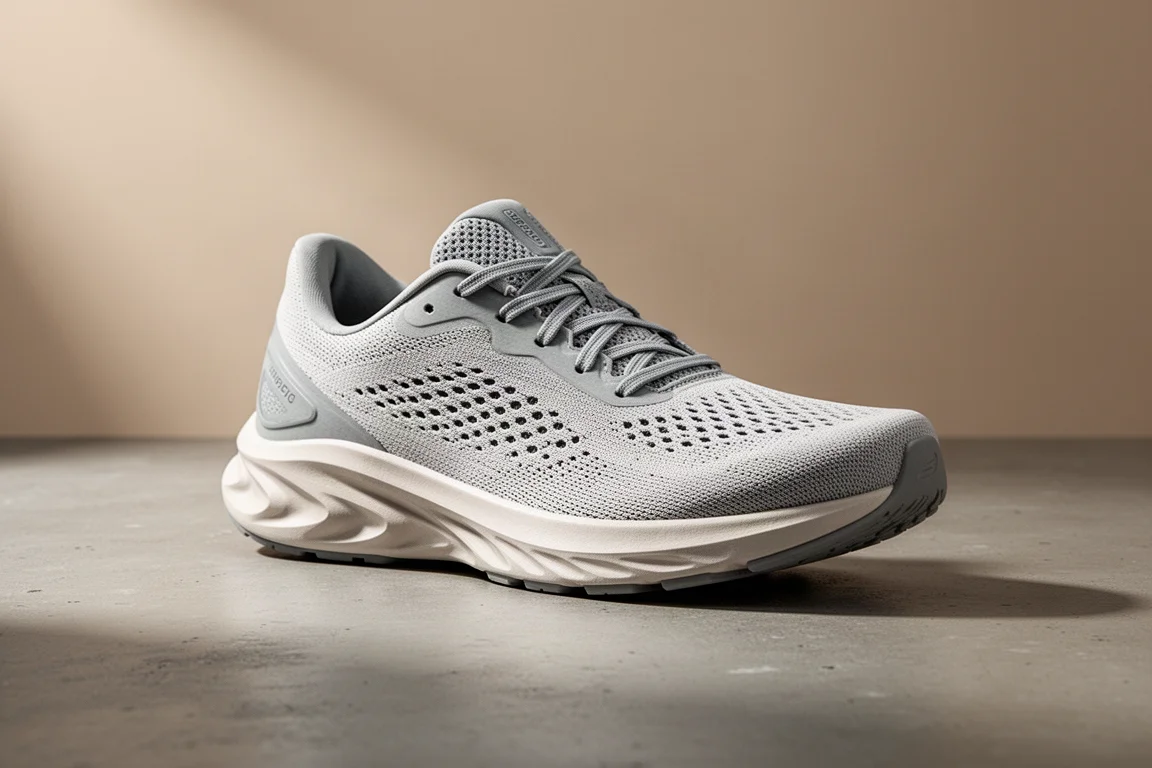
The Salomon Aero Glide 3 has been quietly building a reputation as one of the most hyped daily trainers of the moment, and after a full first day with it, the hype is easy to understand. Salomon is best known for trail shoes, but this is a max-cushioned road cruiser that delivers a genuinely fun ride. The secret is a beaded TPU midsole foam that is soft, energetic, and bouncy in a way few daily trainers manage.
At $160, it undercuts several premium rivals by $20 to $40 while delivering bounce levels that sit at the very top of the everyday training category. This review covers the fit, the ride, how it stacks up against the other big max-cushion names, and who should actually buy it.
First Impressions and Fit
Out of the box, the Aero Glide 3 does not feel dramatically soft underfoot, but the firmness of the stepping feel quickly gives way to pushback and bounce once you start moving. The upper is padded and structured, with a nicely cushioned tongue and no lace bite. The toe box is forgiving and not aggressively tapered, so wider-footed runners should not run into the squeeze that some racing-style uppers create.
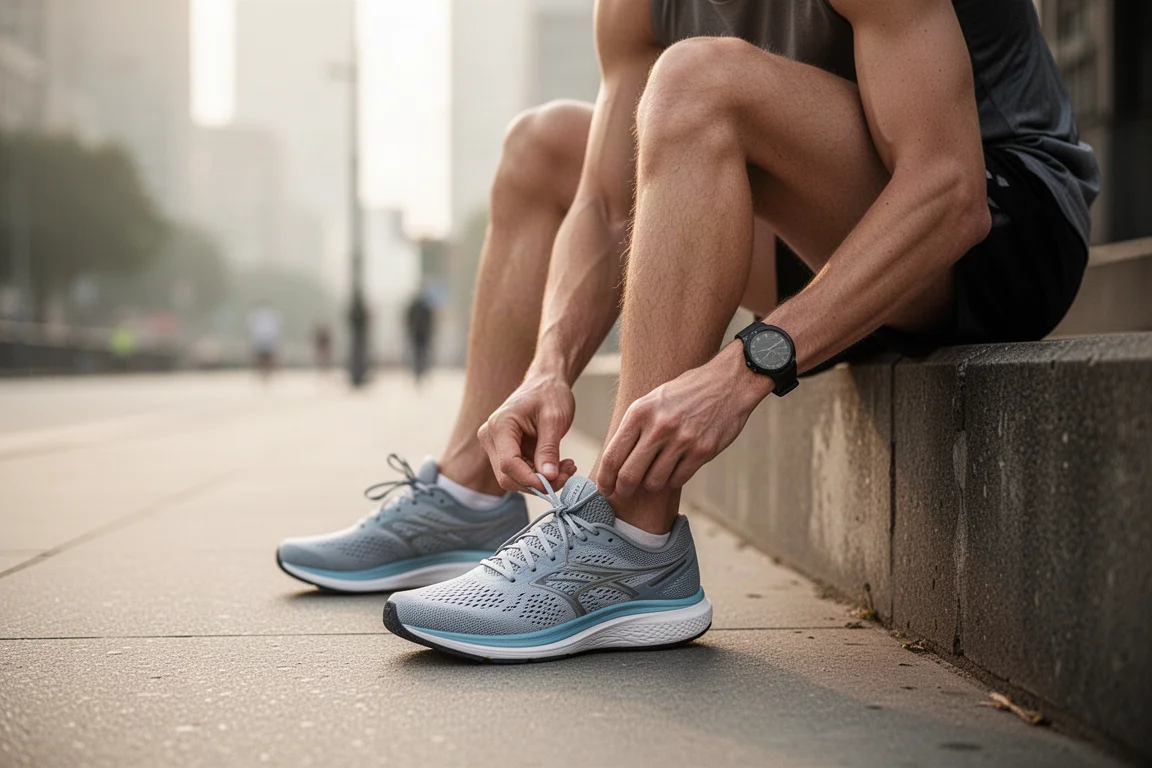
The one fit quirk is sizing. The shoe runs noticeably long, and it feels about half a size big. If you are often between sizes, going half a size down is worth considering. Once the laces are cinched down properly, the fit locks in nicely. Breathability was fine in warm conditions with normal running socks, and comfort during the walk test was immediately solid, making this a plausible candidate for long days on your feet as well as running.
Weight, Stack, and Specs
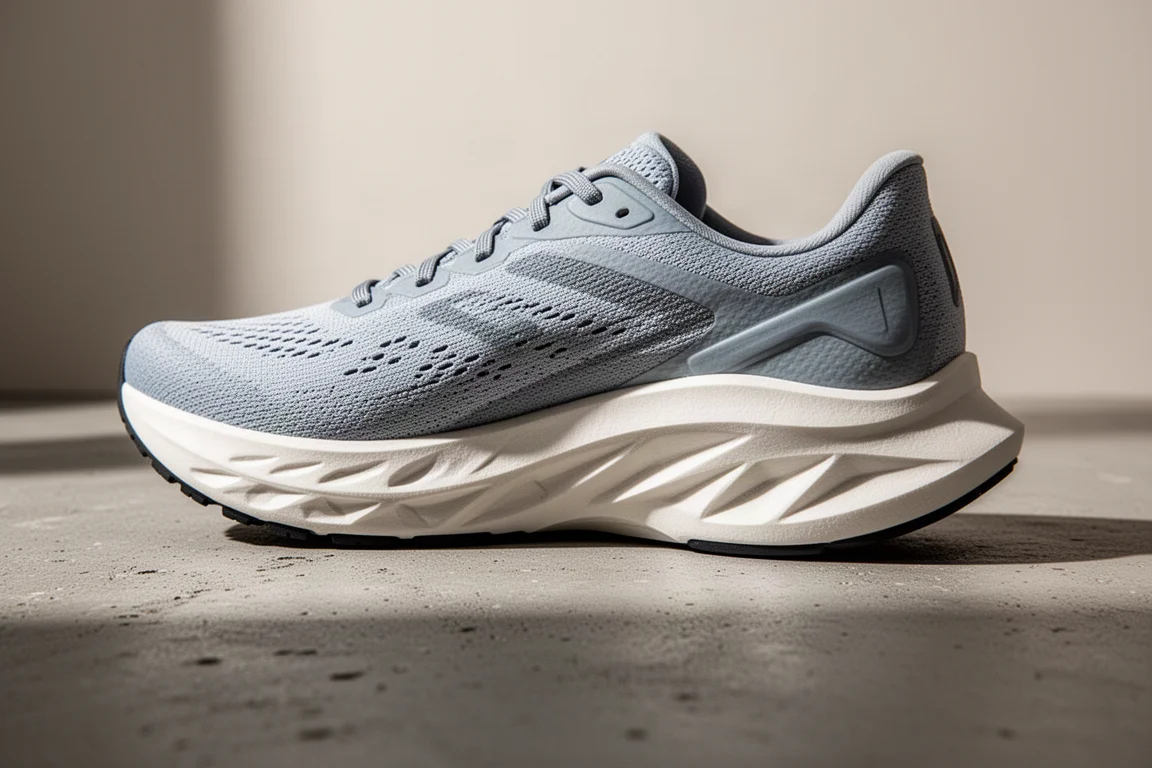
On the scale, the Aero Glide 3 came in at around 275 grams per shoe, which is remarkably light for a shoe with a tall stack. Both shoes weighed within a gram of each other, which speaks to good quality control. Measured stack height came in at roughly 42 mm in the heel, giving this shoe an excellent weight-to-stack ratio.
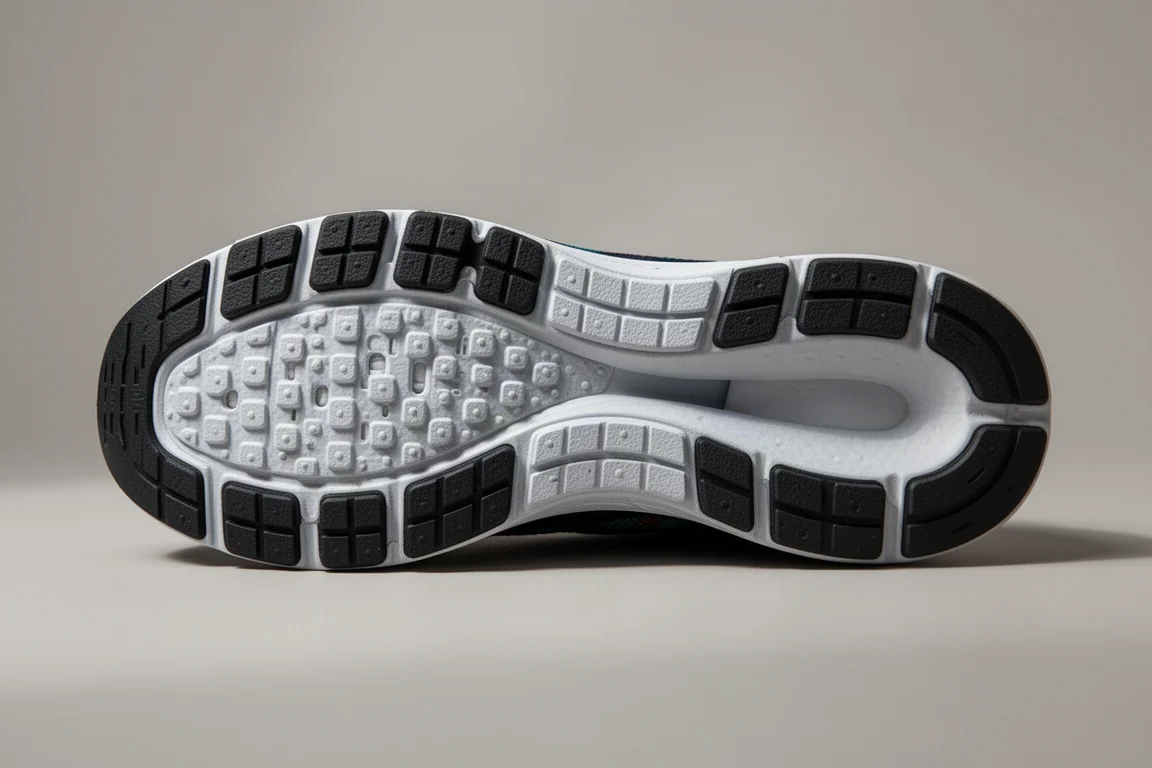
For context, that is lighter than many daily trainers with far less cushion. The base width in the heel is generous at around 95 mm, which helps the shoe feel far more stable than its squishy foam might suggest. The outsole uses Salomon’s Contagrip rubber, and the midsole features strategic foam cutouts at the heel that help keep weight down and add a unique floaty quality to the ride.
The Foam Is the Story
The beaded TPU midsole is what separates this shoe from the pack. It sits in that ideal middle zone between too soft and too firm, with high compression resistance from the bead structure and an immediate snap-back that keeps the ride feeling lively. The bounce out of the box is among the strongest of any training shoe tested recently, and unlike some bouncy shoes, it is not restrained at slower paces.
The comparison that keeps coming up is Adidas Boost, reportedly produced by the same manufacturer, but this foam feels softer and bouncier than classic Boost. It also lands closer to a more broken-in version of the beaded TPU seen in earlierSaucony Triumph models, and it evokes what many runners hoped the Saucony Triumph 23 would be: bouncy, comfortable, smooth, and cohesive over long distances. Over a 12-mile first run, the foam did not bottom out or lose its balance, which bodes well for long-run duty.
How It Compares to Other Max-Cushion Shoes
Against the Hoka Bondi 9, the Aero Glide 3 is lighter, bouncier, and more fun, while the Bondi leans harder into pure comfort with its super critical EVA and smooth rolling ride. The Bondi remains the pick if you want maximum protective comfort and a moderate drop.
The ASICS Gel Nimbus 27 is another comfort-first workhorse that does not blow you away but delivers dependable cushioning, and it is slightly more stable than the Salomon. The Nike Vomero 18, with its ZoomX and ReactX combination, is a solid but unexciting cruiser that is heavier at around 325 grams and loses some bounce over long distances as the ReactX layer fatigues. The Aero Glide 3 delivers the bounce and squish many hoped the Vomero would have.
The closest spiritual rival is the Mizuno Neo Zen, another wildcard with super critical TPU foam that is soft, bouncy, and light. The Salomon is about 5 percent more stable and more restrained at relaxed paces, while the Neo Zen is lighter and arguably even more fun. Both sit in that Nova Blast category of everyday shoes that can crank the pace when asked.
Who This Shoe Is For
The Aero Glide 3 is for runners who want one shoe that can eat up everyday miles while still delivering genuine fun. It handles easy recovery jogs without feeling mushy, encourages a faster pace on steady runs, and has enough protection for long runs. It is not a speed-day shoe; anything with true race foam is still the better pick for hard workouts.
If you dislike soft shoes, be warned: this one is softer than it first appears, and that squish may not suit everyone. It is also not the most stable option in the max-cushion field, though it is far from unstable and sits roughly on par with a Gel Nimbus in that regard.
Buying Advice
At $160, the value here is strong. It is $40 cheaper than a Super Blast and $20 cheaper than a MagMax while offering comparable comfort and, by several measures, more bounce. The styling is the weakest element; the grey and red colorway is understated to the point of being plain, and a brighter colorway is the better pick if you buy.
Salomon has been chipping away at the road market with solid but under-hyped shoes, and this is the breakout. It nails its intended purpose as a comfortable, versatile, high-cushion everyday trainer, and it is one of the top new daily trainers to come out recently.

Should You Buy the Salomon Aero Glide 3?
If you want a bouncy, protective daily trainer that makes easy miles feel faster and long runs feel easier, this is an easy recommendation. It is comfortable, fun, decently stable, and priced well below its closest premium competitors. Believe the hype on this one.
Conclusion
The Salomon Aero Glow 3, more accurately the Aero Glide 3, is a complete banger of a first run: 16 miles across two sessions, no bottoming out, no fit drama beyond the half-size note, and a midsole that ranks among the best new training foams around. If you have been eyeing this shoe, it lives up to expectations.
Product link
View more details for Salomon Aero Glide 3
This product is mentioned in the review. Check the specifications, options, and compatibility before buying.
View more details for Salomon Aero Glide 3Further reading
Related Reviews
Running Shoes
Best Road-to-Trail Running Shoes: Three Versatile Options for Mixed Terrain
A practical guide to three road-to-trail running shoes that handle both pavement and mild trails, with clear strengths and trade-offs for different runner types.
Running Shoes
Best Running Shoes for Achilles Tendonitis: Three Options Explained
Three running shoes with different heel drops and support features designed to help reduce Achilles tendon pain during walking and running.
Running Shoes
Best Running Shoes for Women: Five Top Choices Ranked
A ranked guide to five women's running shoes, from versatile daily trainers to high-performance racing options, with real strengths and trade-offs for each.