Running Shoes
Salomon Aero Glide 3 GRVL Review: A Crossover Trail Shoe Built for Dirt and Pavement
A stout, durable gravel-crossover trainer with a lively Energy Foam EVO midsole, strong mud grip, and one important caveat: it needs a long break-in.
Introduction
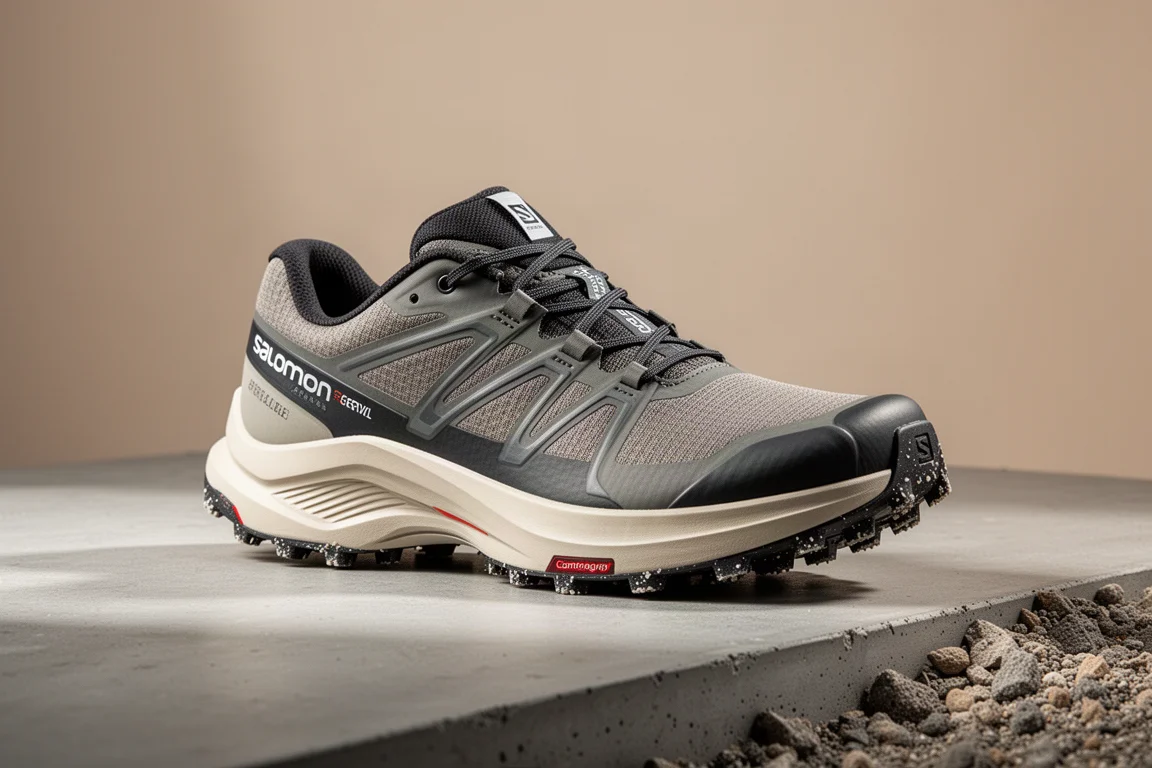
The Salomon Aero Glide 3 GRVL sits in an interesting spot: it is a crossover shoe made for people who spend most of their miles on dirt and gravel but still need to link together stretches of pavement and road. In testing that covered roughly 60% dirt and 40% pavement in a single outing, it worked exactly as intended. The Contragrip outsole held firm in mud, on climbs, and over roots, the Energy Foam EVO midsole delivers a plush, lively ride, and at $159 the value proposition is strong. There is one significant caveat to work through first, though: break-in time.
Who This Shoe Is For
This is a shoe for the commuter-runner. If you live near the trails but have two, three, or four miles of pavement before you reach your five, six, or seven mile dirt loop, this is precisely the tool for that routine. It is also an easy shoe to imagine on much bigger journeys. Think of the people who run across the country every summer, mixing dirt roads and paths with the road crossings and bridges they cannot avoid. A route that is 70 to 80% on dirt with the remainder on pavement is exactly where this shoe makes sense.

If your running is almost entirely on smooth roads, or if you are planning technical mountain scrambles, this probably is not your shoe. But for mixed-surface training days, it has serious potential.
Main Strengths
The midsole is the headline. Salomon’s Energy Foam EVO is plush and soft while still delivering a lively underfoot experience, and the reverse camber geometry provides a smooth rocker shape for efficient heel-to-toe transitions. Once broken in, the ride is genuinely enjoyable.
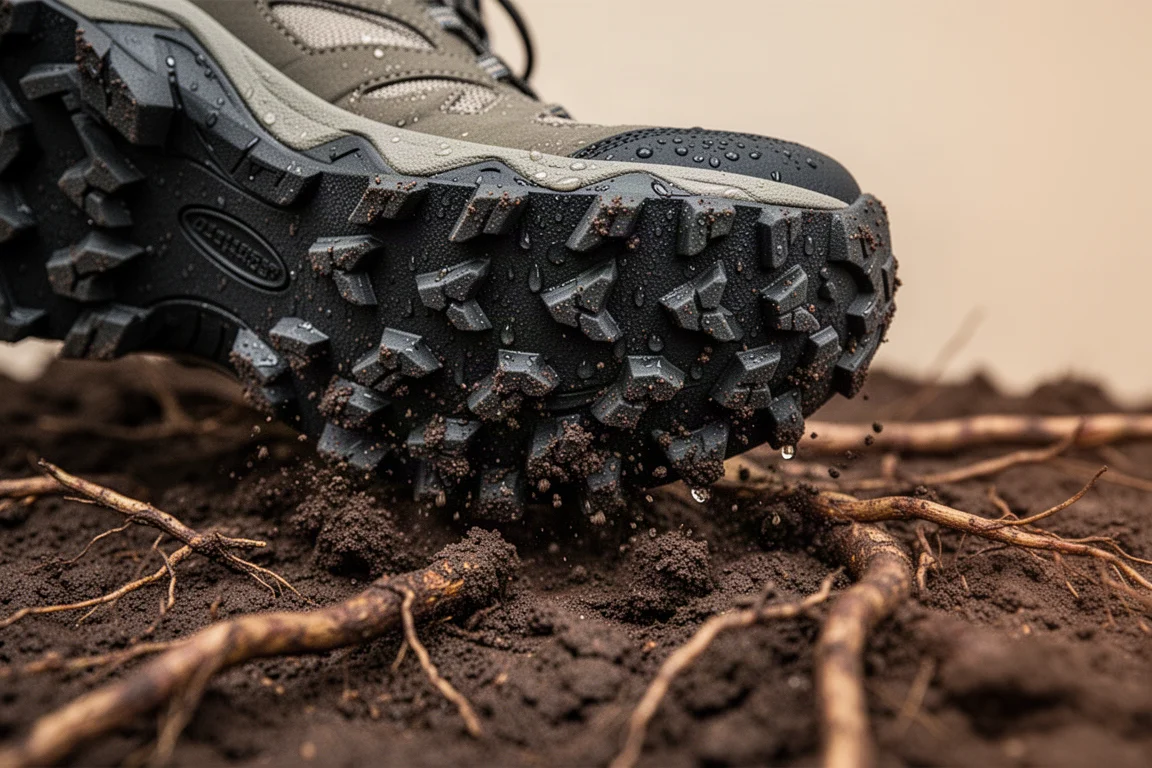
The outsole deserves equal praise. The Contragrip rubber handled mud, climbing, and root-covered sections without a single moment of feeling like a slip was coming. A decoupled groove adds flexibility, and the lugs measure around 3.5mm, enough bite for dirt without making the shoe clumsy on pavement.
The upper is thoughtfully built too. A semi-gusseted tongue lays comfortably across the foot, the construction is slightly waterproof, which helps keep grit out in muddy conditions, and overlay protection through the toe box keeps mud and muck where they belong: outside the shoe. An OrthoLite footbed rounds out the comfort story.
Hard numbers back this up. In testing, the shoe measured 39 on the durometer, a softness level that reads very well for a durable crossover, and it came in at 8.3 ounces, comfortably under the 10-ounce threshold where most runners start to feel weighed down. The heel counter is pretty plush without being excessive, and the 8mm drop suits runners who prefer more heel-to-toe offset than the 4 or 6mm common on trail shoes.
Things to Consider Before Buying
Two things deserve honest attention. First, break-in time. The Energy Foam EVO midsole needs a real marinating period before it opens up, and testing suggests at least 100 miles before it fully feels like your shoe. For lighter runners that process may take even longer, and a sore arch was noticeable on the first outing before the midsole had conformed. If you buy this shoe, plan to build into it gradually rather than racing in it out of the box.
Second, the stack height. It is genuinely tall, and that is the main reason this shoe would not be the choice for a big technical mountain climb. The grip could handle it, but the tall platform is not built for that kind of terrain. If you lean toward lower stack heights for daily training, keep that in mind.

The toe cap is also worth noting: it is decent but not overly stout. Kick a rock hard and you would probably feel it. On the flip side, the lighter construction there is arguably a benefit, keeping the shoe from feeling bulky.
Buying Advice
At $159, this is an easy recommendation for the right use case, and a 100% buy at that price point. If Salomon moved it to $179 or $189, the calculus would get much harder, so the current pricing is genuinely part of the appeal. Descriptors that fit: bulky, stout, durable, crossover, and one that needs to marinate under your foot before it opens up.
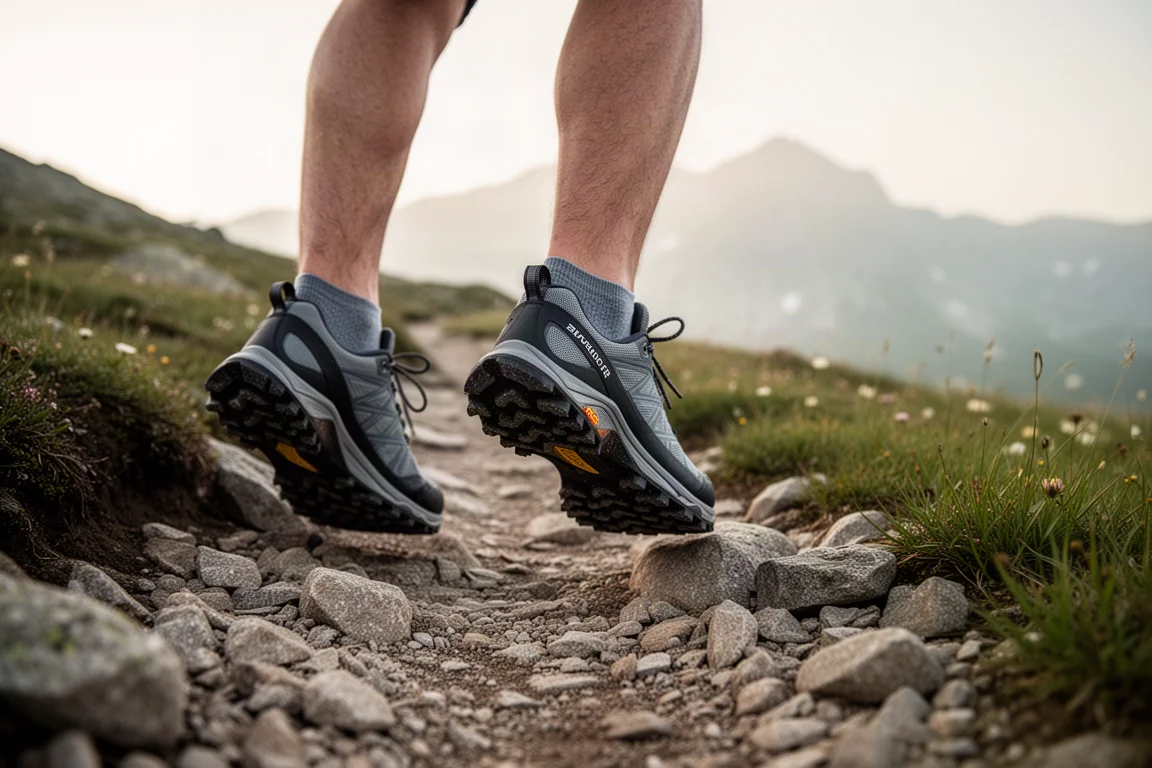
One practical note: sizes are moving quickly at retailers, so if the mixed-surface crossover fit sounds like your situation, do not wait too long. For comparison points in the same crossover territory, the La Sportiva Prodigio Pro comes to mind, and honestly that shoe would still get the slight edge at this stage. But the Aero Glide 3 GRVL is not far behind, and its blend of plush Energy Foam EVO comfort, Contragrip traction, and dirt-to-pavement versatility makes it a compelling option for daily training on mixed terrain.
Conclusion
The Salomon Aero Glide 3 GRVL does one job very well: it bridges the gap between road and trail for runners whose routes mix both. A lively, plush midsole, dependable grip in mud and on roots, a comfortable and slightly waterproof upper, and a reasonable $159 price make it easy to recommend, provided you accept the long break-in and the tall stack height. For commuters, gravel-road runners, and anyone chasing a dirt-heavy training mix, it is a shoe worth serious consideration.
Product link
View more details for Salomon Aero Glide 3 GRVL
This product is mentioned in the review. Check the specifications, options, and compatibility before buying.
View more details for Salomon Aero Glide 3 GRVLFurther reading
Related Reviews

Running Shoes
Best Road-to-Trail Running Shoes: Three Versatile Options for Mixed Terrain
A practical guide to three road-to-trail running shoes that handle both pavement and mild trails, with clear strengths and trade-offs for different runner types.

Running Shoes
Best Running Shoes for Achilles Tendonitis: Three Options Explained
Three running shoes with different heel drops and support features designed to help reduce Achilles tendon pain during walking and running.

Running Shoes
Best Running Shoes for Women: Five Top Choices Ranked
A ranked guide to five women's running shoes, from versatile daily trainers to high-performance racing options, with real strengths and trade-offs for each.