Running Shoes
Salomon Aero Blaze 3 Review: The Boring-Looking Daily Trainer Worth Trying
A lightweight beaded TPU daily trainer with a balanced, responsive ride that punches above its understated design.
Introduction
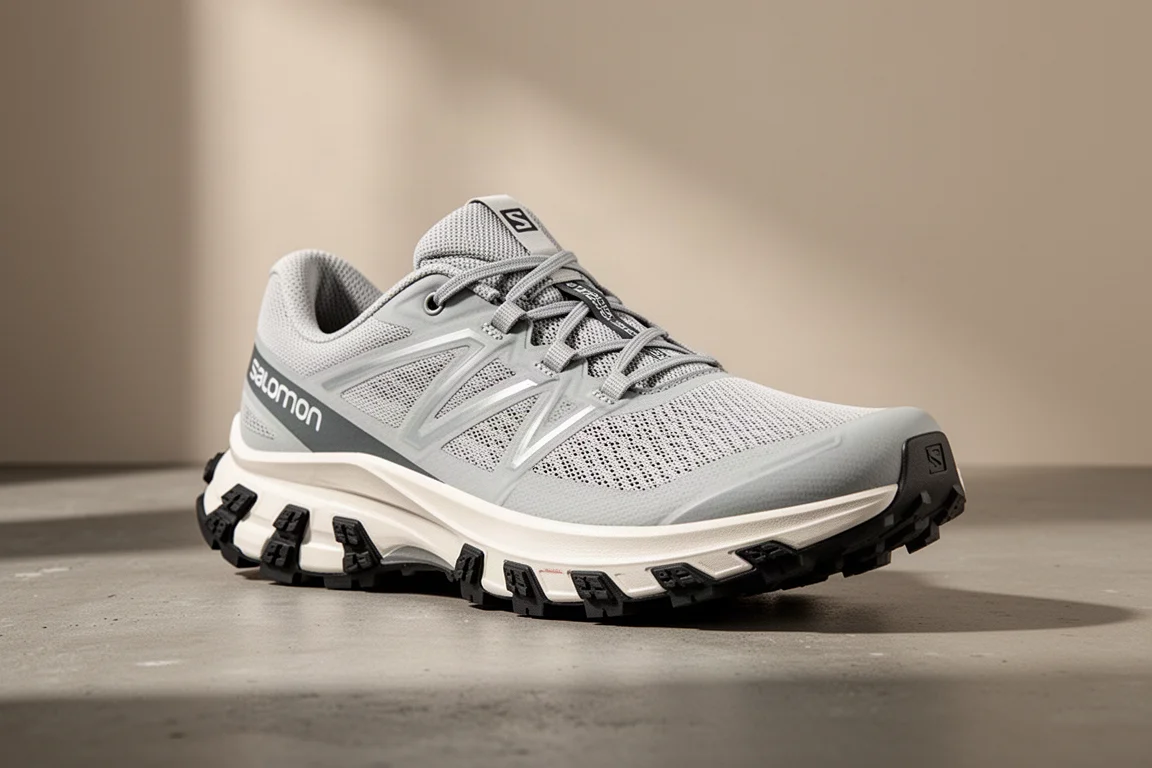
Some shoes win you over with bold design and marketing. The Salomon Aero Blaze 3 does the opposite. Its silhouette is about as understated as running shoe design gets, and Salomon is not a brand most road runners think of first. Yet this turned out to be one of the more enjoyable daily trainers we have spent time in, and it deserves a place on more people’s shortlists.
Who This Shoe Is For
The Aero Blaze 3 is best suited to runners who prefer a slightly firmer, more responsive feel underfoot rather than deep squish. If you like a shoe that absorbs impact but still gives back when you push the pace, this is squarely your lane. It is light enough to dip into speed work, agreeable enough for easy everyday miles, and versatile across just about any kind of running you might throw at it.

Specs and Build
On paper, the Aero Blaze 3 stacks 35 mm at the heel with an 8 mm drop, leaving 27 mm in the forefoot. The midsole is 100% beaded TPU foam, called Optivibe. Curiously, the heel is stamped Energy Foam Evo, but whatever the label says, the material is the same beaded TPU used in its sibling, the Aero Glide 3.
The outsole gets a thick helping of Salomon’s Contagrip, adapted for roads rather than trails. Rubber wraps the entire perimeter of the shoe, so you get solid coverage no matter where your foot lands first, plus a strip through the forefoot and a channel around a trampoline-style pad up front. A large cavity toward the center and heel gives the foam room to compress on landing.
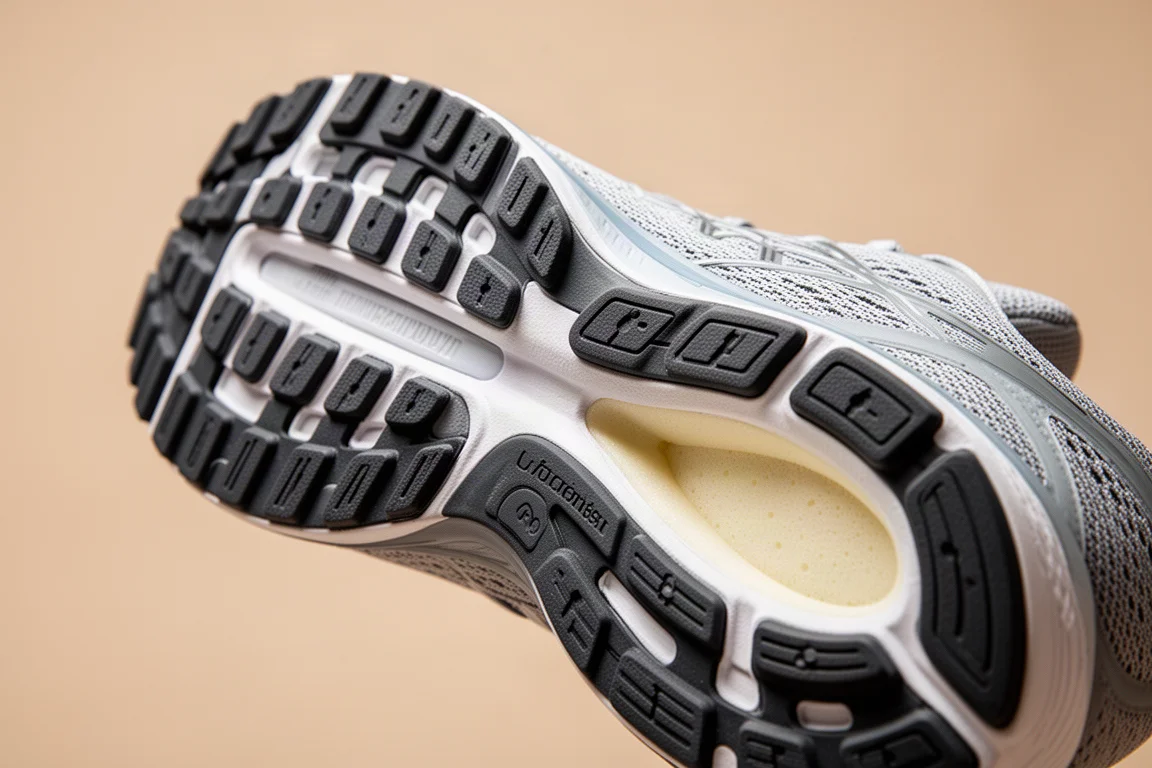
The upper is a thin, breathable engineered mesh. The tongue is thin and lightly padded, our preferred style, and while it is not gusseted, lace loops keep it in place. The heel cup has a small amount of padding and mild, flexible structure rather than a rigid counter. Inside sits a comfortable Ortholite insole.
Sizing advice: stick with your usual running shoe size. Salomon is a European brand and its fit can run a touch snug, but for road use the standard size worked well.
Weight and Feel
The shoe tips the scales at 8.1 oz (230 g), genuinely light for a daily trainer. That lightness is a big part of the fun factor here. The cushioning sits right in the middle ground: not squishy, not unnecessarily firm. It absorbs impact well on landing and carries a pleasant springiness that rewards harder efforts. When you press into the foam, it gives a bit more back in a very satisfying way.
On-Road Performance
The beaded TPU here is light, cushioned, and speedy, which was a genuine surprise given that the same foam in the taller Aero Glide 3 felt merely good rather than excellent. Geometry and stack height clearly matter, and with the Aero Blaze 3 Salomon seems to have found the optimal setup for this foam.

One honest caveat: the shoe lacks a bit of aggressiveness to be a full-on tempo shoe, even though it is light enough to play that role occasionally. As an all-rounder that still feels speedy, though, it works beautifully. It recalls what made past lightweight trainers great, the kind of shoe that slots into almost any rotation without fuss.
Things to Consider Before Buying
- If you love very soft, squishy shoes, the balanced mid-level cushioning may feel a touch firm for your taste.
- As a tempo shoe specifically, it is capable but not aggressive enough to fully commit to that role.
- The design is deliberately plain. If looks drive your purchases, temper expectations.
- Salomon’s snug European fit can take adjustment if you are new to the brand.
Buying Advice
At $140, the Aero Blaze 3 is priced like a serious daily trainer, and it delivers accordingly. If your priorities are lightweight construction, responsiveness, and a cushioning level that is neither too soft nor too firm, it is an easy recommendation. Try it on at a local run specialty store if you can; we suspect you will be pleasantly surprised.
Alternatives to Consider
Two current competitors stand out. The Skechers Aero Spark offers a similar lightweight, responsive daily training experience but leans further toward the tempo category, and at $130 it saves you $10. If you want something that can handle workouts well above all else, the Aero Spark makes sense; if you want a lighter, more well-rounded all-rounder, the Aero Blaze 3 wins.
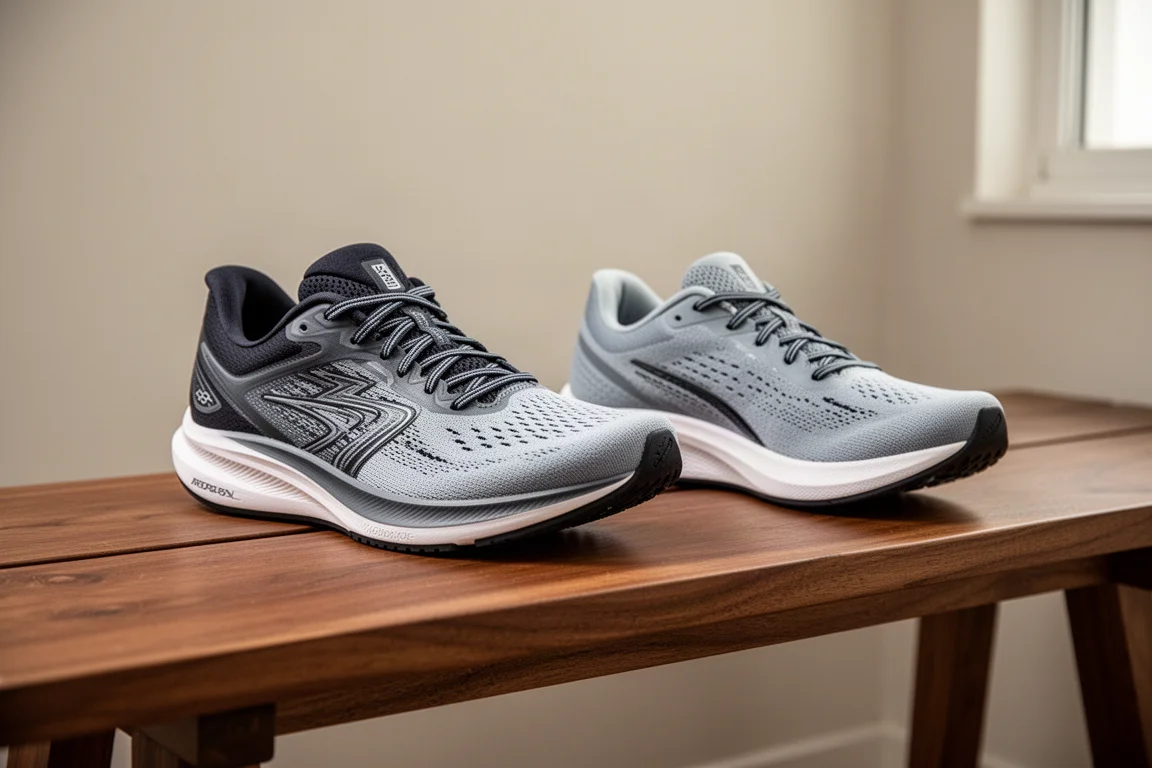
The Brooks Hyperion 3, also $140, is another genuine rival. It is a big departure from previous Hyperions, now a fun lightweight daily trainer that can pick up the pace much like the Aero Blaze 3. It feels a bit heavier in hand, has a puffier heel collar for more comfort, and runs slightly squishier. Your choice between the two comes down to the underfoot feel you prefer at the same price.
Conclusion
The Salomon Aero Blaze 3 proves that a dull-looking shoe can still be a genuinely fun one. With its light 230 g build, well-balanced beaded TPU cushioning, grippy full-perimeter road outsole, and breathable upper, it handles daily miles and light speed work with equal confidence. For runners seeking a responsive, not-too-soft daily trainer, it is absolutely worth a try.
Product link
View more details for Salomon Aero Blaze 3
This product is mentioned in the review. Check the specifications, options, and compatibility before buying.
View more details for Salomon Aero Blaze 3Further reading
Related Reviews

Running Shoes
Best Road-to-Trail Running Shoes: Three Versatile Options for Mixed Terrain
A practical guide to three road-to-trail running shoes that handle both pavement and mild trails, with clear strengths and trade-offs for different runner types.

Running Shoes
Best Running Shoes for Achilles Tendonitis: Three Options Explained
Three running shoes with different heel drops and support features designed to help reduce Achilles tendon pain during walking and running.

Running Shoes
Best Running Shoes for Women: Five Top Choices Ranked
A ranked guide to five women's running shoes, from versatile daily trainers to high-performance racing options, with real strengths and trade-offs for each.