Fountain Pens
Sailor Tuzu Fountain Pen Review: A Funky Adjustable-Grip Pen That Works
The Sailor Tuzu offers an adjustable nib angle system, a steel broad nib, and a converter in the box for around $37 to $40. Here is what to like and what to nitpick.
Introduction
Some pens try to reinvent the wheel. The Sailor Tuzu is more modest: it reinvents just one small part of the fountain pen experience, and it does so in a way that turns out to be genuinely useful. Sailor, the Japanese brand founded in 1911 and still the original company, has built a pen with an adjustable nib position, something rarely seen at this price point.
This is not an adjustable nib in the broad-to-fine sense. It adjusts the angle of the nib relative to the section, letting you tune how the pen meets the paper to match your grip. That idea sounded like a gimmick at first, but after spending time with it, it makes real sense. Here is a full breakdown of the parts, the writing experience, and the honest likes and dislikes.
Design and Build: A Different Direction for Sailor
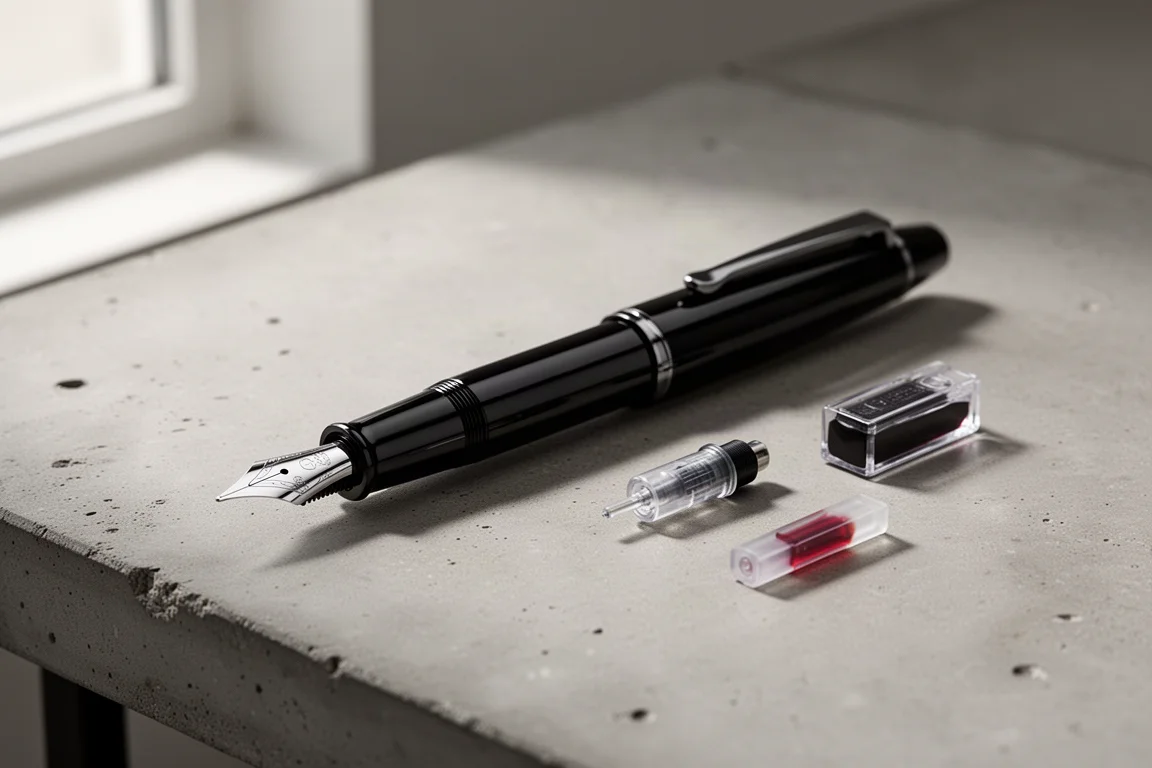
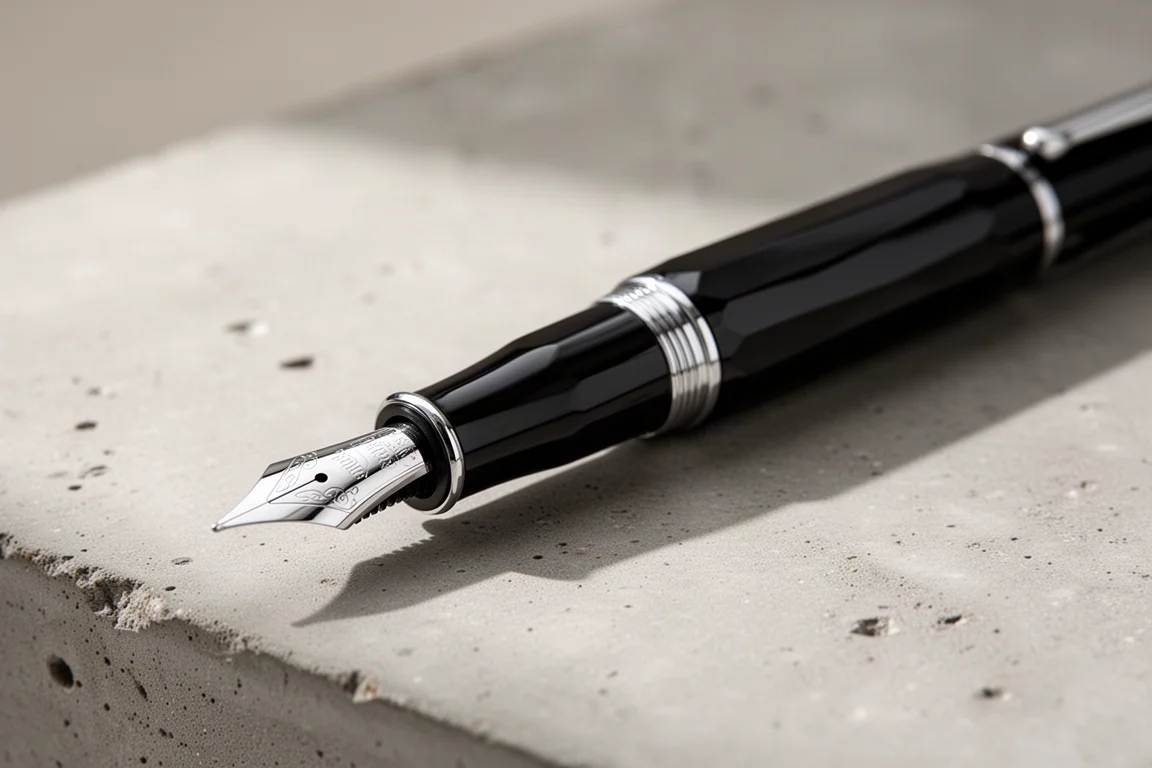
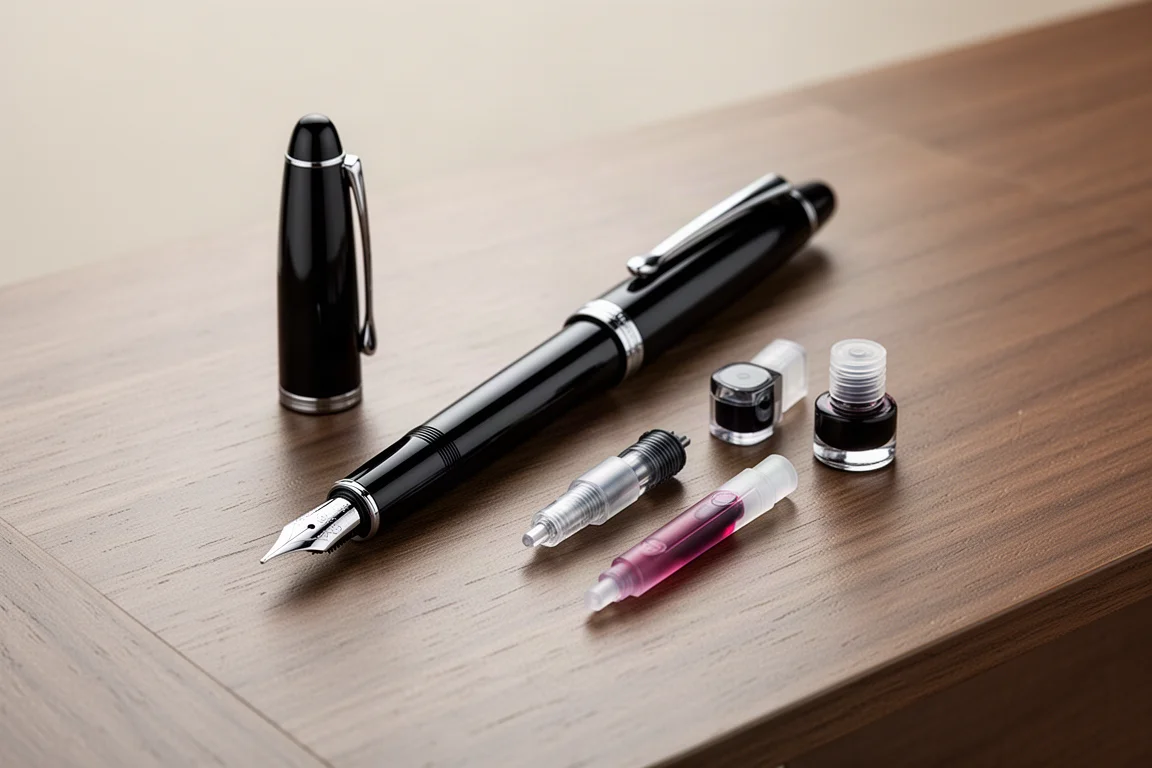
The Tuzu arrives in a peculiar box with a loop tie that is nearly impossible to reassemble. Inside sit the pen, two proprietary ink cartridges, and an extensive information booklet explaining how the adjustment system works. The pen itself is an intensely glossy black, with a baby-green accent color that gives it a distinct personality compared to Sailor’s classic cigar-shaped, gold-trimmed fare.
In terms of size, it sits about the same length as a Pilot Prera but girthier in the hand. The cap is a slip cap that pops off cleanly. The clip looks like plastic at first glance, but it carries a metal core, so the initial worry about flimsiness fades quickly. The nib itself will look familiar to anyone who has seen a Lamy Safari, with that same broad, open-nib silhouette, and it carries Sailor’s cute anchor logo.
One small aesthetic complaint: there is a slight gap between the cap and barrel. It is barely visible at a glance, but once noticed it is hard to unsee, and it gives the impression that the section was not screwed in far enough.
The Adjustable Nib Angle System Explained
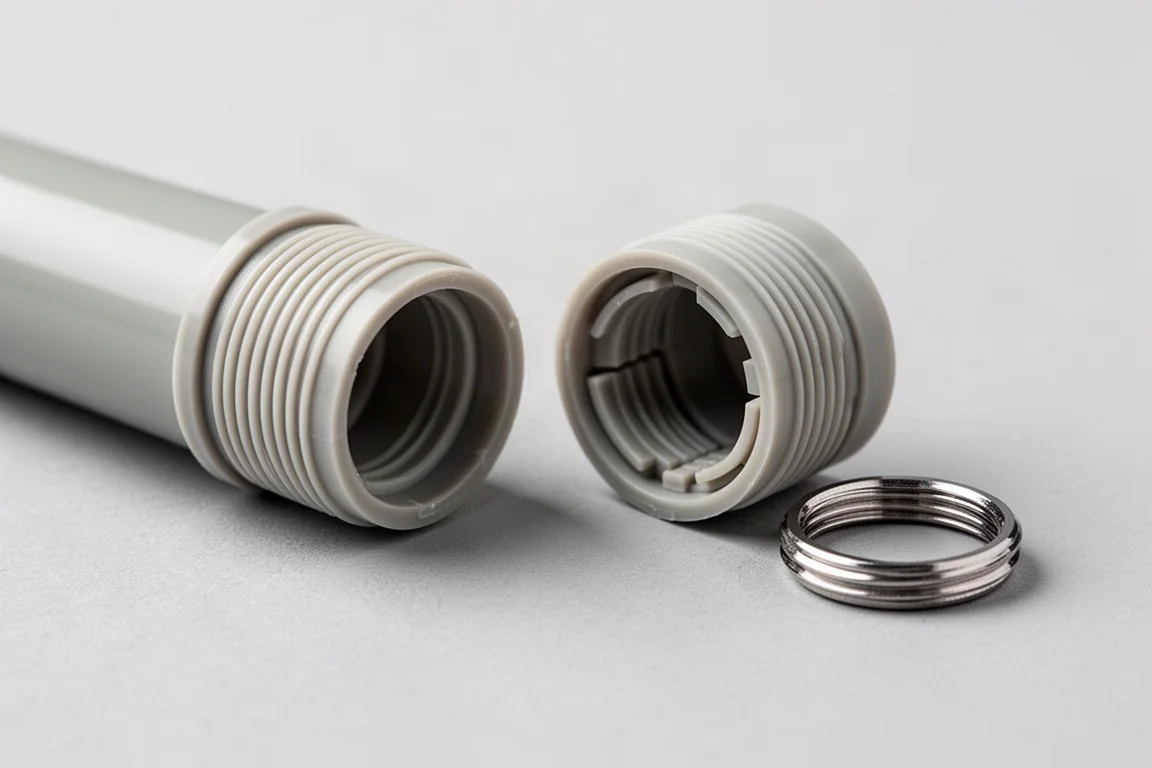
Here is where the Tuzu earns its novelty. The section has a facet on each side, a round area at the bottom, and a metal ring near the nib. Unscrewing that metal ring, you do not need to remove it entirely, exposes the trick. The plastic piece under it has ridges all around, and inside the section are matching grooves. Lining up a ridge with a groove lets the entire nib and feed assembly slide out and reposition at any angle you want.
Want the nib rotated to one side because you hold your pen at an angle? Done. Want the facets facing up instead of down, essentially creating an oblique nib on a budget? Done. Some companies barely make oblique nibs anymore, so this is a genuinely clever workaround. Once you find your angle, you slide the metal ring back up, tighten it carefully so it does not fall off completely, screw the barrel back on, and you are ready to write.
The adjustment takes a little fiddling on the first go, but it is not difficult, and notably you can do it without dirtying your fingers. Where the Lamy Safari forces you to hold the pen the way Lamy thinks you should, the Tuzu adapts to you.
Writing Performance: Smooth, Wet, and Round
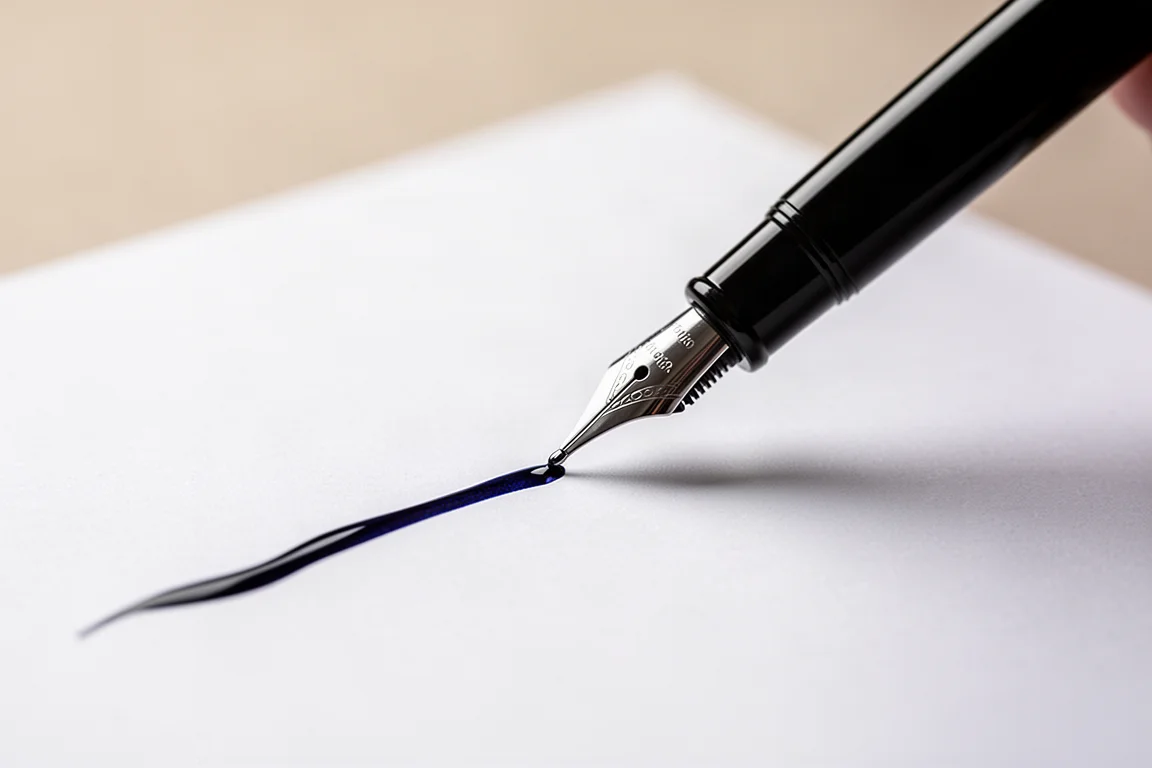
The steel broad nib on this sample wrote with Waterman blue-black on smooth Pelican paper. Japanese broad tends to run about one nib grade less than a Western broad, so this behaves more like a Western medium. It is not the broadest of broads, but the flow is well balanced, not too wet and not too dry.
Sailor nibs are known for their characteristic feedback, and this one still shows a touch of it on very smooth coated paper, but overall it is remarkably smooth and pleasant. The line is quite round without stub-like qualities or significant line variation. The nib is on the stiffer side, so there is no flex to speak of, though reverse writing is possible with a slightly narrower line.
What We Like
There is quite a lot to like here. The price sits around $37 to $40, which is not terrible for what you get, especially as Sailor pens go. The brand also makes far more expensive pens, so this is a relatively affordable entry into the lineup.
The adjustable grip was initially met with skepticism, but it turned out to be the feature that makes this pen work. The default setting did not quite suit, and after a bit of fiddling the pen was dialed in to a comfortable spot. Sailor also moved away from their timeless classic torpedo shape here, and that willingness to do something a little differently is refreshing.
The pen comes with a proprietary converter included plus two cartridges, which is generous. More expensive pens often make the converter a separate purchase, and since these are proprietary parts you would genuinely need them lying around otherwise. Starting to write straight out of the box is a real convenience.
What Could Be Better
The nib’s look is purely subjective, and this reviewer has never particularly cared for the wide open nib aesthetic, but that is a matter of taste rather than a flaw. The gap between cap and barrel is the other nitpick. It is small, it is subtle, but once spotted it lingers. Neither complaint really diminishes the overall package.
Buying Advice
For what it is and for the price you pay, the Tuzu delivers a lot of pen. It is a comfortable size, it writes well, and the adjustable nib angle system is a feature you will actually use rather than a forgotten gimmick. If your grip has never quite fit standard fountain pens, or you have wished for an oblique nib without paying oblique prices, this is worth a close look.
Conclusion
The Sailor Tuzu is a funky, affordable pen from a historic Japanese brand that does one unusual thing remarkably well. It lets you set the nib angle to match your hand, it writes smoothly, and it ships with everything you need to start writing immediately. The cap-barrel gap and the divisive nib look are minor trade-offs. If a personalized grip sounds appealing, this one is easy to recommend.
Product link
View more details for Sailor Tuzu
This product is mentioned in the review. Check the specifications, options, and compatibility before buying.
View more details for Sailor TuzuFurther reading
Related Reviews
Fountain Pens
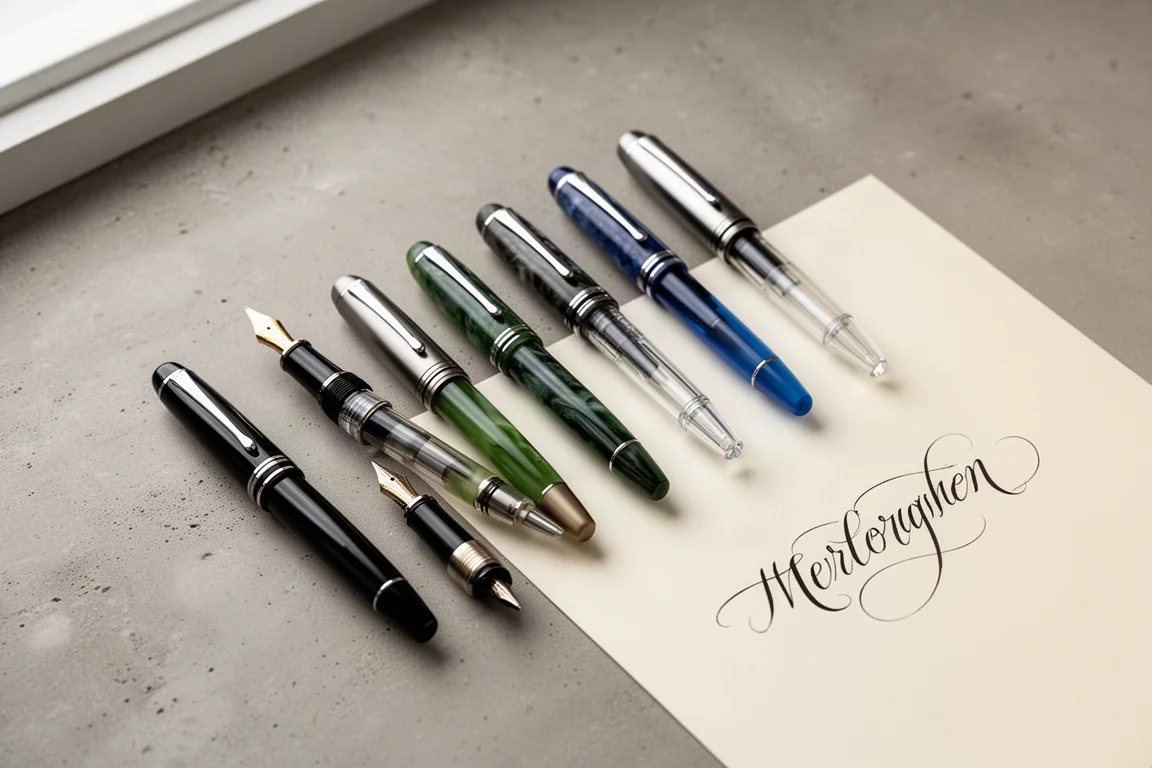
Best Budget Fountain Pens Tested: 9 Pens, One Clear Winner
A hands-on comparison of nine affordable fountain pens for everyday writing, calligraphy, and sketching, with a clear standout for flexible nib fans.
Fountain Pens
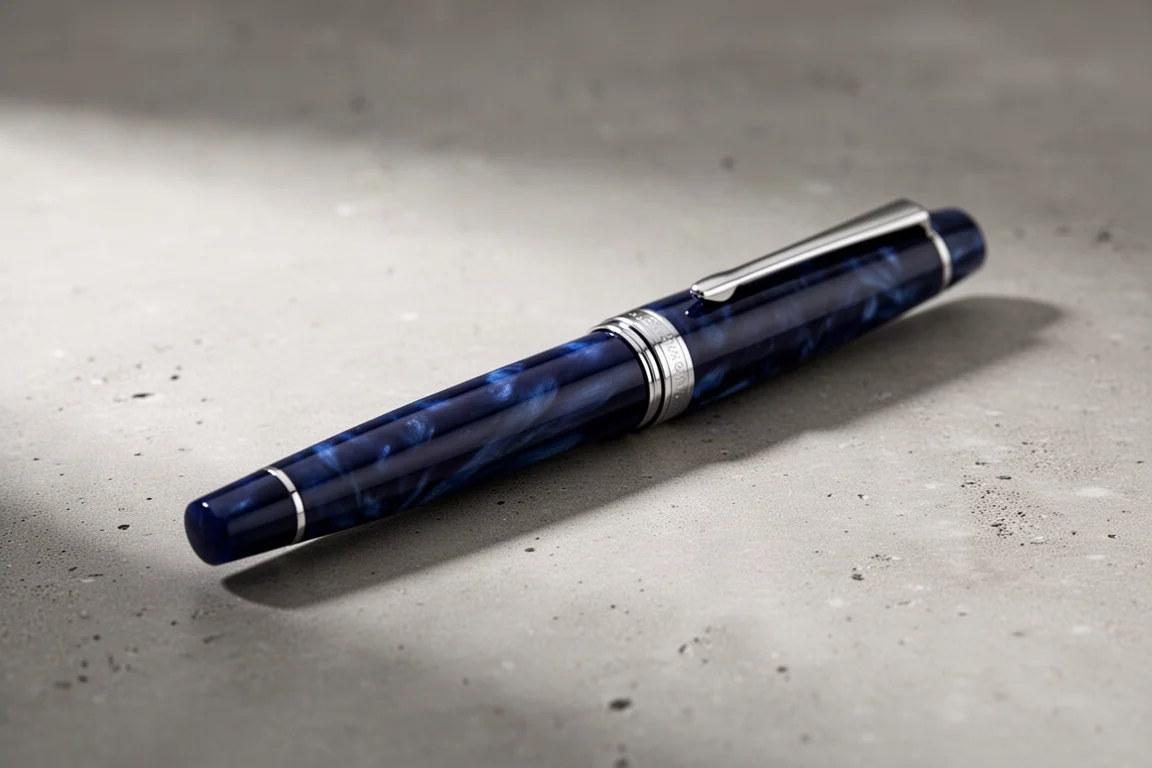
Aurora Optima Review: An Italian Piston Filler That Punches Above Its Price
A 14k gold nib, ebonite feed, and a beautifully deep oraloid body make the Aurora Optima one of the most rewarding piston fillers around.
Fountain Pens
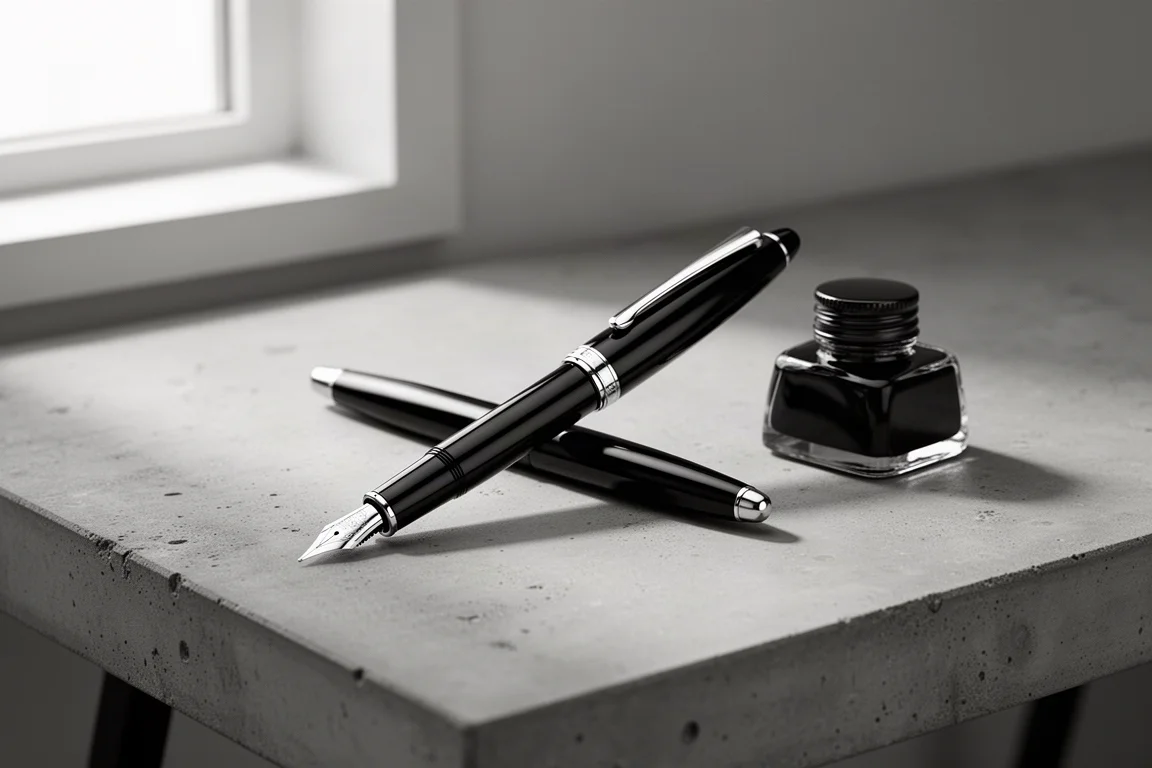
Cross Bailey Light Review: The Entry-Level Fountain Pen Worth Keeping at the Office
A plastic-bodied Cross with a metal clip, snap cap, and famously smooth extra fine steel nib. Around $15, available almost everywhere, and easy to recommend.