Fountain Pens
Sailor 1911 Large Maki-e Red Fuji and Cranes Review: A Fountain Pen You Can Feel
Hand-painted maki-e artwork over urushi lacquer, a 21k gold medium nib, and classic Sailor writing character make this one of the most special pens in the 1911 lineup.
Introduction
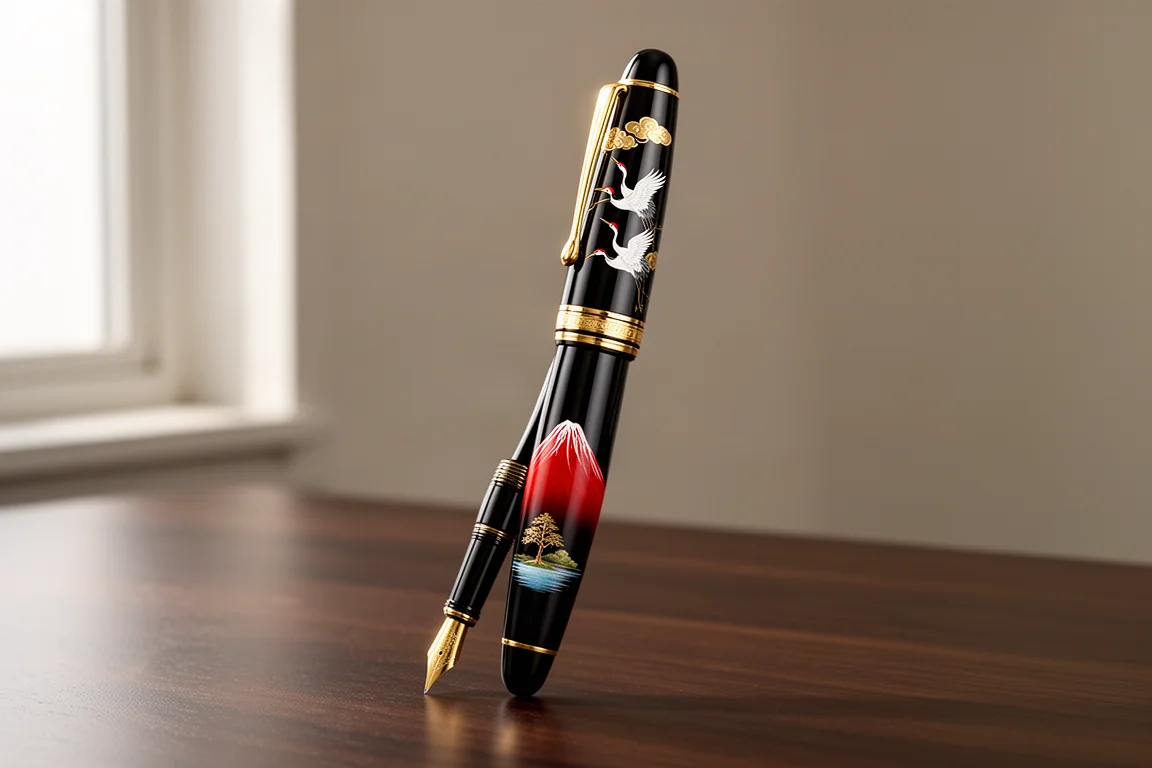
Some fountain pens arrive as review samples. This one arrived as a Christmas gift from my in-laws, and it was a complete surprise. The Sailor 1911 Large Maki-e Red Fuji and Cranes is one of those pens that sits in a different category from a standard 1911: same mechanical bones underneath, but with hand-painted maki-e artwork and urushi lacquer that change how the pen looks and feels in the hand.
Sailor pens are already expensive, and once you add hand-applied artwork on top, prices climb quickly. So is this pen worth the jump over a regular 1911 Large? Let’s take a closer look.
Unboxing and Presentation
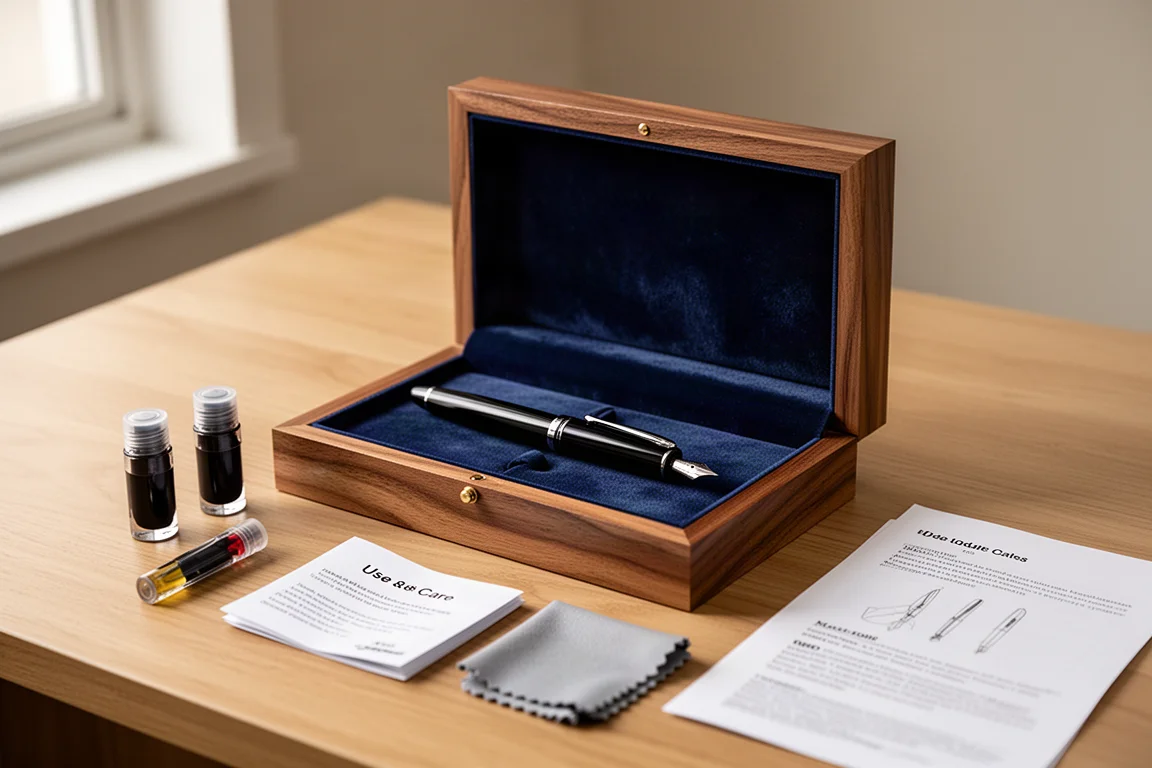
The pen ships in a plain white sleeve that opens into a genuine wooden presentation box. In the fountain pen world, a wooden box is usually a good sign, and this one is real wood all the way through. Inside sits a blue velvety interior tray holding the pen itself.
The accessory set is thorough: two Sailor ink cartridges, a slip of protective wrapping, the standard Sailor use and care guide, a polishing cloth, and some Japanese-language documentation, likely the warranty card and shop materials. Note that the pen does not include a converter, so plan to have one on hand if you prefer bottled ink.
The Maki-e Artwork
This is the Red Fuji and Cranes edition, one of Sailor’s maki-e editions on the 1911 Large body, also known as the 1911 Profit depending on whether you are browsing the Japanese or US site. The base is a glossy black lacquer, and the artwork is genuinely hand painted: a tree at the bottom of the barrel with water or land beneath it, a red Mount Fuji with a small lake in front, and two cranes with clouds near the top.
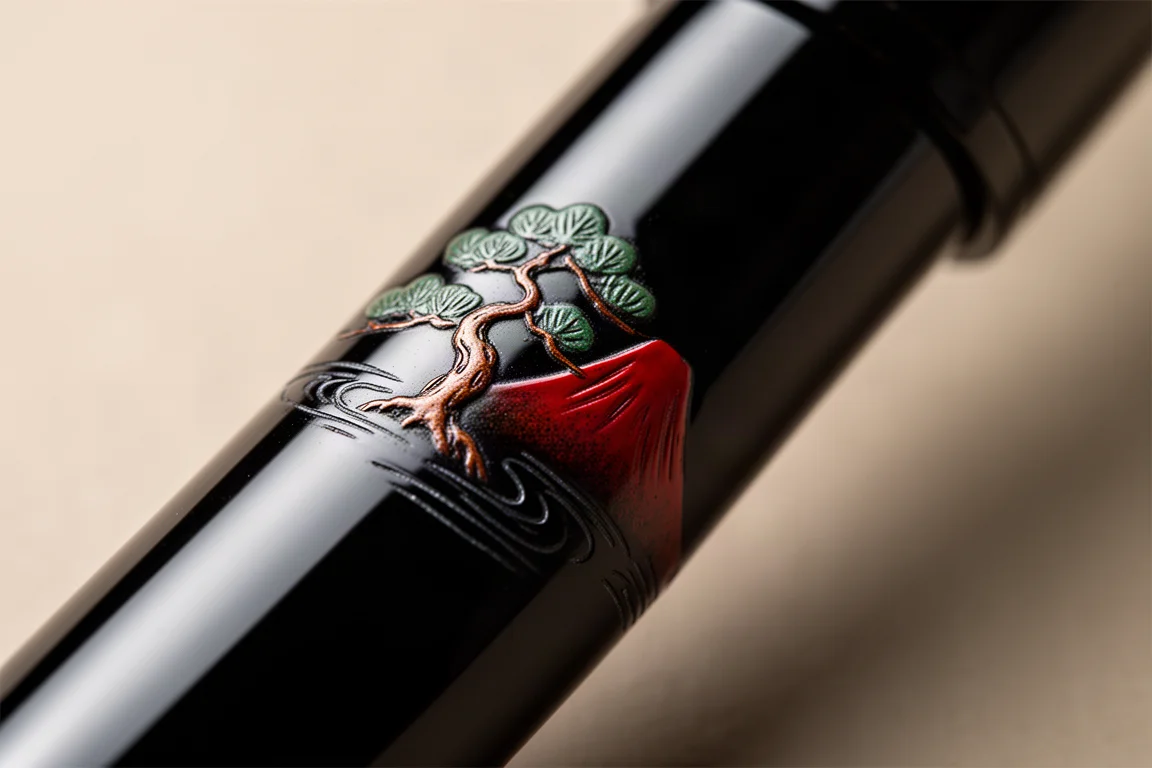
The key detail is that the artwork is physical. You can feel the raised painted and lacquered areas under your fingers, and the urushi finish adds its own texture and depth. If you have handled other maki-e pens, this one has the same tactile quality. The standard Sailor hallmarks are all here too: the Sailor band, the “Sailor Japan Founded 1911” marking, the standard clip, and gold trim. Functionally, it is no different from a regular 1911 Large, but the artwork makes it feel special in a way a standard pen does not.
The Nib and First Impressions
The pen carries a 21-karat gold medium nib with the updated Sailor logo. For someone used to Japanese fines and extra fines, this medium writes noticeably broad, closer to a slightly-finer-than-Western medium than a typical Japanese needle-thin line.
What stands out is the line character. The tip has an almost built-in architect-style geometry, with downstrokes running a touch thinner than cross strokes. It is a subtle effect, but it gives everyday handwriting a slightly architectural feel without any custom grinding.
Writing Performance
In use, the nib writes very wet and consistent, exactly what you would expect from Sailor. There is feedback, and it is audible, almost pencil-like, but it is smooth feedback rather than scratchiness: nothing catching, nothing misaligned, the kind of sound you get from certain German or European nibs that want to sing a little. It had no trouble keeping up with fast writing.
Paired with Sailor’s own ink, the experience is excellent. It is genuinely one of those pens so nice-looking that you hesitate to use it, though it deserves to be used, and it makes an outstanding signature pen.
Inking Up and Ink Pairing
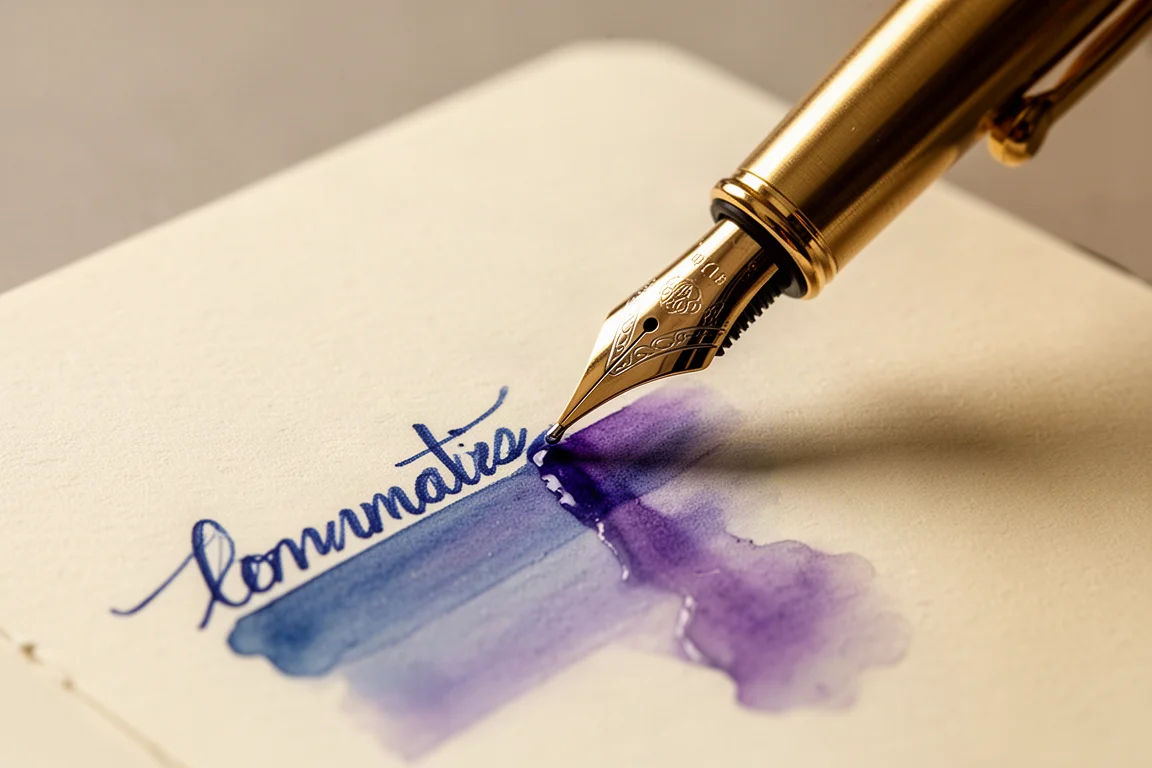
Since no converter is included, I cleaned out an existing Sailor converter and filled it by syringe with Sailor Gentle Ultramarine, a purple-leaning blue from Sailor’s discontinued old-school Gentle line. It turns out to be a fitting pairing: the blue reads like the lake under the mountain or the sky the cranes are flying through.
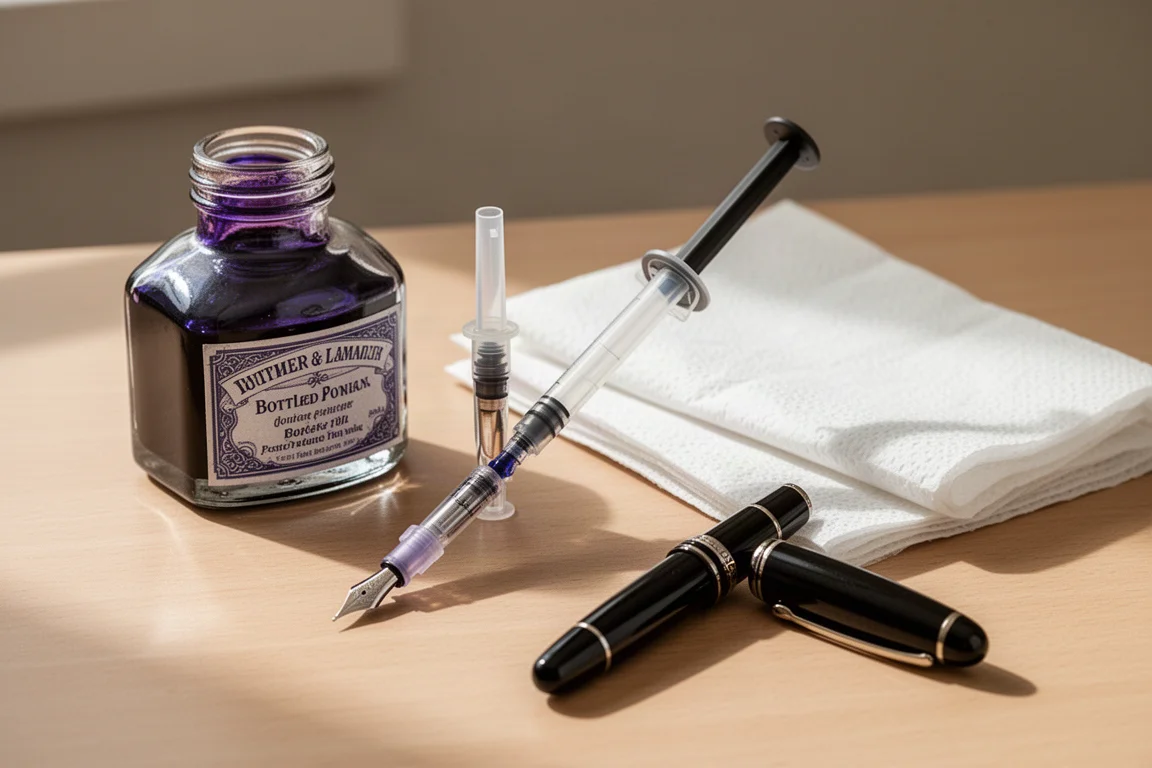
The ink itself starts out strongly blue and shifts toward purple as it dries, with the red component coming through in the dry-down. It can look almost like sheening on the page, though it is mostly a color shift rather than true sheen. Ultramarine was always one of the more underrated Gentle inks, quieter than the favorites like Grenade or Apricot, but a genuinely good color.
Buying Advice
Pricing in the US market runs roughly $450 to $600 for this model. Ordering directly from Japan, as this one was, can shave around $100 off, potentially landing near $300 to $350. If you are comfortable importing, that is a meaningful saving on an already premium pen.
This pen makes sense for two kinds of buyers: collectors who want a genuine maki-e piece with tactile, hand-painted artwork, and fans of the standard 1911 Large who want the same writing experience in something noticeably more special. If you only want a workhorse writer, a regular 1911 Large delivers the same nib and body for less money.
Conclusion
The Sailor 1911 Large Maki-e Red Fuji and Cranes is arguably one of the nicest pens in the Sailor range for the money once you import it. The artwork is the reason to buy it: a hand-painted scene of Fuji, a tree, a lake, and cranes, finished in urushi lacquer you can physically feel. Underneath all that, you still get the classic Sailor writing experience with a wet, feedback-rich 21k gold nib. It is a pen made to be used, and using it just feels fancy.
Product link
View more details for Sailor 1911 Large Maki-e Red Fuji and Cranes
This product is mentioned in the review. Check the specifications, options, and compatibility before buying.
View more details for Sailor 1911 Large Maki-e Red Fuji and CranesFurther reading
Related Reviews
Fountain Pens
Best Budget Fountain Pens Tested: 9 Pens, One Clear Winner
A hands-on comparison of nine affordable fountain pens for everyday writing, calligraphy, and sketching, with a clear standout for flexible nib fans.
Fountain Pens
Aurora Optima Review: An Italian Piston Filler That Punches Above Its Price
A 14k gold nib, ebonite feed, and a beautifully deep oraloid body make the Aurora Optima one of the most rewarding piston fillers around.
Fountain Pens
Cross Bailey Light Review: The Entry-Level Fountain Pen Worth Keeping at the Office
A plastic-bodied Cross with a metal clip, snap cap, and famously smooth extra fine steel nib. Around $15, available almost everywhere, and easy to recommend.