Tools
Two Handy Tools Worth a Look: RYOBI Portable Carver and Shur-Line Painter's Pole
A compact powered carving tool and a cleverly designed painter's pole that caught our attention for very different reasons.
Introduction
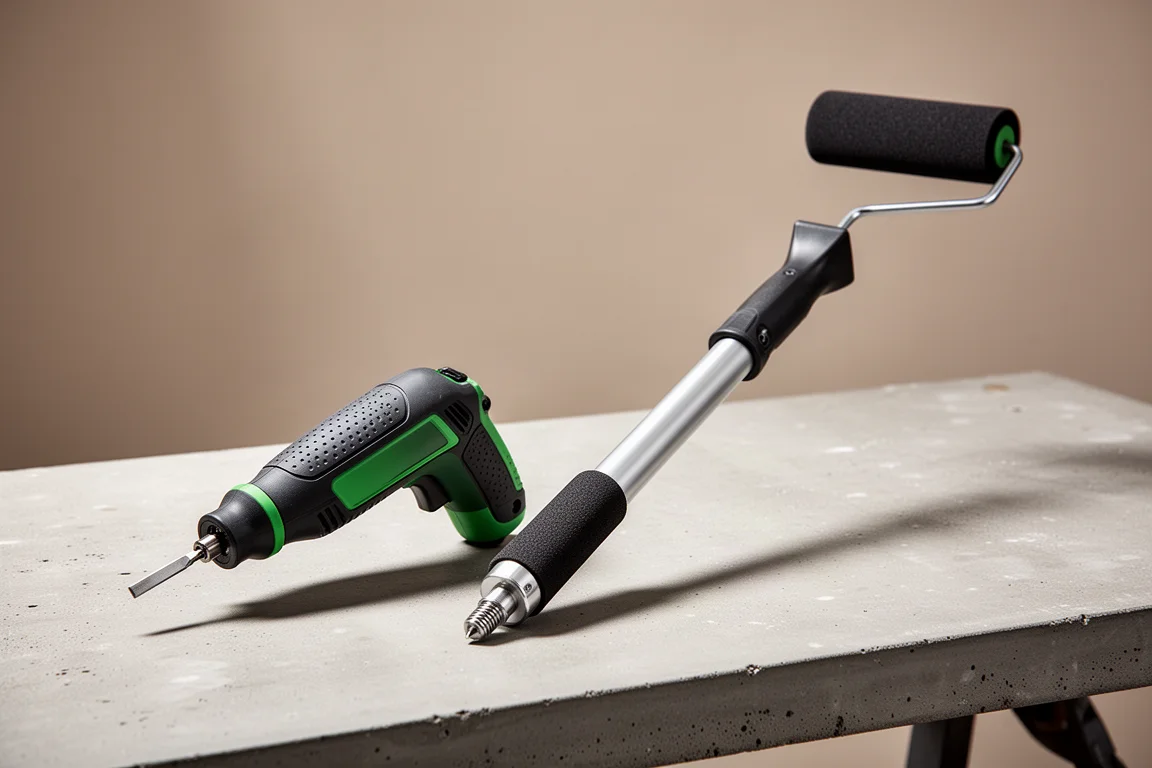
Every so often two tools show up that solve completely different problems, and both are worth a closer look. This time it is a compact powered carving tool from RYOBI and a painter’s pole from Shur-Line that impressed us more than a pole really should. One is a niche detail tool for hobbyist-style work, the other is a genuinely smart take on a product most people dread using.
RYOBI USB Lithium Portable Carver
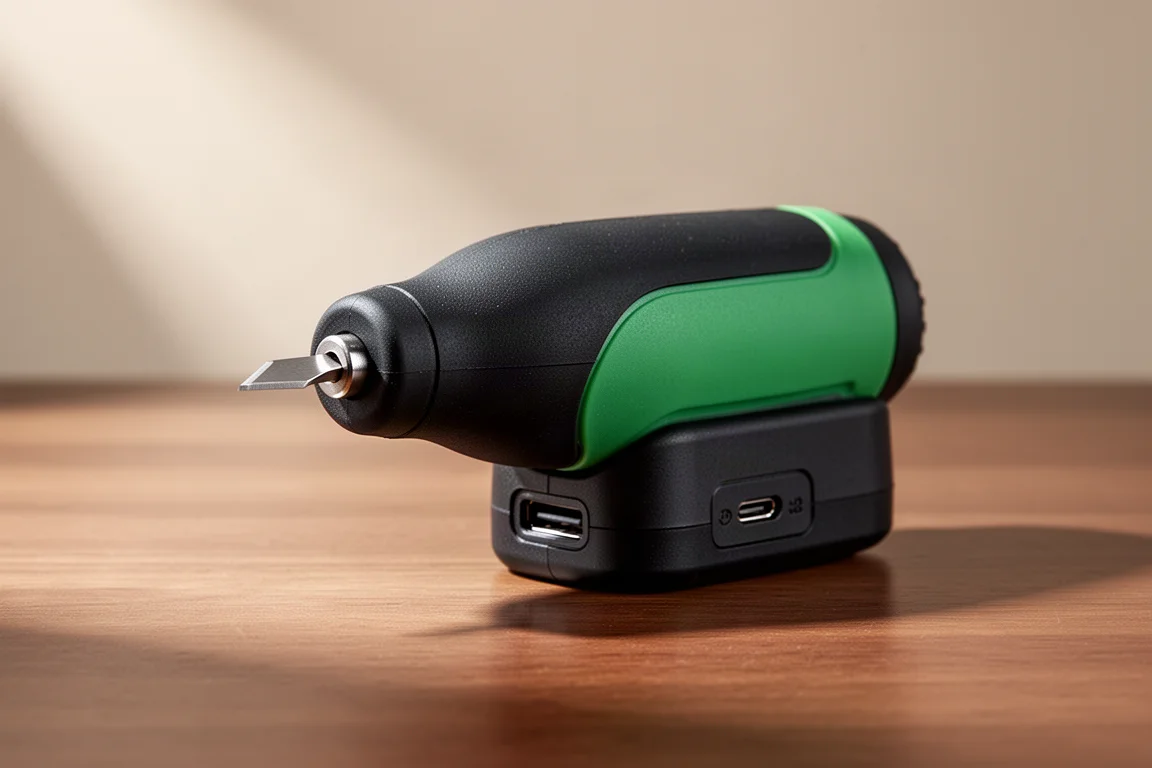
The RYOBI USB Lithium Portable Carver is essentially a powered chisel. It just came out, and it runs off RYOBI’s 4V USB Lithium platform, charging via USB-C. Out of the box it includes three tips: a flat chisel tip, a half-circle tip, and a V-groove tip, with the V-groove being the easiest one to get results with right away.
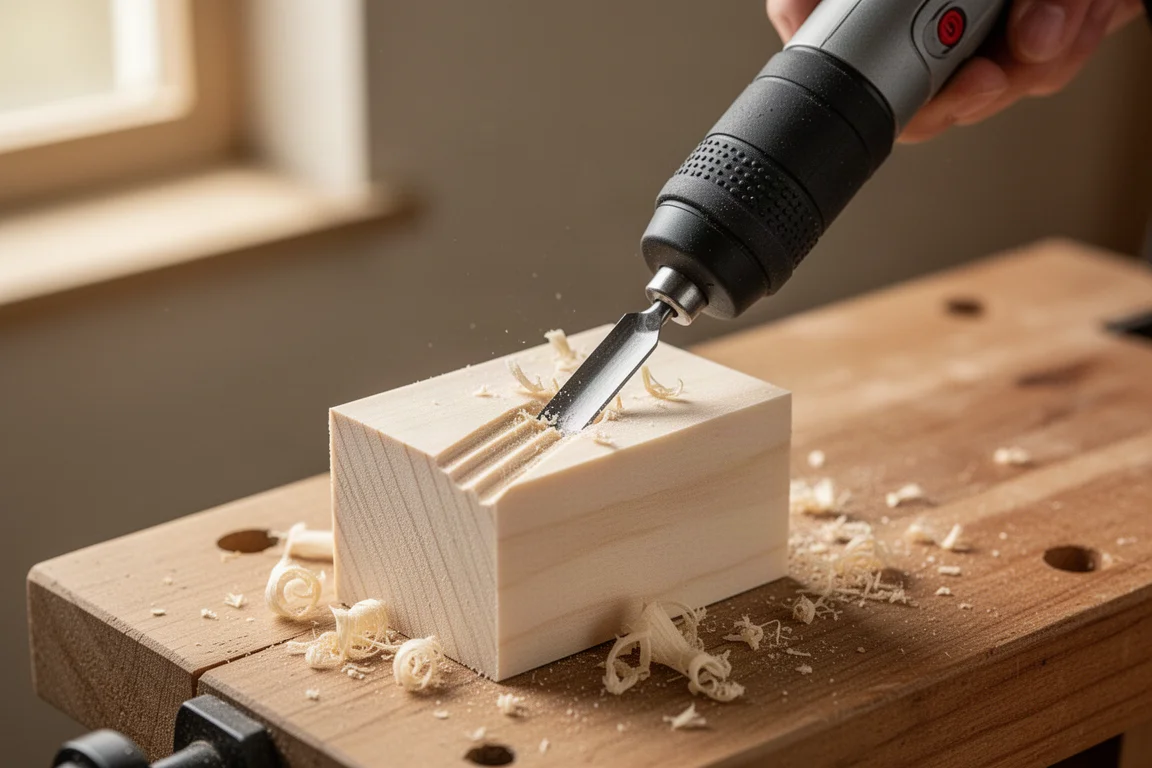
The grip is comfortable and the tool feels nicely detailed in the hand. It works by vibration rather than aggressive cutting, which shapes what it is good at. In practice it is a lot cooler in concept than in raw power; it is not as strong as we would have hoped, and on harder woods you should not expect much longevity from the 4V battery. You can buy spare batteries, but the tool is really aimed at smaller, softer material.
Around $34, it is not a big investment, and for the right user it is a nice tool to have around.
What the Carver Handles Well
This is a hobbyist tool at heart. Soft woods and detail work are where it shines, and it can even handle some light plastic work surprisingly well. It will cut into oak, but do not expect it to chew through hardwood all day; the battery and the vibration-based action set clear limits.
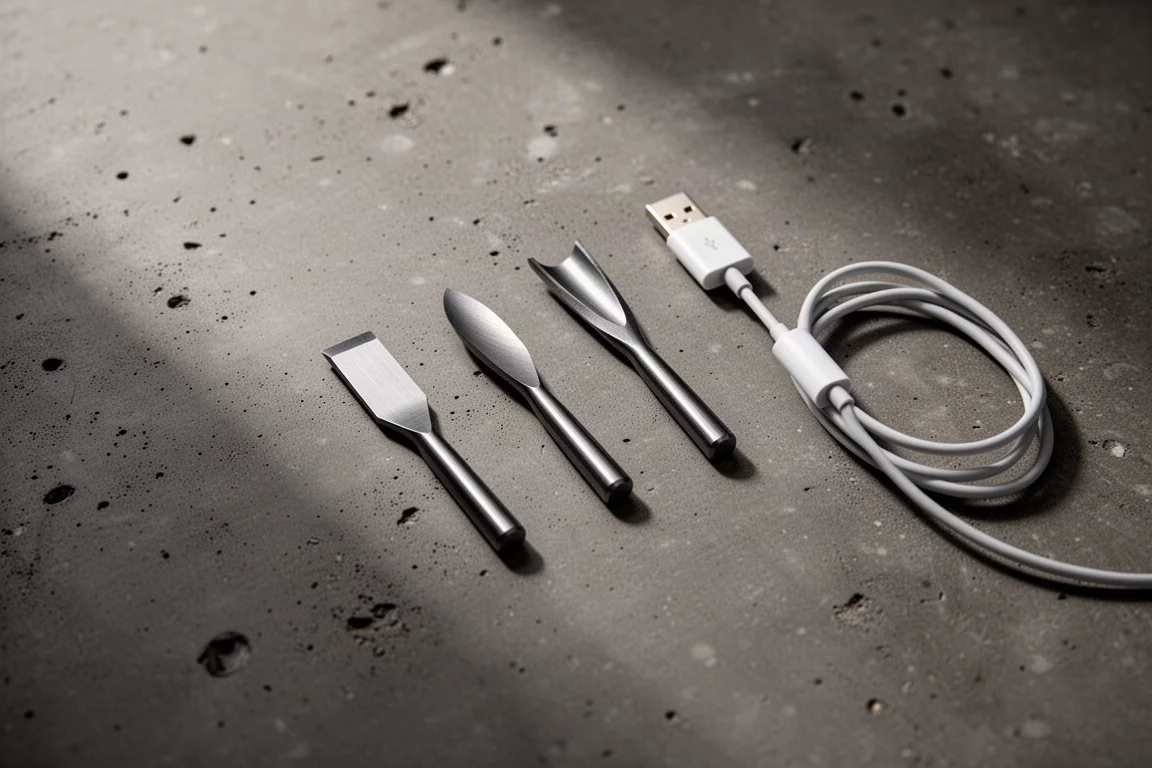
If you are doing small craft projects, carving soft stock, or detail touch-ups, it earns its spot. If you are planning to carve hardwood for hours, look elsewhere.
Shur-Line Painter’s Pole
Painting is one of those jobs most people tolerate rather than enjoy, and the usual extension poles do not help. The old-style poles with the twist ring are fiddly, especially when you are moving between high walls and low areas. The Shur-Line painter’s pole takes a different approach, and the way it extends is what sold us on it. It was impressive enough that a quick look at a hardware store turned into buying one on the spot.
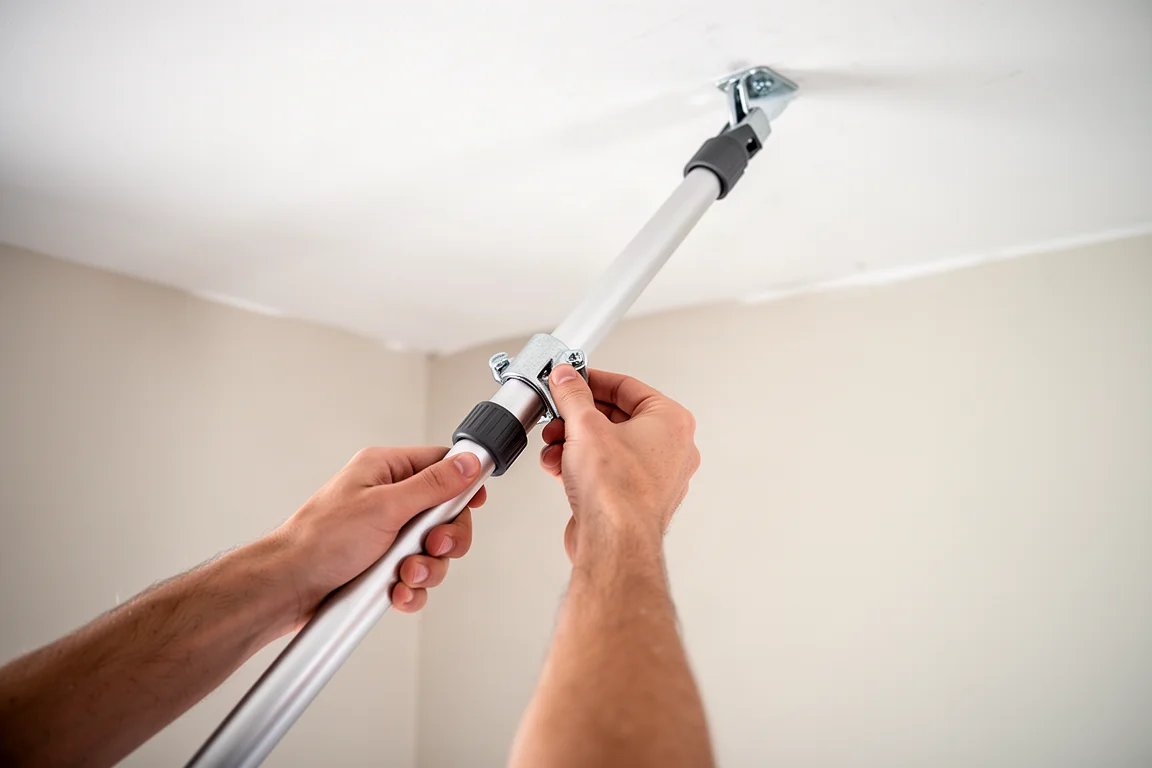
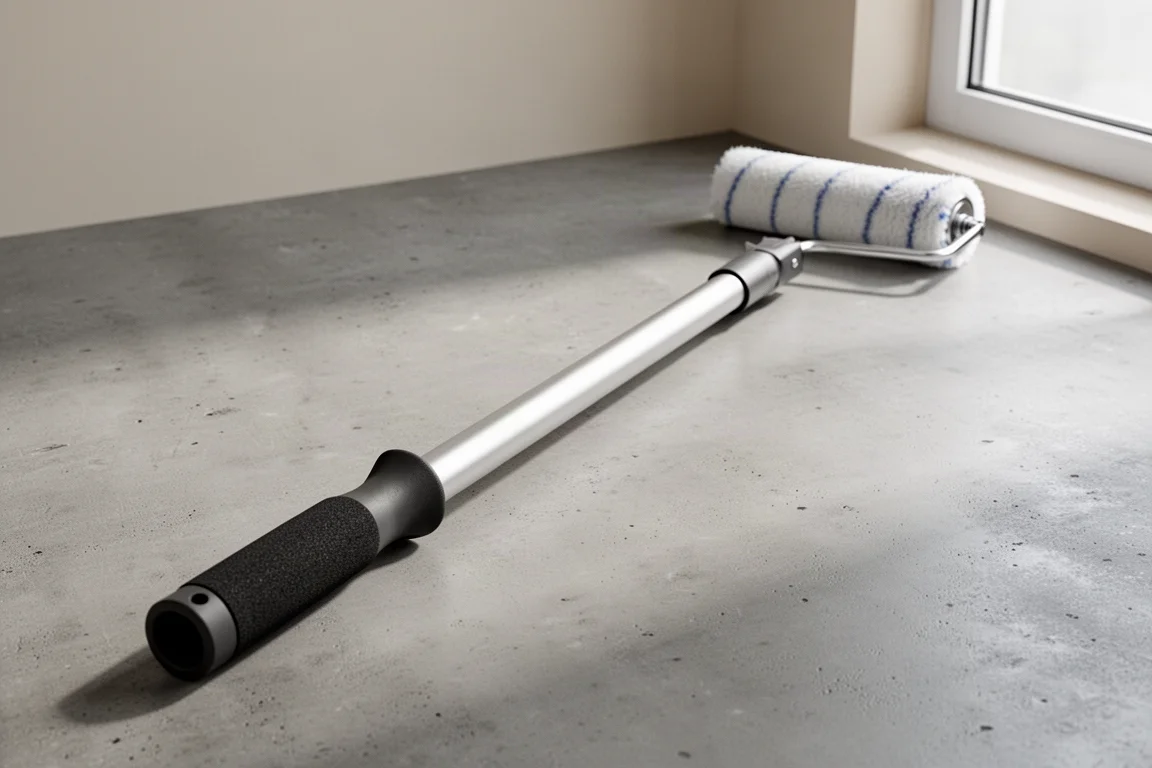
The extension action is smooth and satisfying, there is hardly any flex in the pole, and the foam handle feels good in the hand. The pole diameter looks to be around three-quarters of an inch at the working end, so attachments thread on securely. It feels light enough to maneuver overhead without much effort.
Who the Painter’s Pole Suits
It is not just for painting. Put a scrub brush on the end and it becomes a cleaning tool; anything that threads onto a standard pole end can take advantage of it. That flexibility makes it genuinely useful for small maintenance work, patching and touching up walls after running wiring, or any job where you occasionally need reach but not always.
At around $25 to $26, it is an easy impulse buy, and given how well it extends and how little it flexes, it is an easy one to justify.
Buying Advice
If your projects lean toward detail work on soft materials, the RYOBI Portable Carver is a fun, affordable addition, provided you accept its power and battery limits. If painting, cleaning, or general reach-it-all maintenance is on your list, the Shur-Line pole is the more universally useful of the two and works with a wide range of threaded attachments. Both are inexpensive enough that the right fit comes down to the kind of work you actually do.
Conclusion
One tool is a niche detail carver with real charm but modest power, and the other is a cleverly engineered pole that makes a dreaded chore a little less annoying. Match them to your projects and both can earn a permanent spot in the toolbox.
Further reading
Related Reviews

Tools
Best Contractor Grade Tape Measures 2026: Eight Models Tested Head to Head
We tested eight contractor grade tape measures from Milwaukee, DeWalt, Crescent Lufkin, Tajima, Stanley, Irwin, Gelan, and Craftsman to find the best value and performance.

Tools
Best Precision Screwdriver Sets 2026: Manual and Electric Options Compared
We compare 19 precision screwdriver sets, from budget manual kits to electric drivers, to find the strongest bits and best value.

Tools
Best Stud Finders 2026: Five Popular Models Put to the Test
We tested five popular stud finders on drywall, firewall, and lath and plaster surfaces to see which ones really find studs and avoid false readings.