Outdoor Gear
Ryobi Battery-Powered Cooler Review: A Fridge You Can Take Anywhere
A battery-powered portable cooler that chills down to -4°F without ice, with three power options and a 23-hour claimed runtime in the right conditions.
Introduction
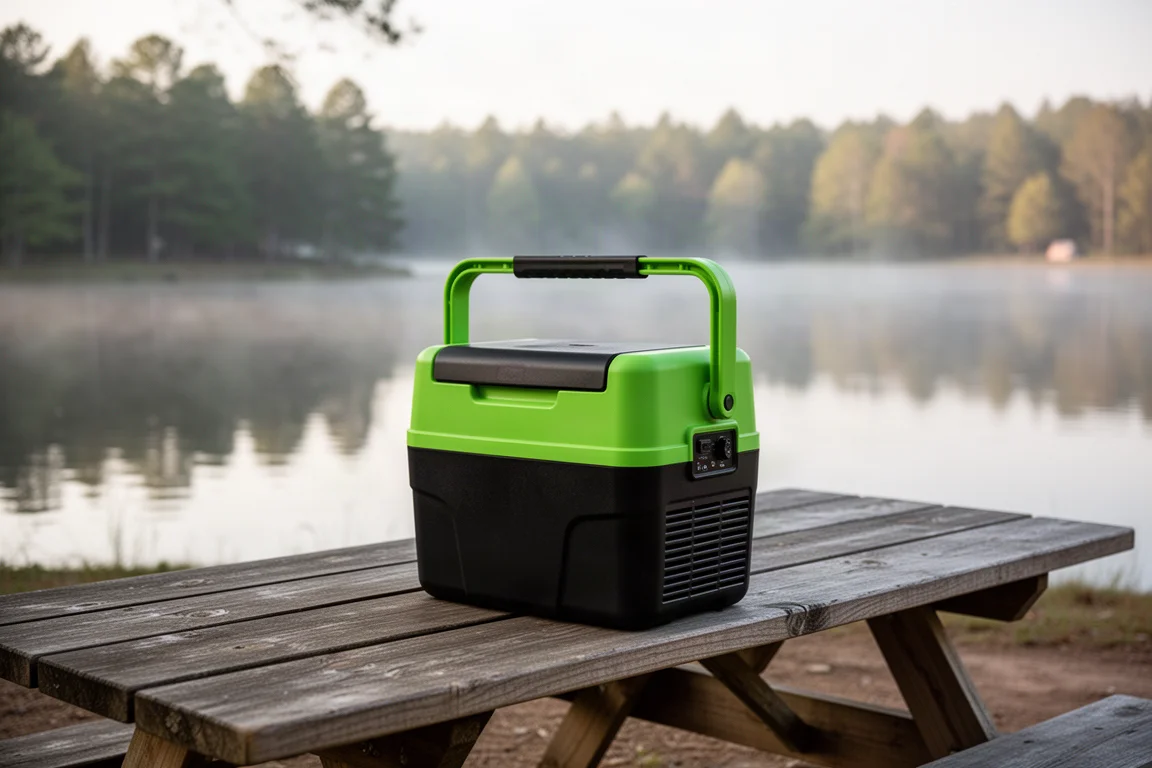
Most portable coolers are just insulated boxes. The Ryobi Battery-Powered Cooler is something different: a true portable fridge that can chill down to -4 degrees without a single cube of ice. It is aimed squarely at the family side of outdoor life, whether that is camping, hunting, fishing, a beach day, or a backyard cookout, and it is one of the more interesting additions to Ryobi’s bright green lineup in a while.
The pitch is simple: if you already own one or two Ryobi batteries, this cooler slots right into that ecosystem. And if you do not, it still gives you three ways to power it.
Three Ways to Power It
Power flexibility is one of the strongest arguments for this cooler. In the box you get a power brick that plugs into a standard 110-volt outlet, a car adapter for the 12-volt cigarette lighter socket, and the option to run it on Ryobi batteries. There are two battery compartments built in, so you can run it on two packs at once, and a voltage meter lets you keep an eye on remaining charge.
For most trips, the car adapter covers the drive, the wall brick handles pre-cooling at home, and batteries take over when you are off the grid.
Cooling Performance and Temperature Control
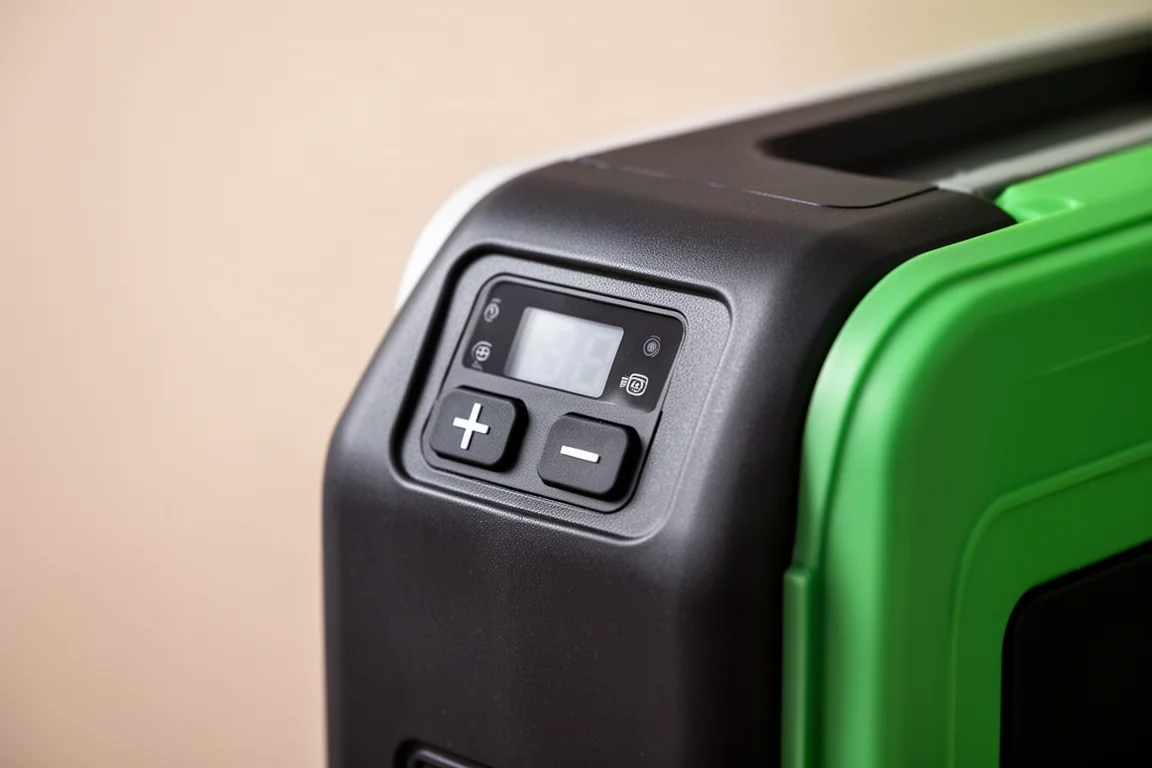
The digital control panel is refreshingly straightforward. Press the plus and minus buttons to set your target temperature, and after a moment the display switches to show the actual interior temperature. You can dial it all the way down to -4 degrees or raise it for simple beverage chilling. Note that this is a cooler only: there is no heating function, so it will not keep food warm.
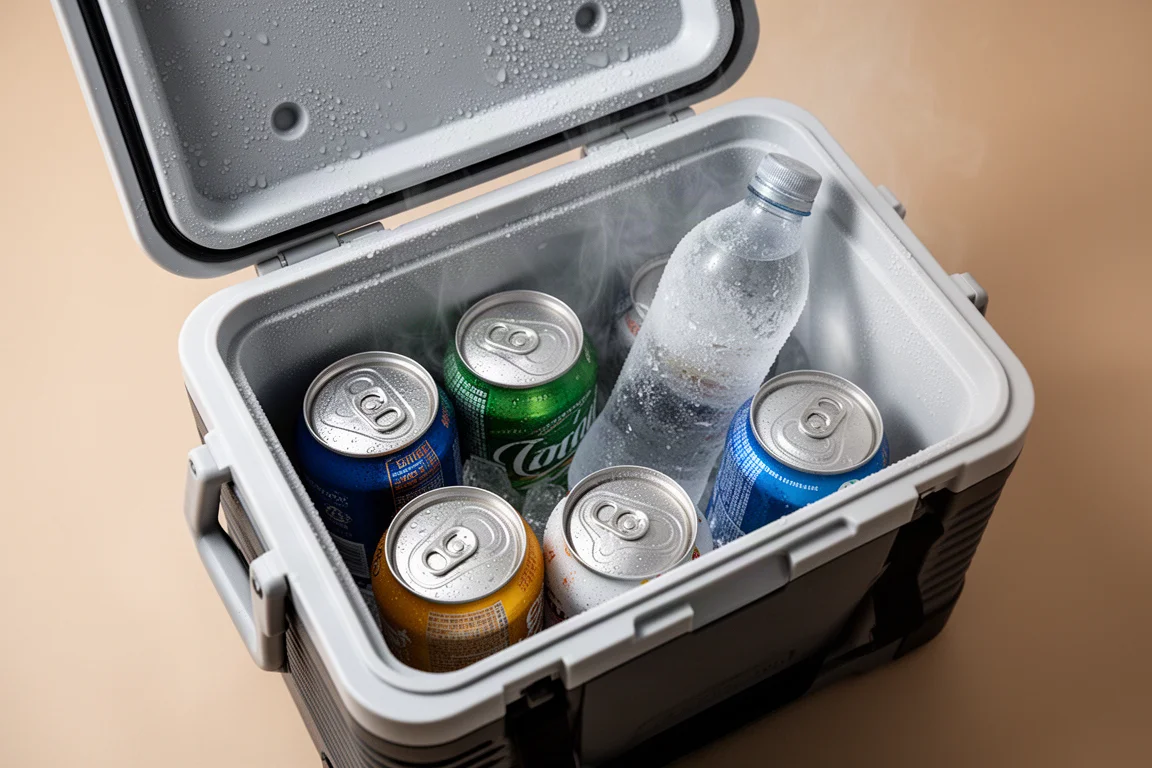
It does not need ice, but you can still use it, and there is a drain plug at the bottom so meltwater can be emptied easily. A gear button switches between Max and Eco mode, with Eco trading cooling power for battery savings. There is also a USB port for charging a phone or tablet, though be aware that running it off batteries will drain them quickly.
In real use, starting from about 70 degrees ambient, the cooler took roughly 30 minutes to pull its contents down to -4 degrees. That is not instant, but it is reasonable for a compressor cooler of this type. The outer ring around the lid gets noticeably cold to the touch because the refrigerant loops through the walls; the bottom does not chill.
Runtime Tips: Getting Closer to 23 Hours
Here is the honest part. On a 90-degree day, left in the back of a truck under a tonneau cover with two 4Ah batteries on Max mode, this cooler ran for about three hours. Ryobi claims up to around 23 hours in the right conditions, and hitting that number requires preparation:
- Use larger batteries, at least 9.0Ah, to get the long runtimes.
- Load the cooler with food and drinks that are already cold. Warm soda dropped into the chest will eat batteries fast.
- Pre-cool the empty cooler at home on wall power for a couple of hours before you leave.
- Add ice if you want the temperature to drop faster.
- Switch to Eco mode once everything is at temperature.
Do that prep work and the 23-hour claim becomes much more believable. Skip it and you will burn through packs in an afternoon.
Portability and Build Quality
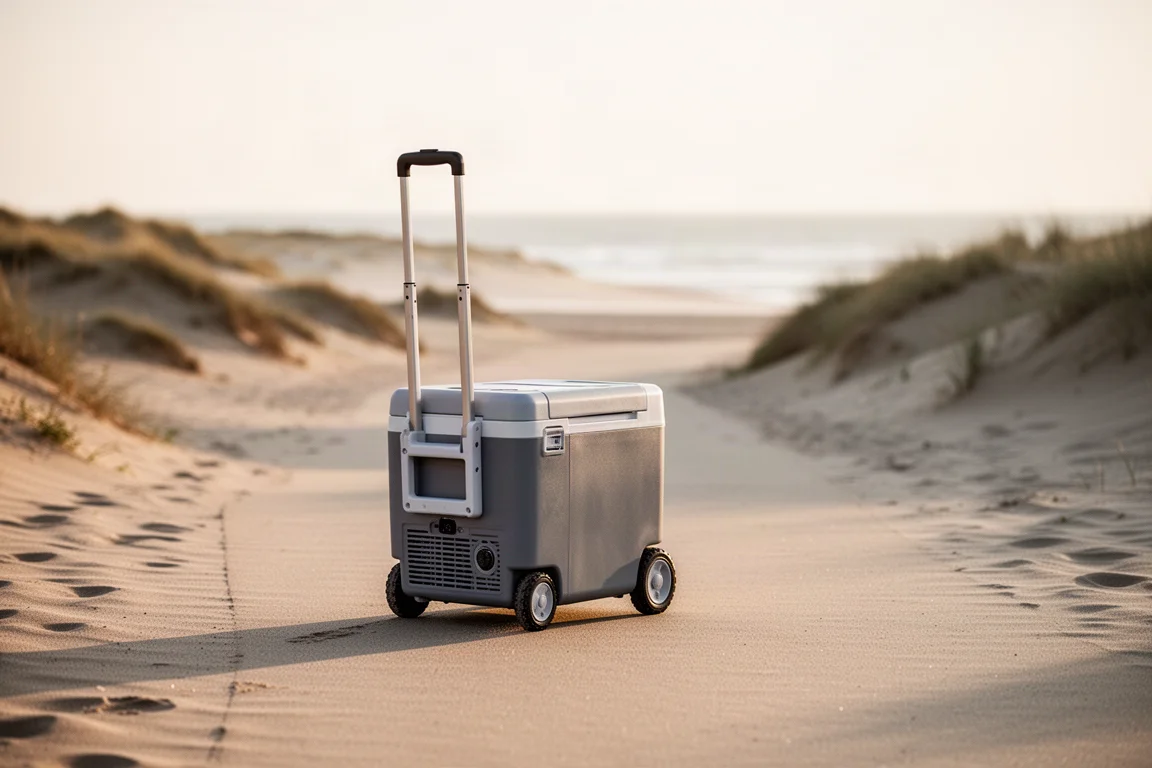
The exterior is genuinely well built. The lid is a flat, heavy-duty plastic surface that doubles as a spot to set cups or cans, and there is a bottle opener on the front. You get handles on multiple sides, tie-down points, and a pull handle so you can drag it behind you. The wheels are on the small side, more rolling-stadium-parking-lot than all-terrain, but they get the job done on firm ground.
Heat from the compressor vents out the back and side, so keep those areas clear. One build note worth flagging: the metal outer ring showed a surprising number of dents after normal use, which suggests the sheet metal is on the thinner side. The plastic body, by contrast, held up well.
Buying Advice
This is a want, not a need, and the price reflects that; it sits at the steep end of the cooler market. It makes the most sense if you already own Ryobi batteries, since that unlocks the ecosystem benefit for free. If you regularly camp, fish, or tailgate and hate dealing with melting ice, a compressor cooler like this changes how you pack. If you only coolers twice a summer, a traditional ice chest remains the better value.
Conclusion
The Ryobi Battery-Powered Cooler does what traditional coolers cannot: it actively chills to -4 degrees without ice, runs off wall power, car power, or batteries, and adds handy extras like a USB port and a drain plug. Just treat its long runtime claims as something you earn through prep work, pre-cooling, larger batteries, and Eco mode, and it should serve you well.
Product link
View more details for Ryobi Battery-Powered Cooler
This product is mentioned in the review. Check the specifications, options, and compatibility before buying.
View more details for Ryobi Battery-Powered CoolerFurther reading
Related Reviews
Outdoor Gear
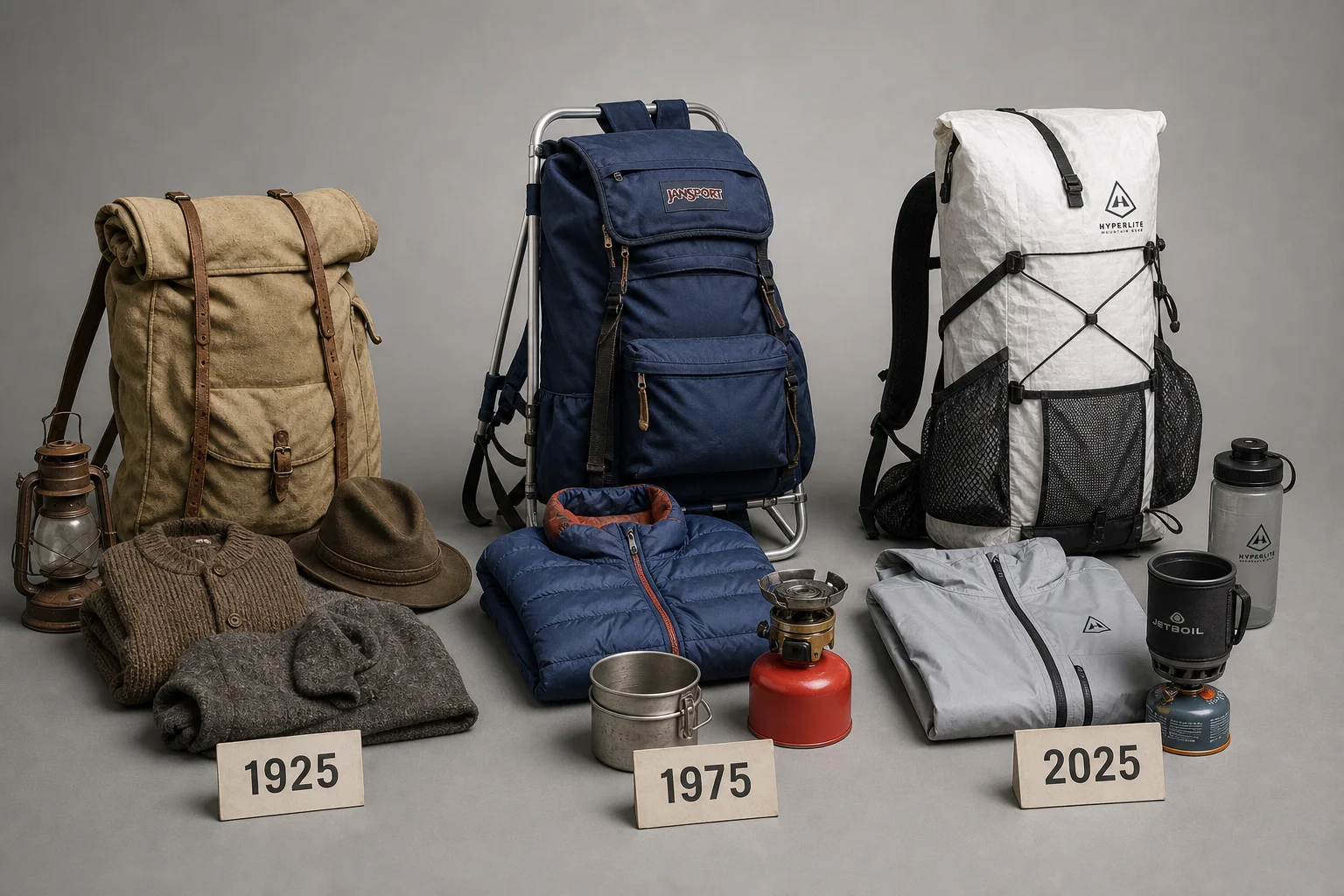
Backpacking Gear Evolution: 100 Years of Technology Compared
We tested backpacking gear from 1925, 1975, and 2025 across a three-day hike in Yosemite. Here's how technology has transformed comfort, weight, and the outdoor experience.
Outdoor Gear
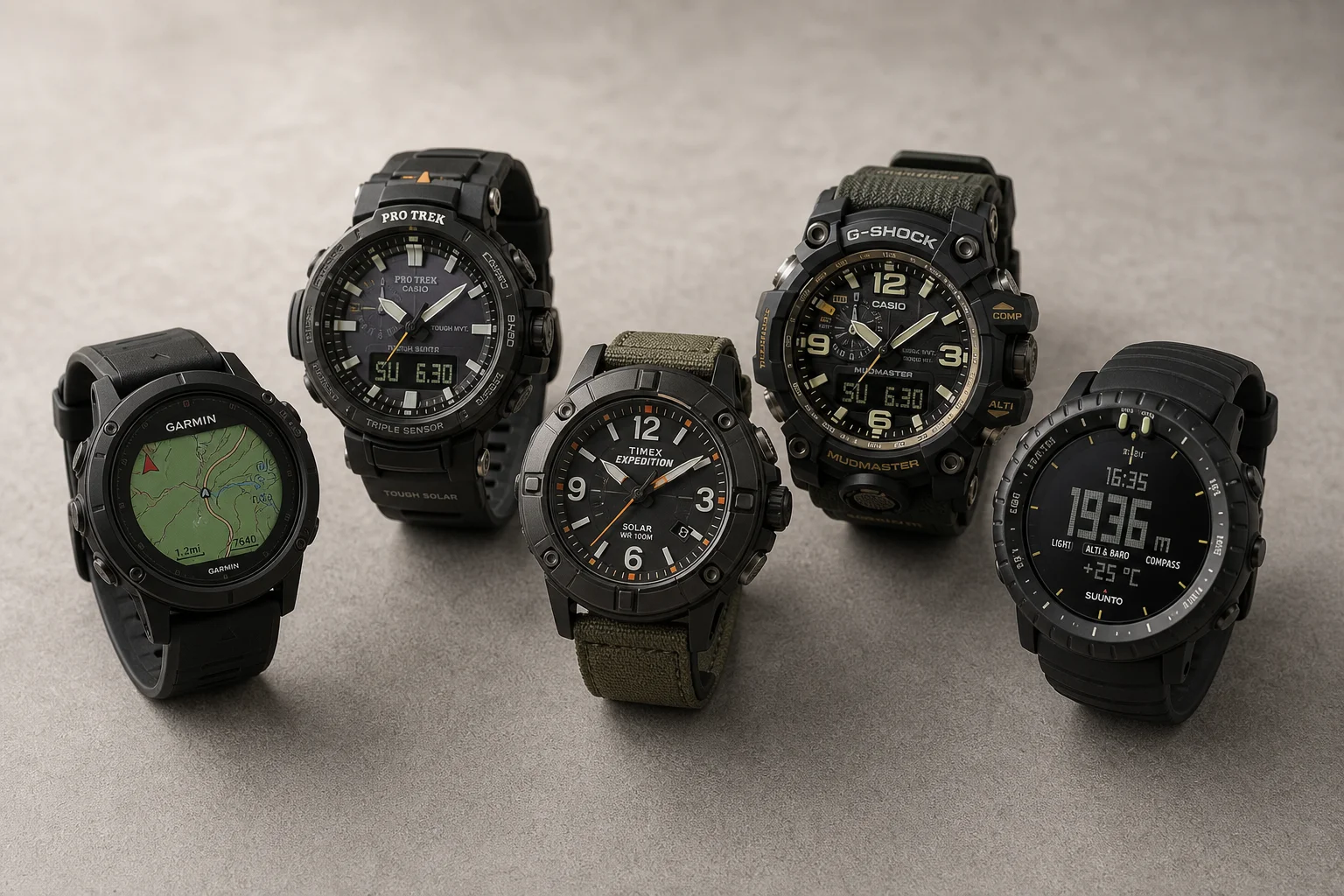
Best Affordable Hiking Watches: Five Rugged Options for Outdoor Adventures
Five durable hiking watches that balance ruggedness, functionality, and value for outdoor enthusiasts who need reliable GPS tracking and weather resistance.
Outdoor Gear
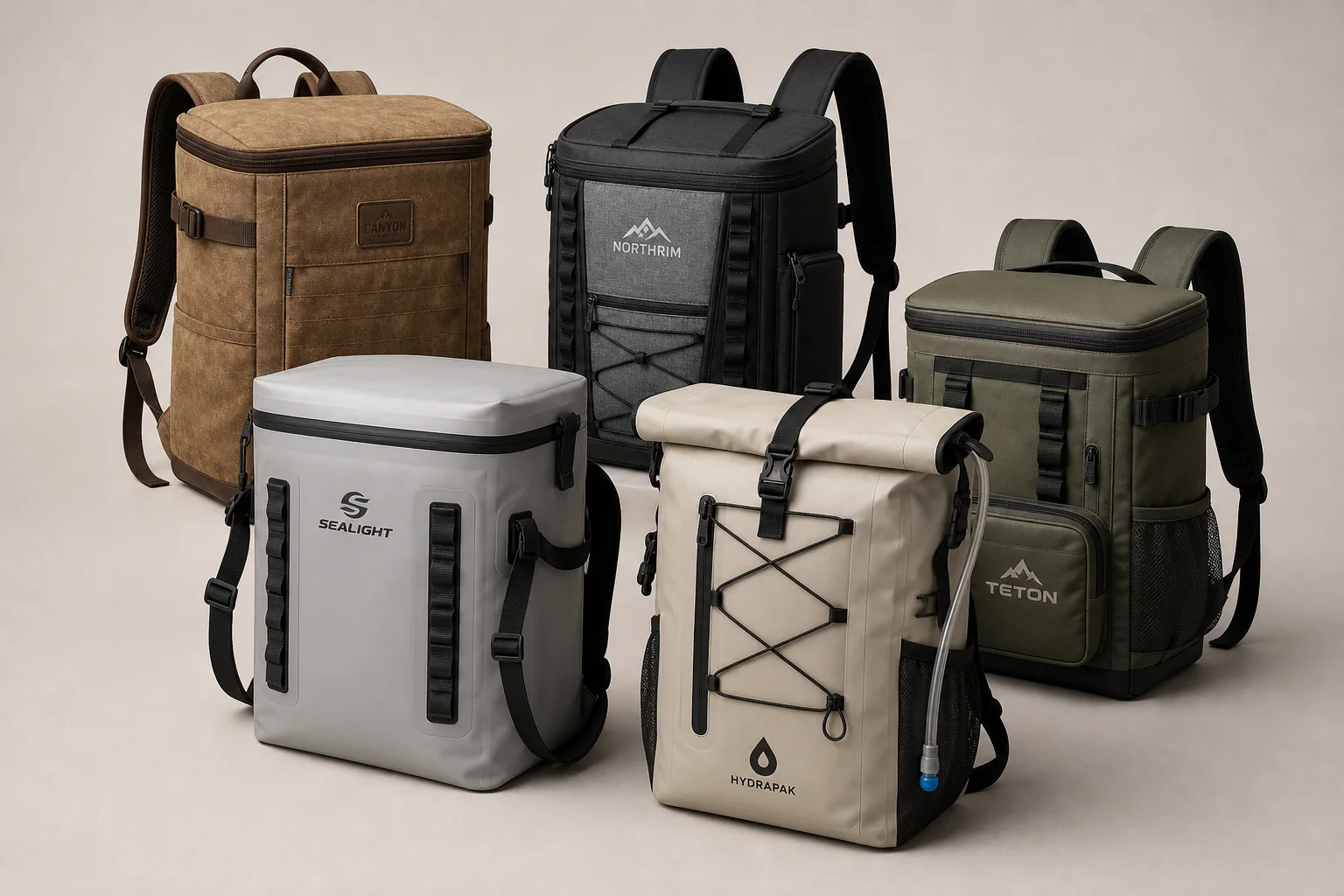
Best Backpack Coolers 2026: Five Practical Options for Outdoor Adventures
Five backpack coolers with distinct cooling capabilities, storage features, and design trade-offs to help you choose the right one for your outdoor needs.