Solar Power
Ryobi 60W Solar Panel Review: A Small, Friendly Charger for Phones and Power Stations
A lightweight 60-watt folding solar panel that works with any ecosystem, not just one brand. Here is what it does well and where the 60-watt ceiling shows.
Introduction
When a 60-watt solar panel shows up, the first reaction is usually to ask why it is not 100 or 200 watts. That was our instinct too. But after spending time with the Ryobi 60W solar panel, the smaller rating starts to make sense: this is a panel built around portability and simplicity, not around replacing a large roof or generator array. It folds, it is genuinely light, and it charges phones, tablets, and even larger power stations without locking you into one brand’s accessory ecosystem.
What the Ryobi 60W Solar Panel Is
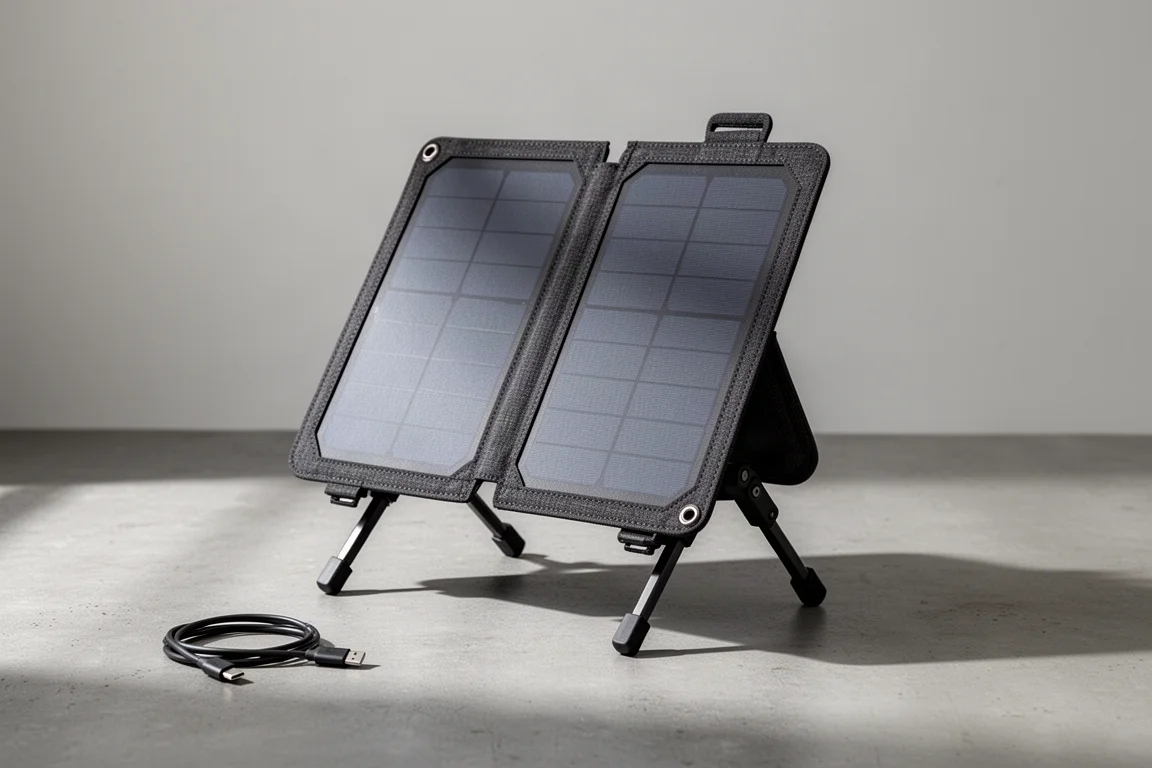
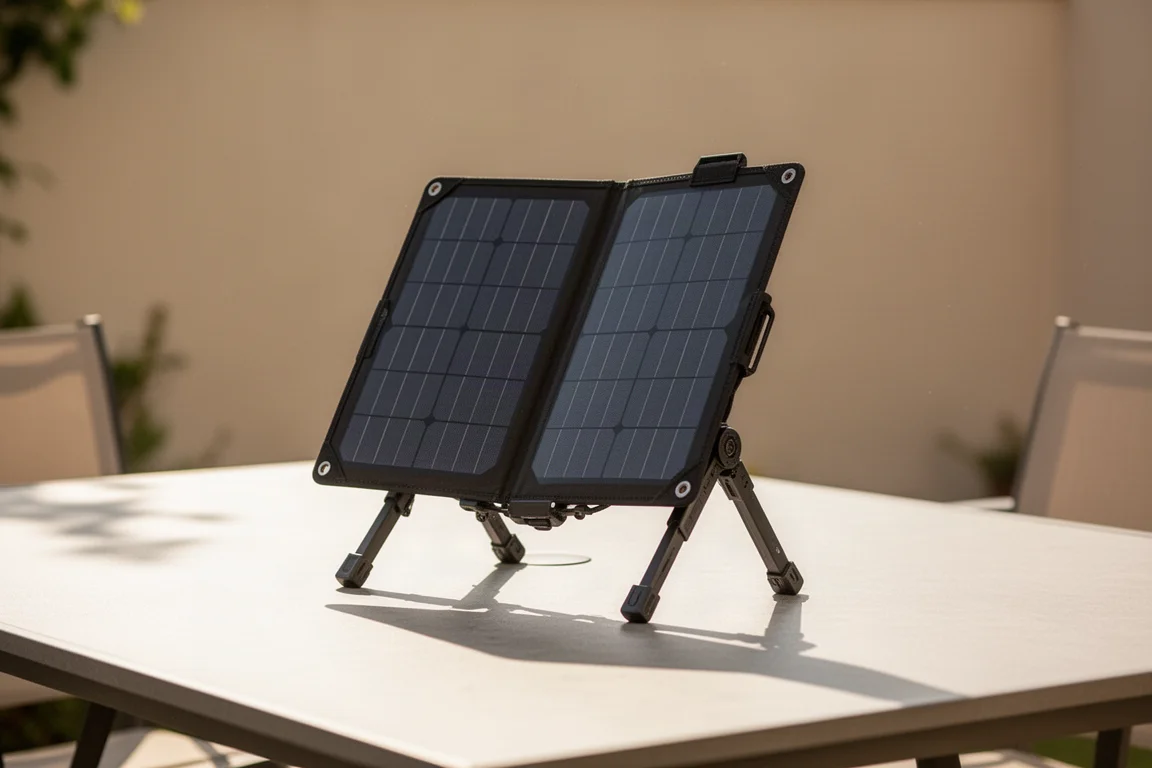
This is a folding solar panel rated at up to 60 watts. Its most obvious strength is how easy it is to carry. Where a 200-watt panel is something you might leave near the house or in the garage, this one is small and light enough to throw in a bag for a camping trip, a tailgate, a beach day, or a hunting trip. It opens with two support legs on the back, and you can adjust the angle to match where the sun sits in the sky. You can also just lean it against something if you prefer.
What Comes in the Case
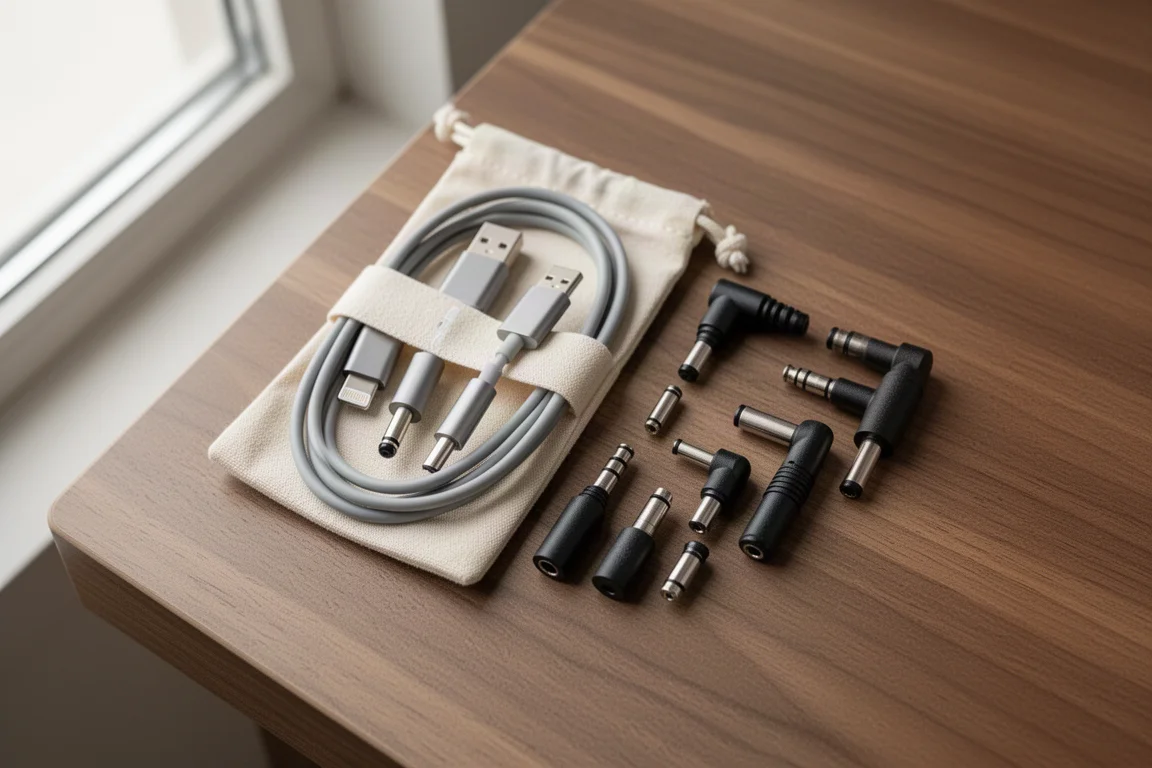
Inside the integrated case you get a small set of adapters: a USB-C cable and several barrel-style DC tips in different sizes. That mix matters. The barrel adapters let you connect the panel to other gear that charges through a barrel port, including other brands of power stations. The USB output accepts standard charging cords, so phones, tablets, and similar devices work without any special hardware.
Everyday Charging Performance
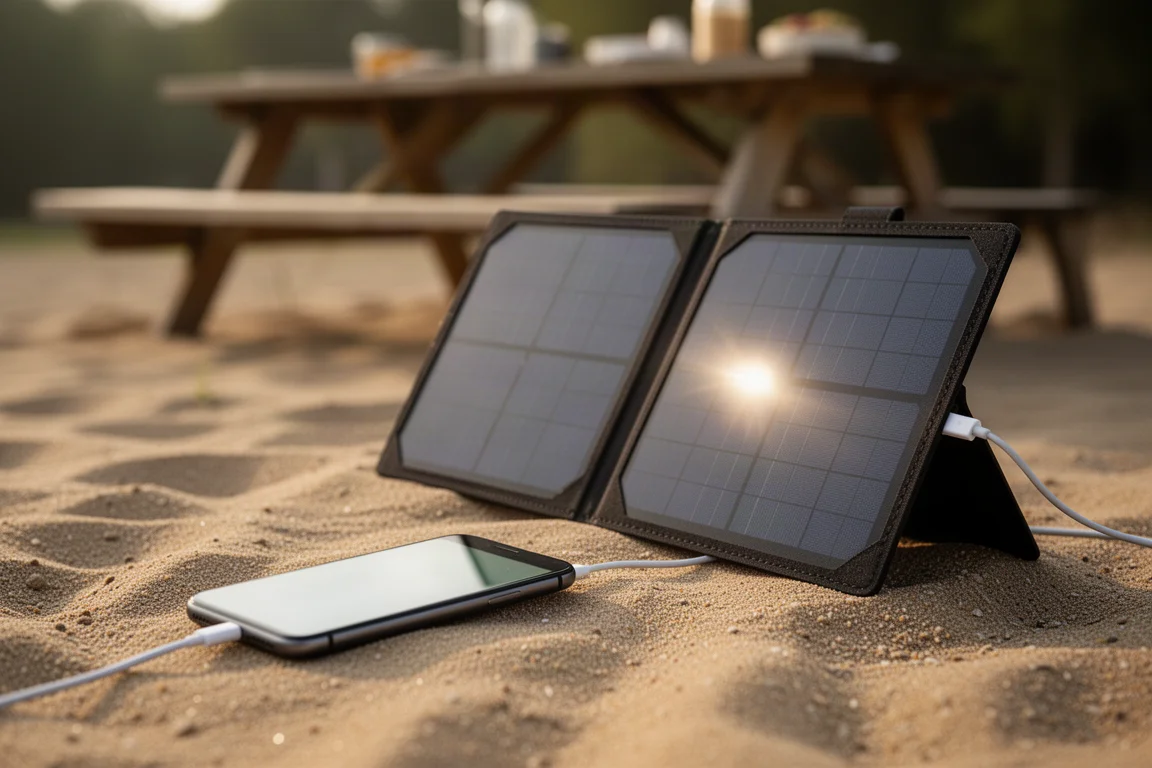
Once the panel is open and angled at the sun, charging starts immediately. A phone connected over USB-C begins charging as soon as sunlight hits the cells. The panel outputs as much power as the connected device or cable will accept. Output ratings differ by port: the USB-A port delivers up to 18 watts, the USB-C port up to 42 watts, and the barrel plug up to the full 60 watts. For a phone or tablet, those numbers are comfortably sufficient.
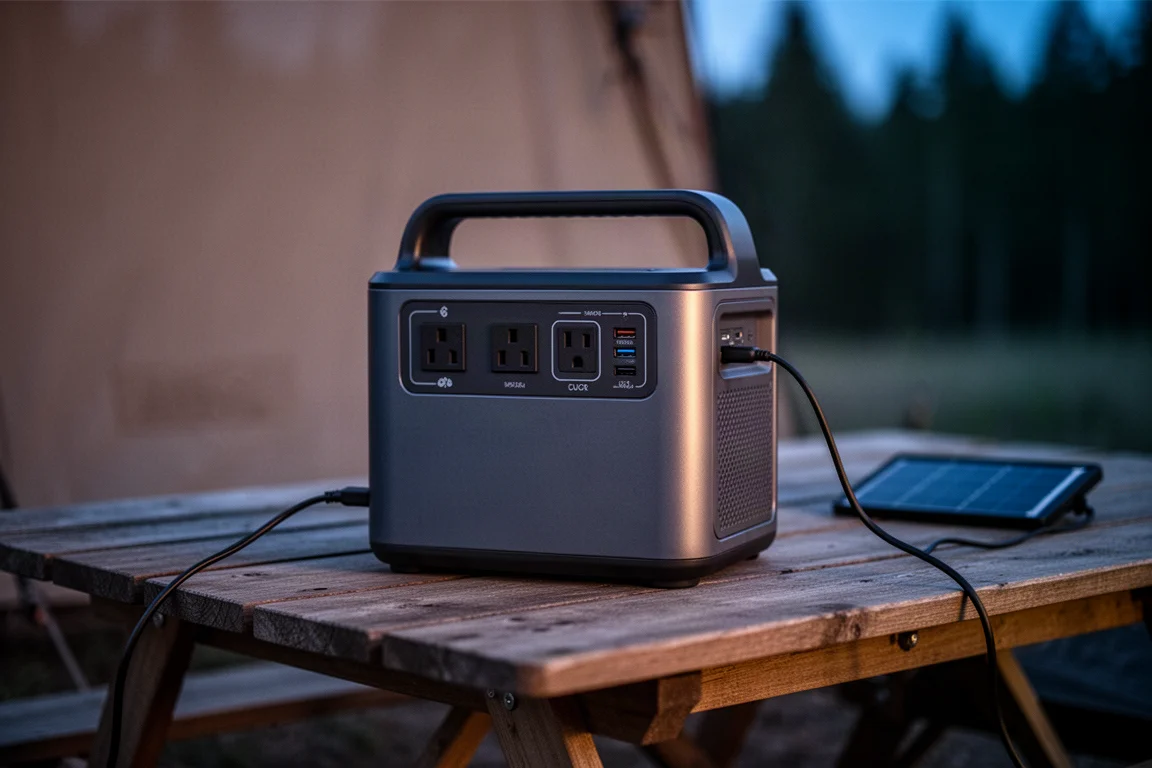
The panel also works well alongside a larger power station. In our testing setup it charged a 3,000-watt solar generator through the barrel connection while simultaneously topping up a phone through USB-C. That kind of simple, parallel charging is exactly where a compact panel earns its place in a kit.
Design Choice: Open Standards Over Ecosystem Lock-In
One deliberate design decision stands out. Many solar generator brands bundle proprietary cords and adapters that only work with their own systems. This panel goes the other way: it relies on a standard USB-C port plus a couple of generic barrel adapters. No MC4 connectors are included, which some experienced users may miss, but the trade-off is accessibility. Anyone can plug in a cable and start charging without needing to understand solar wiring.
Things to Consider Before Buying
The obvious question is whether 60 watts is enough. For phones, tablets, and small devices, yes. For running or rapidly recharging large equipment, no. If your goal is to keep a big power station topped up quickly, a larger panel will do the job much faster. Also note the missing MC4 connectors: fine for most casual users, less convenient if you already run an MC4-based setup.
Who This Panel Is Not For
If you need serious solar input for large power stations or off-grid home backup, this is not your panel. A 200-watt panel will always outperform it, and this one is clearly not intended to be the primary solar supply for bigger equipment. Its role is narrower: keep phones, tablets, and devices alive when you are away from an outlet, and give a portable power station a slow, steady trickle of charge when you are off-grid.
Buying Advice
Buy this panel if you want something small and light that you will actually bring along. It suits anyone, regardless of whether you already own gear from the same brand, because the standard USB-C port and barrel adapters make it broadly compatible. Skip it if your priority is maximum wattage or fast recharging of large batteries.
Conclusion
The Ryobi 60W solar panel is a simple, portable charging tool that trades raw wattage for convenience and open compatibility. It will not replace a larger solar array, and a 100-watt option would arguably hit a sweet spot for some users. But for keeping phones and devices charged on camping trips, beach days, and tailgates, it does its job with very little fuss.
Product link
View more details for Ryobi 60W Solar Panel
This product is mentioned in the review. Check the specifications, options, and compatibility before buying.
View more details for Ryobi 60W Solar PanelFurther reading
Related Reviews
Backpacking Tents
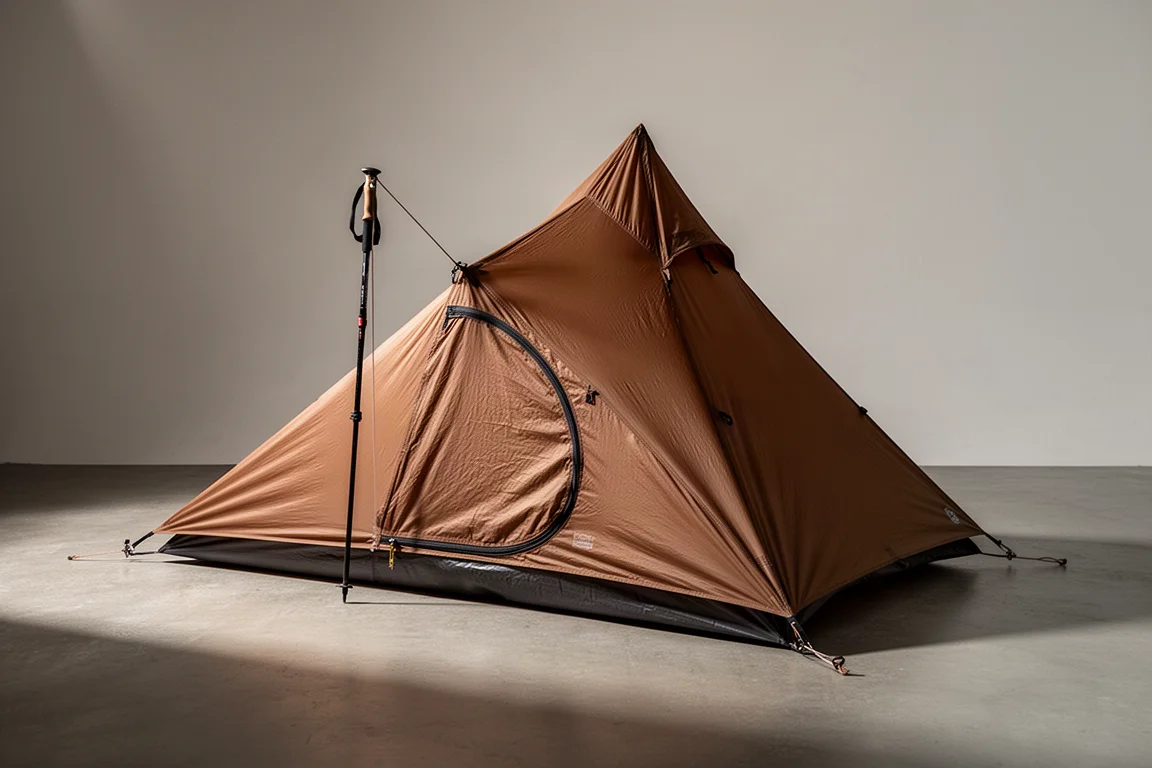
3F UL Lanchan Pro 1 Review: A 1 lb 8 oz Single-Wall Trekking Pole Tent
A practical look at the 3F UL Lanchan Pro 1, a single-wall trekking pole shelter with a 1 lb 8 oz weight, 20D silnylon fabrics, and a roomy 90 x 31 x 49 inch interior.
Backpacking Tents
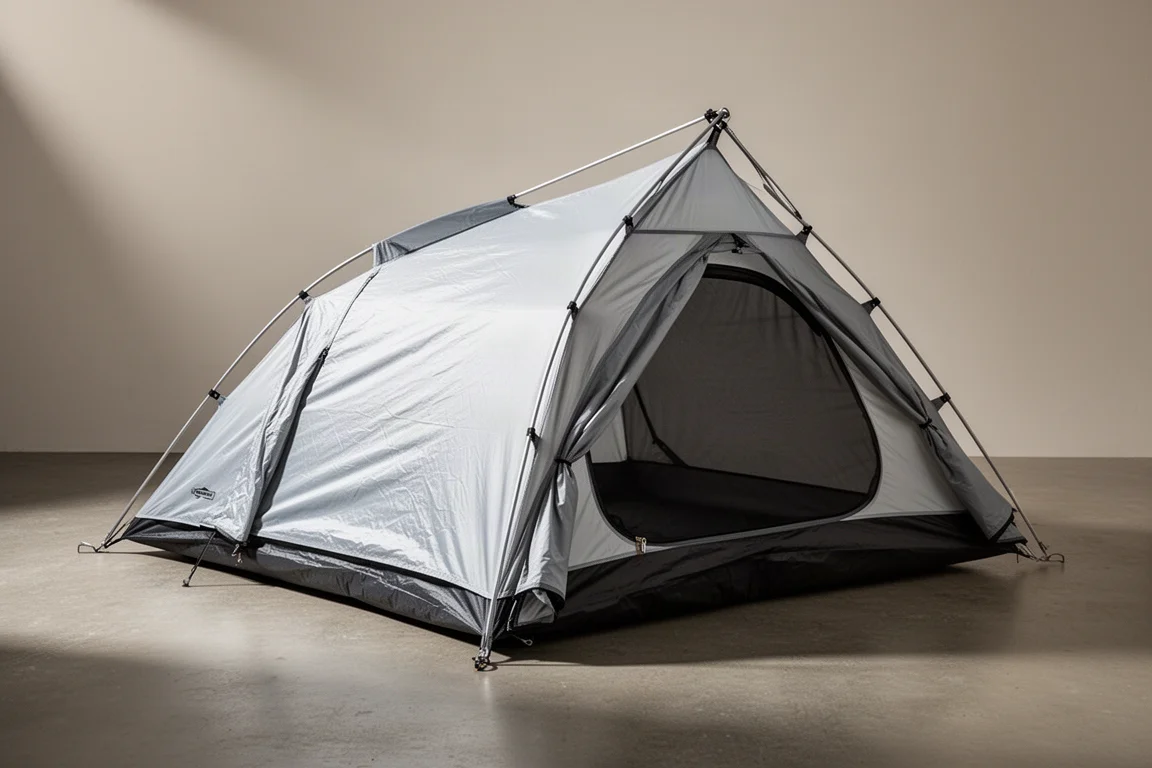
3F UL Taiji 2-Person Tent: A Convertible Backpacking Shelter Worth a Closer Look
A practical look at the 3F UL Taiji two-person tent, covering its materials, true two-person interior, fly-first pitching, and the seasonal inner swap that lets one shelter cover more of the year.
Backpacking Tents
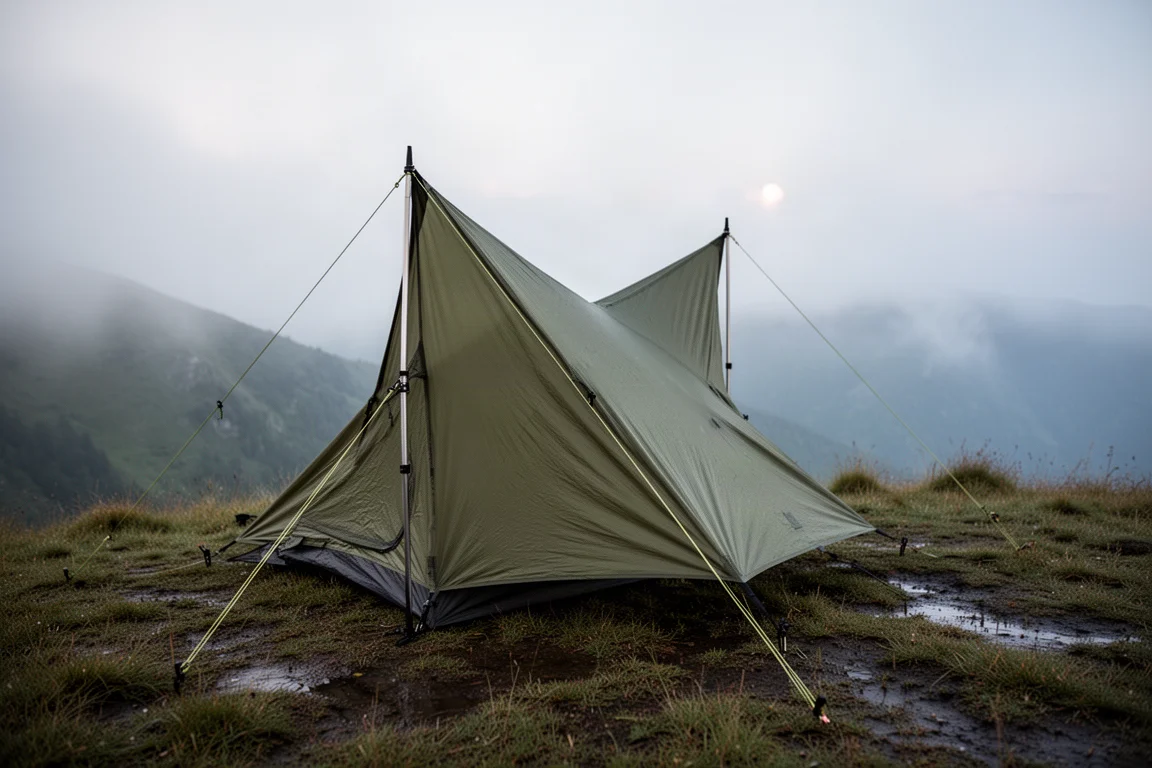
3FUL Lanshan Twoerson Pro Review: A Light Trekking Pole Shelter That Struggled in Rain
A two-person trekking pole shelter with a 2026 redesign, pitched with sticks and put through a night of steady rain. Here is what worked, what did not, and what to check before buying.