Lawn & Garden
Ryobi 54-inch 80V Zero Turn Mower Review: Battery Power Put to the Test
We ran the Ryobi 54-inch 80V battery zero turn through thick, wet Ohio grass to see how its battery life, torque, and cut quality hold up.
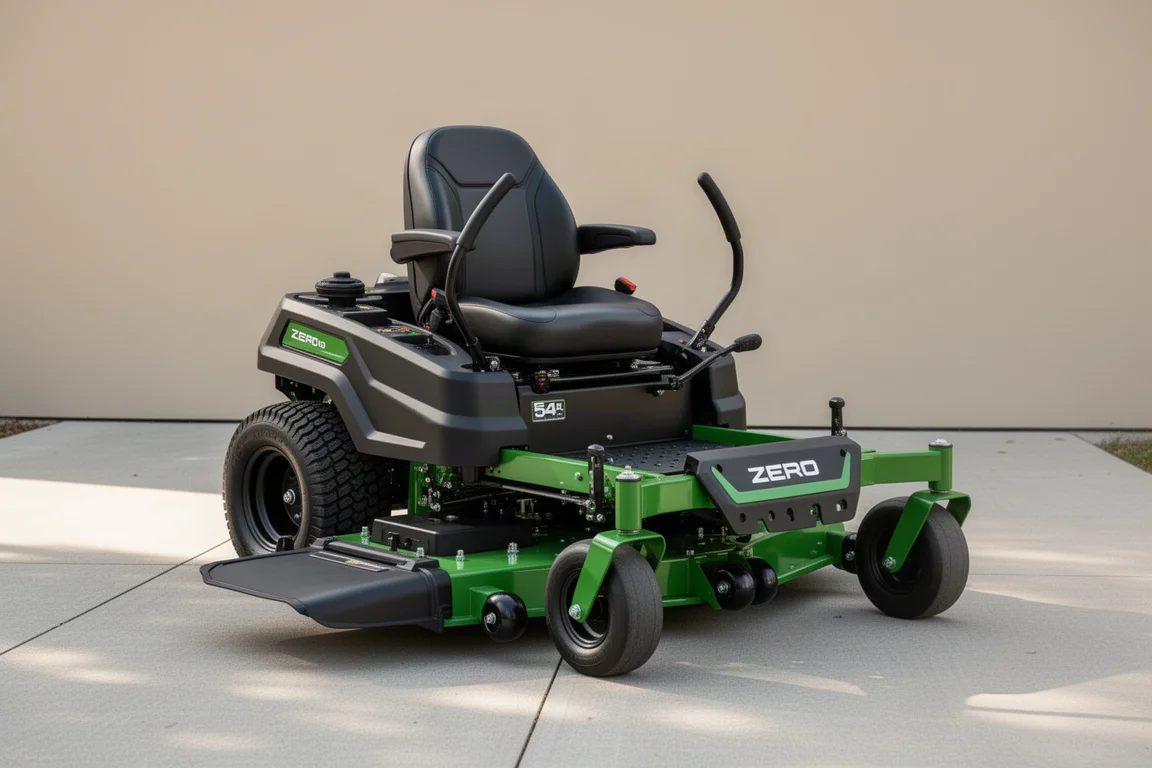
Introduction
Battery-powered zero turn mowers have been promising for a while, but the question is always the same: can one actually handle real, ugly grass? The Ryobi 54-inch 80V zero turn claims up to four acres of cutting on a full charge, and that claim deserved a proper test. The setting could hardly have been worse for a mower, which is exactly what made it useful. Two weeks of rain in Ohio, overgrown grass that had not been cut all spring, a mix of Kentucky bluegrass, rye grass, and fescue, plus heavy morning dew. In short: thick, wet, nasty conditions that would challenge any machine, gas or electric.
Who this product is for
This is still a residential mower, built for homeowners with larger lawns rather than commercial crews. If you manage an acre or more, you are squarely in the target audience, and the four-acre claim gives plenty of headroom for bigger properties.
It is also a strong fit for anyone tired of gas. There is no fuel to store, no pull cords, and none of the routine engine maintenance that comes with a combustion mower. Pull the blade control, and it is ready to cut. The five-year warranty adds some reassurance for buyers making the jump from gas.
Main strengths
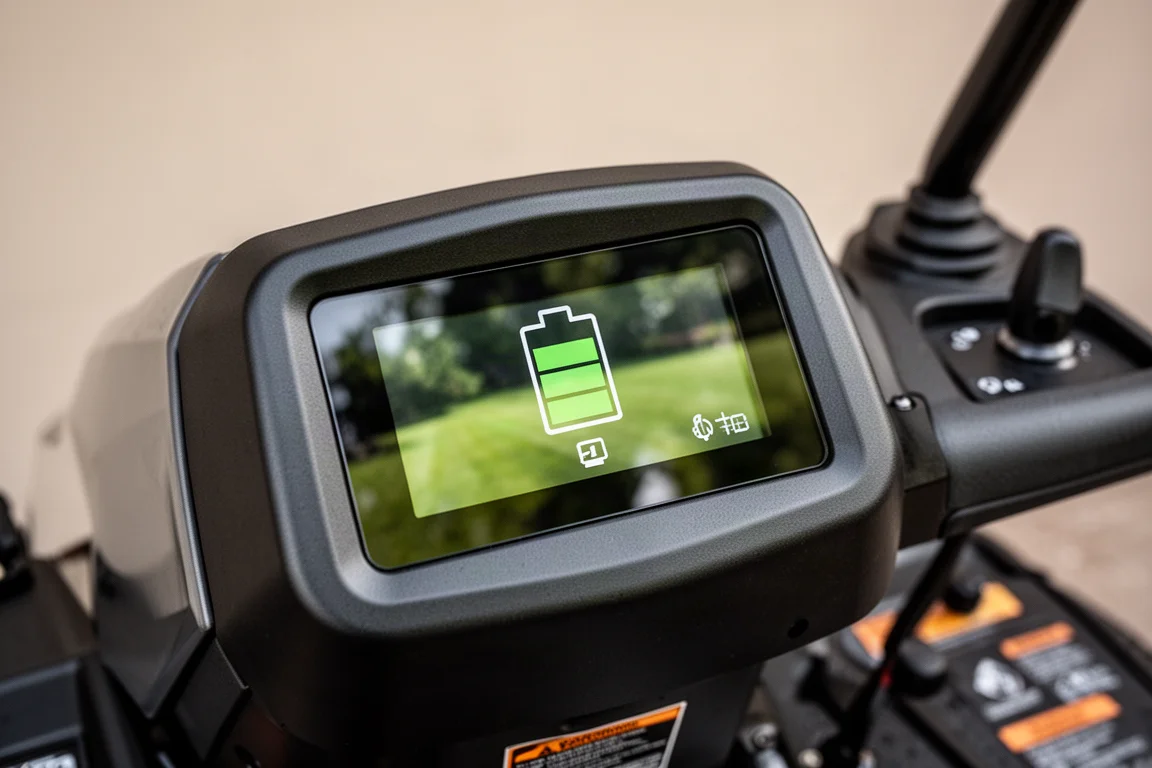
The headline result came from battery life. After mowing one acre of extremely high, wet grass with the blade speed set to maximum, the battery indicator still read 78 percent. A second full pass at a lower deck setting brought it to 68 percent, effectively two acres cut in brutal conditions with most of the charge remaining. Against the four-acre claim, that holds up well.
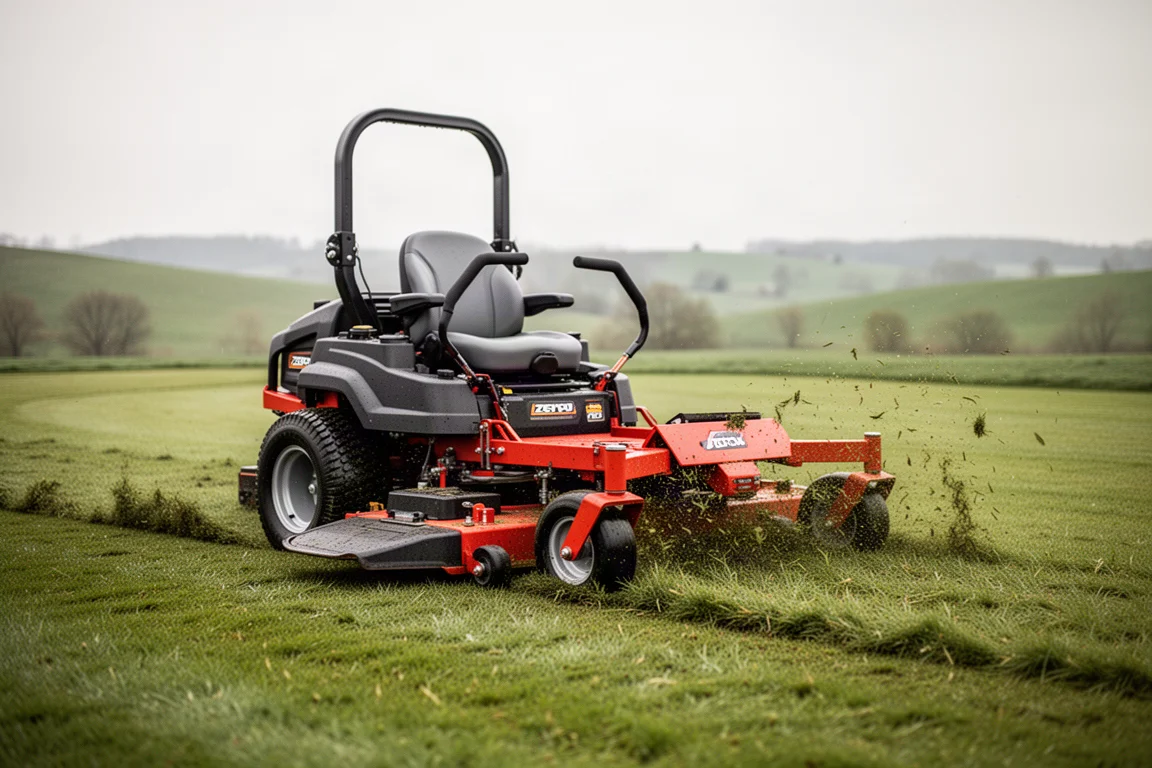
Cut quality was the other surprise. The deck runs six blades, and the fine, consistent chop meant no clumps at all, even in grass this tall and saturated. That is a real differentiator: clumping is a persistent annoyance with gas mowers of any size, and it simply did not happen here.
Torque is another clear win. Battery power delivers instant, constant torque to the blades, so instead of bogging down in thick patches the way a gas engine can, the mower recovered in a fraction of a second and kept cutting at speed. At the medium speed setting, that works out to roughly four to four and a half miles per hour.
Comfort and ease of use
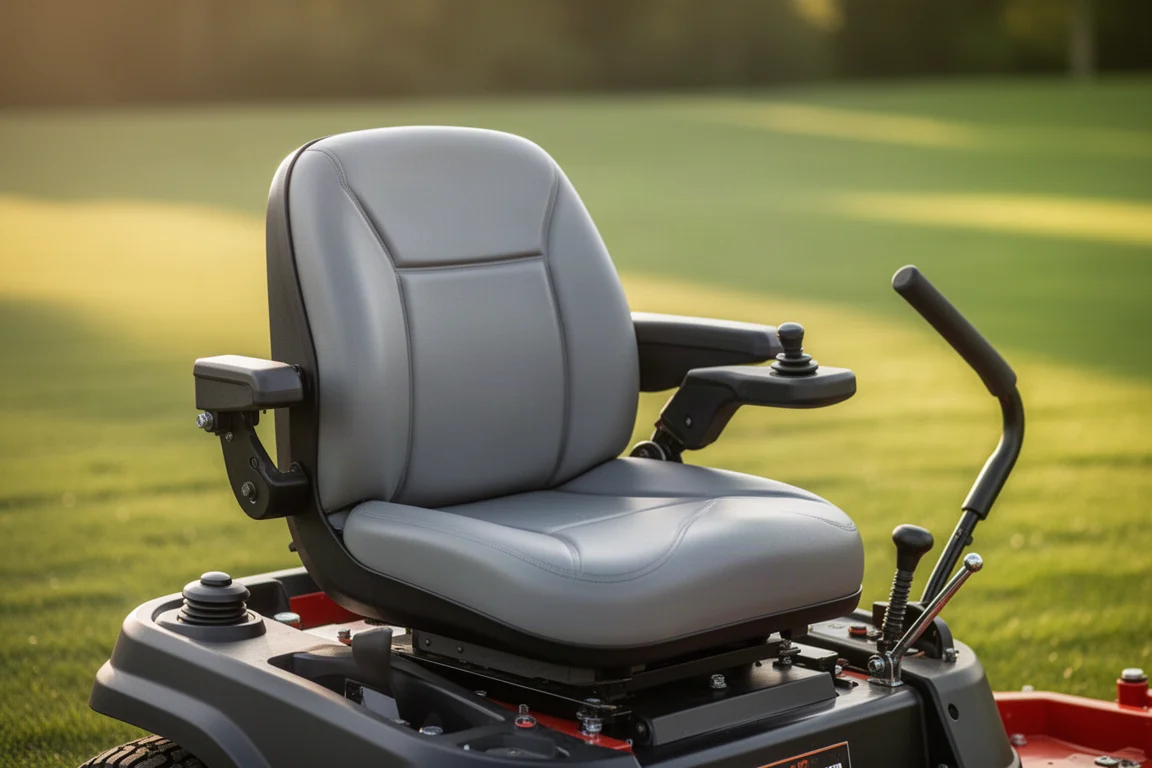
The seat is genuinely comfortable, with adjustable cushioning, and the ride held up well over a bumpy, uneven yard. The joystick control takes some adjustment if you have only used paddle bars or lap bars before, but the learning curve is short. An 84-year-old first-time user was comfortable with the controls within about ten minutes, was soon doing zero turns, and spent the whole session smiling at how quiet the machine was.
That quietness is worth emphasizing. It does not sound like a typical loud mower, which makes early morning or close-neighborhood cutting far less intrusive.
Things to consider before buying
The price is on the higher side, and that is the main hesitation for budget-minded buyers. If you cut two acres and still had two-thirds of the battery left, the capacity is clearly there, but you are paying a premium for the electric drivetrain and convenience.
It is also worth noting the two-pass approach used in testing: mowing very tall grass once at a high deck setting, then lowering the deck two clicks for a second pass. That is a reasonable workflow for badly overgrown lawns, but buyers should expect to manage deck height actively rather than expect a single perfect cut in extreme conditions.
Buying advice
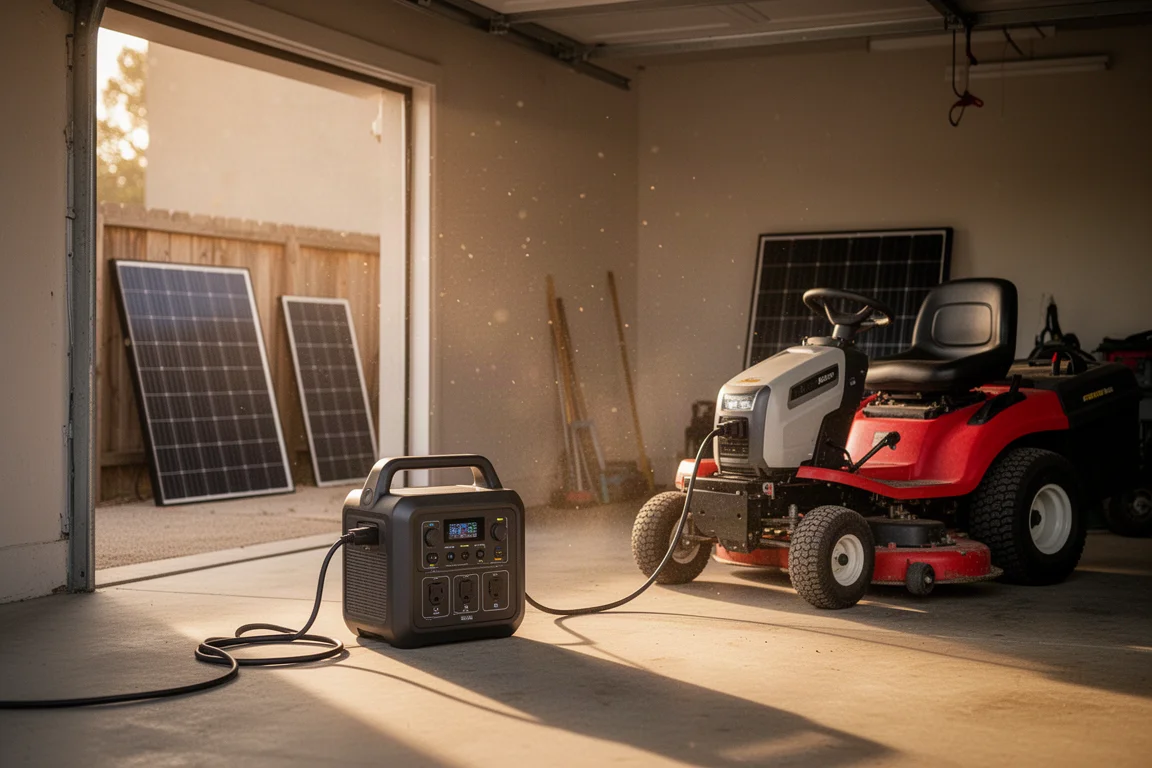
If you are tired of gas, tired of maintenance, and mowing one to four acres at home, this mower makes a convincing case. The tested performance in the worst possible grass conditions, the lack of clumps, the quiet operation, and the five-year warranty all point to a machine that can replace a gas zero turn without compromise for most homeowners. If your property is small or your budget is tight, a smaller or cheaper option may serve you better.
Conclusion
The Ryobi 54-inch 80V zero turn came through its worst-case test with room to spare: two acres of soaked, overgrown Ohio grass on a partial charge, no clumping, instant torque, and a comfortable, quiet ride. For homeowners ready to leave gas behind, it is an easy recommendation.
Product link
View more details for Ryobi 54-inch 80V Zero Turn Mower
This product is mentioned in the review. Check the specifications, options, and compatibility before buying.
View more details for Ryobi 54-inch 80V Zero Turn MowerFurther reading
Related Reviews
Lawn & Garden
Best Cordless Lawn Mowers 2026: Ten Flagship Models Compared
We compare ten flagship cordless mowers from top brands to help you find the best value, mid-range, and premium option for your lawn.
Lawn & Garden
Hart Goes Big: New 40V Riding Mower, Self-Propelled Mower, and a Carbon Fiber Trimmer
A fresh wave of battery-powered lawn gear led by a new Hart electric riding mower, plus the walk-behind mower and carbon fiber string trimmer that round out the 40V line.
Lawn & Garden
Best Battery-Powered Lawn Mowers 2026: Three Flagships Compared
Flagship self-propelled battery mowers from Ego, Echo, and Greenworks tested for power, runtime, and value to help you find the right fit for your lawn.