Lawn & Garden
Hart Goes Big: New 40V Riding Mower, Self-Propelled Mower, and a Carbon Fiber Trimmer
A fresh wave of battery-powered lawn gear led by a new Hart electric riding mower, plus the walk-behind mower and carbon fiber string trimmer that round out the 40V line.
Introduction
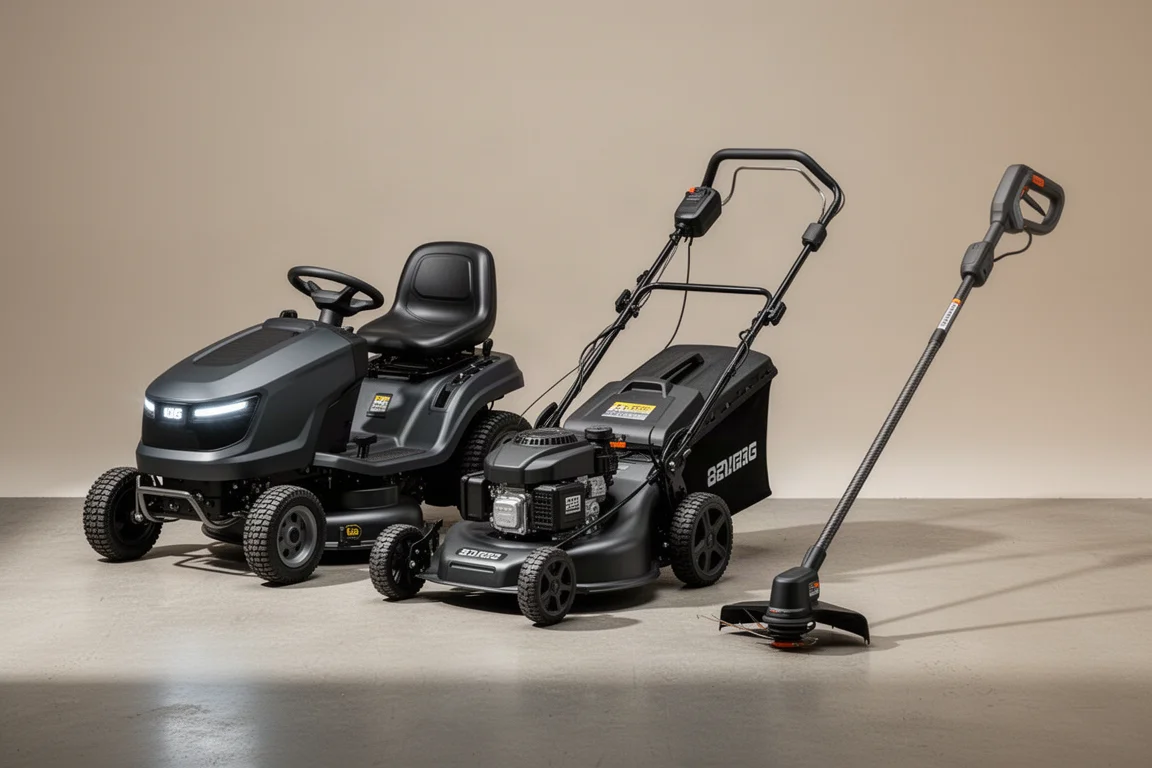
Battery-powered lawn equipment keeps moving up the ladder, and the latest news is the biggest step yet: Hart has introduced an electric riding lawnmower. Alongside it come a refreshed 40V self-propelled walk-behind mower and, surprisingly, a brushless string trimmer with a carbon fiber shaft. Here is how these pieces fit together, who they make sense for, and what the gas alternatives look like when the numbers matter.
Hart 40V Electric Riding Lawn Mower
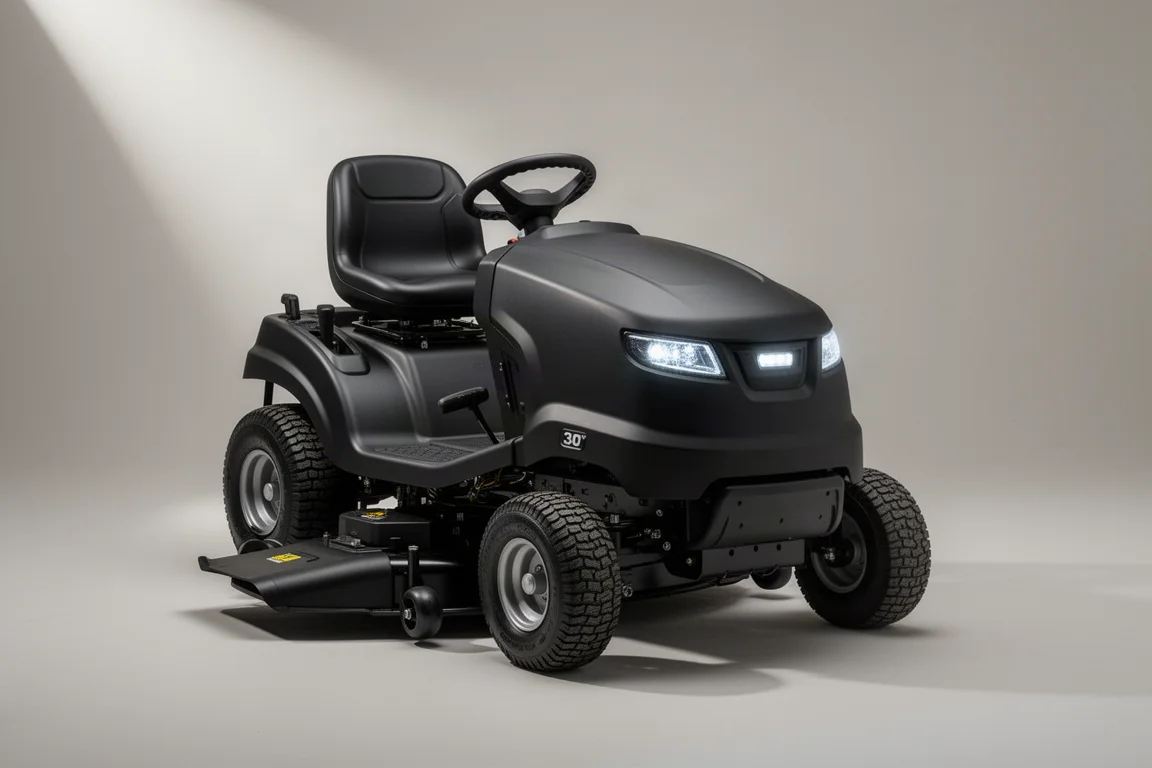
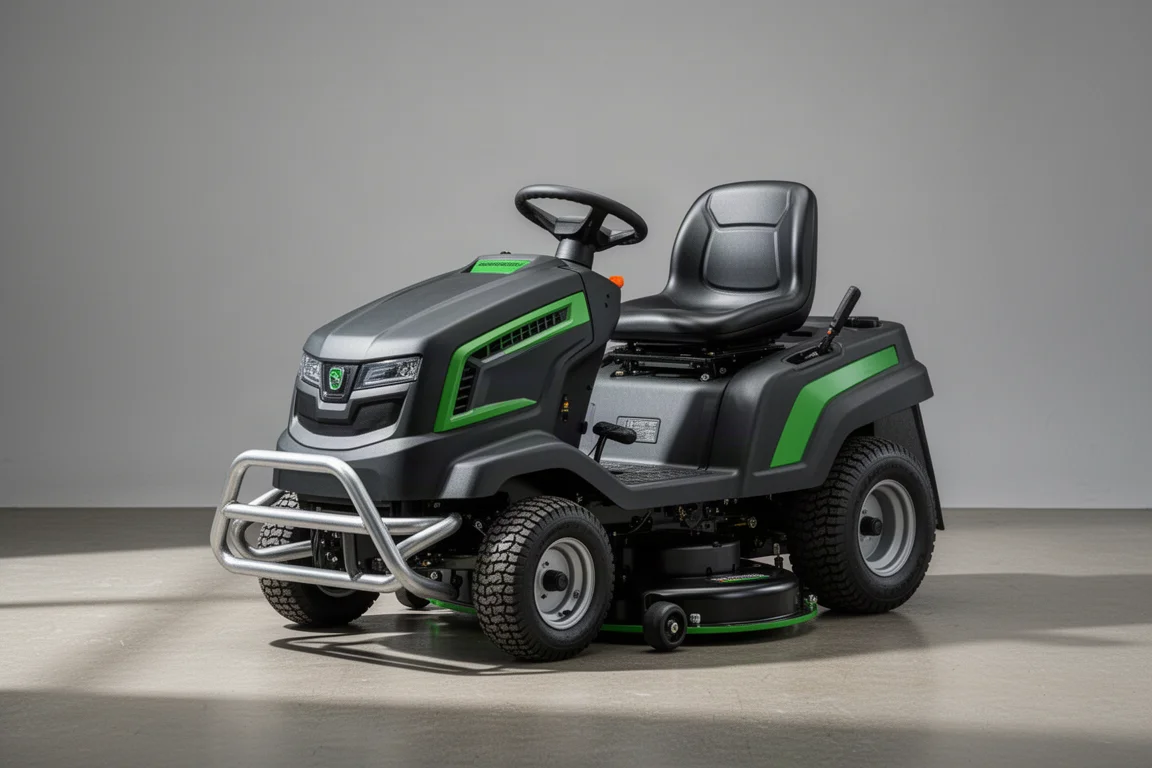
This is the headline product, and it targets a very specific buyer: the homeowner with roughly half an acre to an acre, not someone mowing 40 acres. The mower is compact by riding-mower standards, at less than 48 inches wide, which means it fits through most gates without awkward maneuvering. The 30-inch deck handles side discharge, with an optional bagger sold separately that includes a clog-clearing boost feature, and an LED headlight serves anyone who mows after dark.
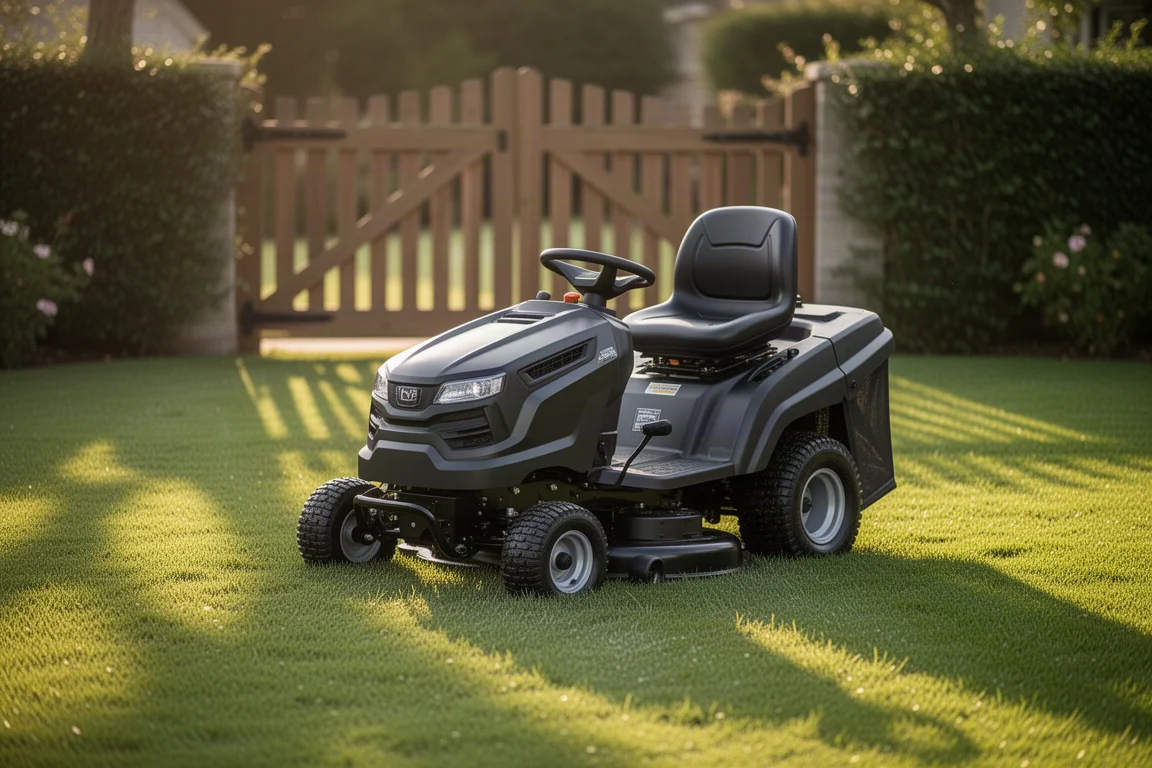
Three brushless motors drive it, and because it is electric there are no belts, no spark plugs, no oil changes, and no lubrication. Maintenance comes down to plugging in and unplugging. A single point height adjustment and an easy-access depth-of-cut gauge on the left side round out the usability story, and a key with an adjacent emergency stop switch handles starting and safety.
Charging and Range
There is no battery swapping here. The riding mower uses an onboard battery charged through a wall charger, in something like the way an electric car charges. Hart claims up to one acre of cutting per charge and a two-hour charge time, which opens up a practical pattern for slightly larger properties: cut in the morning, charge through the afternoon, finish in the evening.
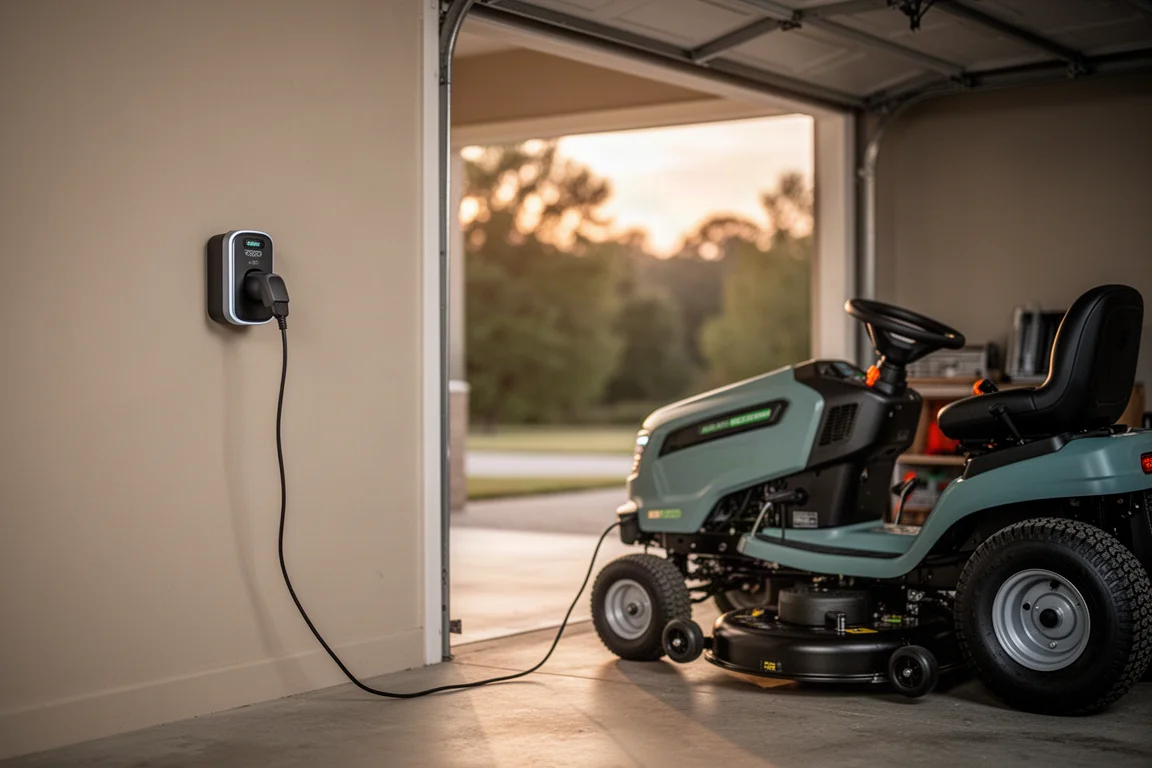
One of the quiet advantages of an electric drivetrain shows up in the schedule. Brushless electric mowers run smooth and quiet, so you can cut later in the evening without being the neighbor blasting everyone’s ears out at seven o’clock.
How It Compares to Ryobi
Hart is made by TTI, the same company that owns Ryobi in North America, and Ryobi has sold a riding mower for a couple of years now. Put the two side by side and a lot of shared DNA is visible, down to a similar tubular chassis. The Hart drops some of the over-the-top frame bars, sits a little more comfortably, and reads sleeker and cleaner overall, even if the Ryobi looks more rugged. The pattern seems deliberate: let Ryobi test the concept, then refine what works in the Hart version.
The Price Question: Electric Riding vs Gas
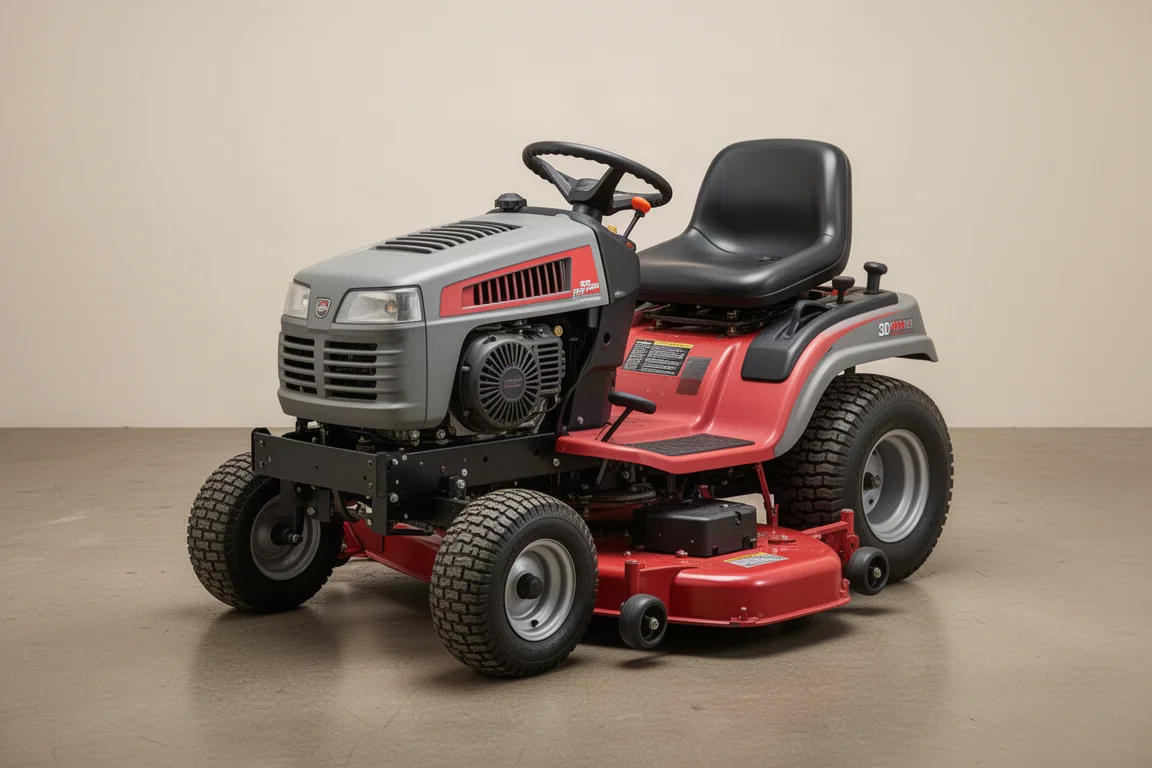
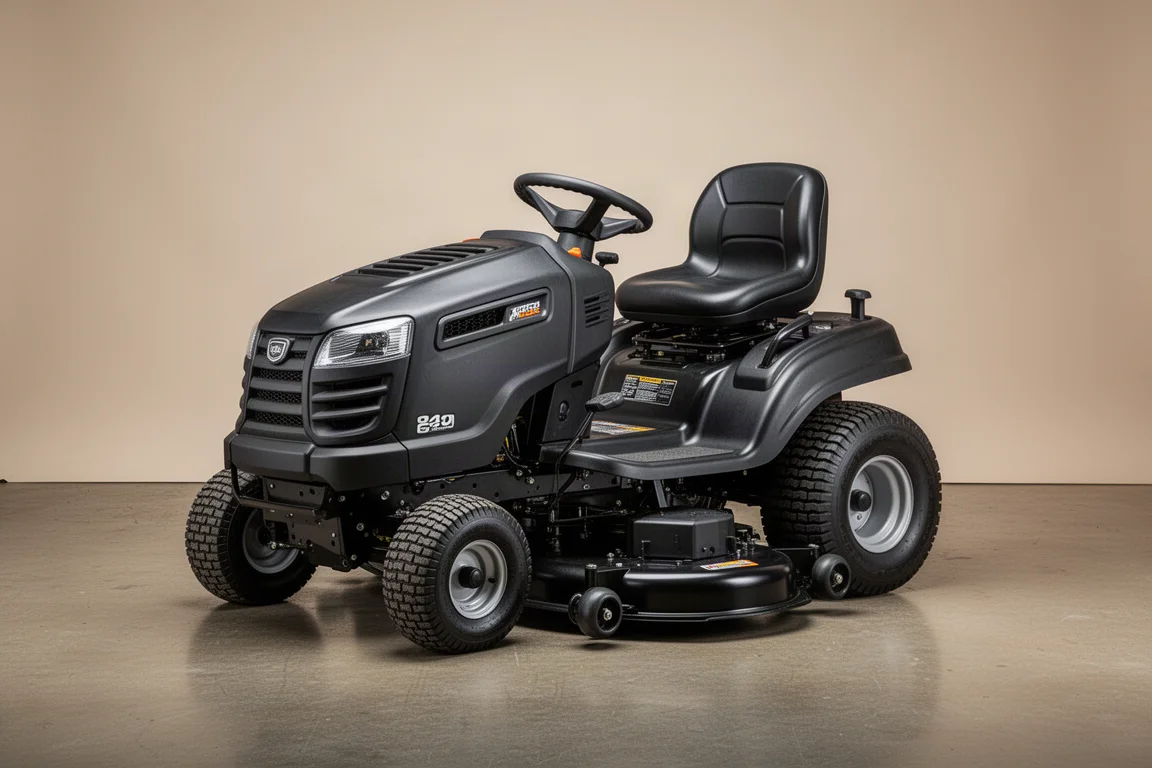
The Ryobi riding mower is listed at $2,600, and the Hart is expected to land not far from that, possibly dipping with a good sale. Compare that with gas and the gap is real. Lowe’s carries a Craftsman 10.5 HP 30-inch gas mower at about $1,800, and Home Depot has a Troy-Bilt lawn tractor at around $1,900 with a full 42-inch cut.
That is roughly a thousand dollars of savings by going gas, which buys a lot of fuel and maintenance over the years. The counterargument is the usual electric pitch: no oil, no plugs, no belts, quiet operation, and push-button simplicity. Whether that trade is worth it depends on how much you value the hassle-free experience versus the up-front price.
Hart 40V 21-Inch Self-Propelled Mower
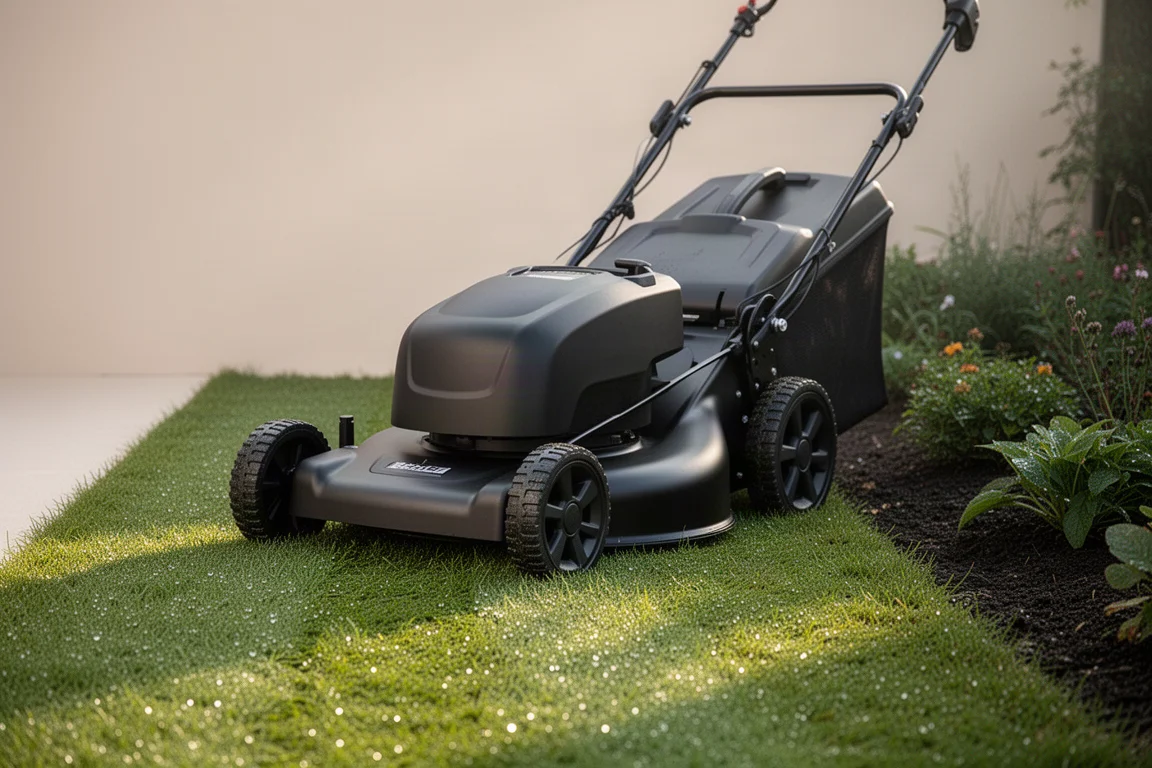
In the walk-behind line, the new 40V 21-inch self-propelled mower leans into a darker, more serious look, part of a shift toward black styling across the newer Hart mowers. This three-in-one model cuts, mulches, and bags. The standout detail is what comes in the box: two 6Ah 40V batteries, listed at around $100 each on sale, plus a rapid charger, all for about $500.
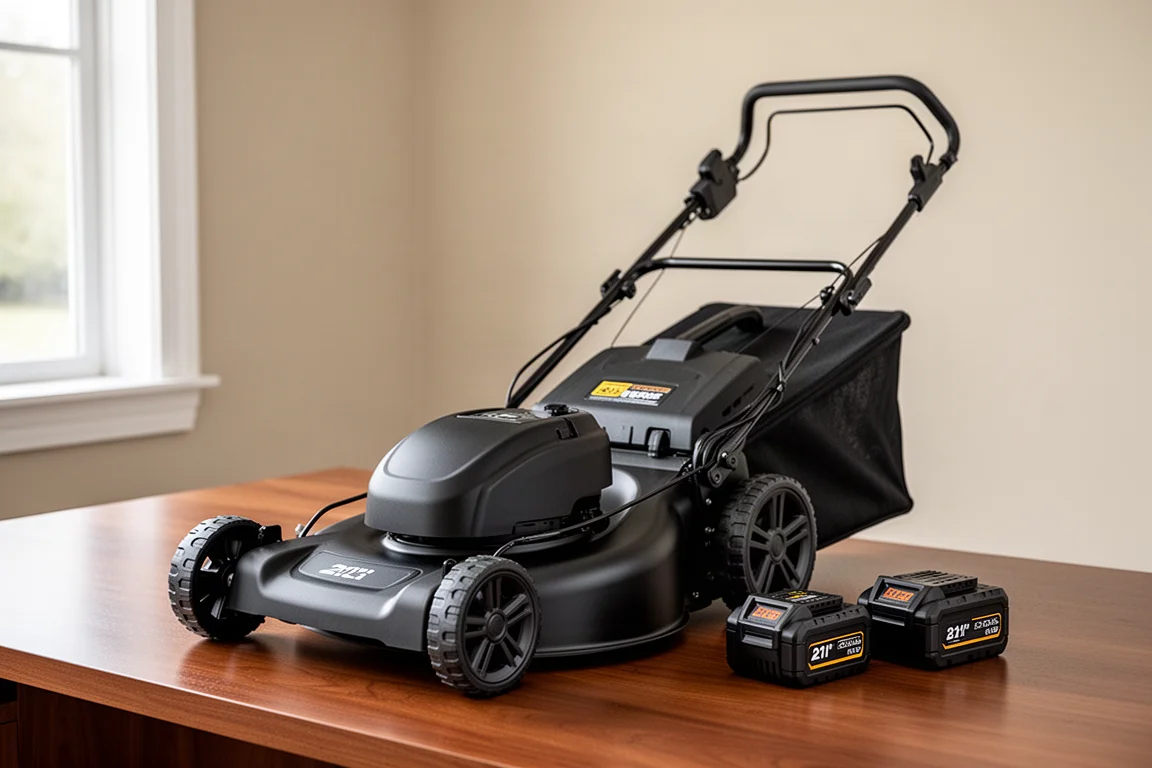
It runs on one battery while the second rides along as a spare, so swapping mid-mow is instant rather than a trip back to the garage. On durability, plastic decks get dismissed quickly, but plastic does not rust and does not dent, and a cracked panel is a repair job rather than a welding job. Long-term use with Hart walk-behind mowers, including kids earning summer money mowing yards, has been trouble-free.
Hart 40V 15-Inch Carbon Fiber String Trimmer
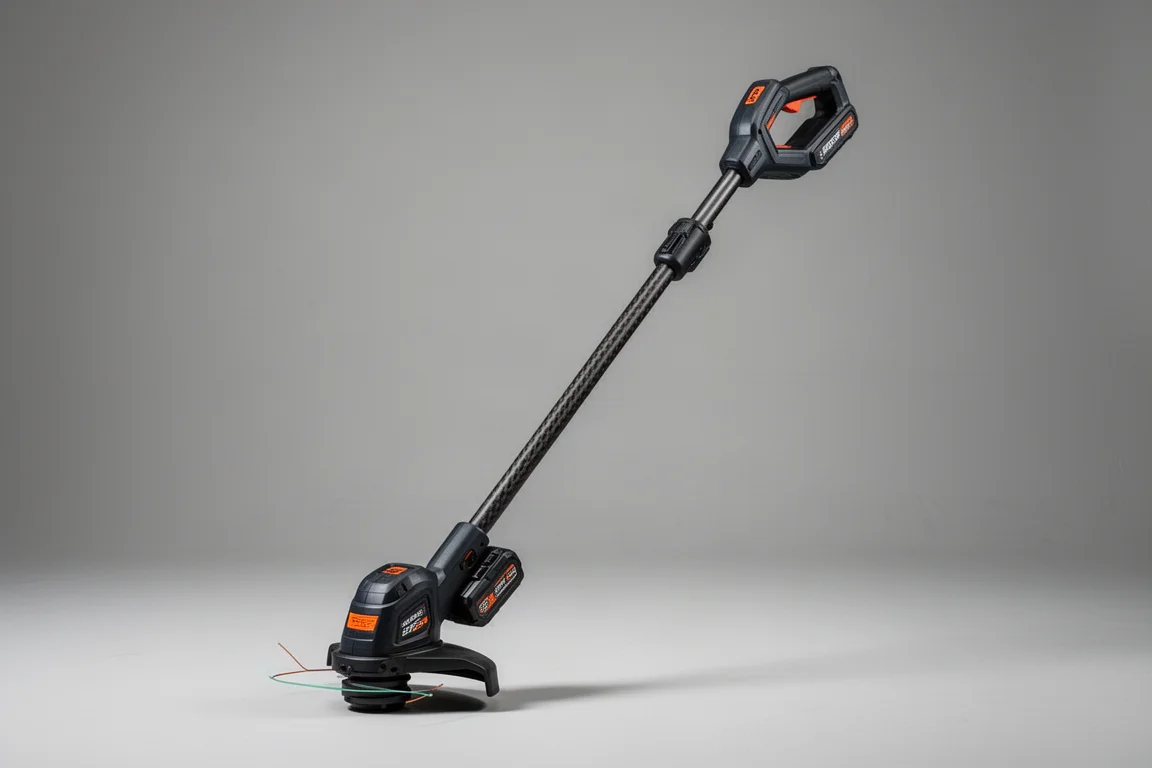
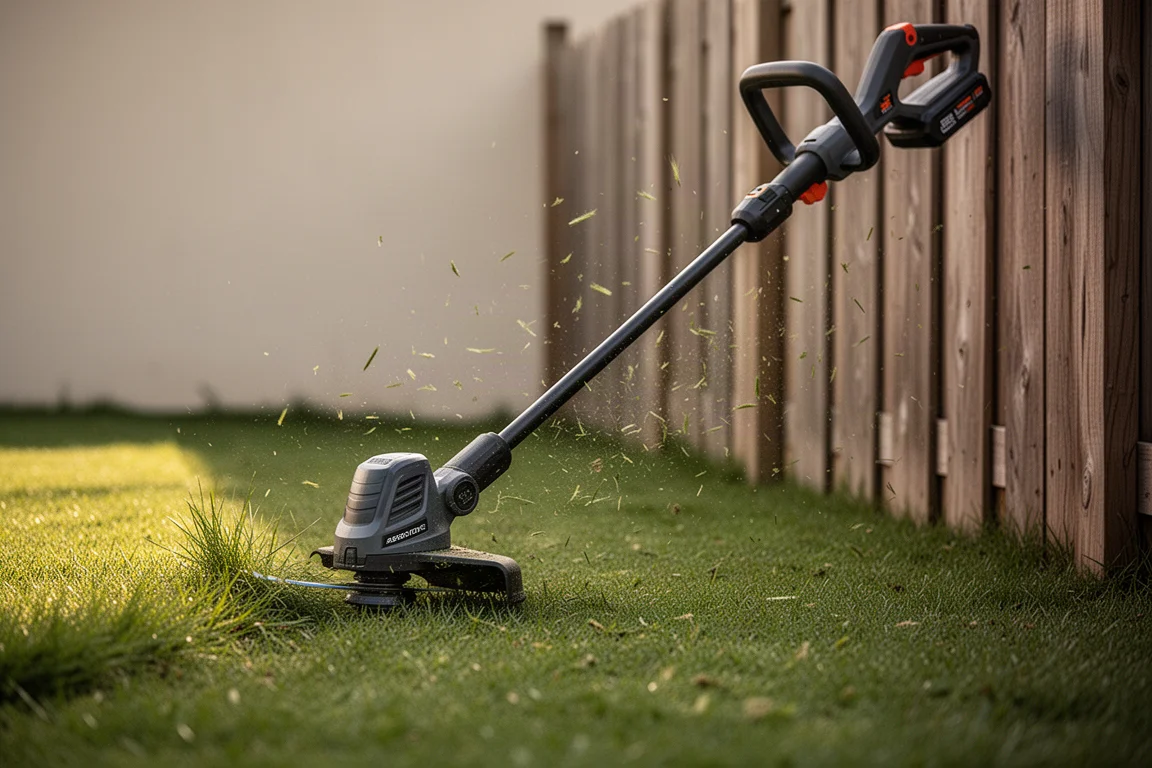
The most surprising piece of the new wave is a 40V cordless 15-inch brushless string trimmer with a carbon fiber shaft, attachment-capable, clearly built around weight savings. It comes with a 4Ah battery and a fast charger for $258. The honest take: the previous aluminum-shaft versions were not exactly a problem to begin with, so the carbon fiber upgrade is more of a refinement than a fix. Expect a tool-only option eventually for buyers already invested in the 40V battery system.
Gas Alternatives to Compare
If price is the deciding factor, the gas options deserve a serious look. The Craftsman 10.5 HP 30-inch delivers the closest match to the Hart riding mower’s deck size at roughly $1,800, while the Troy-Bilt 42-inch lawn tractor at about $1,900 doubles the cutting width and suits larger lots. Both cost less than the electric riders but bring back oil changes, belts, spark plugs, and noise.
For a half-acre to one-acre property where the electric experience fits, the Hart riding mower is the cleanest fit. For bigger lots or tighter budgets, the gas tractors still win on dollars per inch of cut.
Conclusion
Hart’s new riding mower brings a genuinely convenient electric option to small-lot owners, and the rest of the 40V refresh keeps the momentum going: a well-priced self-propelled mower with two batteries in the box, and a carbon fiber trimmer for buyers who want the lightest possible shaft. Gas still holds the price advantage, especially in the 42-inch tractor class, so the right choice comes down to property size, budget, and how much you value quiet, low-maintenance cutting.
Further reading
Related Reviews
Lawn & Garden
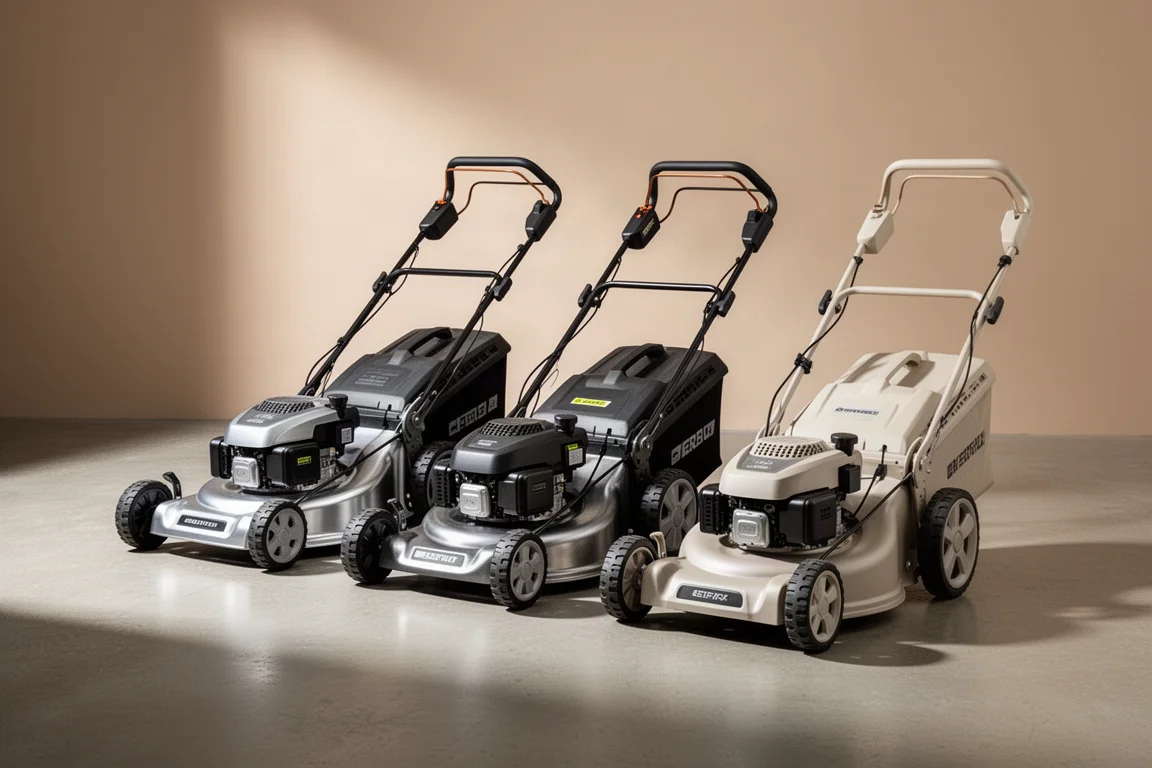
Best Cordless Lawn Mowers 2026: Ten Flagship Models Compared
We compare ten flagship cordless mowers from top brands to help you find the best value, mid-range, and premium option for your lawn.
Lawn & Garden
Best Battery-Powered Lawn Mowers 2026: Three Flagships Compared
Flagship self-propelled battery mowers from Ego, Echo, and Greenworks tested for power, runtime, and value to help you find the right fit for your lawn.
Lawn & Garden
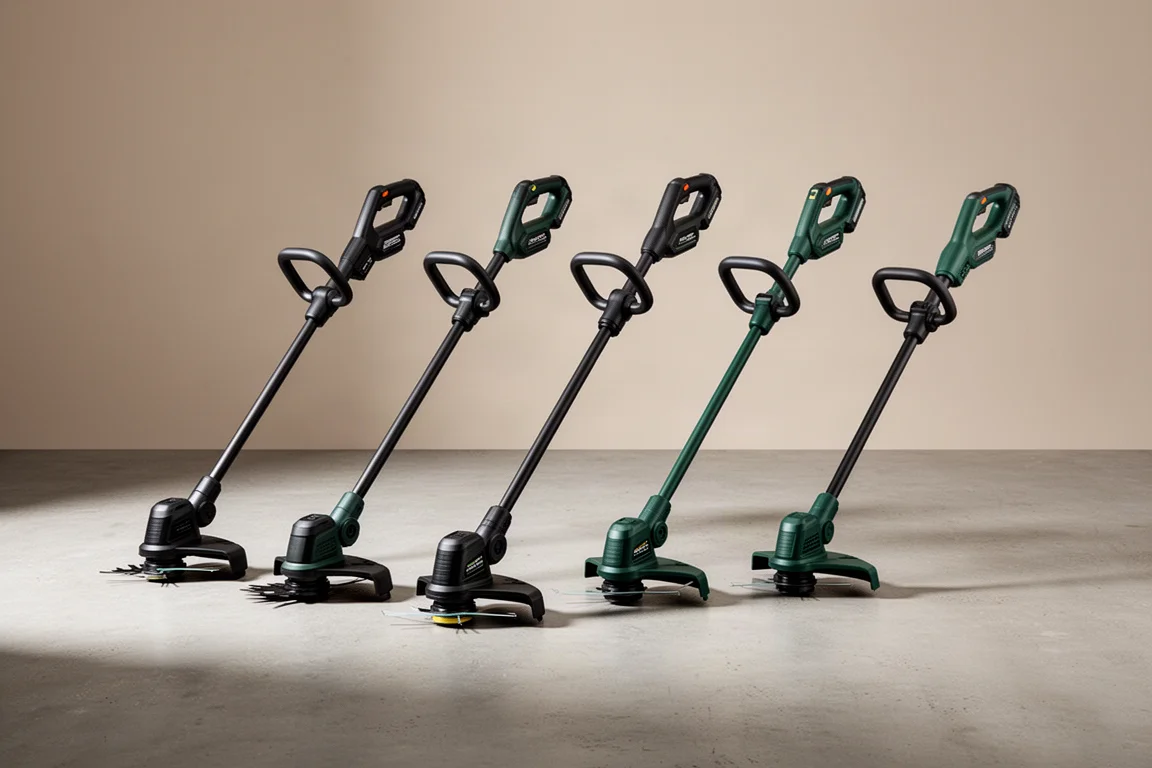
Best Battery-Powered String Trimmers 2026: Nine Brushless Models Compared
Nine cordless string trimmers tested side by side for cutting speed, vibration, line capacity, run time, and charge time. Here's how they stack up.