Outdoor Gear
Ryobi 18V Bug Zapper Review: A Cordless Mosquito Killer That Actually Works
Ryobi's 18V bug zapper combines a UV insect killer, a lantern, and a USB charger in one battery-powered unit. Here's how it performed in real use.
Introduction
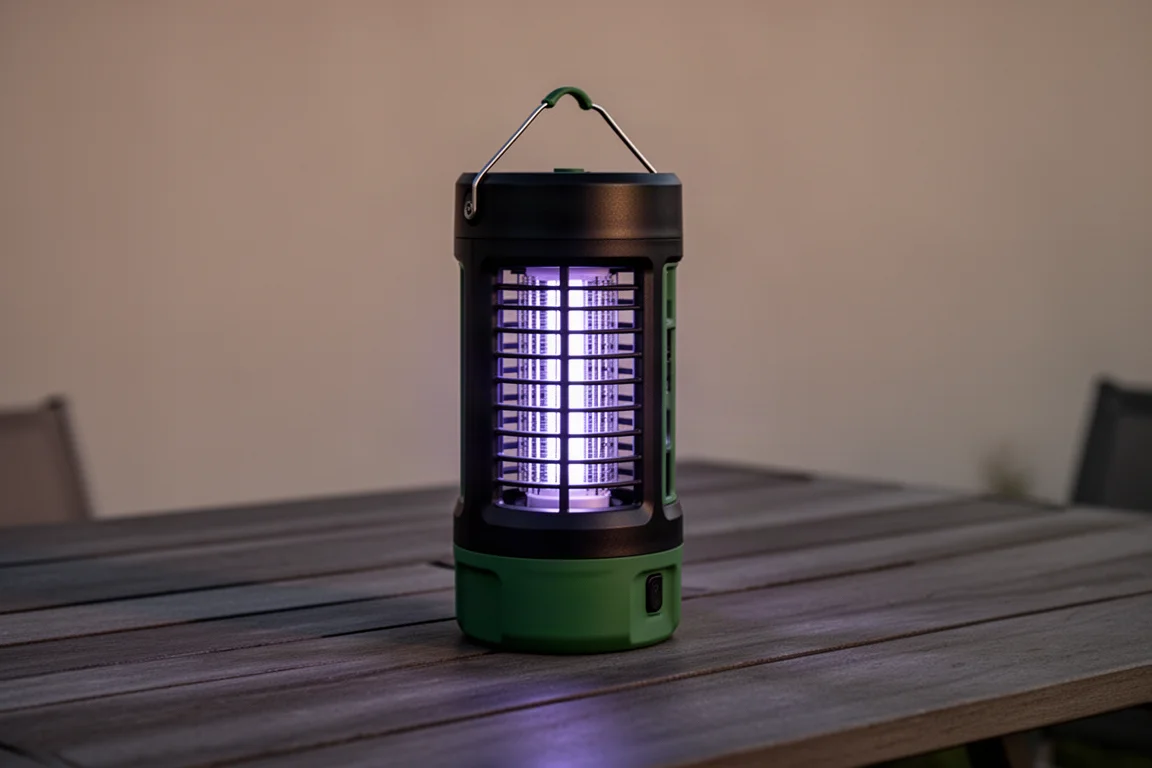
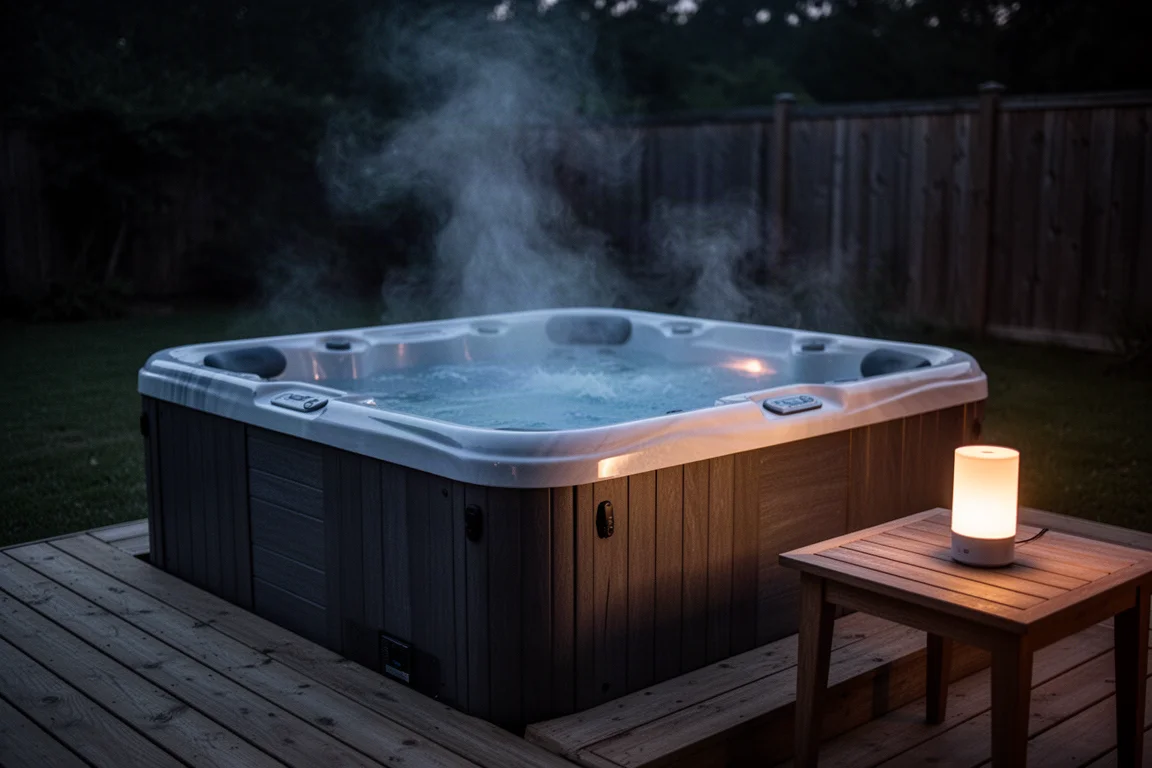
Battery-powered bug zappers have been a bit of a running joke in the tool world, so when a cordless one actually showed up on store shelves, it was worth a proper look. Ryobi’s 18V bug zapper is exactly that: a zapper that runs on the same one+ batteries as the rest of the range, making it a natural fit for anyone already invested in that ecosystem. After extended use in a workshop at night and outdoors around a hot tub, the short version is that it works much better than expected.
What It Is and What’s in the Kit
In most markets this is sold as a kit, which means the zapper itself plus a basic charger and a 2.0Ah battery. In some regions you can also buy it as a bare tool, and in the United States it has been seen as a two-pack kit. Availability varies, so it is worth checking what your local retailer carries.
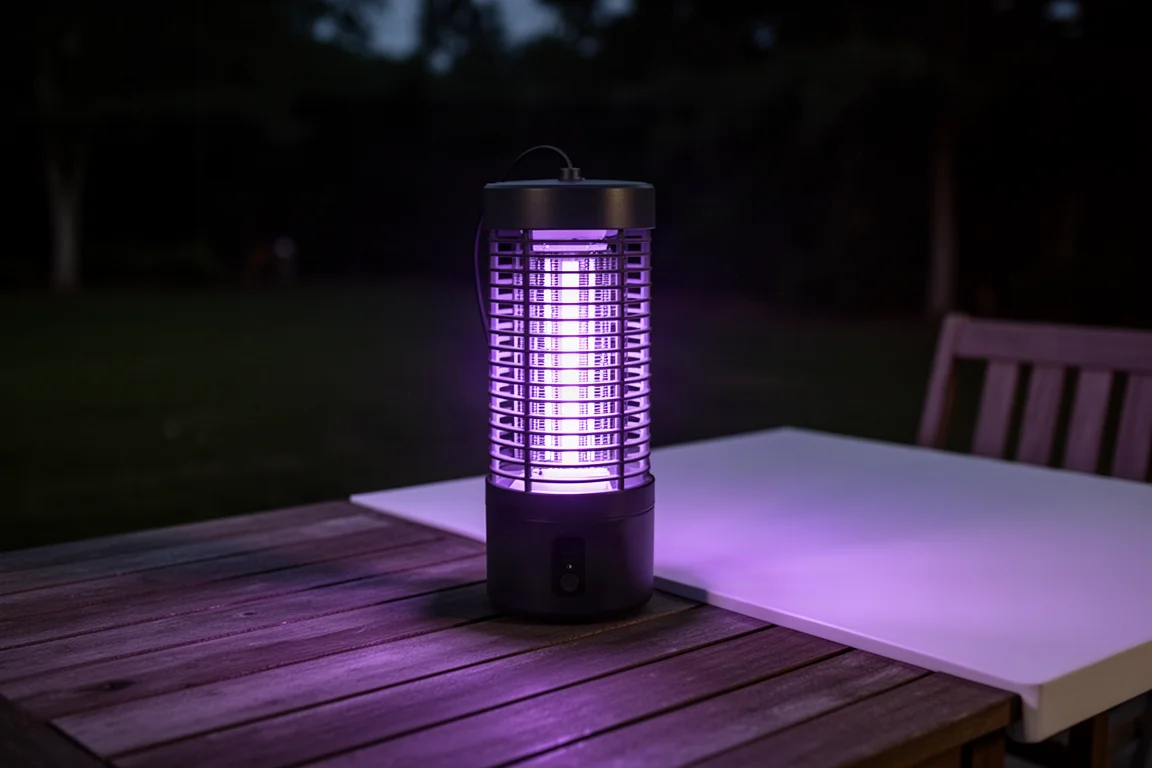
The unit takes the battery in the base. On a 6.0Ah pack there is a caveat: anything larger than a 6Ah battery will likely stick out of the bottom rather than sit fully inside, changing how the unit stands. The internal UV lights are notably pale compared with the deep purple tubes on many traditional zappers, but they still cast a distinct black-light purple glow on strongly white surfaces, which makes it easy to confirm the unit is running at a glance.
Controls, Lantern, and USB Charging
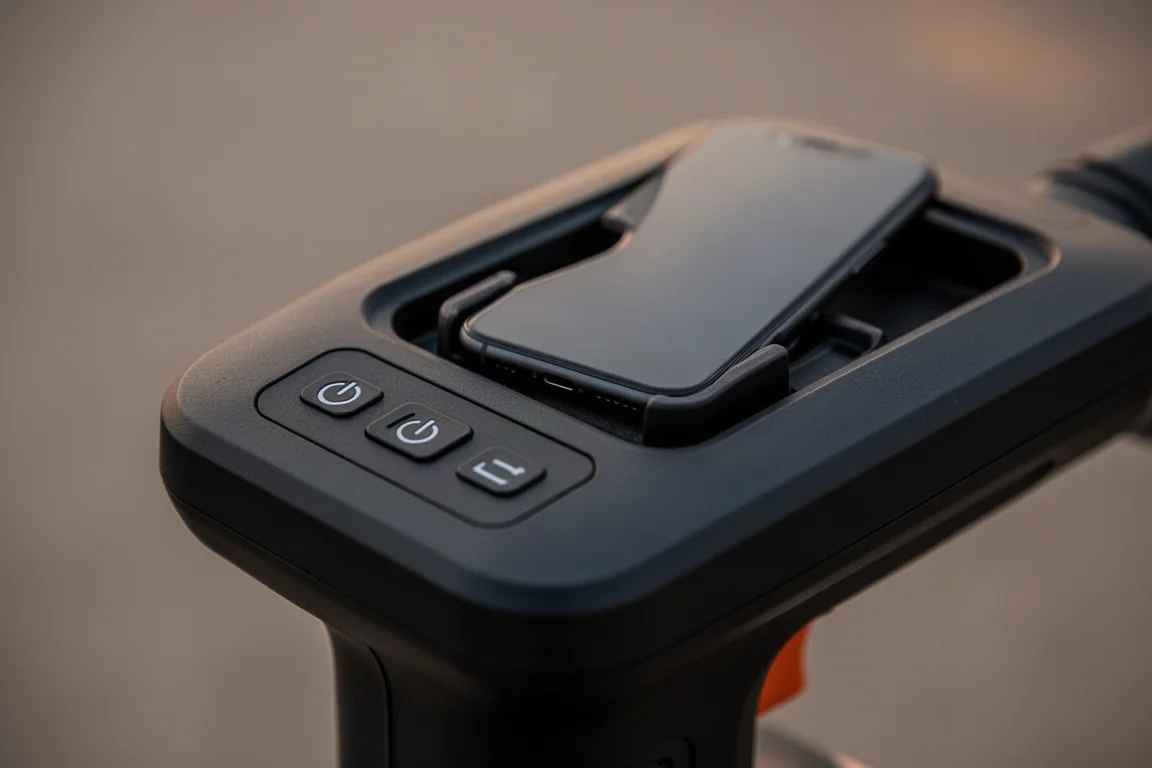
The control panel on top has two buttons. The mosquito button cycles through a 2-hour timer, a 4-hour timer, and continuous run until the battery dies or you turn it off. The light button controls the built-in lantern, which has LEDs on both sides with three brightness settings plus off. The lantern is not especially bright, more of a see-by glow, and it does draw in other insects like moths, so many users will leave it off and just run the zapper mode.
There is also a USB port on the back, activated by holding the light button for three seconds. A neat bonus: the top of the unit has a recess that holds a phone in place, so you can watch content while the phone charges. It is a small touch, but a genuinely practical one for evening use outdoors.
How Well Does It Kill Bugs?
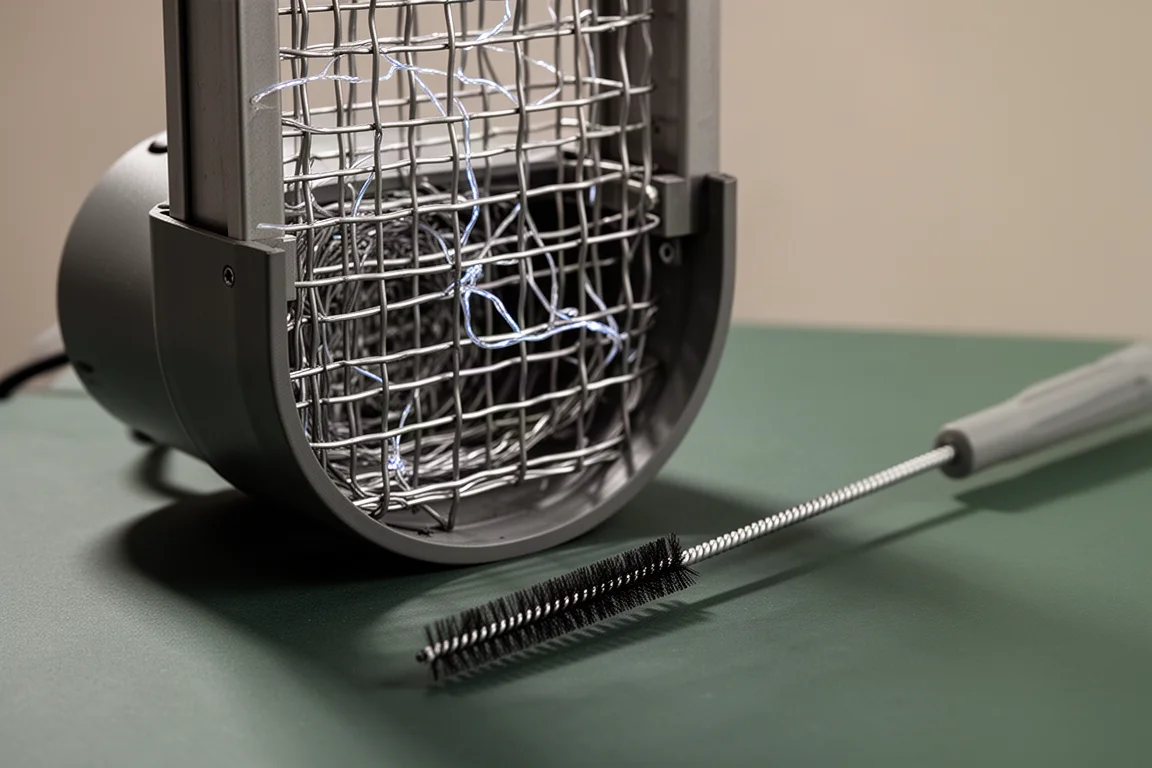
This is the part that matters most, and the answer is: surprisingly well. Used in a workshop with the door open at night, it was constantly zapping sandflies and mosquitoes. The wire grid runs between roughly 2,200 and 2,600 volts, and insects do not just die on contact, they visibly explode into fragments. The removable tray at the bottom catches surprisingly little whole debris, mostly frizzled legs and parts, which suggests many insects are obliterated outright.
One honest limitation: it was tested in winter, when mosquito numbers are naturally lower. In summer, when insects are at their worst, this is the kind of tool that would earn its keep around patios, decks, and hot tubs, where mosquitoes are a genuine nuisance.
Cleaning and Maintenance
Ryobi includes a small brush for cleaning the grid, and a long-reach access brush for getting debris out of the upper internals, which cannot otherwise be reached easily. Occasional clean-outs are needed because the occasional insect does get stuck inside the housing.
The top of the unit unscrews to give access to the UV bulb, which is replaceable if it ever blows. The catch is that the replacement bulb is proprietary to this zapper, so it has to come from Ryobi, and long-term availability of that spare is something to keep in mind.
Runtime and Battery Options
The stated runtime with the included 2.0Ah battery is up to about 4.5 hours, though that depends on whether you also run the lantern or charge a phone at the same time. In practice, running just the zapper mode delivered roughly 4 hours on the 2.0Ah pack. Scaling up, a 6.0Ah battery should get you around 12 hours, which comfortably covers a long evening outside.
Things to Consider Before Buying
- The UV light is pale rather than deep purple, which is subtler at night but can be slightly annoying to look at directly when it is the only light source.
- Batteries larger than 6.0Ah may protrude from the base and change how the unit sits.
- The lantern mode attracts moths and other insects, so it is best reserved for when you actually need the light.
- Replacement bulbs are only available from Ryobi.
Buying Advice
If you already own Ryobi 18V tools, this is an easy recommendation. It uses batteries you likely have, it genuinely kills mosquitoes and sandflies, and the lantern and USB charger add enough everyday utility that it earns its shelf space beyond a single season. Buying the kit version makes sense for first-time buyers since it includes a battery and charger. If you are not in the Ryobi ecosystem, weigh the cost of a battery and charger before committing. For anyone who spends summer evenings outdoors and is tired of being the mosquito’s favourite target, this is one of the more practical oddball tools in the range.
Conclusion
The Ryobi 18V bug zapper is a rare case of a gimmick-adjacent tool that delivers. It kills insects aggressively, runs for hours on modest batteries, doubles as a lantern and phone charger, and is easy to maintain. It is now arguably one of the most likeable tools in the Ryobi one+ lineup, and a smart purchase for anyone dealing with mosquitoes around the patio, deck, or hot tub.
Product link
View more details for Ryobi 18V Bug Zapper
This product is mentioned in the review. Check the specifications, options, and compatibility before buying.
View more details for Ryobi 18V Bug ZapperFurther reading
Related Reviews
Outdoor Gear
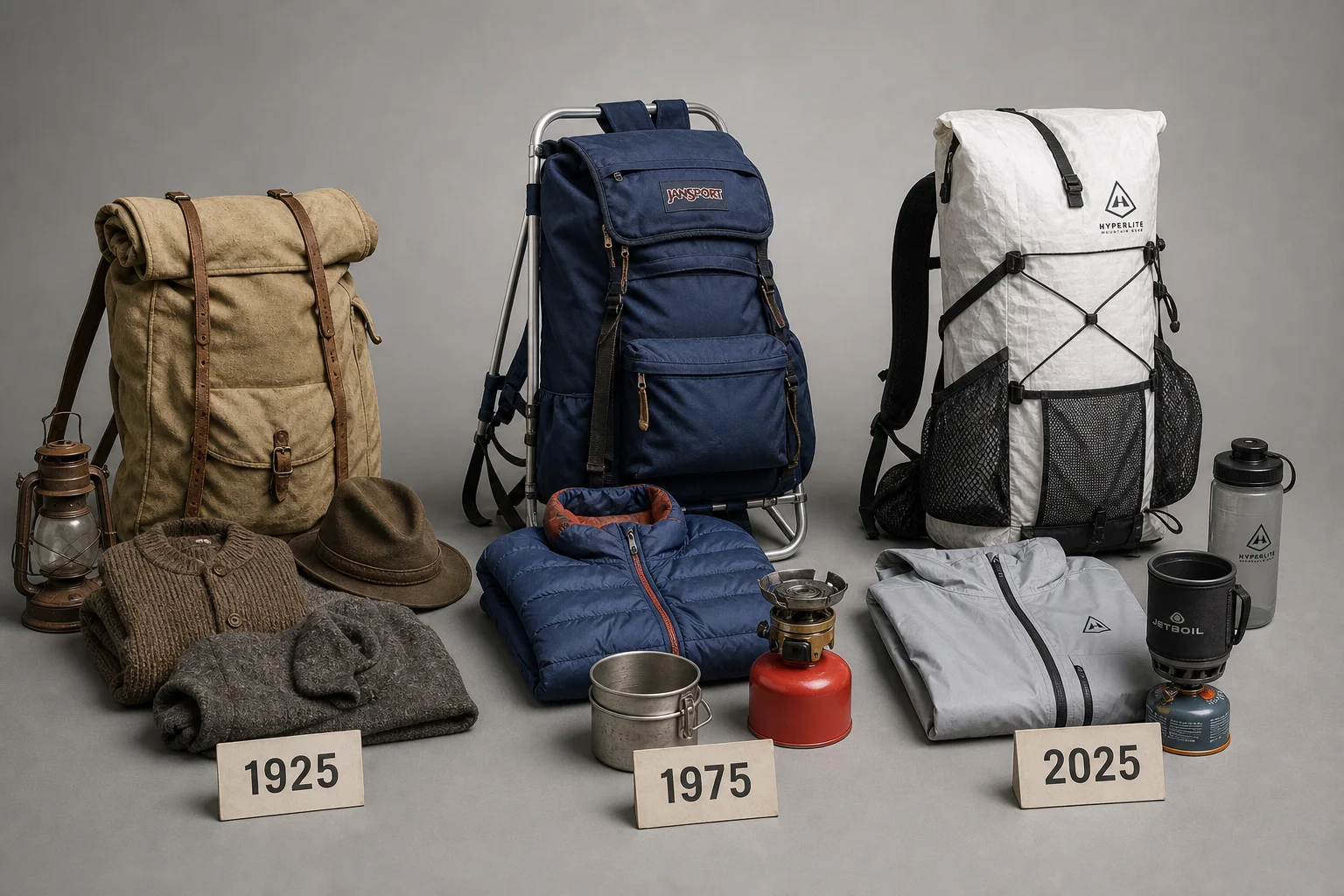
Backpacking Gear Evolution: 100 Years of Technology Compared
We tested backpacking gear from 1925, 1975, and 2025 across a three-day hike in Yosemite. Here's how technology has transformed comfort, weight, and the outdoor experience.
Outdoor Gear
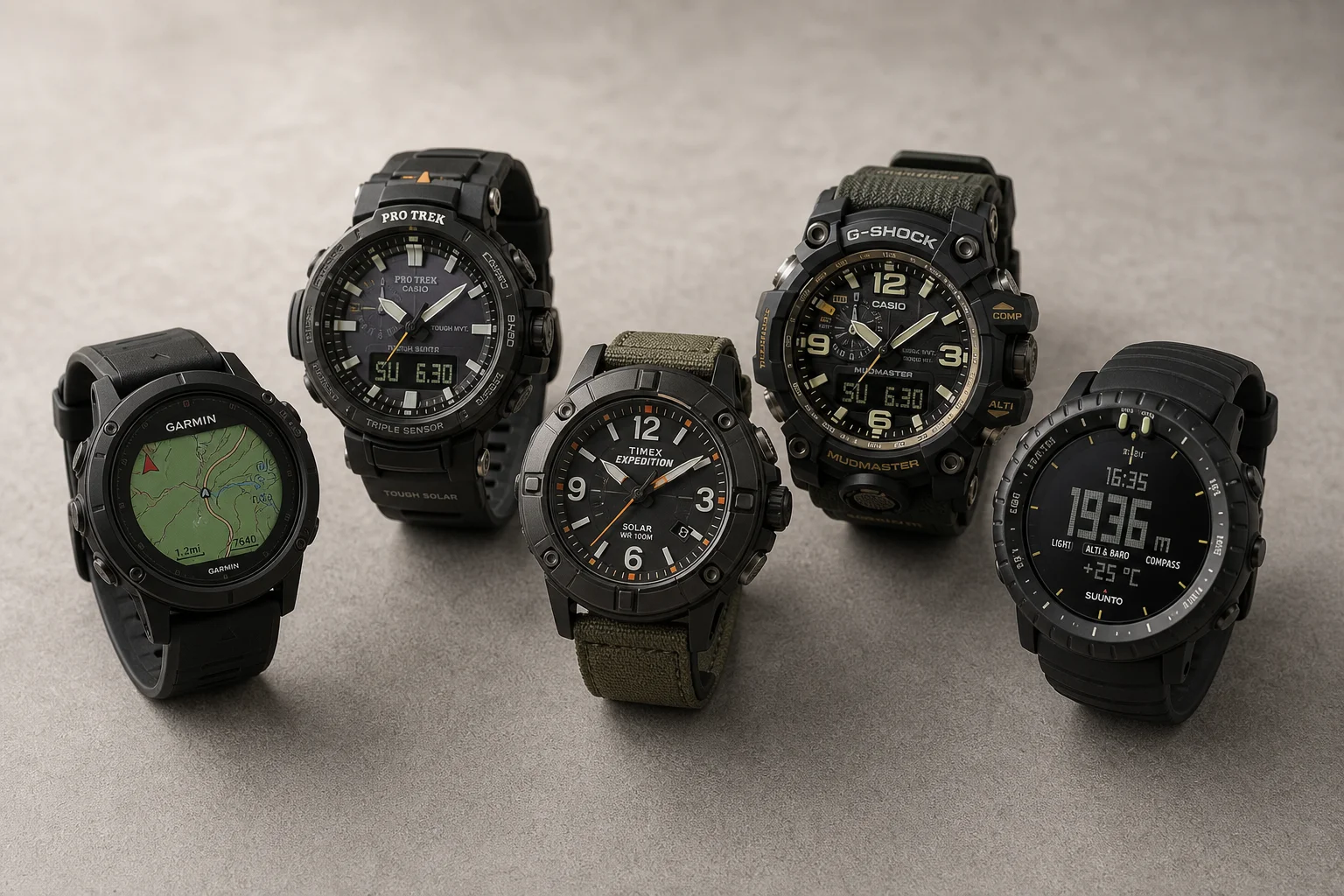
Best Affordable Hiking Watches: Five Rugged Options for Outdoor Adventures
Five durable hiking watches that balance ruggedness, functionality, and value for outdoor enthusiasts who need reliable GPS tracking and weather resistance.
Outdoor Gear
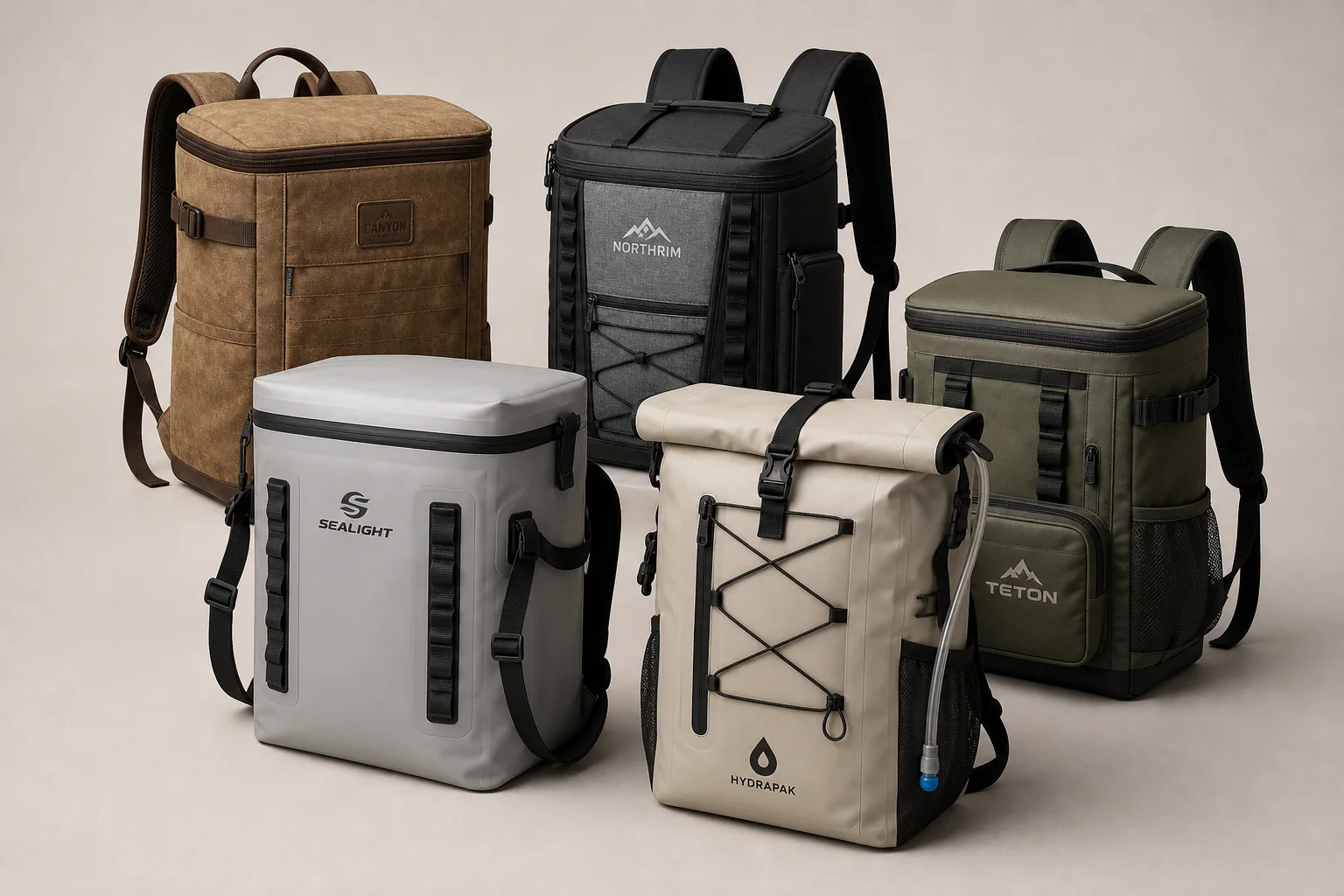
Best Backpack Coolers 2026: Five Practical Options for Outdoor Adventures
Five backpack coolers with distinct cooling capabilities, storage features, and design trade-offs to help you choose the right one for your outdoor needs.