Fountain Pens
Ryan Krusac Legend L16 Dragon Slayer Review: Scrimshaw Art You Can Write With
A limited-edition scrimshaw fountain pen made from deer antler and wood, with a light, comfortable hand feel and a lot of personality.
Introduction
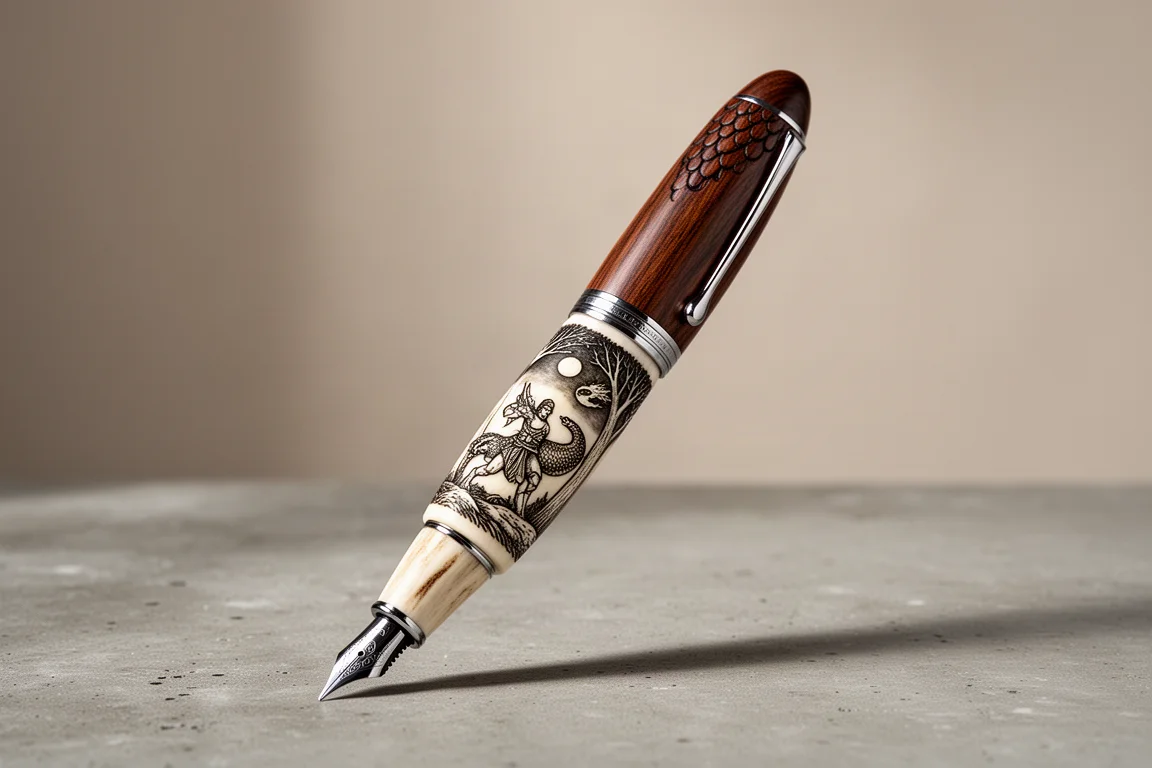
The Ryan Krusac Legend L16 Dragon Slayer is a limited-edition fountain pen built around a genuinely unusual idea: scrimshaw art on a writing instrument. Only 150 of these pens were made, and this one is number 87. It was picked up at the Dallas pen show a few years ago, roughly 2021 or 2022, for somewhere in the range of $350 to $400.
Krusac is an independent maker who works primarily in wood and other exotic materials, and the Dragon Slayer represents one of the earlier times he moved beyond wood into bone and scrimshaw work. After years of ownership, it remains one of the most distinctive and comfortable pens in the collection.
Design and Materials
The pen is based on the L16 model shape, the largest and girthiest of the Legend series. The barrel is made from deer antler, scrimshawed with an intricate scene of Siegfried battling a dragon in a moonlit night forest. The work is detailed and genuinely impressive, the kind of art you find yourself looking down at while writing.
The cap is made of wood with a domed top and an etched dragon scale pattern that ties into the theme. Inside, both sections use plastic inserts for the threads and structure, which keeps the natural materials from interfering with function.
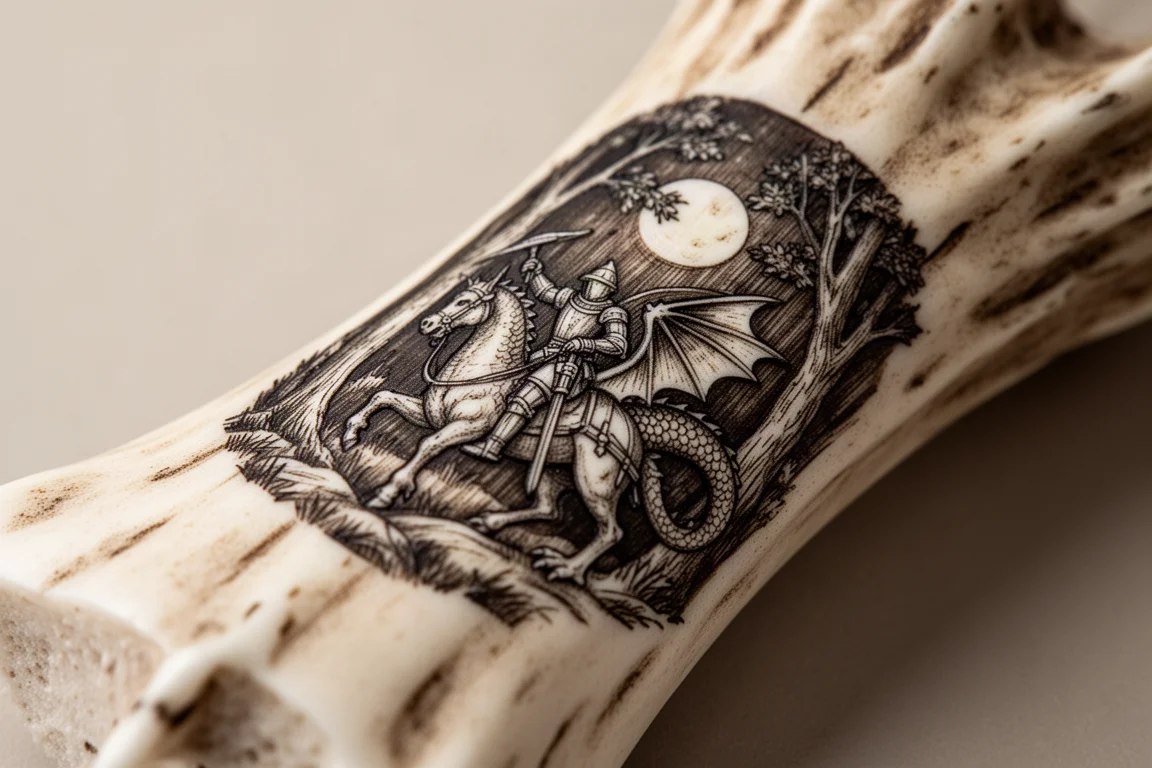
Because the pen is built from antler and wood rather than dense metal or resin, it is surprisingly light. It essentially disappears in the hand while writing, which is a rare combination with a wide pen.
Build Quality and Fit
Workmanship is excellent. The step down from the cap is small, everything is rounded off nicely, and there are no sharp edges or noticeable thread bite. The unscrewing process takes about three and a half turns to uncap, which is one area that could be better for quick access.
The one flaw noticed over years of use is a few small cracks in the thin plastic insert near the cap, likely from a humid environment and the natural movement of uncoated wood. It is purely cosmetic: the plastic insert runs the full length, so it does not affect ink or function. In practice it reads as character rather than defect, though buyers of lacquered wooden models would likely avoid it.
Nib and Filling System
The pen ships with a steel JoWo nib, this one a fine, with the maker’s signature mark on the nib and his signature near the bottom of the pen. The nib is believed to be a size six. The grip section is likely ebonite, and the nib and feed unscrew from the section, which makes cleaning the pen remarkably easy.
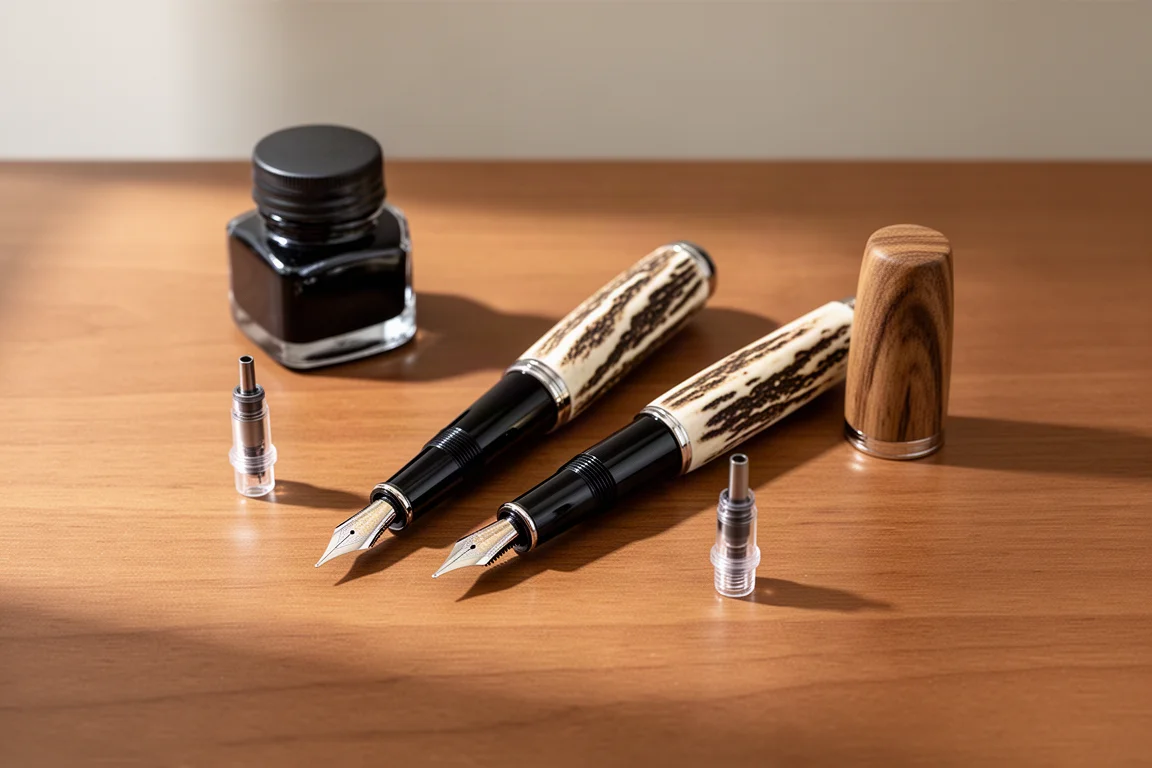
It is a cartridge converter pen, with a converter and cartridge included, and the nib size of your choice can be specified when ordering. One caveat: the example purchased arrived with a baby’s bottom on the nib. That is not a fault of the maker’s finishing in general, and a simple nib adjustment solved it completely.
Writing Performance
After tuning, this pen writes beautifully in all directions with no hard starting. It is a very wet writer, almost a gusher, which pairs perfectly with a saturated ink like Diamine Majestic Blue. Expect to refill the converter partway through heavy use.
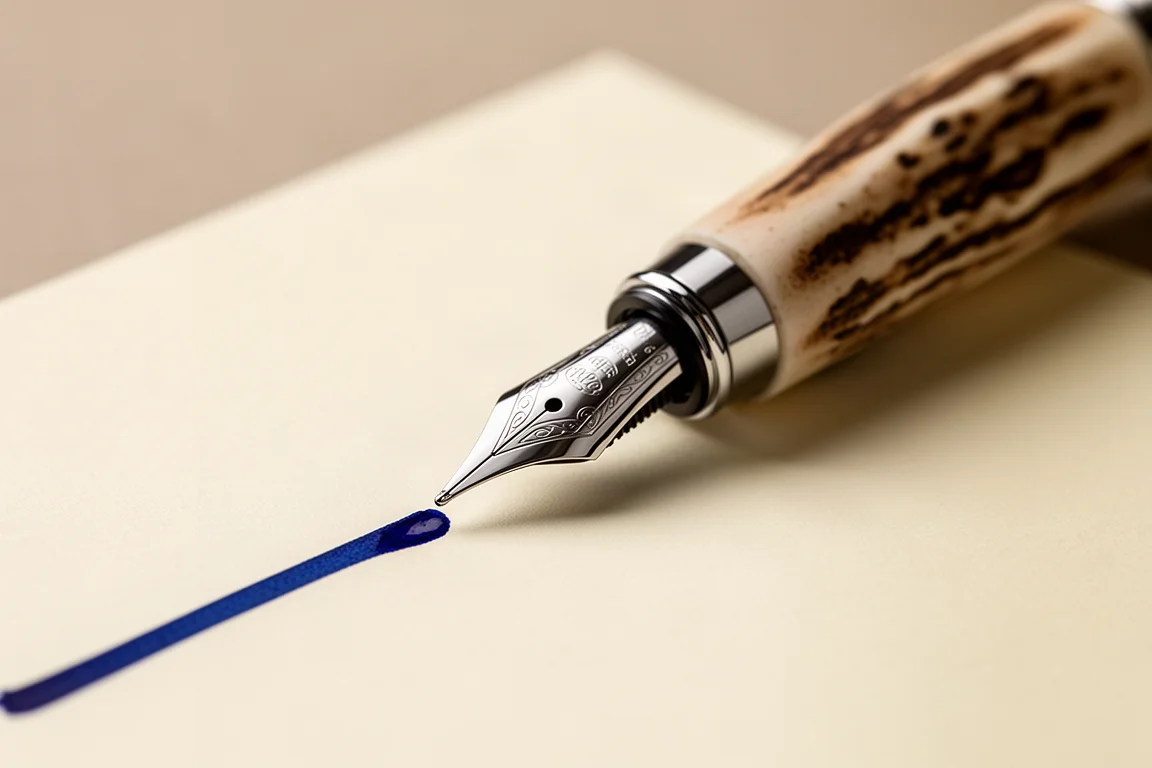
The fine nib is a true western fine, noticeably wider than a Japanese fine or extra fine. It has a slight amount of audible feedback, smooth but with a soft pencil or marker-like texture rather than glassy slickness. Combined with the light weight and generous girth, it is an extremely comfortable long-session writer: big pens often feel heavy and unwieldy, but this one settles into the hand and stays there.
Things to Consider Before Buying
- Handmade artisan pens take time and are usually bought at pen shows or directly from the maker’s website.
- Uncoated wood and antler can develop cosmetic wear with humidity and temperature changes; lacquered models are more resistant.
- The three-and-a-half-turn uncap is slow if you uncap frequently.
- A tuned or adjusted nib may be worth budgeting for if you want a specific feel or a finer line.
Buying Advice
Krusac’s Legend series has expanded considerably, with Viking-themed designs, ship scenes, and a wide range of woods including cocobolo, rosewood, burl, and olive. The smaller L14 and L15 sizes currently run $475 on his website, and prices have likely risen since earlier years.
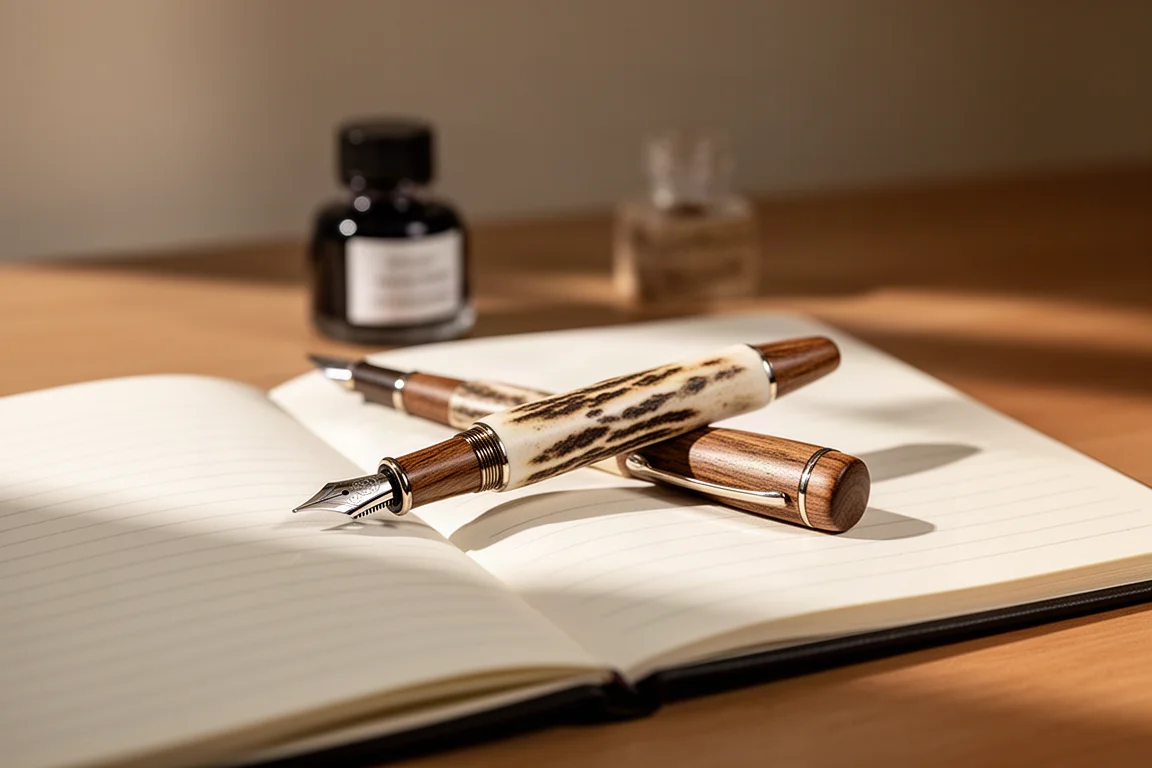
For a pen in the $350 to $400 range, the value argument is straightforward: you are getting a handmade piece from a single maker working with quality natural materials, and it is a limited edition you will not see everywhere. It is easy to recommend both the Dragon Slayer specifically and Krusac’s work in general, especially to anyone who wants a pen with real artistic character that still writes as an everyday tool.
Conclusion
The Ryan Krusac Legend L16 Dragon Slayer delivers something few pens can: genuine handmade art, unusual materials, and a light, comfortable writing experience all in one. The few cosmetic quirks are minor against the craftsmanship and personality on offer. If you ever get the chance to handle one at a pen show, take it.
Product link
View more details for Ryan Krusac Legend L16 Dragon Slayer
This product is mentioned in the review. Check the specifications, options, and compatibility before buying.
View more details for Ryan Krusac Legend L16 Dragon SlayerFurther reading
Related Reviews
Fountain Pens
Best Budget Fountain Pens Tested: 9 Pens, One Clear Winner
A hands-on comparison of nine affordable fountain pens for everyday writing, calligraphy, and sketching, with a clear standout for flexible nib fans.
Fountain Pens
Aurora Optima Review: An Italian Piston Filler That Punches Above Its Price
A 14k gold nib, ebonite feed, and a beautifully deep oraloid body make the Aurora Optima one of the most rewarding piston fillers around.
Fountain Pens
Cross Bailey Light Review: The Entry-Level Fountain Pen Worth Keeping at the Office
A plastic-bodied Cross with a metal clip, snap cap, and famously smooth extra fine steel nib. Around $15, available almost everywhere, and easy to recommend.