Running Shoes
Four Running Shoes Worth Watching: From Plush Daily Trainers to Eco Experiments
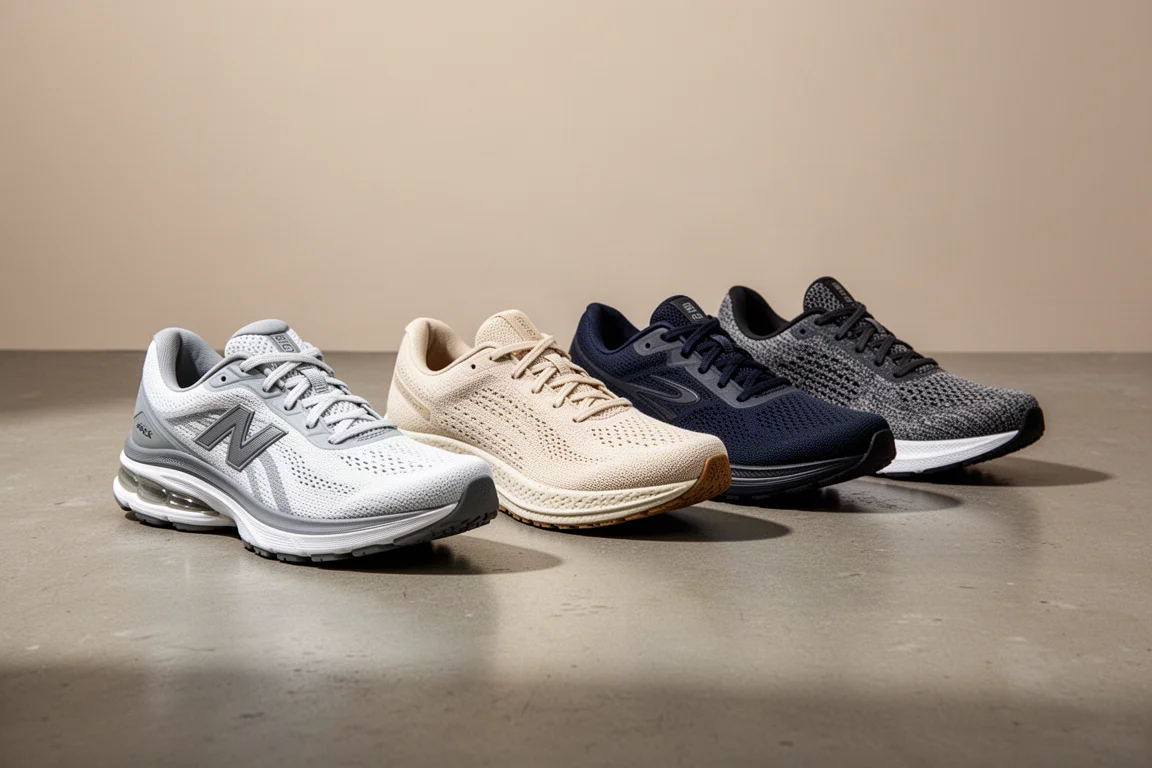
Four running shoes on our radar: ASICS Gel-Nimbus 24, Adidas Futurecraft Footprint, Nike Revolution 6 Next Nature, and Reebok Floatride Energy 4.
Introduction
Not every shoe on this list is a buy-it-now recommendation. These are four models we are tracking closely, three of which earned a firm place on the test list, and one that we would genuinely skip. The common thread: each one tells you something useful about where running shoes are heading, whether that is lighter cushioning, lower carbon emissions, or simply better value for everyday miles.
ASICS Gel-Nimbus 24
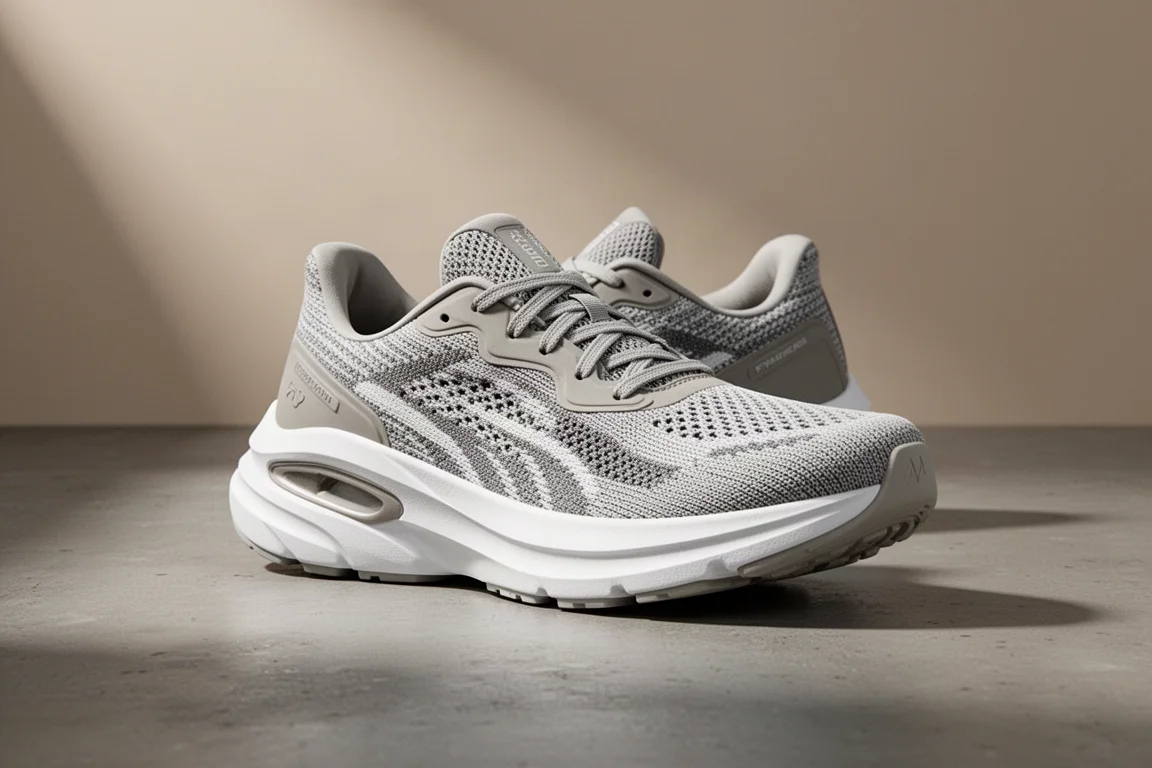
The Gel-Nimbus line has long been a staple for runners who put comfort first, and the 24 looks like a thoughtful refinement rather than a reinvention. The 10mm drop carries over, but ASICS has trimmed meaningful weight: the shoe drops from 310 grams (10.9 oz) in the Nimbus 23 to around 289 grams (10.2 oz). That saving likely comes from the updated midsole, which now uses FF Blast+ throughout.
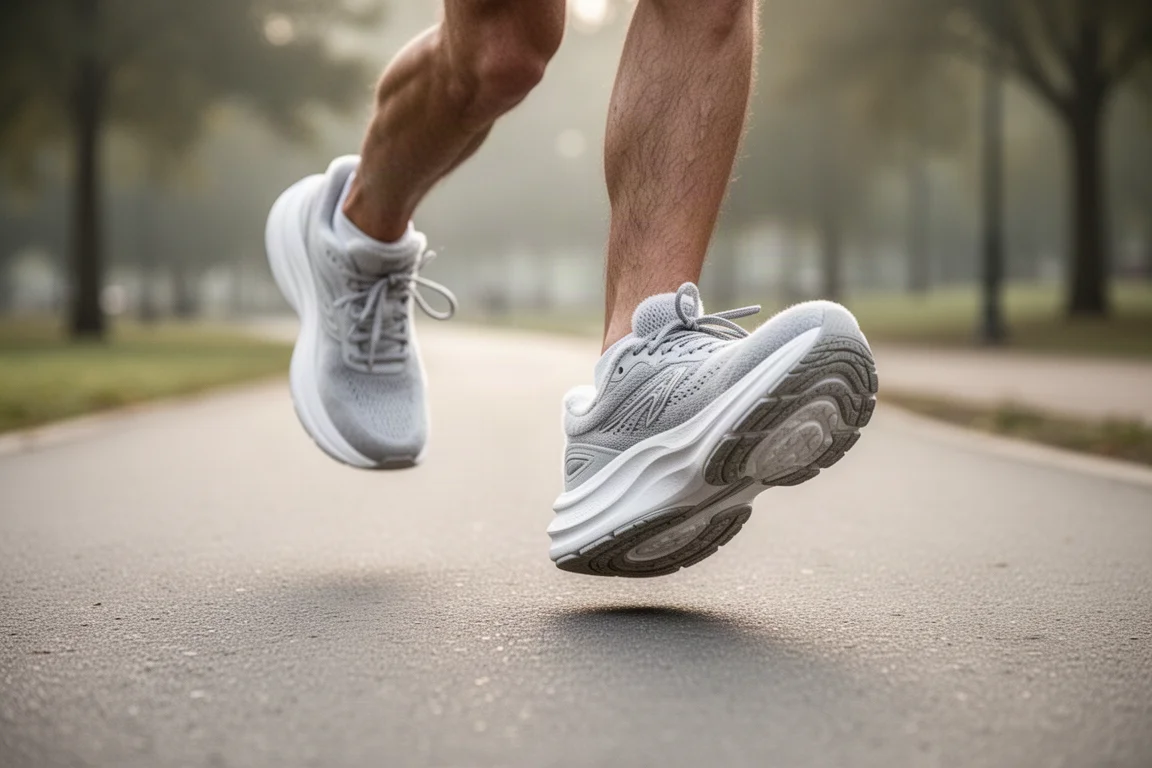
The classic gel-cushioned heel section remains, aimed at long-range comfort and durability, and that is exactly the appeal here. With so many shoes on the market sporting towering stacks, a well-loved trainer with a comparatively lower stack and proven impact protection is a refreshing option. It is one of ASICS’s higher-priced shoes, and availability has been uneven, already out in some markets and delayed in others. Still, this one makes the shortlist.
Adidas Futurecraft Footprint
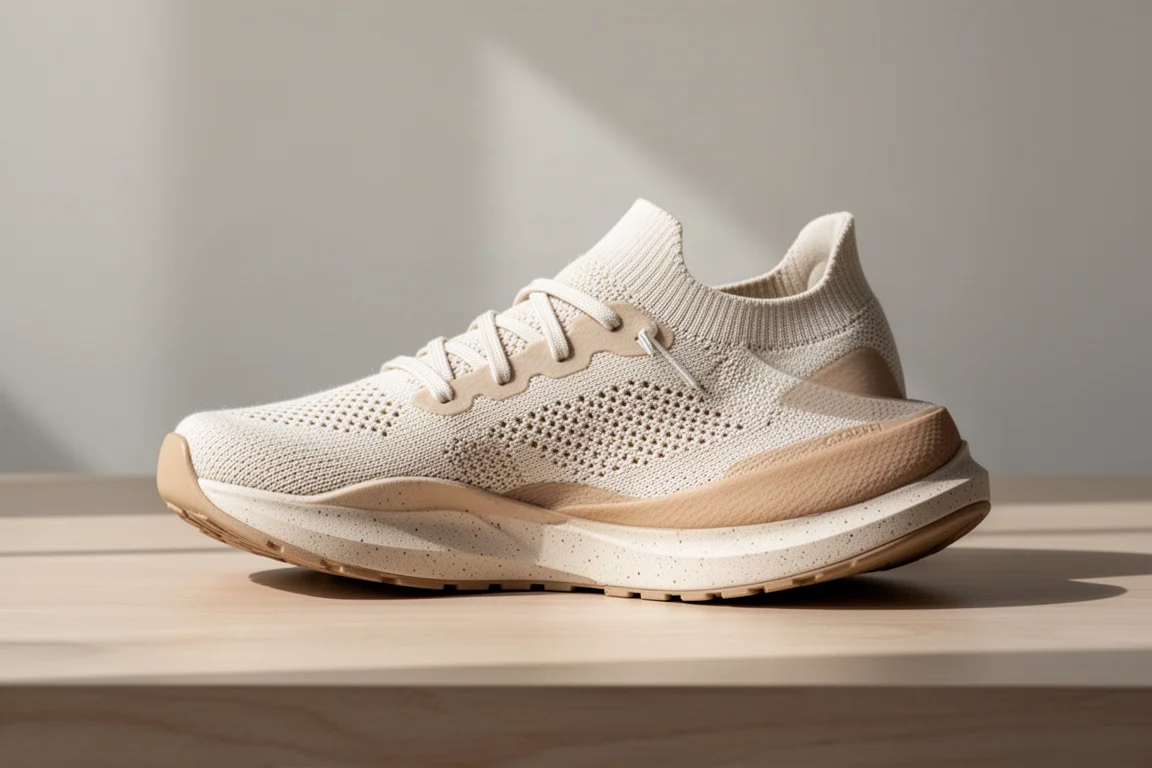
This Adidas and Allbirds collaboration set out to build a running shoe with the smallest possible carbon footprint, and the numbers are genuinely impressive. The bio-based EVA midsole is made from sugarcane, the upper uses 50% recycled materials, and the rest draws on sustainable wood fibres. Adidas claims just 2.94 kg of CO2 per pair, reportedly the lowest figure it has recorded.
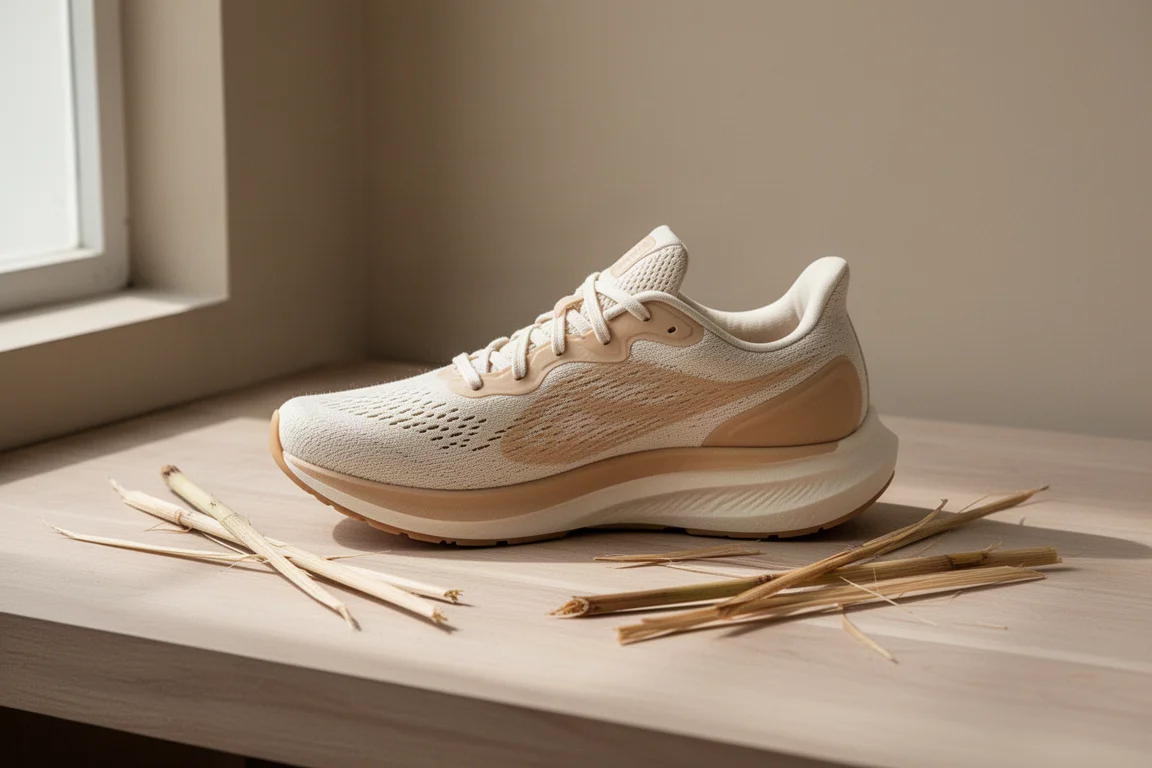
There are caveats worth knowing. Past experience with Allbirds midsoles suggests the foam can feel firm over long distances, comfortable enough for three or four miles but tougher beyond that, and earlier models ran heavy. Adidas appears to have addressed the weight, describing this as one of the lightest shoes in its collection. Priced at £110 in the UK, it is not cheap, but it sets a benchmark other brands’ eco claims should be measured against. An easy yes.
Nike Revolution 6 Next Nature
Here is where enthusiasm cools. At around £55 in the UK, the Revolution 6 Next Nature is an affordable option, but its green credentials feel thin. The headline claim is that the laces are 100% recycled, and the upper reportedly uses at least 20% recycled materials. That is a modest figure to hang a “Next Nature” badge on.
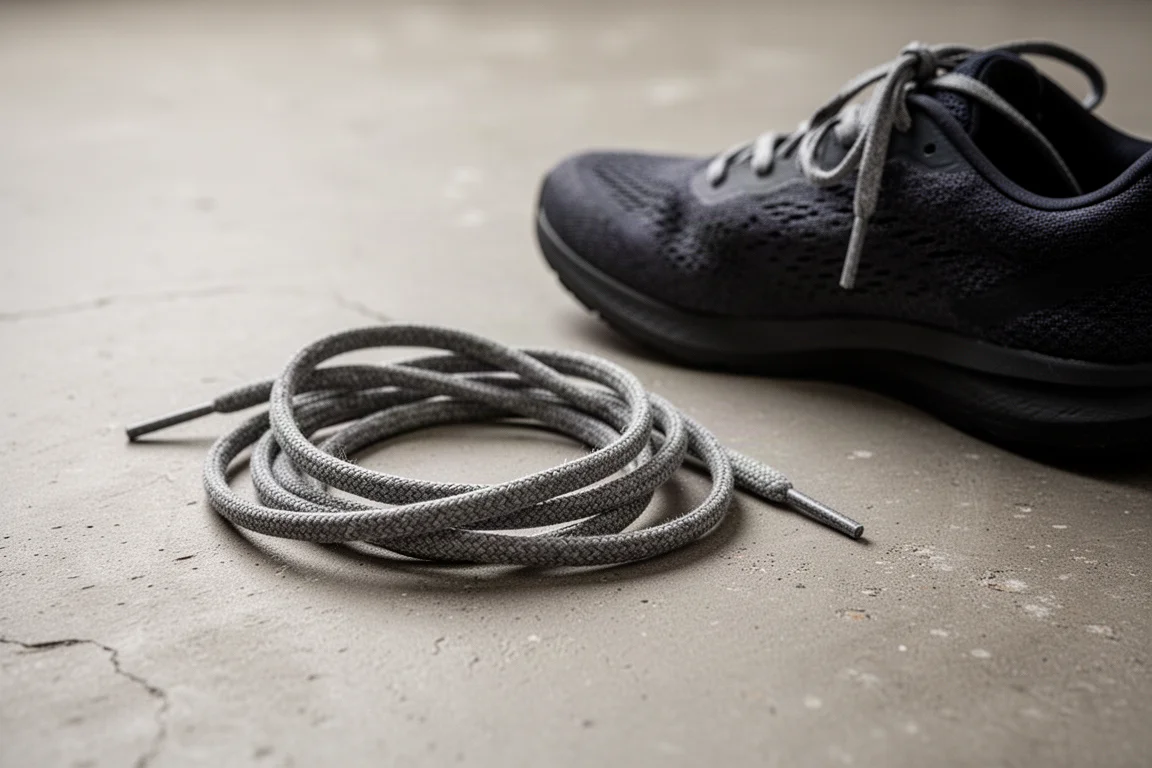
There is also very little information about what foam is actually used in the midsole, which makes it hard to judge as a serious running option. At a slightly higher price, other brands offer more dependable trainers, and this one feels more like recycled-lace marketing than a genuine eco statement. This is the clear skip of the four.
Reebok Floatride Energy 4
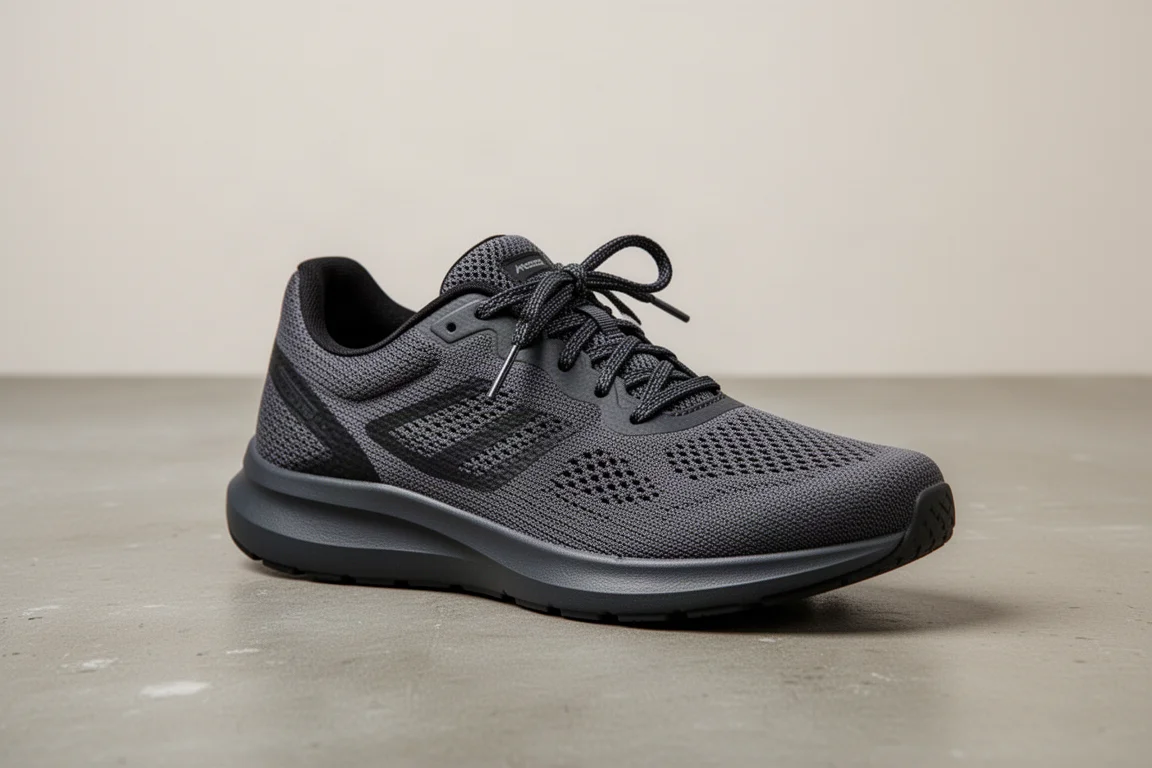
The update to a shoe many runners loved in 2021 arrives with sensible, targeted changes. The outsole stays essentially the same as the Energy 3, whose carbon rubber held up well, showing almost no wear after 100 miles. The 9mm drop and midsole also carry over largely unchanged, so the ride should be familiar.
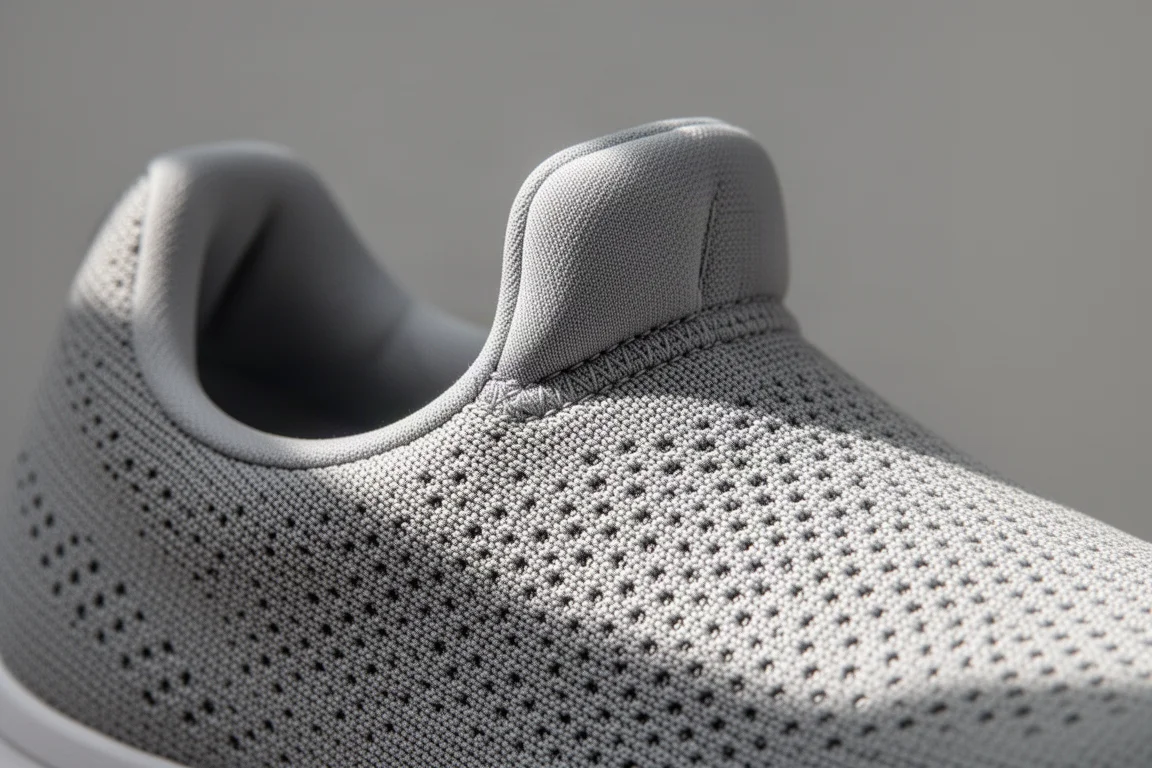
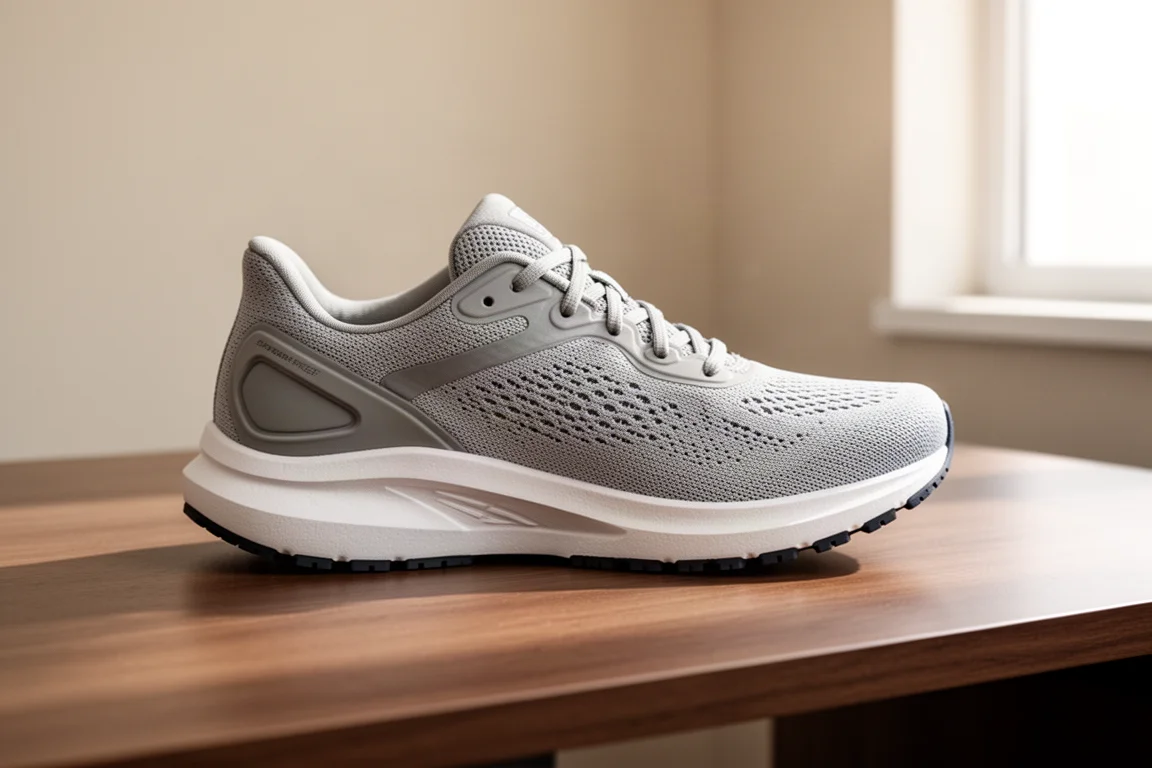
The big news is the new upper. It moves to a more textile-based construction that looks noticeably more breathable, with a thinner tongue that no longer protrudes the way the thick Energy 3 tongue did, a detail some runners disliked. Small lace fixtures on the tongue should also help reduce tongue slip. Listed weight figures suggest around 198 grams, a huge drop from the Energy 3’s 241 grams, though that number is suspicious enough that we would treat it with caution until confirmed. Even if the real saving is smaller, a lighter Energy 3 is a win. At around £75 at retail, this is one of the best-value picks here and an easy yes.
Buying Advice
If plush protection for long miles matters most, the Gel-Nimbus 24 is the safest bet, provided you are happy to pay a premium and find it in stock. If sustainability is your priority and you can accept a firmer ride, the Futurecraft Footprint is the most credible eco running shoe we have seen. Skip the Revolution 6 Next Nature unless you simply want a cheap casual shoe. And for everyday training on a budget, the Floatride Energy 4 looks like the value pick of the group.
Conclusion
Three of these four shoes earn a spot on the test list, and each for a different reason: refined cushioning, genuine low-emission design, or smart value. The Revolution 6 Next Nature shows that eco-friendly branding is not the same as eco-friendly engineering. Watch this space for full hands-on reviews as availability allows.
Further reading
Related Reviews

Running Shoes
Best Road-to-Trail Running Shoes: Three Versatile Options for Mixed Terrain
A practical guide to three road-to-trail running shoes that handle both pavement and mild trails, with clear strengths and trade-offs for different runner types.

Running Shoes
Best Running Shoes for Achilles Tendonitis: Three Options Explained
Three running shoes with different heel drops and support features designed to help reduce Achilles tendon pain during walking and running.

Running Shoes
Best Running Shoes for Women: Five Top Choices Ranked
A ranked guide to five women's running shoes, from versatile daily trainers to high-performance racing options, with real strengths and trade-offs for each.