Running Shoes
Running Shoes We Disagree On: Five Popular Models, Very Different Verdicts
Five running shoes that split our opinions, and why foot strike, fit, and pace can make the same shoe feel completely different from one runner to the next.
Introduction
The same running shoe can be a favorite for one runner and a dealbreaker for another. That is not a contradiction, it is just how shoes work. Fitness background, joint range of motion, foot shape, and how you naturally move all shape what a shoe feels like underfoot.
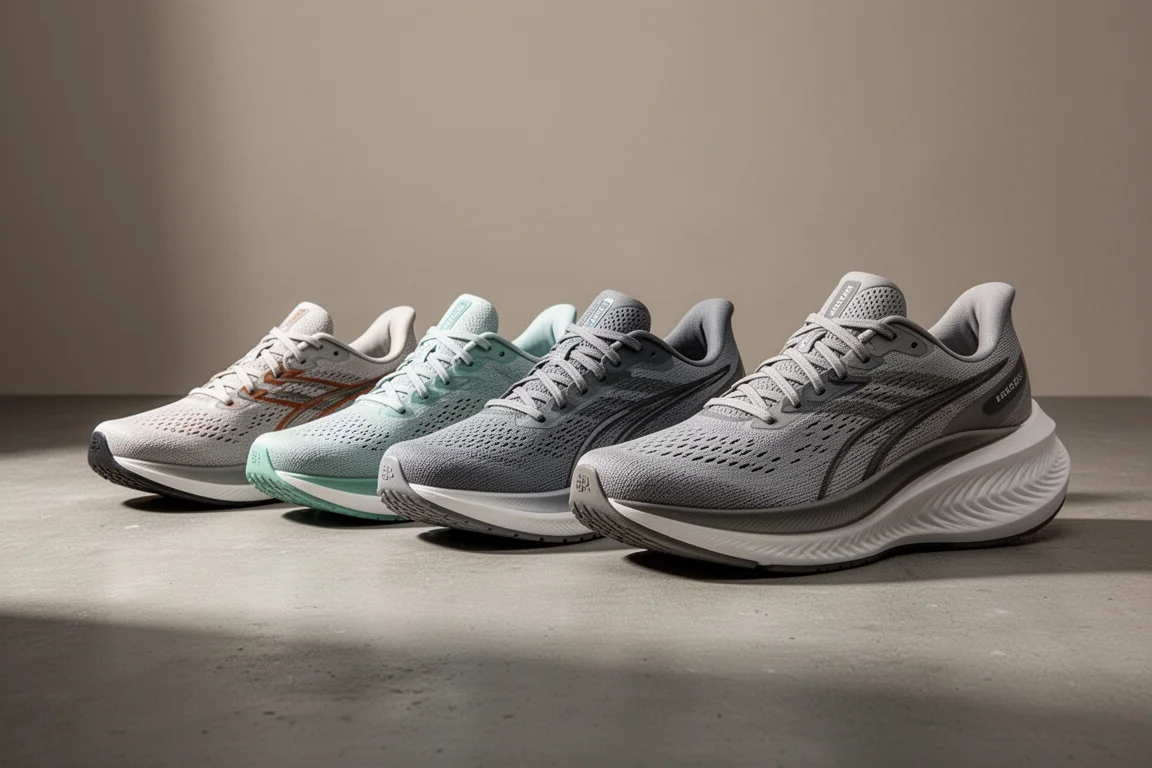
This post looks at five popular models that produced genuinely split verdicts between two runners with very different mechanics. One glides smoothly over the ground with a midfoot landing; the other lands at the heel with a heavier, less classically efficient stride. Same pace on group runs, completely different experience in the same shoes.

What Shapes Your Shoe Experience
Two ideas explain most of the disagreement. The first is the comfort filter: whether you perceive a shoe as comfortable, and whether you prefer soft or firm cushioning, bouncy or quiet rides, aggressive rocker geometry or nothing at all. Those preferences are fairly stable. If you have loved soft, bouncy shoes for ten years, you are unlikely to want only firm, low-stack shoes five years from now.
The second is the preferred movement pathway, meaning how your body naturally wants to move. A midfoot lander and a heel lander experience the exact same geometry very differently, because where the cushioning sits under your foot at first contact changes everything. These pathways can change, but it takes months of deliberate work, and the load simply shifts to different tissues rather than disappearing. Changing too quickly is a classic recipe for calf, Achilles, and metatarsal problems.
Fit matters more than most people expect, too. Toe length relative to foot length, arch height, forefoot width, and sensitivity to pressure points all feed into the verdict. A loose midfoot or a tapered forefoot can even change how a shoe’s ride is perceived, because sliding around means you never load the foam the way it was designed to be loaded. Runner weight, mood, fatigue, and current training pace also tilt the scales. With that framing in mind, here are the five shoes where opinions genuinely diverged.
Puma MagMax Nitro
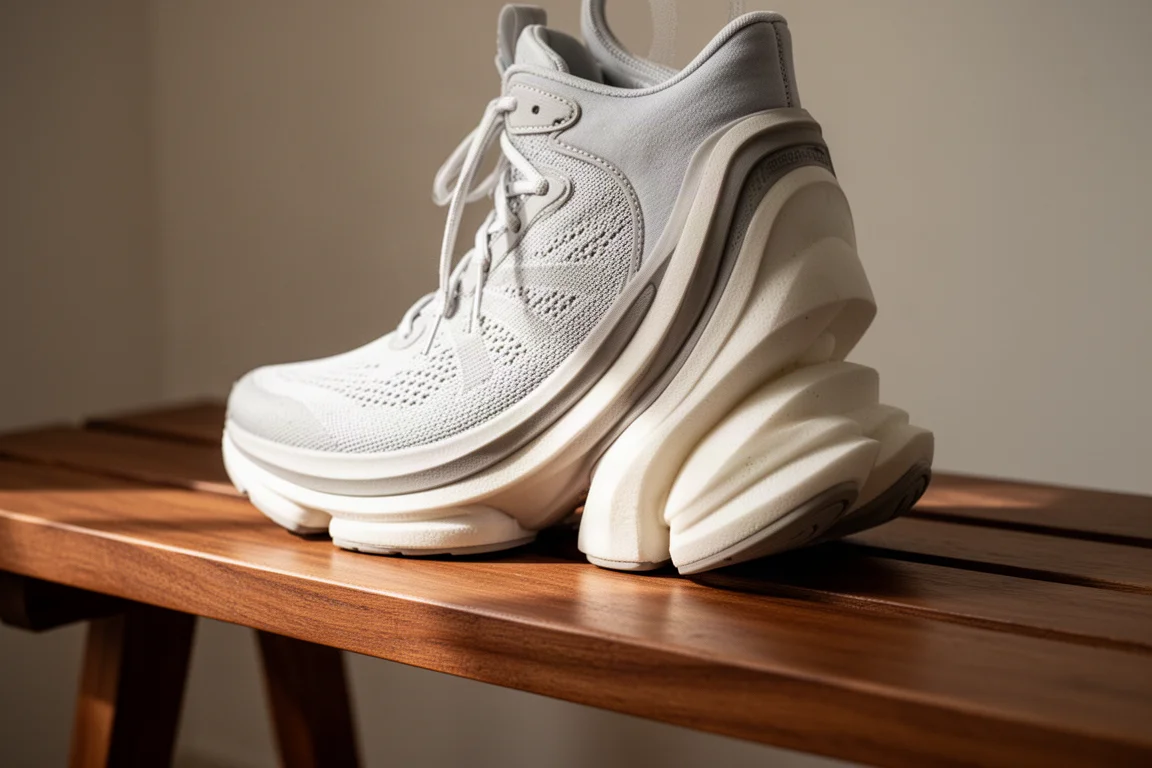
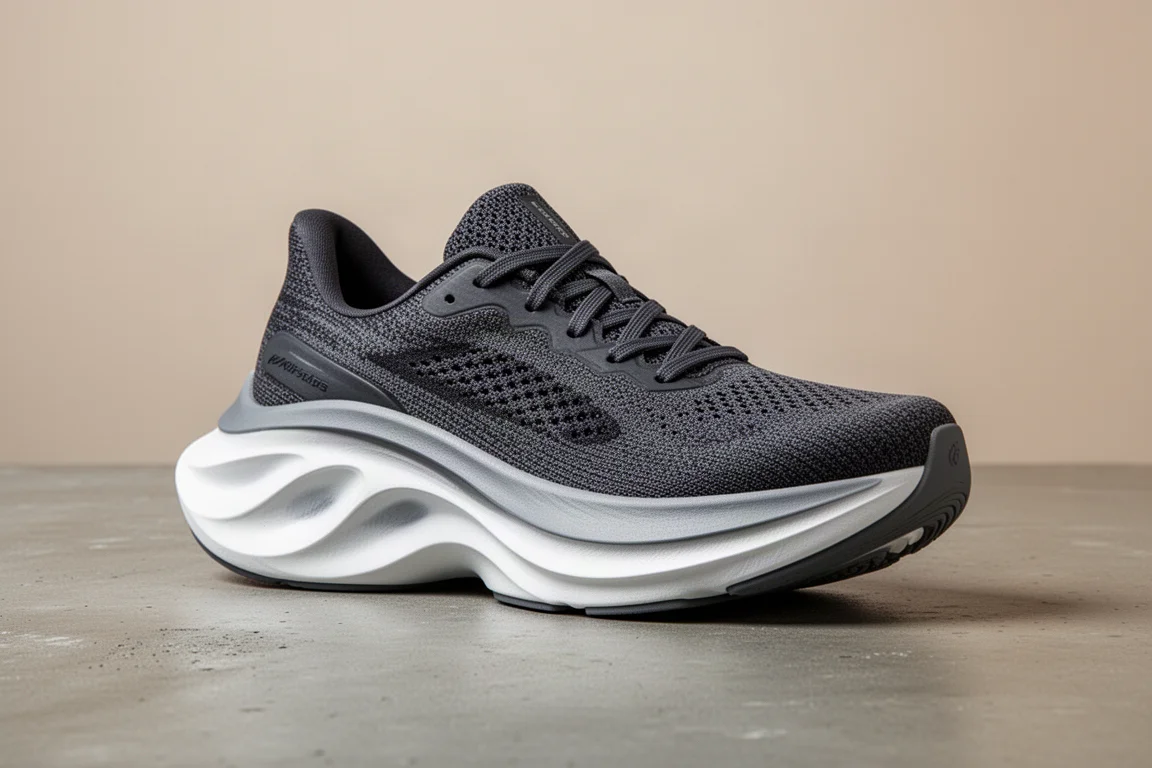
Puma’s tallest shoe to date, with a stack in the range of 47mm at the heel and 39mm at the forefoot and roughly an 8mm drop, no plate despite a very stiff feel. One tester found the heel clunky; the other never noticed it at all.
The positive view: a wide base that feels stable, an upper that disappears on the foot, enough cushioning to protect tired legs without feeling marshmallow soft, and a ride versatile enough to run slightly faster than easy pace. For a max-stack shoe, that versatility is unusual.
The critical view: a low-volume upper that initially pushed on the toes, significant lateral and posterior heel flare that pitched the foot inward and forward on landings, and a sore anterior tibialis after the first run. Landing slightly further forward made the shoe roll better, but the heel geometry never fully clicked.
The likeliest explanation is a combination of foot strike location and fit. Landing further from that flared heel avoids the pitching entirely. Neither verdict is wrong; they are two honest readings of the same geometry.
Nike Pegasus Plus
The Pegasus Plus was one shoe both testers actually agreed on, just not in the way you might hope. The midfoot fit is loose, the forefoot is tapered, and lockdown proved difficult. Cranking the laces down got uncomfortable without ever achieving that just-right feel.
The interesting part is what that fit may have done to the ride. If your foot is sliding slightly inside the shoe, you may not be loading the ZoomX foam the way it is intended, which can make an otherwise good midsole feel muted. Fit does not just affect comfort; it can reshape how the ride itself is perceived.
If you have a narrower or lower-volume foot, this may be a non-issue and a genuinely fun daily trainer. If your midfoot is wider or you are sensitive to any movement inside the shoe, try it carefully in a store first and test the lockdown before committing.
Mizuno Wave Rebellion Flash 2
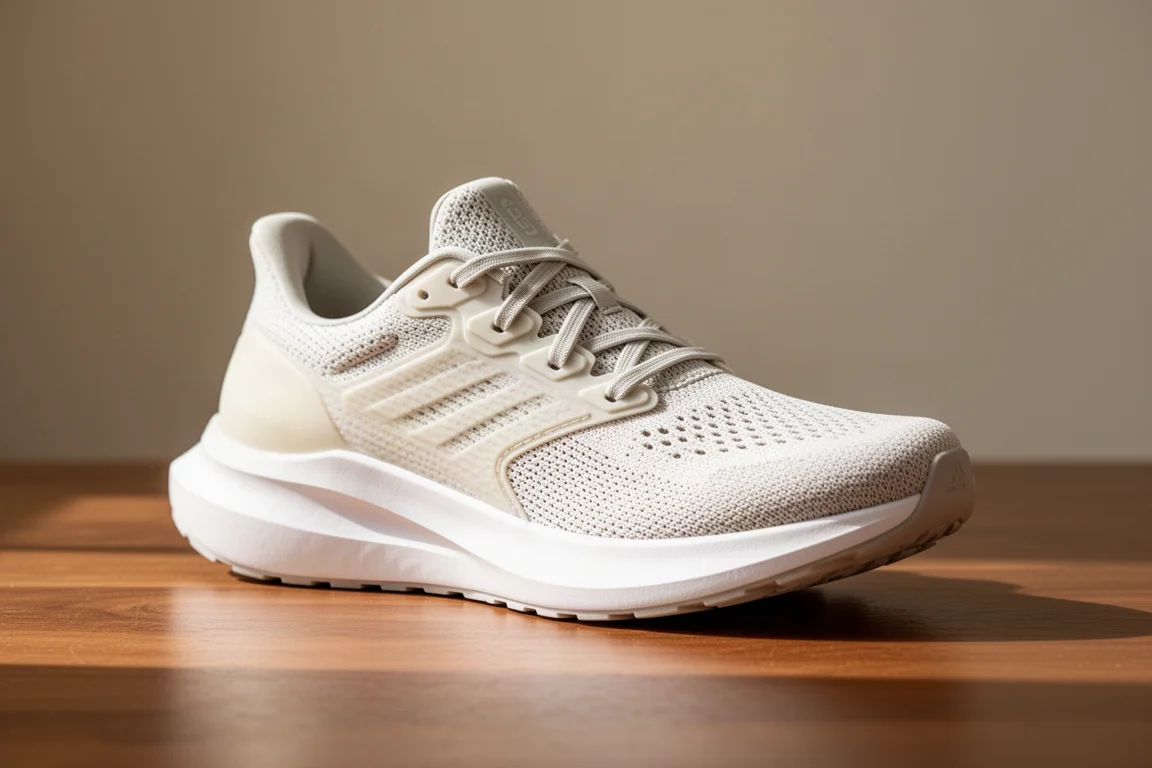
This is the shoe that produced the most dramatic split, and the most useful lesson. One tester’s entire verdict was shaped by sizing: in their normal size, the shoe fit roughly a half size short, constantly ramming toes into the front, plus a narrow midfoot that felt less stable than expected. The result was a shoe that felt firmer than it likely is.
The other tester, who needed to size up to make the shoe wearable at all, ended up with 275 miles and counting. The foam still feels fresh, the outsole shows no serious wear, and the geometry, designed for midfoot striking with a long flat contact patch, lets the foot land naturally and progress smoothly. Long runs and faster easy runs both work well, though it never feels quite aggressive enough for 10K or half marathon pace work.

The takeaway is blunt: if a shoe fits short, the review you write is not really about the shoe. Mizuno’s aggressive heel bevel geometry rewards some landing styles and punishes others, but the sizing issue is worth resolving first before judging the ride.
New Balance FuelCell Rebel v4
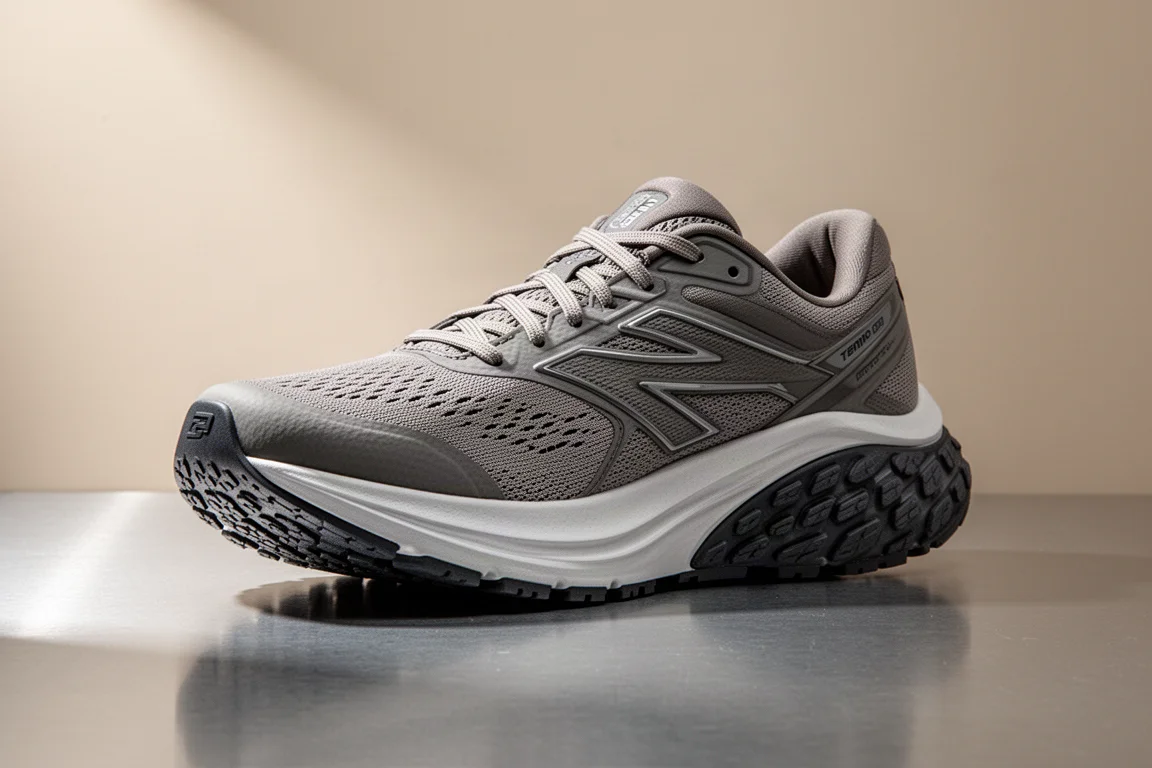
The Rebel v4 delivered the most physical split of the group. One tester loved it immediately: a wide, stable footprint without being a stability shoe, a nicely beveled posterolateral transition, a peba-blend midsole, and enough cushioning for long runs in a lightweight package that racked up miles quickly.
The other tester’s experience was a recurring backward rock. Landing right at the back of the forefoot rubber, where there is no rubber behind it, the foot rocked back onto the heel on every stride. It is the only shoe that has ever made that tester’s Achilles hurt. A midfoot striker landing with a flat foot on that split outsole design gets exactly that motion repeated hundreds of times per run.
The fix would be simple: extend the outsole rubber fully. The shoe was passed on to a family member who loves it, which makes it a perfect illustration of how far a single outsole detail, far from the foot, can change the entire experience.
Overall Buying Advice
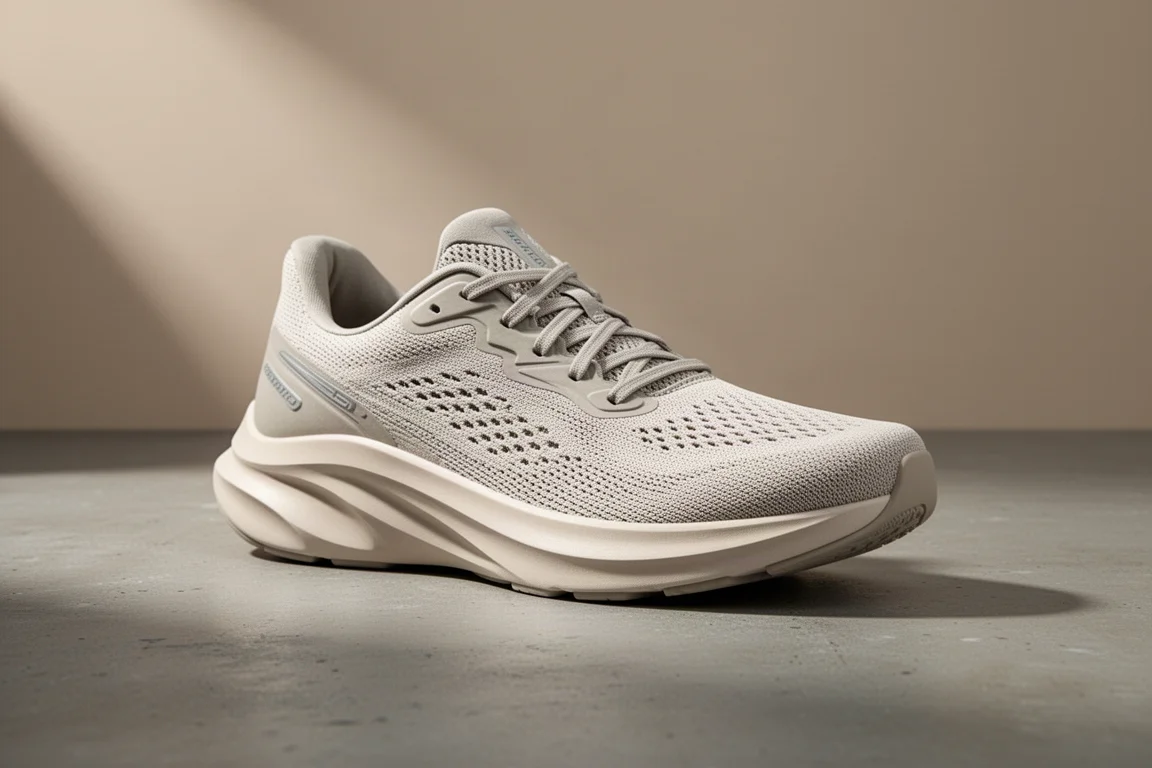
These five shoes point to a practical approach before you spend serious money on a new pair. Know your landing pattern, because heel geometry, heel bevels, and flare all interact with where your foot first contacts the ground. Know your foot shape, especially toe length, midfoot volume, and width. Know your sensitivity: some runners cannot ignore a single pressure point, others run through anything.
Size is a bigger variable than most brands admit, and a shoe that fits a half size short can mislead you about everything else. If a brand or retailer knows a model runs short, that information should follow the shoe, and as a buyer you should not hesitate to size accordingly. Where possible, buy from a local running store and try before you commit; if buying online, use a retailer with a solid return or exchange window, because discovering bruised toenails on run one of a $200 shoe is a bad outcome.
Finally, accept that pace changes everything. Some shoes feel great only at one speed and fall apart at others, and even two testers can agree at an easy pace and diverge completely at 5K effort. Matching the shoe to the paces you actually run matters as much as matching it to your foot.
Conclusion
None of these five shoes are bad. Each one earned strong opinions in both directions, and in every case the disagreement traces back to something real: landing location, fit, sizing, outsole design, or the pace at which the shoe was tested. The lesson is not to find the objectively best running shoe, because there is no such thing. It is to figure out your own comfort filter and movement pathway, find reviewers whose mechanics and preferences resemble yours, and treat every verdict, including conflicting ones, as data about what might work for you.
Further reading
Related Reviews

Running Shoes
Best Road-to-Trail Running Shoes: Three Versatile Options for Mixed Terrain
A practical guide to three road-to-trail running shoes that handle both pavement and mild trails, with clear strengths and trade-offs for different runner types.

Running Shoes
Best Running Shoes for Achilles Tendonitis: Three Options Explained
Three running shoes with different heel drops and support features designed to help reduce Achilles tendon pain during walking and running.

Running Shoes
Best Running Shoes for Women: Five Top Choices Ranked
A ranked guide to five women's running shoes, from versatile daily trainers to high-performance racing options, with real strengths and trade-offs for each.