Running Shoes
Running Shoes Then and Now: From the Nike Tailwind to Today's Super Shoes
A look at how running shoes evolved from the 1978 Nike Tailwind to modern super shoes like the Alphafly, Endorphin Speed, and Adios Pro 2.
Introduction
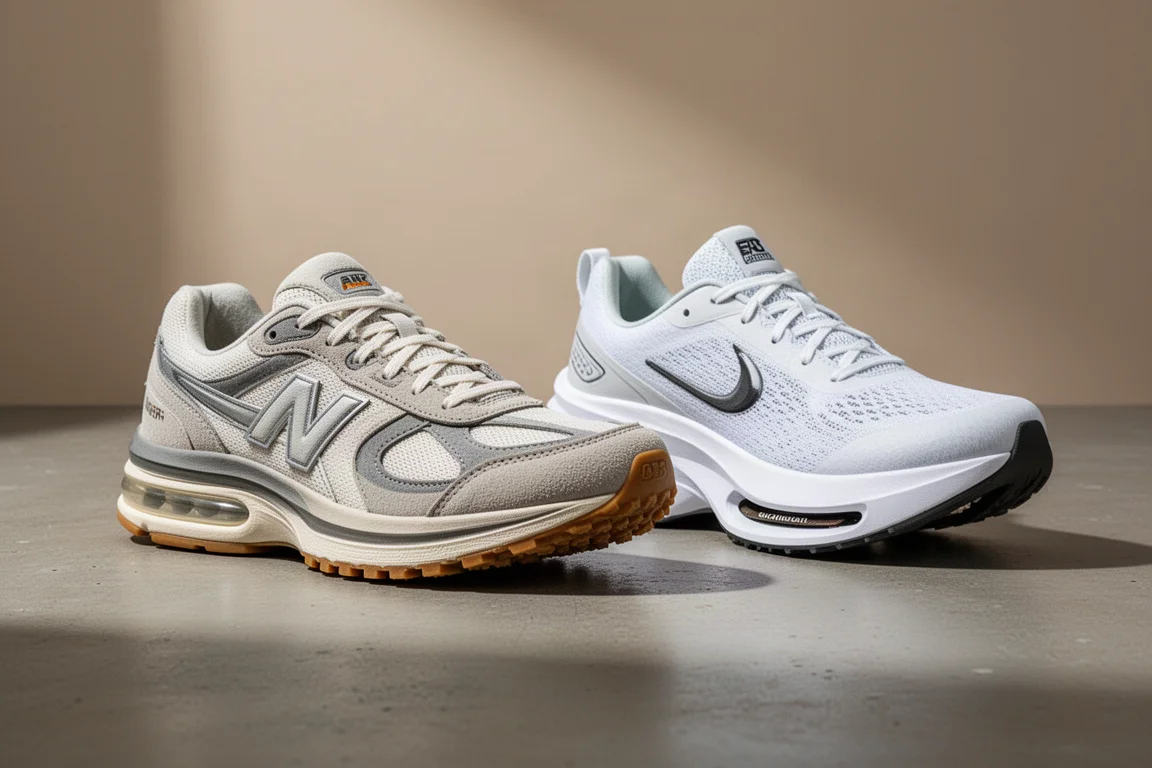
Modern running shoes feel like a completely different species from what runners wore in the late 1970s. Masses of soft midsole foam, stack heights that would have seemed absurd decades ago, and weights that keep dropping despite all that cushioning. And yet, when you trace the story back to its origin, it is striking how much of today’s shoe was already present in the original blueprint.
That blueprint is the Nike Tailwind, the model that put Nike on the running shoe map. Comparing it with today’s lineup, from daily trainers to full-blown marathon super shoes, tells you a lot about what has genuinely improved and what is simply refinement of a very old idea.
The Blueprint: Nike Tailwind
Released in 1978 for the Honolulu Marathon with a full release in 1979, the Tailwind was the high-performance shoe of its day. It featured an Air Sole unit encapsulated within the midsole, a non-stretch nylon upper, and an ankle collar Nike described as having blister-protective material. The brand even marketed an extended heel counter aimed at rearfoot strikers, wording you would never see in a modern campaign.
Runners reported that the shoe protected their knees, that their legs tired less quickly, and that it increased their stamina and distance running ability. In other words, the same fatigue-lessening promise that super shoes make today. It was aimed at the serious runner clocking around 25 miles a week, came with Nike’s most durable rubber outsole in a famous waffle tread, and was explicitly not for trails, heavier runners, or people with pronation problems.
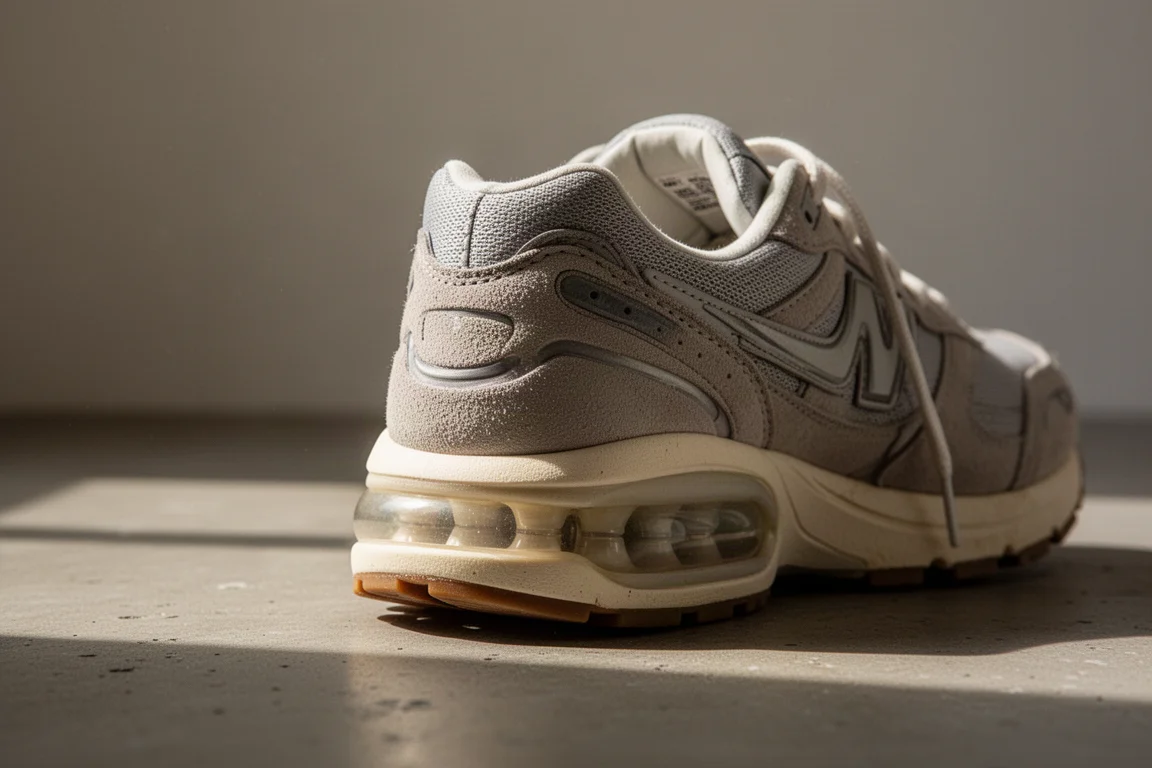
The modern retro of the Tailwind weighs 369 grams in a US 12, and it is probably intended more as a lifestyle shoe than a serious trainer. The key components are still recognisable: air units, a foam midsole, a waffle-like tread. Forty-plus years on, you could argue the original got it right the first time.
The Modern Air Successor: Nike Alphafly
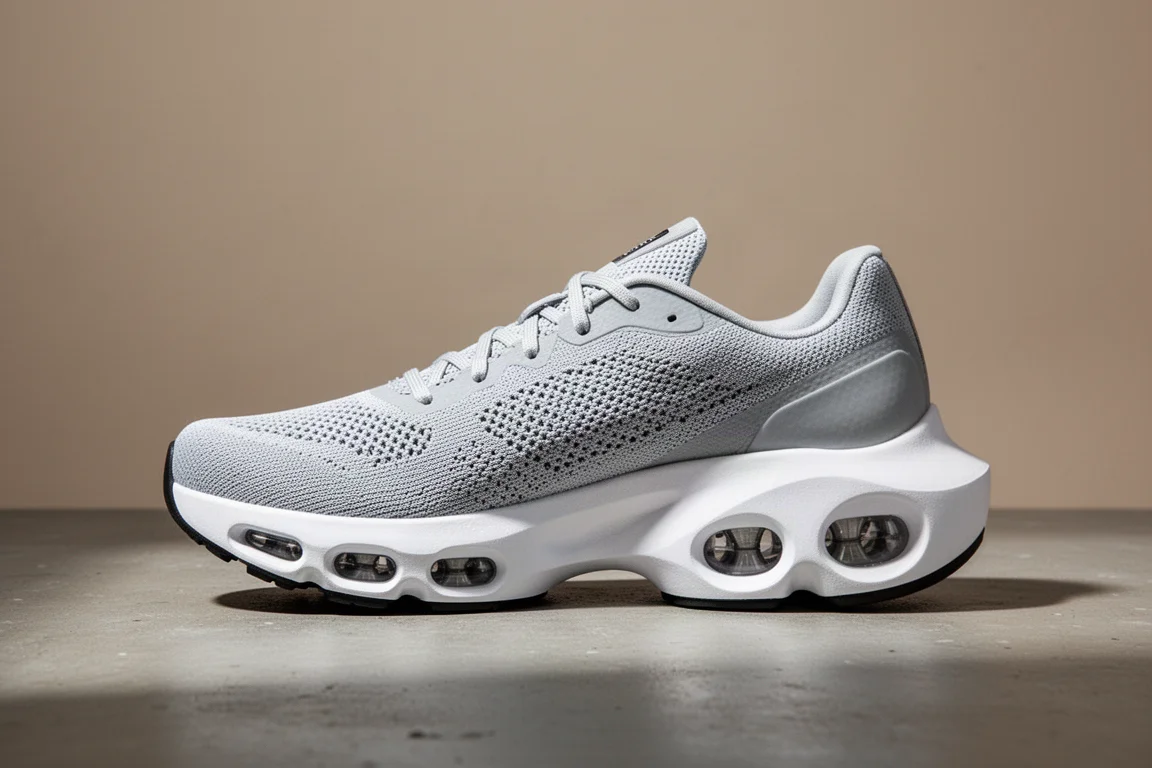
The closest spiritual descendant of the Tailwind takes the same idea and exposes it. Instead of hiding the air units in the heel, the Alphafly places segmented air units under the forefoot, cushioned by a layer of soft foam, all wrapped around a rigid plate. It has the same transparent-gadget appeal as classic devices with clear cases: you can see the inner workings.
It is a bit heavier than some other top-tier super shoes, but plenty of runners swear by it for marathons, with the cushioning and resilience helping them keep going late into the 26.2-mile distance. Measured heel stack in this shoe came out at around 34mm with roughly a 10mm drop, slightly less stack than most current super shoes at 43 to 44mm.
How Stack Heights Changed Everything
The Vaporfly era ushered in a trend of maximizing heel stack to boost the comfort and protective feel of the midsole, exactly the same fatigue-lessening pitch Nike made with the Tailwind. Even the Pegasus 40 now has more heel stack than the original Tailwind, which shows clearly where the industry is heading. Around 40mm of heel stack seems to be the balance point most brands have settled on: enough foam for fatigue reduction while keeping weight low through lighter foams.

Forefoot stack has started creeping up too, with many recent shoes landing at a 5 to 6mm heel-to-toe drop in an attempt to boost that forgiving ride. Brands have also widened heel and forefoot platforms for a bigger landing surface, then carved out material around the arch to cut weight.
The Everyday Innovator: Saucony Endorphin Speed
The Endorphin Speed series brought the new-style midsole stack to a wider audience with a nylon plate instead of a full carbon one, adding a little rigidity and control rather than pure softness. It resulted in a forgiving, light and nimble shoe that was genuinely fun to run in.
It is over 100 grams lighter than the Tailwind per shoe, which is a remarkable jump and arguably one of the clearest signs of real progress. Saucony appears to have seen the potential in pairing a more forgiving foam with a nylon plate at a realistic price, and the shoe took off, prompting other brands to reassess what runners want. It remains one of the most innovative shoes of recent years.
The Reliable Daily Trainer: Nike Pegasus 40
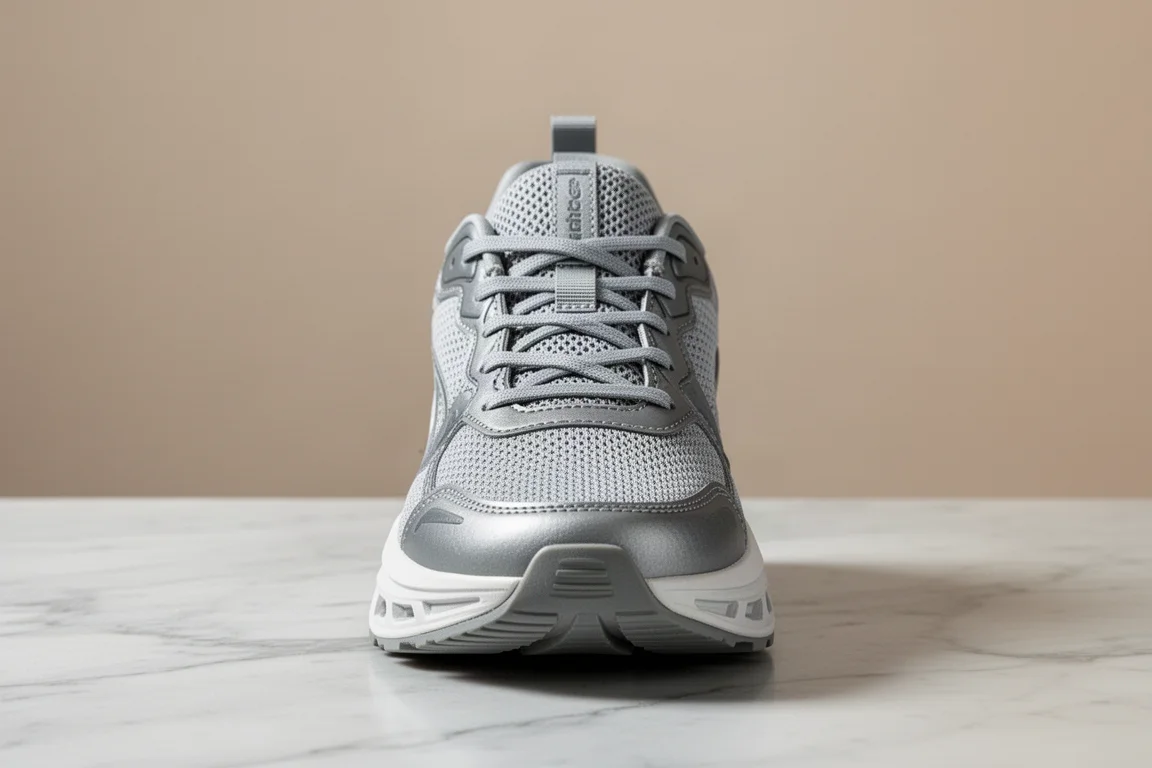
The Pegasus 40 sits on the other side of the lineup: a dependable daily trainer with more heel stack than the original Tailwind and a familiar, comfortable ride. It demonstrates how even conservative daily trainers now benefit from decades of midsole development, offering more protective cushioning than the flagship performance shoe of 1978.
The Racing Standard: Nike Vaporfly Next% 3
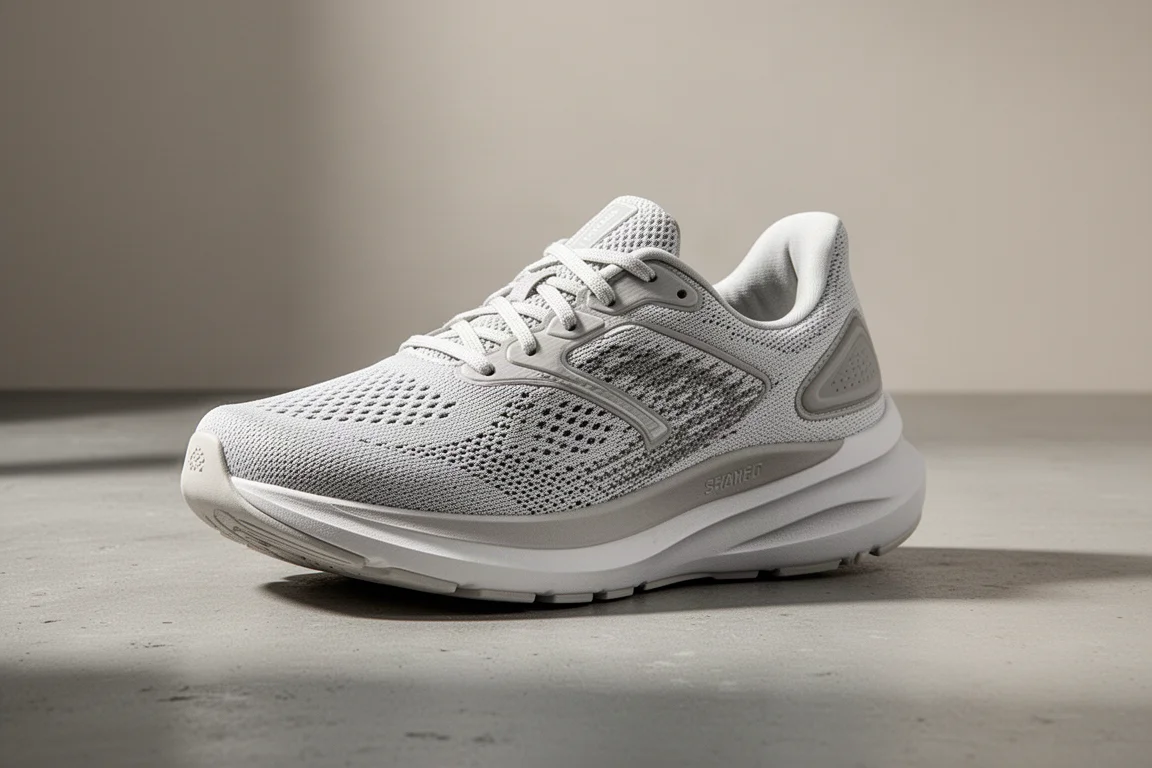
The Vaporfly Next% 3 shows how outsole rubber has changed. Nike has lowered rubber depth in the forefoot and heel areas, and rubber across the industry is increasingly segmented to give the mid-to-forefoot more freedom of movement, producing softer landings and a less rigid shoe. Full-length rubber coverage like the Tailwind’s is one of the heaviest parts of a shoe, so brands now focus rubber exactly where it is needed.
The Radical One: Adidas Adios Pro 2
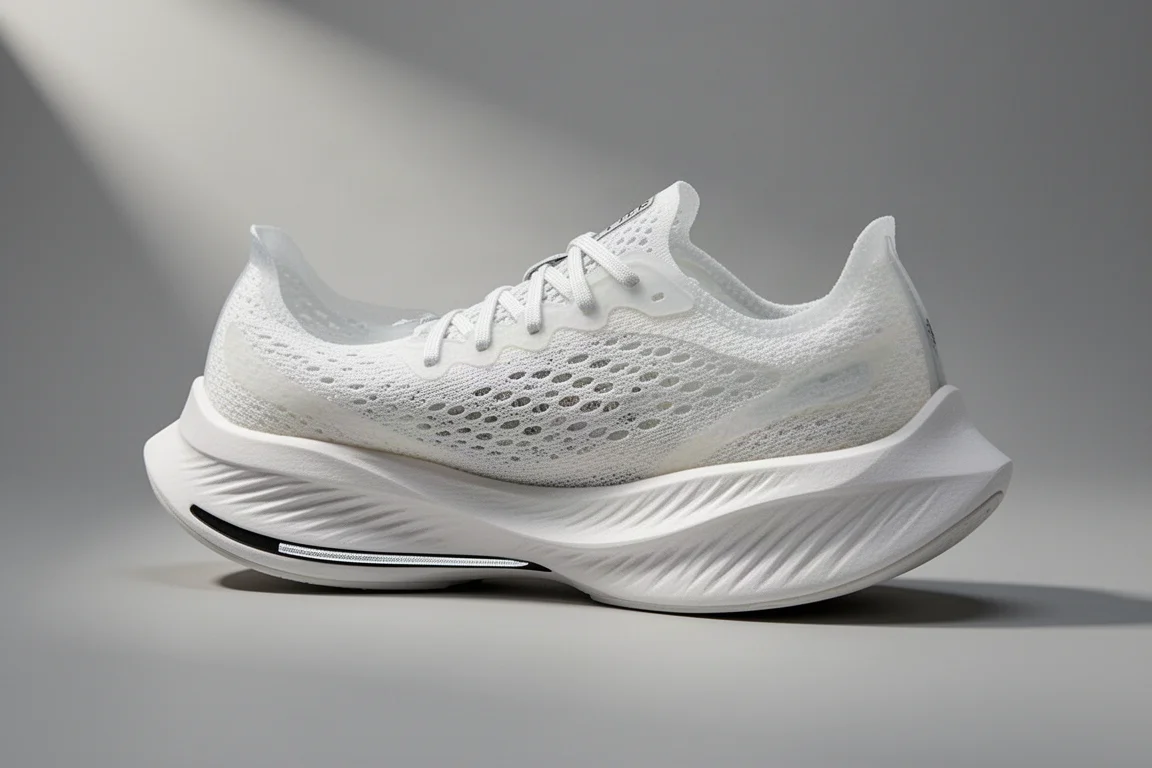
Adidas took the weight-saving arch cut-out to the extreme with the Adios Pro 2, carving out a huge amount of foam in that area. The result divided opinion: some runners loved the aggressive, featherweight feel, others did not get on with it. It is a clear example of how far brands are willing to push the lightweight-shoe formula when chasing race-day performance.
Max Cushion Daily Options: Nike Invincible and Infinity Run
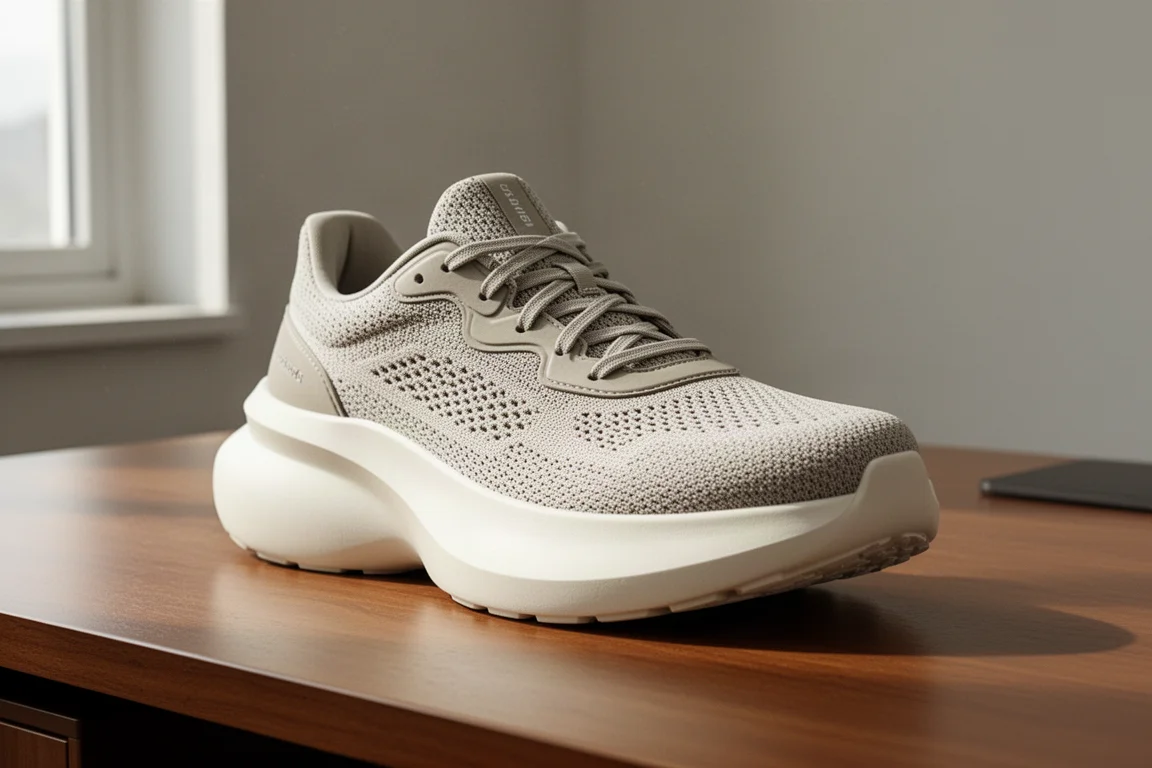
Both the Invincible and the Infinity Run reflect the trend of wider platforms and maximized cushioning for daily miles. On the Infinity Run you can see Nike experimenting by cutting away the arch section of the midsole on the outsole, borrowing the same weight-saving tricks from the racing side of the range and applying them to training shoes.
These models suit runners who want the fatigue-lessening benefits of big midsoles in a shoe they can wear every day rather than save for race day.
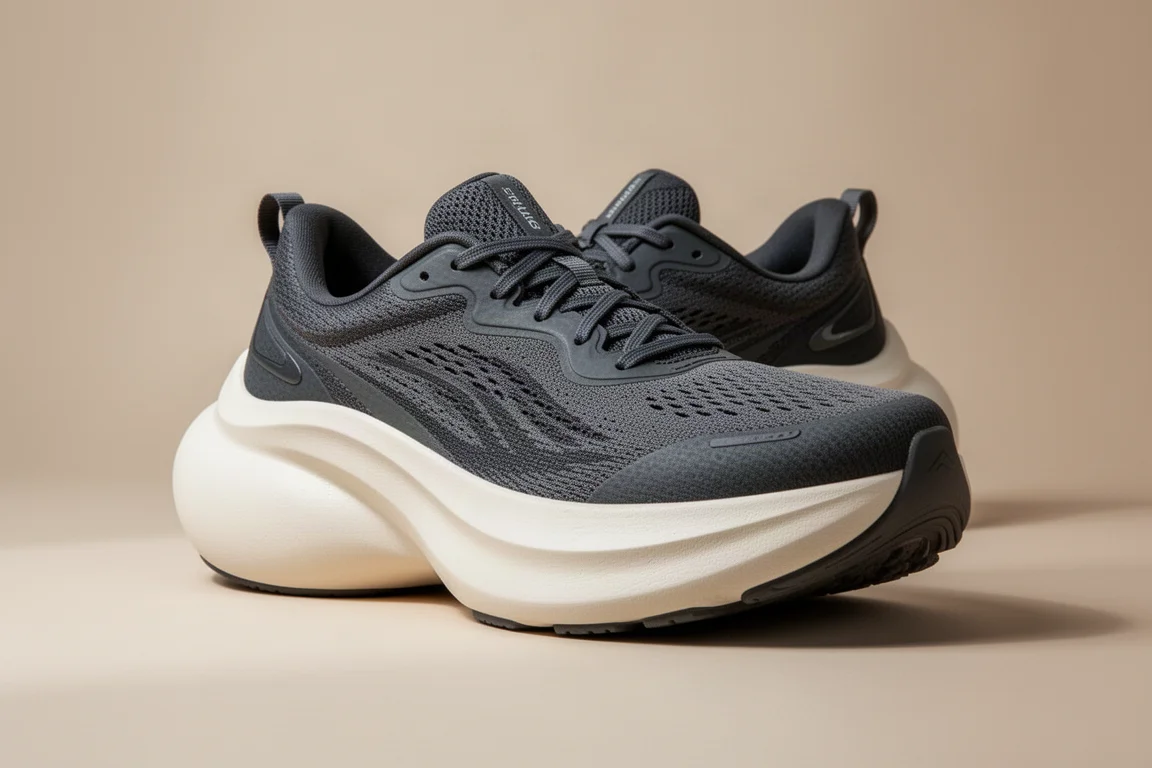
The Challenger: Puma Deviate Nitro Elite 2
Puma has been working similar magic on the Deviate Nitro Elite 2, with reduced rubber depth and a focus on keeping the shoe light and fast. It fits the broader pattern of challenger brands adopting the super-shoe formula: aggressive foam, a plate, and carefully rationed outsole rubber aimed at race-day speed.
View more details for Puma Deviate Nitro Elite 2
Weight, Foam and Outsole Rubber
So what actually changed between the late 1970s and now? Weight has definitely gone down, and for several reasons. Upper materials are much lighter and used more deliberately, with far less reliance on heavy suede and leather in favour of mesh and durable synthetics. You could not imagine a modern running shoe carrying that much faux suede.
Midsole materials have become lighter in the main, though many brands reserve the best foams for their premium super shoes while daily trainers still use denser, heavier EVA-style blends. There are signs runners are tiring of that approach, with a lot of old-tech midsole shoes sitting on digital shelves, so brands will likely be pushed to bring newer foams to everyday shoes at reasonable prices.
Rubber is used more sparingly too. Brands realized full-length coverage is one of the heaviest parts of the shoe and does not need to cover the entire outsole, so rubber is now focused where it actually matters.
Overall Buying Advice
If you want the direct descendant of the Tailwind’s air-cushioning promise for marathon day, the Alphafly is the flagship pick. If you want modern innovation at a more accessible level for daily and tempo running, the Endorphin Speed remains one of the smartest buys in the category. The Pegasus 40 covers dependable everyday mileage, the Vaporfly Next% 3 is the refined racing standard, and the Adios Pro 2, Invincible, Infinity Run, and Deviate Nitro Elite 2 each serve distinct niches from radical lightness to max cushion.
Think about how you actually run: mileage, pace, and whether you want one shoe to do everything or a dedicated race-day pair. That distinction matters more today than it did in 1978, simply because the range of options has widened so much.
Conclusion
Materials have changed dramatically, but the core idea is still the shoe Nike sketched with the Tailwind: cushioning that fights fatigue so you can run further. The difference is that today’s foams, plates, and trimmed-down outsoles let shoes get higher, softer, and lighter all at once. Whether that counts as true progress or simply perfecting the original blueprint is a fair question, but for anyone buying now, the practical outcome is clear: there has never been a better range of shoes to choose from.
Further reading
Related Reviews

Running Shoes
Best Road-to-Trail Running Shoes: Three Versatile Options for Mixed Terrain
A practical guide to three road-to-trail running shoes that handle both pavement and mild trails, with clear strengths and trade-offs for different runner types.

Running Shoes
Best Running Shoes for Achilles Tendonitis: Three Options Explained
Three running shoes with different heel drops and support features designed to help reduce Achilles tendon pain during walking and running.

Running Shoes
Best Running Shoes for Women: Five Top Choices Ranked
A ranked guide to five women's running shoes, from versatile daily trainers to high-performance racing options, with real strengths and trade-offs for each.