Running Shoes
Seven Running Shoes Worth a Second Look This Season
From a no-plate Endorphin daily trainer to a fortified super shoe, a fresh Nimbus, and a trail-ready Altra, here is how seven current running shoes stack up.
Introduction
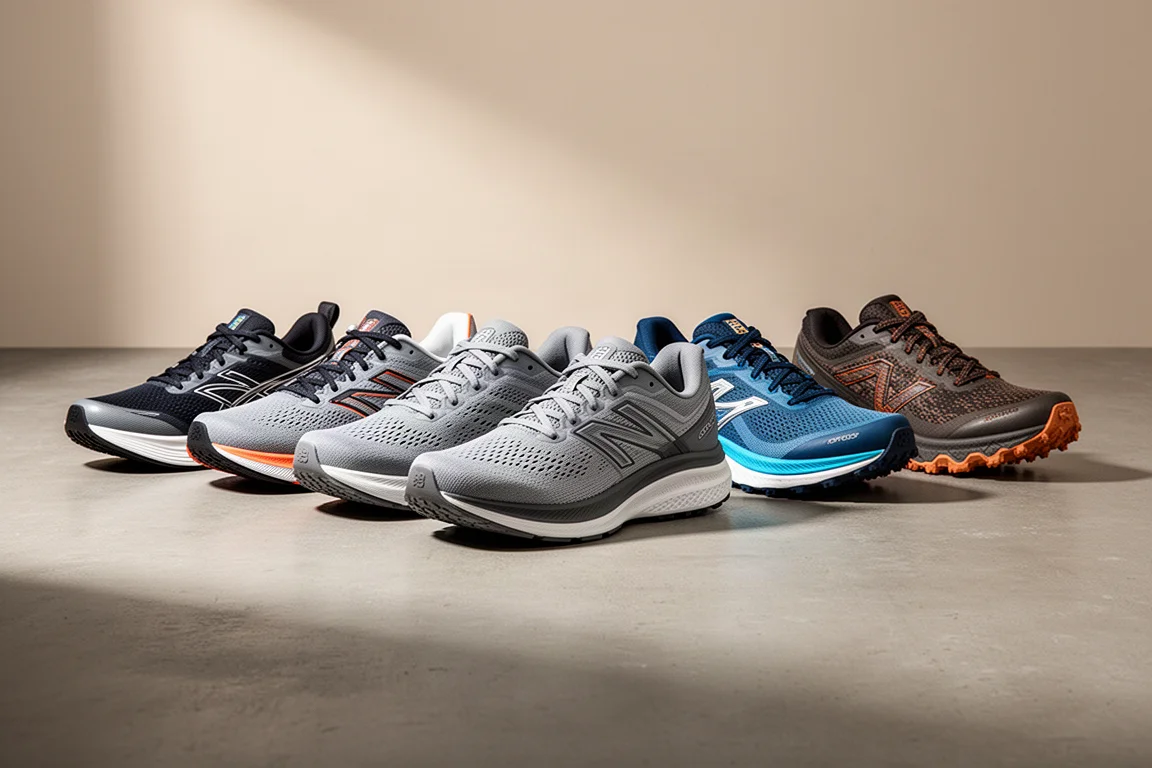
There are more running shoes on the market than ever, and sorting through the pile can feel overwhelming. The good news is that some of the most interesting recent releases are not exotic at all: they are simple, well-priced trainers, a couple of genuinely improved max-cushion shoes, and a super shoe that has traded some speed for durability. This guide breaks down seven models currently worth your attention, with clear notes on who each one fits and where the trade-offs sit.
Why a Buy-or-Sell Approach Helps
Rather than ranking shoes against each other, it is often more useful to ask a blunt question about each one: would you buy it again? That framing forces honesty about fit, geometry changes from previous versions, and whether a shoe actually matches how you run. The seven shoes below each earned their place in this roundup for a specific reason, and each comes with a caveat worth checking before you order.
Saucony Endorphin Azura
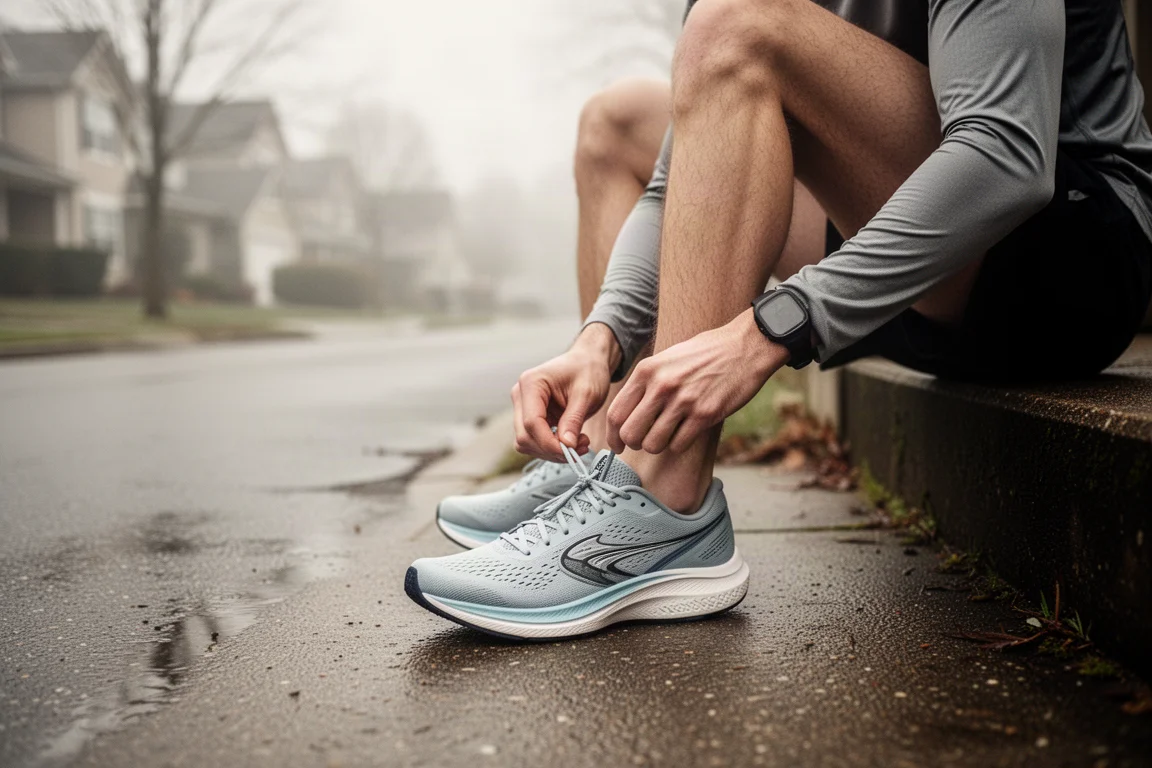
The Endorphin Azura is Saucony’s new do-everything daily trainer within the Endorphin lineup. It has no plate, uses PWRRUN PB (Power Run PB) midsole foam, comes in at 40mm in the heel and 32mm in the forefoot, weighs 8.5 ounces in a men’s size 9 (240g), and retails for $150. It is also World Athletics legal for racing if that matters to you.
The platform and last are built on the same foundation as the Endorphin Elite 1, which gives it a sharp forefoot rocker and a rolling, rhythmic feel at slower paces. Pick up the pace and the shoe responds immediately, so it works for easy runs, tempo work, and harder sessions. It runs surprisingly stable, with a wide platform and noticeable medial pressure that will feel great to some runners and too much to others. The main caveat: runners who struggle to get up onto an aggressive rocker may find the forefoot stiff, especially before the shoe breaks in. If you want a simple, versatile $150 trainer rather than a shoe that chases a single specialty, this is one of the most interesting recent releases from Saucony.
Saucony Endorphin Pro 5
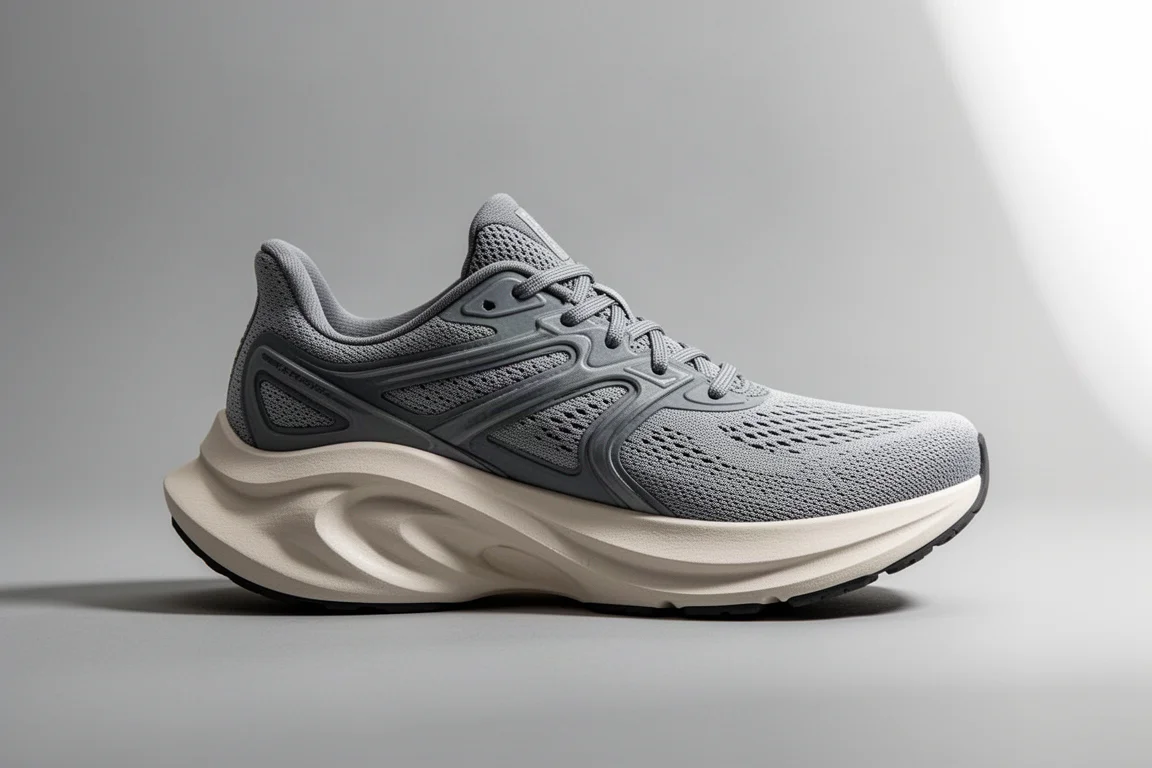
The Endorphin Pro 5 sits on the fortified side of super shoes. Power HG foam on top, PWRRUN PB below, a super stiff carbon plate, and a weight in the low seven ounces, all with unusually durable rubber (Saucony’s trail-style PWROWTRACK outsole) and strong wet-weather traction. Retail lands around $240, which is reasonable for what is in the shoe.
The geometry changes have split opinions. The heel is comfortable and stable, but the midfoot and forefoot feel more aggressive than the Pro 4, and some runners report pressure or collapse through that zone. On the upside, it is easier than most super shoes to run at slower paces, so it can pull double duty as a durable racing shoe for 5K and 10K work or even as a high-end workout shoe. It is less comfortable for slow, clunky easy running than the previous version. If you want the people’s super shoe, built to survive high mileage, this is a strong candidate; if you want maximum softness and stability through the forefoot, test it first.
Saucony Guide 19
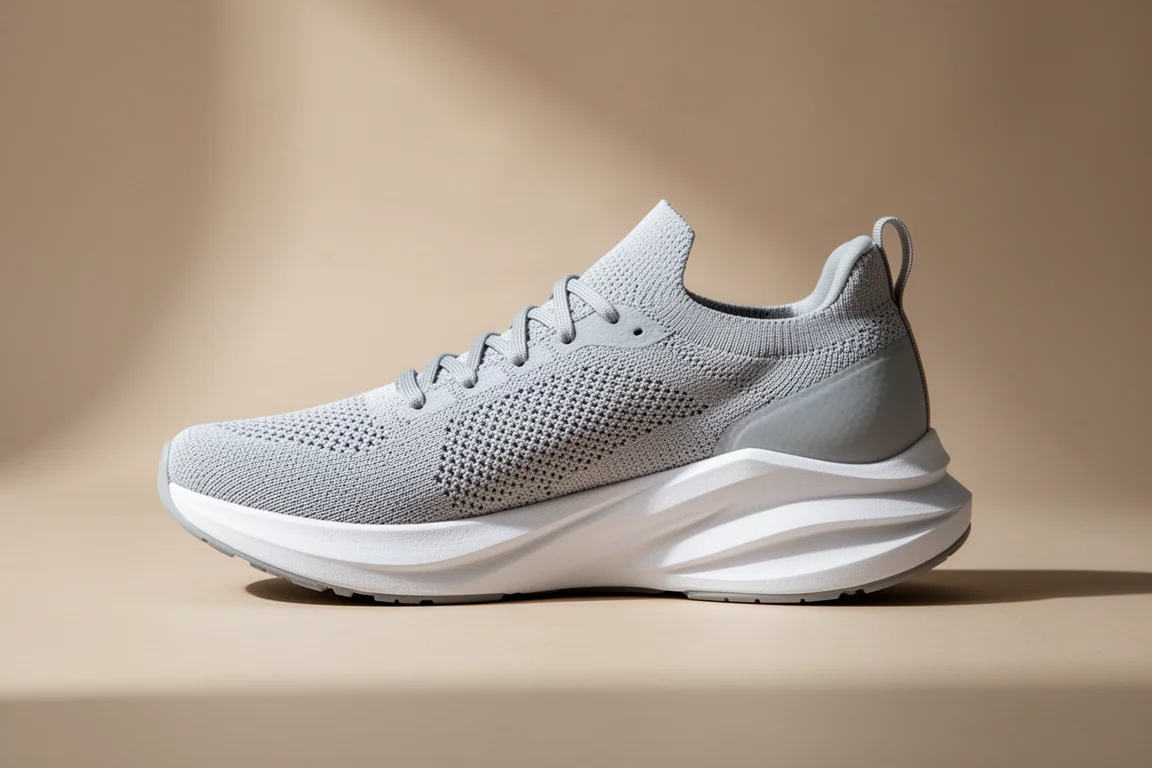
The Guide 19 is Saucony’s inline stability shoe, below the premium Hurricane in the line. Updates for this version include a slightly softened sole, an upper that adjusts to the foot a bit better, and more outsole material, which holds up very well over the miles.
The honest takeaway is that this shoe has not changed dramatically in recent versions, and if anything it has gotten slightly heavier. As a running shoe it is competent but not exciting. Where it genuinely shines is as a walking and all-day standing shoe, or as a first stability trainer for newer runners who need a small amount of guidance without the more prescriptive feel of a full stability shoe. If your priority is running enjoyment and versatility, other options on this list do more; if you want a dependable, durable shoe for time on your feet, the Guide 19 fits that brief well.
ASICS Gel-Nimbus 28
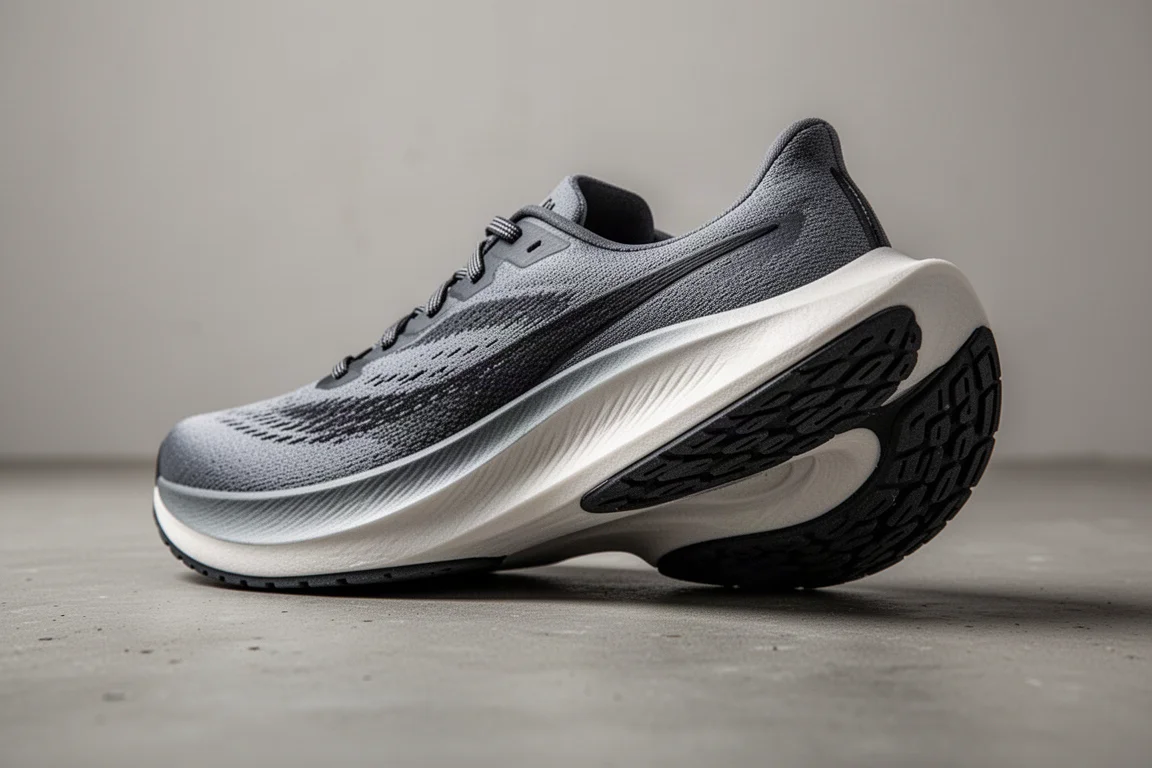
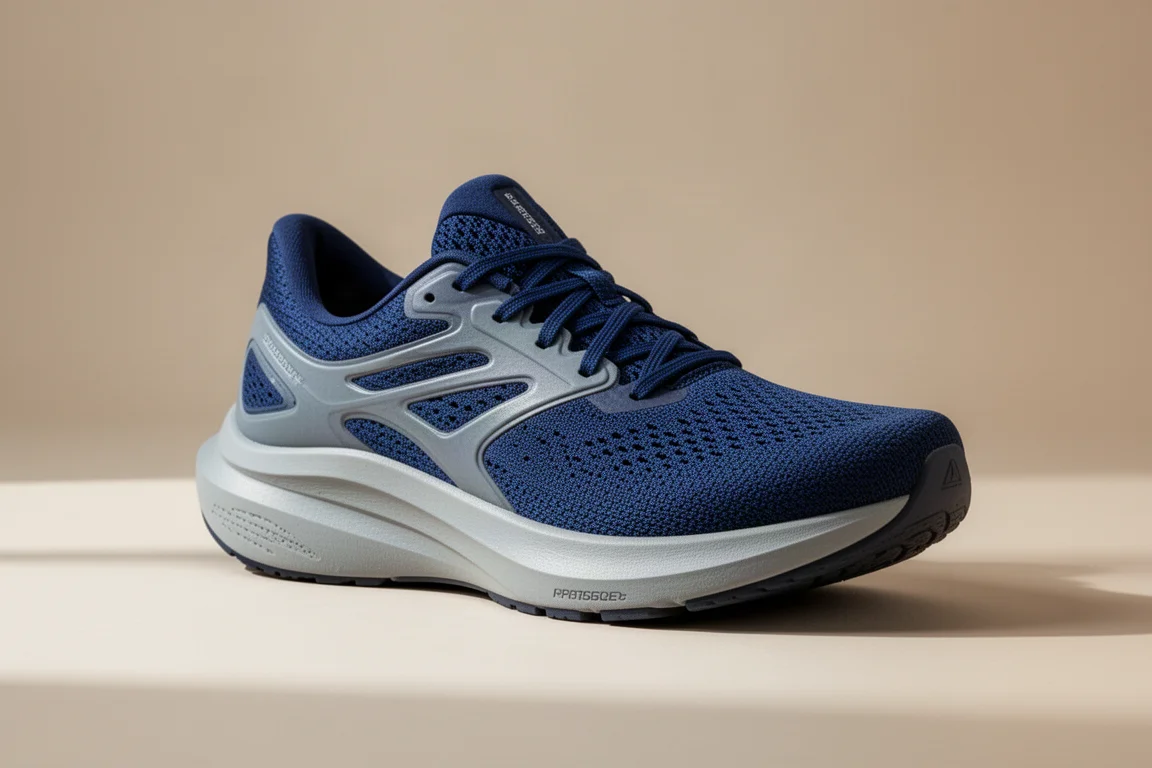
The Gel-Nimbus 28 is a buy for one tester and a tough sell for another, which tells you exactly what kind of update it is: a full reinvention. It is lighter (9.9 ounces), firmer, snappier, and more responsive than the Nimbus 27, with better geometry, a better-fitting upper, and solid traction. For runners who want a wide platform with just a hint of stability and a shoe that can even handle workouts, this is the best Nimbus in memory.
The catch is the identity shift. The Nimbus has historically been the premium super-soft cushion shoe, and at $170 it no longer feels like that shoe. The one clear flaw is the thin tongue, which can produce noticeable lace bite even though the gusseted design helps it hug the foot. As a walking shoe, the 27 and 28 feel quite similar. If you loved the old plush Nimbus, test carefully; if you wanted a faster, more runnable Nimbus, this version delivers.
361 Degrees Furious Future 2.0
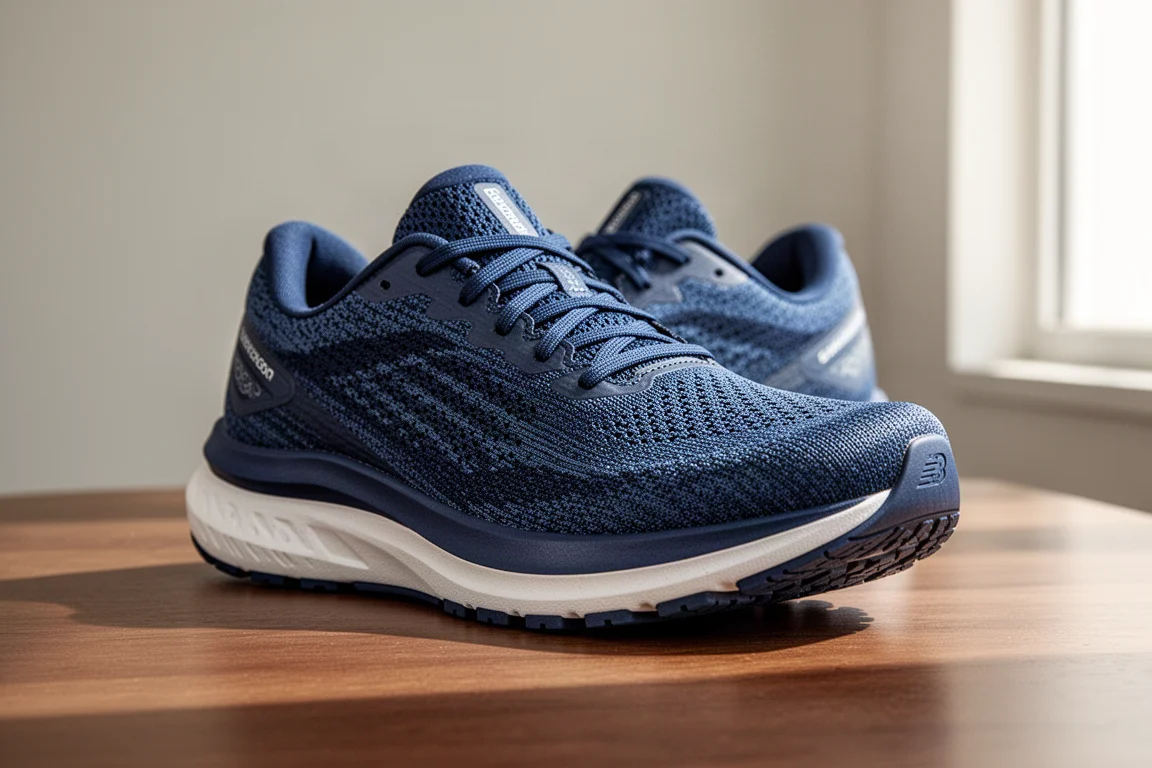
The Furious Future 2.0 is one of the most aggressively rockered shoes around, sitting in the same general family as the Nike AlphaFly’s earlier iterations. It is very bouncy with a podular forefoot feel, a wonderfully sculpted heel bevel, and a forefoot that stays stable even as the shoe pushes you forward. The midfoot is a touch narrow, which adds weight-sensitive speed feel without making the shoe truly unstable.
Durability has been the standout: the outsole has been nearly impossible to wear down through the first stretch of testing. The shoe is a little heavier than the newest superfoam racers, so it is not chasing the absolute lightest times, but as a fun, aggressive tempo and workout shoe that keeps rolling mile after mile, it is a genuinely solid option.

Topo Ultraventure 5
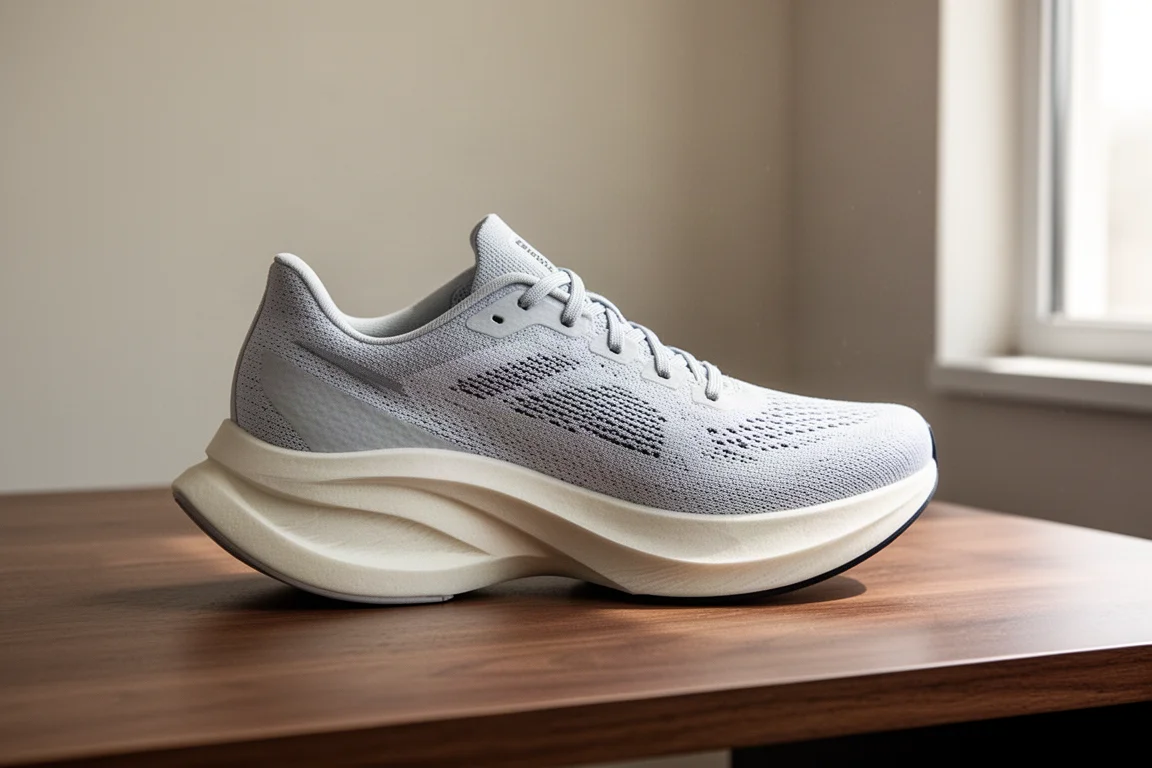
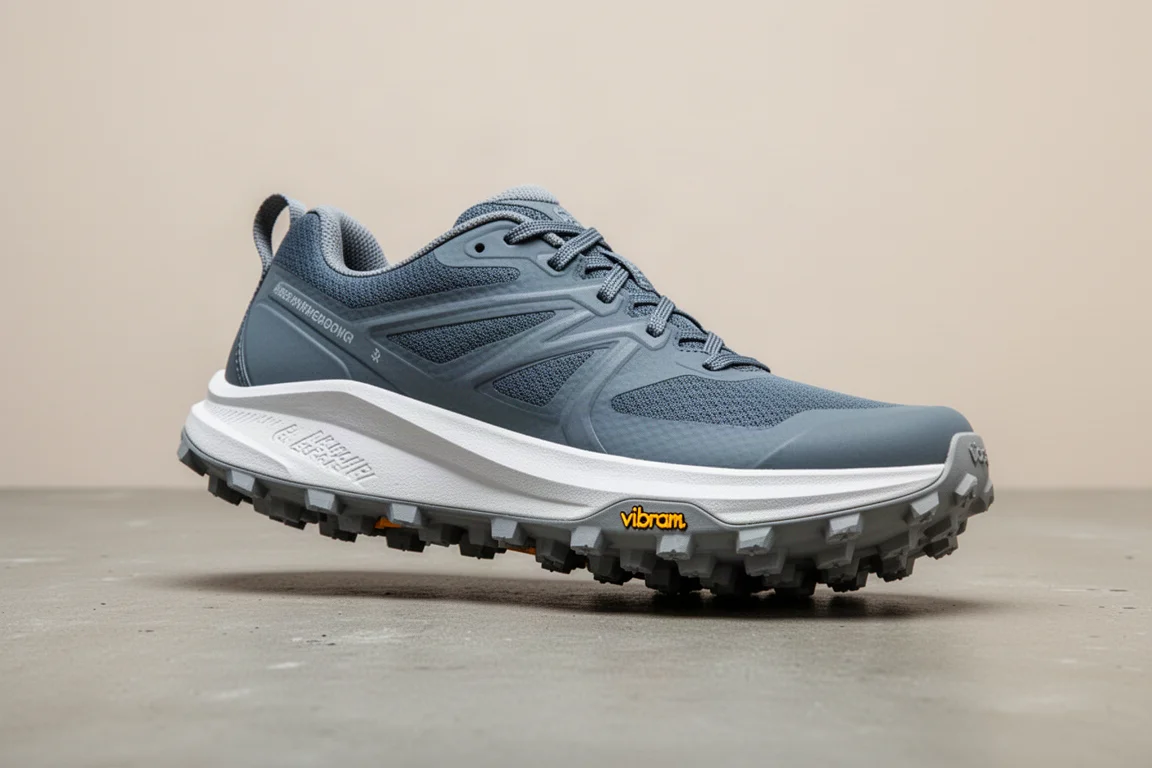
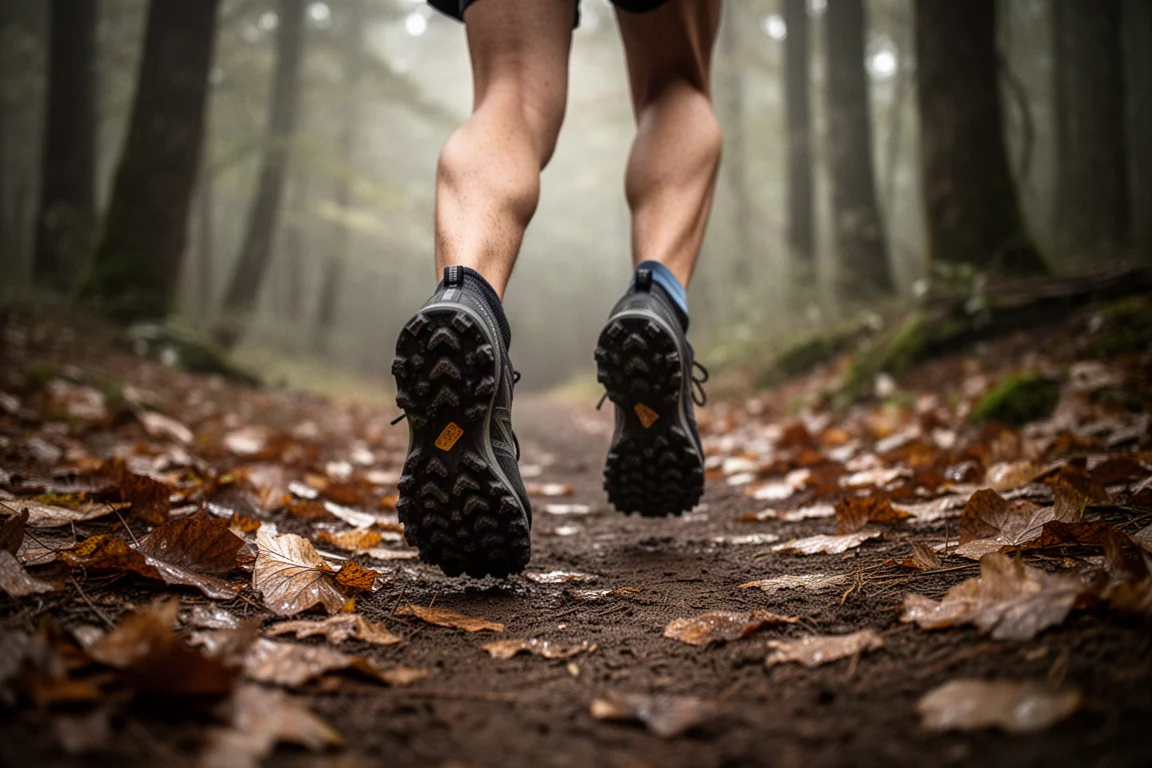
The Topo Ultraventure 5 is designed as a run-and-hike hybrid, aimed squarely at trail runners and through-hikers who want one shoe for mixed use. The fit is good and balanced, and the stack is noticeably lower than the current crop of chunky max-cushion trail shoes, giving it a flexible, natural feeling underfoot.
That lower, more natural ride is exactly why it works as a walking and time-on-your-feet shoe too. It is the kind of option that suits people with orthopedic considerations or anyone who wants a shoe that disappears on the foot rather than dictating a ride. If you want aggressive rocker geometry or plush cushioning for long trail days, look elsewhere; if you want a balanced, flexible shoe that runs and hikes comfortably, this is an easy recommendation once trail conditions dry out.
Altra Via
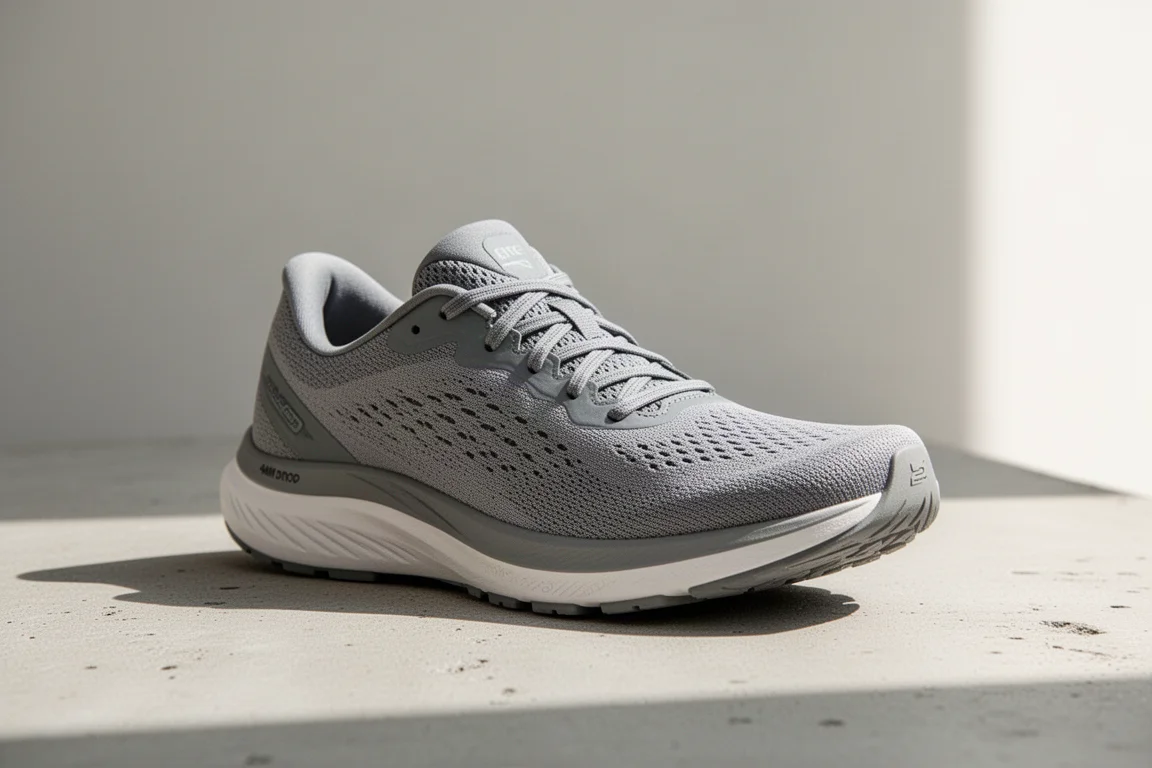
The Altra Via is a slightly amped-up version of the Altra Experience, with a 4mm drop, a new foam compound that is a bit softer than typical Altra fare while still sitting on the firmer end of the spectrum, and a slightly stiffer ride. The fit is the best Altra fit in a while: the transition from midfoot to forefoot has been opened up considerably compared with previous models that squeezed that zone.
Early impressions are strong, and it reads as a legitimate workhorse trainer or easy-run shoe with more versatility than last year’s model thanks to the stiffer, more capable platform. The main caveat comes from the 4mm drop: runners with sensitive Achilles or calves who prefer more drop may want to be careful. If you like low-drop, low-flex shoes with better ground feel and want an easy-day trainer that still allows more than just shuffling, the Via is an early favorite in this category.
Buying Advice: Matching the Shoe to the Runner
A few patterns are worth pulling out. If you want one simple shoe that does nearly everything well at a fair price, the Endorphin Azura at $150 is the standout of this group. If you want a durable super shoe for shorter races and hard workouts, the Pro 5 delivers, but test the forefoot first. If stability is your priority for walking and standing more than for performance running, the Guide 19 fits. For a firmer, faster take on max cushion, the Nimbus 28 is a genuine upgrade, just mind the tongue. Speed-focused runners will enjoy the Furious Future 2.0’s bounce and durability, while trail and hybrid users should look at the Ultraventure 5 or the low-drop Altra Via depending on how natural a ride they want.
Conclusion
None of these shoes tries to be everything, and that is what makes the current market manageable: each fills a clear lane. Pick the one that matches how you actually spend your running and walking time, and check the caveats noted above before you commit. With the right match, any of these seven can be a satisfying addition to a rotation.
Further reading
Related Reviews

Running Shoes
Best Road-to-Trail Running Shoes: Three Versatile Options for Mixed Terrain
A practical guide to three road-to-trail running shoes that handle both pavement and mild trails, with clear strengths and trade-offs for different runner types.

Running Shoes
Best Running Shoes for Achilles Tendonitis: Three Options Explained
Three running shoes with different heel drops and support features designed to help reduce Achilles tendon pain during walking and running.

Running Shoes
Best Running Shoes for Women: Five Top Choices Ranked
A ranked guide to five women's running shoes, from versatile daily trainers to high-performance racing options, with real strengths and trade-offs for each.