Running Shoes
Yay or Nay: Four Running Shoes Worth a Second Look
A fast Asics trainer, two winterized classics from Nike and Adidas, and a budget long-run option from Reebok, sorted into yay and nay piles.
Introduction
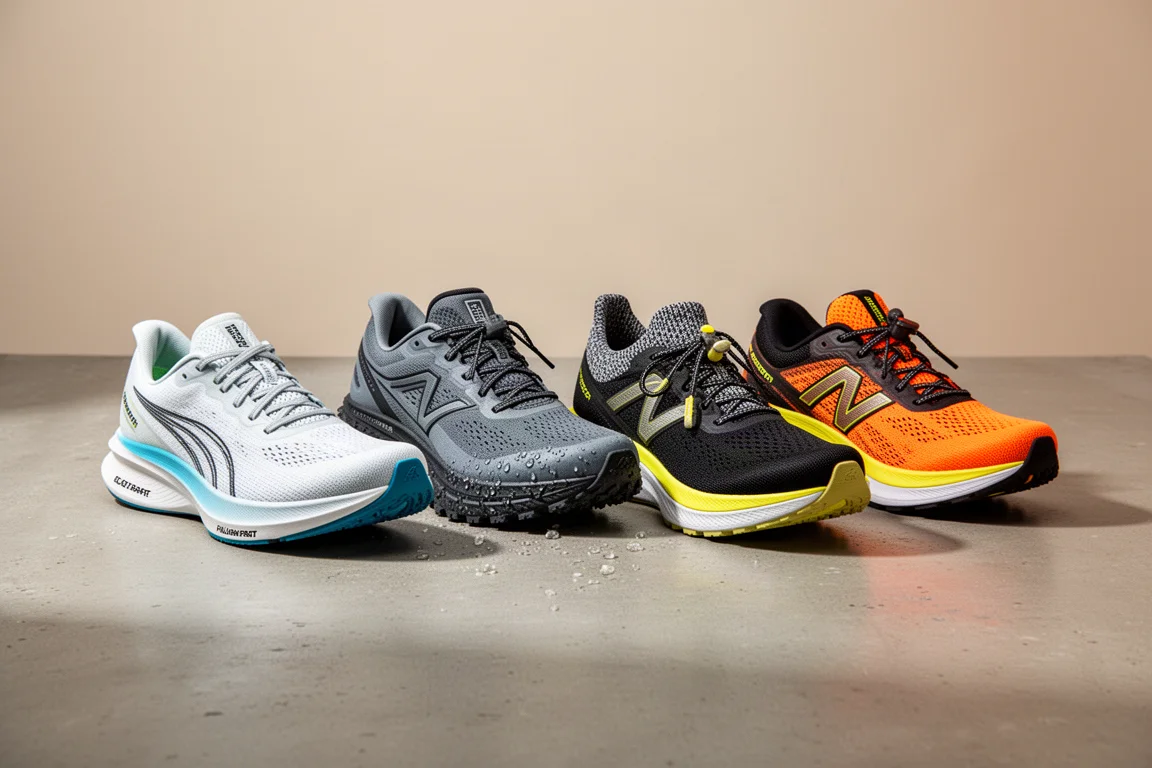
Four new running shoes, one simple question: yay or nay. This roundup covers a fast Asics trainer with a big midsole update, two winterized releases from Nike and Adidas, and a budget-friendly long-run shoe from Reebok. Some of these earn a spot on the wishlist, others are easy to pass on at their asking price.

Asics Magic Speed 2: Yay
The Magic Speed 2 brings a major midsole update over the first version, including a full-length plate. Available details suggest a blend of carbon and TPU rather than a full carbon plate, which may not matter much in practice since you will never actually see it. Asics appears to be positioning the Magic Speed as a competitor in the fast-trainer space, alongside the Saucony Endorphin Speed series.
The first Magic Speed had a fairly niche use case: it was firmer and more responsive, best reserved for very fast sessions rather than daily running. With the updated FlyteFoam Blast Plus midsole, this new version could well become a more durable training partner to run alongside Asics’ top-tier Metaspeed Sky Plus or Edge Plus racers. It is worth noting that FlyteFoam Blast Plus and FlyteFoam Turbo are quite different foams, so if you have tried either, expect a distinct ride here.
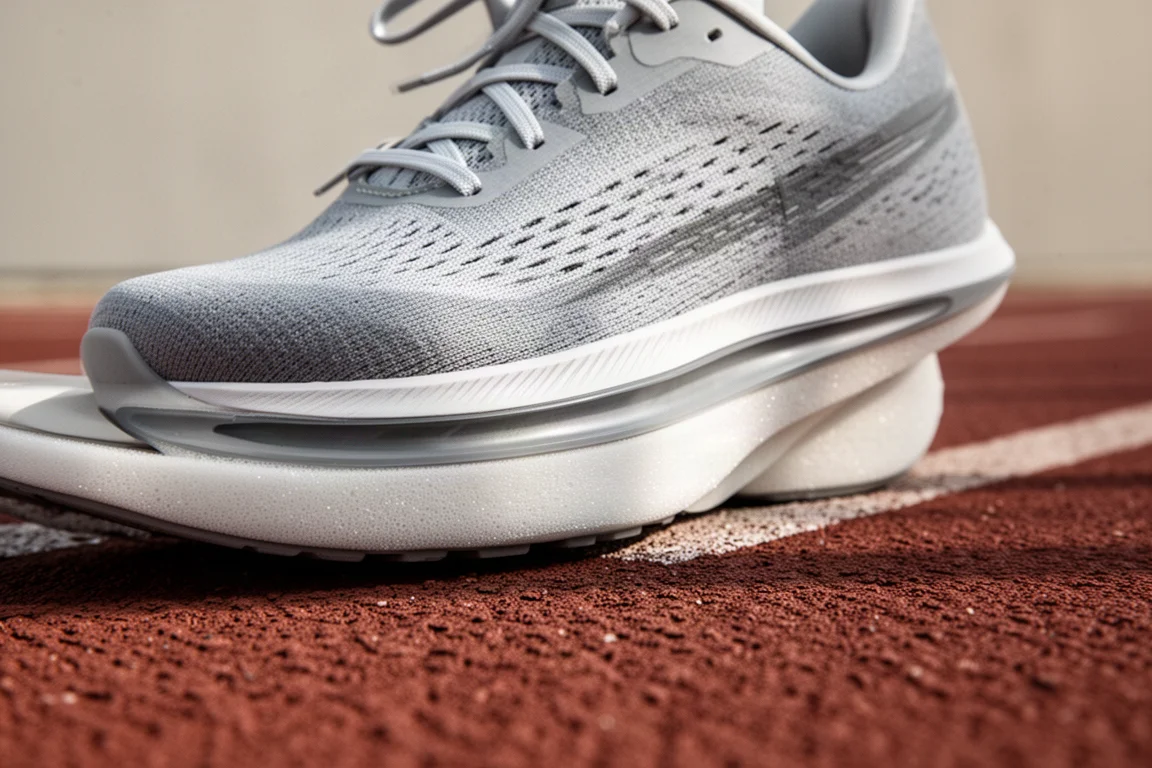
As a versatile, faster-leaning trainer with clear lineup logic behind it, this one is an easy yay.
Nike Pegasus 39 Shield: Nay
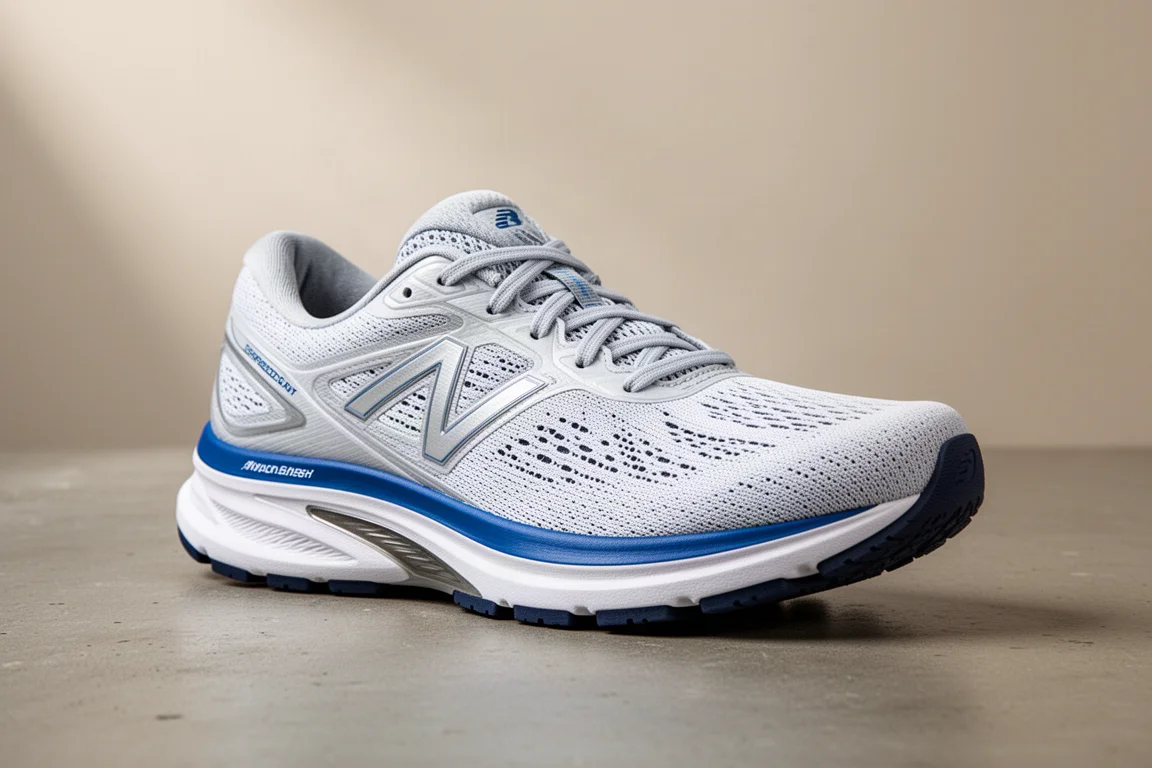
Nike’s Shield releases arrive like clockwork, and the Pegasus 39 Shield follows the formula: a water-repellent sheath around the foot designed to keep toes dry during winter months, plus a gusseted tongue to keep water out. The outsole is also switched up from the standard version with a gnarly storm-tread design better suited to wet surfaces and conditions.
The catch is a familiar one with water-repellent uppers: they work most of the time, but if water gets inside the shoe, it has nowhere to escape. The same problem affects waterproof socks. Once water is in, it just sloshes around and gets uncomfortable. At the inflated price of 120, that is a lot of money for a niche shoe you will probably only use a few times, when standard running shoes can usually get you through wet weather if you are careful. A nay.
Adidas Ultraboost 22 Cold.Rdy 2.0: Nay
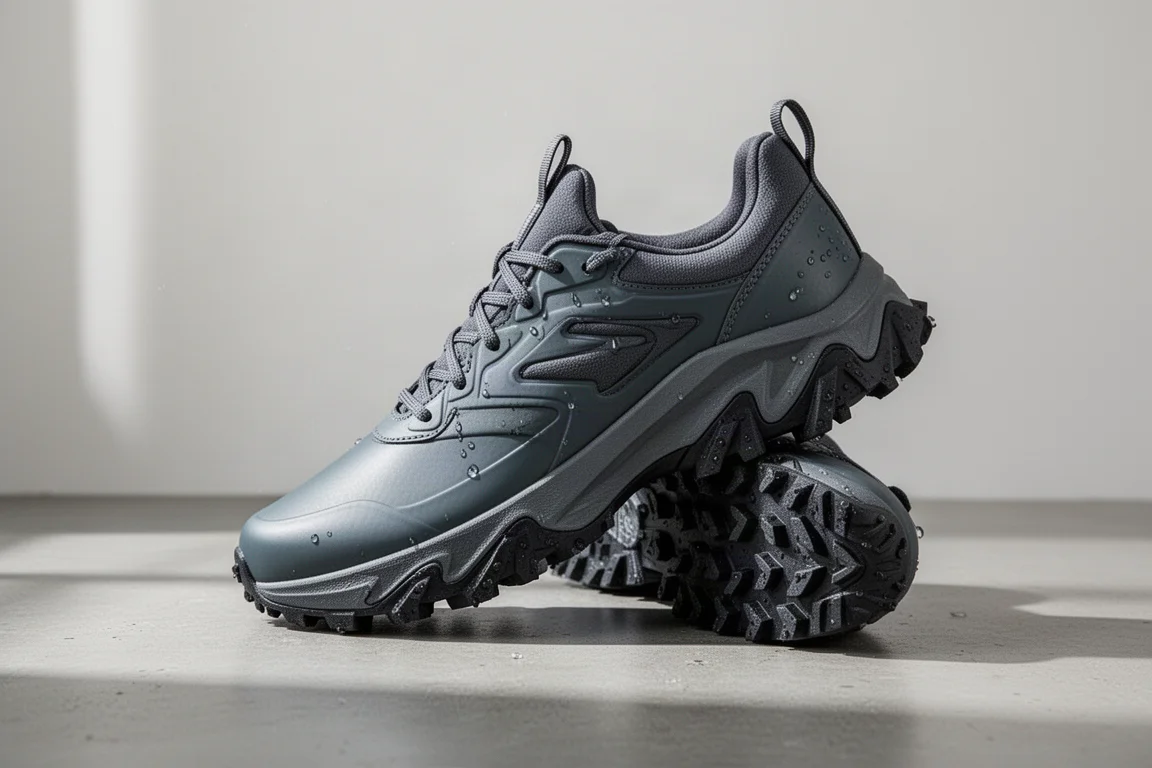
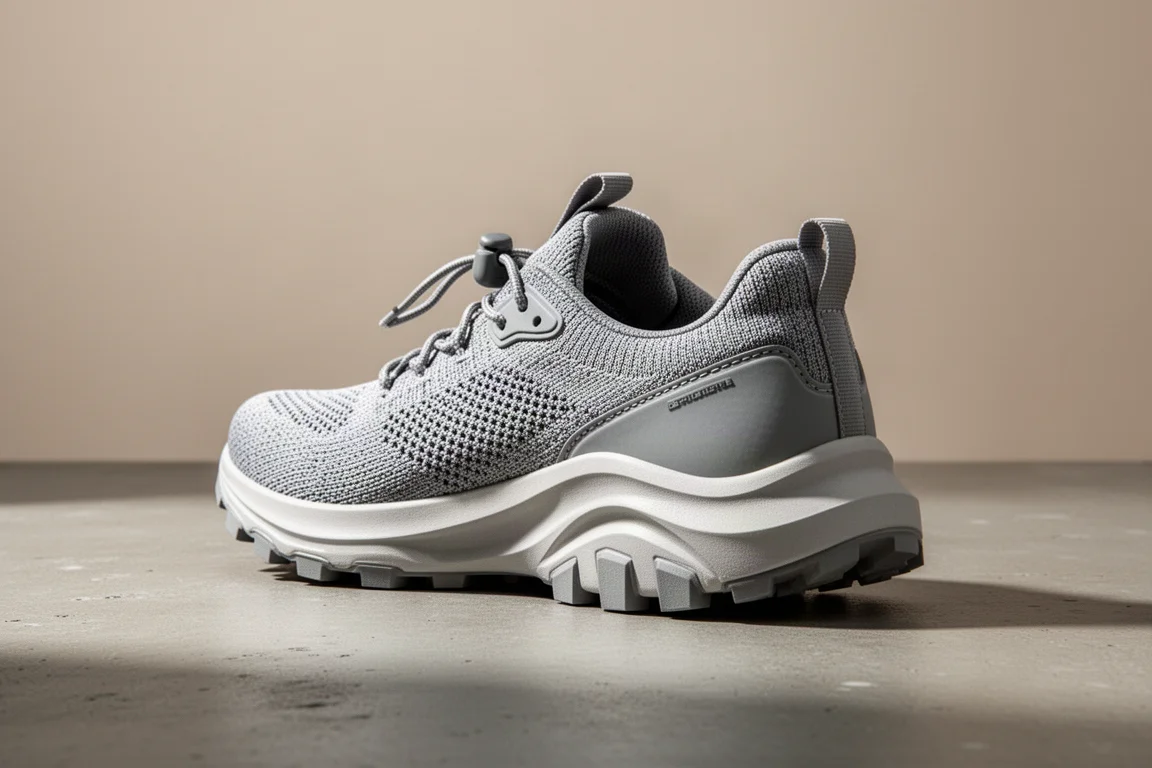
Adidas’ winterized Ultraboost keeps the reliable Boost midsole with no changes, but the upper has been reworked for wet-weather running, something the original knit used in the Ultraboost 22 was not well suited for. A toggle lacing system makes adjusting the shoe easier, including removing it when your hands are frozen after a run in the elements. The outsole design is also drastically altered, with slightly deeper lugs and a rearranged blocky pattern to the protrusions.
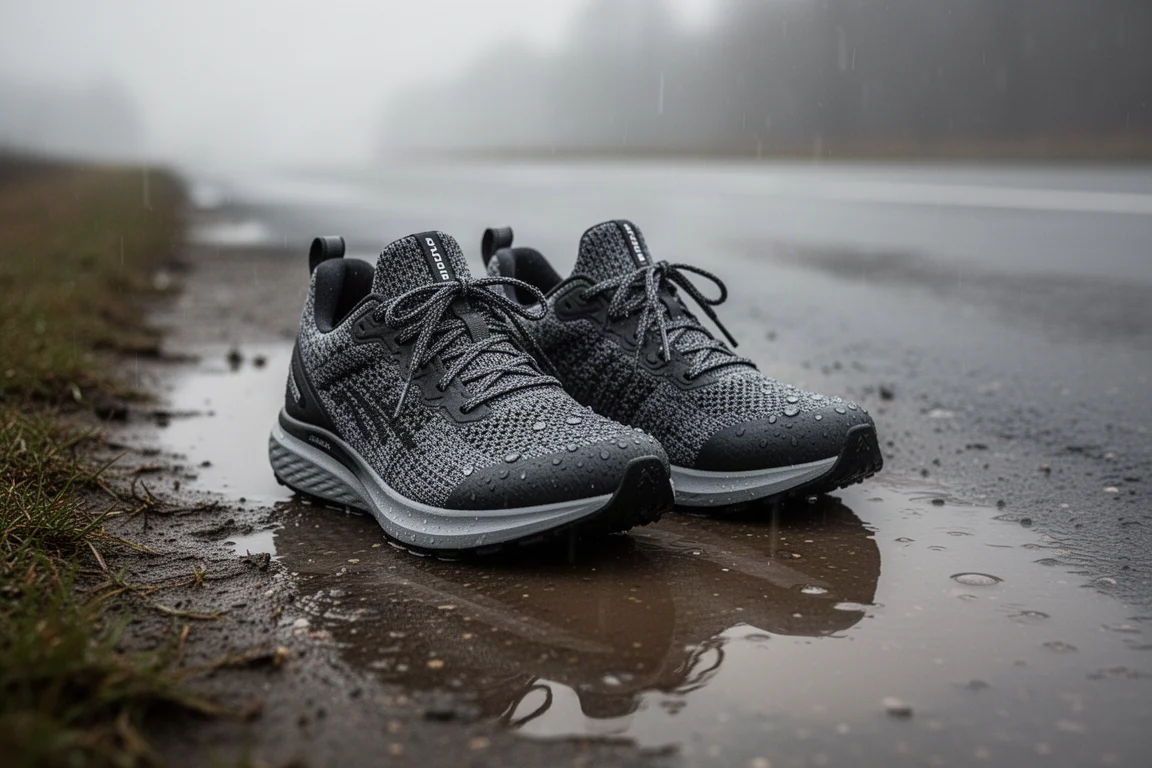
If the Ultraboost 22 has been working for you over recent months, this update could be right up your street. Boost also holds an extremely consistent performance when temperatures drop, which is not always true of very squashy, compressive foams. But at 170, a niche winterized shoe is simply too pricey, and it is another nay.
Reebok Sumitros 2: Yay
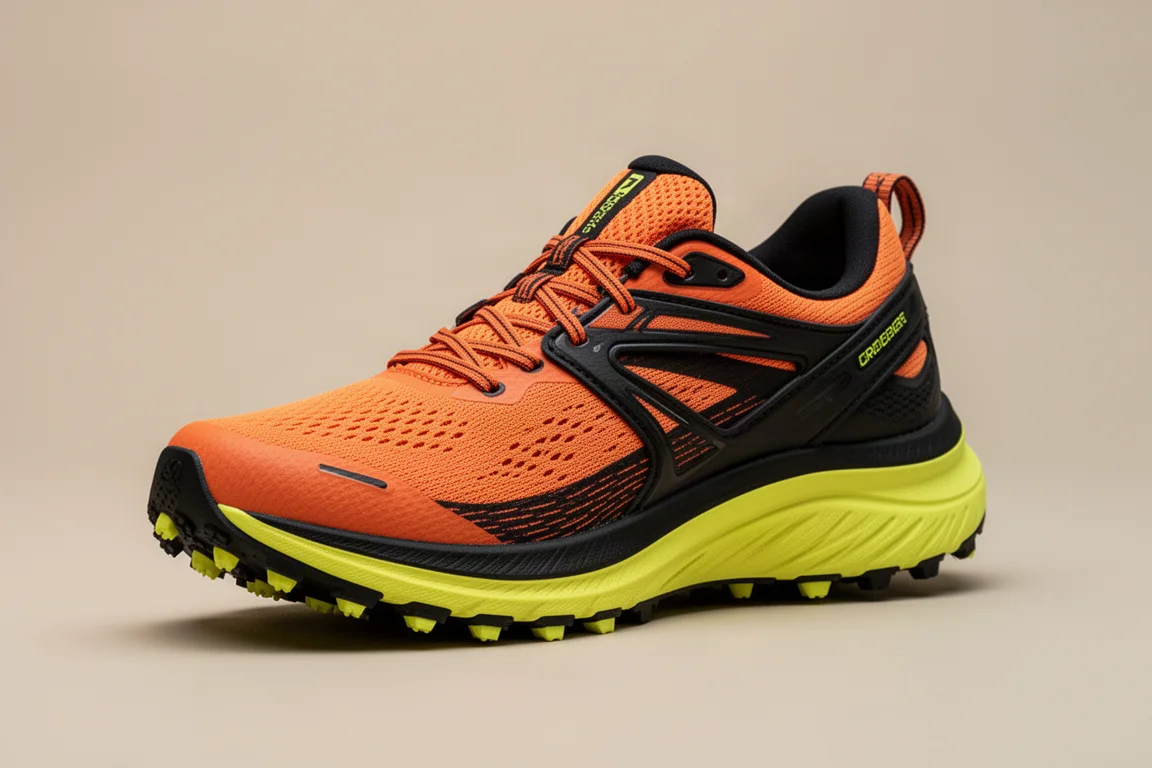
It is genuinely exciting to see a new shoe from Reebok. The Sumitros 2 keeps the stability elements in the heel and outsole while updating the upper, which now includes a sling-like support section around the midfoot and heel that recalls recent Adidas Adizero designs. The sample weight comes in at about 286 grams, and the drop is a slightly higher 10 millimeters.
The extra midsole stack makes this a great budget long-run shoe, and the outsole looks better suited to autumn and winter running than Reebok’s cheaper Energy 3 and 4, with improved grip and more protrusions. The orange flare, core black and acid yellow colorway is a fire look too. For anyone wanting a casual running shoe with more stack, this is a yay.

Conclusion
Two yays and two nays this time around. The Asics Magic Speed 2 and Reebok Sumitros 2 earn their spots for genuine performance and value reasons, while the Nike Pegasus 39 Shield and Adidas Ultraboost 22 Cold.Rdy 2.0 fall victim to niche use cases and premium winterized pricing. As always with running shoes, it is horses for courses: pick the shoe that matches your actual mileage and conditions, not just the marketing.
Further reading
Related Reviews

Running Shoes
Best Road-to-Trail Running Shoes: Three Versatile Options for Mixed Terrain
A practical guide to three road-to-trail running shoes that handle both pavement and mild trails, with clear strengths and trade-offs for different runner types.

Running Shoes
Best Running Shoes for Achilles Tendonitis: Three Options Explained
Three running shoes with different heel drops and support features designed to help reduce Achilles tendon pain during walking and running.

Running Shoes
Best Running Shoes for Women: Five Top Choices Ranked
A ranked guide to five women's running shoes, from versatile daily trainers to high-performance racing options, with real strengths and trade-offs for each.