Running Shoes
Four New Running Shoes, Four Verdicts: What's Worth Your Money
The Kiprun KD900X LD Plus, Hoka Cielo X1 2.0, Mizuno Neo Zen and On Cloud Surfer 2 compared on stack, weight, price and who each shoe actually suits.
Introduction
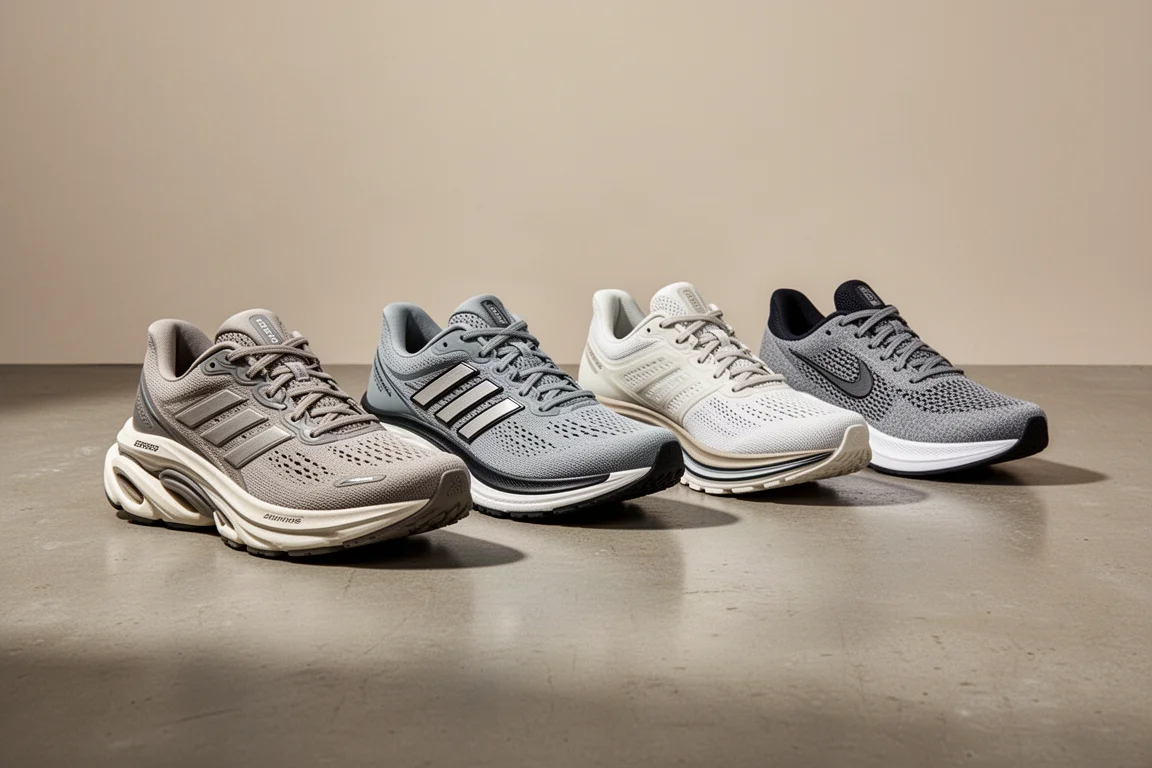
Four new releases, four quick verdicts. The Kiprun KD900X LD Plus steps into true super shoe territory, the Hoka Cielo X1 2.0 gets a major rework, the Mizuno Neo Zen targets the max-cushion daily trainer crowd, and the On Cloud Surfer 2 rounds out the lineup as a plush everyday option. Here is what each one offers, what it costs, and whether it earns a spot on the buy list.
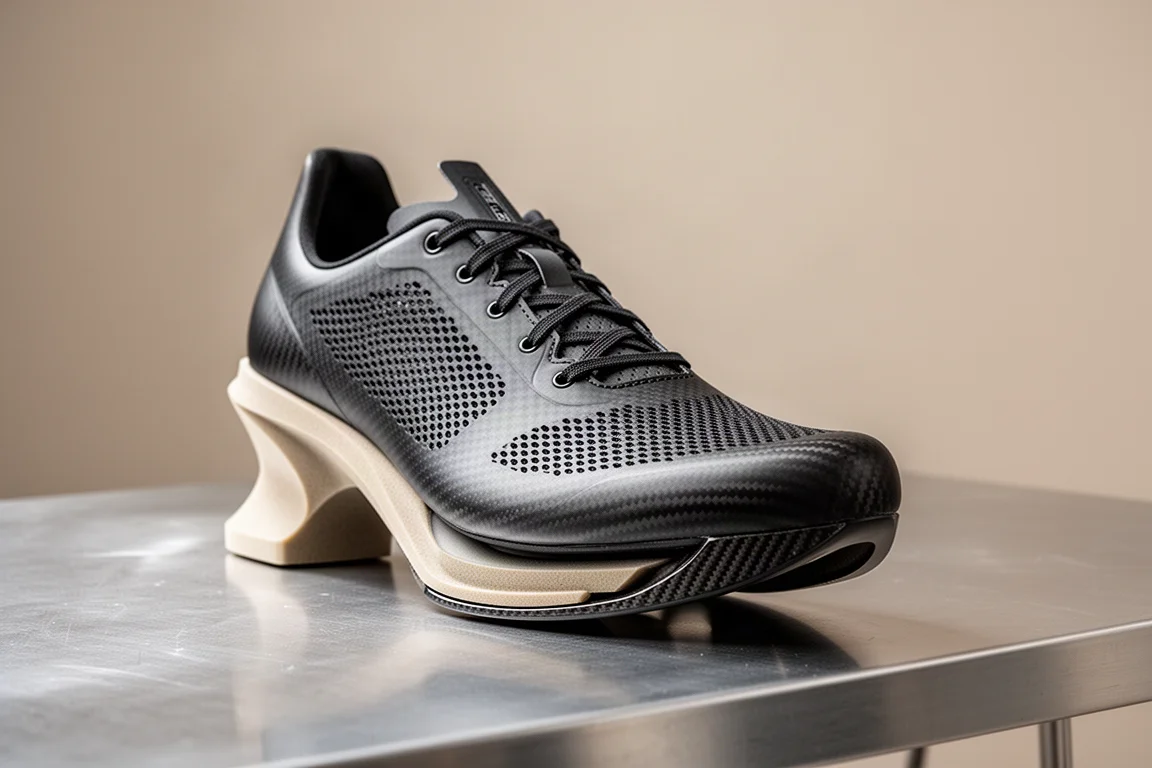
Kiprun KD900X LD Plus: A Super Shoe for the Masses
Kiprun has gone all out with the KD900X LD Plus. Where the earlier KD900X LD was a solid tempo shoe, this version adopts a full super shoe design: a much larger, softer midsole stack of around 39 mm with only a 4 mm drop, plus a carbon plate. The midsole blend is a PEBA-based foam called V-Foam Plus, and it promises to be noticeably softer than previous iterations. There is plenty of foam around the heel for stability and a deep application of rubber on the outsole, which bodes well for durability.
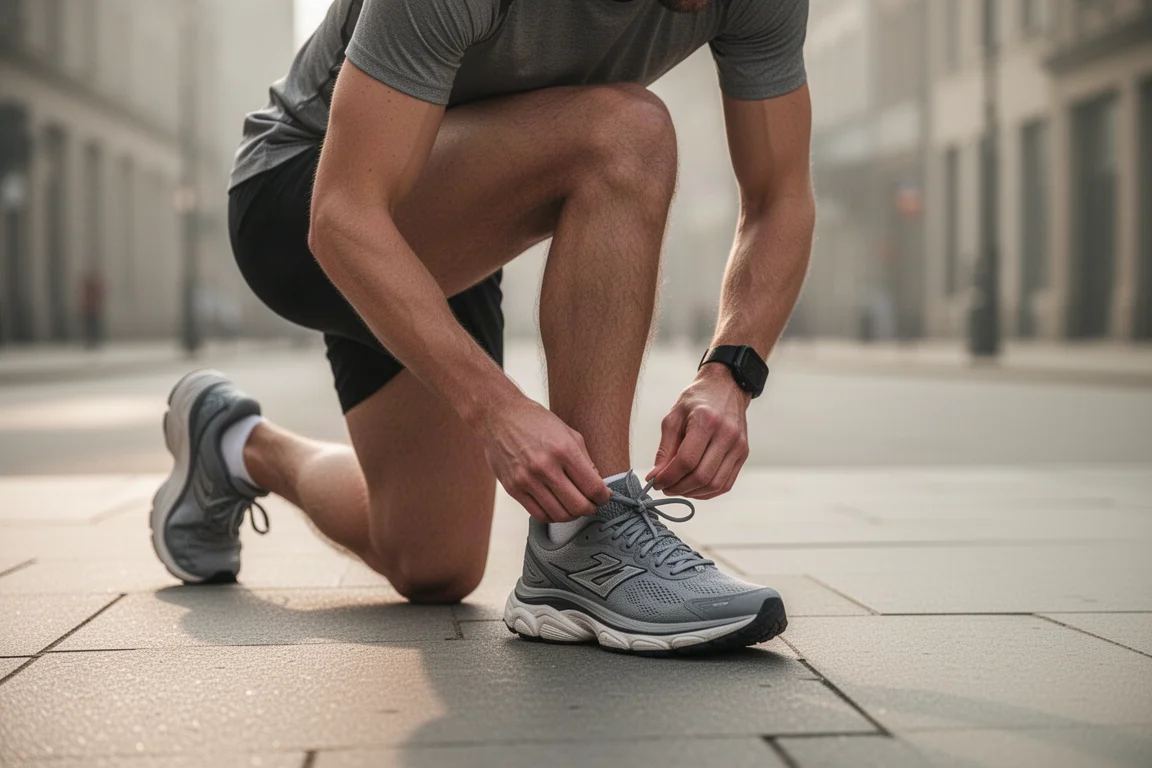
At 219 g in the sample size, it is a little heavier than some rivals in the carbon plate category, but the improved foam quality and big stack make up for a lot of that. Priced at £199 in the UK, it lands right around the same price as the Puma Deviate Nitro Elite 3, though you get extra stack height here. Colorways include a purple-and-orange option and a zesty all-orange one. Kiprun shoes are readily available in stores, which is rarer than it should be in this category, and there is something appealing about an upstart brand doing things a bit differently. This one is a yay.
Hoka Cielo X1 2.0: A Serious Rework
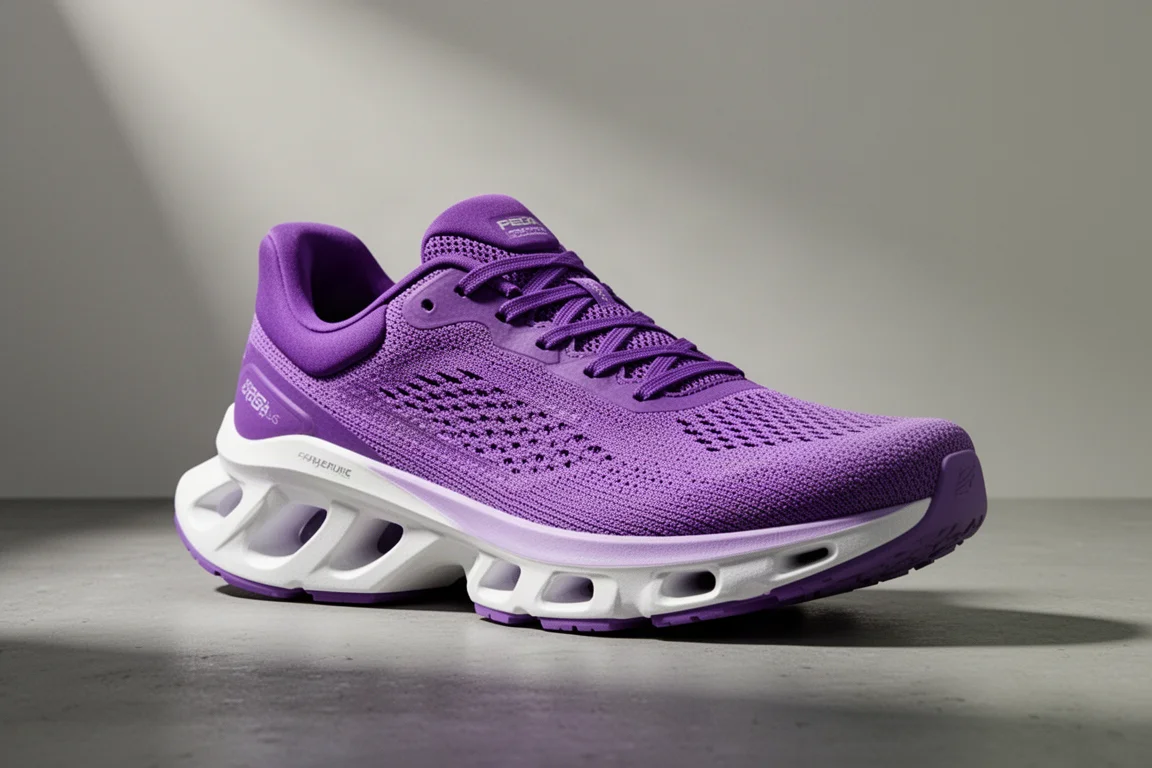
The Cielo X1 2.0 is out now at £250, and it is almost a different shoe from the original. Weight drops from 264 g to 229 g in the sample size, which is a meaningful reduction of about 1.2 oz per shoe. The laces switch from the original’s ribbon style to standard flat laces, and the upper material is entirely new, leaving very little carryover from version one.
The midsole cutout that defined the original has moved from the lateral side to the medial side, which may remove some of the shoe’s character. The PEBA-based PEBAX foam carries over, though, and it was excellent: lively under compression and genuinely fast. Stack height and drop remain similar, and the rubber is listed as sticky, an area Hoka has improved on considerably in recent years.
The original’s weight ruled it out as a top-end 5K or 10K racer for many runners, but it worked well as a tempo shoe. With this much weight stripped out, version 2.0 looks far more versatile. It is a yay, with the caveat that £250 is a hefty price, so budget planning is required.
Mizuno Neo Zen: Comfort First, Lockdown Second
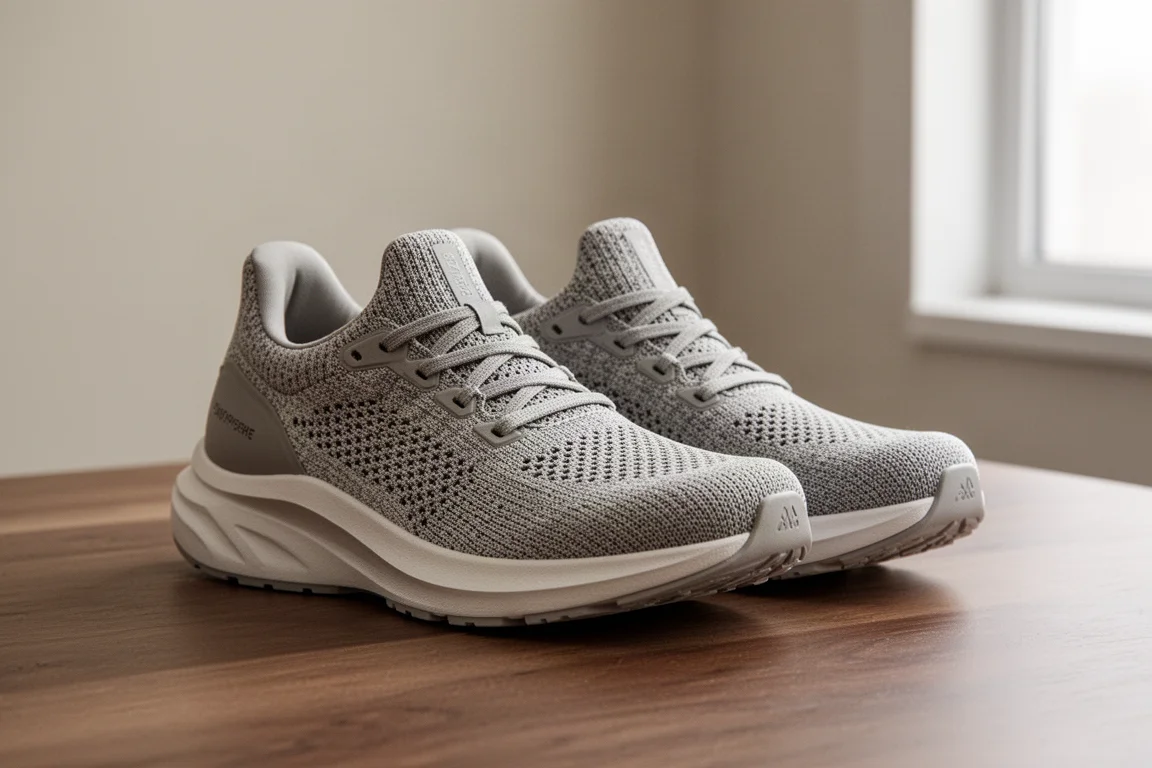
The Neo Zen is Mizuno’s daily trainer in the styling of the Neo Vista. It features a nitrogen-infused midsole, carbon rubber on the outsole and a knit-like upper. The numbers are strong for a daily option: 240 g in the sample size, a 6 mm drop and a maxed-out stack just under 40 mm, giving considerable cushioning. In character it sits alongside shoes like the Puma Velocity Nitro 3.
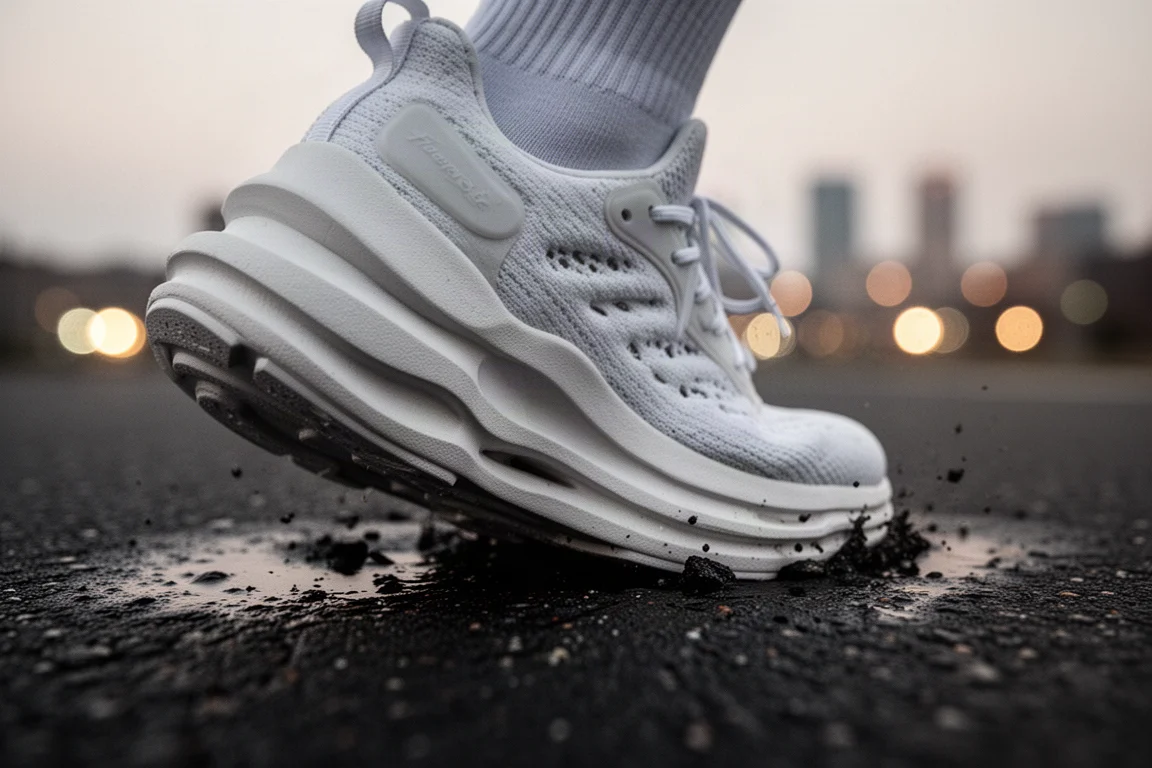
The main hang-up is the knit upper. Knit uppers rarely deliver a precise lockdown, bunching around the initial eyelet area, and runners with narrow feet may struggle to feel anchored on top of that much foam. At around £130 in the UK the price is good, but the Neo Vista sits only a little higher and offers more technology, making it arguably better value. More proven alternatives like the AdiZero Evo SL and Novablast 5 also compete directly at the same price point. On balance, this is a nay for now.
On Cloud Surfer 2: Premium Price, Everyday Shoe
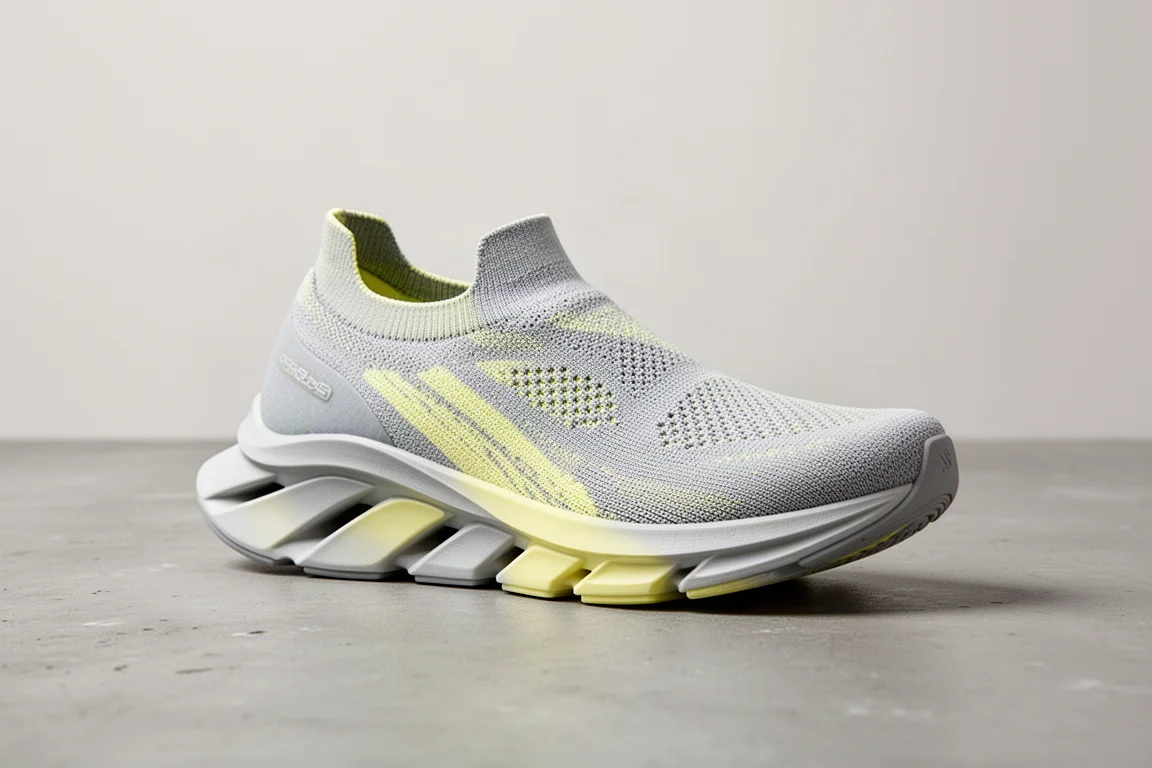
The Cloud Surfer 2 uses On’s CloudTec Phase technology, which is more consistent across the footbed than the standard CloudTec setup, offering a softer, squashier and more enjoyable ride. That is the good news. The concerns start with price: £150 is steep for a daily use shoe.
It is also heavy at 261 g in the sample size, which would translate to around 300 g in a UK 11, placing it well above rivals like the Evo SL, Pegasus Plus or Puma’s plush daily options. The 9 mm drop is on the high side for a daily trainer, and the fit runs plush around the Achilles. Notably, On does not use CloudTec in its race models, which says something about where the technology sits in the lineup.

On has built momentum with sprayed-on uppers and bold designs, but the standard daily models have yet to convince, and these shoes appear far more often on the school run than on start lines. For a running-focused purchase, this is a nay.
Buying Advice
If you want a carbon plate super shoe at a mainstream price, the KD900X LD Plus is the standout pick of this group, with big PEBA foam, a carbon plate and easy availability. If you race and have the budget, the Cielo X1 2.0’s dramatic weight loss makes the £250 asking price easier to justify. The Neo Zen and Cloud Surfer 2 are best left for now unless you specifically want a soft, casual-leaning daily shoe and value comfort over price and weight.
Conclusion
Two yays and two nays from this batch. Kiprun and Hoka are pushing performance boundaries with genuinely improved designs, while Mizuno and On need to sharpen their value and fit arguments before earning a recommendation. As always, final judgments deserve miles on foot, but based on the specs and pricing, the KD900X LD Plus and Cielo X1 2.0 are the ones worth watching.
Further reading
Related Reviews

Running Shoes
Best Road-to-Trail Running Shoes: Three Versatile Options for Mixed Terrain
A practical guide to three road-to-trail running shoes that handle both pavement and mild trails, with clear strengths and trade-offs for different runner types.

Running Shoes
Best Running Shoes for Achilles Tendonitis: Three Options Explained
Three running shoes with different heel drops and support features designed to help reduce Achilles tendon pain during walking and running.

Running Shoes
Best Running Shoes for Women: Five Top Choices Ranked
A ranked guide to five women's running shoes, from versatile daily trainers to high-performance racing options, with real strengths and trade-offs for each.