Running Shoes
Four Running Shoes, Four Verdicts: Pure Boost 22, Alphafly Next% 2, Metaspeed Edge Plus and Adistar CS
A closer look at four new running shoes with very different personalities, from an affordable boost daily trainer to a heavy stability option that raises questions.
Introduction
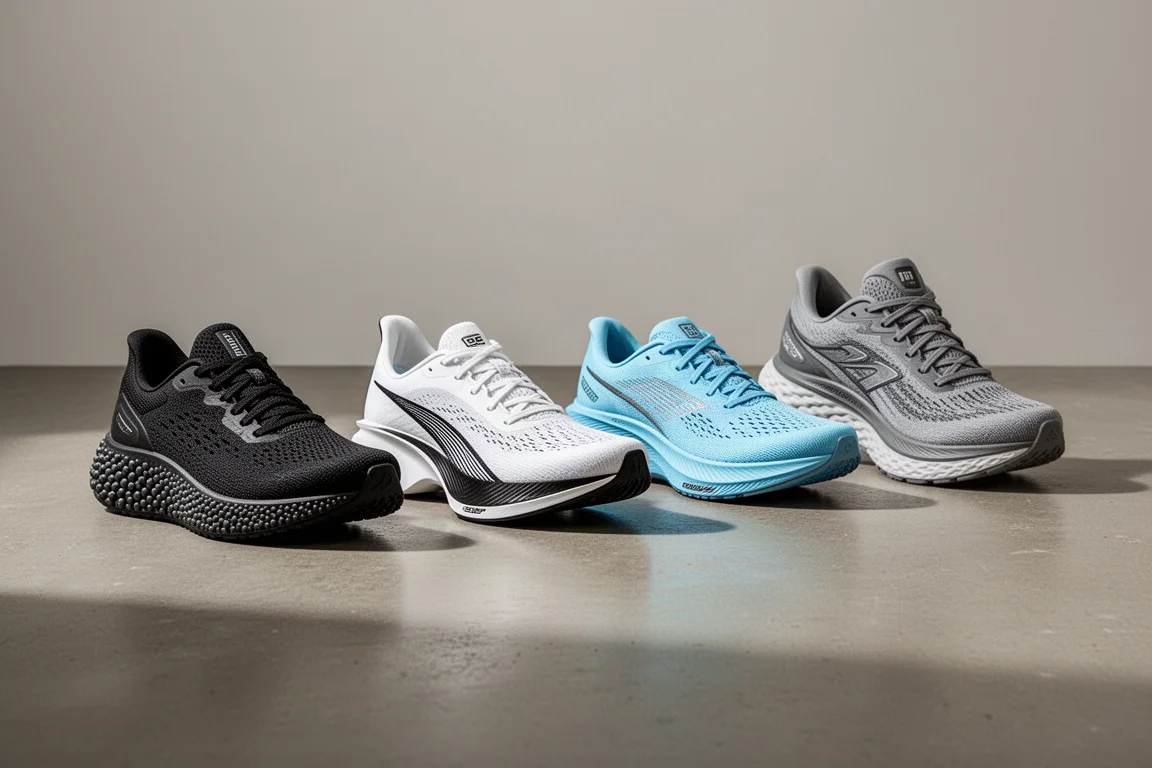
Four new releases, four very different shoes. This is not a full review of any of them; it is a practical look at what each shoe offers, who it makes sense for, and which ones are worth picking up. A boost-powered daily trainer, one of the most anticipated carbon racers in years, a new Asics speed shoe with a different plate setup, and a tall cushioned stability shoe that raises some questions. Here is how they stack up.
adidas Pure Boost 22
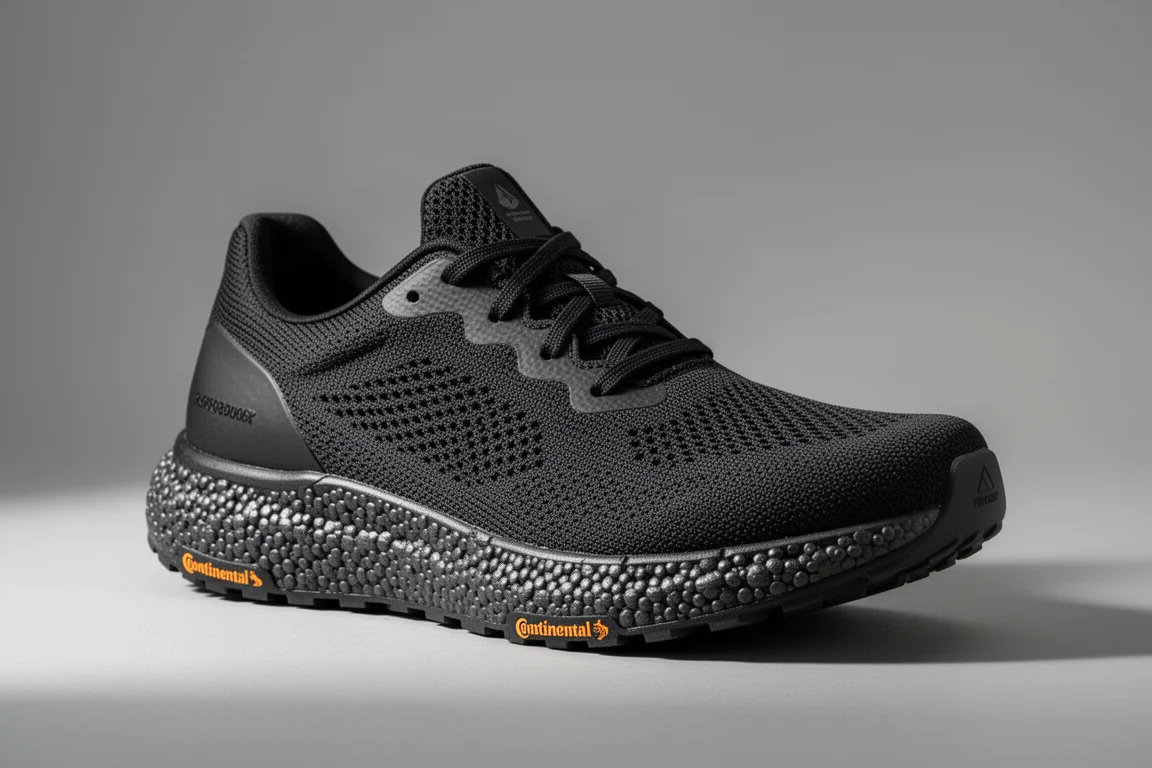
The Pure Boost 22 stands apart from the Ultra Boost 22 with smaller boost TPU pellets in the midsole, giving it a visibly different profile, plus a mesh upper instead of the Primeknit used on the Ultra Boost. That combination could actually make it the better daily trainer for boost fans: you keep the impact protection boost is known for, but at a lower stack height, aimed at shorter runs in urban environments. The gold standard Continental rubber outsole, a stretched mesh at the bottom of the shoe, and a wallet-friendly price of around £100 in the UK round out the package. It should also come in a touch lighter than both the Solar Boost 4 and the Ultra Boost 22.
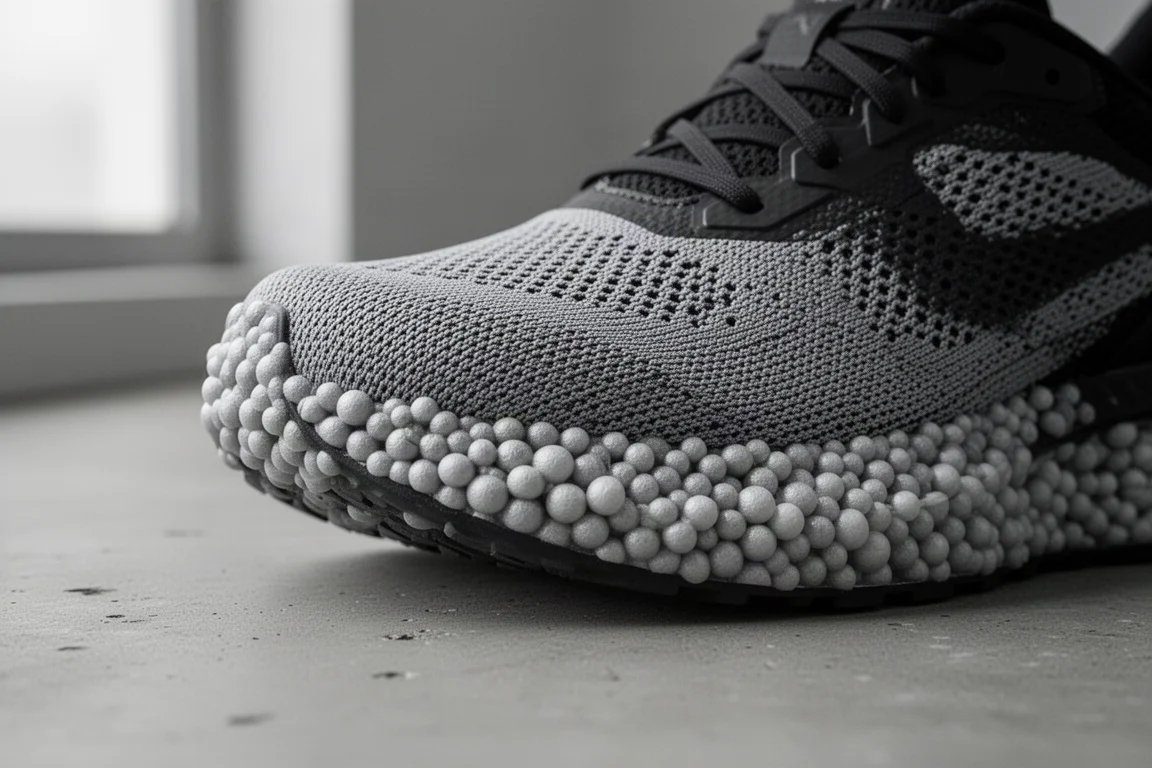
The main hesitation is simple: for runners who already have a full rotation of daily trainers, this one is easy to pass on. If your shelf is already stocked with options like the Pegasus 39, Cumulus 24 or Velocity Nitro 2, the Pure Boost 22 is a nice shoe without an obvious gap to fill. For everyone else, especially those who want boost cushioning without the Ultra Boost price or stack, it is an easy recommendation.
Nike Alphafly Next% 2
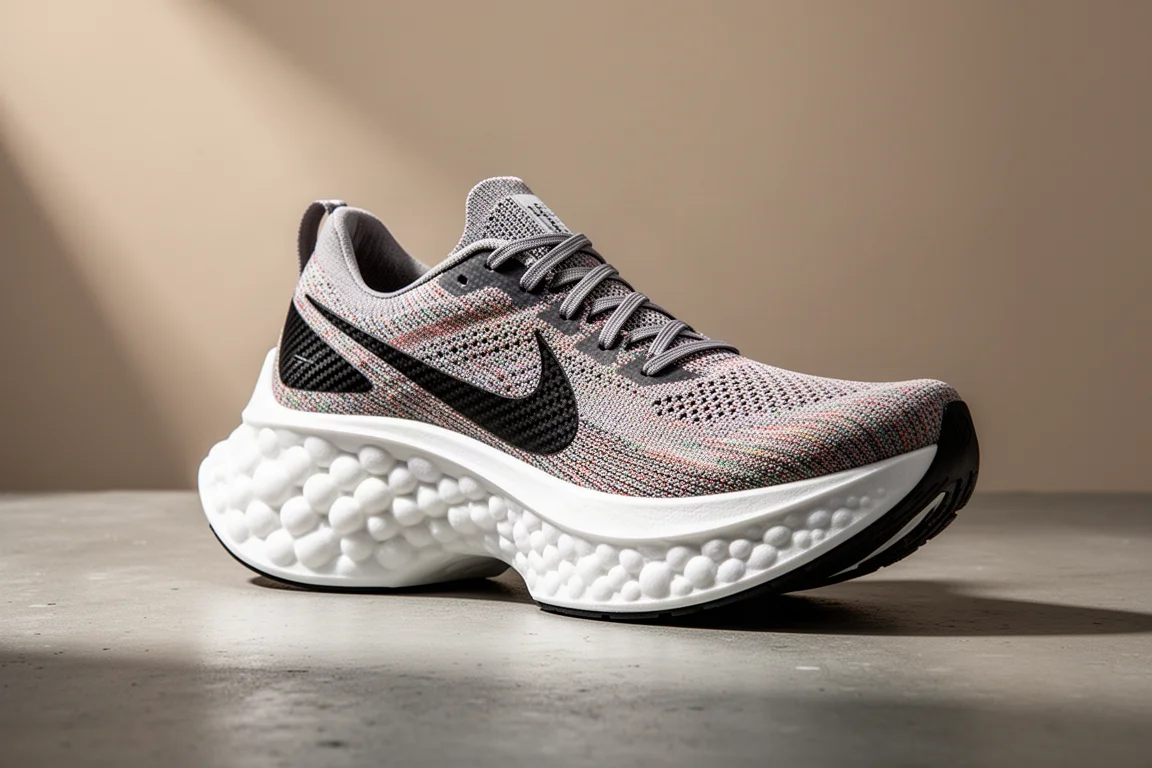
The Alphafly Next% 2 looks set to launch soon, and its appearance as a selectable shoe in the Nike Run Club app suggests the drop is imminent. Expect an initial release limited to Nike members, with the usual quick sell-out, but with plenty of colourways following later, so missing the first drop is not the end of the world. The new profile is a stylized take on the original, genuinely space age, two years in the making.
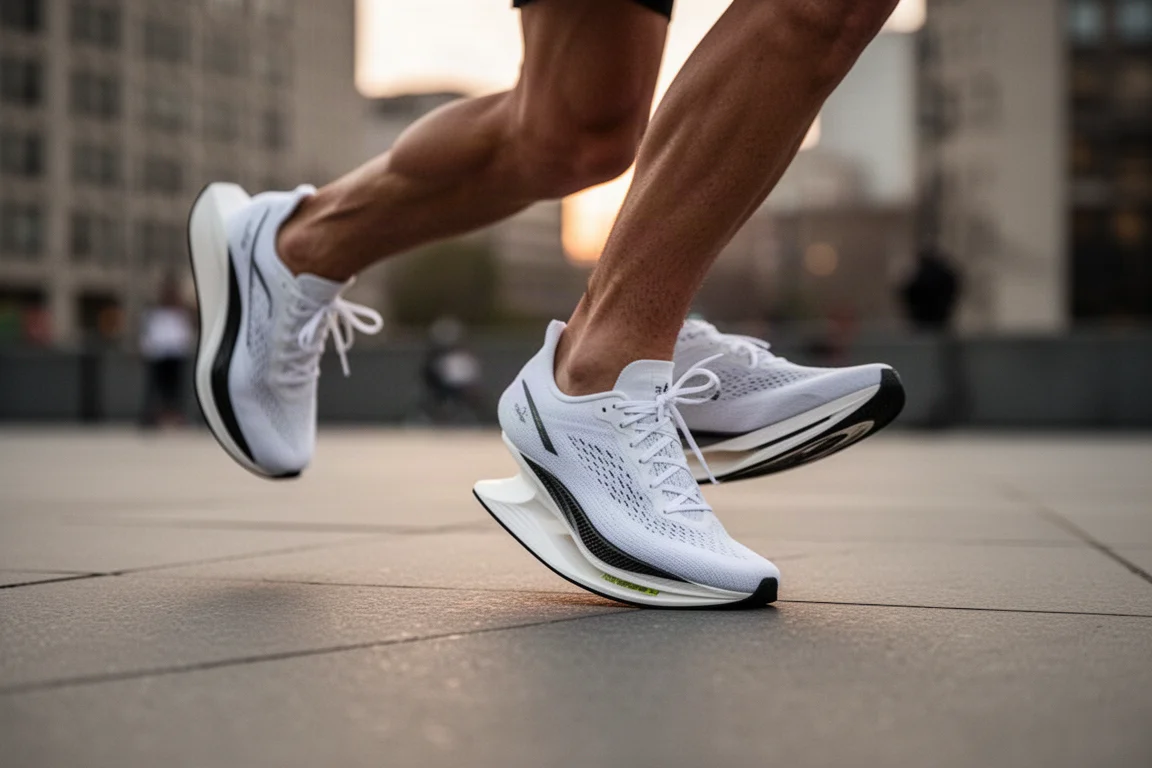
The details worth knowing: the pods now sit on a very thin layer of ZoomX material, there is more cushioning creeping up around the heel collar, and a large portion of ZoomX has been carved out underfoot. The midsole foam looks closer to the original Alphafly’s ZoomX than the Vaporfly’s. There are two downsides to weigh. The huge heel flare at the rear seems like a pointless addition that is just asking to be stepped on and cracked, and the forefoot outsole has changed from the original Alphafly, whose traction worked on practically any surface. That switch feels like change for change’s sake. Even so, this is a clear yay for anyone who can get their hands on a pair.
Asics Metaspeed Edge Plus
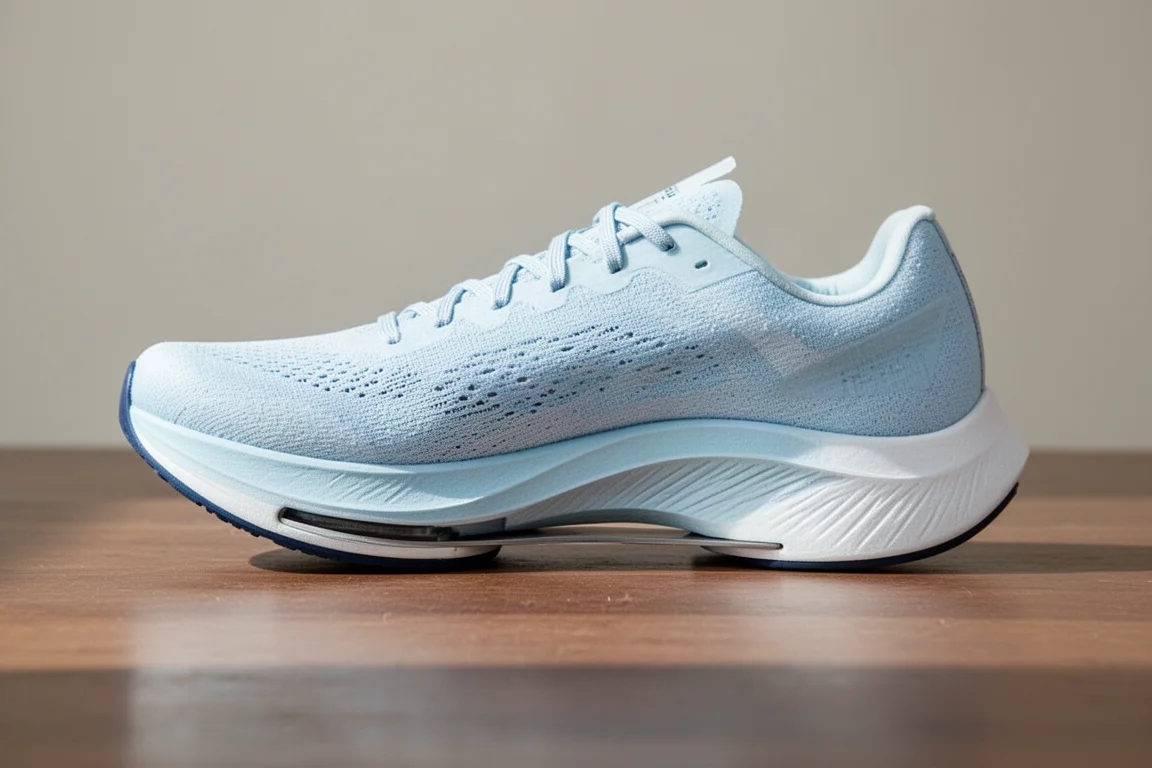
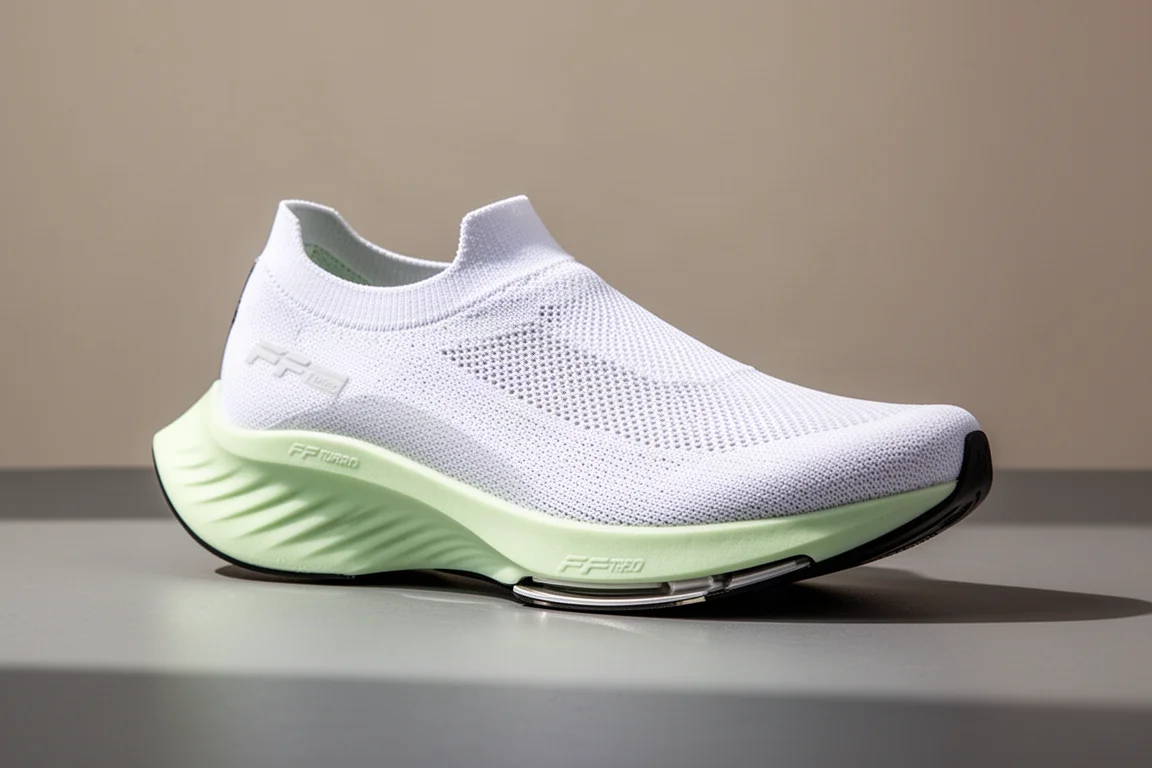
After exciting initial runs in the Metaspeed Sky Plus, the Edge Plus is genuinely intriguing. The upper and outsole appear identical to the Sky, but the midsole tells a different story: the plate in the Edge sits much closer to the outsole and the floor, which should produce a more traditional rocker-style feel, a setup seen in most other carbon plate shoes over the last couple of years. That means more FF Blast Turbo foam under the mid to forefoot and a slightly more cushioned ride, with less foam overall in the forefoot than the Sky Plus.
The drop tells the story too: 8mm here versus 5mm in the Sky Plus. Asics is clearly positioning these two models in the same ballpark as the Alphafly and Vaporfly pairing, and the real difference between the Edge and Sky will likely become clearer once some miles go into both. On intrigue alone, this is a yay if a pair can be secured.
adidas Adistar CS
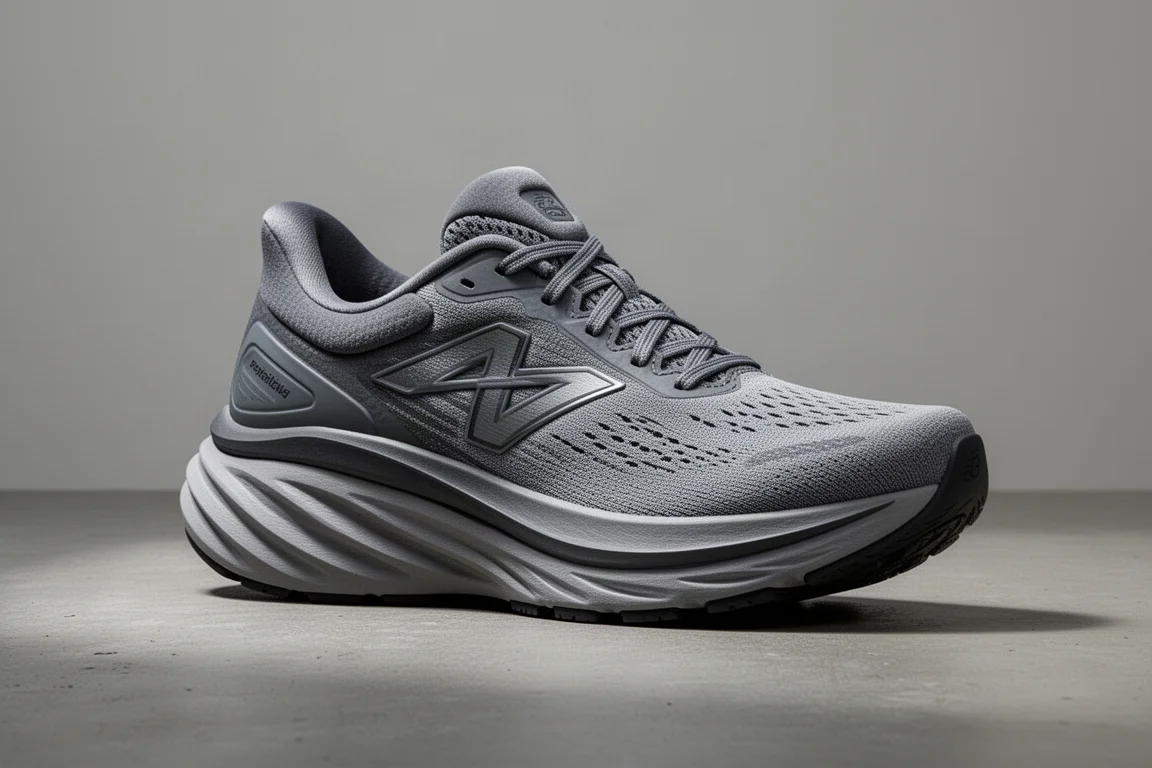
Sometimes a shoe arrives that is hard to figure out, and the Adistar CS is one of them. At £150 and a hefty 320 grams in a UK sample size 8.5, it is going to feel bonkers heavy for most runners. There is even more Repetitor+ foam than the standard Adistar, a 6mm drop, and a 37mm heel stack height, so this is a skyscraper of a shoe. The core puzzle: a highly cushioned shoe and a stability shoe are two things that do not naturally work together, and stability launches are becoming rarer for good reason.

The construction includes a stabilizing plate in the lateral half of the midsole, a firmer sidewall likely made of the same Repetitor+ foam, and a very plush padded upper. It resembles the old Asics GlideRide before modern foam, landing oddly in the middle of summer with this much padding. Unless you have a big budget and specifically need a stability shoe, there are probably better options available right now. This is an easy pass for most rotations.
Buying Advice
If you want one shoe to chase, the Alphafly Next% 2 is the standout, with the Metaspeed Edge Plus as a compelling alternative for runners curious about a different plate feel. The Pure Boost 22 is a sensible, affordable daily option if boost appeals and your rotation has room. The Adistar CS only makes sense for runners who specifically want maximum cushioning with stability features and are willing to pay for it.
Conclusion
Three of these four shoes earn a cautious nod: the Pure Boost 22 for boost fans on a budget, the Alphafly Next% 2 for anyone lucky enough to grab an early pair, and the Metaspeed Edge Plus for the sheer curiosity of its plate placement. The Adistar CS is the one most runners can safely skip. Match the shoe to the gap in your rotation, and none of these will disappoint.
Further reading
Related Reviews

Running Shoes
Best Road-to-Trail Running Shoes: Three Versatile Options for Mixed Terrain
A practical guide to three road-to-trail running shoes that handle both pavement and mild trails, with clear strengths and trade-offs for different runner types.

Running Shoes
Best Running Shoes for Achilles Tendonitis: Three Options Explained
Three running shoes with different heel drops and support features designed to help reduce Achilles tendon pain during walking and running.

Running Shoes
Best Running Shoes for Women: Five Top Choices Ranked
A ranked guide to five women's running shoes, from versatile daily trainers to high-performance racing options, with real strengths and trade-offs for each.