Running Shoes
Running Shoe Yay or Nay: Four New Releases Worth a Second Look
Four upcoming running shoes get a quick verdict before lacing up: two worth chasing down, two you can safely skip this season.
Introduction
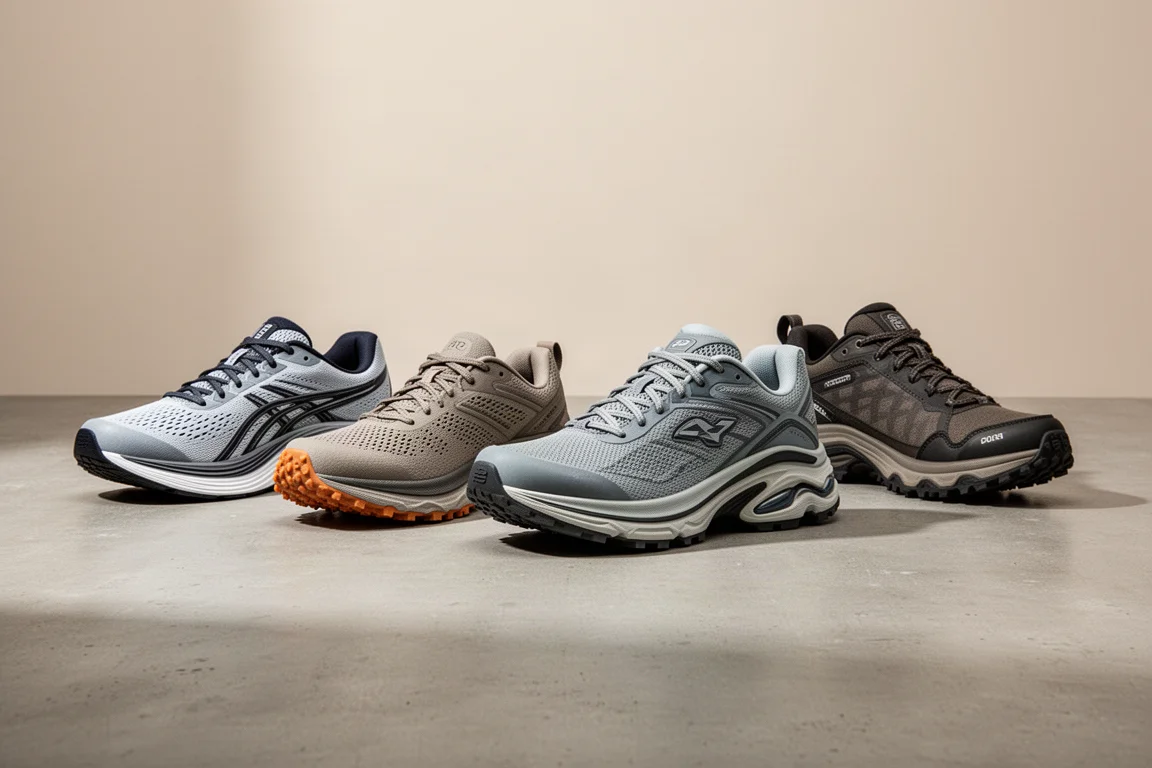
Every new release gets a quick sanity check before it earns a full on-foot review: is this a shoe worth chasing down, or one better left to someone else to cover properly? These four upcoming releases all have a clear identity on paper, but only two earned a confident verdict in their favour. Here is how each one shapes up before a single mile has been run in them.
Nike Pegasus Turbo Next Nature
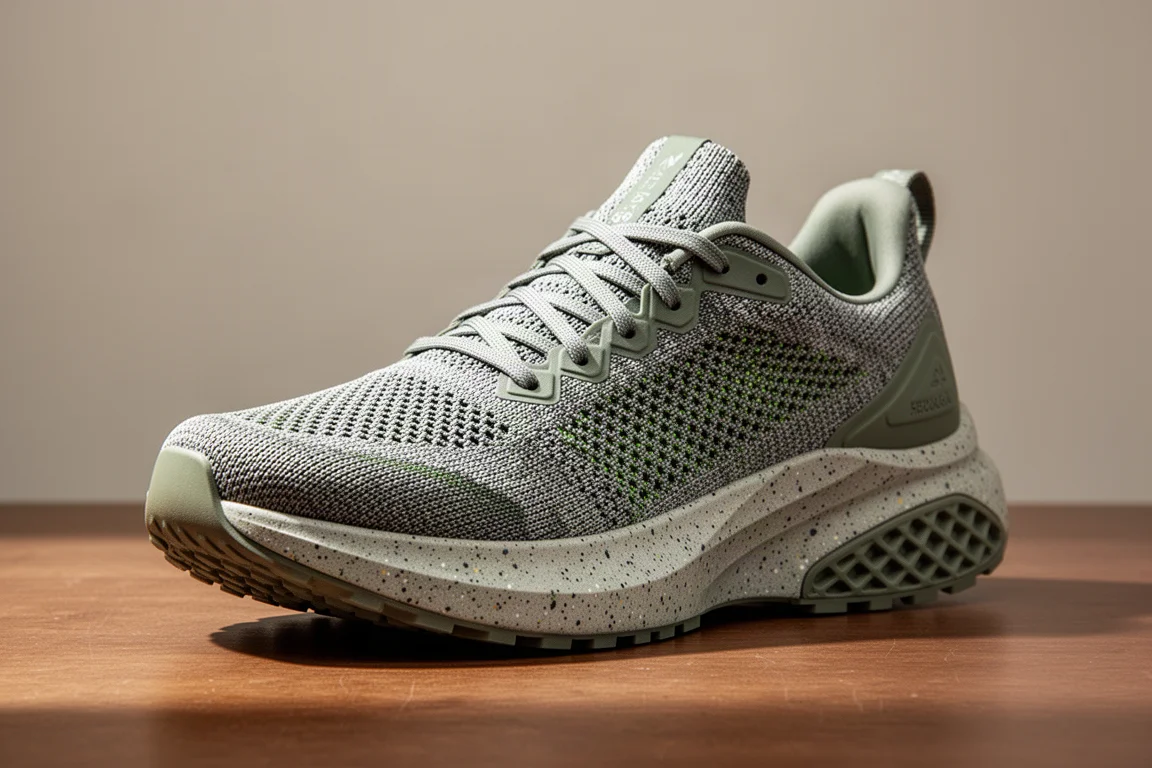
The Pegasus Turbo Next Nature is set to launch soon, already listed on Nike’s UK site as coming soon. It sits at roughly 270 grams in a UK 9, and that figure raises an eyebrow, because the Pegasus Turbo line has always been known as a nimble, lightweight option. Earlier Turbo models came in lighter even in larger sizes, so this new version appears to be an awful lot heavier than its predecessors.
How its foam layering in the glued-together midsole compares with the Pegasus Plus is unclear, and at a reported £10 premium it is fair to question whether it offers a genuine advantage. There are visual nods to the older Turbo models, but whether it is truly a Turbo shoe or just one by name remains to be seen. That uncertainty is exactly why it is worth picking up and reviewing properly.

Reebok Floatride Energy 4 Adventure
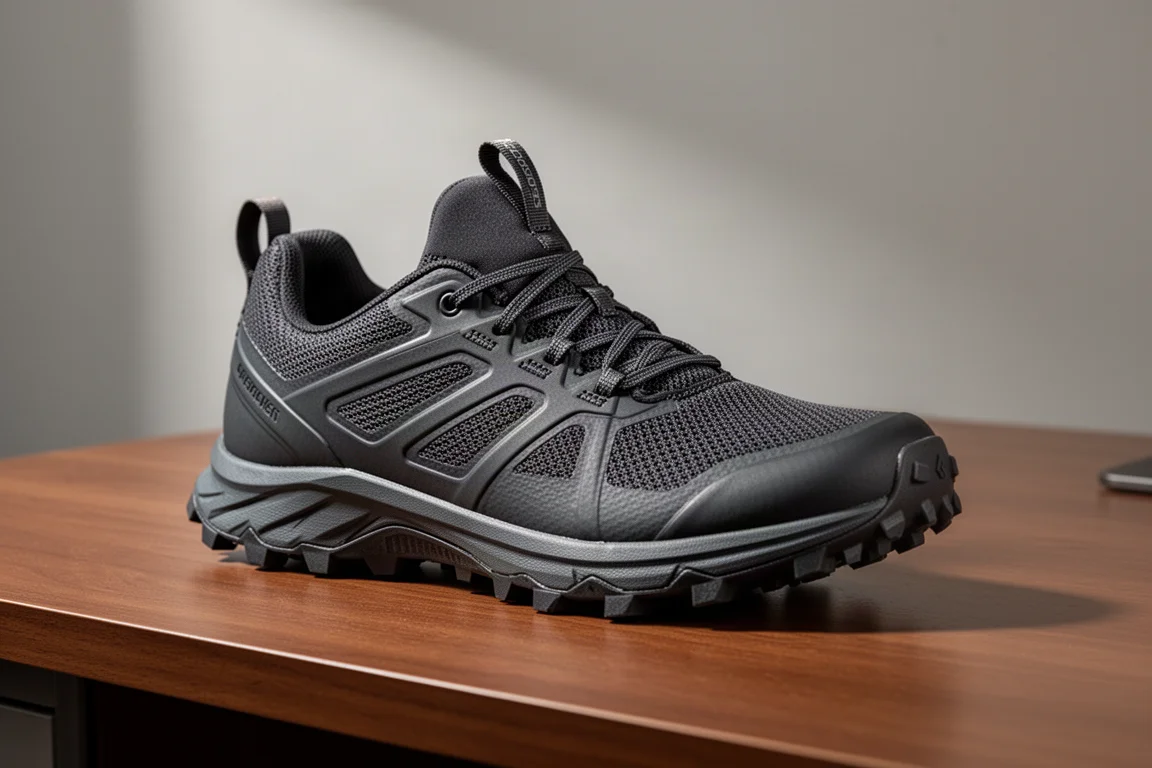
Reebok has given the Floatride Energy 4 Adventure a proper redesign rather than a minor refresh. The third version stayed close to the original with a few extra overlays and new laces, but this one brings significant changes to both the upper and the outsole. Increased protection around the front of the shoe, including a rubber buffer that stretches around the toe area, should shield toes on uneven ground.
The outsole traction is reportedly inspired by gravel bike tyres, which should help with grip on roads and varied trail surfaces. Front and rear pull tabs and a low-profile silhouette round out a package that looks like a genuinely versatile trail option. Priced around £85 in the UK, it follows the third version’s non-bulky approach: not too much extra material, just what the trails actually demand. On paper, this looks like another value win.

Adidas Solar Glide 5
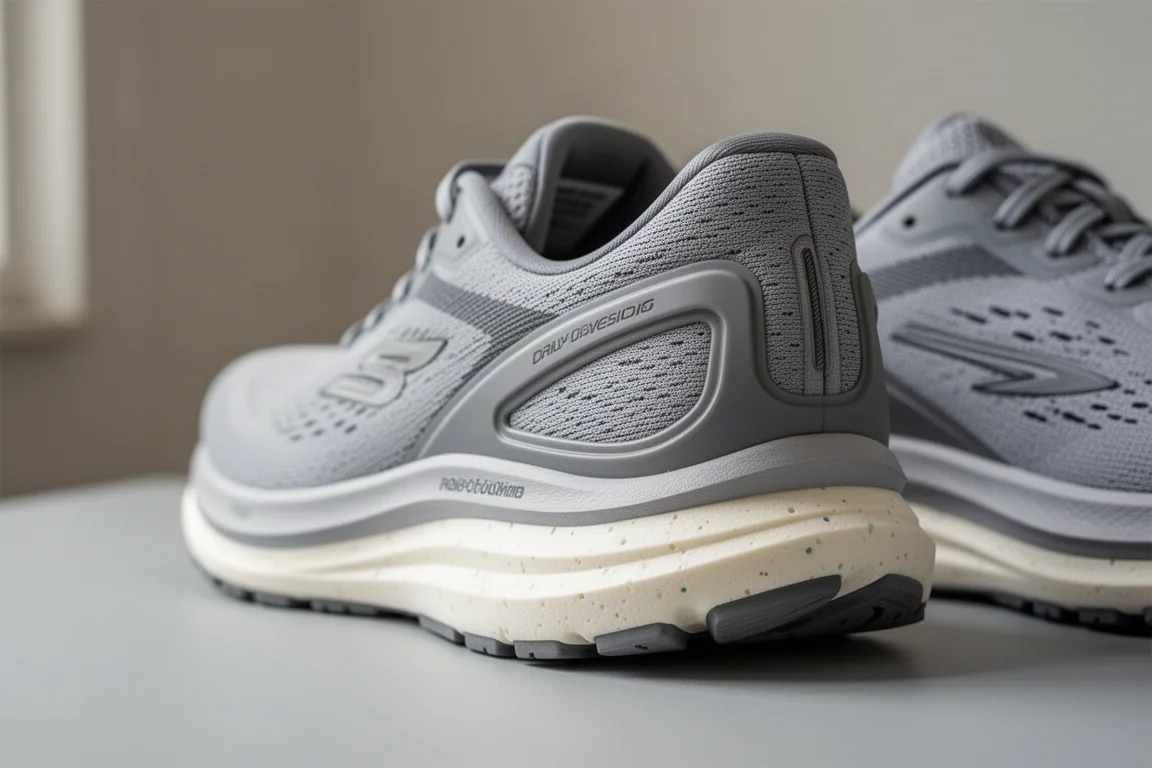
The Solar Glide 5 carries a 10mm heel-to-toe drop, with 36mm of foam in the heel and 26mm in the forefoot for the sample size. The headline concern is weight: around 335 grams puts it firmly in heavyweight daily trainer territory, though that is consistent with a brand that tends to prioritise durability in its trainers and save the performance focus for its race shoes.
The midsole uses dual-density Boost, although the exact placement of the softer and firmer sections is not specified. There is some kind of frame or rail around the lateral and medial sides of the heel to aid stability, and the heel and midfoot appear to borrow design elements from the NMD R1 lifestyle model. At around £120, this feels like too much shoe for runners who prefer simpler designs, though it could suit anyone specifically after resilient Boost cushioning plus stabilising elements. It is a pass.
Nike Pegasus Trail 4 GTX
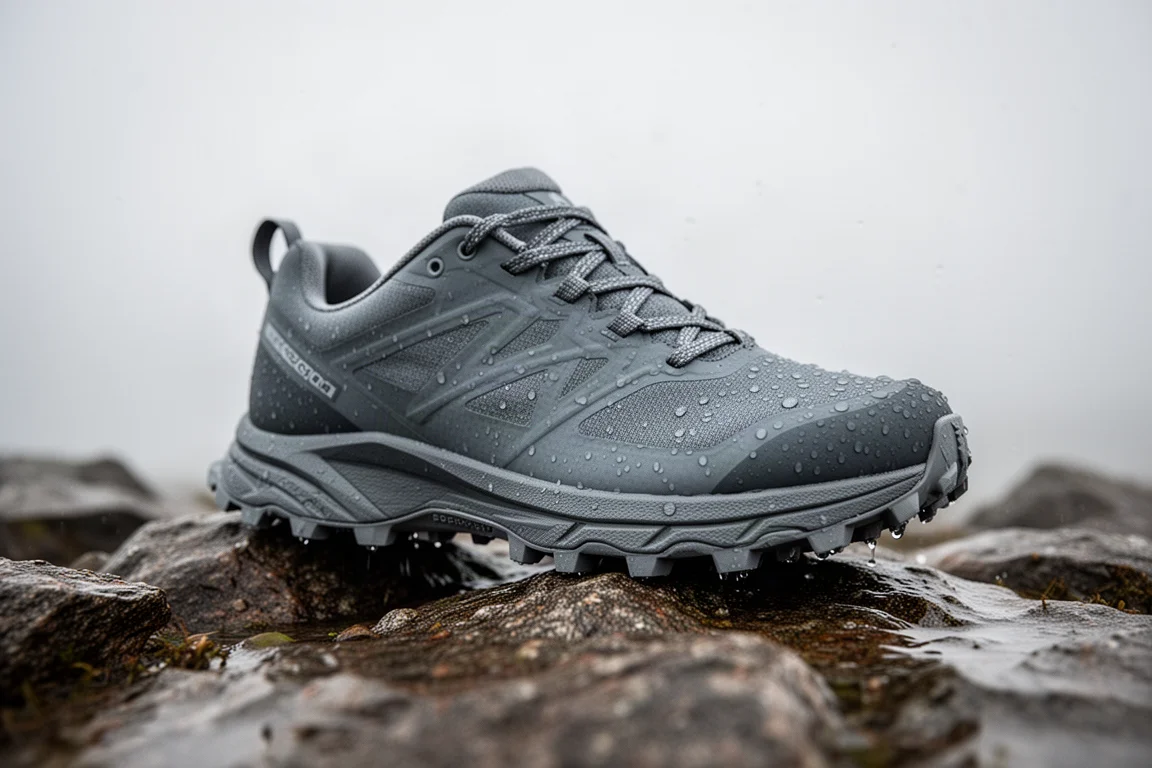
The Pegasus Trail 4 has just received a Gore-Tex version, released to members on Nike’s UK site. The timing is amusing, given a drought was officially declared in the southwest of the UK at the same moment, but the bigger issue is value: at around £145, it arrives right after another trail shoe that is supposedly superior, with ZoomX inside it.
The React foam in the previous Pegasus Trail 3 was some of the squishiest and most compressive foam found in any Nike shoe to date, and the additional Gore-Tex upper elements only add more to a package that is already overkill for many runners. It might make sense for anyone running in extremely wet conditions or a very different climate, and others moving into autumn will likely cover it better. As a right-now purchase, it is a firm pass.
Overall Buying Advice
Two clear takeaways emerge. First, lightweight heritage lines do not always stay light: the new Turbo’s claimed weight is worth checking against your own preferences before buying into the name. Second, seasonal timing matters. A waterproof trail shoe launched at the peak of a dry spell is a hard sell at a premium price, while a simple, well-protected, reasonably priced trail shoe like the Reebok is easy to justify year-round. Match the shoe to the conditions you actually run in, not the ones the marketing implies.
Conclusion
Two of these releases earn a thumbs-up: the Pegasus Turbo Next Nature as an intriguing wildcard worth testing in person, and the Floatride Energy 4 Adventure as a well-priced, sensibly designed trail option. The Solar Glide 5 and Pegasus Trail 4 GTX both carry too much weight, price, or complexity to recommend sight unseen. Verdicts can change once shoes hit the road and trail, but right now, two yays and two nays is the honest tally.
Further reading
Related Reviews

Running Shoes
Best Road-to-Trail Running Shoes: Three Versatile Options for Mixed Terrain
A practical guide to three road-to-trail running shoes that handle both pavement and mild trails, with clear strengths and trade-offs for different runner types.

Running Shoes
Best Running Shoes for Achilles Tendonitis: Three Options Explained
Three running shoes with different heel drops and support features designed to help reduce Achilles tendon pain during walking and running.

Running Shoes
Best Running Shoes for Women: Five Top Choices Ranked
A ranked guide to five women's running shoes, from versatile daily trainers to high-performance racing options, with real strengths and trade-offs for each.