Running Shoes
Running Shoe Yay or Nay: Nike Rival Fly 4, AdiZero Adios 9, Hoka Clifton 9 GTX, and On Cloudboom Zone
Four new or upcoming running shoes face the verdict: two earn a confident yay, two get left on the virtual shelves.
Introduction
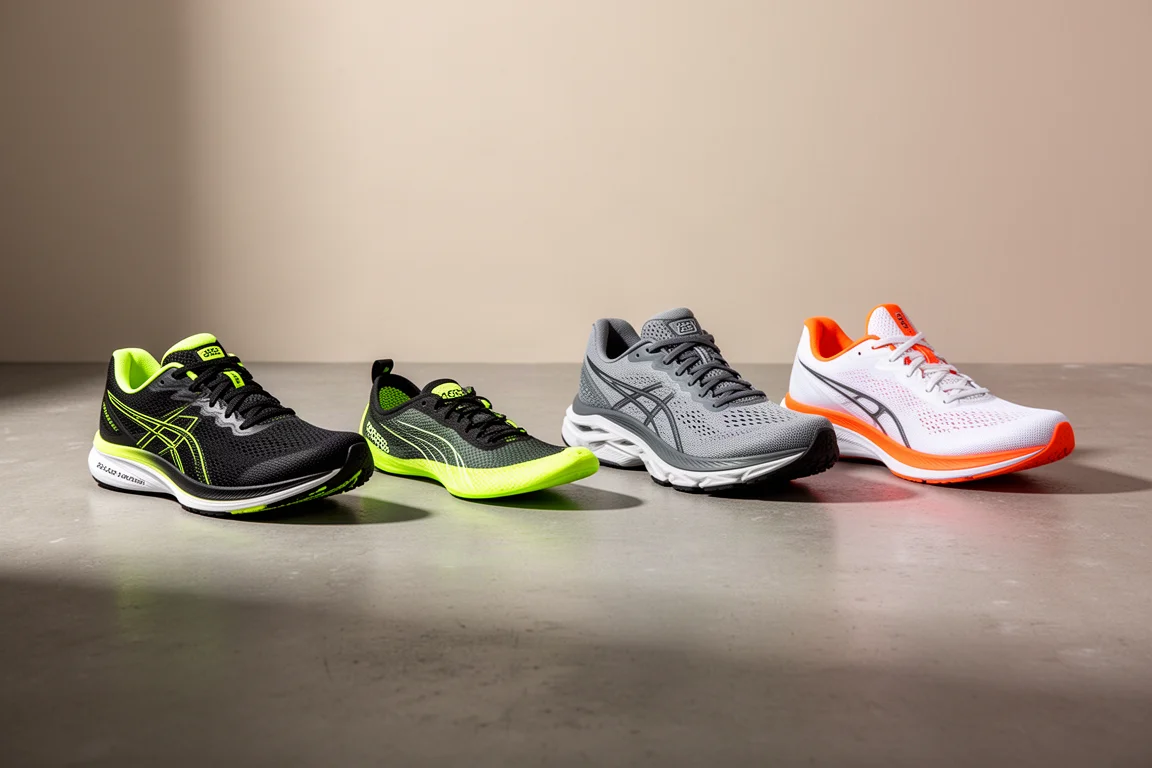
The running shoe release cycle never sleeps, and a fresh batch of models has us weighing up what deserves a spot in the rotation. This round covers the full gamut of stack heights and intentions: a light daily trainer from Nike, a sleek short-distance racer from Adidas, a waterproof version of Hoka’s most popular shoe, and On’s latest PEBA-based racer. Big stacks, low stacks, and everything in between. Here is how the verdicts shook out, with two yays and two nays, and the reasoning behind each.
Nike Rival Fly 4: A Light, Cheaper Pegasus Alternative
The Rival Fly 4 is a light, nimble daily trainer built around Nike Cushlon 3.0 foam with a Zoom Air unit in the forefoot to add reliable, consistent snap. A plastic section in the midsole works as a shank rather than a full plate, adding a touch of torsional rigidity without extra bulk.
Out in the US at $100, there is little to dislike. The sample size weighs just 258 g or 9.1 oz, and larger sizes should still come in under 300 g, making it roughly 30 g lighter than the Pegasus 41. The multi-directional traction on the outsole and a heel profile closer to the Fly 3 round out a design that looks forward to what the Vaporfly 4 might bring.
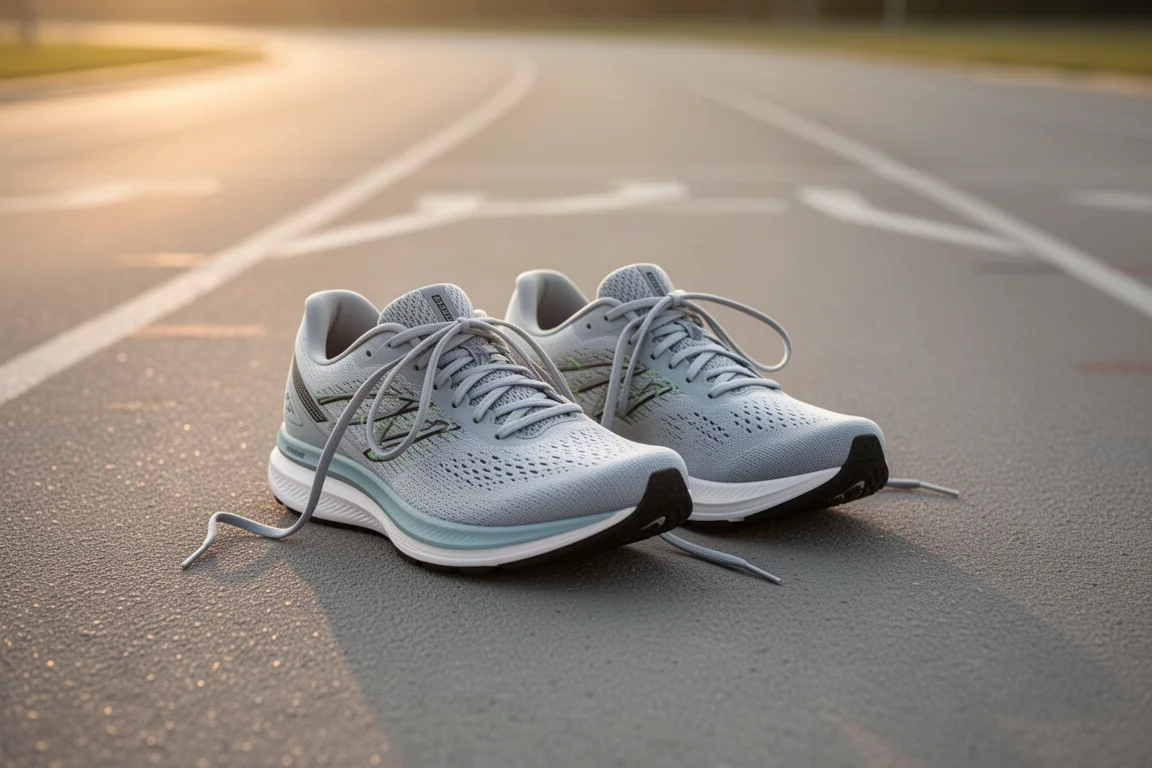
For lighter-built runners who find the standard Nike daily trainers too bulky, this looks like a genuinely appealing alternative, and it is a clear yay. One caveat: a special Ekiden-themed colorway with flame logos is landing in late November or early December, and it is not a good look. Stick with the standard versions if you can.
AdiZero Adios 9: Built for Fast Short Distances
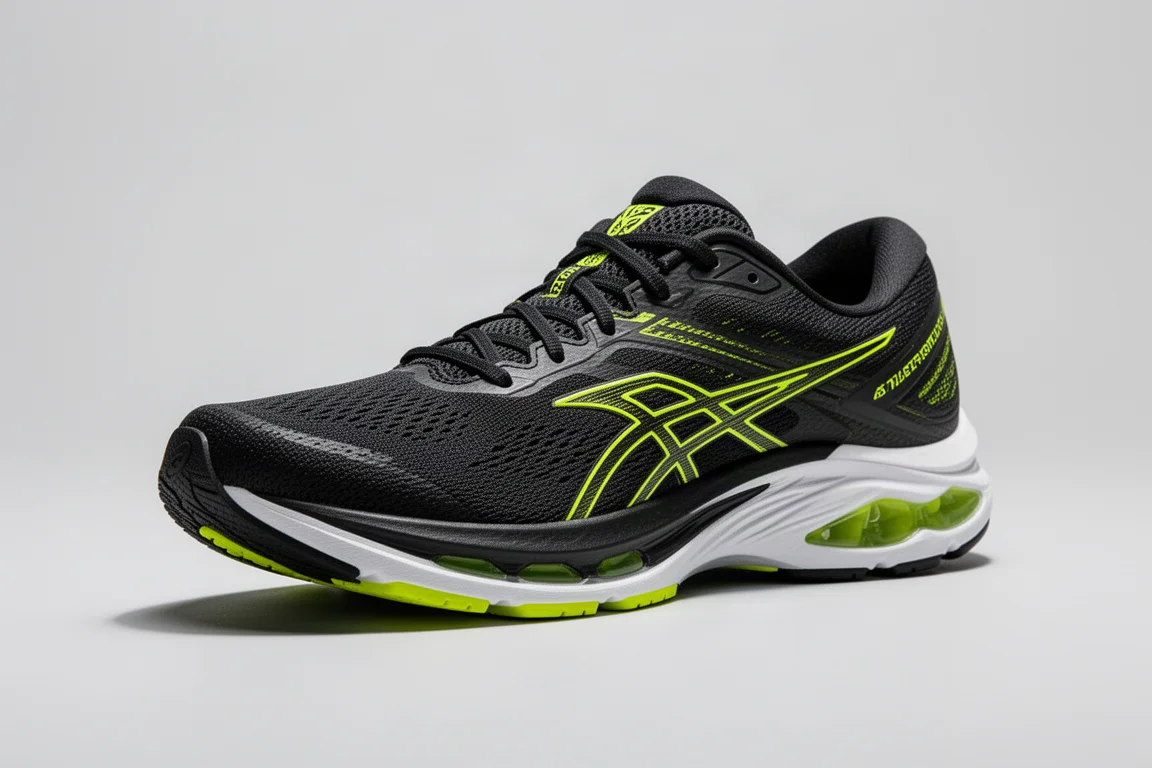
The AdiZero Adios 9 reads like a mashup of the Adios Pro 4 and the Evo SL, with a heavily pared-down upper and a Lightlock band running from the eyestays through to the heel to hold the foot firmly in place. The midsole features a nylon shank instead of energy rods, which should improve pop and propulsion, while the outsole uses a new light traction compound with a small sliver of Continental rubber up front for toe-off.
Adidas has stamped 27 mm on the midsole wall, which suggests roughly 20 mm at the forefoot and a 7 mm drop. That puts it lower to the ground than the Takumi Sen 10, and the intent seems clear: a 5 to 10K racer, sleeker and lighter than the Evo SL.
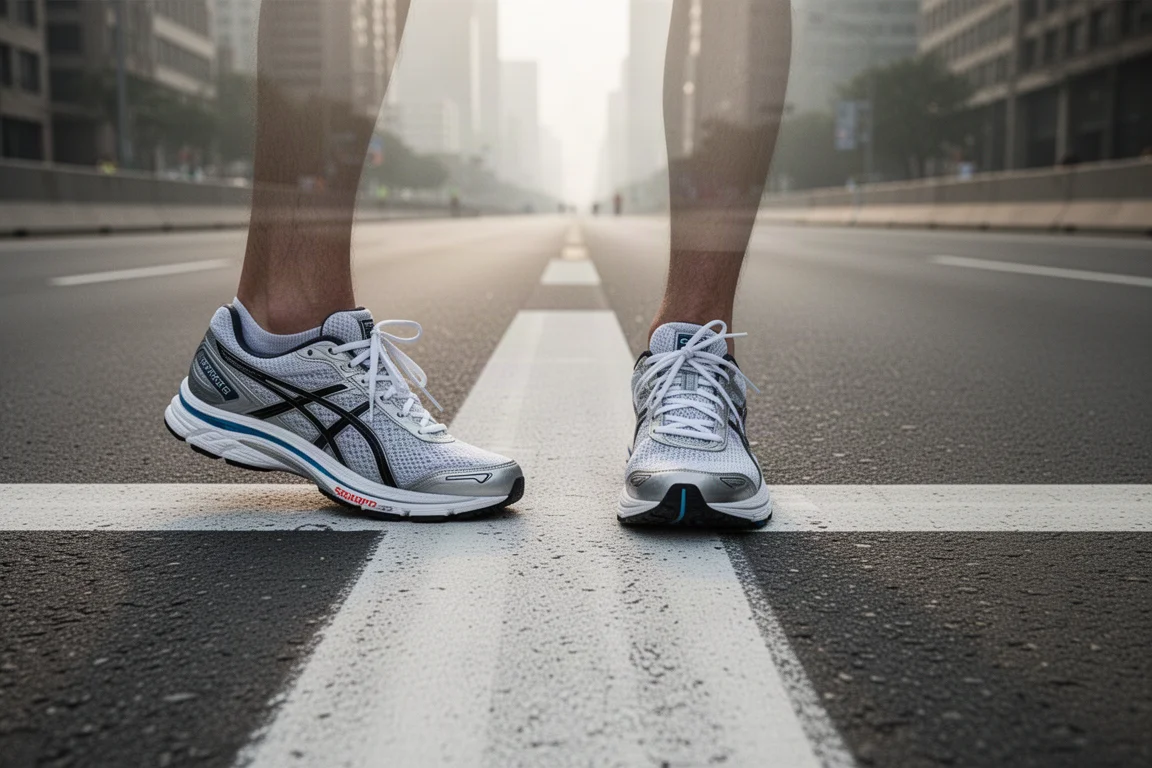
At $140, roughly £110, that is a fair price for a shoe with this type of lightness and perceived midsole drive. It is a definite yay, especially for shorter-distance speed sessions and races.
Hoka Clifton 9 GTX: Waterproofing Without a Reason to Buy
The Clifton 9 GTX adds a Gore-Tex upper to Hoka’s flagship daily trainer for about £20 more than the standard version, landing at £150 in the UK. The weight is around 273 g, a 25 g increase over the standard model, so the waterproofing does not cost much in performance terms.
The problem is the rest of the package. The compression-molded EVA midsole design has been around for years, and it is a little surprising Hoka has not moved on to something less dense and more exciting underfoot. The Gore-Tex-equipped Pegasus Trail model was cheaper and far more attractive, with excellent grip and solid performance on the road as well as the trail.

It is a nay here. There is simply nothing in this shoe that makes a compelling case over either the standard Clifton 9 or the cheaper Gore-Tex alternatives.
On Cloudboom Zone: Premium Price, Familiar Formula
The Cloudboom Zone pairs a PEBA-based midsole with a carbon plate, but at a lower stack than most modern racers: about 35 mm in the heel and 29 mm in the forefoot in the sample size, a 6 mm drop. It leans heavily on DNA from the Cloudboom Strike, with a little from the Cloudboom Echo 3, sharing similar outsole materials, heel padding, and tongue shape with those models.
It is genuinely light, though: just 224 g or 7.9 oz in the sample size, which puts it in the same conversation as the Saucony Endorphin Speed 4 or the Nike Zoomfly 6. As a competitor to the Takumi Sen 10 at a $200 price tag, the positioning makes a little more sense.
The sticking point is the price. On’s premium has never been subtle, and $200 is a lot for a shoe that overlaps with plenty of cheaper options already hitting the mark. Until more detail emerges to justify the premium, it is a nay.
Conclusion
Two yays and two nays. The Nike Rival Fly 4 stands out as a light, well-priced daily trainer with real appeal for runners who want less bulk, and the AdiZero Adios 9 looks like an exciting, affordable short-distance racer. The Hoka Clifton 9 GTX and On Cloudboom Zone both have their merits, but neither justifies its asking price right now. As always, the best shoe is the one that fits your feet, your runs, and your budget, and it pays to wait when a price premium outruns the product.
Further reading
Related Reviews

Running Shoes
Best Road-to-Trail Running Shoes: Three Versatile Options for Mixed Terrain
A practical guide to three road-to-trail running shoes that handle both pavement and mild trails, with clear strengths and trade-offs for different runner types.

Running Shoes
Best Running Shoes for Achilles Tendonitis: Three Options Explained
Three running shoes with different heel drops and support features designed to help reduce Achilles tendon pain during walking and running.

Running Shoes
Best Running Shoes for Women: Five Top Choices Ranked
A ranked guide to five women's running shoes, from versatile daily trainers to high-performance racing options, with real strengths and trade-offs for each.