Running Shoes
Running Shoe Yay or Nay: Four Trainers Under the Microscope
Four new trainers assessed on stack, foam, grip and value: Salomon Aero Glide, Hoka Transport X, Asics S4 and New Balance FuelCell SC Trainer V2.
Introduction
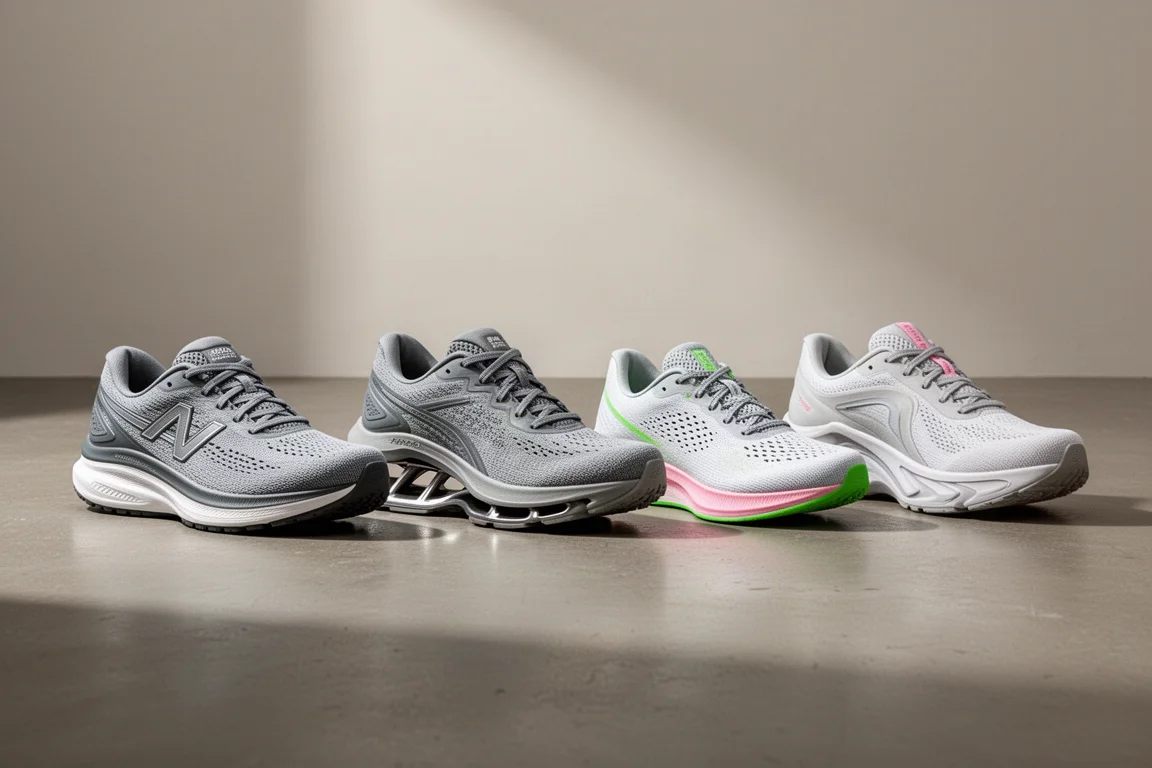
Four shoes on the judging table this time: the Salomon Aero Glide, the Hoka Transport X, a Japan-only Asics release in the S4, and the New Balance FuelCell SC Trainer V2. None of these are being called treasures or trash outright. Some will slot into a rotation better than others, and a few are best left to other reviewers for now.
The aim here is simple: put each shoe under the microscope, look at stack heights, foam, outsole rubber and price, and give an honest yay or nay verdict on whether it is worth picking up for review.
Salomon Aero Glide: A Super Trainer Attempt
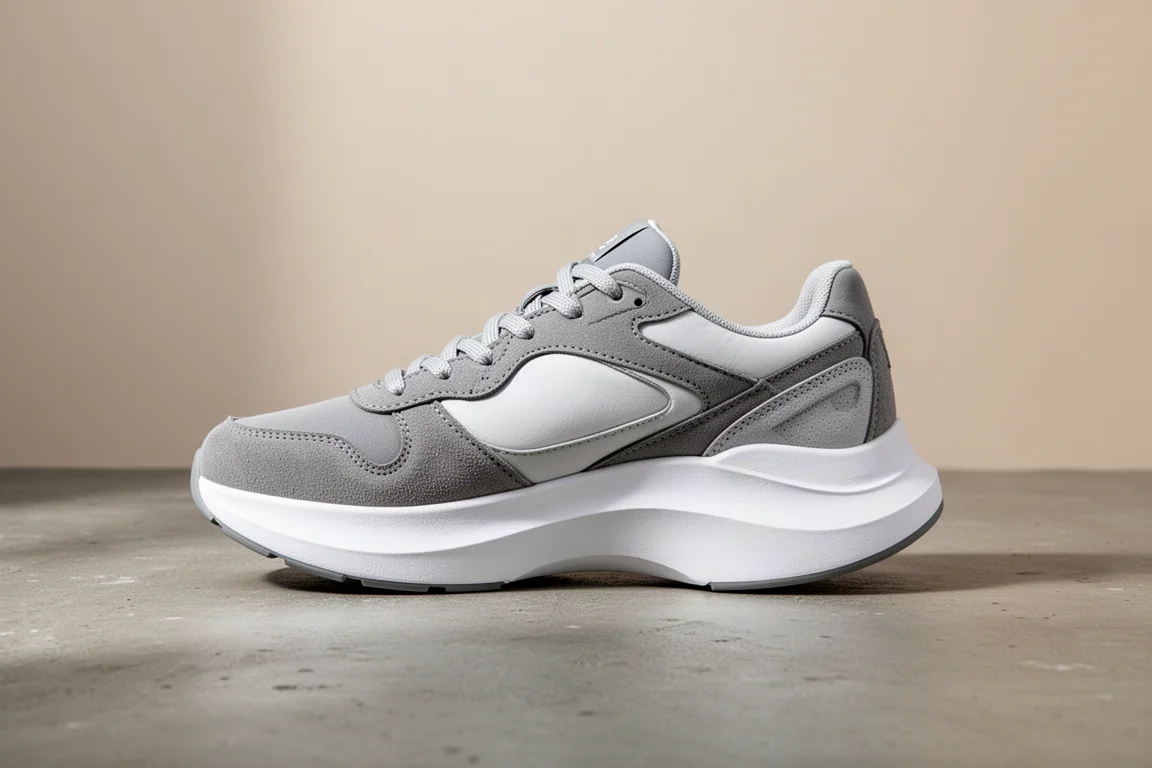
Salomon’s Aero Glide looks like the brand’s attempt at a proper super trainer, and the 37mm heel stack supports that idea. The midsole uses Salomon’s Energy Foam, which appears on the softer, squishier side of the spectrum, and the 10mm drop rounds out a reasonably conventional spec. Weight comes in at 254 grams in the sample standard size, which lands about where a light trainer should. Nobody wants a heavy shoe, and while weight is not make-or-break for a trainer, a light training base shoe is always welcome.
The upper looks very much like trademark Salomon: a highly flexible mesh in the toe box with a more built-up, padded heel section. The heel cup appears noticeably higher than the specified 37mm suggests. This setup will feel familiar to anyone who has tried recent super trainers like the Superblast or the Puma Magnify Nitro 2.
What genuinely attracts here is the Salomon Contagrip outsole rubber. Through autumn and winter, on wet and grimy local trail routes, poor traction can make a shoe simply unusable, and varied terrain demands reasonable grip. That could be a real advantage.
At around 150, it sits a little more expensive than the Boston 12, closer to the Triumph 21 or the Magnify Nitro 2 in price, with the Puma coming in a bit cheaper.
Verdict: nay, at least for now. The congested super trainer rotation is a factor, but the bigger reason is wanting more information about the Energy Foam itself before committing. This one stays on the back burner to see what other reviewers make of it.
Hoka Transport X: A Crossover That Raises Alarm Bells
Straight off the bat, the Transport X raises alarm bells. It is branded as a running, walking and lifestyle model, and the crossover positioning is baffling. Plenty of people wear running shoes without running in them, and honestly you can use any shoe for whatever you like. The idea of building a shoe specifically around that mash-up is where the scepticism begins.
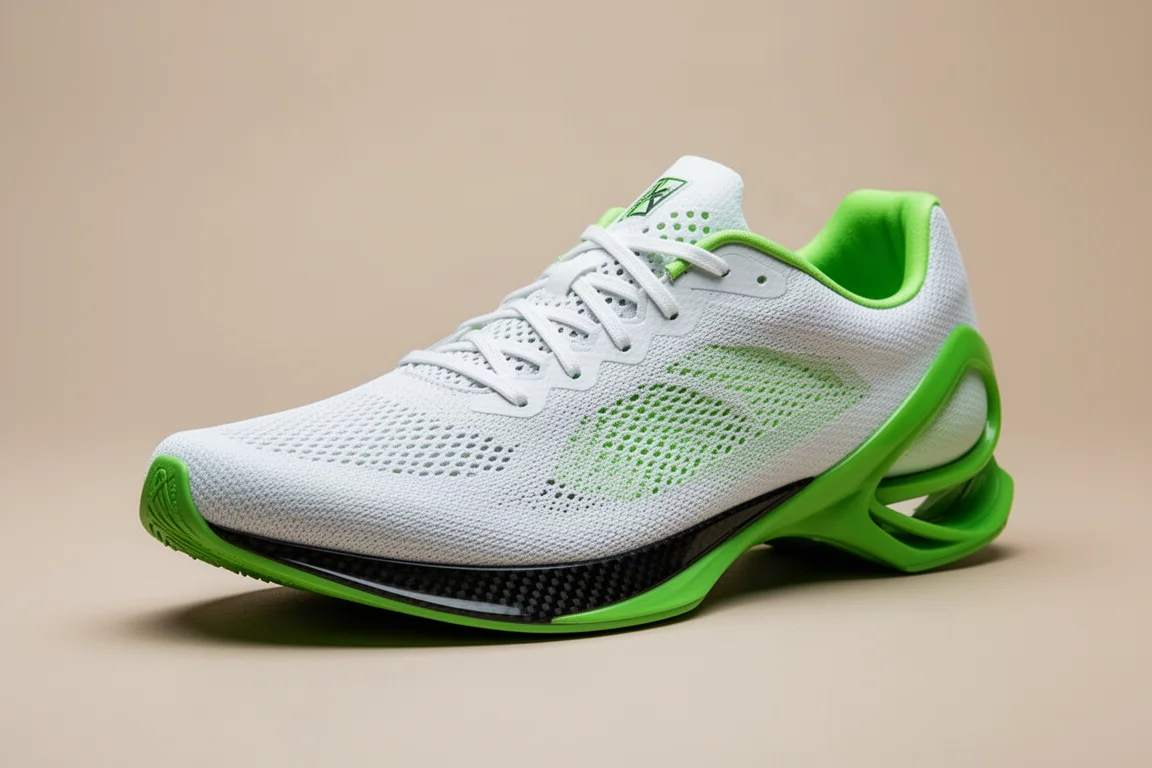
The bigger issue: a carbon plate, and a forked one at that. It is hard to think of anything worse than walking around on a carbon plate. The super critical midsole up top gives the shoe a look a little like an On running shoe, while the front rubber and midsole section resembles a Converse or an Adidas Superstar. It is quite the mishmash of use cases, and clearly it appeals to swathes of casual users hopping on the cloud-tech wagon.
Weirdly, there is another Transport model on the Hoka website that is about 40 pounds cheaper. At 160, this feels like a harsh punishment for the wallet. There are almost certainly better trainers out there without a carbon plate, and if the shoe is just for daily milling around, you could save yourself some cash. The reflective detailing is questionable too; a reflective jacket, hat or headlamp does the job better.
Verdict: a definite nay on the Transport X. As an all-purpose cheat shoe it might work for some people, but it is not going into the rotation.
Asics S4: The Japan-Only Race Shoe Worth Watching
The S4 has only been available in Japan since the Tokyo Marathon earlier this year, but there is growing reason to believe a rest-of-world release is more likely now. That alone makes it worth a proper look. In the midsole sits Asics’ Flight Foam Turbo, and the shoe bears some resemblance to the original MetaSpeed Sky from a few years back. In Japan it is priced around the same as the Asics Superblast, which has been one of the shoes of the year so far.
The S4 name apparently stands for speed, stability, safety and sub-4, hinting that the shoe is tuned for sub-4 marathon attempts. It could be a strong option for runners who do not want to pay full price for the MetaSpeed Sky Plus or Edge Plus but still want a genuinely light racer. Key to that is a wider surface area than the original MetaSpeed Sky series, with extra width in the heel and the arch area, which may make it more usable for heel strikers, a very large proportion of runners.
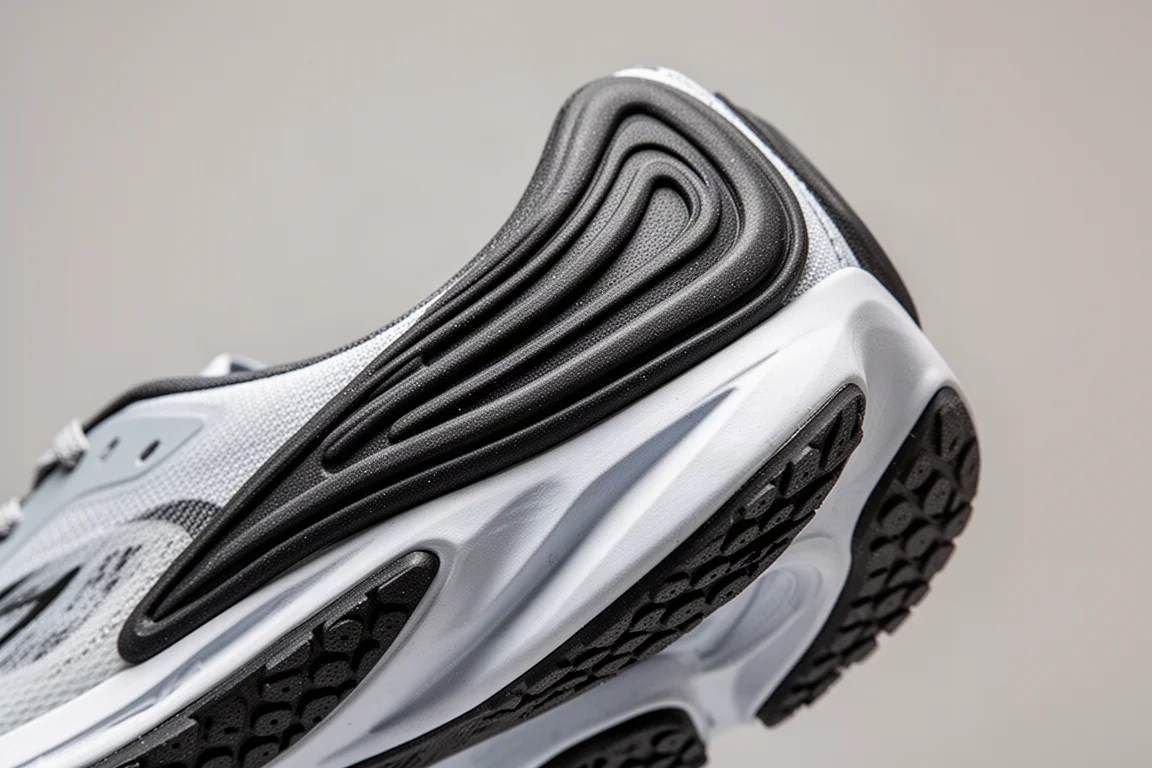
The upper uses a similar mesh to the current models, complete with perforated laces, and there is a full-length carbon plate for that faster, speed-day character. Perhaps the most interesting detail: the rubber stretches back into and around the heel, something rarely seen in recent shoes. For a race option, that could solve one of the biggest complaints about super shoes, where energy-return foams tear up badly in the rearfoot. The S4 could offer a little more longevity. Two colourways are on show: hazard green and white, and diva pink and white, with the pink version looking the pick.
Verdict: a firm yay, provided it does actually get released outside Japan. If Asics sticks with the pricing, it could be an excellent option for runners who want more width under the landing platform, and it looks like a meaningful upgrade from the Magic Speed 3.
New Balance FuelCell SC Trainer V2: Paying More for Less
The FuelCell SC Trainer V2 has drawn plenty of review requests, so it is worth putting this one to bed properly. The sticking point is the price: 209 pounds is a colossal amount to gamble on a shoe that does not look meaningfully better than the V1. Other reviews point in the same direction.
The V1’s FuelCell foam is one of the very compressive midsole materials. Yes, there was a carbon plate and a huge heel stack, but there was not much energy return to show for it. It worked as an okay recovery-day shoe, but who needs a carbon plate in a recovery shoe? And in the V2 the heel stack has apparently been reduced, so you are paying more for less. FuelCell did not impress in the RC Elite 2 either, and the FuelCell Rebel 2 felt like a cut-down version of the Invincible Run.
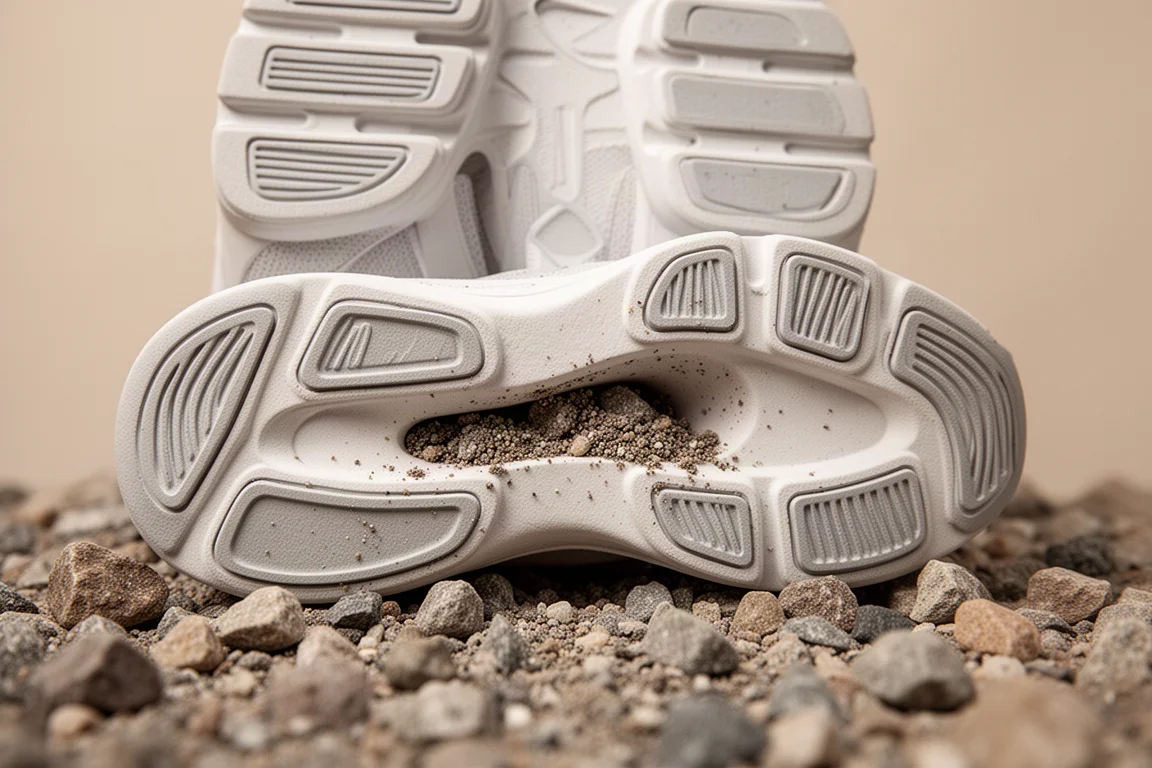
The V1’s outsole rubber was not great, with areas of rubber feeling almost recessed into the midsole foam. Worse, the huge cut-out void collected loads of debris and grit on local routes, making the shoe completely unusable on loose stones and gravel.
At 228 grams (10 ounces) in the sample size, it weighs more than a pair of Asics Superblasts in a UK 11, and it costs 20 pounds more than that shoe too. A plate plus all that squashy foam is hard to justify at racetrainer money. One genuine improvement: the lacing system has changed, with a few more eyelets, which addresses a real problem on the V1.
Verdict: a hard nay on the SC Trainer V2. Less foam, middle-of-the-road outsole grip and that price simply do not add up.
Overall Buying Advice
If you want a super trainer right now, the Salomon Aero Glide is the wildcard worth waiting on, particularly if you run wet, gritty mixed terrain where Contagrip could shine. If you race and want something lighter and more durable than the typical super shoe, the Asics S4 is the one to watch for a wider release. The Hoka Transport X only makes sense if you genuinely want one crossover shoe for everything, and the New Balance FuelCell SC Trainer V2 is best skipped unless the price drops significantly.
Conclusion
One yay, three nays this round, but that does not tell the whole story. The Asics S4 could be one of the most interesting releases of the year if it leaves Japan. The Aero Glide deserves patience until more foam data emerges. The Transport X and SC Trainer V2, meanwhile, ask a lot of money for compromises that better or cheaper shoes avoid.
Further reading
Related Reviews

Running Shoes
Best Road-to-Trail Running Shoes: Three Versatile Options for Mixed Terrain
A practical guide to three road-to-trail running shoes that handle both pavement and mild trails, with clear strengths and trade-offs for different runner types.

Running Shoes
Best Running Shoes for Achilles Tendonitis: Three Options Explained
Three running shoes with different heel drops and support features designed to help reduce Achilles tendon pain during walking and running.

Running Shoes
Best Running Shoes for Women: Five Top Choices Ranked
A ranked guide to five women's running shoes, from versatile daily trainers to high-performance racing options, with real strengths and trade-offs for each.