Running Shoes
Running Shoe Yay or Nay: 361 Spire 5, Hoka Rocket X2, Nike Winflow 9 Shield and New Balance More v4
Four upcoming running shoes judged on promise and practicality: a peba-spiced daily trainer, a speculated Hoka super shoe, a winterized Nike and a max-cushion New Balance.
Introduction
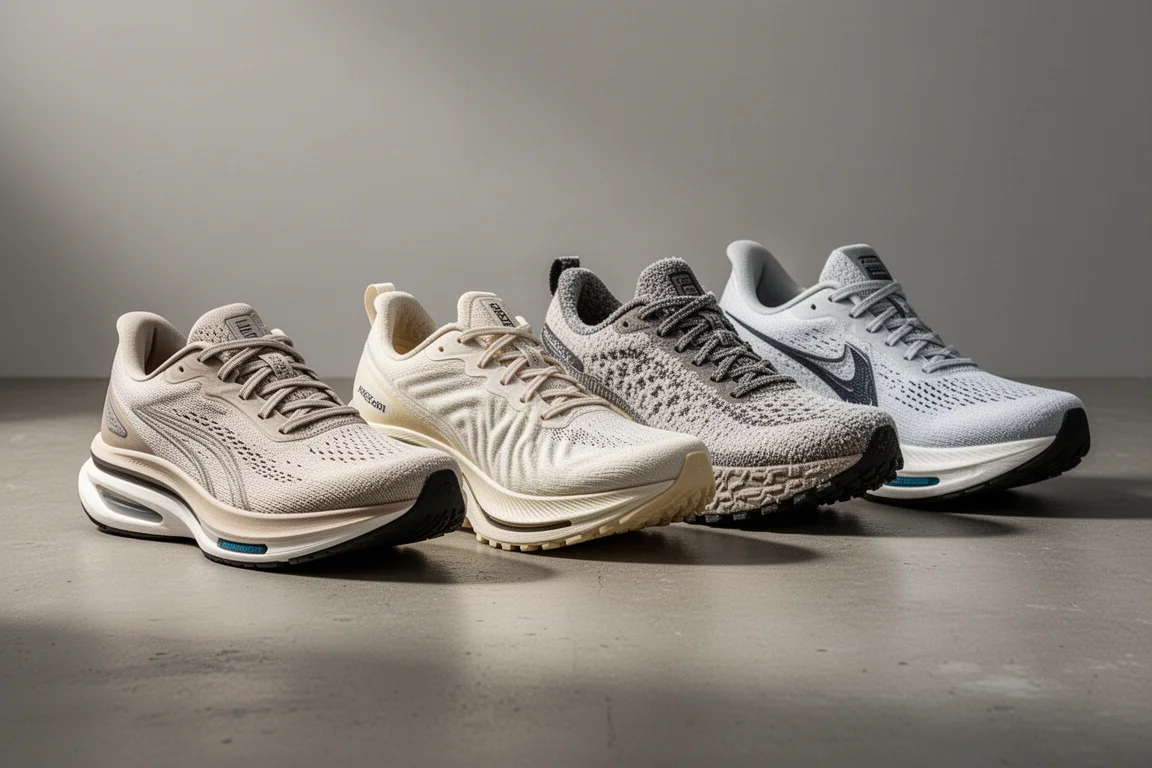
Four upcoming or recently surfaced running shoes, four verdicts. One of these is a first look at a brand new to the test rotation, one is a much-rumoured sequel to a favourite super shoe, one is a winterized daily trainer, and one is a max-cushion cruiser that readers keep asking about. Here is how each one stacks up and whether they are worth a spot in your rotation.
361 Degrees Spire 5
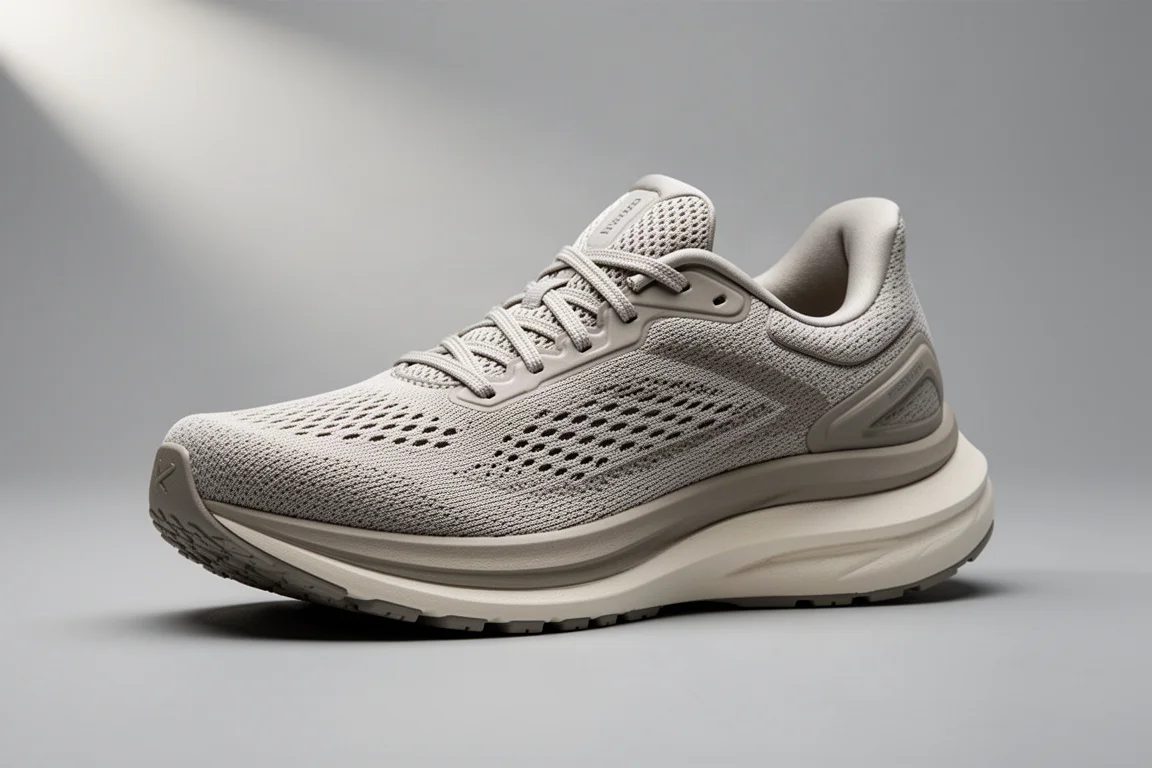
361 Degrees is not a brand that gets much attention in most rotations, which makes the Spire 5 an intriguing starting point. Previous versions leaned on the brand’s QuickSpring+ foam, but the new edition is expected to add a peba-based section to the lower part of the midsole. That combination raises expectations considerably, potentially putting the Spire 5 in a similar zone to other peba-plus-foam daily trainers, with the forgiving properties of peba making long-run duty a realistic option.
The Spire 5 looks like a premium daily option rather than a racer: plusher than a typical fast daily shoe, positioned above something like a Pegasus-class trainer, while the brand’s Flame model covers racing and faster speed work. There is no carbon plate here, which should make the midsole more flexible and more usable day to day. Think of the peba layer as the crispy bacon bits on top of a more luxurious cheese sauce, with the QuickSpring section on top providing snap. An insole and high-abrasion rubber on the outsole round out what could be a superb package, and testing a new brand is its own reward. Verdict: yay.

Hoka Rocket X2
The original Rocket X was arguably the most enjoyable Hoka in years: low weight, a carbon plate and a friendly price, yet it never got the attention it deserved, with discounted pairs still floating around. The Rocket X2 appears to be a major rethink. Photos and footage have circulated for a long time, suggesting either production shuffles or careful tinkering to get the design right before release.
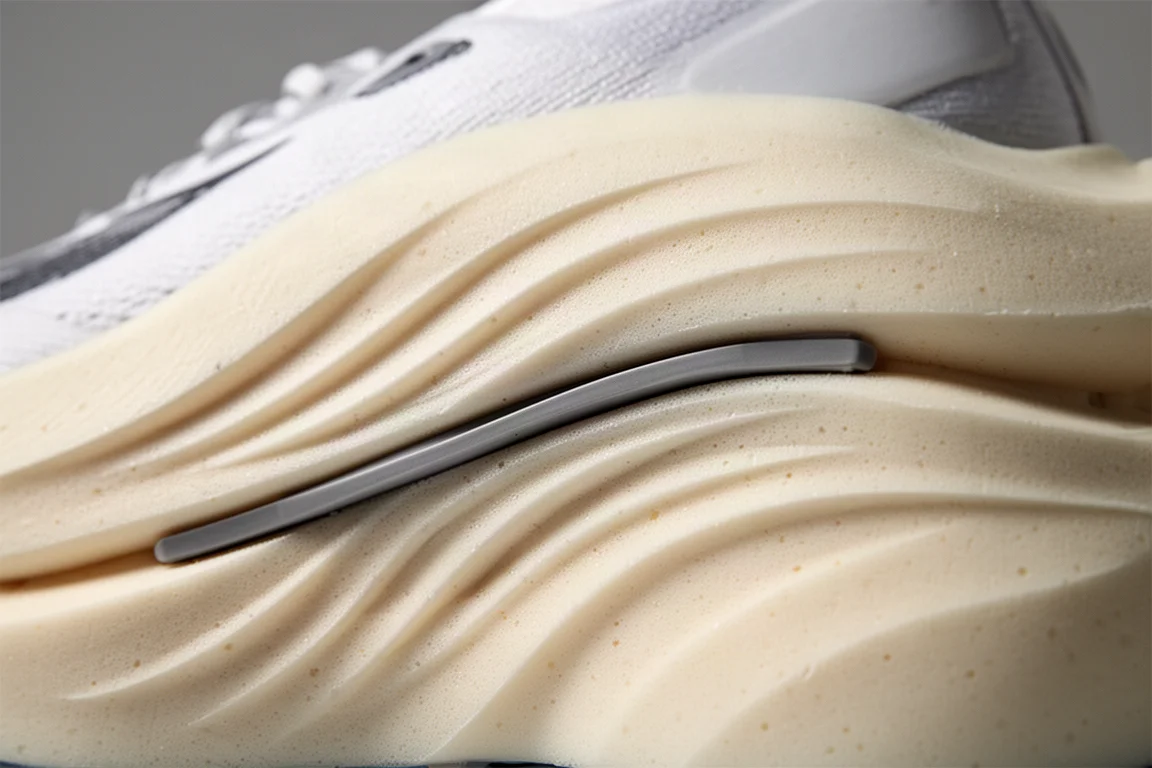
The midsole looks like a genuinely large stack, appearing to be two slabs of peba-style foam with a carbon plate sandwiched between them, complete with the telltale creasing in both layers. The upper is the most fun part to dissect: the mesh looks close to Nike’s Vaporweave-style material from the original Vaporfly Next%, the eyestay reinforcement echoes that shoe too, and the heel construction with padding and a flare arcing away from the Achilles resembles the Adios Pro and similar super shoes. The medial side profile resembles the Metaspeed Sky Plus, with a sizeable sidewall suggesting the stack may be slightly more conservative than first impressions. Very little appears carried over from the original, but enthusiasm remains high. Verdict: yay, whenever it actually lands.
Nike Air Winflow 9 Shield
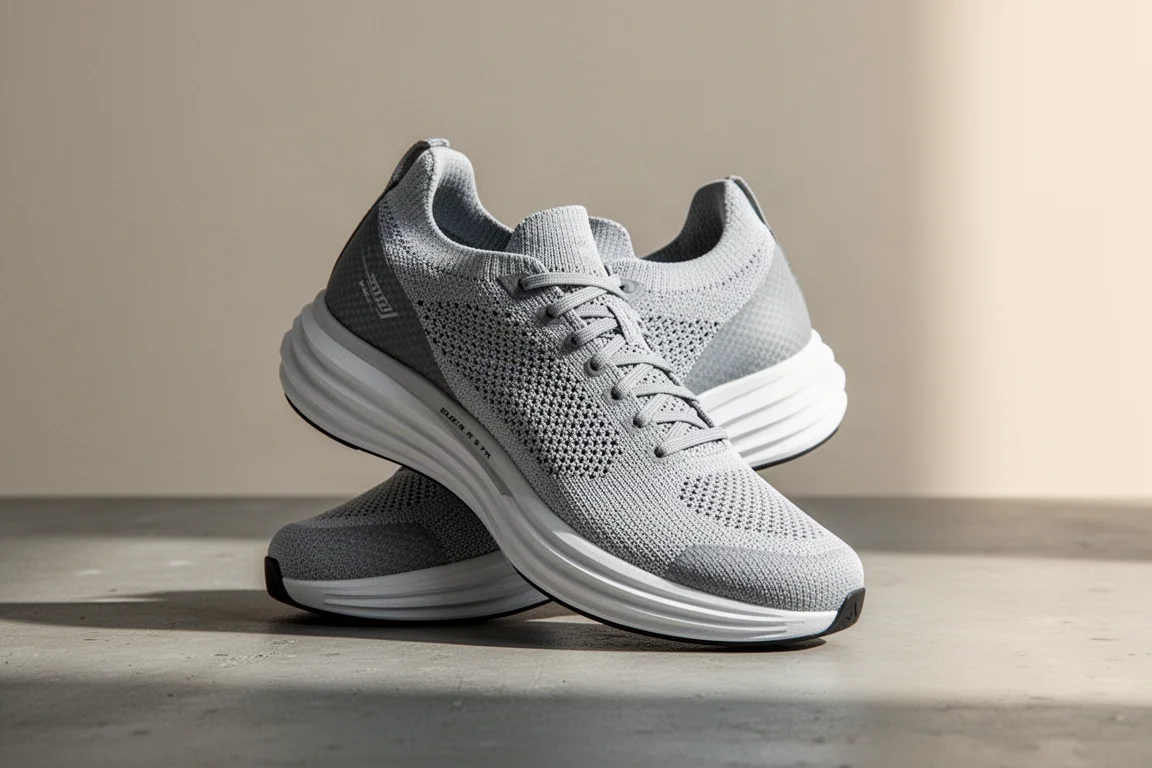
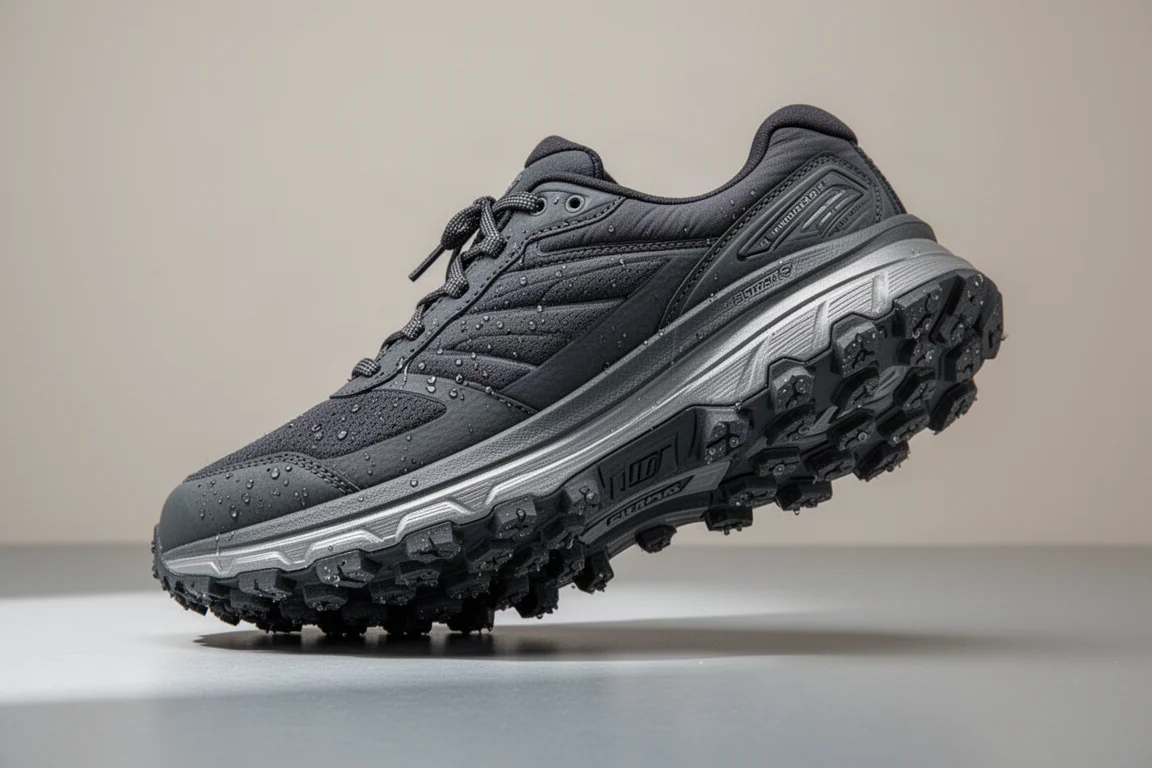
A winter warrior by design. The Winflow 9 Shield carries a thicker, more padded upper than the Pegasus 39 Shield, which leaned more toward wet-weather duty, making this the better pick for genuinely cold climates. A water-repellent finish helps keep feet drier, though it is a preventative measure at best: run through standing water and your feet will get wet regardless. That finish also makes the shoe warmer, which is welcome in winter conditions but less pleasant the rest of the year.
For mild climates where proper winter lasts only a few weeks, the value case is hard to make: thicker socks and a bit of resolve cover those days. The outsole is the genuine selling point. The Shield-specific storm tread performs noticeably better than Nike’s conventional designs, which matters on the wet leaves and sludgy ground that plague winter running. At just under £100, the price is reasonable if you want an old-school cushlon-style midsole, but it is a niche purchase. Verdict: nay, unless sustained cold defines your running year.

New Balance Fresh Foam X More v4
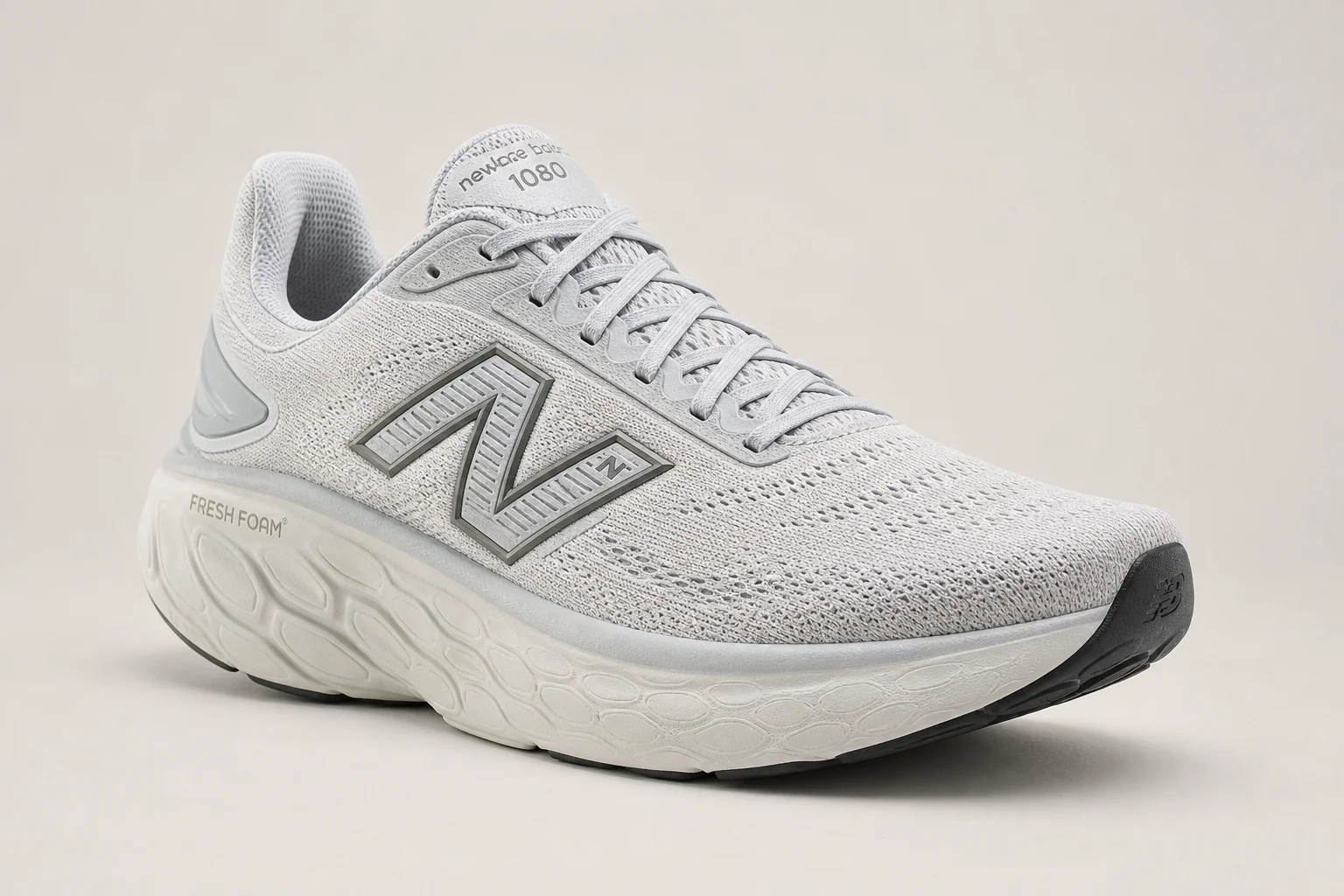
This one comes with a steady stream of requests, and the appeal is obvious: the largest stack of Fresh Foam X in any New Balance shoe, quoted at around 34mm at the sample size, which likely edges toward 38 or 39mm in larger UK sizes, with a 4mm heel-to-toe drop. The shoe has gained a little weight over the previous version thanks to increased stack and forefoot width, and it is clearly built for easy efforts and recovery runs.
The positioning is stable, consistent cushioning rather than the lively sort found in Lightstrike Pro or ZoomX. If the Invincible felt too squashy and inconsistent, or the Prime X like a wobbly skyscraper, the More v4 is the more grounded alternative. The odd comparison is the SC Trainer, the squashier counterpart: if that shoe troubles your ankles, this is the sensible pivot. At around £140 it undercuts the SC Trainer, and a discount closer to £100 would make it a tempting consideration. The caveat: Fresh Foam X can feel like an energy sponge rather than something that gives energy back, which suits slow miles fine. Verdict: tentative yay.

Overall Buying Advice
Match the shoe to your actual conditions and rotation, not the hype. The Spire 5 is the interesting wildcard for peba-flavoured daily miles, the Rocket X2 is worth waiting for if the original Rocket X won you over, the Winflow 9 Shield only earns its price in genuinely long winters, and the More v4 suits runners chasing stable, generous cushioning for easy days.
Conclusion
Two confident yays, one tentative yay and one nay tell the story: modern foam combinations are making daily trainers genuinely exciting again, winterized shoes remain a hard sell in mild climates, and max-cushion cruisers still have a loyal, well-earned audience.
Further reading
Related Reviews

Running Shoes
Best Road-to-Trail Running Shoes: Three Versatile Options for Mixed Terrain
A practical guide to three road-to-trail running shoes that handle both pavement and mild trails, with clear strengths and trade-offs for different runner types.

Running Shoes
Best Running Shoes for Achilles Tendonitis: Three Options Explained
Three running shoes with different heel drops and support features designed to help reduce Achilles tendon pain during walking and running.

Running Shoes
Best Running Shoes for Women: Five Top Choices Ranked
A ranked guide to five women's running shoes, from versatile daily trainers to high-performance racing options, with real strengths and trade-offs for each.