Running Shoes
Four Running Shoe Updates Worth Watching: Puma, Nike, Adidas and Asics
A close look at four upcoming updates: Puma DV8 Nitro 3, Nike Pegasus 42, Adidas Adios Pro 5 and Asics Nova Blast 6, and whether each moves in the right direction.
Introduction
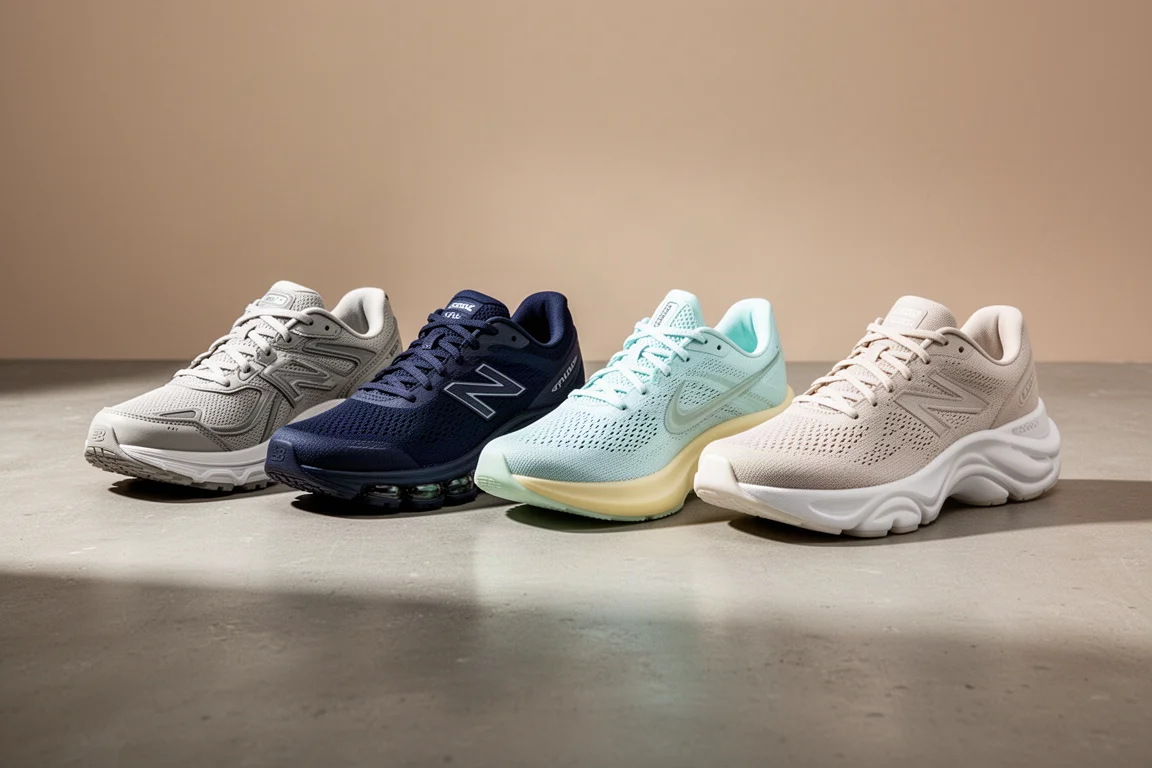
Updates to favourite running shoes often fall flat. They can make a shoe heavier, change the upper materials so the fit loses its nuance, alter the outsole grip, or fiddle with the laces, all while nudging the price upward. Not every new version lives up to the shoe it replaces. Some updates genuinely fix known issues, while others push a shoe in the wrong direction.
Here are four updates to currently available shoes: what each one tries to fix, and whether the changes look like progress.
Puma DV8 Nitro 3
The DV8 Nitro 3 launched in 2024, skipped an update in 2025, and a V4 is due very soon. The V3 was very stable, but perhaps lacking a bit of pop and vim, and a little too dense for some people. The upper materials felt slightly bulky, and the weight had been heading the wrong way: the line started around 303g for the V1, dipped under 300g for the V2, then rose to 318g on this version.
The signs point to the V4 reversing that trend. The sample size came in around 270g, and the production shoe should land near 250g, a welcome drop of roughly 20g. That would bring the shoe back in line with the V2, which felt more nimble and slightly more compressive underfoot, likely thanks to a small change in materials. It would also put the DV8 closer to rivals like the Nike Zoomfly 6 and the Saucony Endorphin Speed 5. On balance, this looks like a positive update.
Nike Pegasus 42
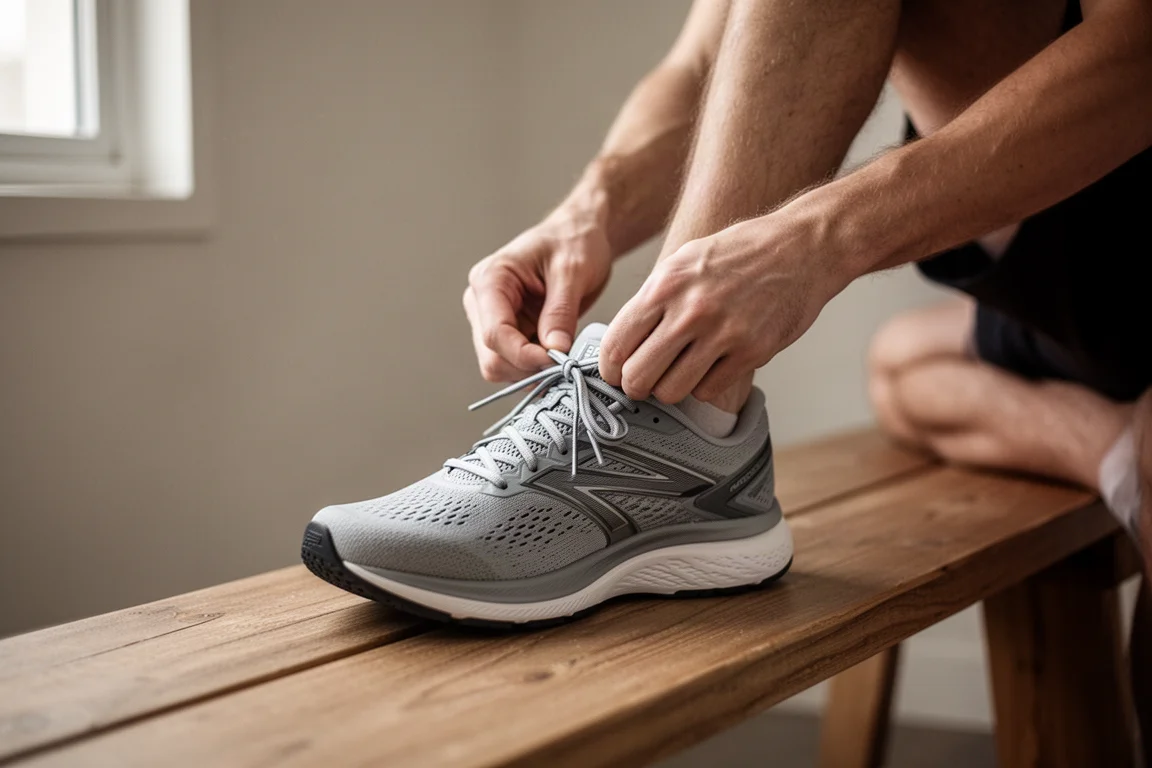
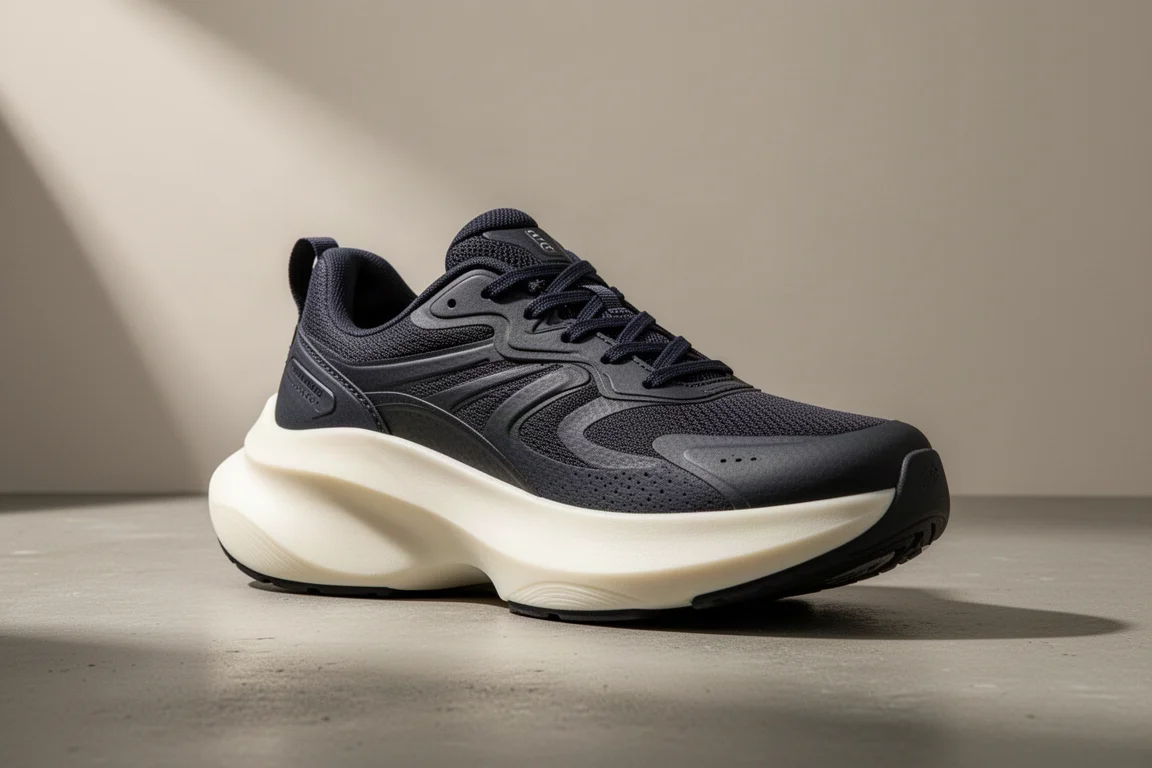
The Pegasus 42 is due in the next few months, and it is hard to see the line staying relevant among runners. The softer, lighter and more fun foams used by other brands have pulled attention away, and the Pegasus struggles to compete. Nike is sticking with the established React X foam, which is denser and certainly durable, but the last version came in around 281g for the sample size, making it a weighty, solid shoe.
The upper design looks likely to stay similar, which is odd given how many runners are moving to lighter, more enjoyable options. The Nova Blast and the Evo SL feel light years away from this shoe. The reason the Pegasus 42 may get even heavier is a new full-length Air Zoom unit running from heel to forefoot, replacing the two separate units. Those units add weight: some foam comes out, but extra plastic and fibre-like materials go in, taking an already heavy shoe and making it heavier in the wrong direction. A more inspiring path would be to put the best foam into an affordable shoe, as Adidas has done so successfully. For now, it is hard to see these changes convincing anyone to pick the Pegasus off the shelf.
Adidas Adios Pro 5
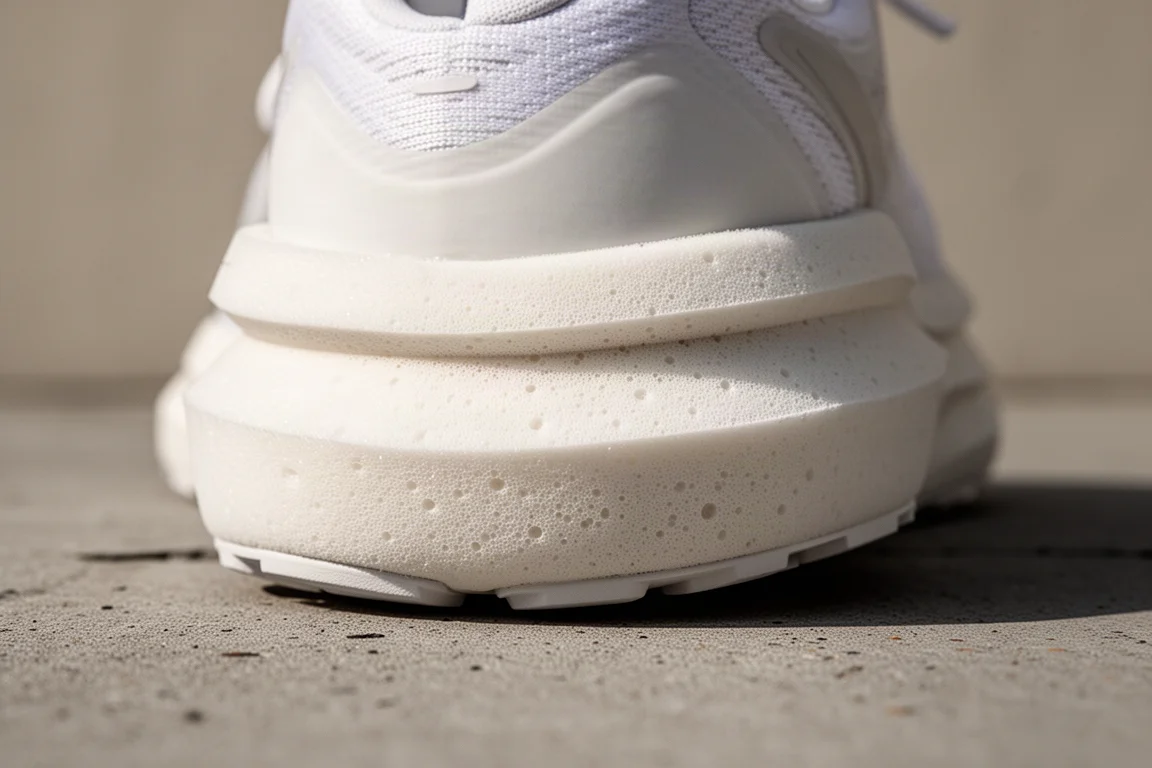
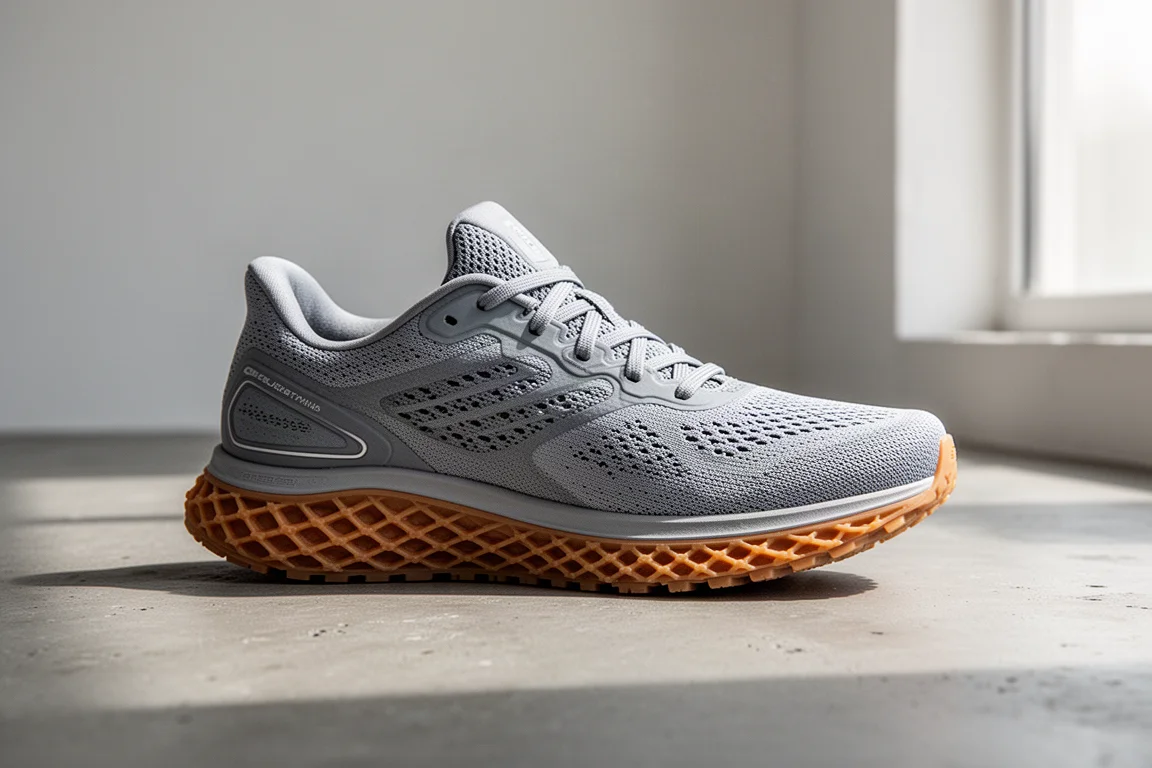
How do you make a very light shoe better? The Adios Pro line is already remarkably durable, with an amazing outsole, and the shoes are readily available and often discounted. The Pro 4 had two main issues: the energy rods could fracture in the forefoot area and leave a clicking sound, possibly due to the very soft nature of the Lightstrike Pro foam, and some runners simply found that softness less appealing than the more resilient Lightstrike Pro in the Evo SL. The Pro 4 weighed 232g in a UK 9 equivalent sample.

The Pro 5 appears to keep a similar foam setup, possibly a dual foam arrangement, with a very light mesh upper that is not quite the same as the Pro 4’s. The bigger change is in the structure: a ring-like plate now runs around the edge of the midsole with a typical carbon-shoe curve, like an energy ring. Notably, the energy rods are no longer shown on the underside of the shoe, and it is unclear whether they remain at all. Perhaps Adidas has had to replace too many broken rods and decided against them this time. Solid elements add weight, and keeping the current weight looks like the priority. The open questions are whether the ring provides enough snap, or whether Adidas is focusing on the energy efficiency of the foam itself. Either way, the rigid, serrated laces alone make this look like an improvement.
Asics Nova Blast 6
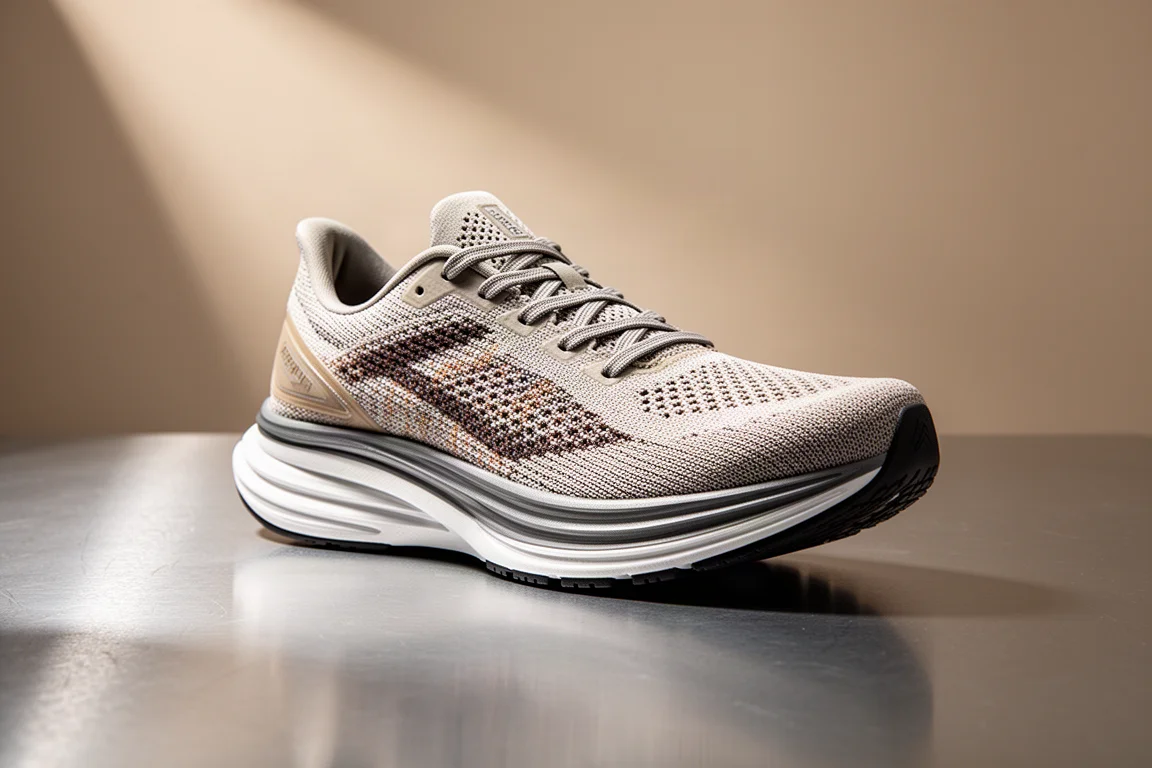
The Nova Blast 5 was perhaps a little too soft for some people. The FF Blast Max foam is very squishy and can lack energy return, with the shoe relying on a trampoline-like feel for its spring. It is more of an impact protection shoe than a speed shoe, closer in character to the original version from 2020 than to the firmer V3 or V4.
The sixth version will apparently use FF Blast Max again, but with a more responsive version of FF Turbo Squared encapsulated within the foam, as seen in the Mega Blast and the Sonic Blast. That combination is a mixed blessing: the Sonic Blast’s midsole felt very firm and not especially fun, while the Mega Blast is an absolute blast. It remains unclear which version of the encapsulated foam this shoe will get. Done well, it could make the Nova Blast more consistent and stable underfoot, bridging the gap between this affordable shoe and the very expensive Mega Blast and Super Blast. It is genuinely interesting, but only time on foot will tell whether it is an improvement.

Conclusion
This is a mixed bag of updates. The Puma DV8 Nitro looks set to head in the right direction with a meaningful weight drop, and the Adios Pro 5 has clear fixes on the way, though its plate structure raises questions. The Pegasus 42 risks becoming heavier and less appealing, and the Nova Blast 6 sits somewhere in between, depending on which encapsulated foam Asics uses. Some of these will need to be run in to be judged properly, but for now, two of the four look like genuine progress.
Further reading
Related Reviews

Running Shoes
Best Road-to-Trail Running Shoes: Three Versatile Options for Mixed Terrain
A practical guide to three road-to-trail running shoes that handle both pavement and mild trails, with clear strengths and trade-offs for different runner types.

Running Shoes
Best Running Shoes for Achilles Tendonitis: Three Options Explained
Three running shoes with different heel drops and support features designed to help reduce Achilles tendon pain during walking and running.

Running Shoes
Best Running Shoes for Women: Five Top Choices Ranked
A ranked guide to five women's running shoes, from versatile daily trainers to high-performance racing options, with real strengths and trade-offs for each.