Running Shoes
What We Are Testing: Eight Running Shoes Worth Watching Right Now
Eight running shoes currently in testing, from the On Cloud Soma and Cloudboom Volt to the Saucony Ride 19 and Salomon Aeroglide 4 Gravel, with early impressions and who each shoe suits.
Introduction
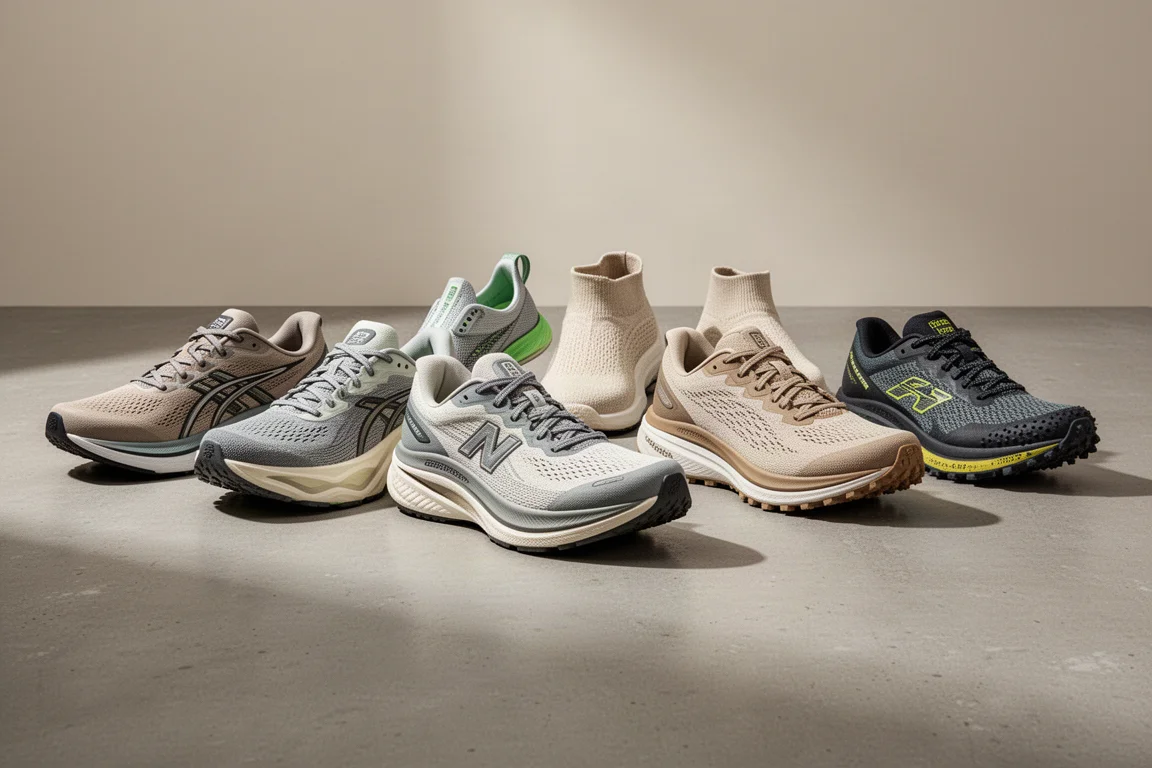
Testing season is in full swing, and this round covers eight shoes that have generated real conversation among the testers: two On trainers that keep finding new roles, a heavyweight Mizuno stability tank, a fast Under Armour option with excellent durability, a Saucony Ride that has changed direction, a divisive ASICS high-stacker, and a Salomon gravel trainer with one very specific fit quirk. Here is where each shoe stands after meaningful miles.
On Cloud Soma
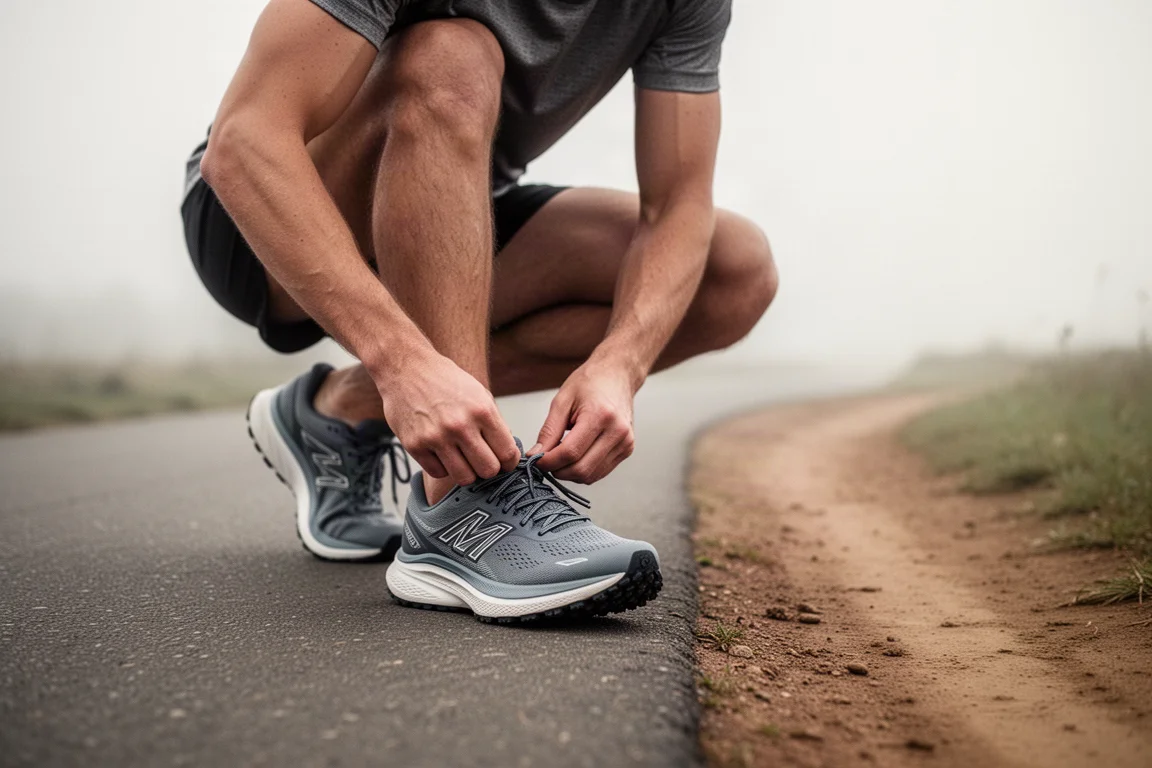
The On Cloud Soma started life in testing as a trail shoe, but it quickly proved itself on the road. Moderate stack height, a good foam, and a smooth ride make the point that you do not always need max cushioning. It has handled nearly 40 miles of road use while holding up well, which is encouraging for a shoe designed with an all-terrain outsole.
Within the On lineup it sits somewhere between the Cloud Surfer Next and the Cloudgo, with a wider fit and a slightly softer midsole than either. It almost reads like a blend of Cloudflow stiffness and the Cloudgo platform, topped with a lighter Helion HF midsole and an outsole ready for mixed surfaces. A fully road version would be an easy recommendation; as it stands, it is a genuinely interesting shoe in a lineup that has not offered much like it.
On Cloudboom Volt
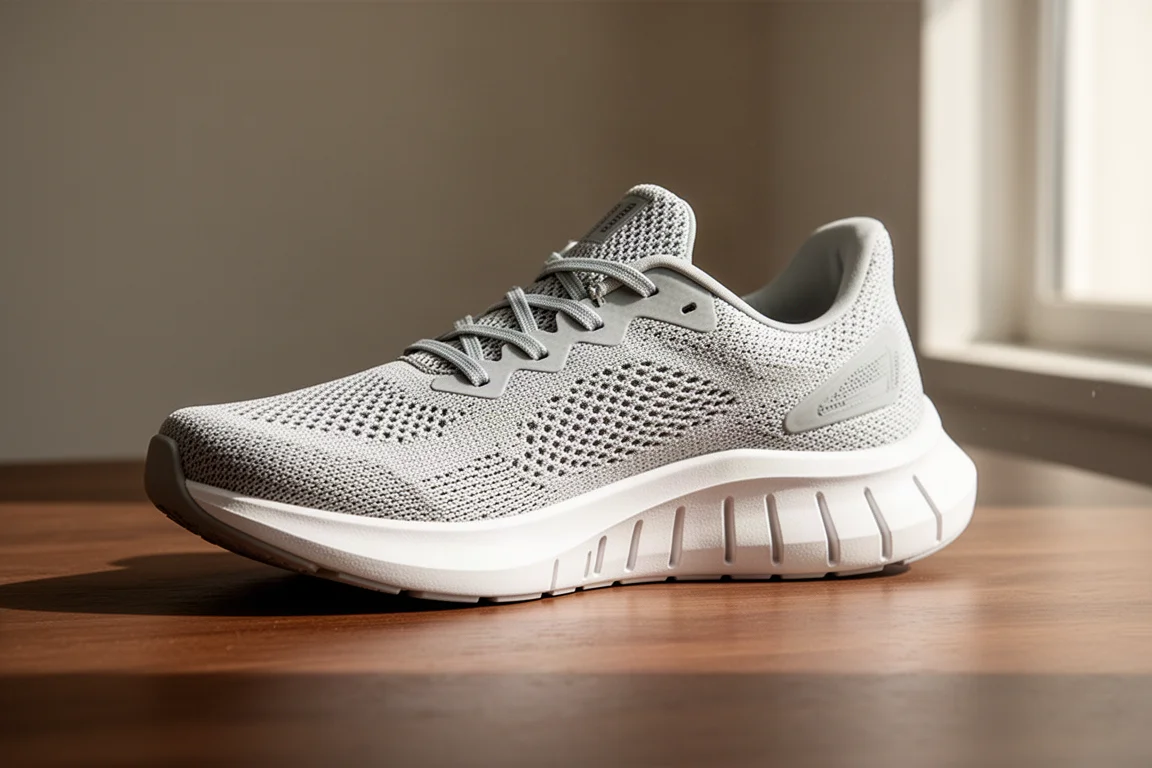
The On Cloudboom Volt broke in beautifully after an initially overly stiff first impression. It now recalls the classic ASICS DS Racer, updated with modern super foam and higher stack height, and the heel is immediately stable thanks to a straighter platform. It is not marketed as a stability shoe, but the rearfoot stiffness is enough that it leaves even longer runs feeling comfortable.
One honest caveat: it is not the fastest shoe out there. It works well for tempo runs and workouts, but trying to push it to true top-end speed is a struggle. Think of it as an entry-level performance trainer that meshes the Cloudboom Echo 3 and Cloudboom Zone, with the components of a super shoe but a training-first attitude.
Mizuno Wave Horizon
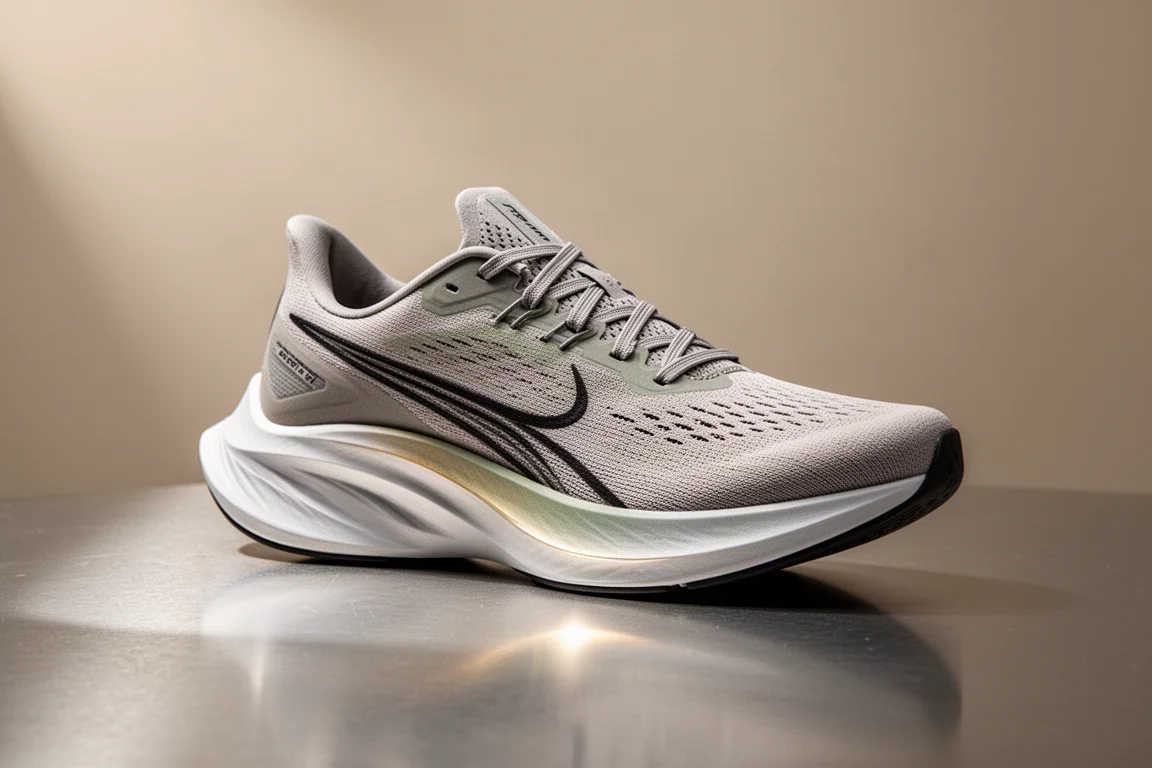
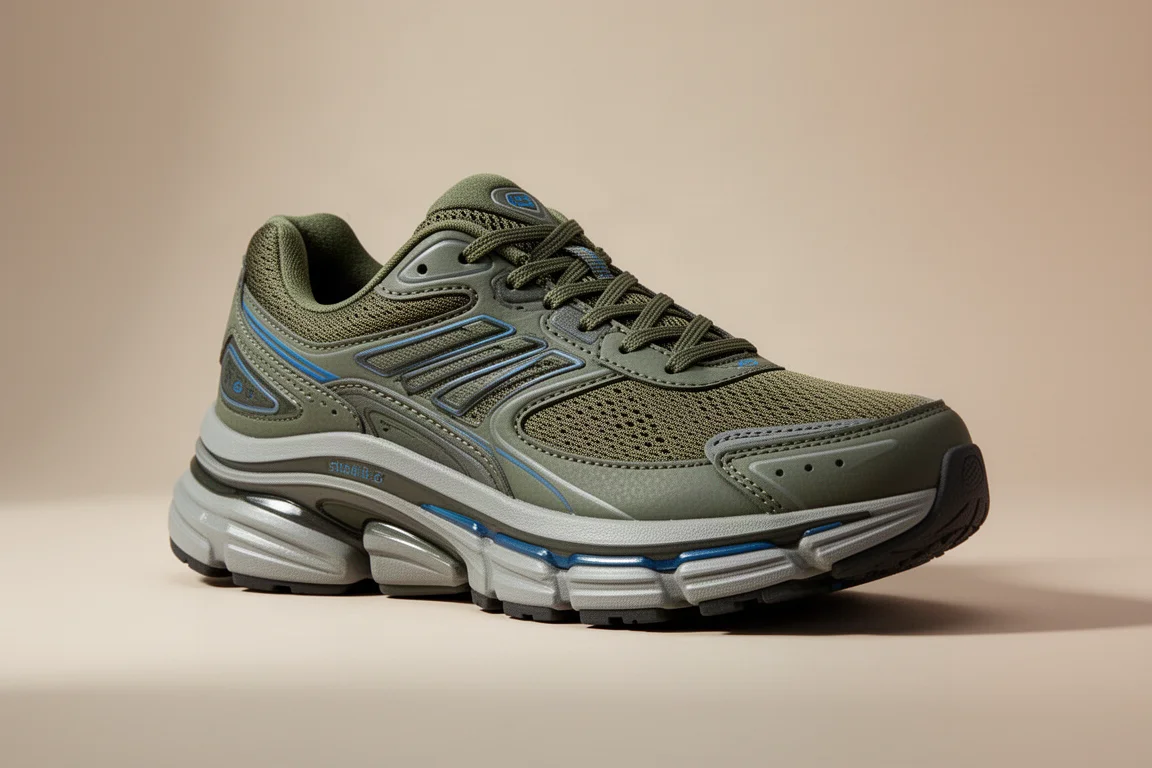
The Mizuno Wave Horizon is a tank, and it is comfortable being one. Around 12 ounces in a men’s size 10, it is not light, but the Mizuno Energy NXT midsole offsets the weight with a firm, bouncy feel. Durability has been excellent over the first 20 miles, and the upper is more secure and slightly more snug than prior versions, which previously ran very wide. The toe box tapers a bit more this time, which takes some adjustment.
The colorway in olive, gray, and blue accents divided opinion, though passersby in Corvallis offered unprompted compliments. It lacks a pronounced heel bevel, which takes some getting used to, but the shoe earns its keep as a durable stability option and a genuinely good walking shoe. Just do not expect it to be fast.
Under Armour Velociti Elite 3
The Under Armour Velociti Elite 3 continues to impress during extended testing. Durability has been excellent, with the shoe holding up extremely well, and the fit is a clear strength. It runs at a very low drop, which is worth noting if that matters to your preferences, and it rewards easing into that geometry gradually.

On Cloud Monster 3 Hyper
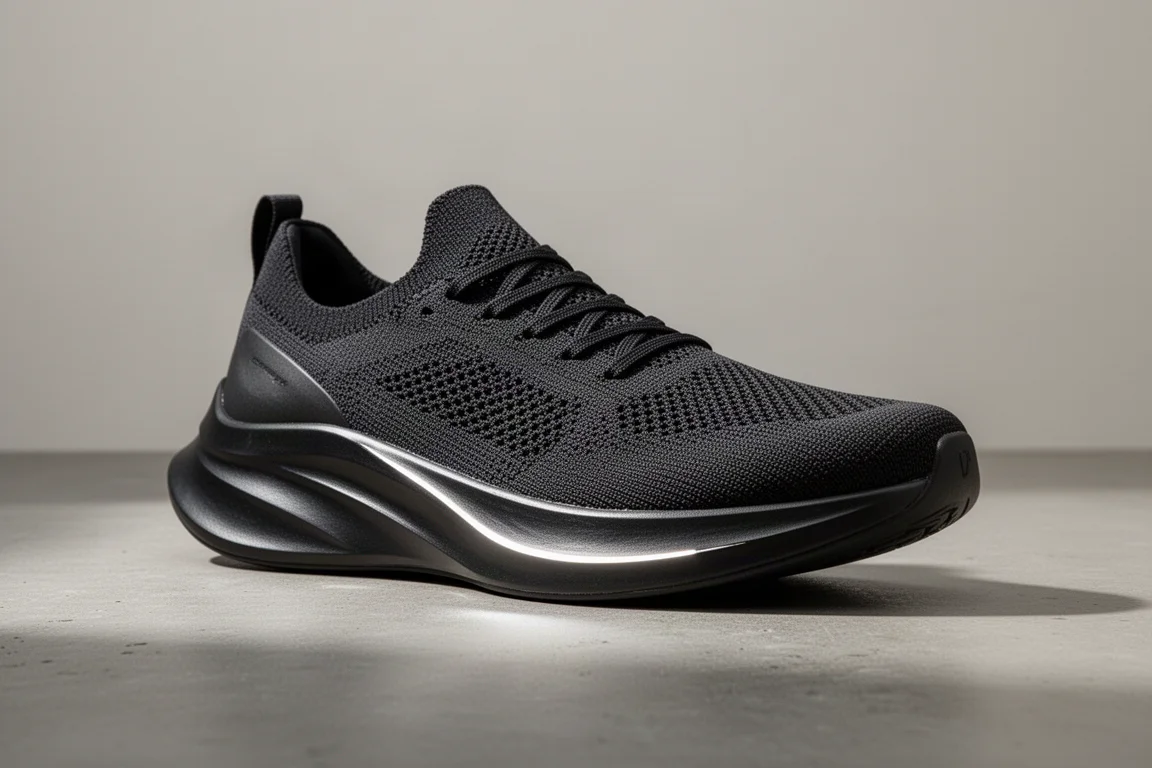
The On Cloud Monster 3 Hyper is one of the rare shoes that testers across an entire team have all liked, which almost never happens. It currently offers the best combination of fit, platform, and rigidity for a runner returning from injury, with smooth heel-to-forefoot transitions, genuine stability, and enough cushioning to handle longer runs as fitness returns. It is offloading the posterior calf effectively during a return from a tibial stress fracture, which says a lot about how forgiving the platform is. As a pure trainer, it is simply a great one.
Saucony Ride 19
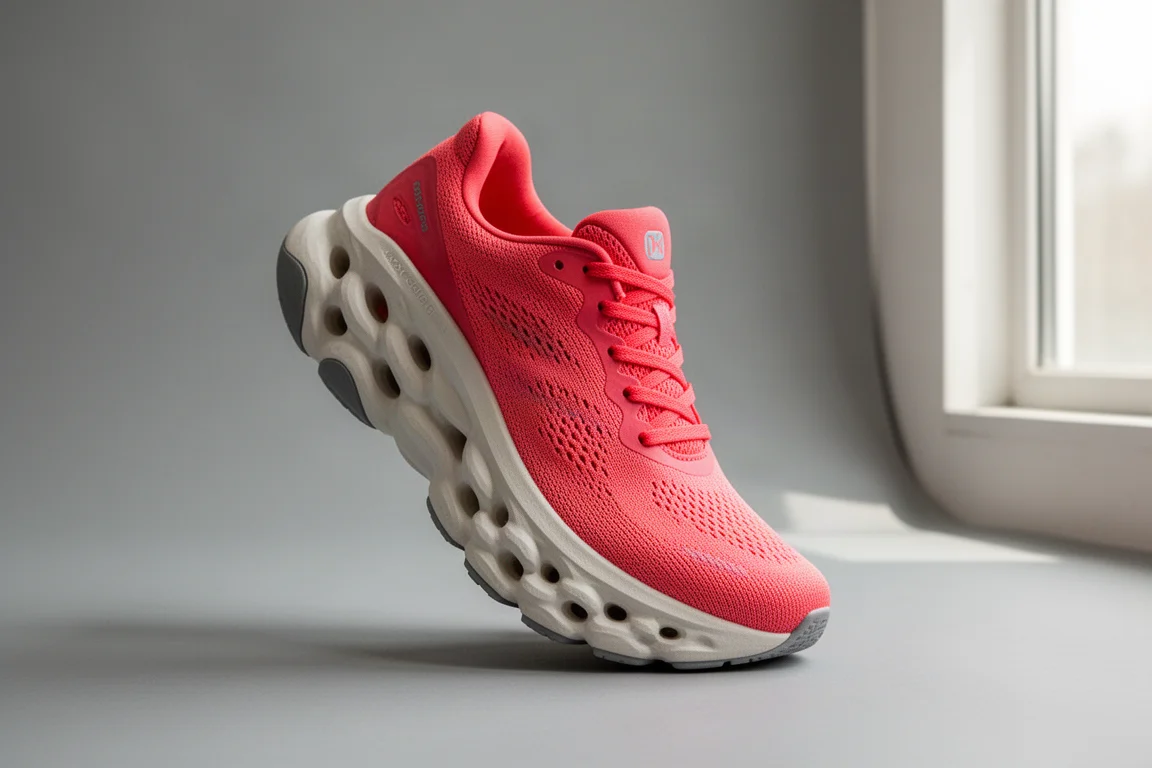
The Saucony Ride 19 has gone noticeably plusher all around, and that changes the character of the shoe rather than ruining it. It now feels closer to recent Triumphs, with PWRRUN Plus foam that reads softer than expected, plus more generous sole flare in the forefoot and heel that creates a softer step-in and a more dialed-in rocker. The upper is plusher too, and the widened platform keeps the shoe feeling stable even as the foam softened.
The trade-off is speed. The Ride loses some of the snappy edge of earlier versions, and shoes like the firmer, lighter, more responsive Saucony Azura have picked up that lightweight-trainer role. At $145 retail, though, the Ride 19 is a strong pure training shoe for easy miles, even if it may not top end-of-year lists for testers who prefer the rides of old.

ASICS Superblast
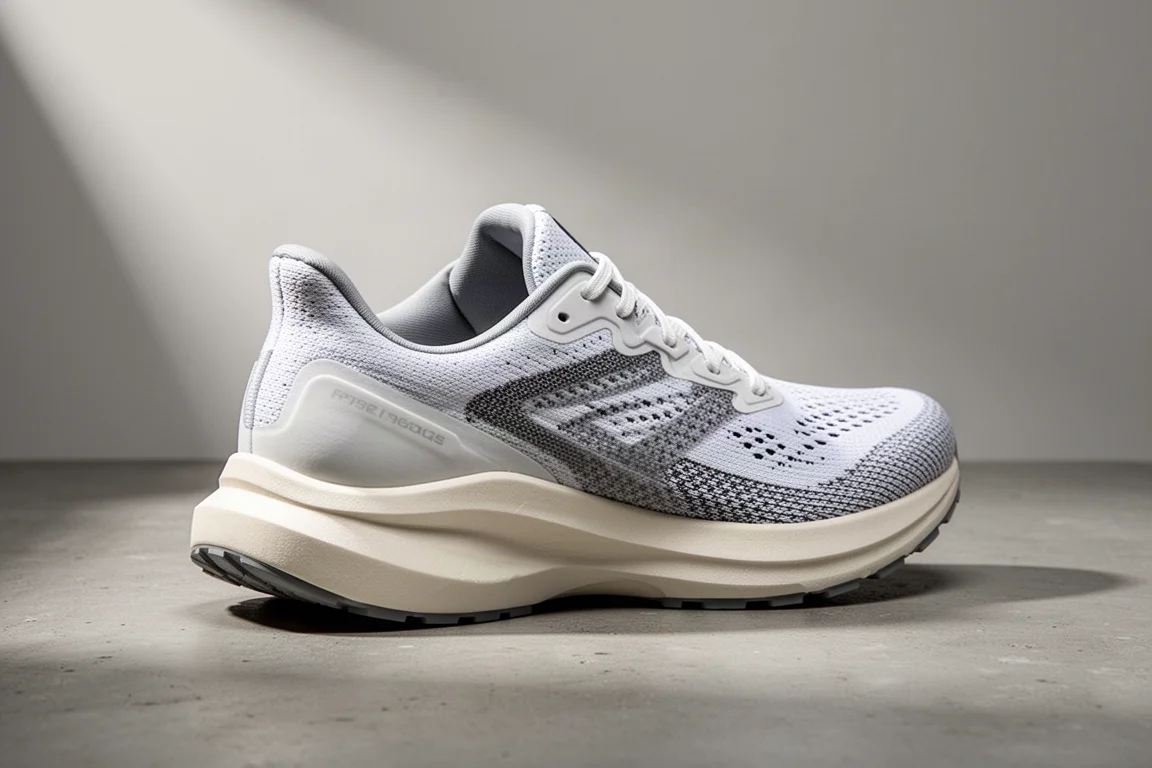
The ASICS Superblast, with its compliant Flight Foam Leap midsole and denser EVA built up on the medial side, is a genuinely divisive shoe. For some testers, that dense medial foam pushes noticeably into the arch from step-in onward, and the Leap foam itself feels too squirrely underneath, squishy rather than unstable in a wobbly sense. For heavy lateral strikers, the pronounced lateral flare can also create awkward initial contact. None of this makes it a bad shoe: Flight Foam Leap is very soft and it will work wonderfully for some runners. It is simply one of those platforms where putting it on tells you immediately whether it is for you.
Salomon Aeroglide 4 Gravel
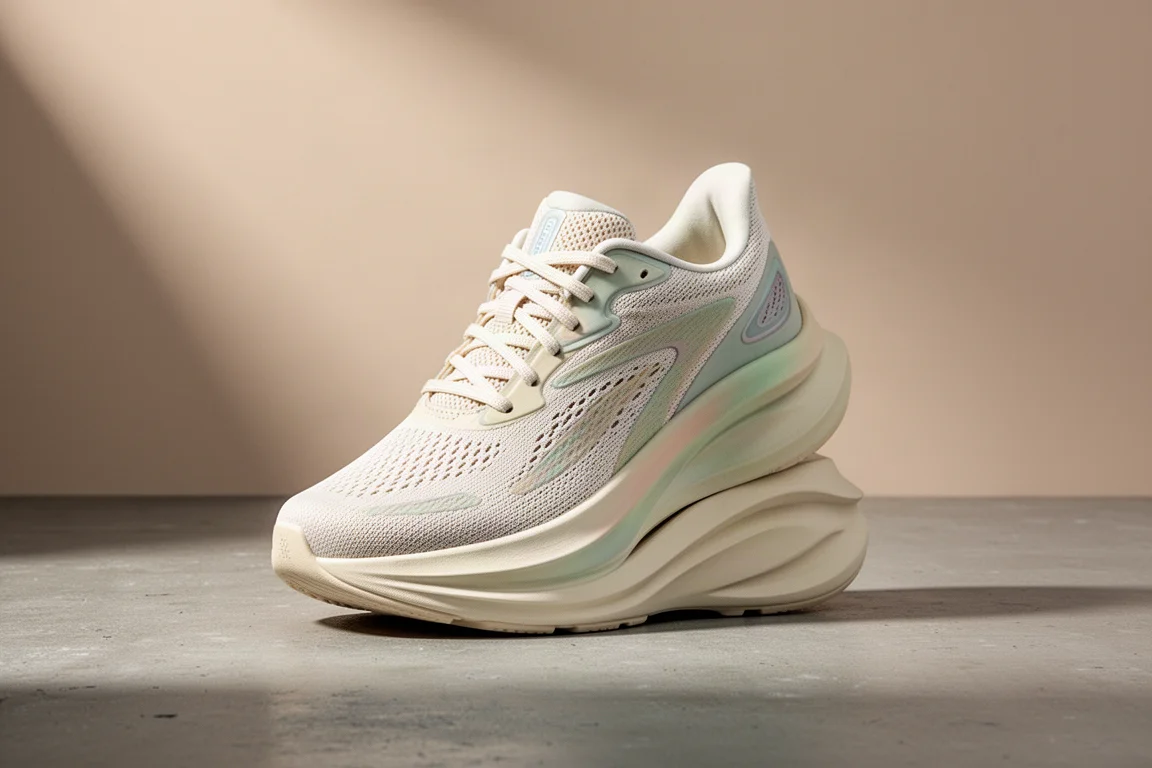
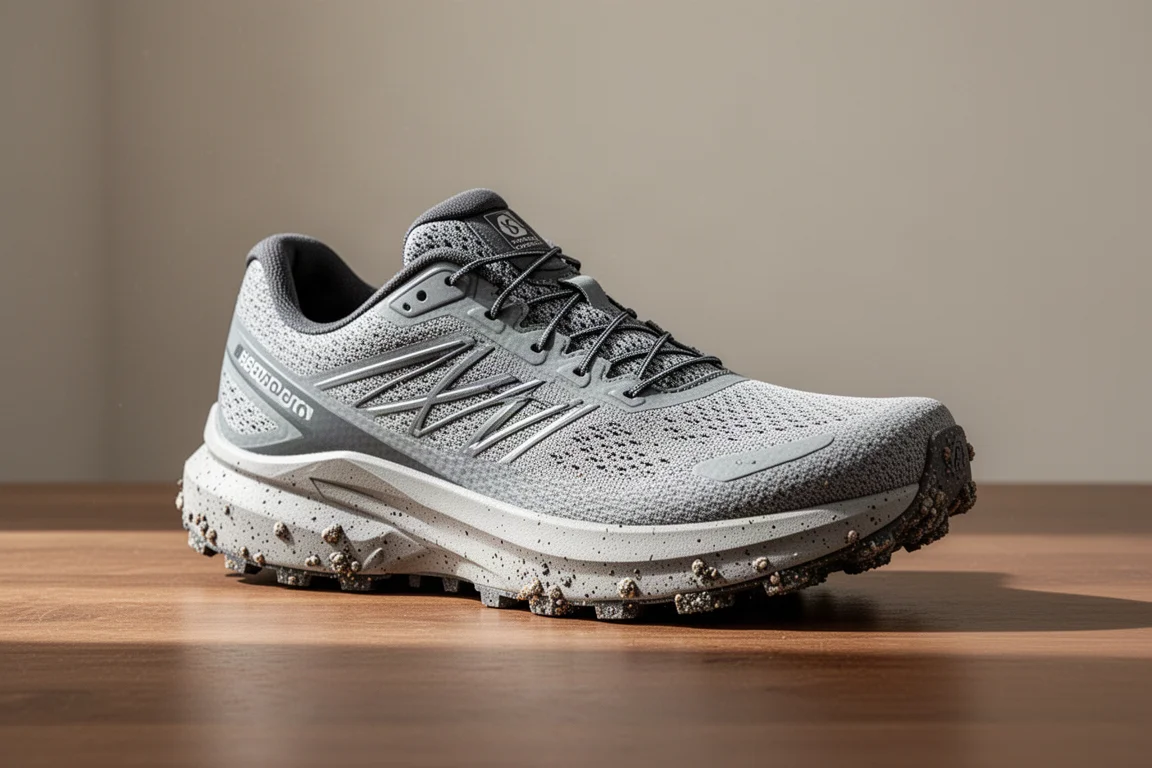
The Salomon Aeroglide 4 Gravel has one prominent quirk: a lot of lateral sole flare where the upper integrates into the platform, which can produce a wedged feeling under the fifth metatarsal head. Several testers felt it immediately, and the same issue appeared in the road version. That is a shame because version 3 was a standout, and outside of the flare the package checks the boxes: good foam, good geometry, good weight. Many runners will love this shoe; those sensitive to lateral flare should try it on carefully first.
Overall Buying Advice
Beyond the shoes above, several other models earned praise in recent testing rounds. The Adidas Agravic Speed 2 pairs Lightstrike Pro with a Continental outsole in a super lightweight, aggressive package, while the regular Adidas Terrex Agravic 4 is the sturdier, easier-miles counterpart, and the Agravic TT sits in between with a mixed Lightstrike Pro and Lightstrike construction that feels slightly squirrely at the midfoot. The Xero Nexus Knit and Topo ST-6 shine as flexible, spacious options for standing and walking, especially on softer surfaces.
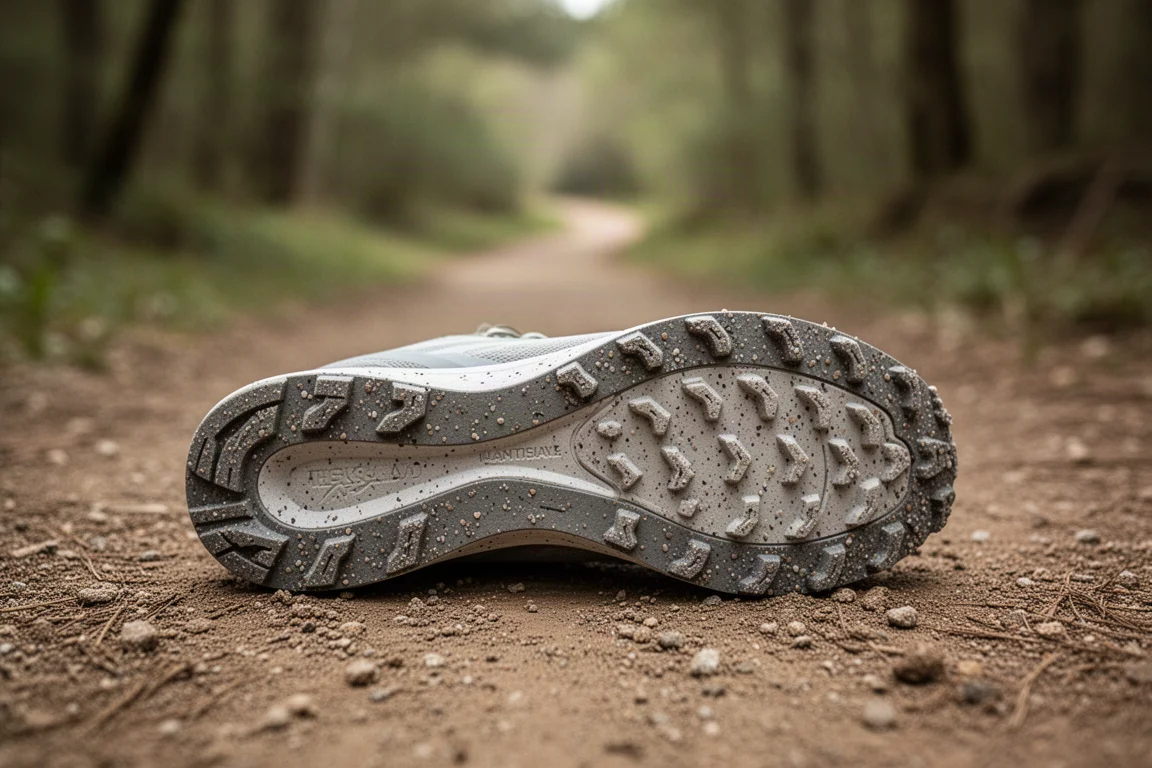
For walking and all-day wear, the Nike Structure Plus, On Cloud Runner 3, Topo Terraventure 5, and Hoka Transport all translate well, as do the Brooks Adrenaline and Glycerin lines, with the Ghost Max and Glycerin Max adding stiff rocker profiles that offload the Achilles. The ASICS Nimbus 26, Kayano, Saucony Endorphin Speed, and New Balance SC Trainer round out the options worth a look depending on whether you want softness, stability, or a rocker-driven ride. The general rule: firmer, grounded midsoles and roomy forefoots suit walking far better than super-soft, high-stack racing foams.
Conclusion
This testing cycle rewards matching the shoe to the job. The Cloud Monster 3 Hyper is the near-universal trainer, the Wave Horizon is the durable stability tank, the Ride 19 is a plush easy-mile shoe at a fair price, and the Cloudboom Volt is a solid tempo option that stops short of true race-day speed. The Superblast and Aeroglide 4 Gravel both have specific fit quirks worth testing in person before committing. Try before you buy where you can, and let the fit decide.
Further reading
Related Reviews

Running Shoes
Best Road-to-Trail Running Shoes: Three Versatile Options for Mixed Terrain
A practical guide to three road-to-trail running shoes that handle both pavement and mild trails, with clear strengths and trade-offs for different runner types.

Running Shoes
Best Running Shoes for Achilles Tendonitis: Three Options Explained
Three running shoes with different heel drops and support features designed to help reduce Achilles tendon pain during walking and running.

Running Shoes
Best Running Shoes for Women: Five Top Choices Ranked
A ranked guide to five women's running shoes, from versatile daily trainers to high-performance racing options, with real strengths and trade-offs for each.