Running Shoes
Firm to Soft: Ranking 10 Popular Running Shoes by How Soft They Feel
Ten widely worn running shoes, ranked from firmest to softest based on how each midsole actually feels under load, with buying notes for every pick.
Introduction
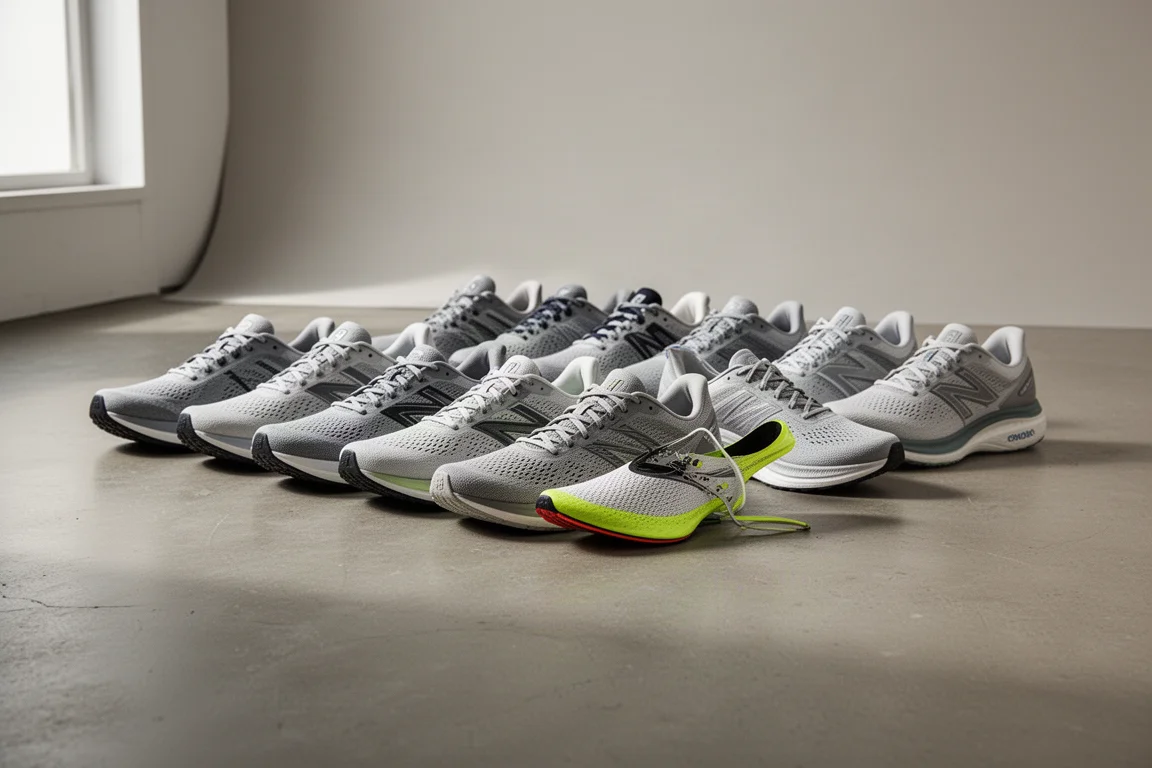
Softness is one of the most talked-about qualities in running shoes, and also one of the most misunderstood. A shoe can have a huge stack of foam and still feel firm, while a modest trainer can feel noticeably plusher. This ranking takes ten popular models and orders them from firmest to softest based on how each shoe feels under real running load, not just on the first step in.
The lineup spans super shoes, daily trainers, and max cushion models: the New Balance SC Trainer v2, Nike Alphafly 3, Brooks Hyperion Max, Saucony Ride 17, Hoka Clifton 9, ASICS Novablast 4, Nike Vomero 17, New Balance More v4, On Cloudsurfer, and ASICS Nimbus 26.
How We Thought About Softness
The scientific term for softness is midsole compliance: how much the foam compresses under load. That is different from responsiveness, which describes how much energy the foam returns as it reforms. A shoe can be firm and still very responsive, or soft and sluggish.
A few things shape what you actually feel. Stack height alone does not guarantee softness, since a tall midsole can still resist compression. What sits closest to your foot matters a lot, which is why insoles and plates so strongly influence the ride. And pressing the side of a midsole with a thumb, the classic squish test, does not reproduce how the shoe is loaded by your body at several times body weight, so it is a poor predictor of how a shoe feels on the run.
There is also no standardized way for companies to report softness, and perception genuinely differs between runners. One runner may find a midsole bottoms out at faster paces while another never feels it. The practical takeaway: softer is not automatically better, and there seems to be an optimal level of softness each runner prefers rather than a maximum.
The Firmest of the List: Brooks Hyperion Max
Contrary to what the name suggests, the Brooks Hyperion Max ranks as the firmest shoe here. The DNA Flash midsole is not especially soft, there is not a lot of it, the stack sits in the mid-30s millimeters, and a decently thick outsole keeps the ride grounded. It responds quickly and does not offer much forgiveness when you load it.
None of that is a criticism. Firm is not bad, and this low-riding neutral trainer has plenty of fans precisely because of that quick, no-nonsense feel. Just know that within this ten-shoe group, it sits firmly at the bottom of the softness scale.
Surprisingly Firm Picks: Hoka Clifton 9 and Saucony Ride 17
The Hoka Clifton 9 is a genuine hot take. Public opinion treats it as one of the softest shoes on the market, but it uses an EVA midsole that holds its structure rather than sinking under you. Version 9 got more responsive and bouncy than version 8, not softer. There is a lot of foam underfoot, and it feels protective and versatile, picking up the pace willingly, but it does not have the deep compliance of the softer shoes here.

The Saucony Ride 17 lands nearby. Adding PowerRun Plus softened it compared with the Rides of old, and its flexibility helps the perceived softness, but the stack sits around 35 millimeters, there is more outsole coverage than previous versions, and PowerRun Plus tends to run on the firmer, responsive side. Softer than it used to be, yes. Mushy, no.
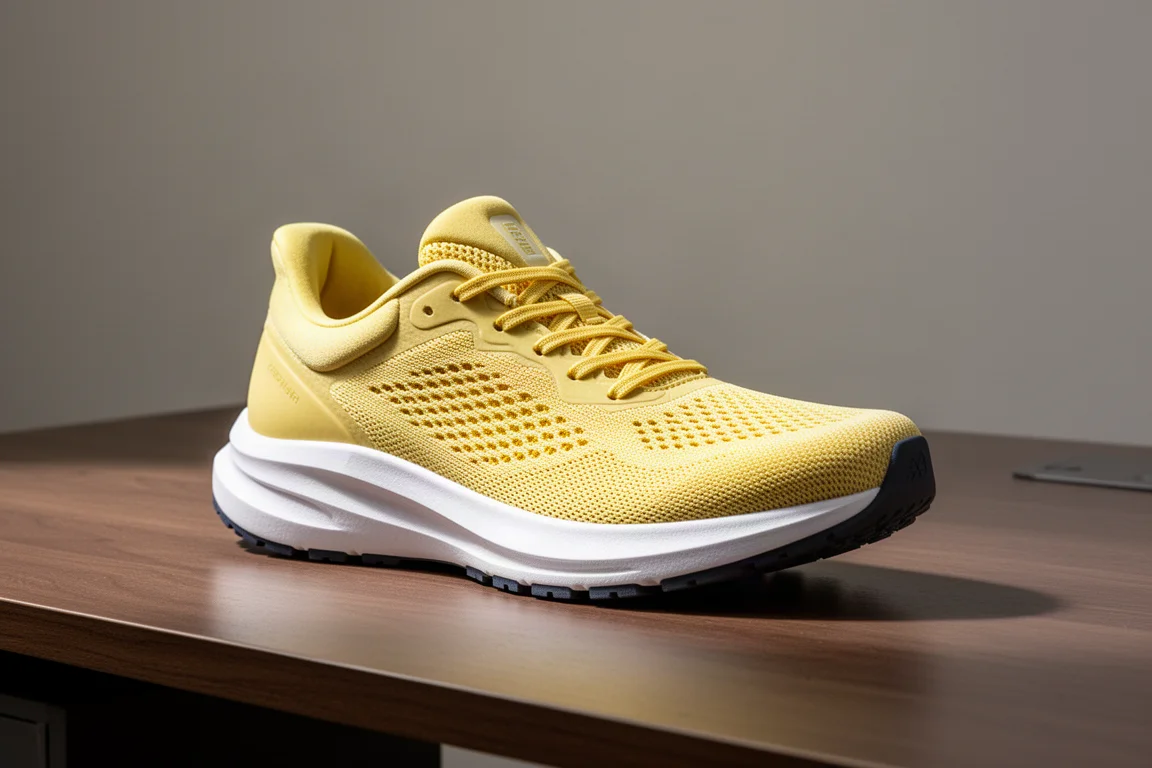
Bouncy Rather Than Soft: ASICS Novablast 4
The Novablast 4 is a shoe that pitches you forward quickly, and that snappy geometry makes it feel firmer than its 40-plus millimeters of stack would suggest. Standing still and pressing into it, there is real compliance in the heel and forefoot. Once you start moving, the story changes.
The move to ASICS’s eco foam firmed things up slightly compared with the Novablast 3, which many considered too soft, and it improved heel stability along the way. It is cushioned and protective in the forefoot, but cushioned is not the same as soft. If you want an uptempo daily trainer that will not bog down, that firmness is a feature.
View more details for Asics Novablast 4
Max Cushion, But Not Max Softness: ASICS Nimbus 26
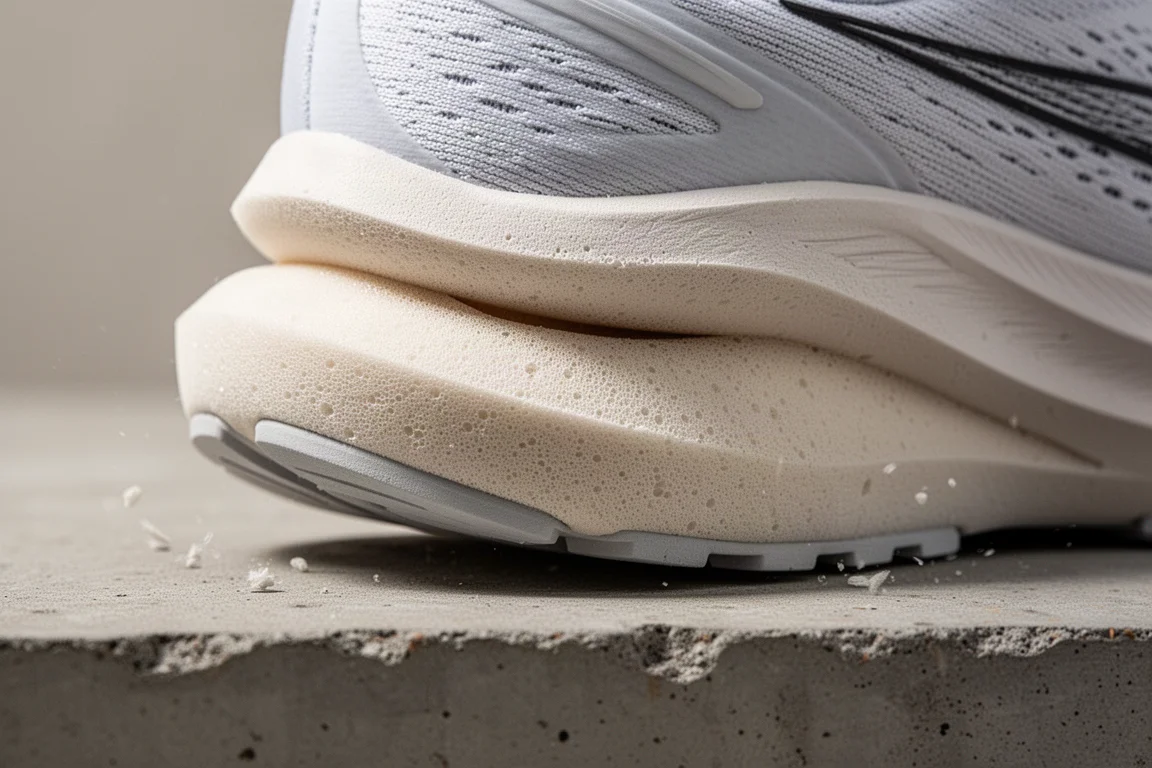
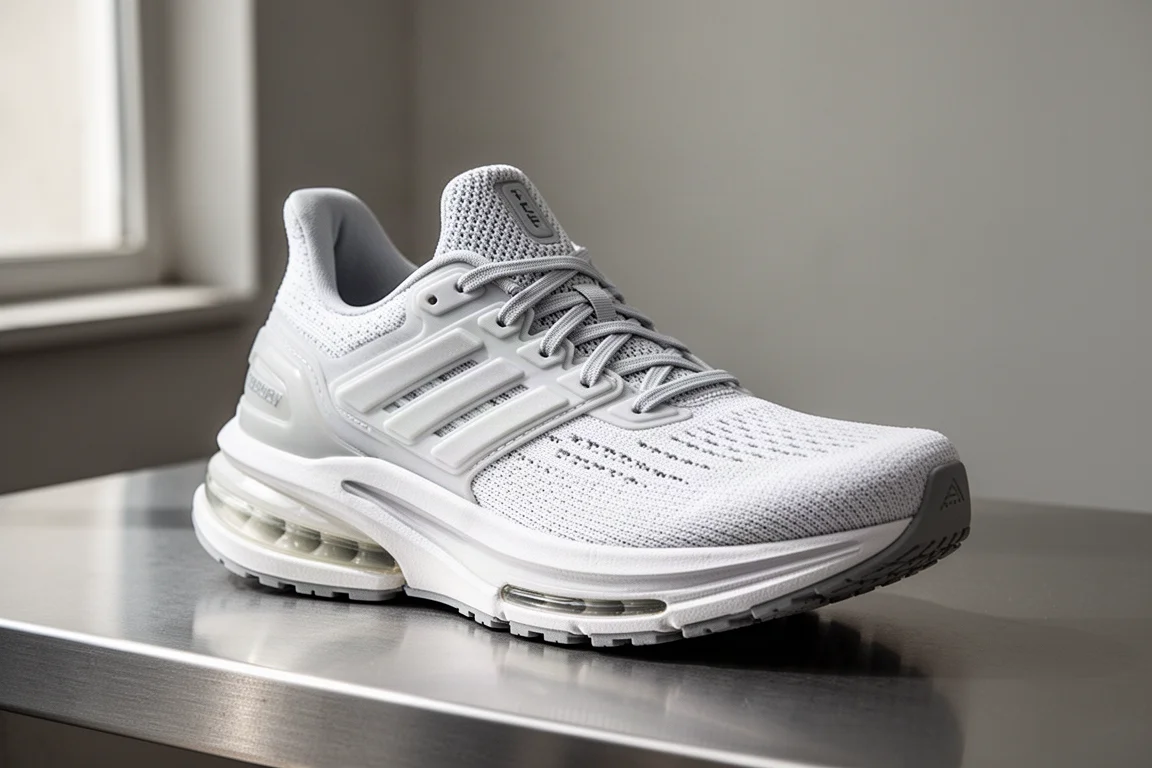
The Nimbus 26 is firmly in the max cushion category, yet it does not feel maximally soft. The update firmed up the mushy ride of the Nimbus 25 considerably, reduced sinkage, and added a bit more forefoot rigidity so you roll forward nicely through the rocker.
With a wide stable base and a huge amount of foam underfoot, protective is the word that fits best. There is some trampoline-style softness, and by default all that foam compresses more than a thinner shoe, but it holds its structure remarkably well. For runners who found the Nimbus 25 too unstable for long runs, the 26 is a much more balanced shoe.
Middle of the Pack: Nike Vomero 17
The Vomero 17 uses a dual-density midsole with ZoomX layered on top, and that top layer dominates the step-in feel. The initial softness is noticeable both standing still and on the run, with a mix of plush compression and visible bounce-back.
Where runners diverge is at the later miles. Some feel the ZoomX top layer gets used up at faster paces; others have taken it on 20-plus mile runs with the softness fully maintained over 100 miles. Either way, it is clearly softer than the Clifton or Nimbus and just shy of the true soft-shoe tier, with the firmer EVA base keeping it from going full mush.
Soft But Not Mushy: Nike Alphafly 3
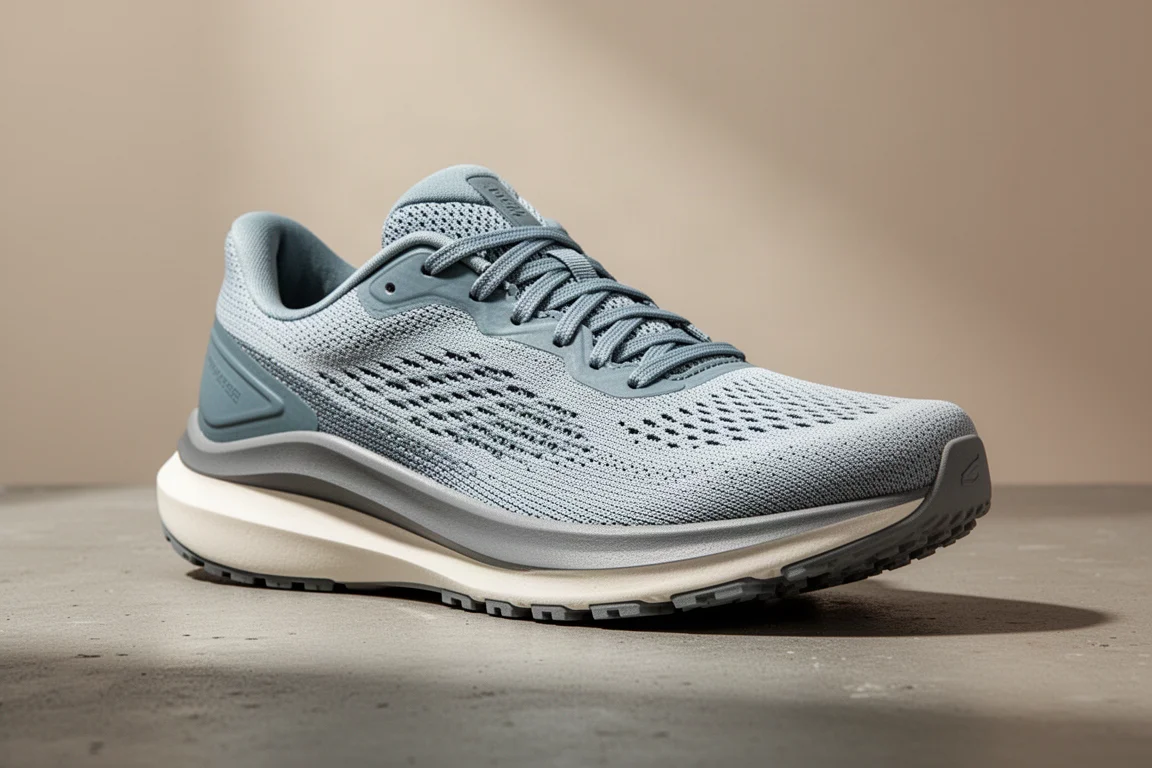
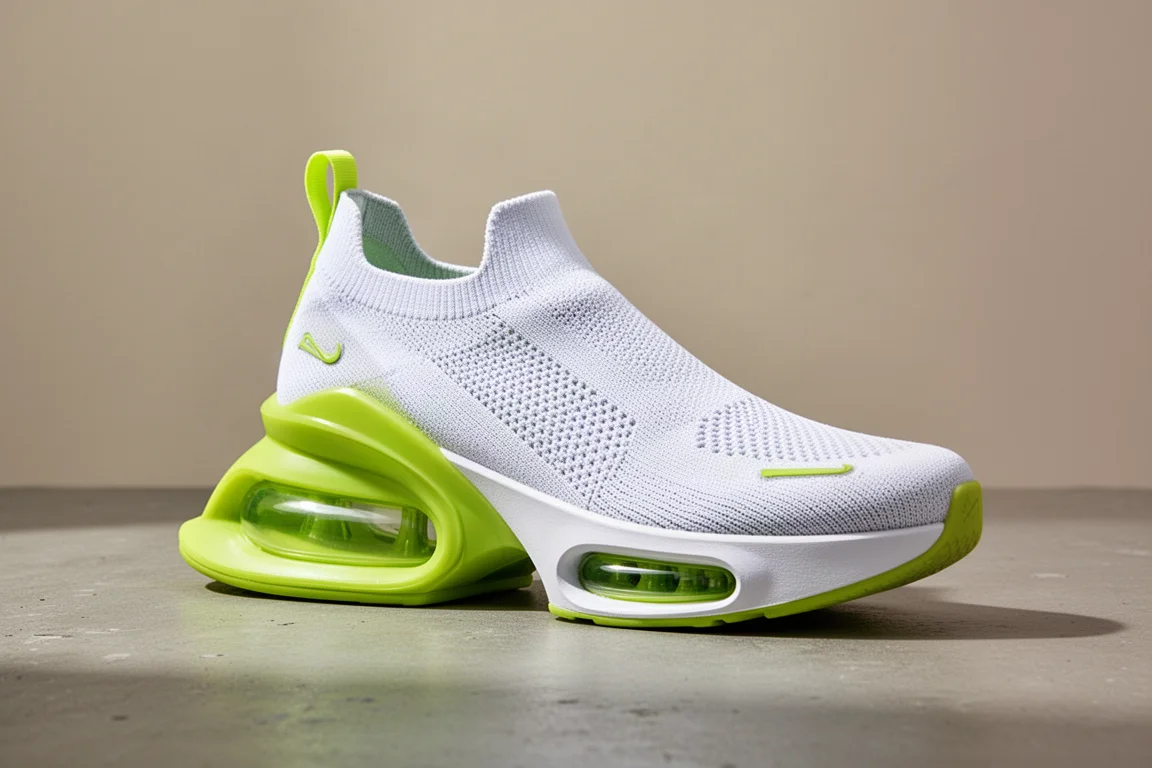
The Alphafly 3 earns its softer placement through sheer volume of ZoomX, but the components around the foam firm things up. The plate sits close to the foot so the whole sole compresses together, the air units in the forefoot are not soft, and the outsole adds structure. The result is a very cushioned, highly resilient ride rather than a plush one.
It is velocity-dependent: rock back and forth standing still and it moves dramatically, but at running pace it loads and pops you forward rather than sinking. The heel feels softer than the firmer forefoot air pods, which naturally pulls you onto your toes. This is one of the most aggressive midsoles on the market, and softer shoes do exist on this list.
First Truly Soft Shoe: On Cloudsurfer
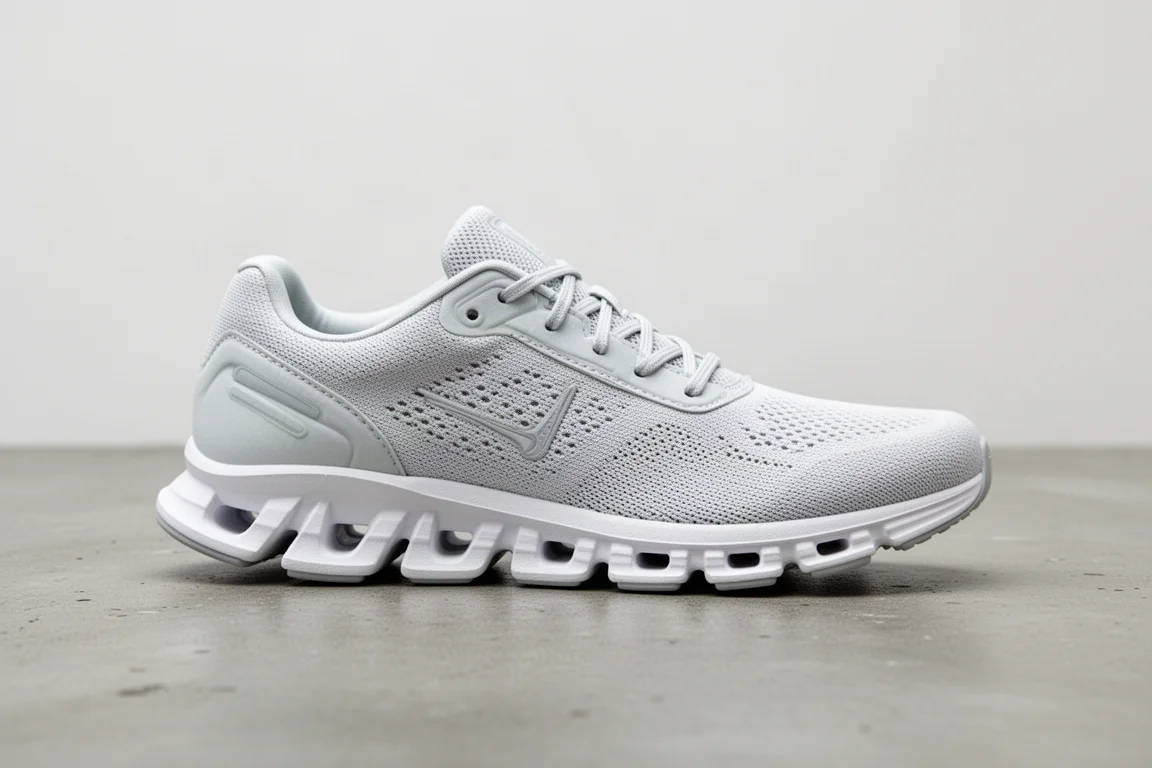
The Cloudsurfer is where the list crosses into genuinely soft territory. The CloudTec Phase midsole deforms dynamically down its length, there is no plate, and the step-in feel is soft both in hand and on the foot. It has some snap to it too, making it more responsive than most soft shoes.
The trade-offs are real. There is a bit less foam, the ride can bottom out slightly, and it carries a faintly EVA-like quality where the initial softness fades over a long run. The narrower platform and softness also limit stability for longer efforts. As a shorter-run, softer-feeling On shoe, it is a first for the brand.
Top-Tier Soft: New Balance SC Trainer v2
The SC Trainer v2 is a very soft shoe with a small asterisk. FuelCell is a genuinely soft foam and it is soft here too, so much so that the plate feels like a stabilizer for the foam rather than a stiffener. The plate makes it trainable and even race-adjacent: it runs better the faster you go, and more than half of many testers’ miles in it were workouts.
The softness has practical benefits, including reduced acute pressure under the foot. Caveats are a snug fit for some and a pronounced toe spring, and the foam is soft enough that long runs can feel unstable for runners who need more platform. If you want a soft shoe that can still move, this is a standout.
View more details for New Balance SC Trainer V2
The Softest Shoe: New Balance More v4
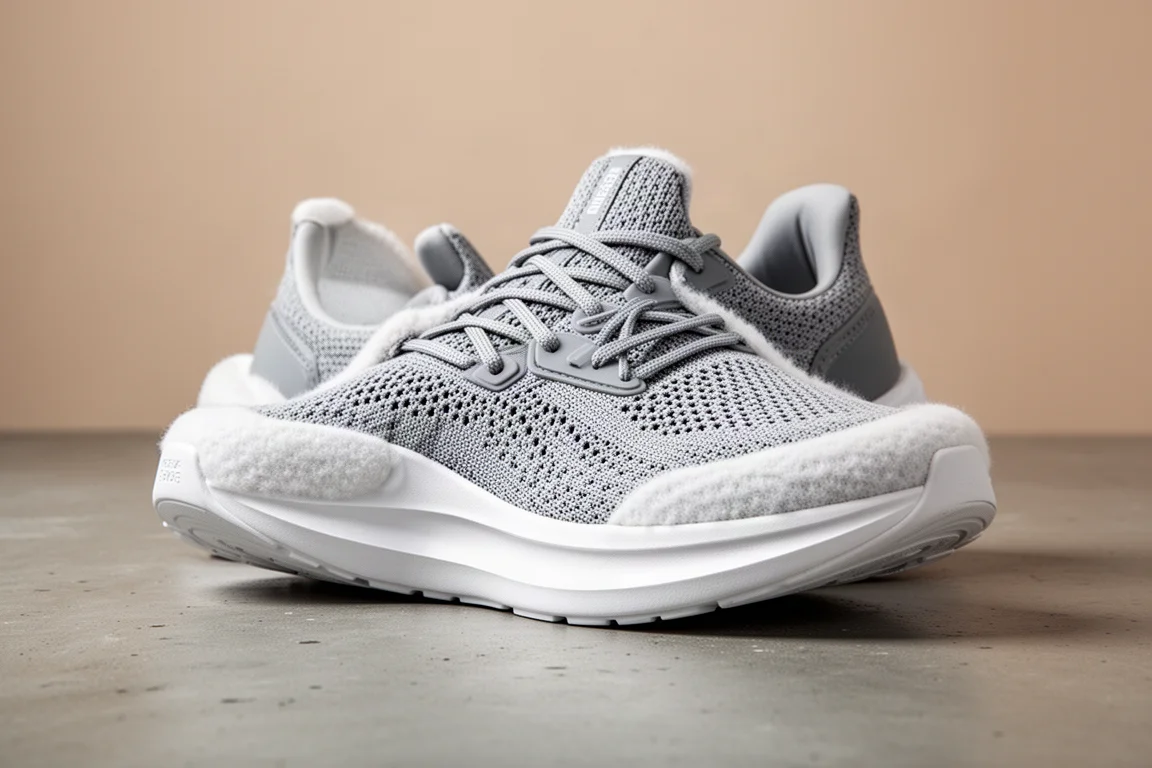
At the very top sits the New Balance More v4, and it was a unanimous pick. This is the prototypical soft shoe: soft on the step-in, cushy on the run, the kind of deep compliance that makes you sink in slightly rather than bounce.
What keeps it usable is geometry. The widened platform and sidewalls make it a stable neutral shoe despite all that softness, so it does not feel wobbly the way some max-soft shoes do. It is also an EVA-blend (Fresh Foam) midsole, which proves the point that foam chemistry alone does not dictate feel; a well-tuned EVA blend can out-soften modern superfoams on pure compliance.
Buying Advice
Two things are worth remembering before you buy. First, a softer shoe changes your biomechanics: running in very soft shoes tends to increase leg stiffness, which can raise loading rates for some runners while actually helping others avoid painful ranges of motion. Neither soft nor firm is universally better.
Second, trust your own feet over spec sheets. Stack height does not equal softness, foam family does not guarantee feel, and companies report softness inconsistently if at all. If you are moving from everyday casual shoes, nearly every shoe on this list will feel soft. If you want the deepest compliance, start at the bottom of this ranking; if you want snap and structure, start at the top.
Conclusion
Softness is a sensation, not a spec. This ranking puts ten popular shoes on a single spectrum from the grounded, quick-turning Brooks Hyperion Max to the deeply plush New Balance More v4, with max cushion shoes like the Nimbus 26 landing surprisingly mid-pack. Match the position on the spectrum to what your legs actually enjoy, and you will pick better than any marketing label can.
Further reading
Related Reviews

Running Shoes
Best Road-to-Trail Running Shoes: Three Versatile Options for Mixed Terrain
A practical guide to three road-to-trail running shoes that handle both pavement and mild trails, with clear strengths and trade-offs for different runner types.

Running Shoes
Best Running Shoes for Achilles Tendonitis: Three Options Explained
Three running shoes with different heel drops and support features designed to help reduce Achilles tendon pain during walking and running.

Running Shoes
Best Running Shoes for Women: Five Top Choices Ranked
A ranked guide to five women's running shoes, from versatile daily trainers to high-performance racing options, with real strengths and trade-offs for each.