Running Shoes
Running Shoe Sizing Guide 2025: How 8 Popular Models Actually Fit
A practical, brand-by-brand look at how popular running shoes fit, which models run snug or long, and when to size up or down.
Introduction
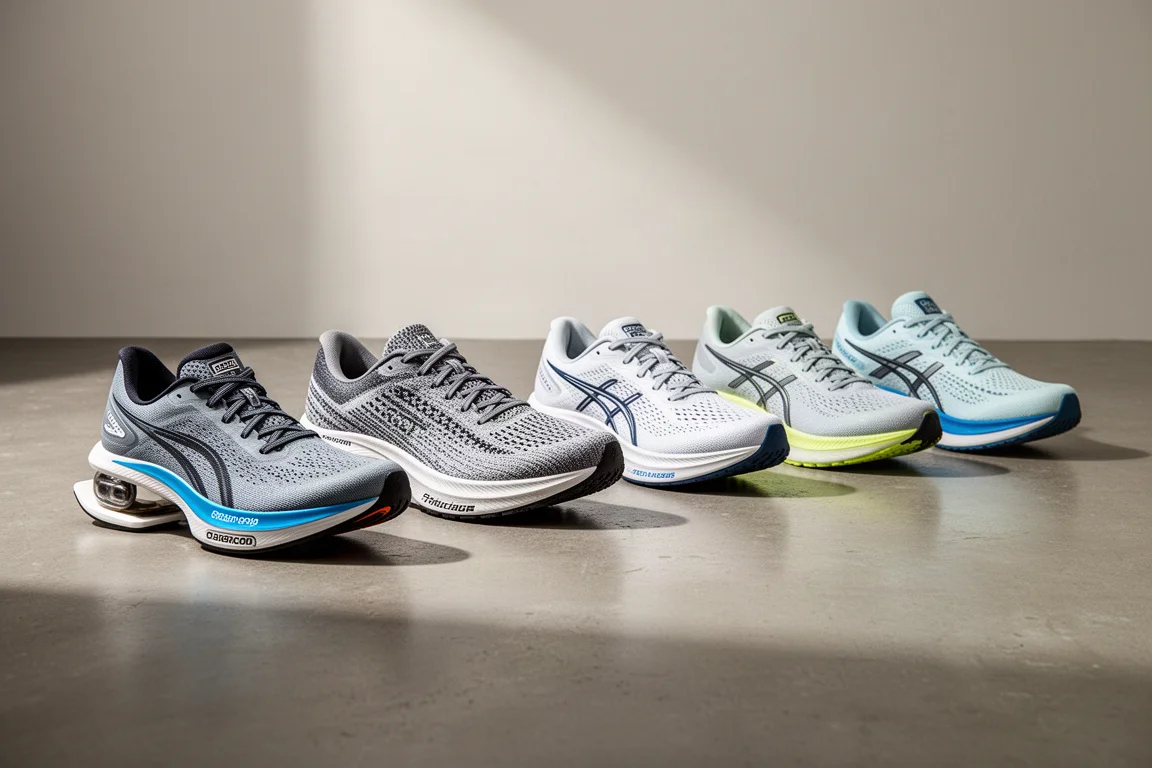
Sizing is one of the most frustrating parts of buying running shoes online. A UK 11 in one brand fits perfectly, while in another the same size feels short, long, or oddly narrow in the forefoot. Fit has shifted over the years too: uppers, lasts and factory choices have all changed what “true to size” means from one model to the next.
This guide walks through the major running shoe brands and the popular models that get bought most often, with practical notes on when to stick to your usual size and when a half-size adjustment makes sense.
Why Sizing Still Trips People Up
Most runners have one foot slightly longer than the other, and a centimetre-based measurement is often more reliable than converting between UK and US sizes. That measurement only gets you so far, though, because each brand works from its own last, and even individual models within a brand can fit differently.
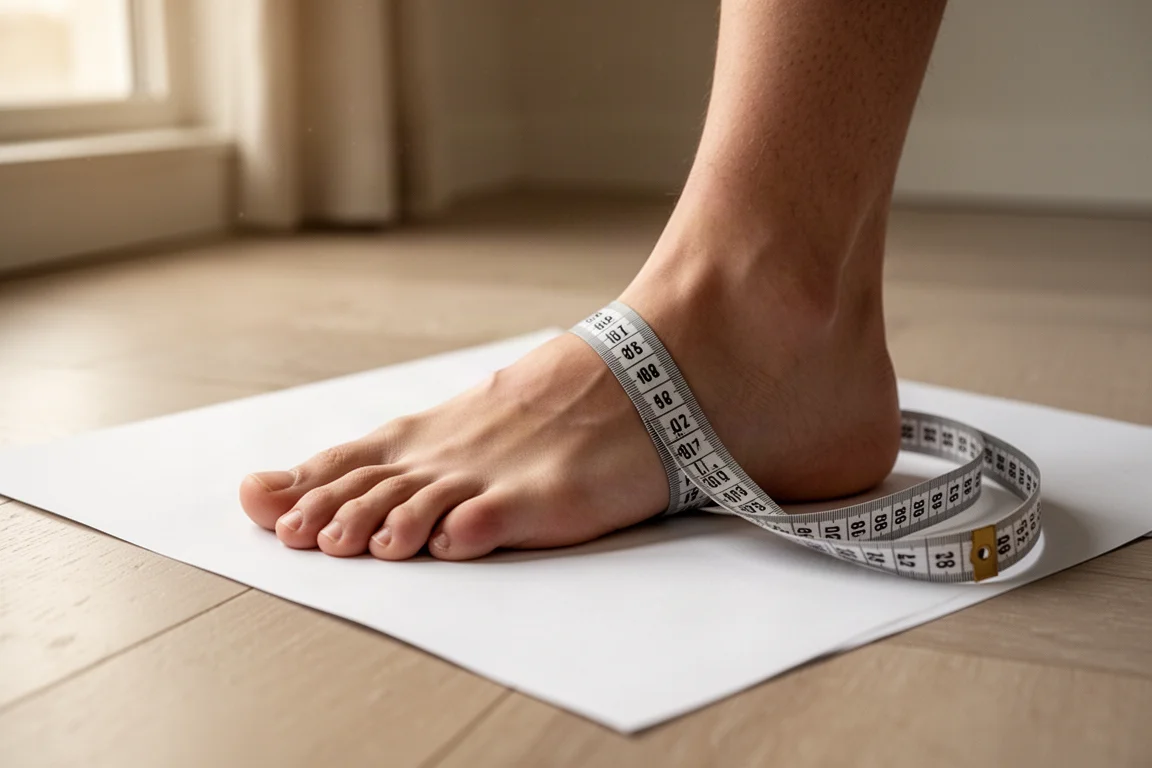
The general rule of thumb still applies: roughly a thumb’s width of space at the front of the shoe. But generous racing uppers, snug performance fits and stretchy knit materials all bend that rule in different directions, which is exactly why a model-by-model view is more useful than a brand-wide promise.
Nike: True to Size, With One Surprise
Nike is one of the more predictable brands out there. A usual UK size very rarely disappoints, and most models fit as expected with that classic thumb-width of room at the front.
The interesting exception is the Alphafly 3. A half size down works surprisingly well here, so much so that a full marathon has been run comfortably in the smaller size. The difference between the two sizes is almost entirely in the upper, with the larger size feeling slightly more spacious across the forefoot area while the length barely changes.
Puma: Mostly True to Size Now
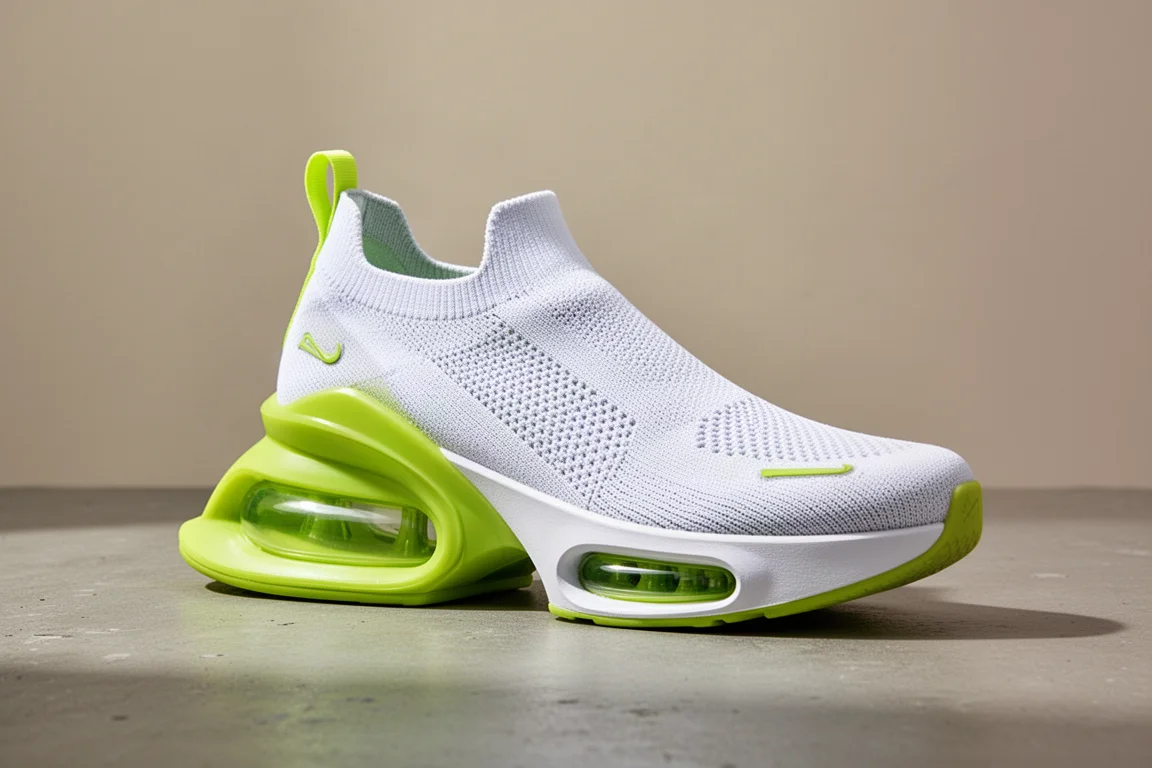
Puma has historically been a mixed bag, with some daily trainers coming up a little long and tempting buyers to go half a size down. The brand appears to have moved to a more consistent last, though, and most current models fit true to size.
The Fast-R 3 is a good example of a shoe where the structured upper rewards a true-to-size choice. There is no real benefit in dropping half a size here, and the fit is firm enough that you would not want extra length taken away.
Adidas: Check Before You Buy
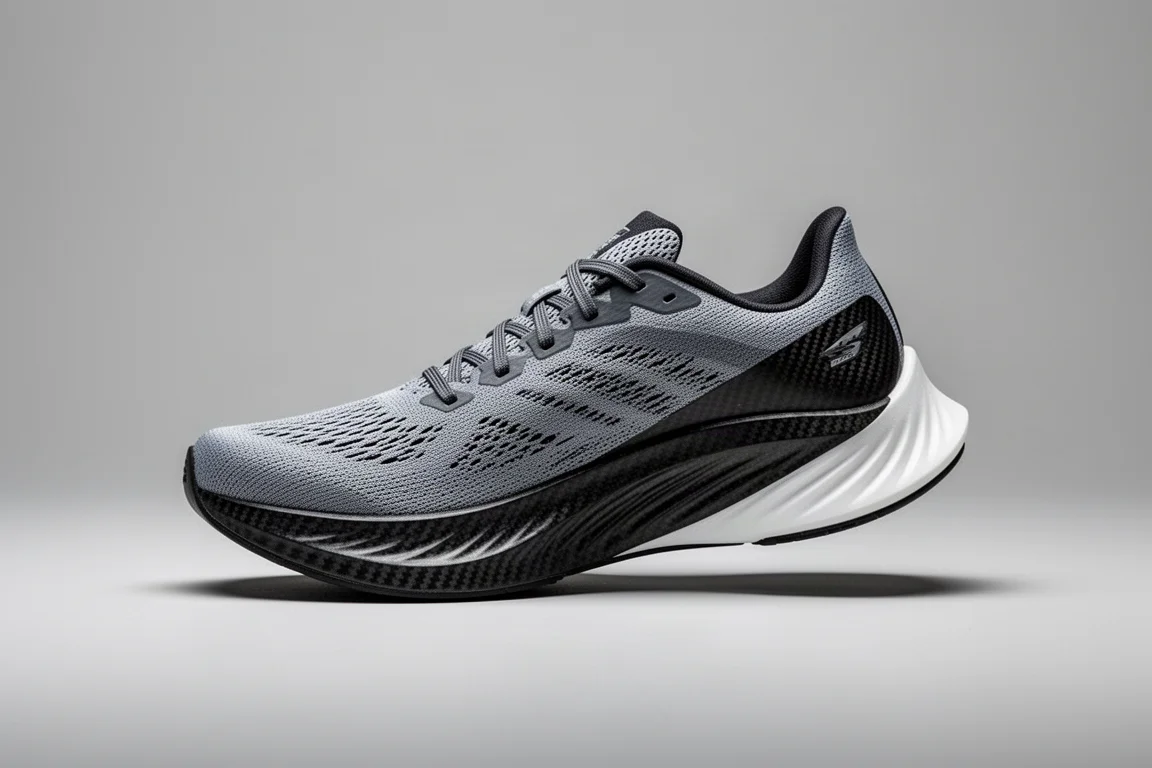
Adidas is where sizing gets genuinely inconsistent. The Adizero line in particular is all over the shop: the Takumi Sen 11 fits a touch snug, and the Adios Pro 4 is widely reported to feel tight too, likely because of its very simple, flexible upper. Runners with wider feet may genuinely benefit from going up half a size in both.
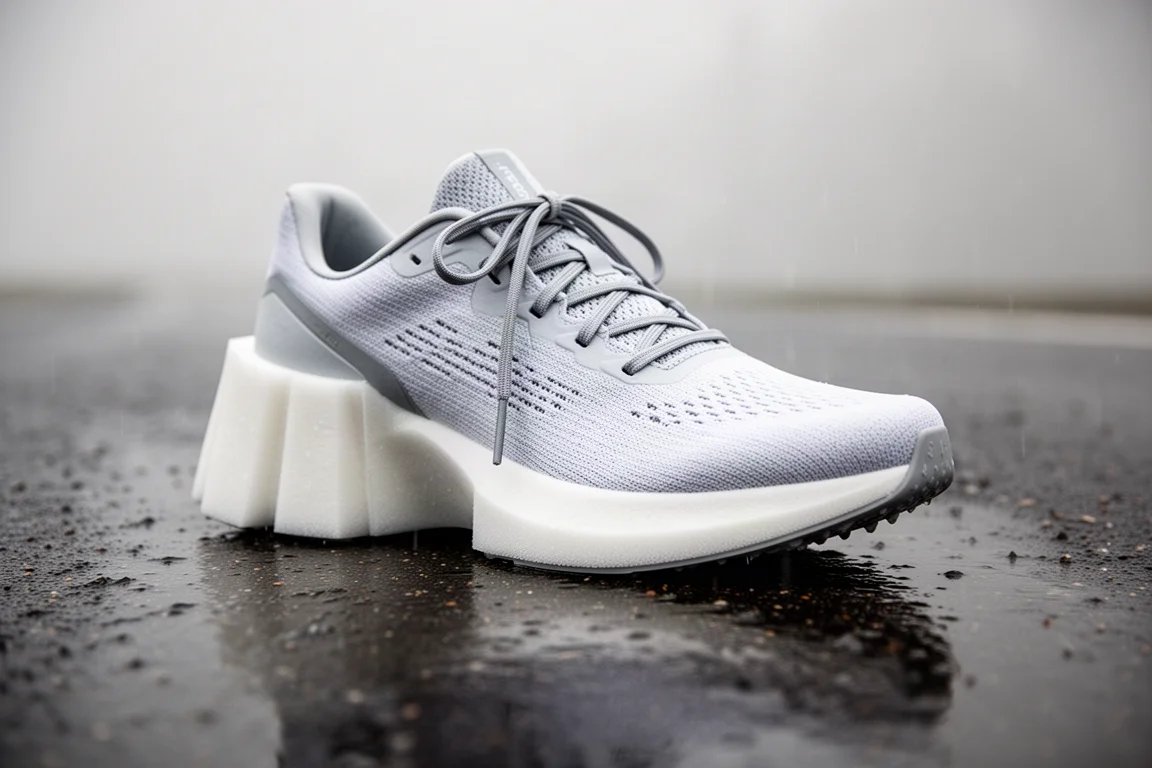
Elsewhere in the range, things calm down considerably. The Adios 9 fits true to size, helped by a more conventional daily-style upper, and the Boston 13 is also true to size with a padded, trainer-like fit. Wide versions of the Boston 13 exist for those who need them, which is rare at this end of the lineup.
Asics: Generous Uppers and Half-Size Calls
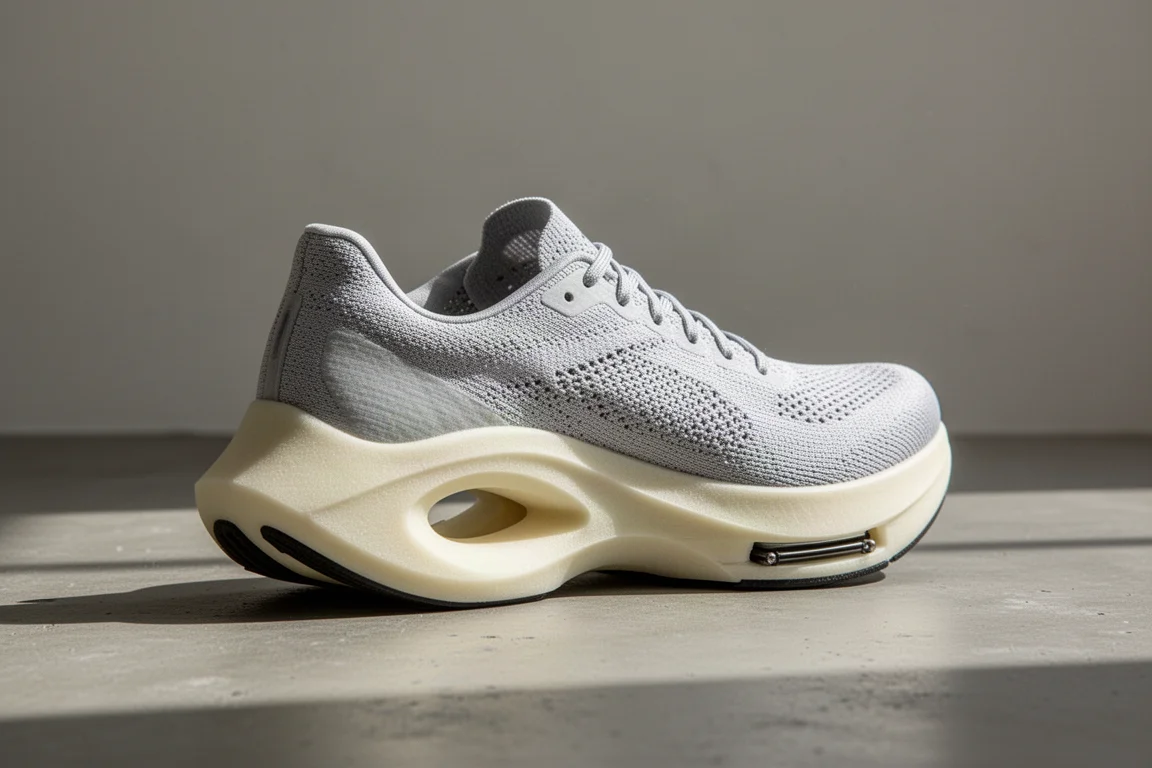
The Meta Speed series has always been a little odd. The forefoot is generous, and on some models a half size down works fine. That said, if the Meta Speed Sky Tokyo or Edge Tokyo is going to be used for a marathon, going up half a size is worth considering to allow for foot swelling over long distances.
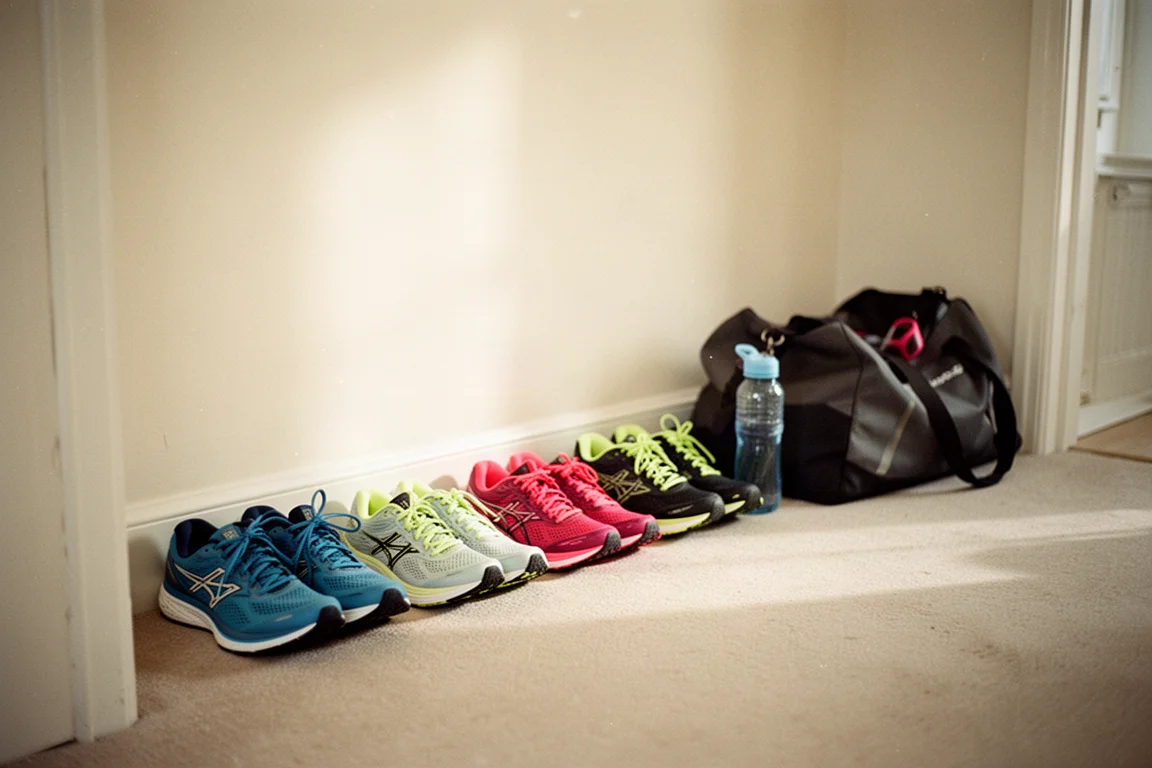
Elsewhere, the Megablast fits essentially true to size, especially with thicker socks in colder months, even though some runners suggest a half size down. The Superblast 2, on the other hand, felt perfect at half a size down, while the Sonicblast is best left true to size with no reason to change. Nimbus, Cumulus, Fuji Light and Fuji Speed models all follow more traditional sizing.
Hoka: More Traditional Fit Than Before
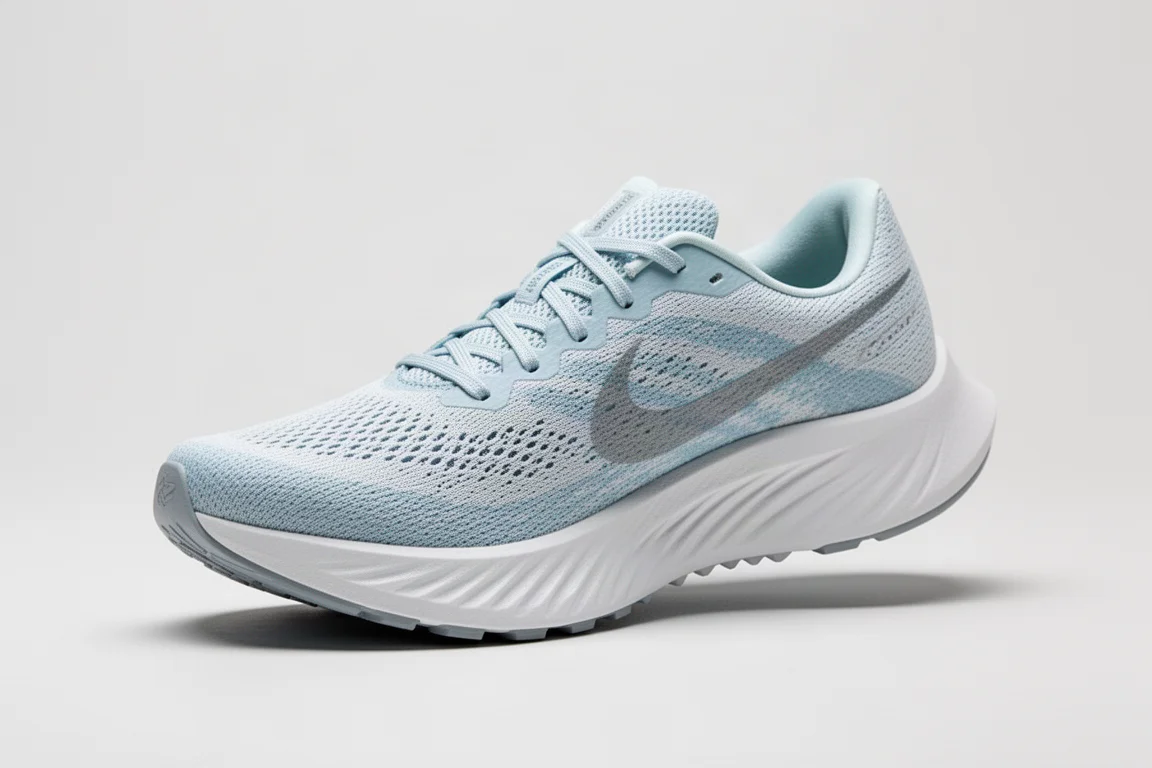
Hoka uppers have become noticeably more refined in recent years. Models like the Rocket X2 and Skyward X all fit true to size, and there is no obvious reason to size up in current models.
That is a real change from earlier in the brand’s history, when going up half a size was almost a given on early pairs. Whether it comes down to new factories or design personnel, the current fit is far more conventional than it used to be.
New Balance and Mizuno: Two Different Stories
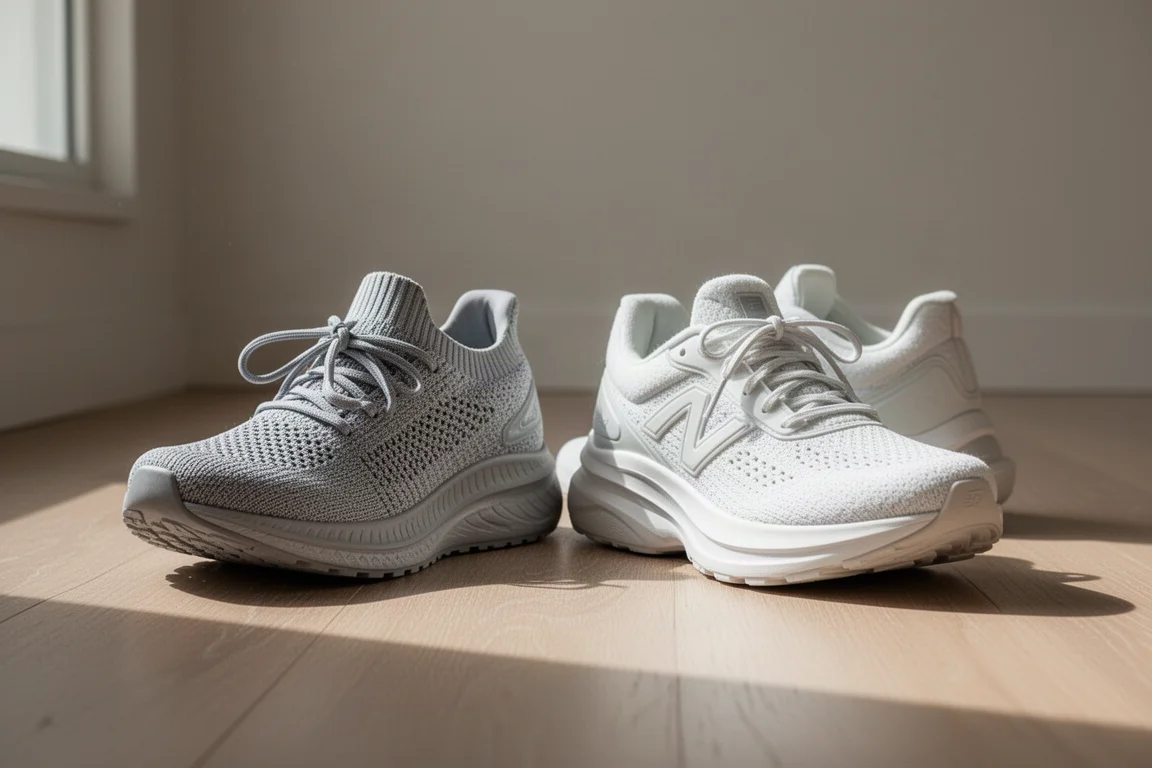
New Balance is the one brand where the advice is simple: expect to go up half a size, ideally using US sizing rather than UK sizing, which seems to sit somewhere in between. The 1080 is a classic example that felt better at half a size up, and the SC Trainer follows the same pattern.
Mizuno tells the opposite story. Recent models fit true to size, and the Neo Vista 2 is actually generous in the upper, to the point that half a size down would have worked. That generosity seems typical of knit-style uppers in general.
Buying Advice
A few patterns are worth carrying into your next purchase. Racing shoes with minimal, flexible uppers tend to run snug, so wider feet should lean toward a half size up, especially for marathon use where foot swelling is a factor. Stretchy knit uppers tend to run generous, making a half size down worth a try. And a small number of brands, most notably New Balance, simply reward sizing up as a default.
Wherever possible, try before you buy, particularly with high-demand, expensive models that sell out almost immediately and are costly to gamble on. When that is not an option, a centimetre foot measurement matched against each brand’s own chart is the safest starting point.
Conclusion
There is no universal “true to size” in running shoes anymore. Nike and Puma are largely predictable, Adidas demands caution in the Adizero line, Asics varies wildly between models, Hoka has become more conventional, New Balance rewards sizing up, and Mizuno’s knit uppers run generous. Match the shoe to your foot measurement, lean on the model-specific notes above, and you will cut down the returns and blisters.
Further reading
Related Reviews

Running Shoes
Best Road-to-Trail Running Shoes: Three Versatile Options for Mixed Terrain
A practical guide to three road-to-trail running shoes that handle both pavement and mild trails, with clear strengths and trade-offs for different runner types.

Running Shoes
Best Running Shoes for Achilles Tendonitis: Three Options Explained
Three running shoes with different heel drops and support features designed to help reduce Achilles tendon pain during walking and running.

Running Shoes
Best Running Shoes for Women: Five Top Choices Ranked
A ranked guide to five women's running shoes, from versatile daily trainers to high-performance racing options, with real strengths and trade-offs for each.