Running Shoes
Running Shoe Sequels: Which Follow-Up Models Are Worth Your Money
Six popular running shoe lines examined over multiple versions: where the sequels improved, where they stood still, and what that means for your next purchase.
Introduction
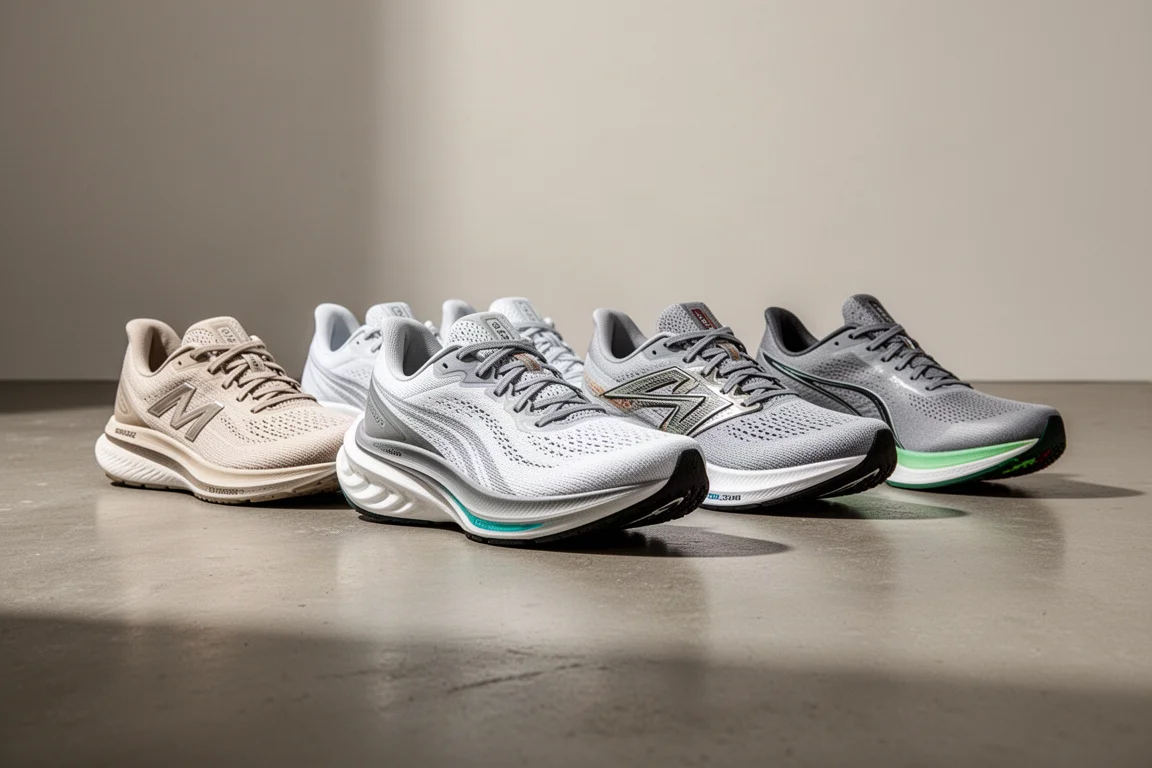
Running shoe brands rarely start from scratch. Most of what lands on shelves each year is a sequel: a remix of an existing idea, marketed as an improvement. Sometimes that works beautifully. Sometimes it is a cookie-cutter update designed to sell the same shoe to the same people again.
We looked at six well-known models to see which follow-ups genuinely moved forward, which stood still, and which arguably peaked with the original.
Nike Pegasus: The Deliberately Familiar Daily Trainer
The Pegasus line is now deep into its dozens of iterations. Recent versions have used a React-based midsole with Air units placed variously in the forefoot, the rear, or both, a clear departure from the cushioned midsole with a full-length Zoom Air unit of the Pegasus 35 and 36 era.
The pattern is consistent: the upper stays similar, the stack sits a few millimeters short of max cushion, and the outsole remains reasonably versatile. This looks deliberate. At its price point, Nike wants a middle-of-the-road do-it-all shoe rather than a max-cushion flagship, and it can point buyers elsewhere in the range for that.
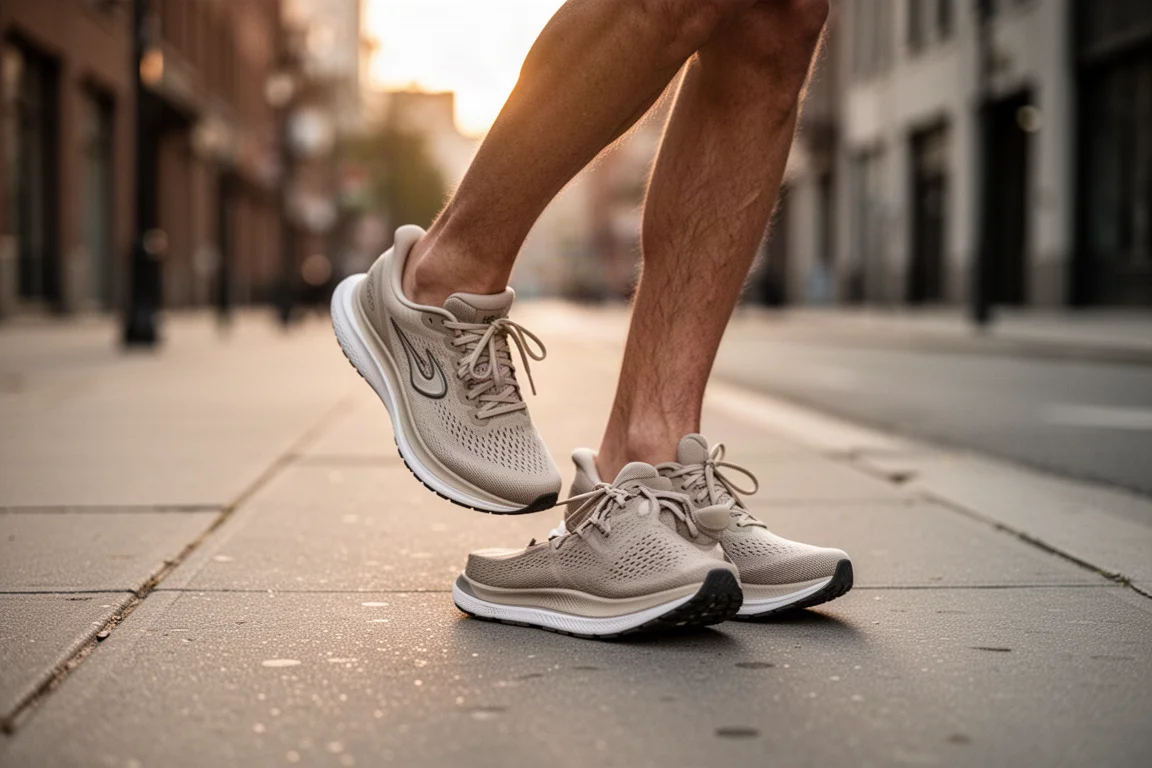
The question is whether that middle ground is still what runners want. Many everyday runners now favor more cushioned models like the Saucony Triumph 21 for daily mileage, saving firmer, flatter shoes for speed sessions. Some riders have also drifted away from the Pegasus simply because it has shown little innovation recently. It still does its job as a dependable daily trainer, but a materials update feels warranted.
Asics Gel Nimbus: Shifting Toward Max Cushion
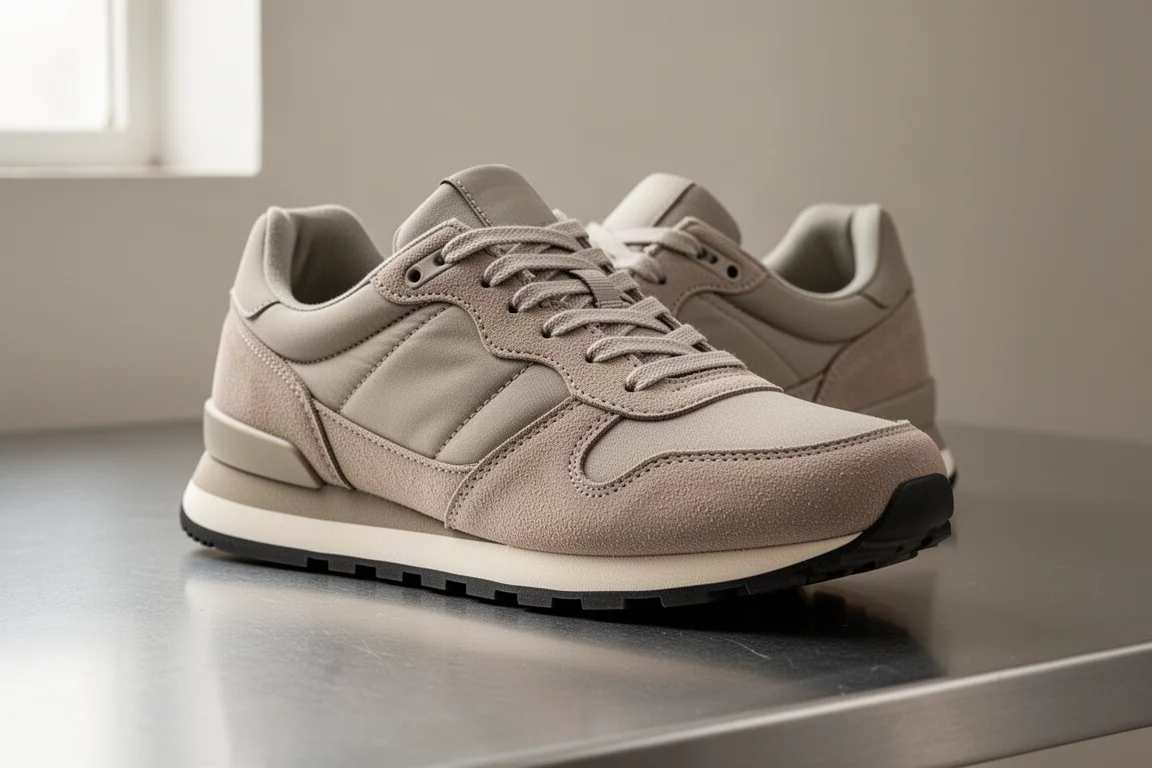
The Gel Nimbus has changed meaningfully across recent versions. The Nimbus 23 ran a medium stack with FlyteFoam Propel midsole foam. The Nimbus 24 moved to FlyteFoam Blast Plus, and the 25 and 26 use FlyteFoam Blast Plus Eco, which is noticeably firmer than the Nimbus 24 foam.
There is also less gel in recent versions, tucked into the heel with no visible gel around the outside. Asics appears to have concluded that gel adds weight and is no longer the selling point it once was, even if the name itself still pulls in long-time users. That visible-gel era was classic tech-as-marketing, in the same tradition as Nike Air or Reebok Hexalite.
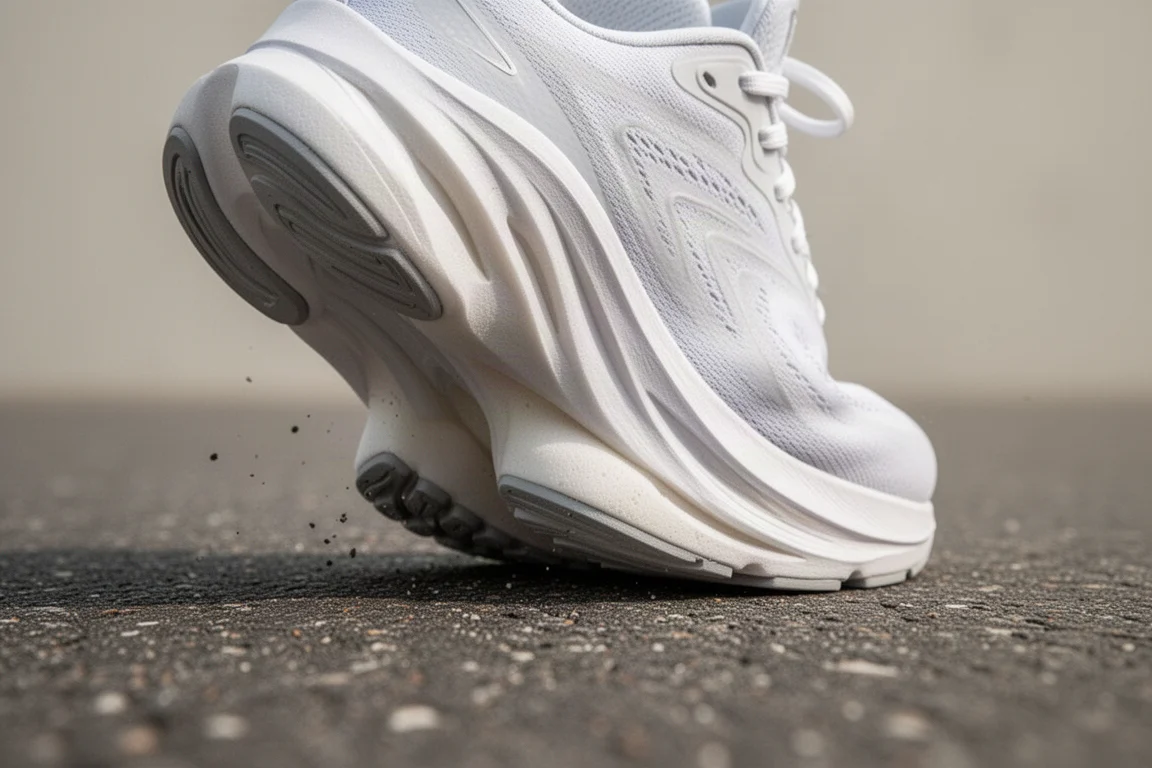
More importantly, the Nimbus has shifted from a daily trainer into a full max-cushioned model. That reads as Asics responding to what runners actually want now: more stack, more protection, more miles with less fatigue. Of the six models here, this is one of the clearer cases of a sequel series evolving in step with its buyers.
Nike Invincible Run 3: A Step Backward
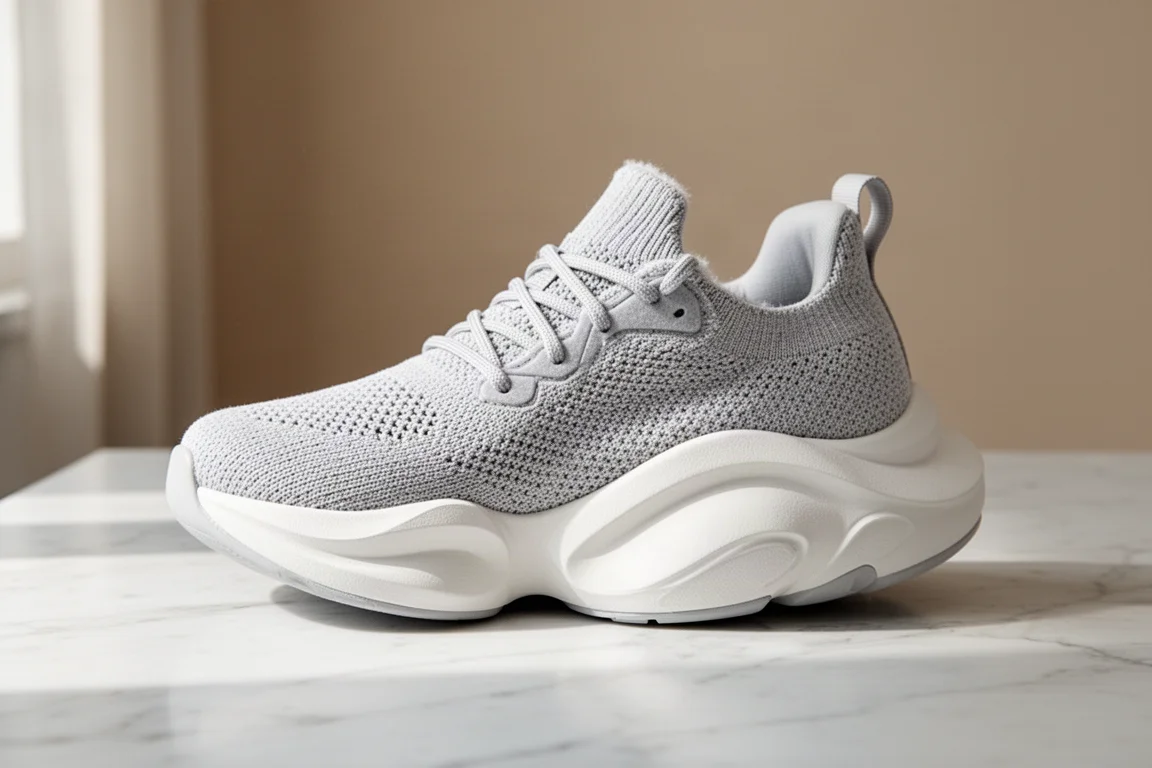
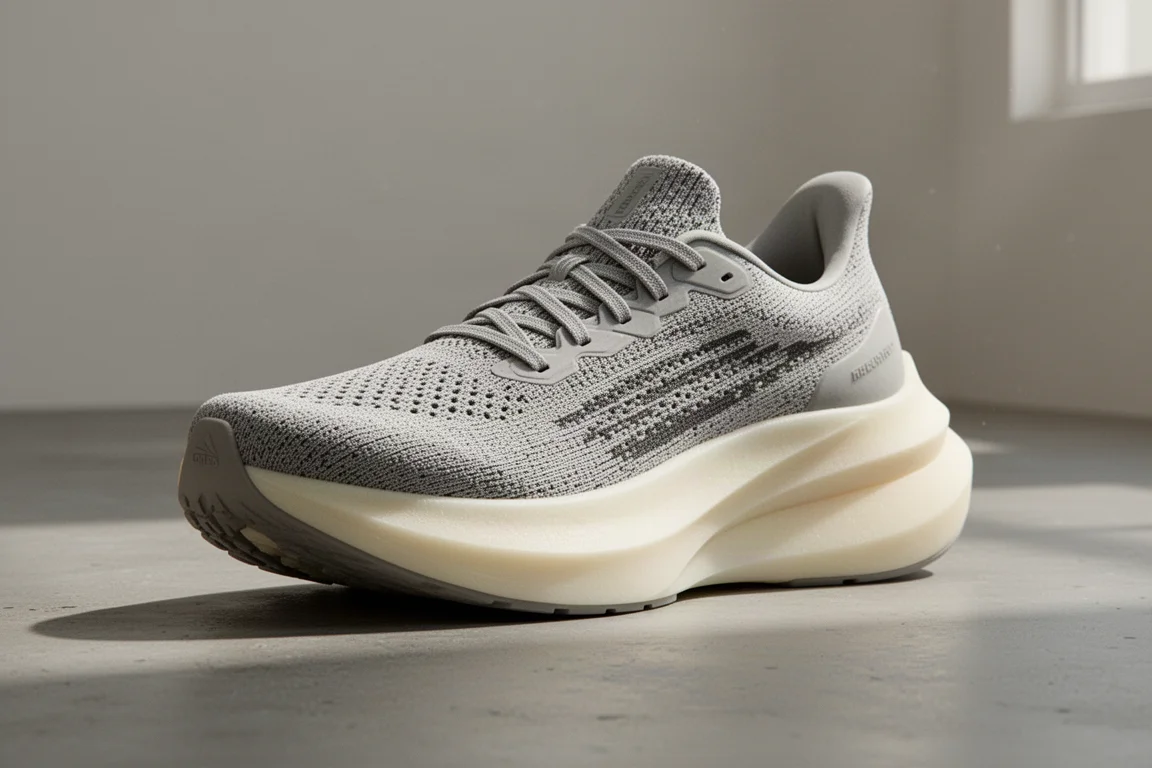
The Invincible Run has trended downward since its debut. The first version was the best of the line: no Strobel board underfoot, which kept you more connected to the ZoomX foam and delivered a squashy, bouncy, genuinely exciting ride. Versions two and three changed the Strobel stitching, and the result feels like a shoe trying to fix problems that were never there.
The third version has also drawn complaints about the upper. Several wearers reported heel slip, though this was not universal. Either way, it scored poorly among owners, ranking high on lists of least-used shoes and worst purchases of its year.
This is a line that needs a refresh to recover what made the original stand out, rather than more tinkering with the foam properties and upper fit.
Saucony Endorphin Speed: When the Original Was Best
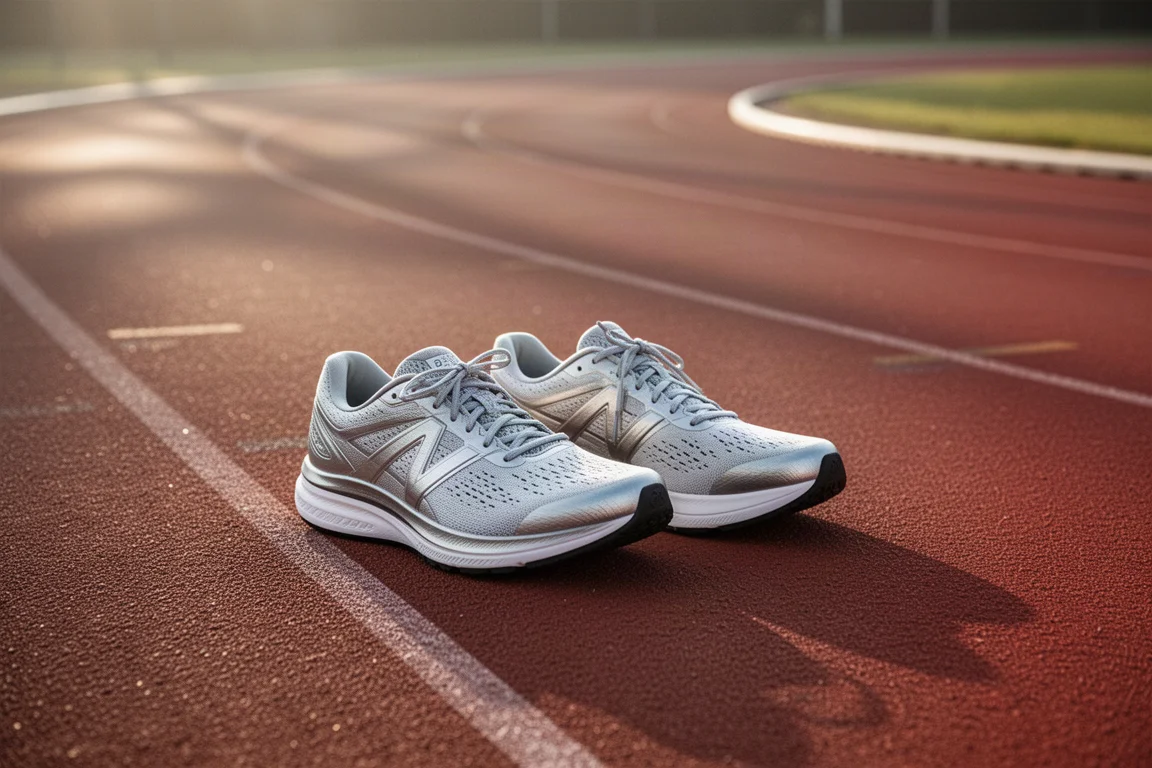
The original Endorphin Speed was something special: mega light, mega responsive, and genuinely exciting to run in. Its nylon plate and midsole geometry were near perfect, and with no major racing restrictions it served as one of the best shoes for both racing and training.
The V2 and V3 are a real departure. The V3 in particular feels a touch too squashy, and the added winged plate aims to increase stability for more everyday usability, even though stability was never an issue in the original.
One possible explanation: the original may simply have been too good, stealing sales from Saucony’s top-line Endorphin Pro. Repositioning the Speed as a dedicated training shoe would account for the changes. Still, this is the clearest case in this roundup where the sequel did not improve on the original. A lightly refined upper on the first formula would have been enough.
Nike Vaporfly Next%: Same Recipe, Repackaged
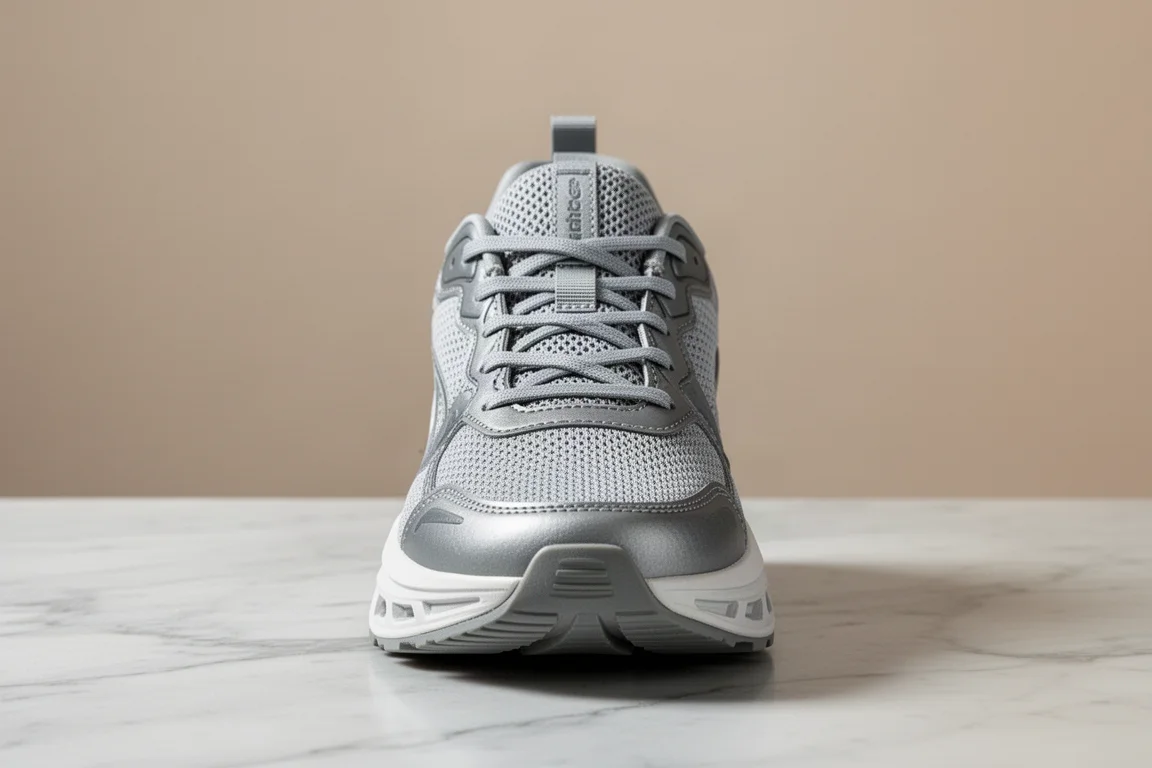
Counting the original Vaporfly 4% as version one, the Flyknit upper model as two, and the Vaporfly Next% models as three onward, this line has seen remarkably little real change. The midsole has stayed essentially the same, and the weight is almost identical every year.
The changes have mostly been in the upper, and not all for the better. The Flyknit upper of the Vaporfly 4% Flyknit was among the best ever made for racing comfort, and the Vaporweave on the first Next% was foot-hugging, light, and absorbed no water. The latest version’s upper is bulky around the toe area. By contrast, the Vaporfly Next% 2 toe box was generous, allowing a half size up with plenty of flexibility but not too much height.
Durability of the midsole has improved somewhat, and the outsole is slightly better this time around, though there are still reports of outsole rubber failing mid-run. Overall, the same materials get rejigged each cycle, and soft sales of the Vaporfly 3 suggest buyers noticed.
Adidas Takumi Sen: The Sequel Done Right
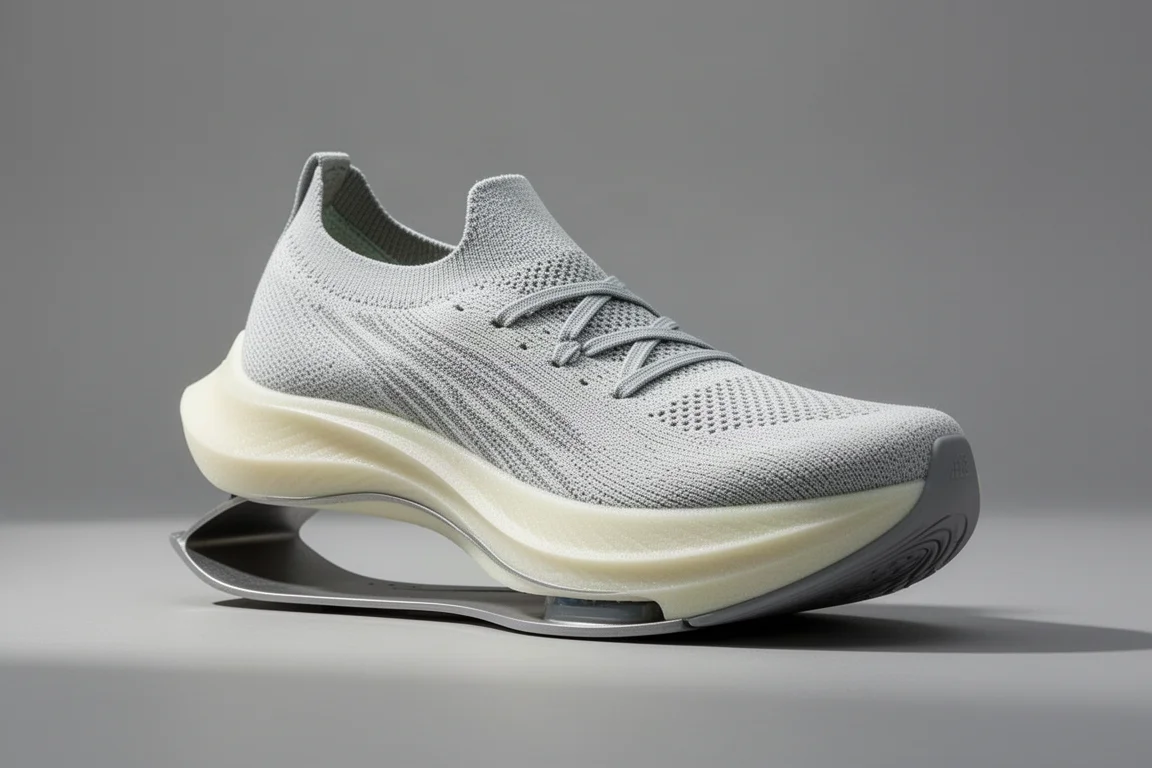
The Takumi Sen series has transformed almost completely across versions. The Sen 6 and earlier had a race-flat feel with a glove-like narrow upper and traction suited to track use. Today’s Sen is a refined short-range road racer, with coarse flat rubber traction and a midsole that is essentially a scaled-back version of the Adios Pro series using Lightstrike Pro foam.
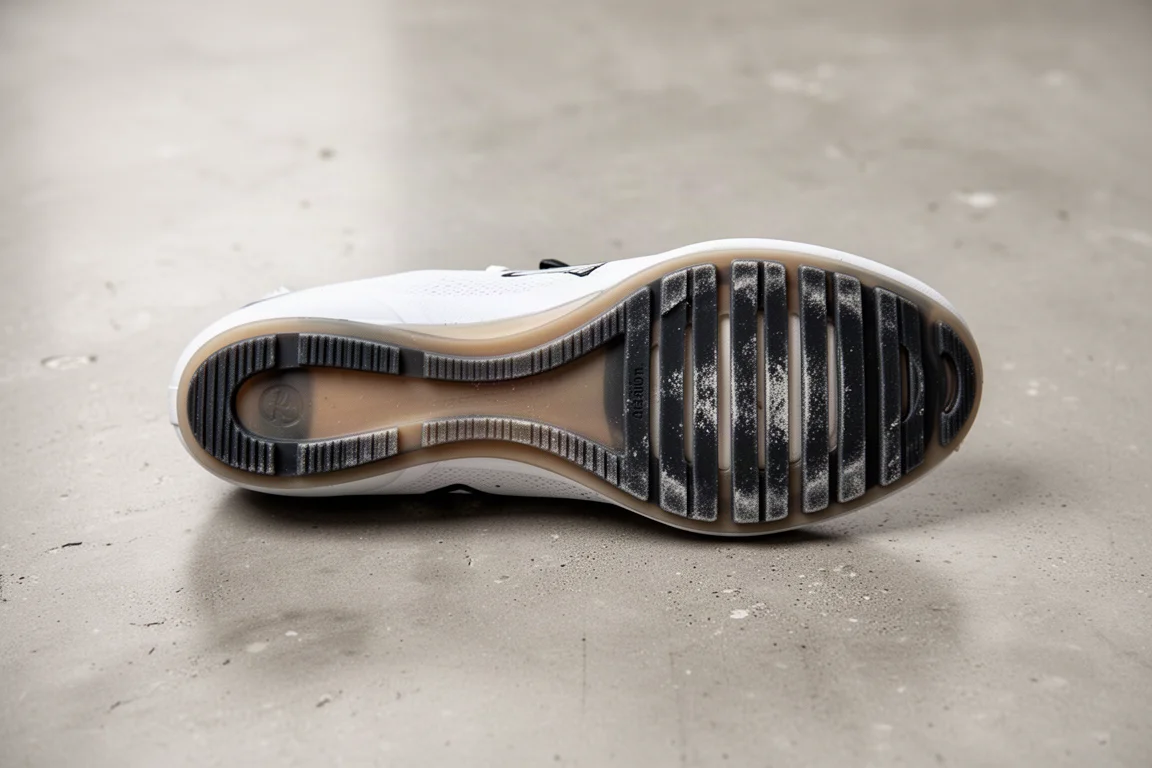
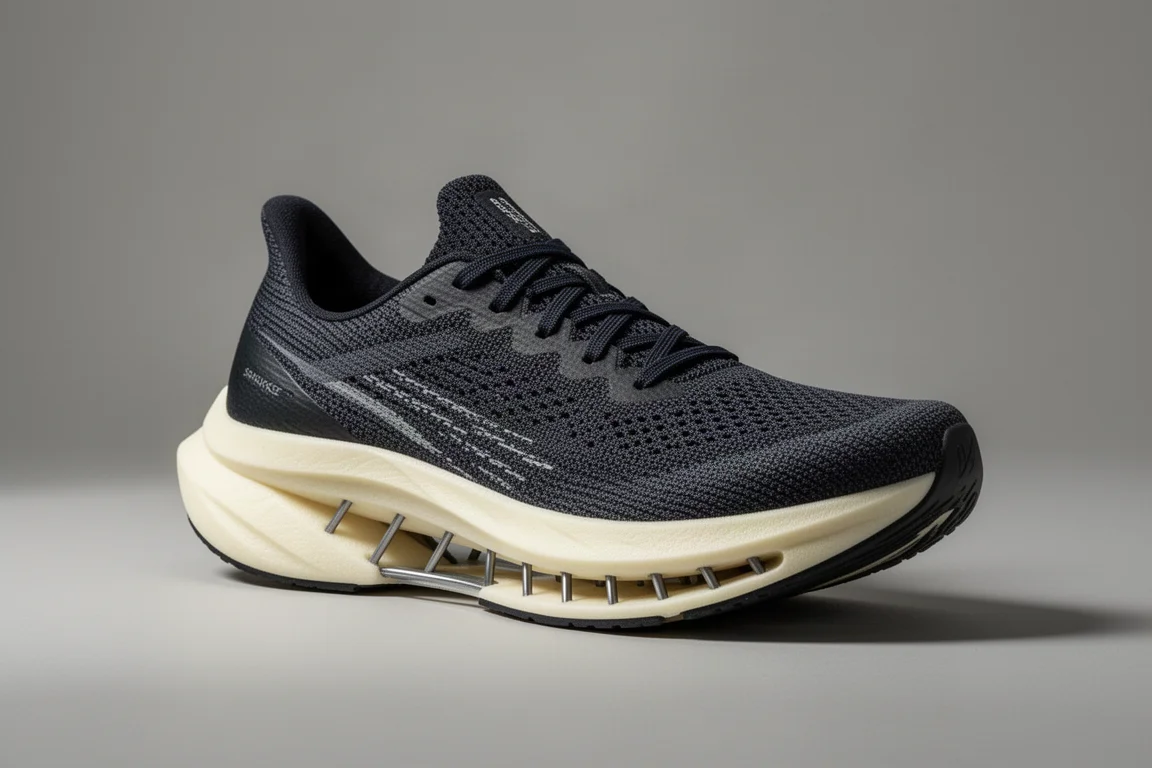
That shift moved it away from dedicated track use, but it made the shoe far more versatile: usable daily, for speed sessions, and for racing. It is one of the most versatile and exciting models on the market right now, and the changes across recent versions have been subtle and well judged, each one making the shoe better.
Buying Advice
Across these six lines, the pattern is clear. Sequels work when they respond to what runners actually want, as the Gel Nimbus has with its move toward max cushion, and as the Takumi Sen has with its thoughtful repositioning. They disappoint when they change for the sake of change, as with the Invincible Run 3 and the heavily repackaged Vaporfly, or when they drift away from what made the original special, as with the Endorphin Speed.
Before buying the newest version of a shoe you loved, check what actually changed. If the midsole and fit philosophy are untouched, you may be paying full price for the same shoe. And if the latest version gets worse reviews than its predecessor, the previous version is often available at a discount and may be the smarter buy.
Conclusion
Not every sequel deserves your money. The Takumi Sen and Gel Nimbus show brands evolving with purpose, while the Pegasus shows a formula kept deliberately static. The Invincible Run 3, Endorphin Speed V3, and recent Vaporfly Next% versions are reminders that newer is not always better, and that the original is sometimes still the one to hunt down.
Further reading
Related Reviews

Running Shoes
Best Road-to-Trail Running Shoes: Three Versatile Options for Mixed Terrain
A practical guide to three road-to-trail running shoes that handle both pavement and mild trails, with clear strengths and trade-offs for different runner types.

Running Shoes
Best Running Shoes for Achilles Tendonitis: Three Options Explained
Three running shoes with different heel drops and support features designed to help reduce Achilles tendon pain during walking and running.

Running Shoes
Best Running Shoes for Women: Five Top Choices Ranked
A ranked guide to five women's running shoes, from versatile daily trainers to high-performance racing options, with real strengths and trade-offs for each.