Running Shoes
9 Running Shoes on Our Test Bench This Season
From plush trail cruisers to a reworked Wave Rider, nine running shoes worth a closer look, with honest notes on fit, feel, and who each pair suits.
Introduction
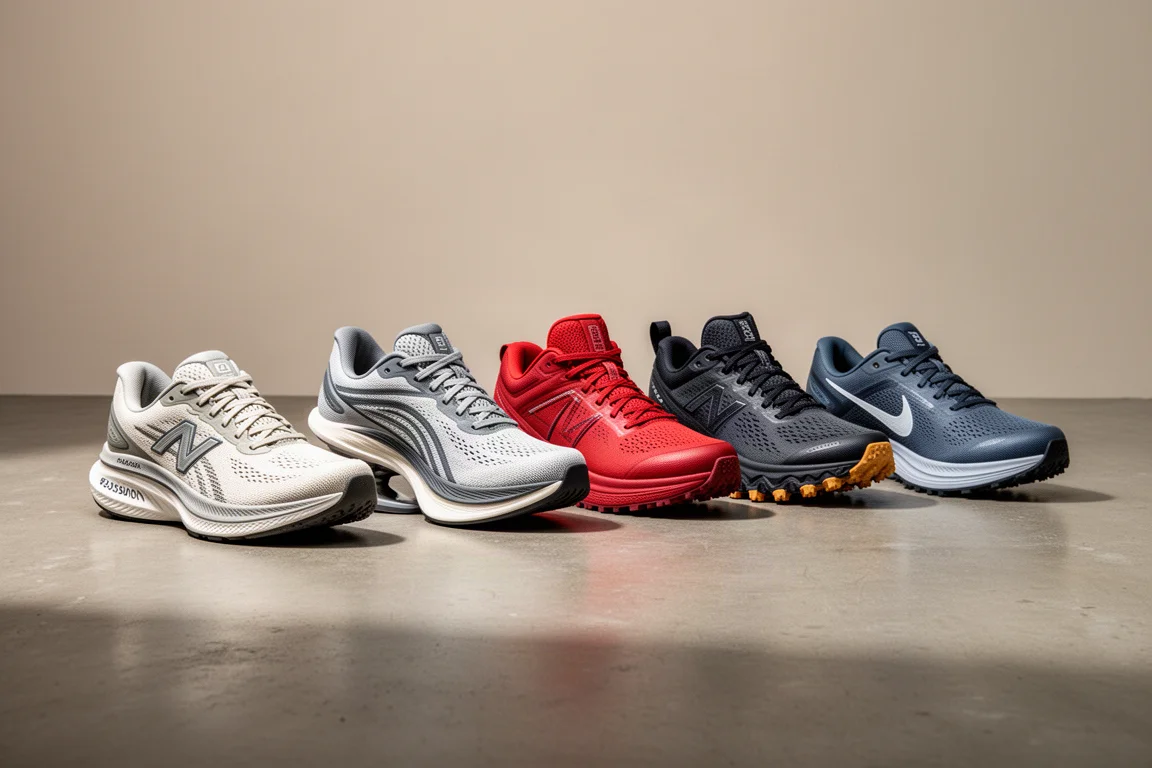
A fresh batch of running shoes has been rotating through testing, spanning plush trail cruisers, daily road trainers, a stability option, and a couple of newer silhouettes still finding their identity. Here is a rundown of each pair, what stands out, and who each shoe makes sense for.
Topo Ultraventure 5
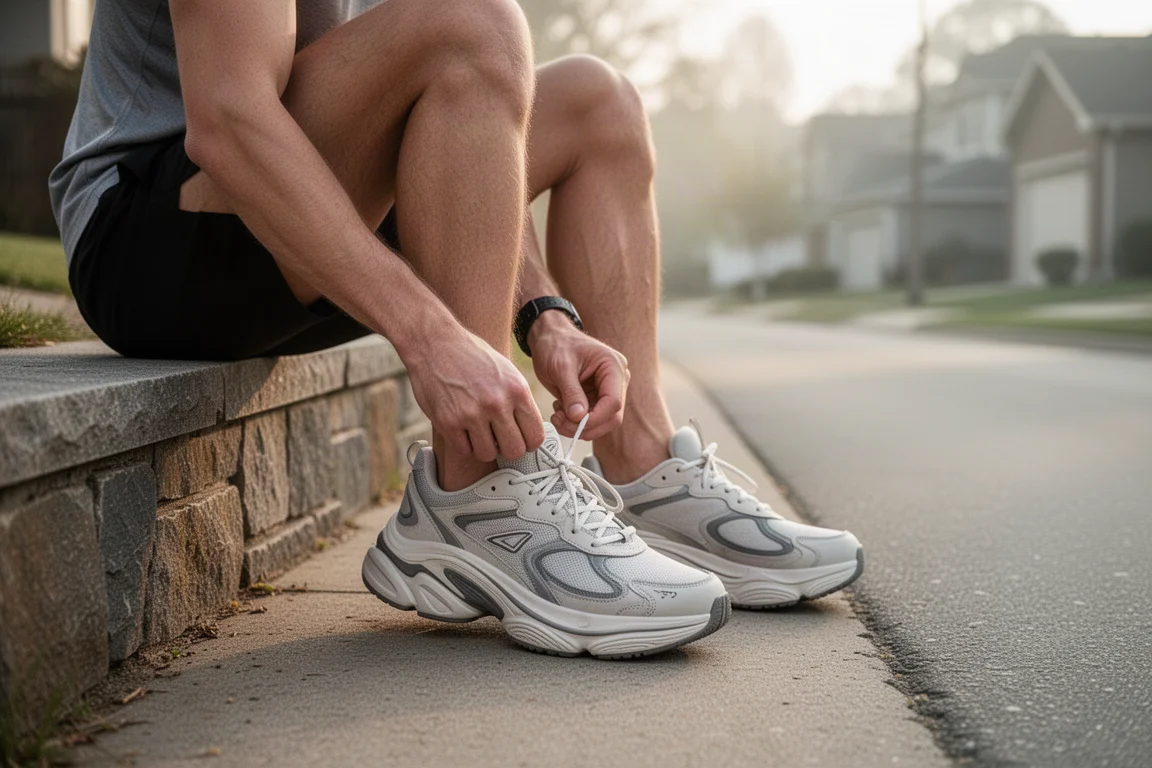
The Ultraventure 5 runs 35 mm in the heel and 30 mm in the forefoot, with a listed weight around 10.7 oz. The shallow, widely spaced lugs make this a road-to-trail and runnable-trail shoe rather than a technical singletrack tool, well suited to long, easy outings, hiking, and mixed surfaces.
The real story is the Zipfoam midsole. This is one of the first Topo Zipfoam builds that genuinely feels plush rather than firm and protective, landing right in the middle of the soft category: not mushy, not firm. Combined with a steady rocker and the shallower lugs, it creates one of the more comfortable all-purpose trail shoes of the year. For walkers, hikers, and runners who want a single shoe for varied, non-technical terrain, it is a strong pick.
Topo Ultraventure 5 GTX
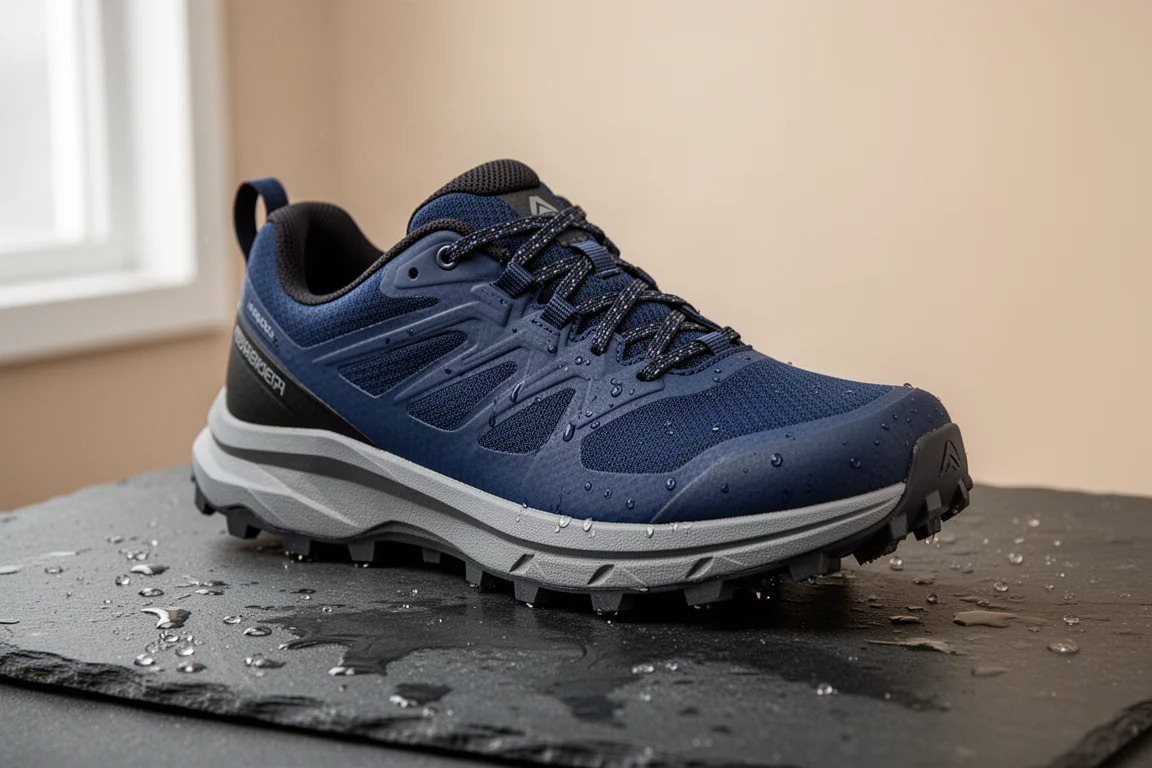
The Gore-Tex version of the Ultraventure 5 earned its waterproof claim in unglamorous testing: a full shower soak that left both feet and insole completely dry. If you liked the standard version and need a waterproof option for wet weather, the GTX variant does the job the Gore-Tex label promises.
Salomon Aero Blaze 4
The Aero Blaze 4 has only just arrived, so impressions are early. The Aero Blaze 3 was a shoe full of energy with one big problem: a midfoot platform that felt unstable, with intrinsic foot muscles working overtime. The 4 has not been widened much, but a redesigned upper brings more security, and it feels slightly better straight out of the box.
Two relevant data points: the Aero Blaze Gravel fixed much of the original’s instability by firming up the platform, and the previous version caused repeated ankle rolls for one tester with known ankle instability. If lateral stability has been a concern for you, approach with care until more miles confirm the update.
Hoka Clifton Pro
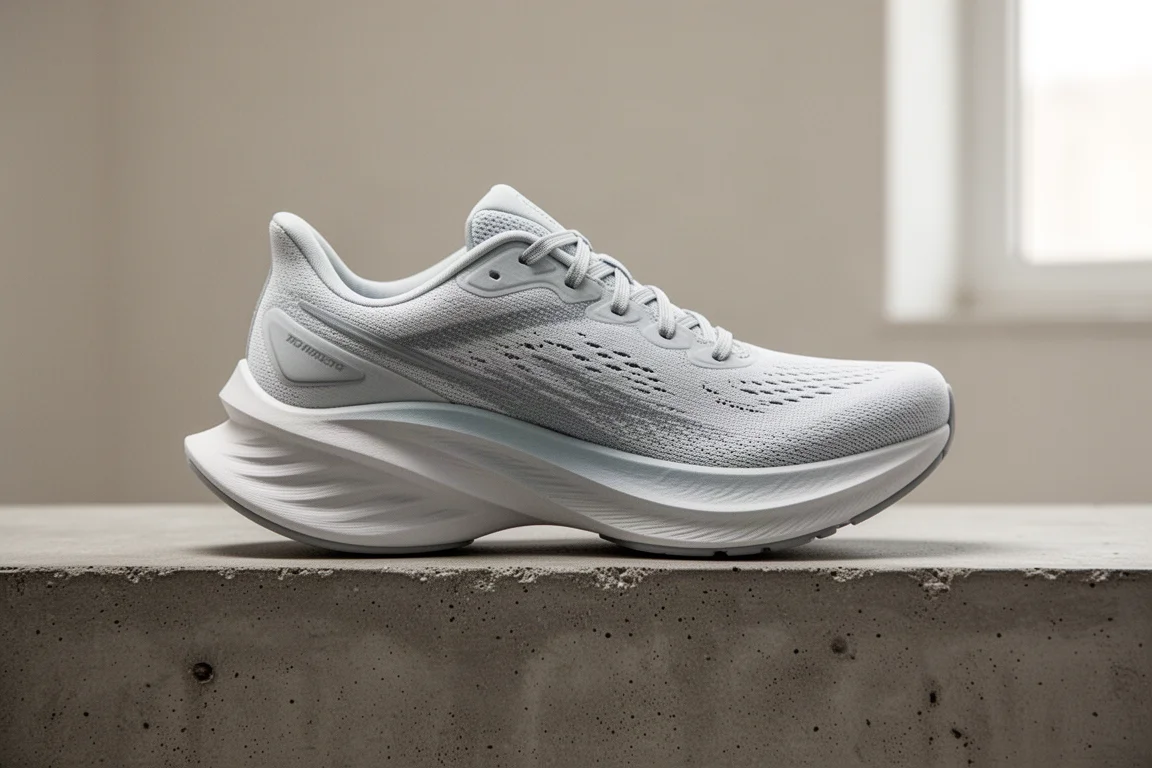
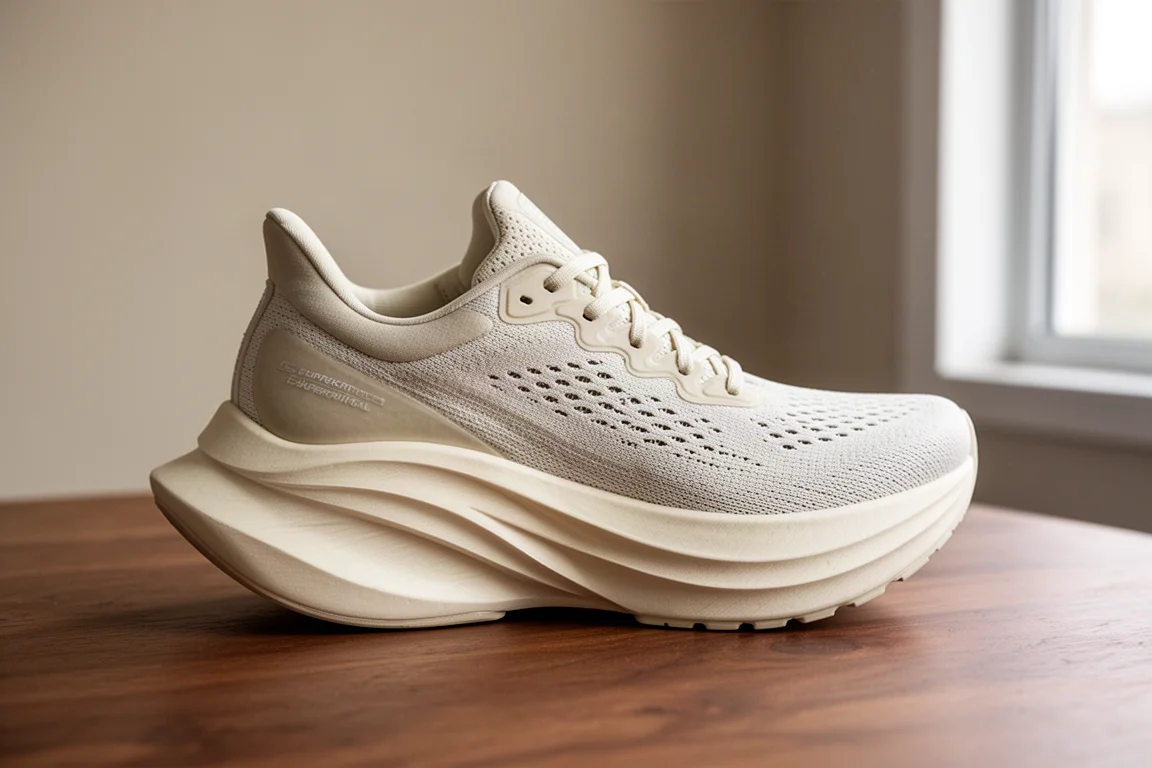
Despite the name, the Pro tag is misleading. This is not a racing shoe or even clearly a progression of the Clifton. It uses super critical EVA in a platform similar in stack and weight to the regular Clifton 11, adding only about a tenth of an ounce, and it leans firmer and slightly more rigid through the forefoot.
After a couple of weeks of heavy testing, it has been one of the favorite trainers of the season: rhythmic, simple, and protective even on a long run pushed down toward half marathon pace. It recalls the denser, more responsive feel of the Clifton 9 before the 10 went airier, and the super critical EVA looks likely to outlast the standard Clifton foam. Runners who like firmer, bouncier trainers will get the most out of it.
Hoka Clifton 11
The Clifton 11 is arguably the best Clifton in quite a while. The rocker is done better than before, the upper is more spacious, and it feels like a genuine update rather than a reshuffle. With a slightly higher drop similar to prior versions and the more compliant midsole, it is the softer, roomier counterpoint to the Pro.
For most runners, it will come down to preference: the 11 for a plusher, more familiar daily trainer, the Pro for a firmer, more durable rhythm shoe.
Topo Ora 2
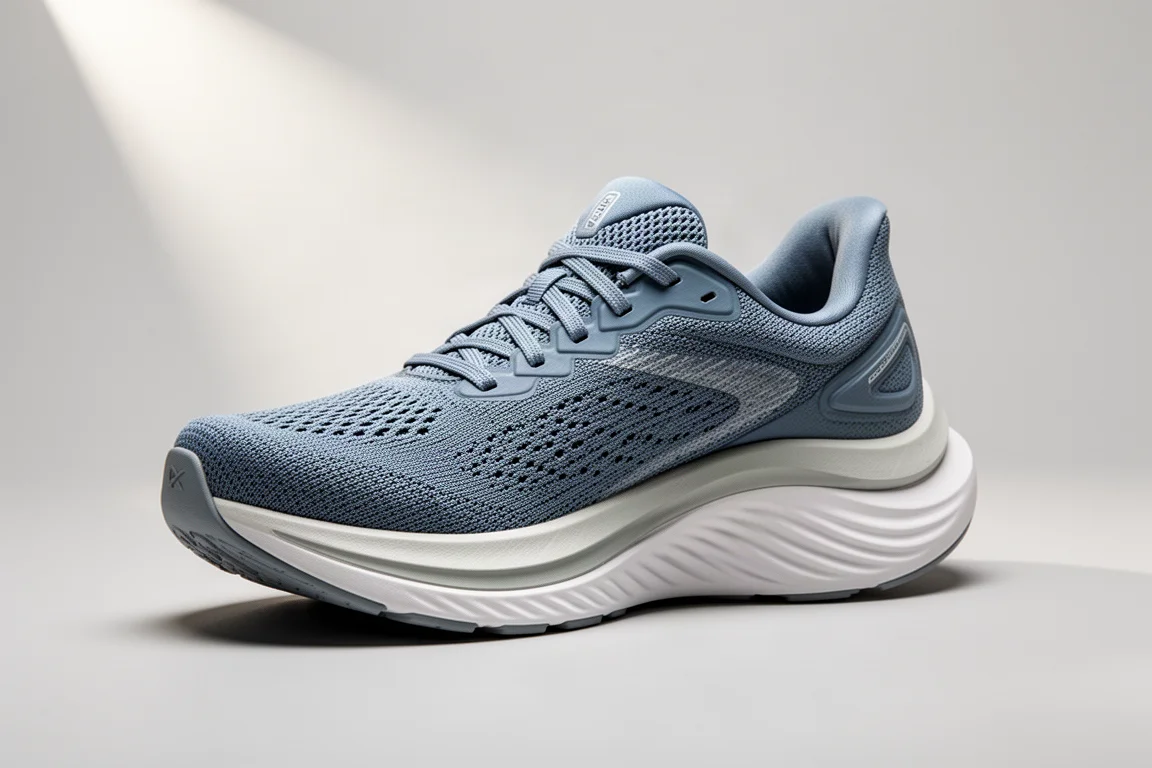
The Ora 2 carries over most of what made the original popular. As a stability shoe, the first Ora was excellent for standing and walking, decent for running, and a bit heavy, delivering a smooth, rhythmic miles-collector feel rather than lively propulsion. That character largely continues here.
One refinement stands out: the forefoot rocker feels sharper than before, in a good way, smoothing out each step. The Ora line has become a genuine go-to for easy running and all-day wear, and its regular appearance in physical therapy clinics speaks to how comfortable people find it.
Brooks Hyperion Elite 6
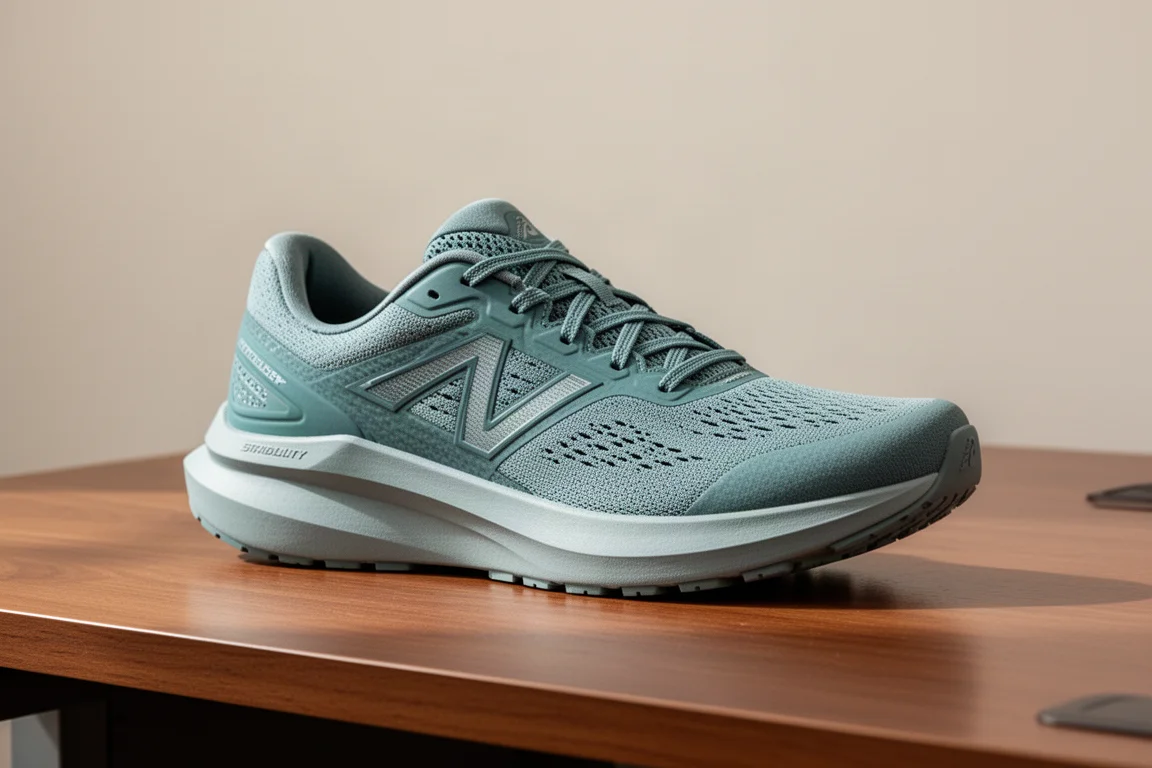
The Hyperion Elite 6 is still waiting on full testing, so verdicts are premature. One interesting note: visible differences in the plate design have appeared between early samples, raising questions about what the final production version will look like. Racers in the market for this super shoe should watch for final-spec details before committing.
Mizuno Wave Rider 30
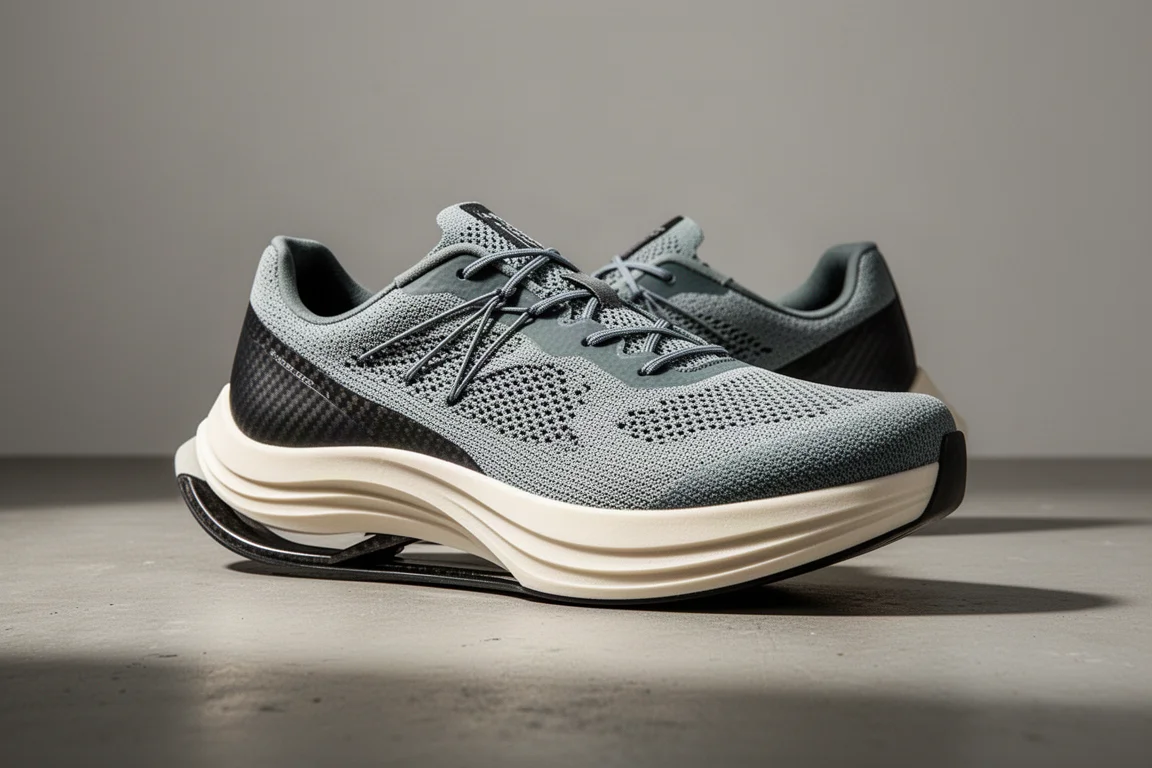
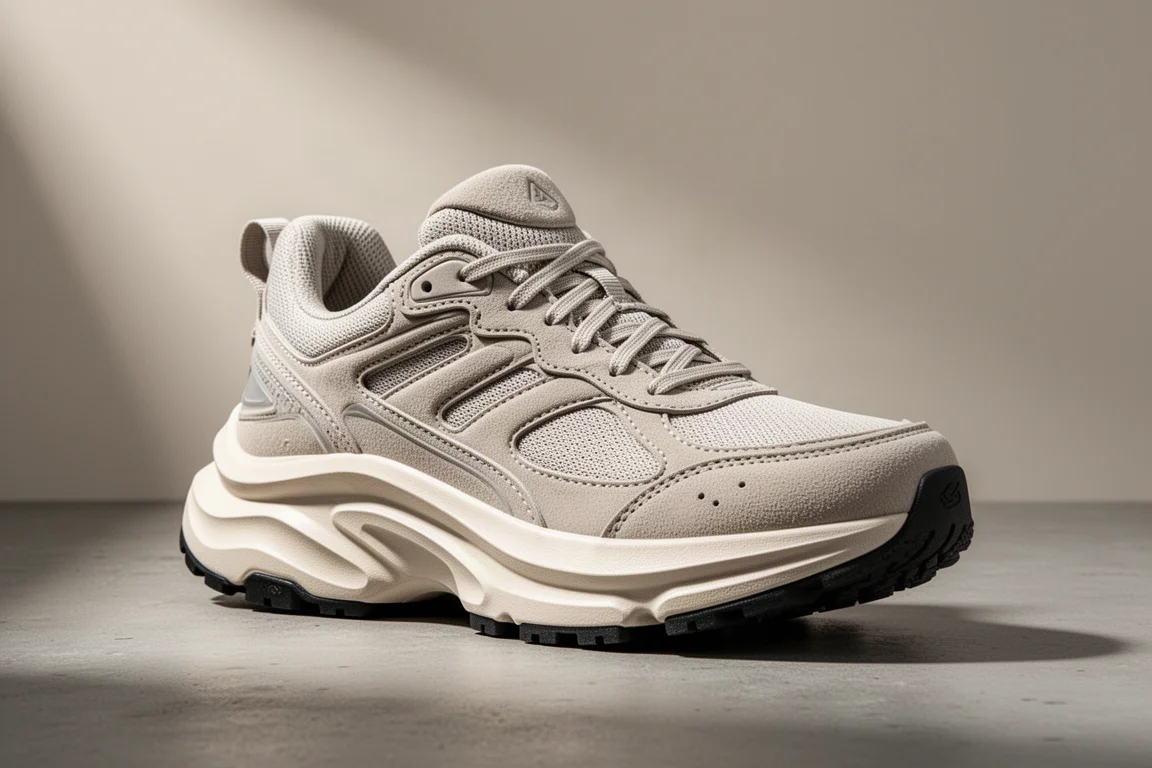
The Wave Rider 30 is a bigger overhaul of a beloved trainer. Mizuno Energy Next joins the midsole compound, stack rises to 42.5 mm in the heel, drop drops from 12 mm to 8 mm, and the rocker geometry is sharper than previous versions, though it still feels like a Wave Rider rather than an aggressively rockered shoe.
It is genuinely soft now, not just sort-of soft, yet surprisingly responsive when leaned into, and it weighs only a little over 9 oz. It is built to cruise, not to race, and one tester called it a favorite Wave Rider yet. Another tester struggled with the softness and the later rocker, sinking into the foam instead of getting up on it, plus a midfoot outsole cutout that dips off the ground under load. The lesson: the geometry has to match your mechanics.
At $150 for a training workhorse with this much stack and cushion, it is one of the better value propositions on the market right now, as long as it works for you.

Brooks Ghost Amp
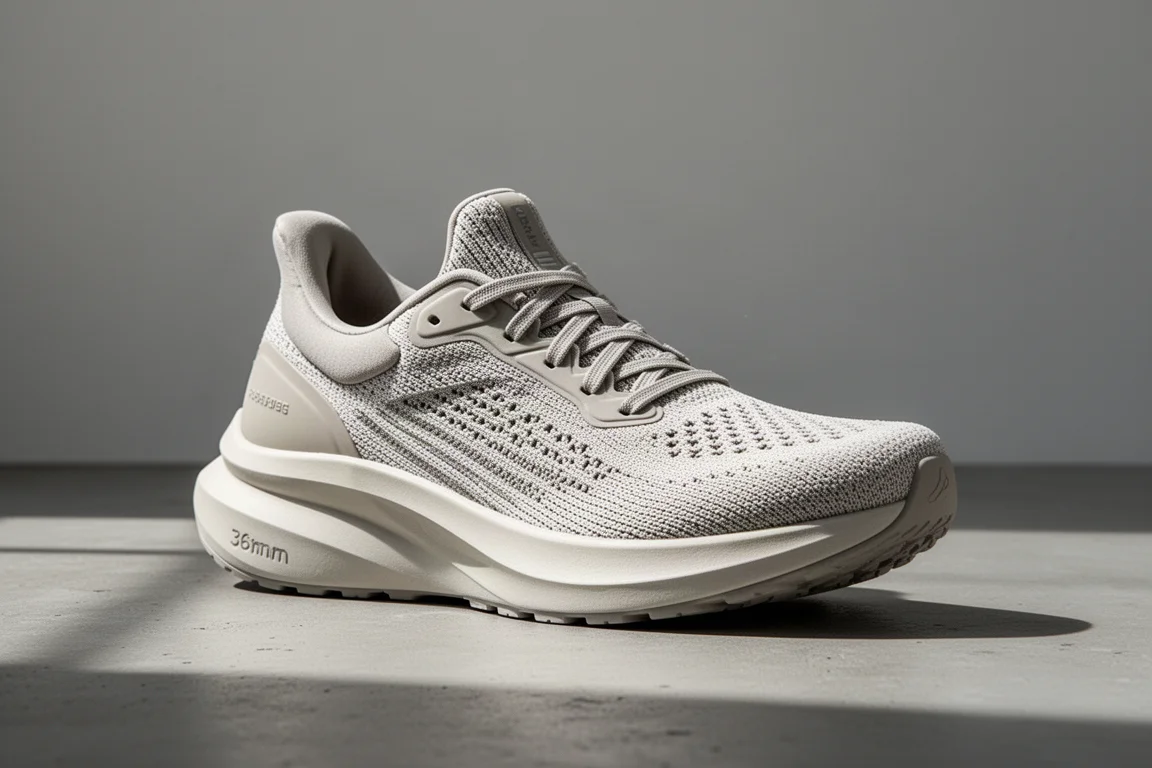
The Ghost Amp has only been worn around town so far, but early impressions are worth noting. It feels a little softer and more responsive than previous Ghosts, with a more flexible forefoot, and appears aimed at a slightly faster, amped-up space within the line.
The main caution is fit. The forefoot tapers a decent amount, and the snug shape dug into one tester’s little toe. That taper seems intentional given the performance intent, but runners with wider forefeet or high-volume toes should think twice or try before buying.

How to Choose Between Them
For wet-weather trail walking and hiking, the Ultraventure 5 GTX is the easy call. For plush, non-technical trail running, the standard Ultraventure 5 leads. On the road, the Clifton Pro and Clifton 11 split the firmer-versus-softer crowd, while the Wave Rider 30 offers a lot of shoe per dollar if the geometry agrees with you. Stability seekers should look at the Topo Ora 2, fast trainers should keep an eye on the Hyperion Elite 6’s final spec, and narrow-forefoot runners chasing a livelier Ghost will find the Amp interesting.
The recurring theme across this batch is that fit and geometry matter more than spec sheets. A shoe can be beautifully built and still wrong for your mechanics, as the Aero Blaze 4 and Wave Rider 30 both show. When possible, test with your own feet.
Conclusion
This round of testing covers an unusually wide range, from waterproof trail hikers to super shoe contenders. The Ultraventure 5 stands out as a plush trail bargain, the Clifton Pro has quietly become a favorite trainer, and the Wave Rider 30 is a strong value play. Match the shoe to your terrain, your mechanics, and your feet, and the right choice is usually obvious.
Further reading
Related Reviews

Running Shoes
Best Road-to-Trail Running Shoes: Three Versatile Options for Mixed Terrain
A practical guide to three road-to-trail running shoes that handle both pavement and mild trails, with clear strengths and trade-offs for different runner types.

Running Shoes
Best Running Shoes for Achilles Tendonitis: Three Options Explained
Three running shoes with different heel drops and support features designed to help reduce Achilles tendon pain during walking and running.

Running Shoes
Best Running Shoes for Women: Five Top Choices Ranked
A ranked guide to five women's running shoes, from versatile daily trainers to high-performance racing options, with real strengths and trade-offs for each.