Running Shoes
Running Shoe Roundup: Brooks Hyperion 2, Hyperion Max 2, On Cloudboom Strike and Adidas Ultraboost 5X
Four new running shoes, four quick verdicts. A closer look at updated midsole foams, big weight changes and asking prices that do not always add up.
Introduction
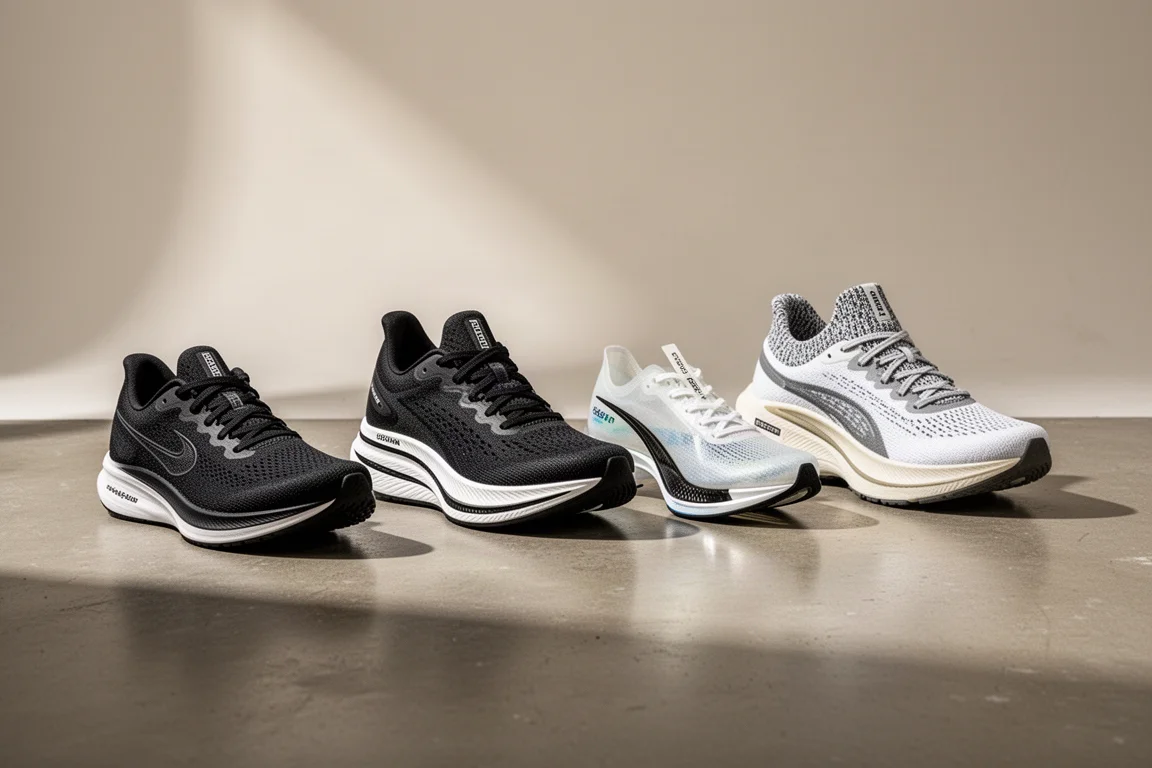
Four new arrivals, four quick verdicts. This roundup covers two updated Brooks trainers, a brand-new carbon race shoe from On, and the latest Adidas Ultraboost. The running theme across the group: updated midsole foams, noticeable weight changes, and asking prices that need some justification.
Quick verdicts up front: the Brooks Hyperion 2 is the most interesting of the four for everyday training, while the Hyperion Max 2, Cloudboom Strike and Ultraboost 5X all face stiff competition from cheaper or lighter alternatives.
Brooks Hyperion 2
The Hyperion 2 comes in at a claimed 201 g in the sample size with an 8 mm drop. That is a meaningful shift from the original Hyperion, which many runners felt rode closer to a 12 mm drop and more aggressively than the spec suggested. The lineup confusion of the previous generation, when the Hyperion Max was actually lighter than the standard Hyperion, also seems to be getting cleaned up.
The midsole moves to Brooks DNA Flash 2, described as a softer application this time around. The original DNA Flash was a responsive rather than plush ride: no squishy step-in feel, more of a firmer, less dense sensation that suited faster efforts. The new foam should soften that character, though it remains a shoe for runners who like a quick ride rather than a marshmallow daily trainer.
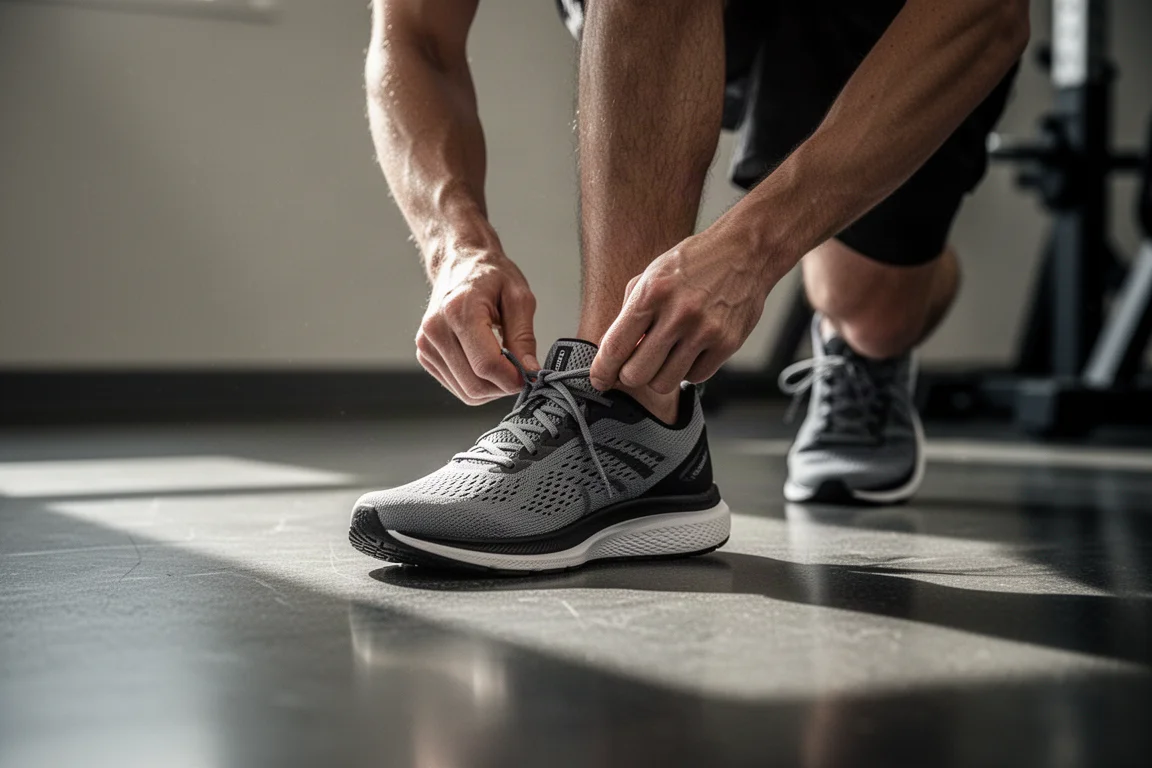
This is the shoe of the four with the clearest use case. It suits lighter-framed runners who want a responsive daily trainer that can also handle faster-paced sessions. The catch: both the Hyperion and Hyperion Max regularly appear at heavy discounts, which makes paying full price for the new version harder to justify. Of the two Brooks options here, this is the one to pick up first.
Brooks Hyperion Max 2
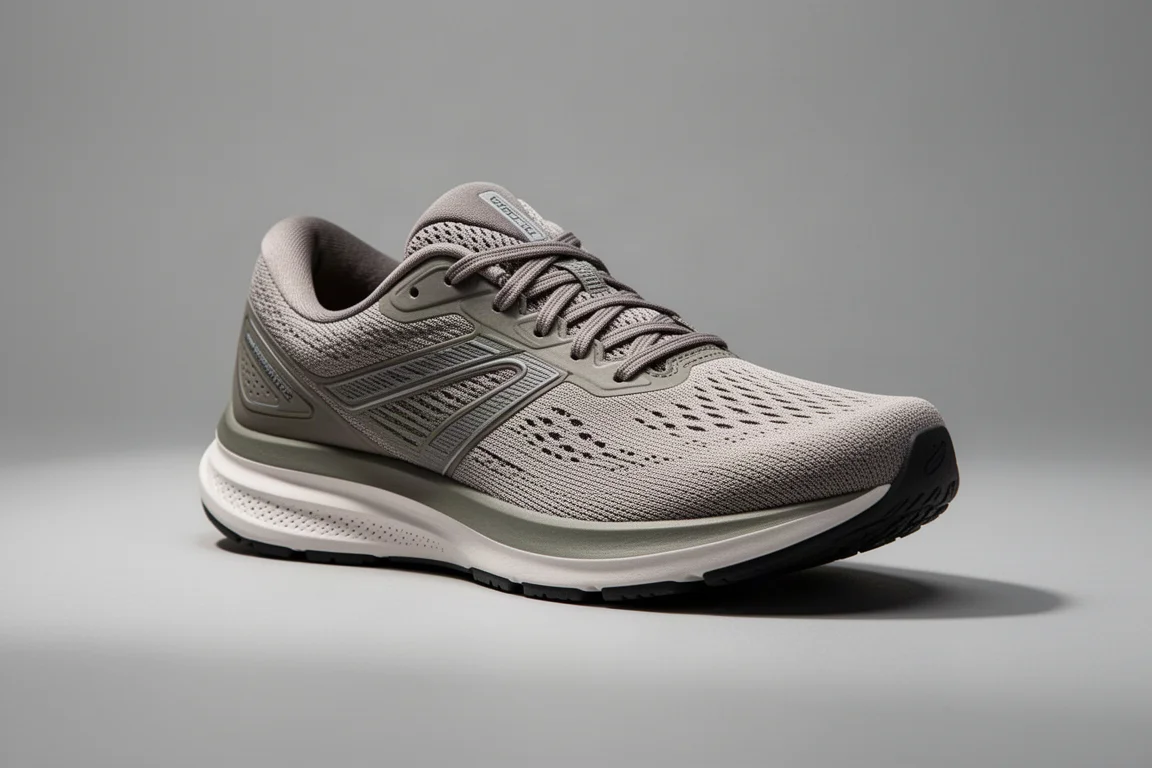
The Hyperion Max 2 has picked up considerable weight. The sample size comes in at 251 g, against around 245 g in the reviewer’s larger size for the original Hyperion Max, so the real-world increase for bigger sizes could be substantial. That may partly come down to the two-part midsole split, where bonded layers and glue add mass, plus a plusher heel area and excess midsole material creeping up around the midfoot.
Brooks appear to be pushing the two models further apart this time. The thinking seems to be that the Hyperion 2 has become what the Hyperion Max used to be, while the Hyperion Max 2 sits closer to a trainer version of the Hyperion Elite 4.
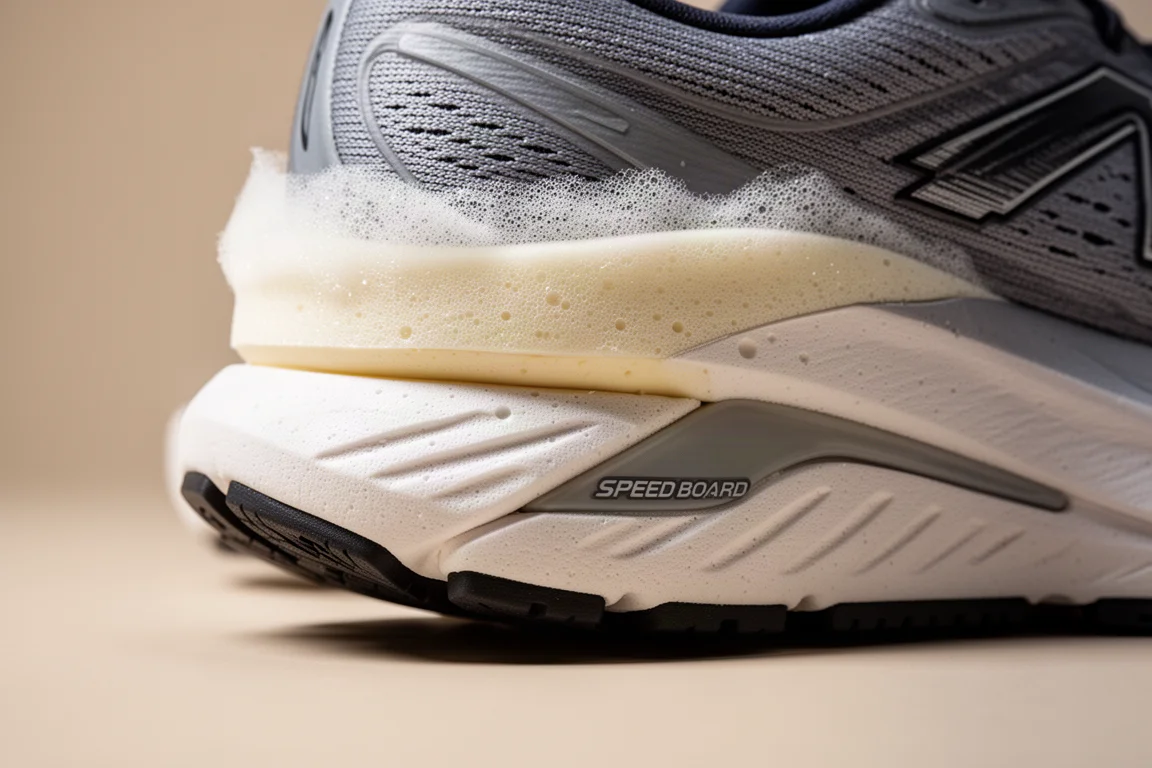
The problem is the competition. Shoes like the Asics Superblast 2 offer huge cushioning without the weight, and options like the Saucony Endorphin Speed 4 and Adidas Boston 12 deliver strong performance at lower prices. Against that field, the extra grams and price make this a tough sell. If you want a new Brooks, the Hyperion 2 is the safer pick.
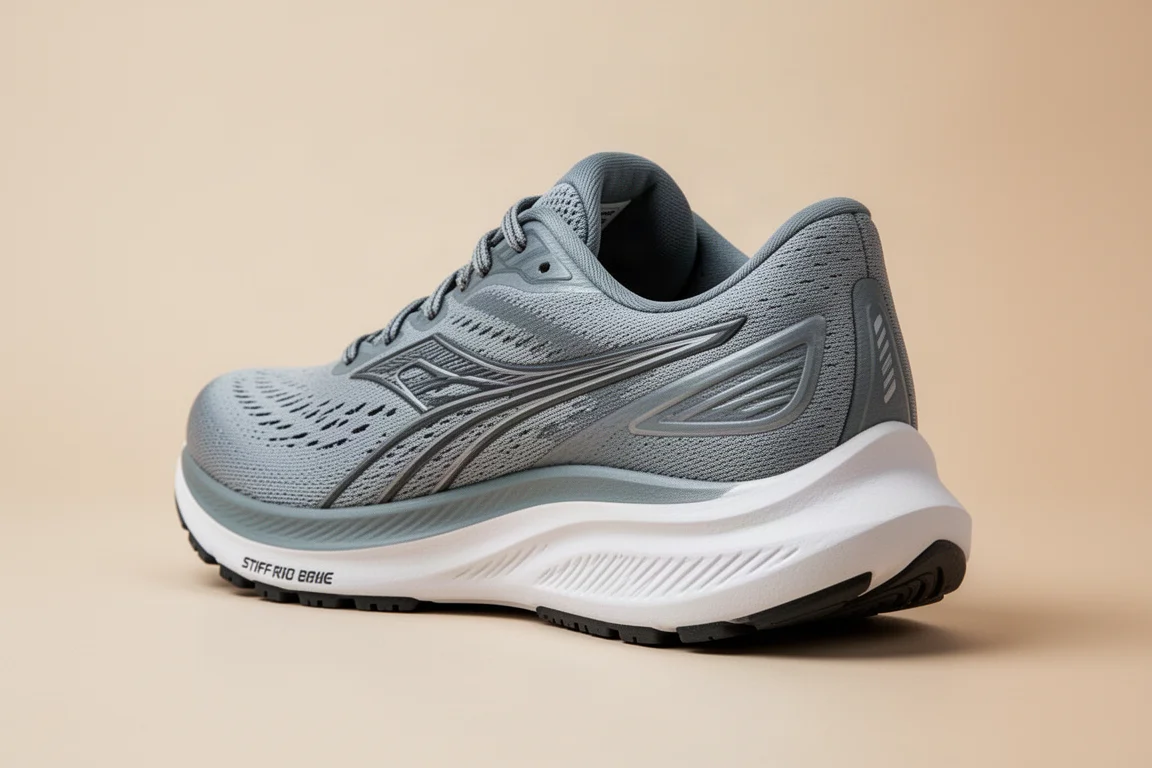
On Cloudboom Strike
On’s new race shoe drops the brand’s familiar CloudTec pods and Cloudphase technology entirely. Instead, the Cloudboom Strike is a carbon-plated shoe with a 4 mm drop and a very flexible, thin upper. It also features a drop-in style midsole, an element more commonly seen in basketball shoes, now appearing inside a running shoe for one of the first times.
The asking price is the sticking point: around £260. Plenty of carbon race shoes exist, but few cost that much. The Puma Deviate Nitro Elite 3, widely regarded as excellent, comes in under £200. The Nike Alphafly 3 sits not far off that price and is widely available, and discounted Saucony Endorphin Elite pairs cost well less. The Asics Metaspeed Sky Paris, at around £220, is another strong benchmark.

There are some durability questions too, with the small cutout CloudTec elements in the heel reportedly using lower-durability rubber. Without a confirmed weight, and with cheaper race shoes performing so well, this is an expensive gamble that most runners are unlikely to take on a whim.
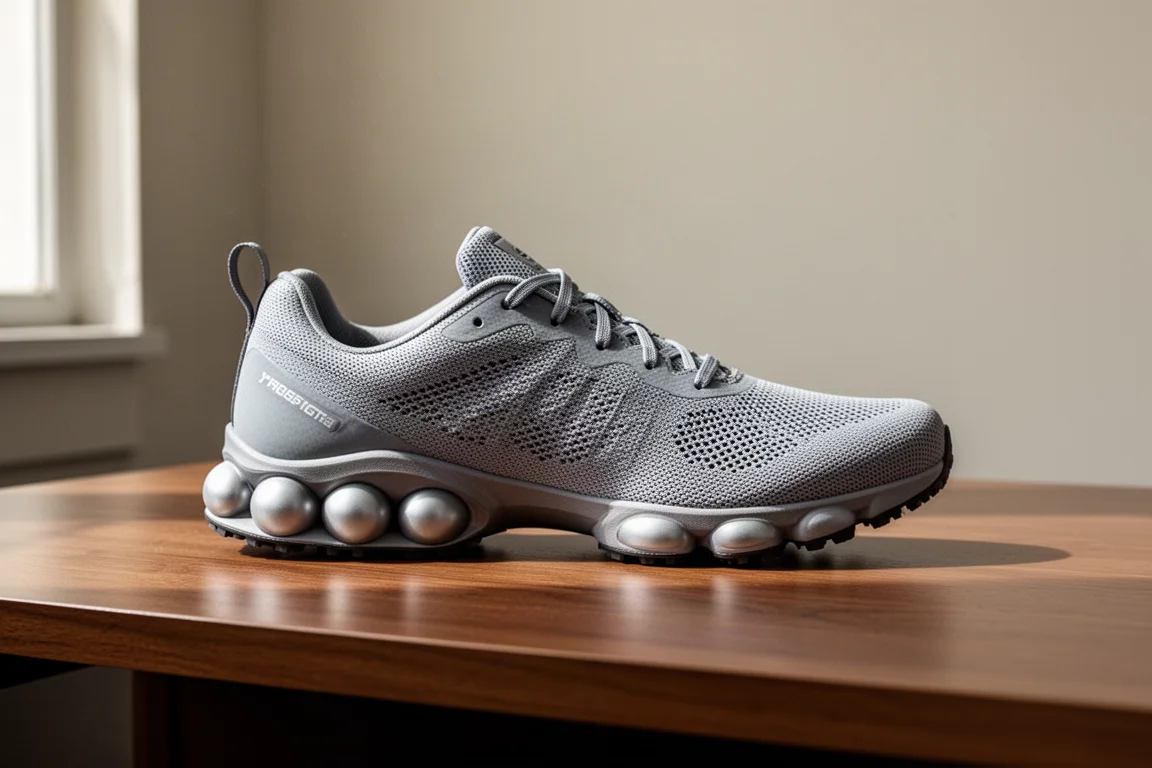
Adidas Ultraboost 5X
The Ultraboost has always lived on the line between lifestyle and running, and the 5X continues that tradition. It gets a brand-new Lightstrike midsole construction, claimed to be 30 percent lighter with more energy return, though Adidas has placed more of the foam in the shoe, which offsets the weight benefit. The result is still a chunky shoe at 292 g in the sample size, likely well over 340 g in larger sizes. That puts it in the territory of Saucony’s PWRRUN PLUS shoes like the Ride 17 or Triumph 21.
Familiar Ultraboost elements remain: the Primeknit upper, a fairly stiff lacing system and a molded external heel counter. The Continental rubber outsole remains a genuine highlight, and it is a shoe that has comfortably handled half marathons in past versions.
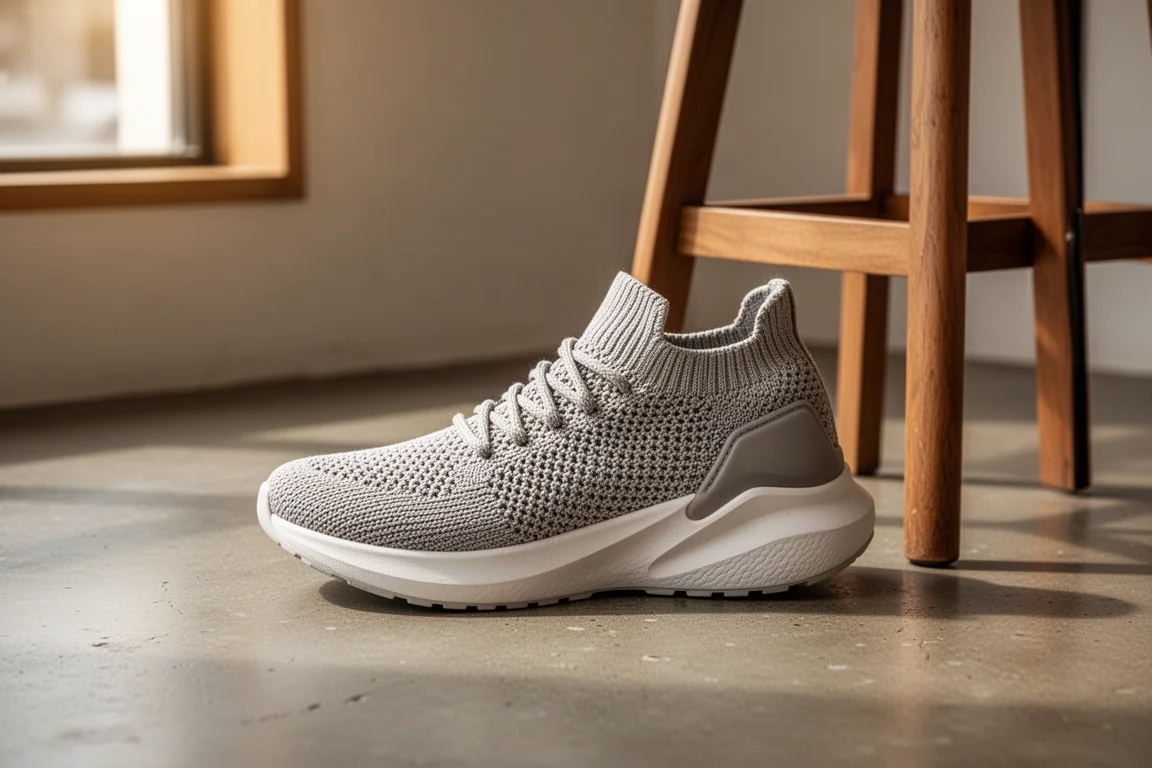
At around £160, it sits alongside shoes like the Ride 17 or Triumph 21. For casual joggers who want impact protection, a bit of style, and something that cleans up nicely for everyday wear, it can work. For anyone building a serious training rotation, it is simply too heavy, and alternatives like the Adidas Adizero SL2 do the running-job better for less.
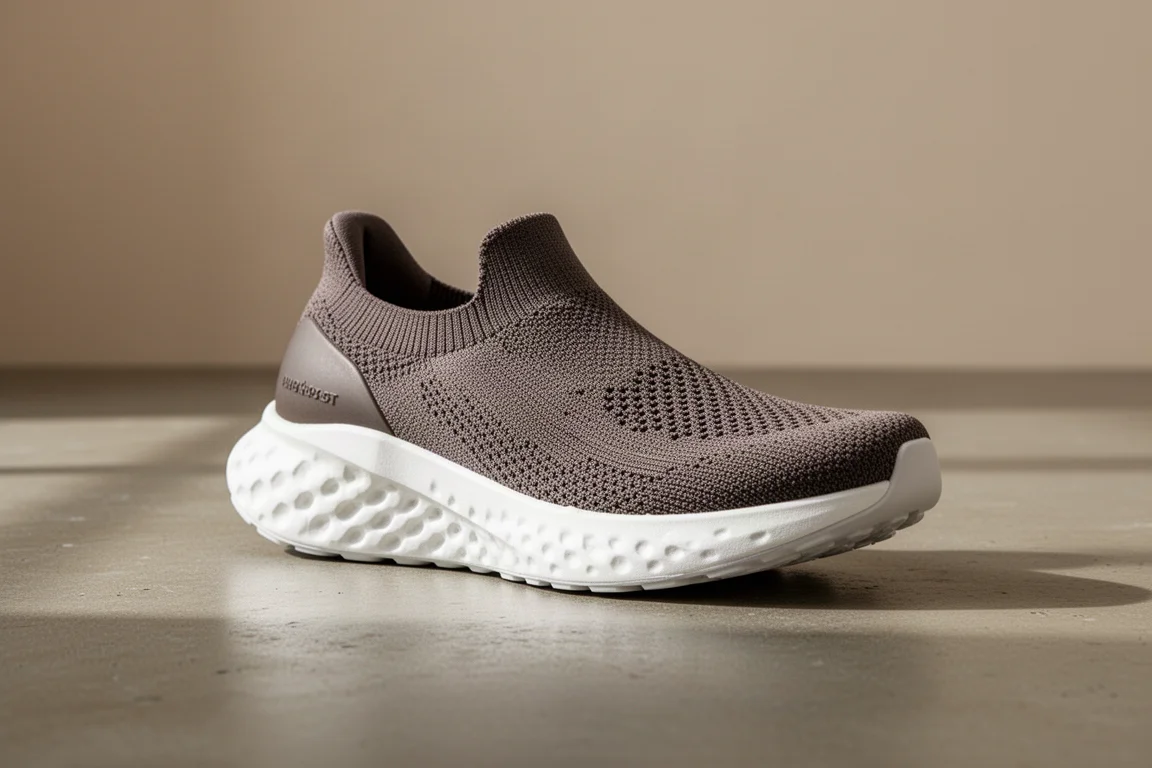
Buying Advice
The pattern across this roundup is a familiar one: daily trainers creeping up in weight as brands add elements that were not strictly necessary. If you are choosing from this group, the Hyperion 2 makes the most sense for responsive daily training and faster efforts, especially for lighter-framed runners. Wait for a discount if you can. The Hyperion Max 2, Cloudboom Strike and Ultraboost 5X each have stronger, cheaper rivals in their respective categories, so approach with caution unless a sale changes the math.
Conclusion
Four shoes, one clear winner on use case: the Brooks Hyperion 2 for runners who want a light, responsive trainer. The Hyperion Max 2 gains too much weight, the Cloudboom Strike asks too much money against proven race shoes, and the Ultraboost 5X remains more lifestyle than performance. That is the roundup, and the shoe market being what it is, discounts will likely change some of these verdicts within a few months.
Further reading
Related Reviews

Running Shoes
Best Road-to-Trail Running Shoes: Three Versatile Options for Mixed Terrain
A practical guide to three road-to-trail running shoes that handle both pavement and mild trails, with clear strengths and trade-offs for different runner types.

Running Shoes
Best Running Shoes for Achilles Tendonitis: Three Options Explained
Three running shoes with different heel drops and support features designed to help reduce Achilles tendon pain during walking and running.

Running Shoes
Best Running Shoes for Women: Five Top Choices Ranked
A ranked guide to five women's running shoes, from versatile daily trainers to high-performance racing options, with real strengths and trade-offs for each.