Running Shoes
How to Build a Running Shoe Rotation: The Best Shoes for Every Category
From daily trainers to race-day supershoes, trail grip, and track spikes, a practical six-category guide to building a rotation that helps you run stronger and enjoy it more.
Introduction
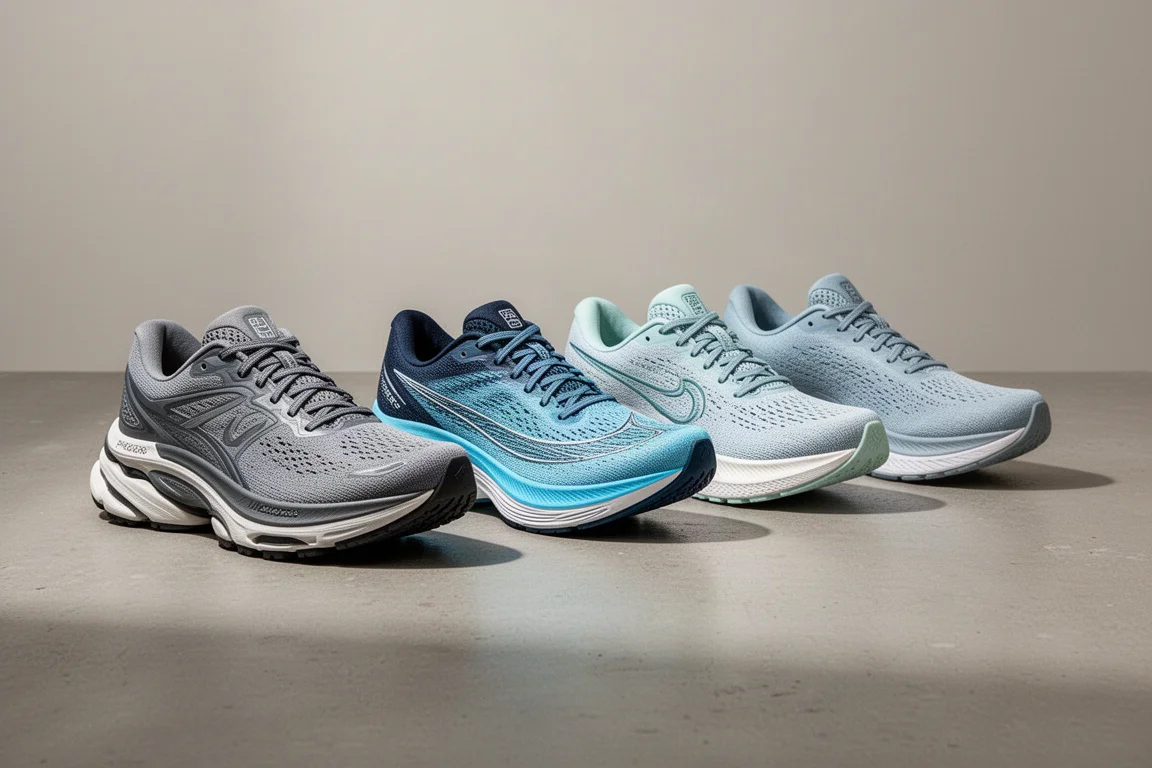
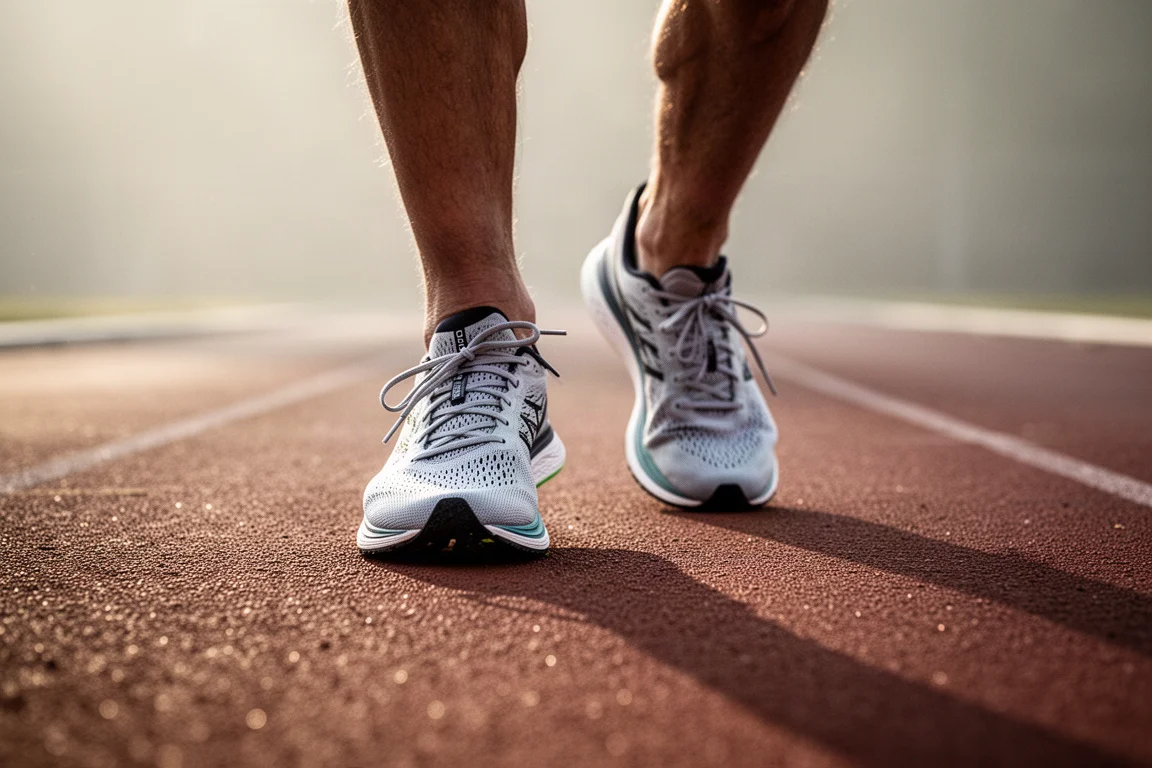
Running in one pair of shoes for every type of run is like using one tool for every job. It works, but it is rarely the best option. A small rotation of purposeful shoes can make your easy runs feel better, your workouts sharper, and your race day faster. This guide breaks the rotation into six categories: daily shoes, workout shoes, race shoes, recovery shoes, trail shoes, and track shoes, with a practical pick in each.
Why Build a Shoe Rotation?
There are three main reasons to rotate. First, it is genuinely enjoyable to run in different shoes, and variety keeps training fresh. Second, giving each pair rest between runs may help the midsole last longer, which matters when you are covering serious mileage. Third, and most convincingly, rotating between different shoes may help strengthen your feet and lower legs, since each shoe loads your body slightly differently and stops your muscles from getting lazy in one movement pattern.
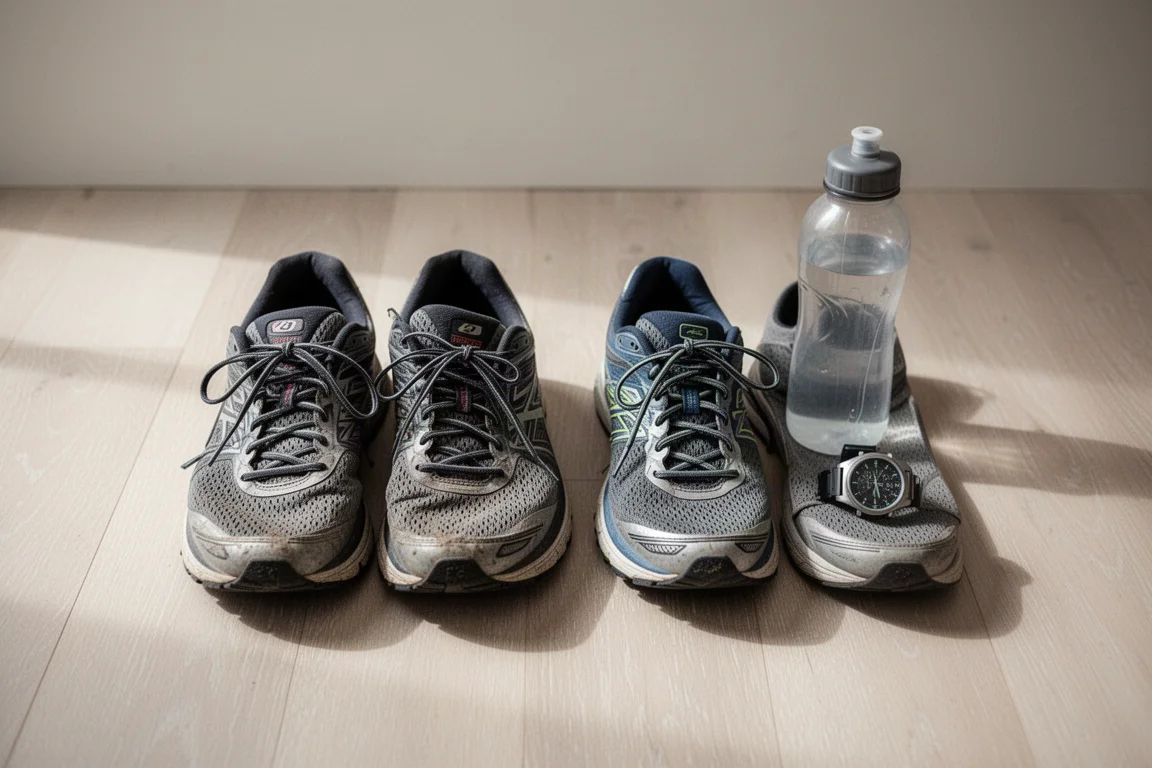
The most important point: you do not need all of these shoes. Start with one solid daily trainer that can do almost everything well, then add categories only as your budget and enthusiasm grow. A two-shoe rotation already covers most runners’ needs, and each extra pair is a nice-to-have, not a requirement.
Daily Shoes: The Foundation of Every Rotation
A daily trainer should handle easy runs, steady runs, and, if you are newer to running, even workouts and races. It will not match a dedicated racer, but it should be versatile and reasonably priced.
Reebok Floatride Energy 3
A very affordable daily option that punches above its price. If you want to start a rotation without spending much, this is a sensible first step.
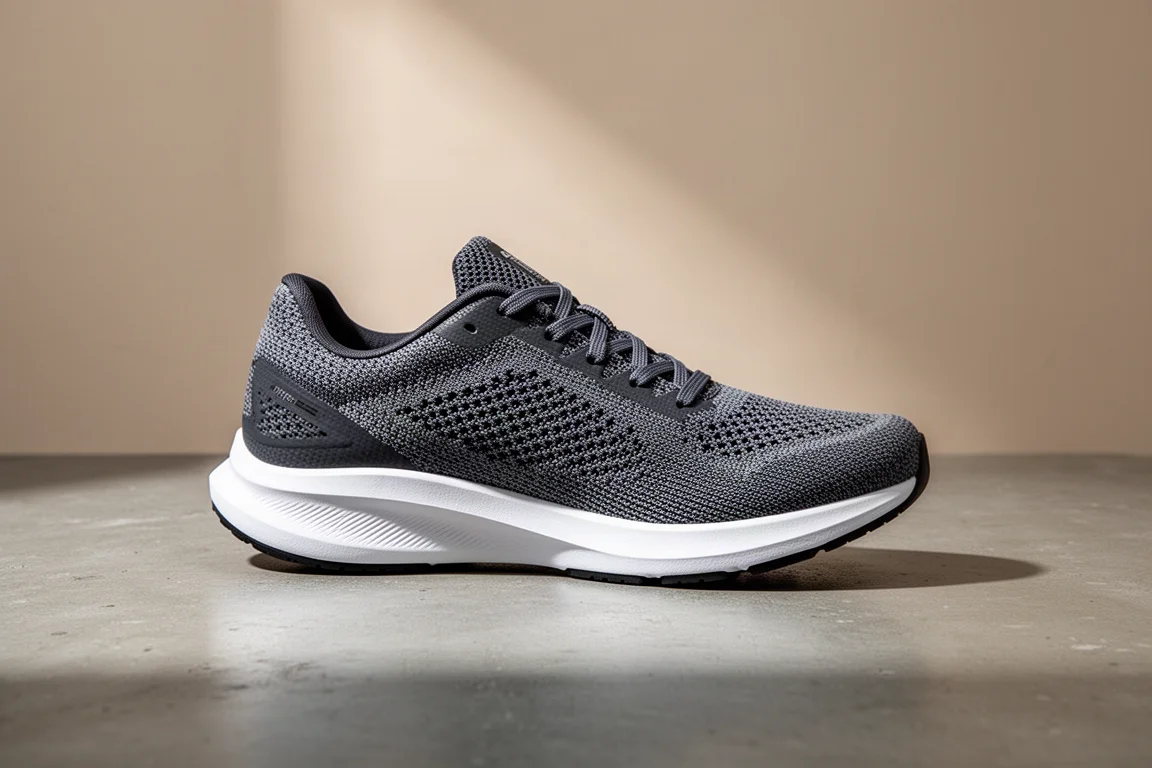
Nike Pegasus 38
Not quite to everyone’s taste, but a solid, dependable, affordable workhorse that has earned its long-standing reputation.
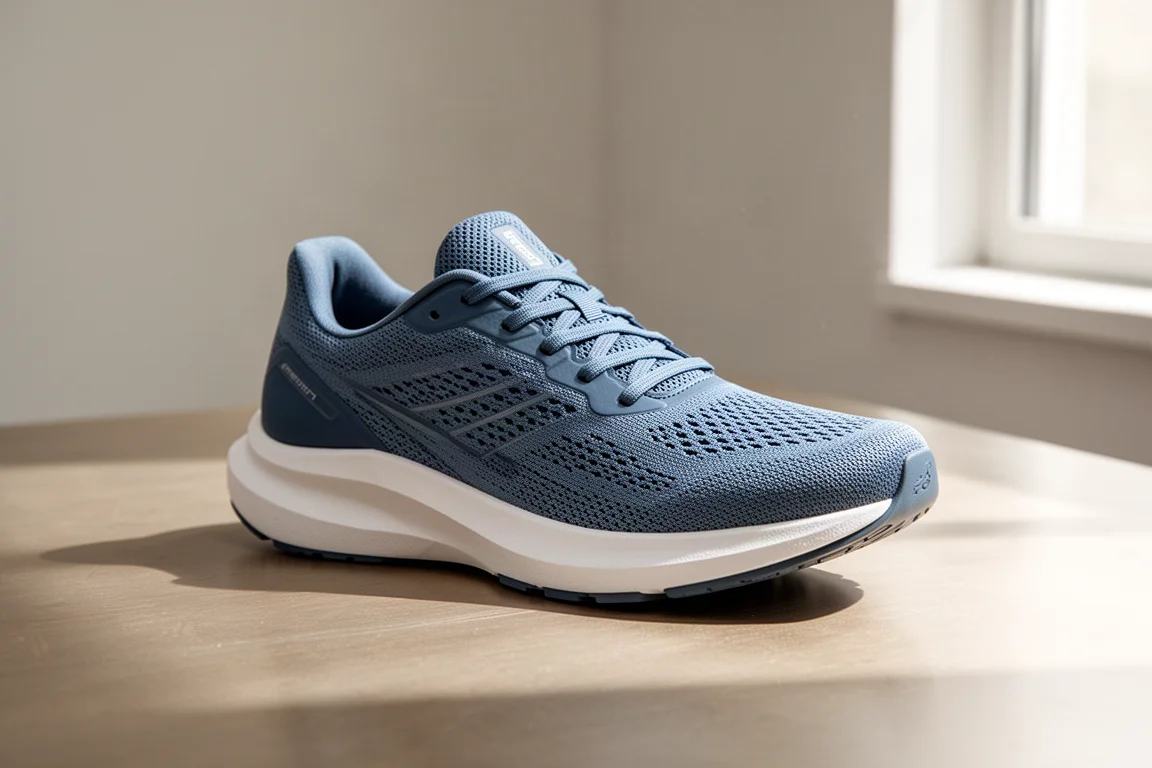
New Balance 1080 v11
Possibly the best value-for-money daily shoe available. Version 10 was also excellent, and the v11 continues that standard with plush cushioning that suits almost any run.
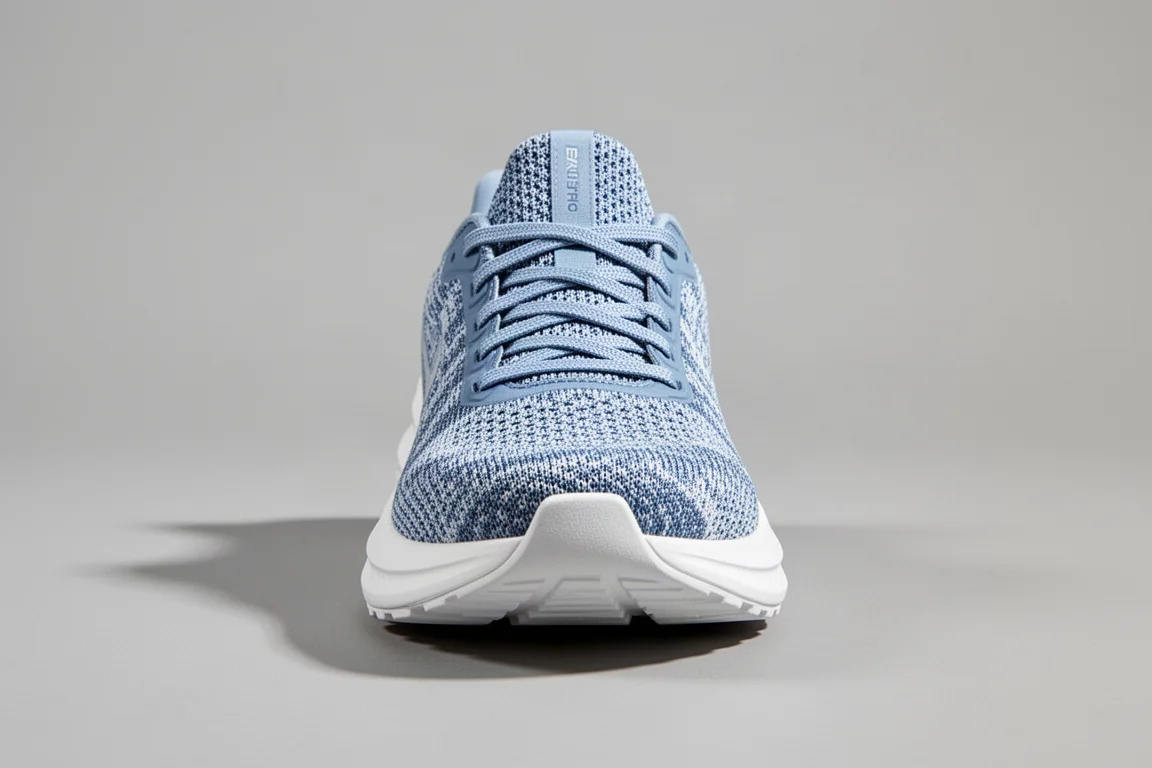
Asics Novablast
Close behind the 1080 on value. A bouncy, energetic daily trainer, and version 2 is already available if you want the newest iteration.
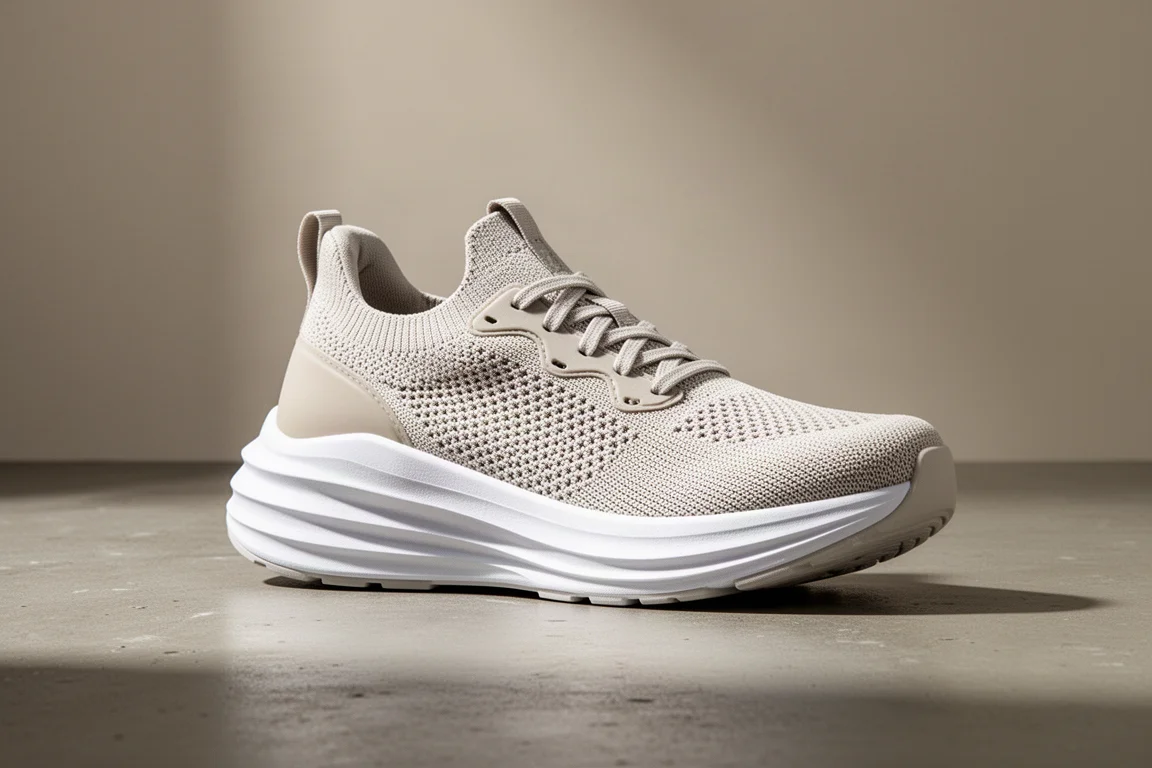
Workout Shoes: The Second Pair
If you expand to a two-shoe rotation, add a dedicated workout shoe: lighter than your daily trainer, more responsive, and built to help your legs turn over faster. It will not offer the protection of your daily shoe for long efforts, but it makes quality sessions feel quicker.
Nike Zoom Tempo Next%
A great staple for faster workouts. Note that it suits midfoot and forefoot strikers who land on the forefoot pods; heel strikers should probably look elsewhere.
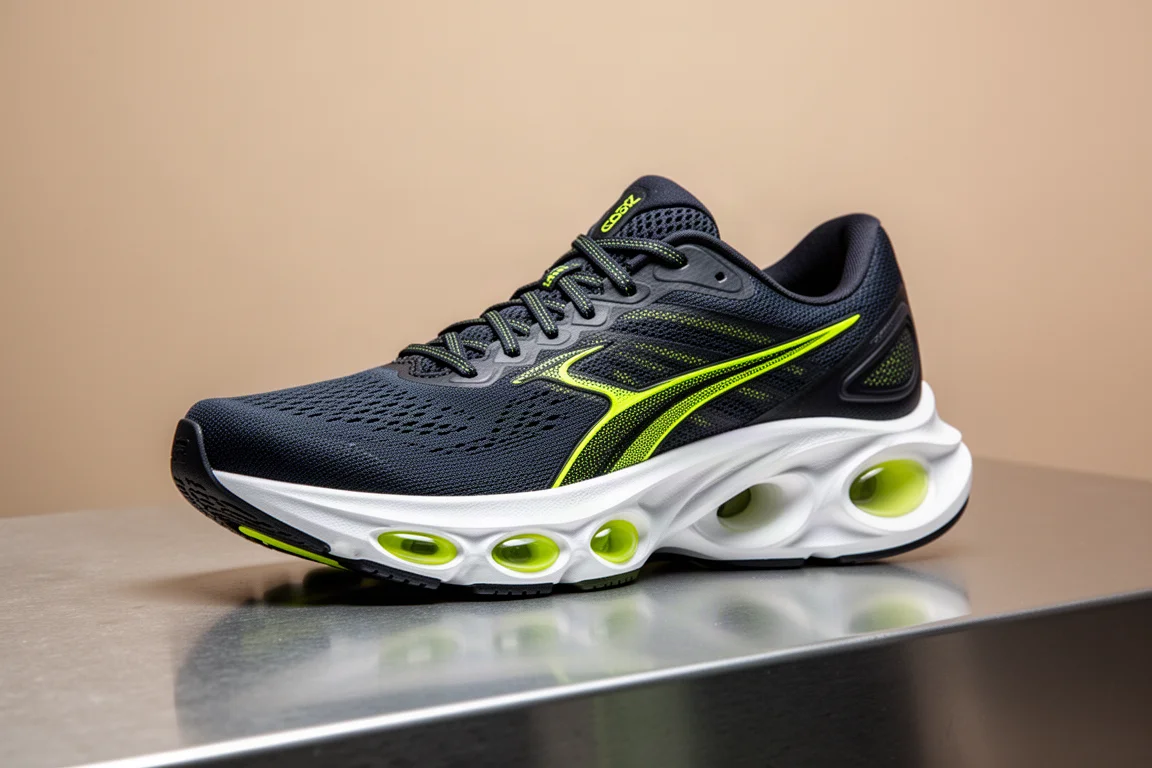
Hoka Rocket X
A very stiff plate shoe that encourages quick turnover. It rewards runners who like a firm, propulsive feel during intervals.
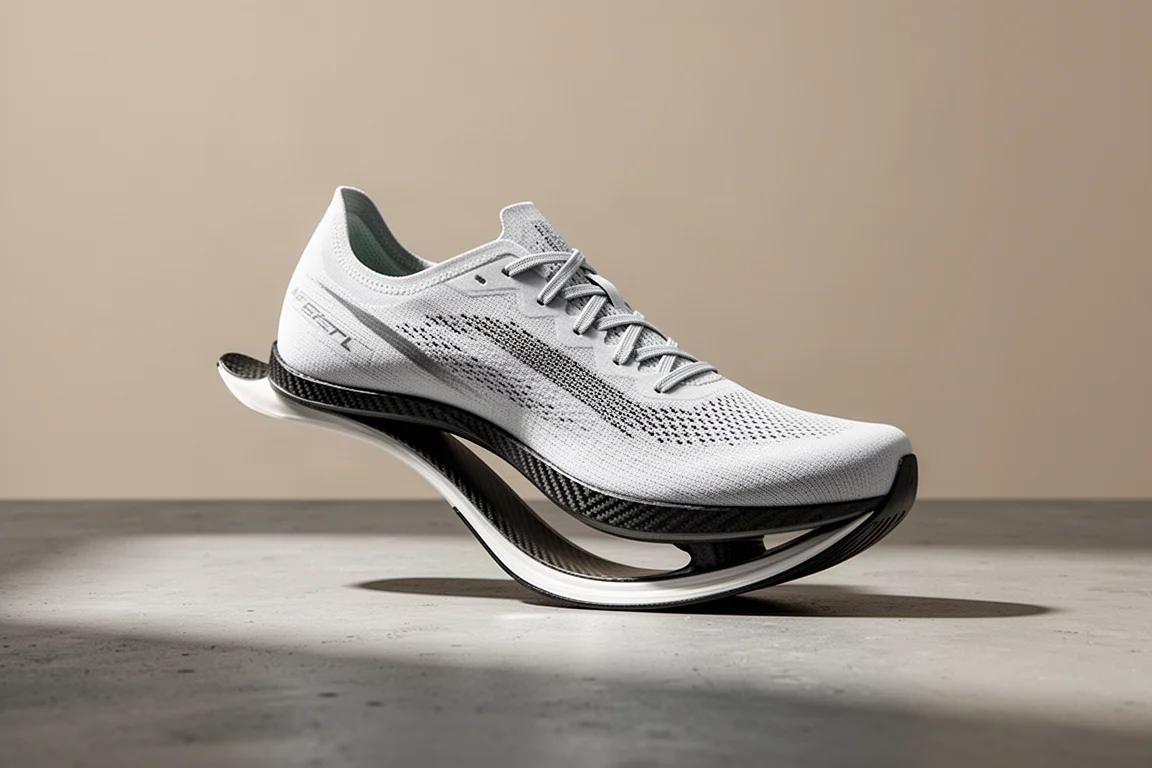
Saucony Endorphin Speed
A crowd favourite that genuinely delivers speed in workouts, even if long-term testing is still limited.
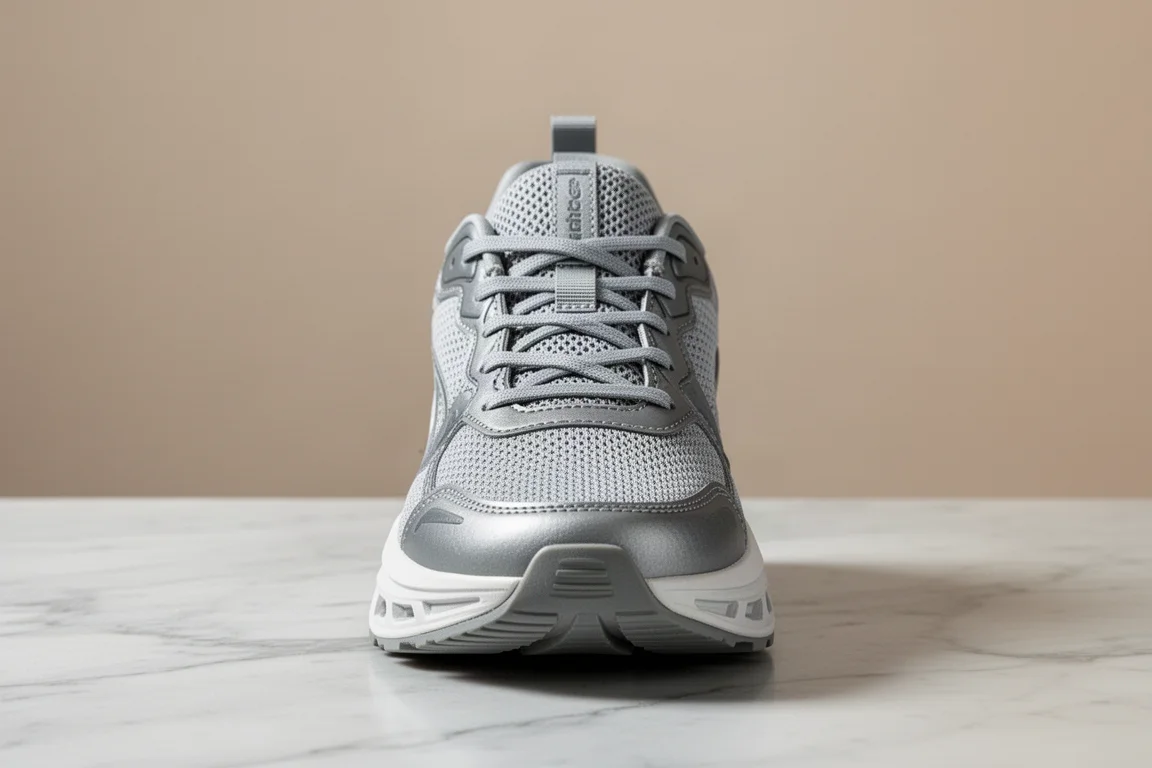
New Balance Rebel v2
All-new this generation and very different from the first model. Super lightweight, noticeably bendy, and a fantastic staple for workout days.
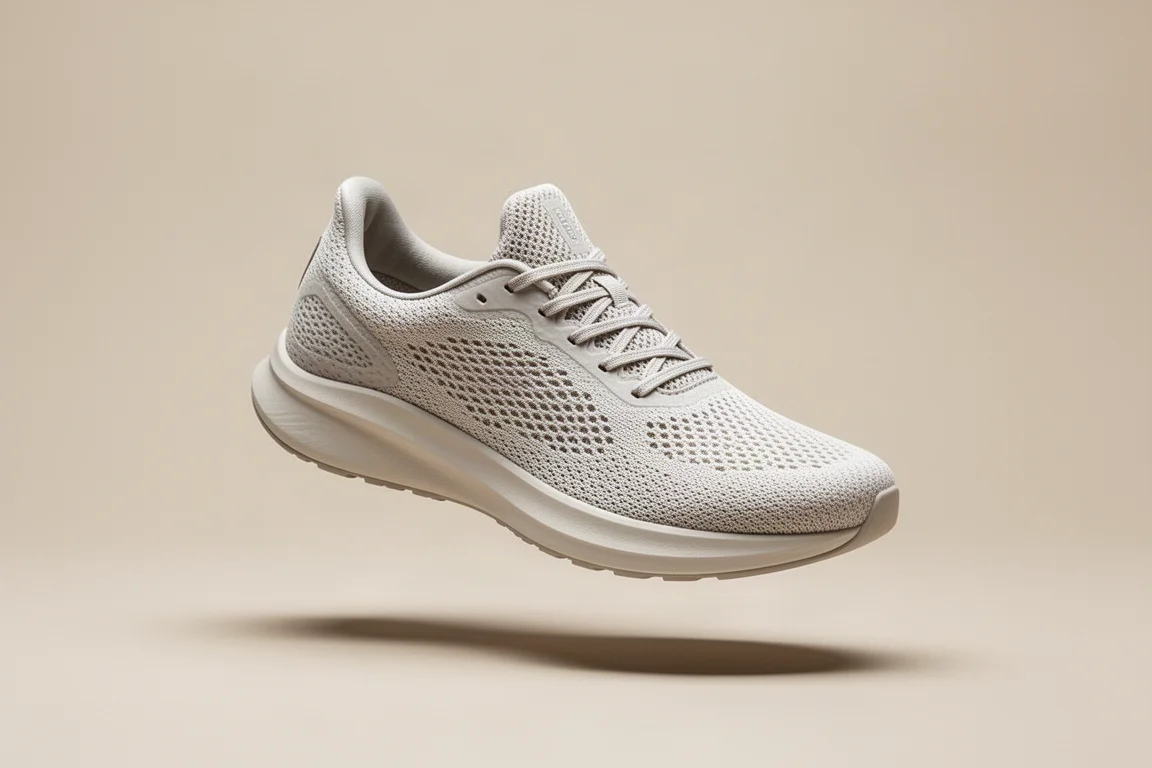
Race Shoes: The Special-Occasion Pair
Once you have an easy shoe and a workout shoe, a dedicated racer is the classic third purchase. These are the shoes that make race day feel different.
Nike Vaporfly Next% 2
Currently unmatched in the race shoe category. If you want the fastest option, this is the benchmark everything else is measured against.
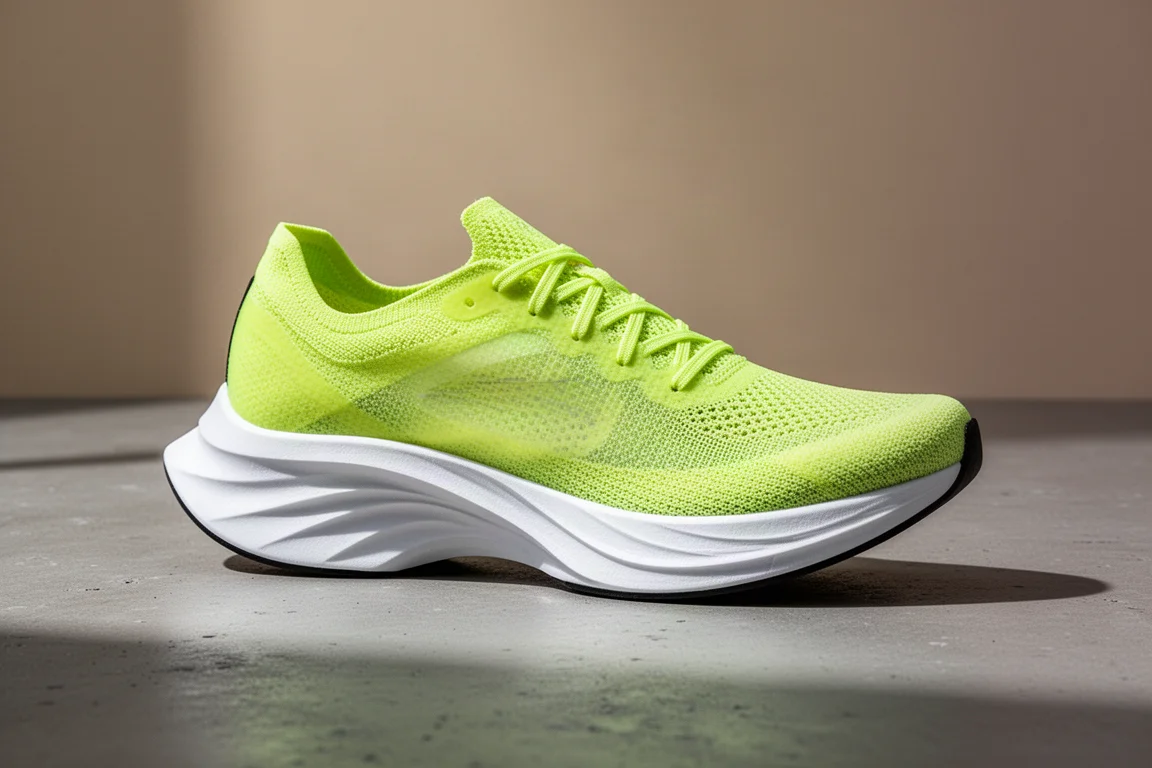
Nike Alphafly
A heavier, bulkier alternative that suits some runners beautifully. It delivered a 10K personal best, though it is a little noisy to run in and not for everyone’s taste.
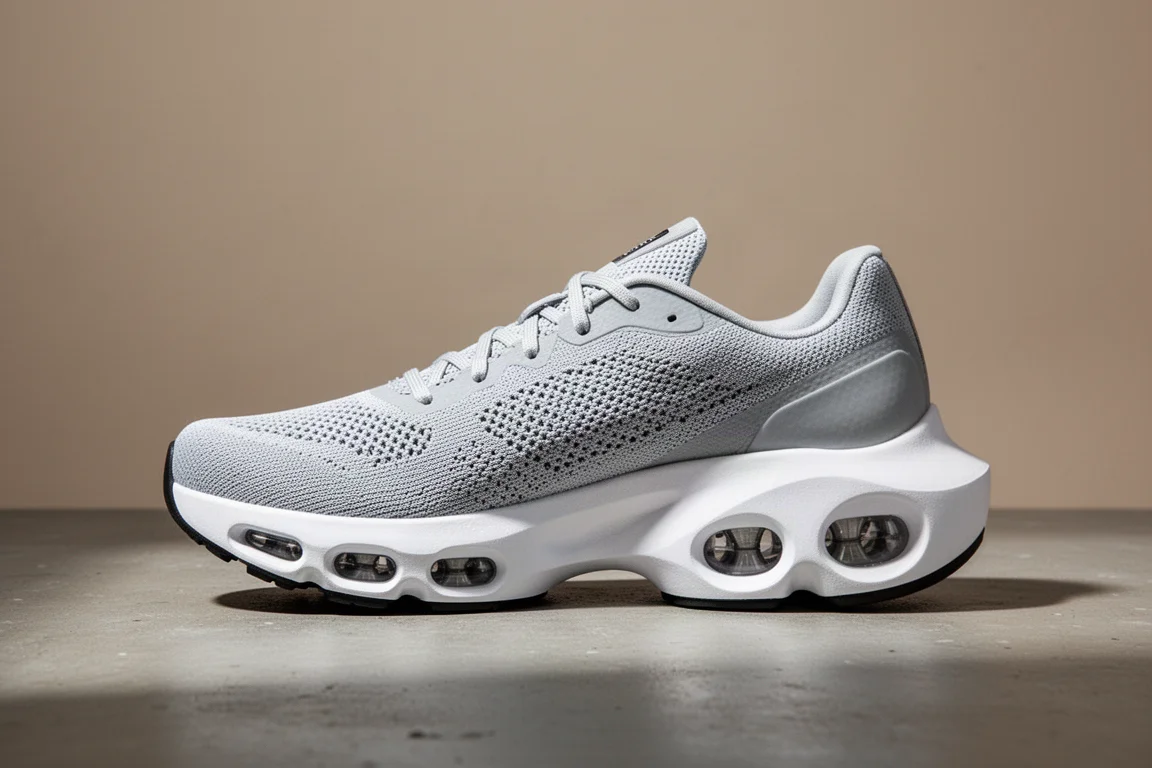
New Balance RC Elite
For non-Nike loyalists, this is arguably the most comfortable shoe in any rotation, without sacrificing much speed. It sits slightly below the Nike racers on outright pace but at a friendlier price.
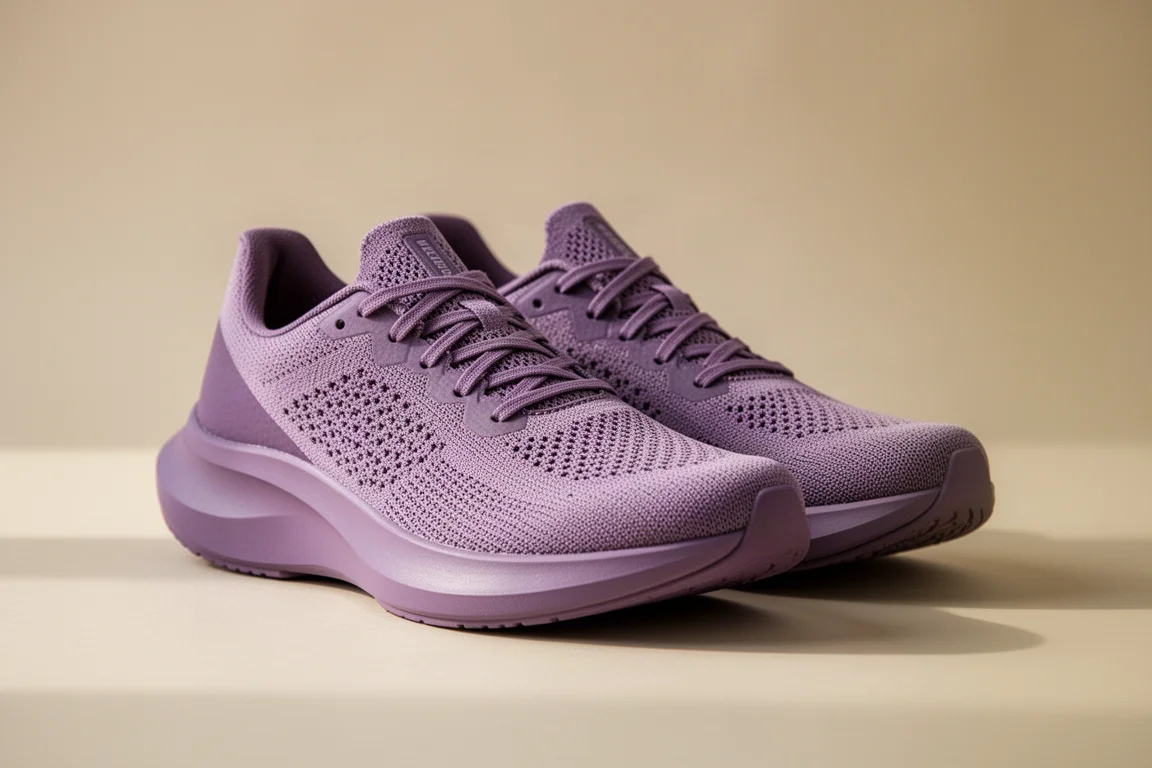
Atreyo
An intriguing carbon-plated racer from a small company, priced around £100 delivered in the UK and a little cheaper in the US. Well worth a look if you want super shoe technology on a budget.
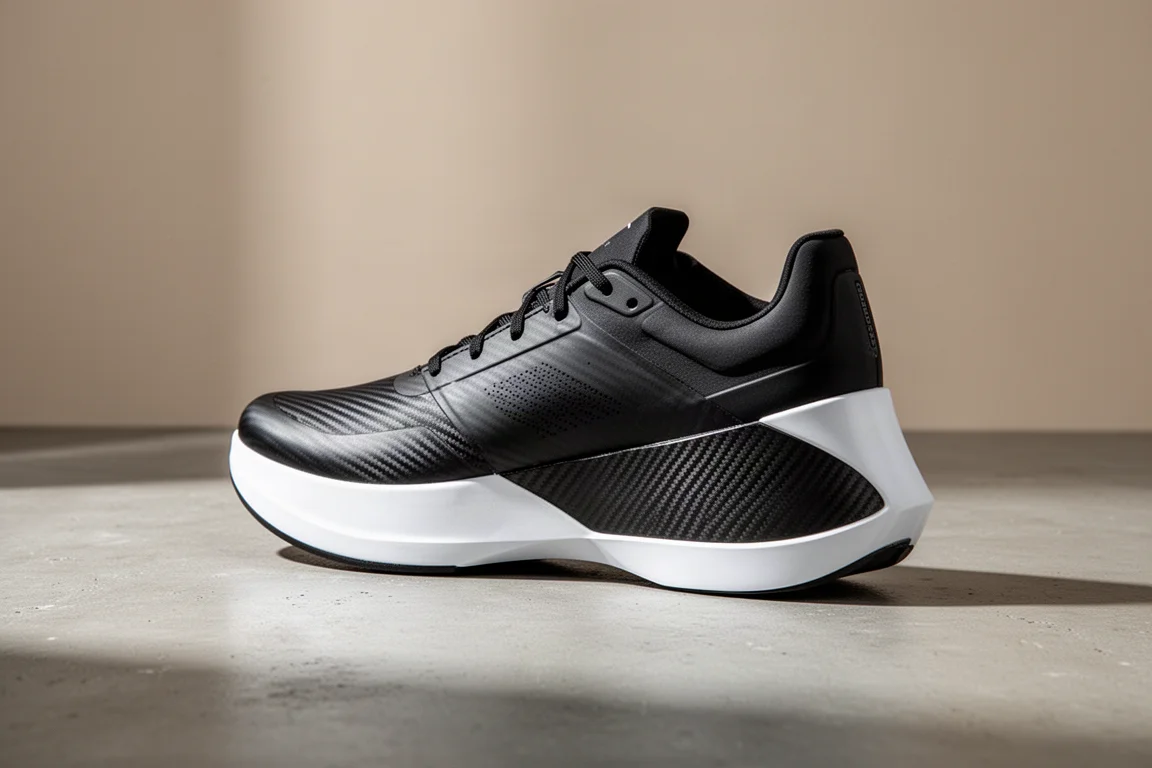
Recovery Shoes: Looking After Your Legs
A four-shoe rotation can add a dedicated recovery shoe: maximally cushioned, super squishy, and built to absorb impact on the day after a hard session.

Nike ZoomX Invincible
The standout here, built entirely on ZoomX foam for that super-soft, leg-saving ride.
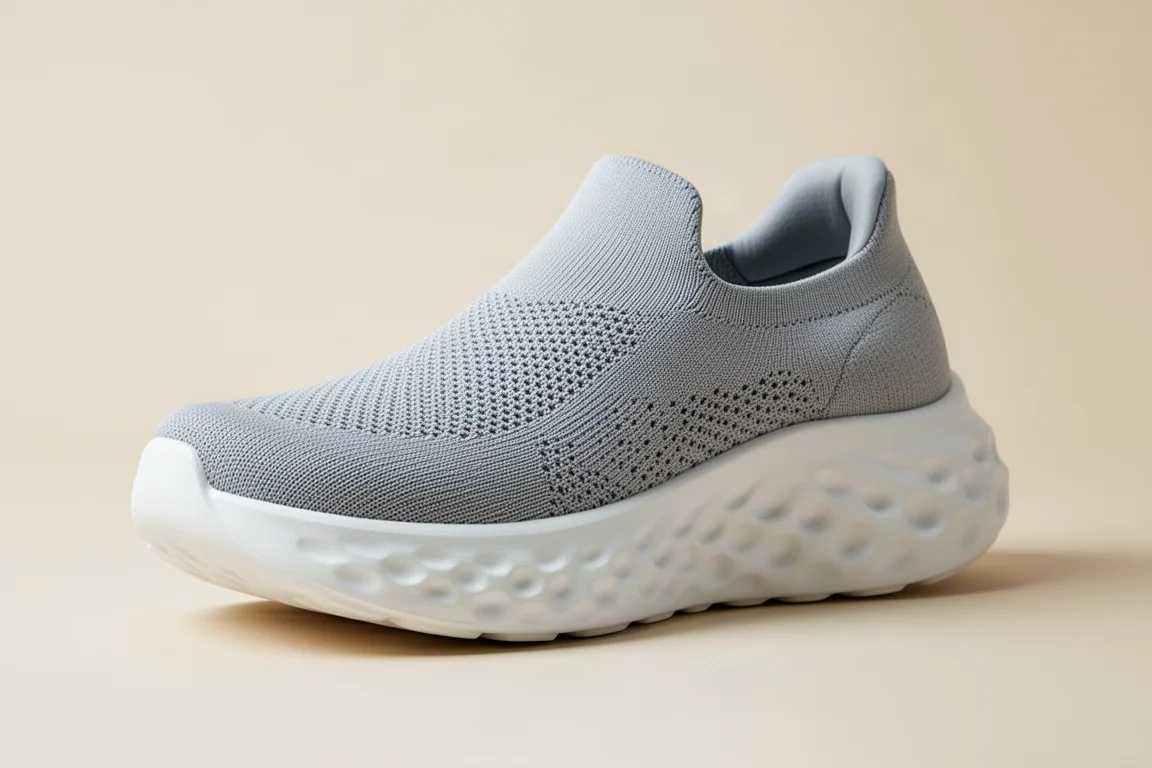
New Balance More v3
A strong alternative with loads of squishy foam underfoot to protect tired legs on easy recovery days.
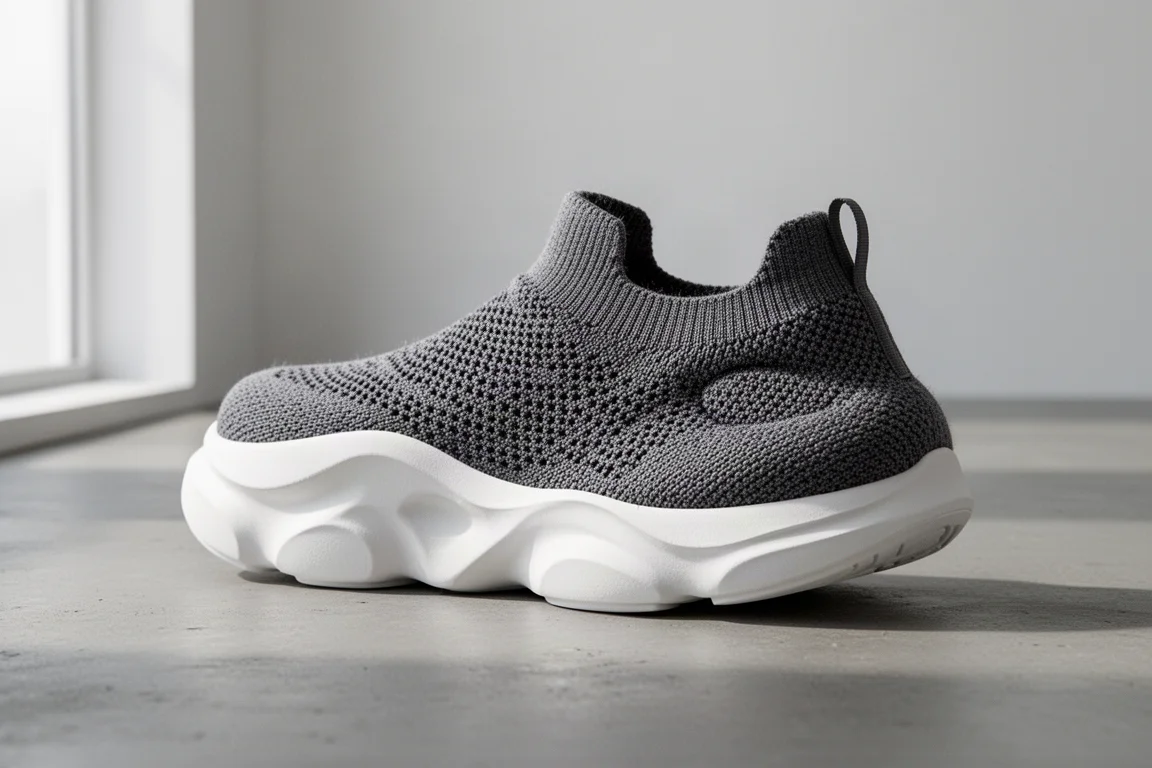
Trail Shoes: Grip for the Weekend Explorer
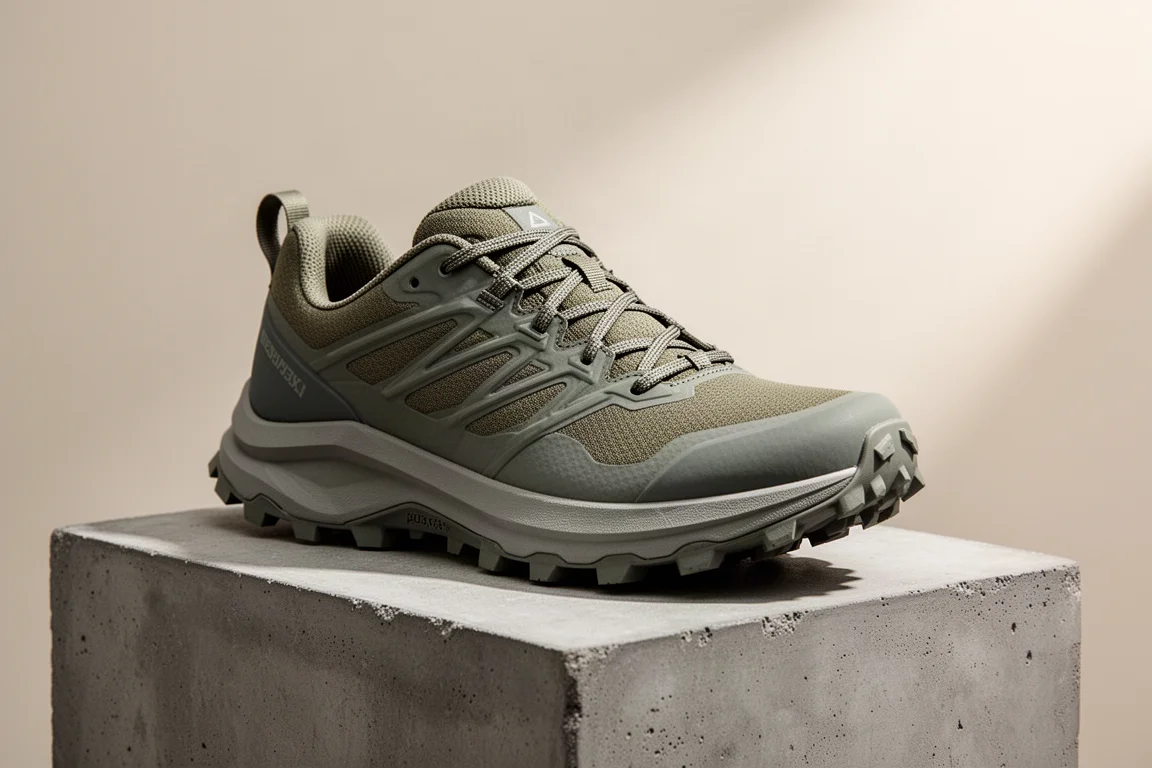
Trail shoes are runner-specific. If you have trails nearby and want to explore them on weekends, four options cover most conditions.
Nike Pegasus Trail 3
Ideal for runners who mix a little trail into road weeks. A touch heavy, but the grip is excellent for dry-ish trails in spring, summer, and autumn.
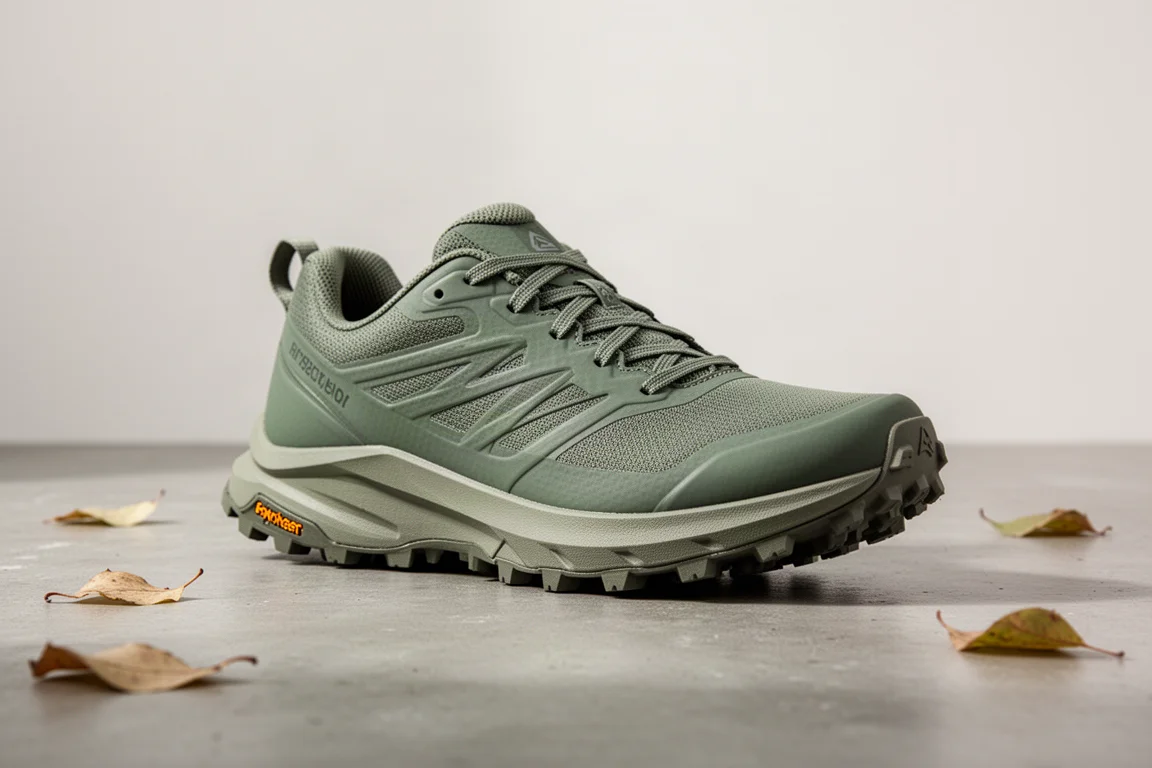
Hoka ATR
Short for all-terrain, this is a door-to-trail shoe that handles both roads and trails, useful when conditions are mixed.
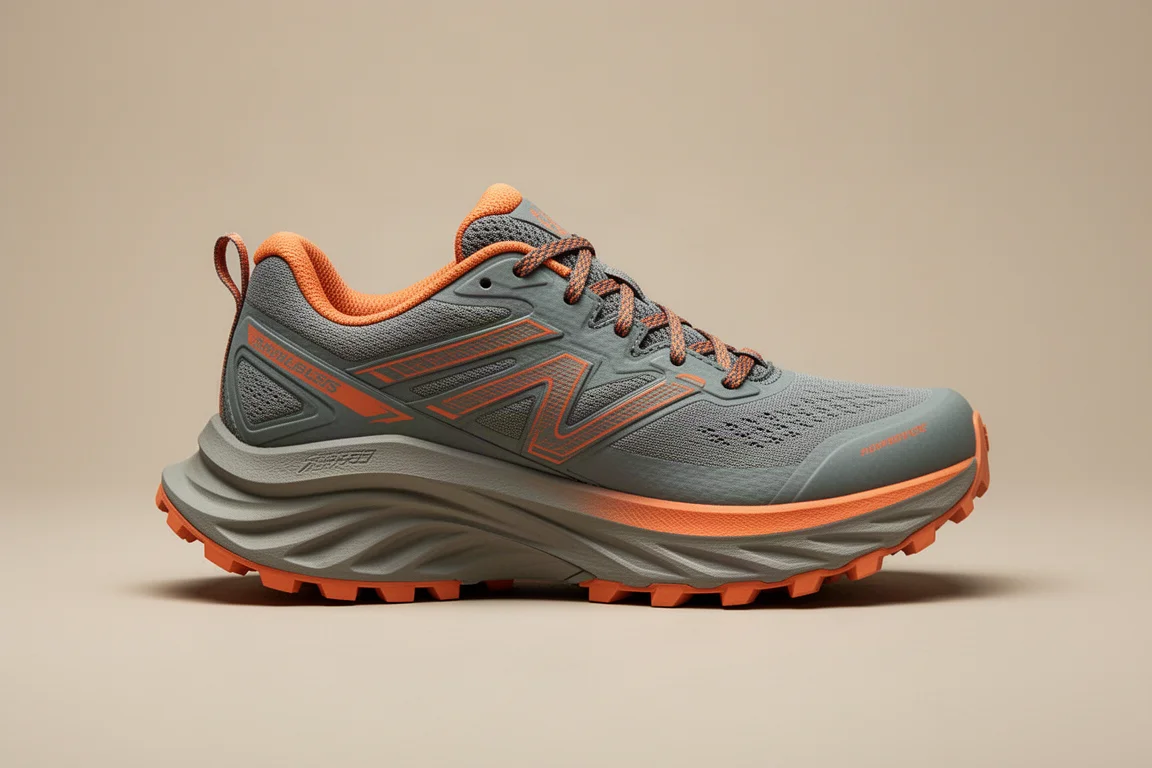
Saucony Peregrine 10
When the ground turns boggy, this adds significantly more grip on the underside.
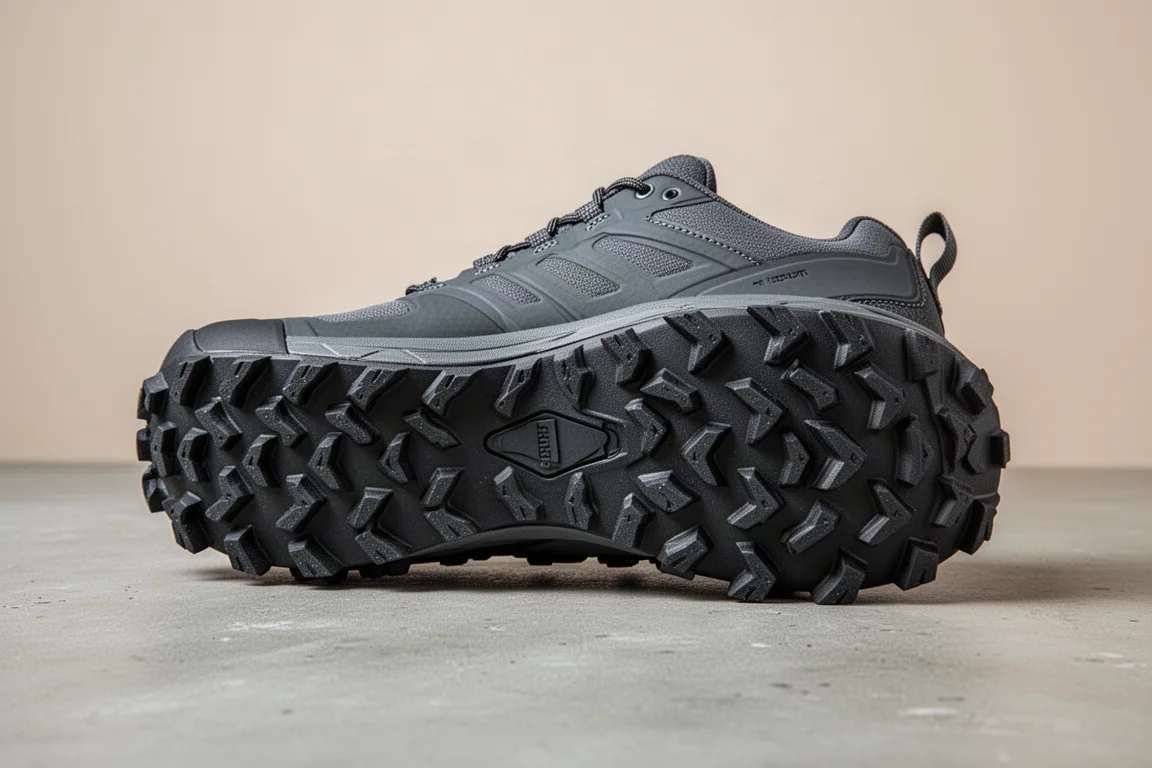
Hoka Speedgoat
The ultimate grip option, a range named after legendary ultrarunner Karl Meltzer. Simply the most grippy trail shoe tested.
Conclusion
A shoe rotation is not about owning everything. Start with one versatile daily trainer, add a workout shoe when you want faster sessions, and expand into race, recovery, trail, or track shoes only where they match the running you actually do. The right shoe for each type of run can help with injury prevention, make training more enjoyable, and sharpen race-day performance. Build it gradually, and let your running tell you which category to add next.
Further reading
Related Reviews

Running Shoes
Best Road-to-Trail Running Shoes: Three Versatile Options for Mixed Terrain
A practical guide to three road-to-trail running shoes that handle both pavement and mild trails, with clear strengths and trade-offs for different runner types.

Running Shoes
Best Running Shoes for Achilles Tendonitis: Three Options Explained
Three running shoes with different heel drops and support features designed to help reduce Achilles tendon pain during walking and running.

Running Shoes
Best Running Shoes for Women: Five Top Choices Ranked
A ranked guide to five women's running shoes, from versatile daily trainers to high-performance racing options, with real strengths and trade-offs for each.