Running Shoes
Best Durable Running Shoes 2026: Durability Check on a Three-Shoe Rotation
A durability update on the New Balance Fresh Foam 1080 v13, Adidas Boston 12, and Nike Vomero 17 after months of real training mileage.
Introduction
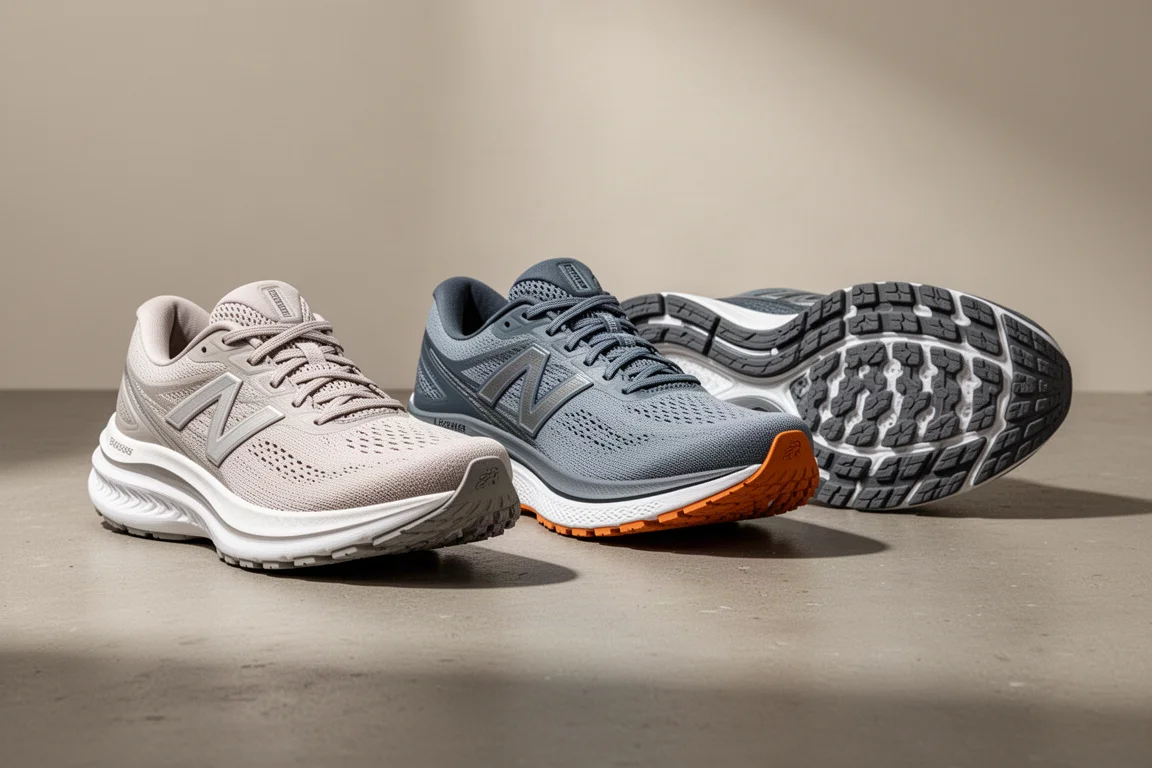
Rotating between several pairs of running shoes is one of the easiest ways to spread out mileage, manage fatigue, and see how different foams and outsoles actually hold up over time. After months of training, three trainers in one rotation offer a useful real-world durability snapshot: the New Balance Fresh Foam 1080 v13, the Adidas Boston 12, and the Nike Vomero 17.
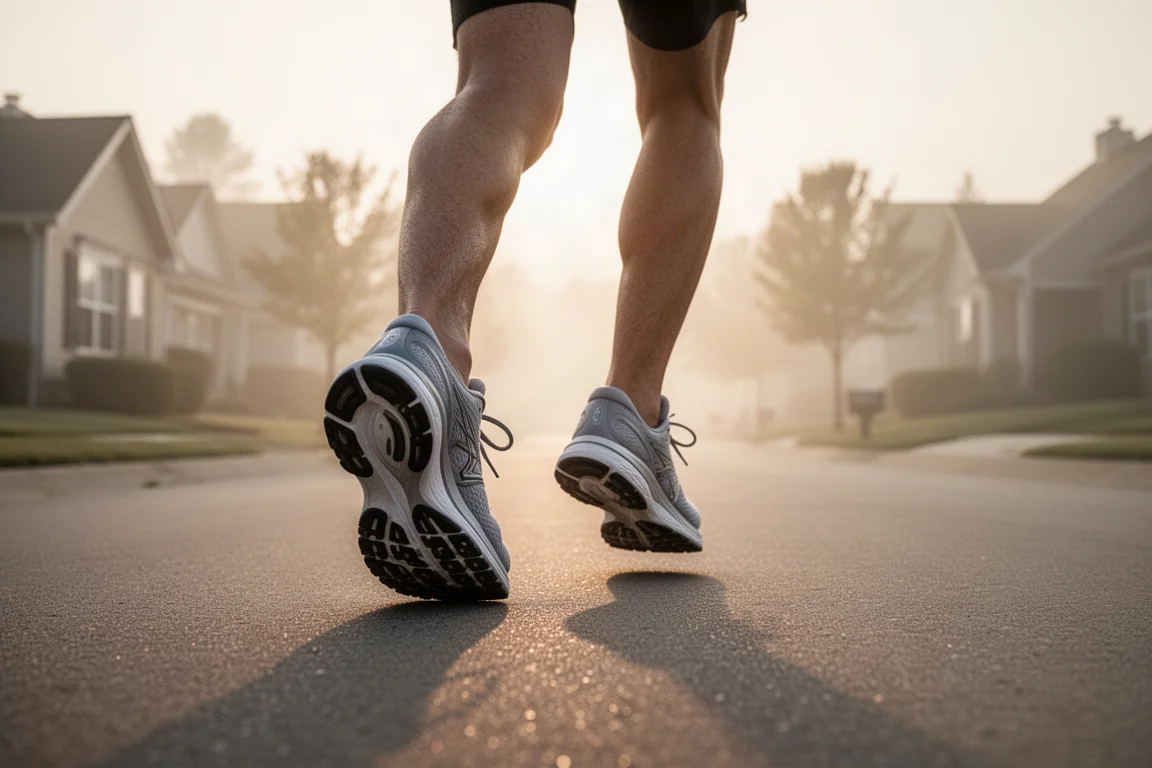
The runner behind this rotation is about 6 feet tall, roughly 160 lb, with a lower cadence around 165 to 170 depending on pace. Foot strike and mechanics vary from person to person, so treat this as a general guide to how these foams and outsoles tend to wear rather than a universal prediction. At the time of the check-in, the New Balance and Adidas pairs had around 220 to 230 miles on them, while the Nike sat closer to 150 to 160 miles.
New Balance Fresh Foam 1080 v13: Comfort First, Durability Second
The 1080 v13 was chosen for exactly one purpose: easy miles in maximum comfort. After a high-mileage training block, the goal was a super cushioned shoe to relax the legs, and the Fresh Foam 1080 v13 delivered that. Its 38 mm heel stack is the sweet spot for someone who does not get along with even taller max-cushion shoes; there is enough foam to feel protected without swimming in it.
Where it struggles is speed. Strides in this shoe feel far slower than the effort suggests, so it is not a shoe for fast running. As an easy-day partner, though, the first 200 miles have been very comfortable.
Durability is where the picture gets mixed. The midsole foam is still in decent shape, but the outsole is starting to get chewed up, particularly in the lateral heel area of the right shoe where the foam itself is beginning to show wear. New Balance uses a pod-style rubber layout, placing rubber strategically around the shoe rather than fully wrapping the heel or forefoot. That keeps weight down, but it is not doing much to protect the foam underneath.
For heavy heel strikers or forefoot scuffers, this rubber is not going to be especially durable. If you like taking shoes to 400 or 500 miles, this is probably not the max-cushion shoe for you. The realistic retirement point here is around 300 miles, which puts it firmly in the average durability category. It is still a shoe worth loving for comfort, just not for longevity.
Adidas Boston 12: The Durability Standout
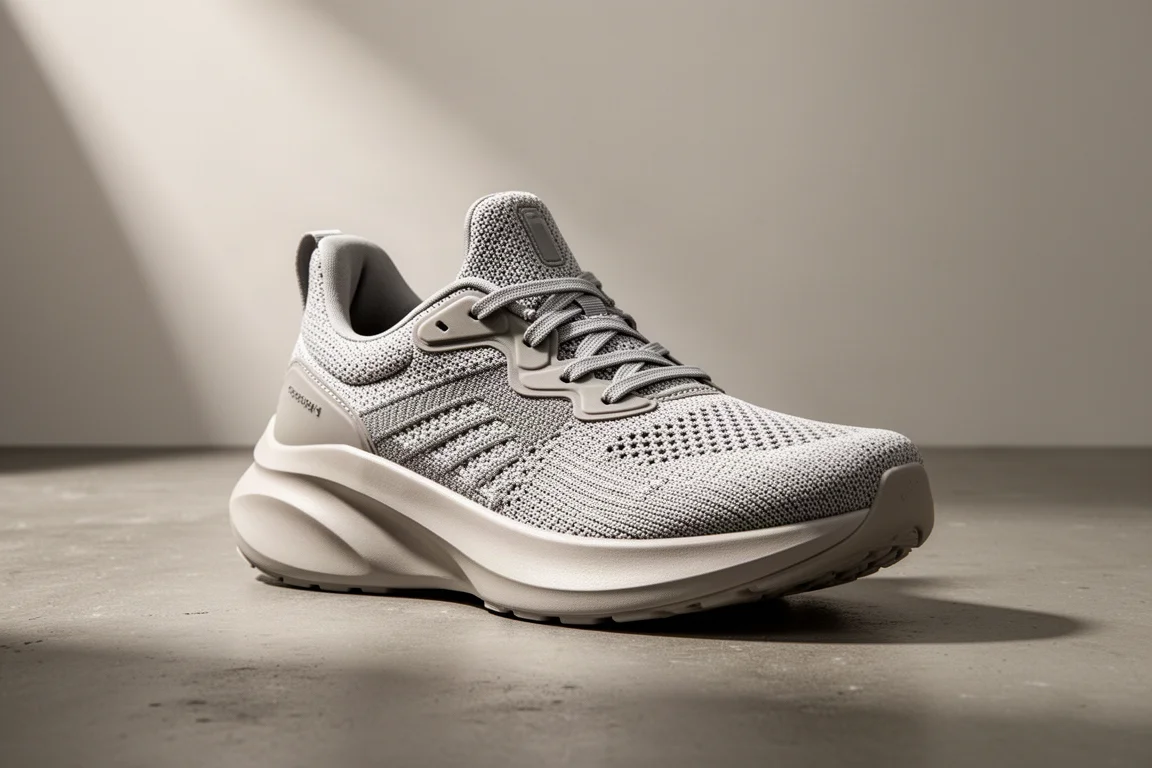
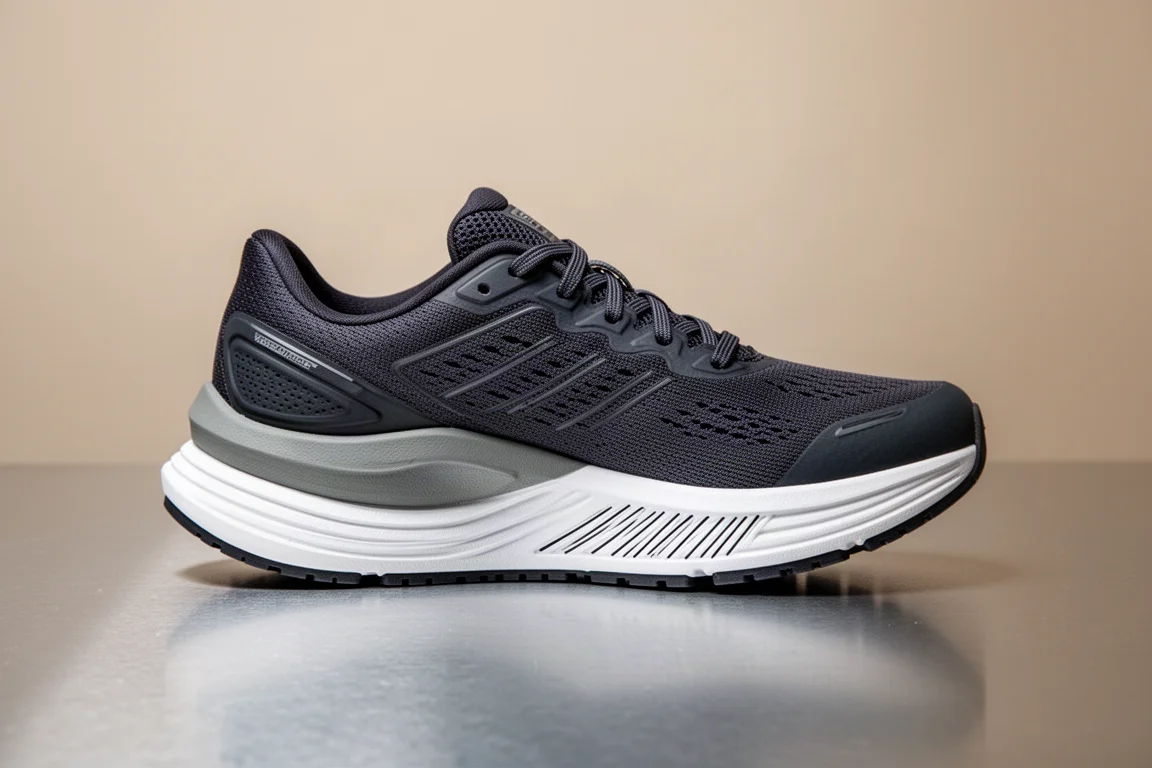
The Boston 12 is a completely different story. Through the first 200-plus miles, it is extremely durable and the ride has actually gotten better. Its dual foam construction pairs a firmer Lightstrike 2.0 base layer with Lightstrike Pro on top, and energy rods in the forefoot keep a nice snap despite the firmer overall feel. Softer foams tend to lose their bounce after 170 to 200 miles, but this firmer compound has softened up over time while keeping its responsiveness.
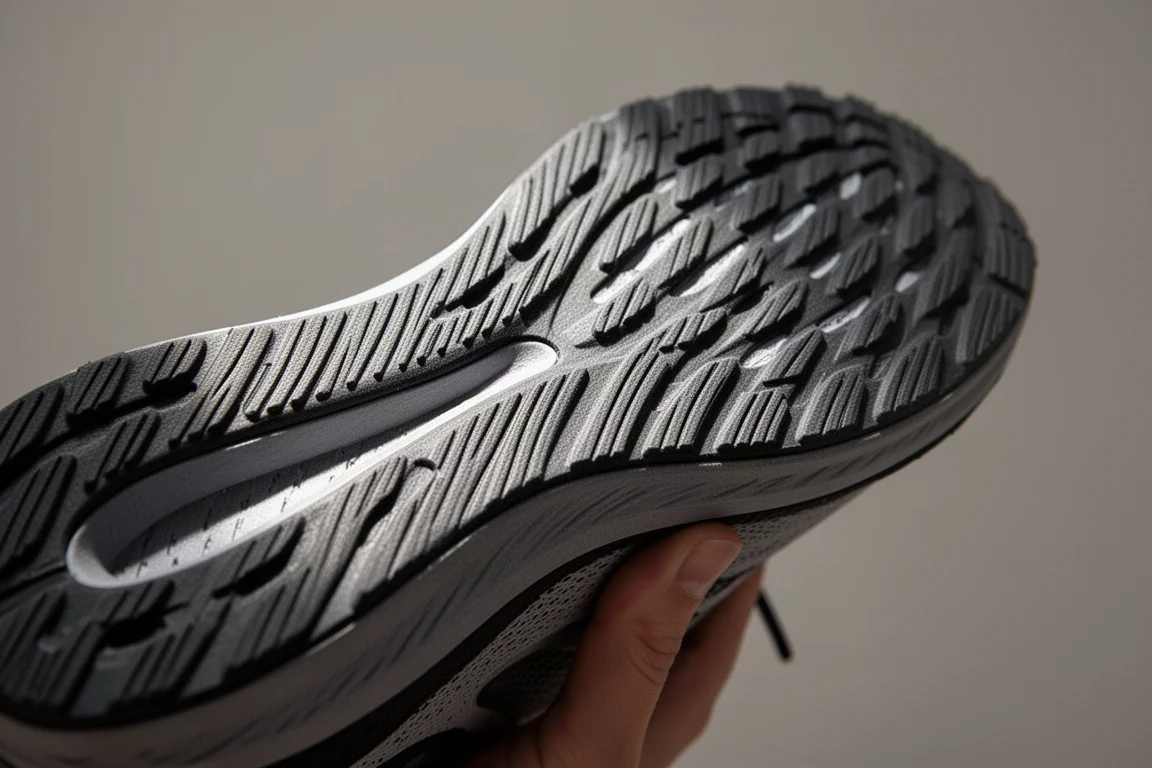
The outsole is barely worn at 220 to 230 miles. Some of the ridges are starting to smooth out, but the durable Continental rubber compound is not eating into the foam at all, doing an excellent job of protecting the midsole.
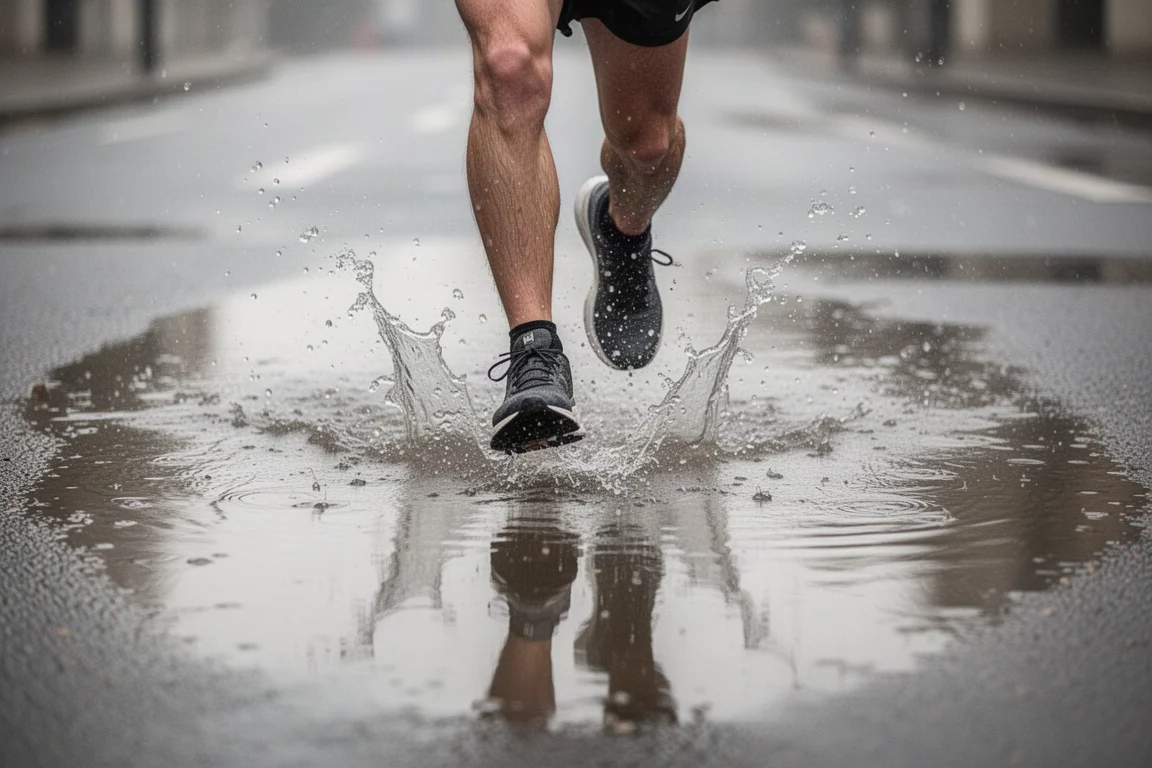
That rubber is not just durable, it also performs brilliantly in the wet. It handled a torrential downpour with one to two inches of standing water on the roads with total confidence, no slipping or sliding whatsoever.
The trade-off is break-in time. The foam took about 50 to 70 miles to soften up and start feeling like one with the foot; before that, the ride was a touch choppy and inconsistent. Once broken in, though, it is a do-it-all marathon training shoe: protective enough for long runs, fast enough for speed intervals thanks to the rods and race-day foam, and even suitable for recovery runs. If you can only pick one marathon training shoe, this is the one, and it pairs nicely with a lighter, simpler second shoe on a budget. It has also been seen on sale, with some colorways previously discounted significantly, so it is worth watching for the next Adidas promotion.
Nike Vomero 17: A Consistent Everyday Trainer
The Vomero 17 is a classic daily trainer elevated by a few modern materials. Nike put a top layer of ZoomX foam, the same race-day foam used in its fastest racing shoes, on top of a Cushlon 3.0 base. That adds just enough cushion and pop to make it feel a bit more special than a standard daily trainer, without riding like a heavy max-cushion shoe.
At 29 mm in the heel, it does not feel as cushioned underfoot as the 1080 v13, and the foam layout gives the forefoot a more natural, flexible feel than most max-cushion alternatives. Through 150-plus miles, the ride has been very consistent: not too soft, not too firm, and a perfect fit for relaxed everyday pace.
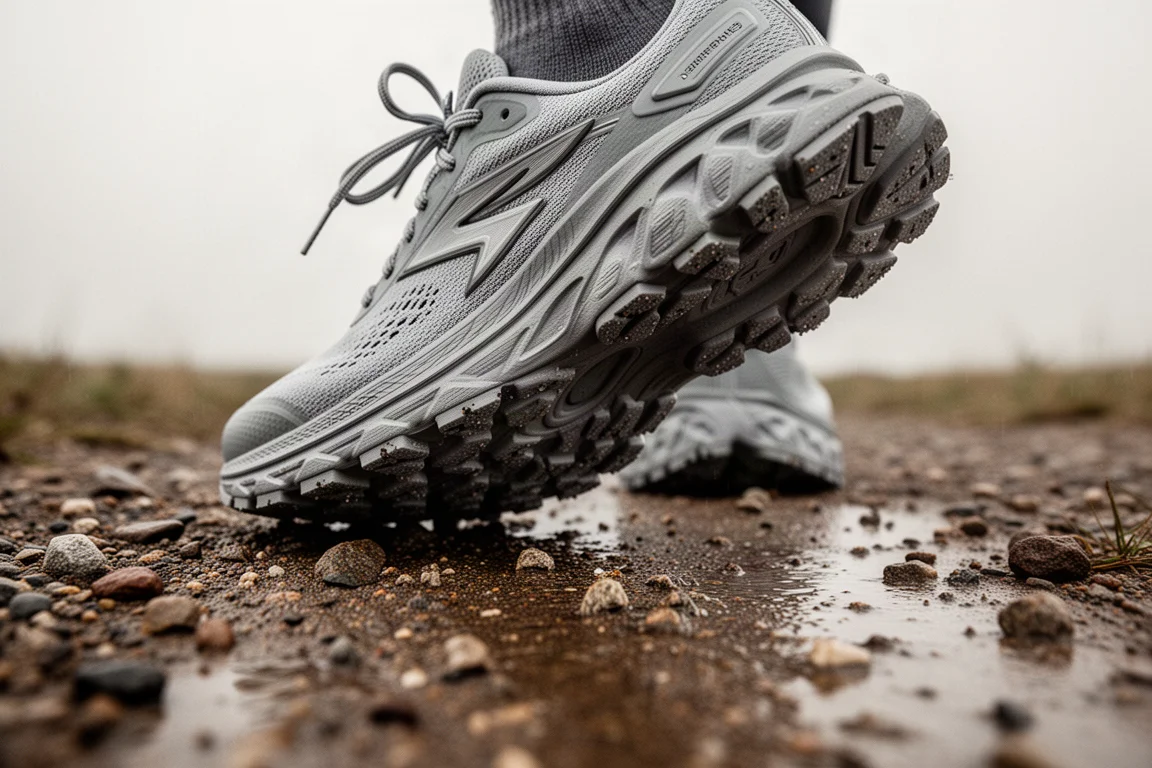
The outsole is one of the thickest road outsoles you will find, thick enough that the shoe has handled wet pavement, dirt, and rocky roads without issue. Wear is starting to show, with the texture softening in places, but the rubber is not wearing through to the foam thanks to its sheer thickness. How it holds up from 250 to 300 miles remains to be seen; it could wear down like the 1080 v13 or hold up like the Boston 12. So far, though, durability has been solid.
Overall Buying Advice
Across the three, the Boston 12 is clearly the most durable, and it doubles as the best single-shoe option for marathon training thanks to its do-it-all ride and strong value. The Vomero 17 is the safest consistent everyday pick with excellent outsole protection so far. The 1080 v13 remains the comfort champion for easy days, but plan on retiring it around 300 miles if you are hard on outsoles.
Conclusion
A three-shoe rotation covers every base: plush recovery miles with the Fresh Foam 1080 v13, everything from long runs to intervals with the Boston 12, and steady everyday mileage with the Vomero 17. Match each shoe to its role and check the outsoles regularly, and this kind of rotation will keep every run feeling right.
Further reading
Related Reviews

Running Shoes
Best Road-to-Trail Running Shoes: Three Versatile Options for Mixed Terrain
A practical guide to three road-to-trail running shoes that handle both pavement and mild trails, with clear strengths and trade-offs for different runner types.

Running Shoes
Best Running Shoes for Achilles Tendonitis: Three Options Explained
Three running shoes with different heel drops and support features designed to help reduce Achilles tendon pain during walking and running.

Running Shoes
Best Running Shoes for Women: Five Top Choices Ranked
A ranked guide to five women's running shoes, from versatile daily trainers to high-performance racing options, with real strengths and trade-offs for each.